
Butter Chicken
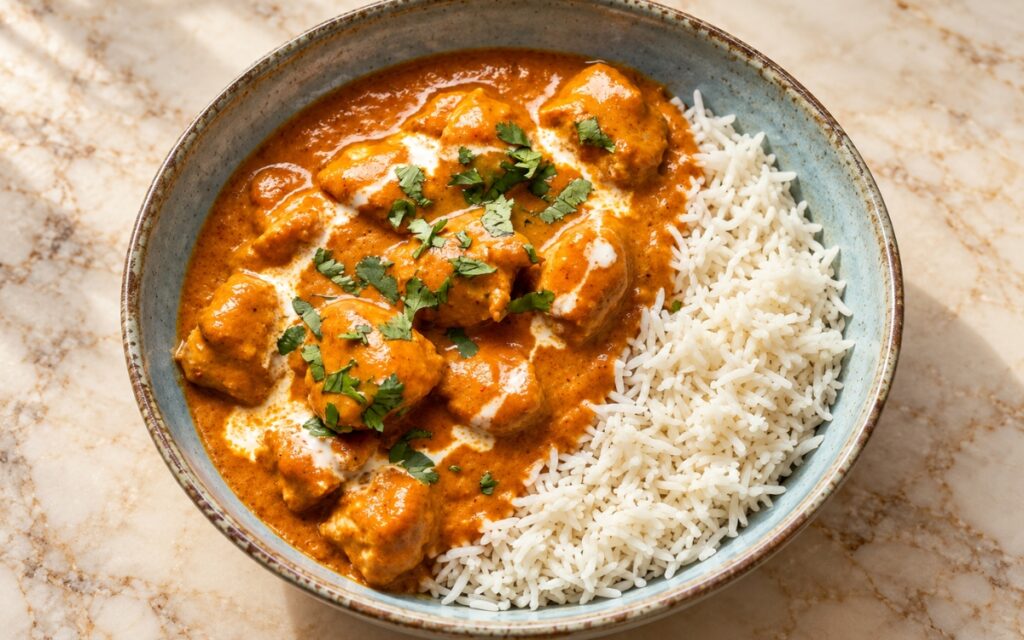
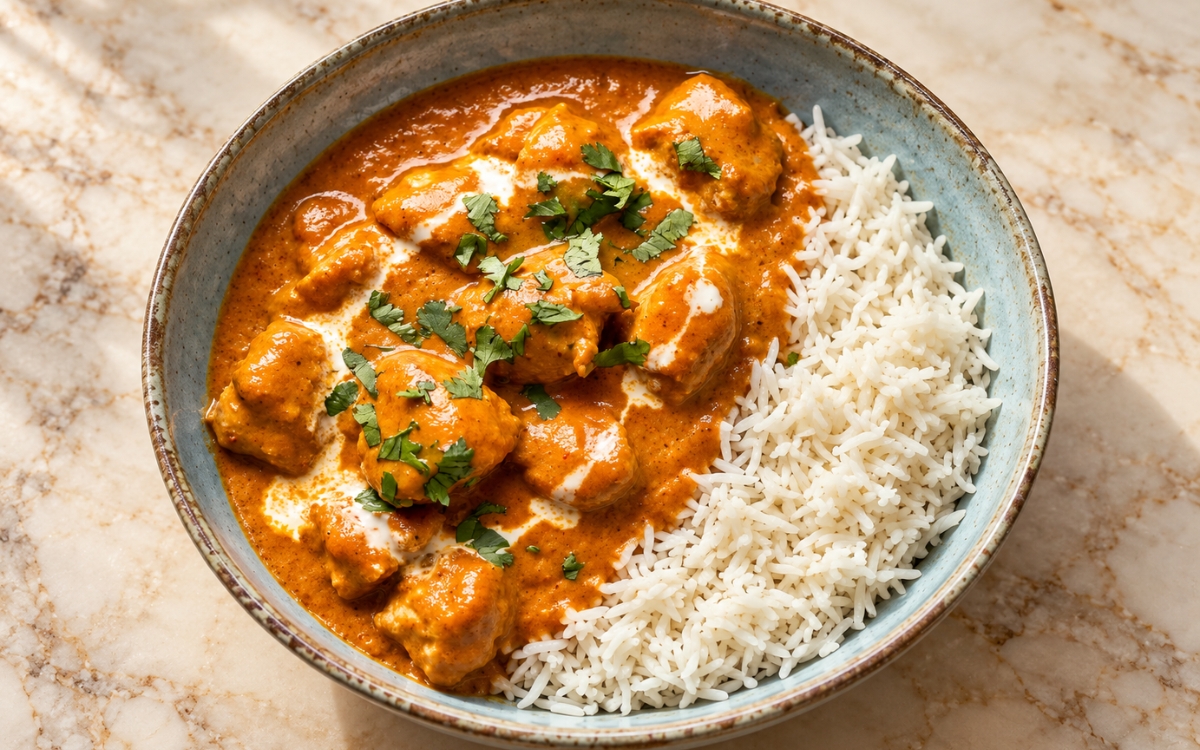
Classic butter chicken made with marinated chicken thighs, lightly charred first, then finished in a smooth, velvety tomato-butter sauce enriched with cream and kasuri methi. Served with simple stovetop basmati rice for 4 full portions.
Prep Time : 30 min
Total Time : 3 hr 15 min
Servings : 4
30 min
3 hr 15 min
4
Ingredients
Chicken Marinade
• 800 g boneless skinless chicken thighs, cut into large bite-size pieces
• 180 g full-fat plain yogurt
• 18 g ginger, finely grated
• 18 g garlic, finely grated or crushed
• 1 tbsp lemon juice
• 1 tbsp neutral oil
• 1¼ tsp fine salt
• 1½ tsp Kashmiri chili powder or mild paprika
• 1 tsp ground cumin
• 1 tsp ground coriander
• ½ tsp turmeric
• 1 tsp garam masala
Butter Chicken Sauce
• 2 tbsp neutral oil or ghee
• 40 g unsalted butter, divided
• 1 medium onion, finely sliced or diced (about 140–160 g)
• 15 g ginger, finely grated
• 15 g garlic, finely grated or crushed
• 1 tbsp tomato paste
• 500 g tomato passata or crushed tomatoes
• 1½ tsp Kashmiri chili powder
• 1 tsp ground cumin
• 1 tsp ground coriander
• ½ tsp turmeric
• 1 tsp garam masala
• 1 to 1¼ tsp fine salt, to taste
• 1 to 2 tsp sugar, only if needed
• 120–180 ml hot water, as needed
• 180 ml heavy cream
• 1 tsp kasuri methi, crushed between your fingers
• 10–15 g unsalted butter, for finishing
Basmati Rice
• 300 g basmati rice
• 450 ml water
• ½ tsp fine salt
• 1 tsp butter or neutral oil, optional
To Finish
• 2–3 tbsp heavy cream, for swirling
• 2 tbsp chopped cilantro
Directions
- Marinate the Chicken
Combine the yogurt, ginger, garlic, lemon juice, oil, salt, Kashmiri chili, cumin, coriander, turmeric, and garam masala in a bowl. Add the chicken and mix until every piece is fully coated, then cover and refrigerate for at least 2 hours, preferably overnight. A longer marinade seasons the meat more deeply and keeps it more tender once it’s been through both the char and the final simmer. - Start the Rice
Rinse the basmati rice in several changes of cold water until the water runs mostly clear. Soak it for 20 minutes if time allows, then drain well. Combine the rice, 450 ml water, salt, and the optional butter or oil in a saucepan with a tight-fitting lid. Bring to a gentle boil, stir once, cover, lower the heat to the minimum, and cook for 12 minutes. Turn off the heat and let the rice stand covered for 10 minutes, then fluff gently with a fork. Keep the lid on throughout the resting time — the trapped steam is what finishes the grains, and lifting the lid early lets that steam escape before the rice is fully done. - Char the Chicken
Remove the chicken from the fridge 20–30 minutes before cooking. For the broiler or grill method, arrange the pieces on a rack over a tray or on skewers and cook on high heat for 10–15 minutes, turning once, until lightly charred in spots and nearly cooked through. For the pan method, heat a heavy skillet or grill pan over high heat with a little oil and cook the chicken in batches for 2–3 minutes per side, until well browned and lightly charred; it doesn’t need to be fully cooked yet. Set the chicken aside with any juices. Keep the pan from getting crowded so the chicken sears instead of steaming — that char carries a good part of the dish’s finished flavor. - Build the Sauce Base
Heat the oil or ghee and 25 g of the butter in a large sauté pan or pot over medium heat. Add the onion and cook for 8–10 minutes, stirring regularly, until fully softened and lightly golden, then add the ginger and garlic and cook for 30–60 seconds, just until fragrant. Stir in the tomato paste and cook for 1 minute. Add the Kashmiri chili, cumin, coriander, turmeric, and garam masala, stirring for 20–30 seconds to bloom the spices. Pour in the passata or crushed tomatoes along with 1 teaspoon of salt to start, then simmer over medium-low heat for 12–15 minutes, stirring regularly, until the sauce thickens, deepens in color, and loses its raw tomato edge. Add 1–2 teaspoons of sugar only if the tomatoes taste sharp. This stage needs its full simmer time — a tomato base that’s cooked down too quickly carries a raw, acidic taste straight through to the finished sauce. - Blend and Finish the Sauce
For a classic smooth butter chicken texture, blend the sauce until very smooth with an immersion blender, or carefully transfer it to a blender and blend smooth, then return it to the pan. Add 120 ml hot water first to loosen, adding more as needed until the sauce is thick but pourable. Lower the heat, stir in the cream and crushed kasuri methi, then add the charred chicken and any resting juices. Simmer gently for 5–7 minutes, until the chicken is fully cooked and tender and the sauce clings to the meat — internal temperature should reach at least 74°C. Finish with the remaining 15 g butter, stirring until glossy, and adjust the salt to taste. Once the cream is in, keep the sauce at a gentle simmer rather than a hard boil so it stays smooth instead of breaking. - Serve
Divide the basmati rice into 4 bowls, using the equivalent of 75 g uncooked rice per serving. Spoon the butter chicken alongside or partly over the rice, then finish each bowl with a small swirl of cream and a little chopped cilantro. Serve right away.
*Notes :
- The most classical result comes from combining several specific choices at once: chicken thighs rather than breast, a full yogurt marinade, charring the chicken before it meets the sauce, and blending the sauce smooth before the cream and butter go in. Skipping any one of these still gives a good dish, but together they’re what produce the familiar restaurant-style result.
- A small amount of onion gives the sauce body and a background sweetness, even though some versions of butter chicken use very little or none at all; blending the finished base afterward keeps the texture polished either way, so the onion’s presence doesn’t show up as discrete pieces.
- Kasuri methi plays a similar role here to its role in other tomato-cream curries in this style — a small quantity that contributes a disproportionate share of the dish’s familiar restaurant aroma, and leaving it out changes the final smell and flavor more than the measured amount would suggest.
- Kashmiri chili powder gives the sauce its rich orange-red color without pushing the heat level very high, which is why swapping in a hotter chili powder at the same quantity will change the dish’s spice level more than its color.
Why This Recipe Works
The yogurt marinade tenderizes the chicken while seasoning it all the way through, and charring that marinated chicken separately builds a layer of smoky flavor the sauce alone couldn’t produce on its own. Blending the tomato-onion base until smooth is what gives butter chicken its signature velvety texture, distinguishing it from chunkier tomato-based curries that skip that step. Lowering the heat before the cream goes in keeps the dairy from splitting against the simmering sauce, and finishing with butter at the very end — after the sauce is off the highest heat — adds richness and shine without cooking that butter down to nothing.
Ingredient Breakdown
Chicken thighs
Stay juicy through both the char and the final simmer, holding up better than breast meat under the same cooking steps.
Yogurt marinade
Tenderizes the chicken and carries the first layer of spice through the meat before it ever reaches the sauce.
Blended tomato-onion base
The step responsible for butter chicken’s smooth, velvety texture, setting it apart from chunkier curries built on the same ingredients.
Heavy cream
Rounds the sharper tomato notes into a smoother, richer sauce and builds the dish’s characteristic silky mouthfeel.
Kasuri methi
A small quantity of dried fenugreek leaf that carries most of the aroma associated with restaurant-style butter chicken.
Finishing butter
Stirred in off the higher heat at the very end, it adds a last layer of gloss and richness without cooking away.
Flavor Structure Explained
This dish follows a layered balance model:
- Smoky protein centerpiece (charred marinated chicken)
- Concentrated, tangy body (blended tomato-onion base)
- Silky dairy richness (cream and butter)
- Aromatic top note (garam masala and kasuri methi)
- Neutral base (basmati rice)
Charred marinated chicken serves as this dish’s smoky centerpiece, built through searing before it ever meets the sauce. The blended tomato-onion base contributes a concentrated, tangy body, its texture smoothed into the velvety consistency that defines butter chicken specifically. Cream and butter, folded in at the end, add a silky richness over that concentrated base. Garam masala and kasuri methi finish the dish with an aromatic top note that reads last on the palate. Plain basmati rice underneath stays a neutral base, there to carry the sauce rather than compete with it.
Common Mistakes to Avoid
- Skipping the blending step – This leaves the sauce with a chunkier, less classic texture; always blend it smooth if a traditional butter chicken result is the goal.
- Crowding the pan while charring the chicken – This causes the chicken to steam instead of developing char; always cook it in batches with room between the pieces.
- Rushing the tomato base simmer – This leaves the sauce tasting raw and acidic instead of deep and rounded; always give it the full 12–15 minutes.
- Boiling hard after the cream goes in – This risks splitting the sauce; always drop to a gentle simmer once the cream and kasuri methi are added.
Variations
Nuttier Version
Stir a tablespoon of cashew paste into the sauce while blending for a thicker, nuttier variation closer to some restaurant styles.
Lighter Version
Replace the heavy cream with coconut milk or a lower-fat yogurt stirred in off the heat for a lighter sauce with a slightly different finish.
Extra-Spicy Version
Add a chopped fresh green chili to the onion base and increase the Kashmiri chili powder slightly for more heat without losing the color.
No-Char Shortcut Version
Skip the separate charring step and simmer the raw marinated chicken directly in the finished sauce for a faster, milder-flavored version.
Storage & Make-Ahead
Marinate the chicken up to a day ahead and keep it covered in the refrigerator, which only deepens the flavor compared to the minimum 2-hour marinade.
Store leftover butter chicken in an airtight container in the refrigerator for up to 3 days, keeping the rice separate so it doesn’t absorb extra sauce and turn soft.
Reheat gently on the stovetop over low heat, loosening the sauce with a splash of hot water or a little cream if it has thickened too much in the fridge.
Freeze the sauce and chicken together, without the rice, for up to 2 months, and thaw in the refrigerator overnight before reheating gently.
Frequently Asked Questions
Can I skip blending the sauce?
Yes, though the texture will be chunkier rather than the smooth, velvety consistency that’s typical of classic butter chicken. The flavor stays the same either way.
Why does my sauce taste thin or sharp?
This usually means the tomato base didn’t get its full simmer time. Twelve to fifteen minutes is what breaks down the raw tomato edge into something rounder.
Can I use chicken breast instead of thighs?
Yes, but marinate it for a shorter 30 minutes to 2 hours and simmer it only until just cooked through, since breast dries out more easily than thigh during the char and final simmer.
Is this the same as chicken tikka masala?
They’re closely related, but butter chicken uses a smooth, blended sauce built around extra butter, while tikka masala typically keeps its sauce unblended with a slightly different spice balance.
What else pairs well with this butter chicken?
Chicken Tikka Masala and Chicken Korma follow a similar marinate-and-simmer approach if you want to build out an Indian-style dinner spread, and Paneer Butter Masala makes a good vegetarian version of the same sauce. For sides, Homemade Garlic Butter Naan is ideal for scooping up the sauce, and Garlic Turmeric Yellow Rice is a flavorful alternative to the basmati rice in this recipe.
Nutrition Facts
( Per Serving — chicken, sauce, and rice )
Calories
~710 kcal
Protein
43 g
Fat
38 g
Carbs
58 g
Calories
~710 kcal
Protein
43 g
Fat
38 g
Carbs
58 g
Related Recipes
Related Recipes
-

Chicken Biryani
Classical-style chicken biryani with bone-in chicken and basmati rice, layered with fried onions, herbs, and saffron milk, finished on dum.
-
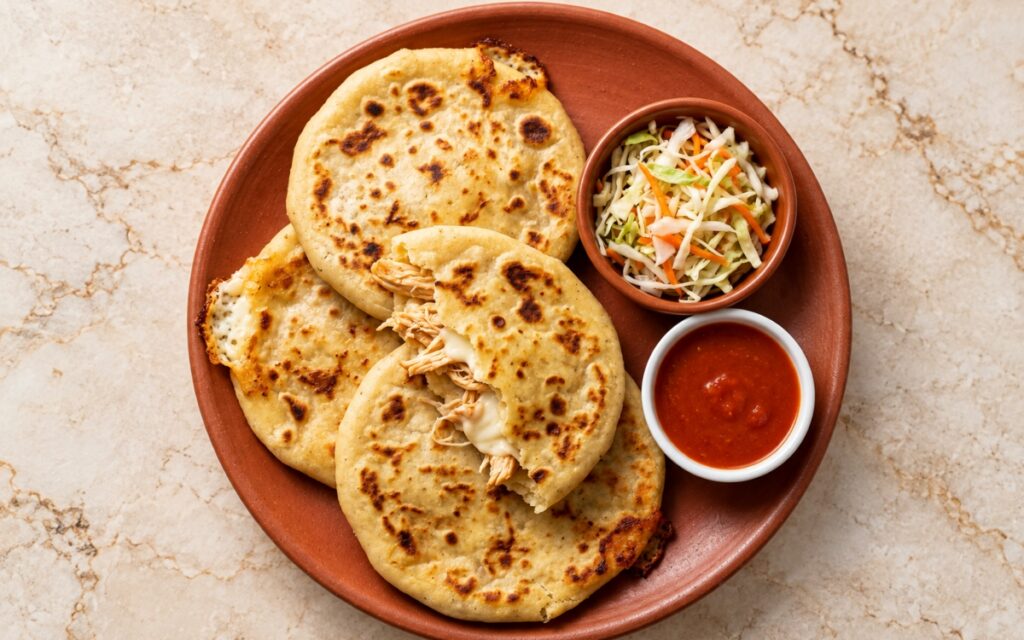
Salvadoran Chicken Pupusas
Thick corn masa pupusas filled with seasoned shredded chicken and melted white cheese, griddled until golden and served with curtido and salsa roja.
-
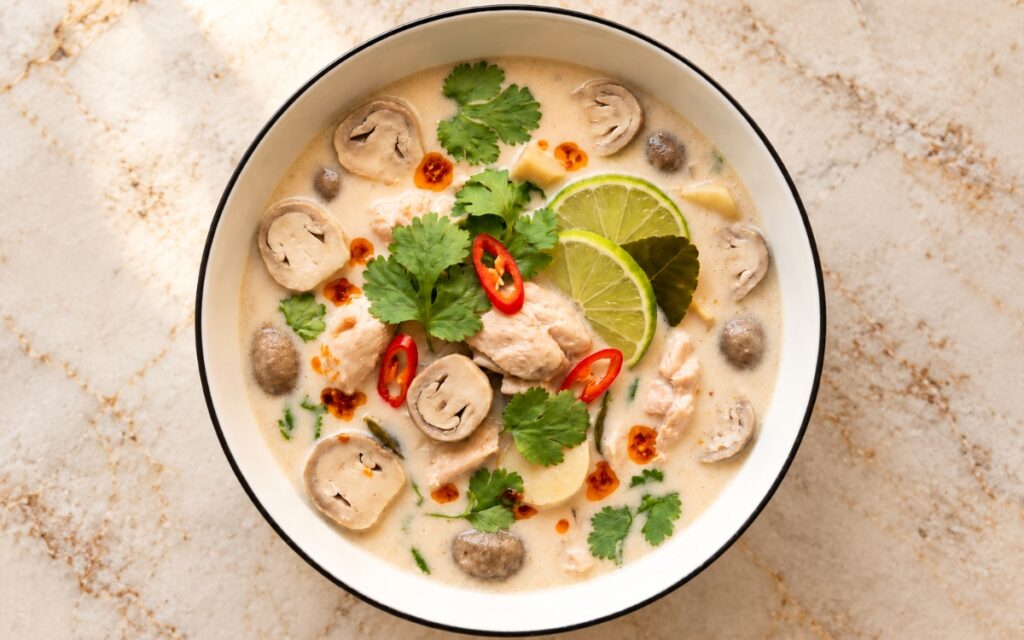
Tom Kha Gai Coconut Chicken Soup
Chicken thighs and mushrooms simmered in a creamy coconut broth with lemongrass, galangal and kaffir lime leaves, finished with fish sauce and lime.

You might also like
You might also like
-
Greek Chicken Souvlaki
Yogurt-marinated chicken thighs with Za’atar, cumin, and fresh herbs — cooked hot for real char and served with pita and tzatziki or as a bowl protein.
-
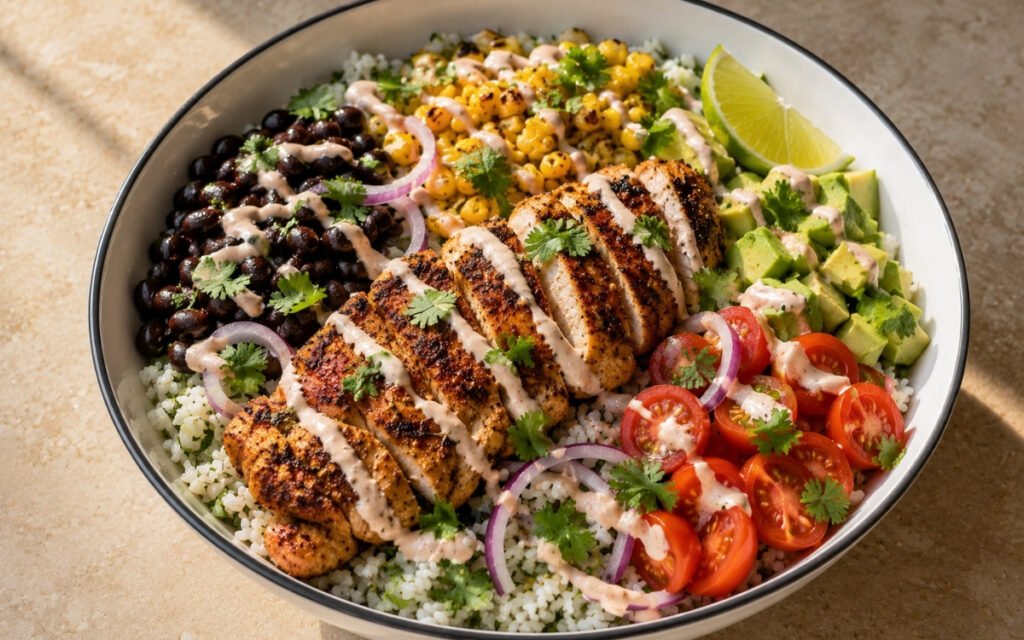
Chili Lime Chicken Rice Bowl
Chili-lime marinated chicken and charred corn over cilantro-lime rice with black beans, avocado, and Greek yogurt crema — vibrant, balanced, 45 minutes.
-
Chicken Mole Poblano
Gently poached chicken finished in deep, glossy mole poblano sauce, topped with toasted sesame seeds, served with Mexican rice and warm tortillas.

Butter Chicken
Ingredients
Method
- Combine the yogurt, ginger, garlic, lemon juice, oil, salt, Kashmiri chili, cumin, coriander, turmeric, and garam masala in a bowl. Add the chicken and mix until every piece is fully coated, then cover and refrigerate for at least 2 hours, preferably overnight. A longer marinade seasons the meat more deeply and keeps it more tender once it’s been through both the char and the final simmer.
- Rinse the basmati rice in several changes of cold water until the water runs mostly clear. Soak it for 20 minutes if time allows, then drain well. Combine the rice, 450 ml water, salt, and the optional butter or oil in a saucepan with a tight-fitting lid. Bring to a gentle boil, stir once, cover, lower the heat to the minimum, and cook for 12 minutes. Turn off the heat and let the rice stand covered for 10 minutes, then fluff gently with a fork. Keep the lid on throughout the resting time — the trapped steam is what finishes the grains, and lifting the lid early lets that steam escape before the rice is fully done.
- Remove the chicken from the fridge 20–30 minutes before cooking. For the broiler or grill method, arrange the pieces on a rack over a tray or on skewers and cook on high heat for 10–15 minutes, turning once, until lightly charred in spots and nearly cooked through. For the pan method, heat a heavy skillet or grill pan over high heat with a little oil and cook the chicken in batches for 2–3 minutes per side, until well browned and lightly charred; it doesn’t need to be fully cooked yet. Set the chicken aside with any juices. Keep the pan from getting crowded so the chicken sears instead of steaming — that char carries a good part of the dish’s finished flavor.
- Heat the oil or ghee and 25 g of the butter in a large sauté pan or pot over medium heat. Add the onion and cook for 8–10 minutes, stirring regularly, until fully softened and lightly golden, then add the ginger and garlic and cook for 30–60 seconds, just until fragrant. Stir in the tomato paste and cook for 1 minute. Add the Kashmiri chili, cumin, coriander, turmeric, and garam masala, stirring for 20–30 seconds to bloom the spices. Pour in the passata or crushed tomatoes along with 1 teaspoon of salt to start, then simmer over medium-low heat for 12–15 minutes, stirring regularly, until the sauce thickens, deepens in color, and loses its raw tomato edge. Add 1–2 teaspoons of sugar only if the tomatoes taste sharp. This stage needs its full simmer time — a tomato base that’s cooked down too quickly carries a raw, acidic taste straight through to the finished sauce.
- For a classic smooth butter chicken texture, blend the sauce until very smooth with an immersion blender, or carefully transfer it to a blender and blend smooth, then return it to the pan. Add 120 ml hot water first to loosen, adding more as needed until the sauce is thick but pourable. Lower the heat, stir in the cream and crushed kasuri methi, then add the charred chicken and any resting juices. Simmer gently for 5–7 minutes, until the chicken is fully cooked and tender and the sauce clings to the meat — internal temperature should reach at least 74°C. Finish with the remaining 15 g butter, stirring until glossy, and adjust the salt to taste. Once the cream is in, keep the sauce at a gentle simmer rather than a hard boil so it stays smooth instead of breaking.
- Divide the basmati rice into 4 bowls, using the equivalent of 75 g uncooked rice per serving. Spoon the butter chicken alongside or partly over the rice, then finish each bowl with a small swirl of cream and a little chopped cilantro. Serve right away.