
Refried Beans
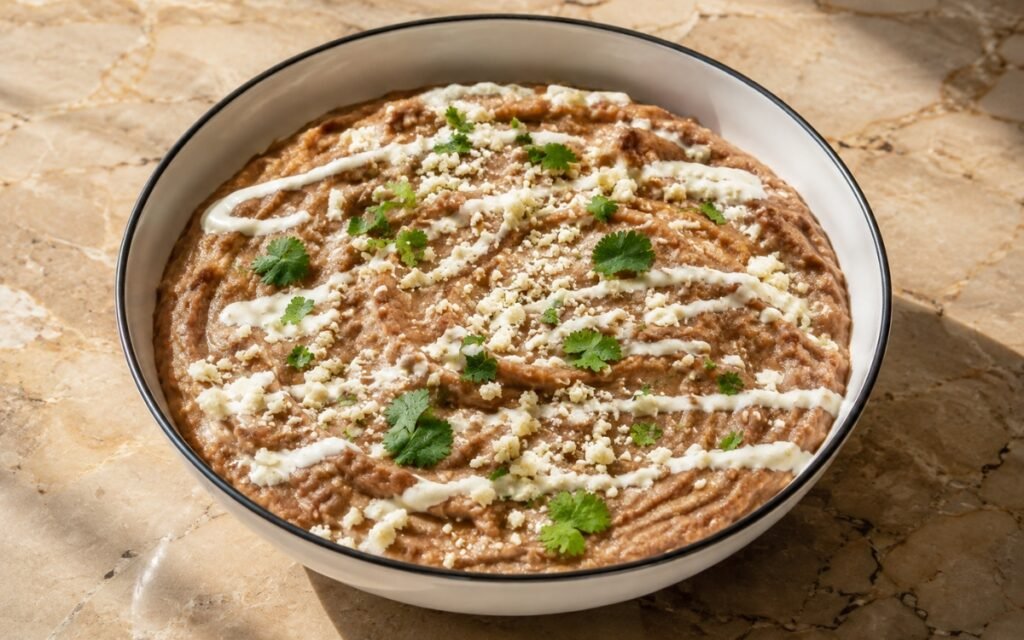
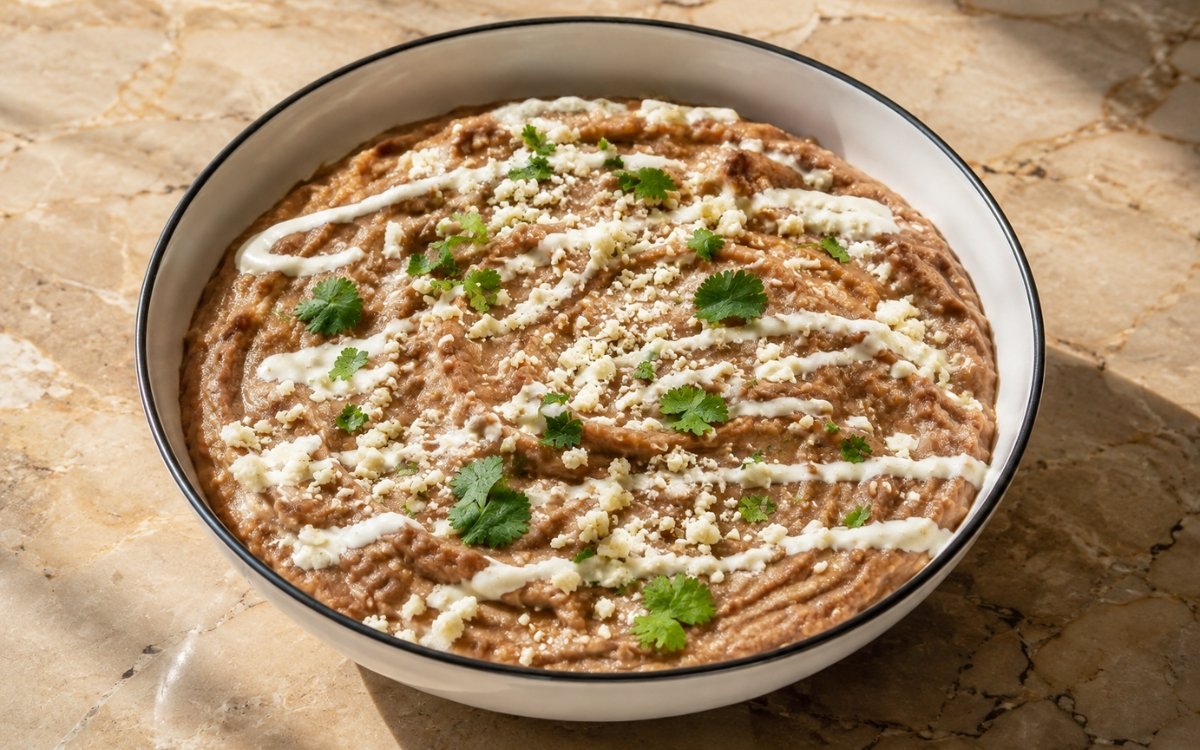
Classic creamy pinto refried beans with a smooth but slightly rustic texture, cooked with onion, garlic, and lard for deep flavour, then mashed and loosened with bean broth until glossy and spreadable. Finished with cotija, crema, and cilantro if serving as a side. Sized as 6 portions — about the amount you would add to a burrito or rice bowl. Reserving a generous amount of the bean cooking liquid before draining is the technique this whole recipe depends on — that starchy, flavourful liquid is what loosens the mashed beans into a genuinely creamy, spreadable texture rather than something stiff and dry, the same reserved-liquid principle used elsewhere in this collection whenever a mashed or blended dish needs its own cooking liquid to achieve proper texture. Adding salt only near the end of the beans’ simmer, rather than at the start, is what protects the beans from toughening while they cook. Mashing the beans while they actively fry in the fat, rather than mashing separately and adding fat afterward, is what lets the fat, aromatics, and beans emulsify into something genuinely glossy and cohesive. The payoff is a pot of beans with real texture — creamy and spreadable, holding a soft ridge briefly when dragged with a spoon, with a slightly rustic character rather than a fully smooth purée.
Prep Time : 15 min
Cook Time : 2 hr, 15 min
Servings : 6
15 min
2 hr, 15 min
6
Ingredients
For the Beans
• 400g dried pinto beans — this one on Amazon
• 1.8–2 litres water, plus more as needed
• 1 small white onion, halved
• 4 garlic cloves, lightly smashed
• 1 bay leaf
• 10g fine sea salt, added near the end of cooking
• Freshly ground black pepper, to taste
For Refrying
• 45–60g lard, or neutral oil if needed, but lard is the classic choice — this one on Amazon
• 100g white onion, finely diced
• 2 garlic cloves, finely grated or minced
• ½ tsp ground cumin, optional — this one on Amazon
• ½ tsp fine sea salt, or to taste
• 250–400ml reserved bean cooking liquid, as needed
For Serving (Optional but Classic)
• 40–50g cotija cheese, crumbled — this one on Amazon
• 30–45ml Mexican crema — this one on Amazon
• Fresh cilantro leaves
This post may contain affiliate links. As an Amazon Associate I earn from qualifying purchases, at no additional cost to you.
Directions
- Sort, Rinse, and Simmer the Beans
Pick through the dried beans and remove any debris or damaged beans. Rinse well under cold water. Add the beans to a pot with the water, halved onion, smashed garlic, and bay leaf. Bring to a boil, then reduce immediately to a gentle simmer. Cook uncovered or partially covered for 1 hour 45 minutes to 2 hours, stirring occasionally and topping up with hot water if needed, until the beans are fully tender. The beans must be completely soft before you move on. A bean should mash easily between your fingers with no chalky centre. Add the 10g salt only in the last 20–30 minutes of cooking. Remove and discard the onion halves, garlic, and bay leaf once done. Before draining, reserve at least 500ml of the cooking liquid. This liquid is essential for getting the right creamy texture later. Adding salt only toward the end of this long simmer, rather than from the start, protects the beans’ skins from toughening — salt introduced too early can interfere with how evenly the beans soften over such an extended cook. - Sauté the Aromatics
In a wide skillet or sauté pan, heat the lard over medium heat. Add the finely diced onion and cook for 5–7 minutes, stirring regularly, until soft and lightly golden at the edges. Add the minced or grated garlic and cook for 30–45 seconds, just until fragrant. If using cumin, add it now and stir for a few seconds. The onion should be soft and sweet, not browned deeply, and the garlic should not darken or it will bring bitterness. Cooking the onion until only softened and lightly golden, stopping well short of deep browning, builds a sweet aromatic base without introducing the sharper, more caramelised notes that would compete with the beans’ own flavour once everything is combined. - Fry and Mash the Beans
Add the cooked beans to the pan with the aromatics. Start with about 700–750g cooked beans, which should be roughly the full cooked yield from 400g dried beans. Add about 250ml of reserved bean cooking liquid and stir. Mash the beans with a potato masher or the back of a sturdy spoon while they fry gently in the fat. Continue cooking and mashing for 8–12 minutes, adding more bean liquid as needed. The goal is a creamy mash with a little rustic texture — not fully puréed, but not chunky either. Season with the additional ½ tsp salt if needed and black pepper to taste. The beans should look glossy, cohesive, and spreadable. When dragged with a spoon, they should hold a soft ridge for a moment before relaxing back down. If they look stiff or dry, add more bean liquid a little at a time. Mashing the beans directly in the pan while they’re actively frying in the fat, rather than mashing them separately beforehand, is what allows the fat and starchy cooking liquid to properly emulsify into the bean mash — that direct, simultaneous contact is what produces the glossy, cohesive finish this recipe depends on. - Final Texture Adjustment
Lower the heat and continue stirring for another 1–2 minutes to let everything emulsify. Taste and adjust salt. If serving immediately as a bowl or side dish, spoon the beans into a serving bowl and create a broad swirl on top with the back of a spoon. The final texture should be looser than you think if they are being held for a few minutes, because refried beans thicken quickly as they sit. Refried beans’ starch content continues absorbing residual liquid and firming up even after they’re pulled from the heat — deliberately erring toward slightly looser than the ideal serving texture accounts for that continued thickening between the pan and the table. - Garnish and Serve
Top with crumbled cotija, drizzle over the crema in thin white threads, and scatter a few cilantro leaves if desired. Serve warm. For burritos or rice bowls, use about ⅓ to ½ cup per serving. These finishing touches are deliberately simple and added only at the very last moment — cotija’s texture, crema’s drizzle, and cilantro’s freshness are all best preserved by staying distinct on top of the hot beans rather than being stirred through and losing their individual character.
*Notes :
- Use fresh citrus whenever possible. Older fruit loses aromatic oils and Reserving a substantial amount of the bean cooking liquid before draining deserves to be treated as the single most consequential step in the whole process, given how directly it determines the final texture. That liquid carries real starch and flavour built up over nearly two hours of simmering, and it’s specifically what allows the mashed beans to loosen into something genuinely creamy and spreadable rather than dry and pasty — water added instead simply wouldn’t carry the same starch or flavour, producing a noticeably thinner, less cohesive result.
- Timing the salt addition to only the final stretch of the beans’ long simmer, rather than adding it from the start, is worth understanding as a real technique choice rather than an arbitrary preference. Salt introduced too early in a long bean simmer can interfere with how evenly the beans’ skins soften over that extended cooking time — waiting until near the end protects that even softening while still giving the salt enough time to properly season the beans before they’re done.
- Mashing the beans directly in the pan, while they’re actively frying in the fat alongside the reserved liquid, rather than mashing them separately and combining everything afterward, is what allows a genuine emulsion to form. That direct, simultaneous contact between fat, starch-rich liquid, and mashed bean solids is what produces the glossy, cohesive sheen properly made refried beans are known for — beans mashed dry first and only afterward combined with fat and liquid wouldn’t develop that same integrated texture.
- The instruction to serve the beans slightly looser than seems ideal, if they’ll be held even briefly before eating, reflects a genuine, predictable behaviour of this dish. Refried beans continue thickening as they sit, their starch content absorbing residual moisture even off the heat — anticipating that continued thickening by erring toward a slightly looser finished texture is what keeps the beans from turning overly stiff by the time they’re actually served.
Why This Recipe Works
This recipe works because a substantial amount of starchy bean cooking liquid is reserved before draining, giving the mashed beans exactly what they need to loosen into a genuinely creamy, glossy texture. Salt is added only toward the end of the long simmer, protecting even softening across the beans.
Mashing directly in the pan while the beans actively fry in fat and reserved liquid allows a real emulsion to form, producing the characteristic sheen and cohesion of properly made refried beans.
Anticipating the beans’ natural thickening as they sit, by finishing them slightly looser than the ideal serving texture, keeps them from turning overly stiff by the time they reach the table.
Ingredient Breakdown
Dried Pinto Beans
The foundation — simmered slowly for nearly two hours until fully tender, with no chalky centre remaining.
Reserved Bean Cooking Liquid
The critical texture component — its starch and flavour are what loosen the mashed beans into a genuinely creamy, spreadable consistency.
Lard
The classic frying fat — contributes real richness and sheen that a neutral oil substitute doesn’t fully replicate.
Late-Added Salt (During the Simmer)
The seasoning technique — added only near the end to protect even softening across the beans’ long cook time.
Simultaneous Pan-Mashing
The critical technique — mashing directly in the fat and reserved liquid together is what allows the mixture to properly emulsify into a glossy finish.
Flavor Structure Explained
This refried beans dish follows a layered balance model:
- Rich savoury foundation (lard, simmered pinto beans)
- Sweet aromatic depth (softened onion, garlic)
- Warm background spice (optional cumin)
- Bright creamy finish (cotija, crema, cilantro)
Lard and long-simmered pinto beans provide the dish’s rich, deeply savoury foundation, built up over the extended simmer and reinforced by the fat used to fry and mash them. Softened onion and garlic contribute sweet, aromatic depth without ever browning into something sharper. Optional cumin adds a warm, subtle background spice note. When served as a side, crumbled cotija, a thin drizzle of crema, and a scatter of fresh cilantro finish the dish with bright, creamy, herbal contrast against the beans’ own rich, savoury body.
Common Mistakes to Avoid
- Salting the Beans Too Early in the Simmer – This can interfere with even softening over the long cooking time. Always add salt only during the final 20–30 minutes.
- Not Reserving Enough Cooking Liquid – Without it, the mashed beans have nothing to loosen into a creamy texture with. Always reserve at least 500ml before draining.
- Browning the Onion and Garlic Too Deeply – This introduces sharper, more caramelised notes that compete with the beans’ own flavour. Always keep the onion soft and lightly golden, the garlic barely fragrant.
- Mashing the Beans Separately Before Adding Fat and Liquid – This misses the emulsification that produces a properly glossy, cohesive texture. Always mash directly in the pan while frying.
- Finishing the Beans at the Exact Desired Consistency Rather Than Slightly Looser – Refried beans continue thickening as they sit. Always finish them a touch looser than ideal if they’ll be held even briefly.
Variations
Smoky Version
Add a small piece of chipotle in adobo to the pan while sautéing the aromatics for a smoky, spicy depth.
Vegetarian Version
Substitute neutral oil for the lard throughout, accepting a slightly less rich final flavour.
Extra-Smooth Version
Blend the beans briefly with an immersion blender for a fully smooth, restaurant-style texture instead of the classic rustic finish.
Black Bean Version
Substitute dried black beans for pinto, following the identical simmering and refrying method.
Storage & Make-Ahead
Cooked, unrefried beans (with their reserved liquid) can be refrigerated for up to 4 days, or frozen for up to 3 months.
Fully refried beans can be refrigerated in an airtight container for up to 4 days, or frozen for up to 2 months.
Reheat gently over low heat, adding a splash of water or reserved bean broth to loosen the texture back to creamy, since refried beans firm up considerably once chilled.
Frequently Asked Questions
Why is it so important to reserve the bean cooking liquid before draining?
That liquid carries real starch and flavour built up over the beans’ long simmer, and it’s specifically what allows the mashed beans to loosen into a genuinely creamy, spreadable texture. Plain water added instead wouldn’t carry the same starch content or flavour, producing a noticeably thinner, less cohesive result.
Why is the salt added only near the end of the beans’ simmer rather than from the start?
Salt introduced too early during a long bean simmer can interfere with how evenly the beans’ skins soften over that extended time. Adding it only in the final 20–30 minutes protects that even softening while still properly seasoning the beans before they finish cooking.
Why are the beans mashed directly in the pan while frying, rather than mashed first and combined with fat afterward?
Mashing directly in the pan lets the fat, starchy reserved liquid, and bean solids come into simultaneous, direct contact, which is what allows a genuine emulsion to form. That process is responsible for the glossy, cohesive sheen properly made refried beans are known for.
Why should the beans be finished slightly looser than the ideal serving texture?
Refried beans continue thickening even after they’re removed from the heat, as their starch content keeps absorbing residual moisture. Finishing them a touch looser accounts for that continued thickening, so they’re not overly stiff by the time they’re actually served.
What are some classic dishes that use refried beans like this?
Pollo Sopes with Refried Beans, Pollo Asado with Rice and Beans, and Huevos Rancheros all feature a similar refried bean preparation as a core component. Nopales con Huevo and Molletes Mexicanos are both worth exploring too if you enjoy this style of creamy, versatile refried beans as part of a larger Mexican breakfast or main dish.
Nutrition Facts
( per serving )
Calories
~220 kcal
Protein
10 g
Fat
9 g
Carbs
26 g
Calories
~220 kcal
Protein
10 g
Fat
9 g
Carbs
26 g
Related Recipes
Related Recipes

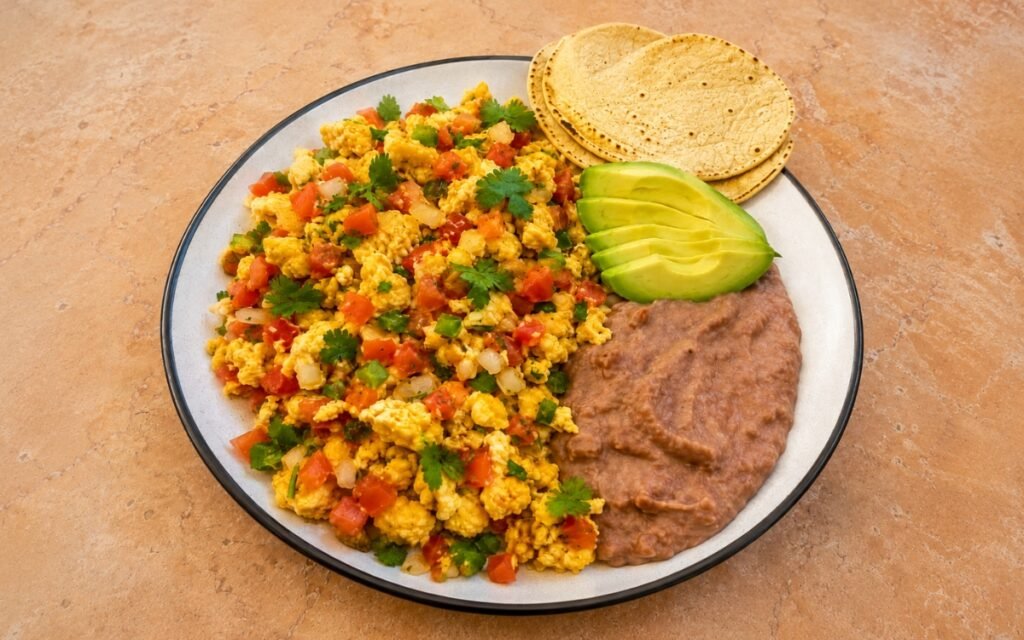
Huevos a la Mexicana
Softly scrambled eggs cooked with diced tomato, onion, and jalapeño, served with warm refried beans, sliced avocado, and tortillas.
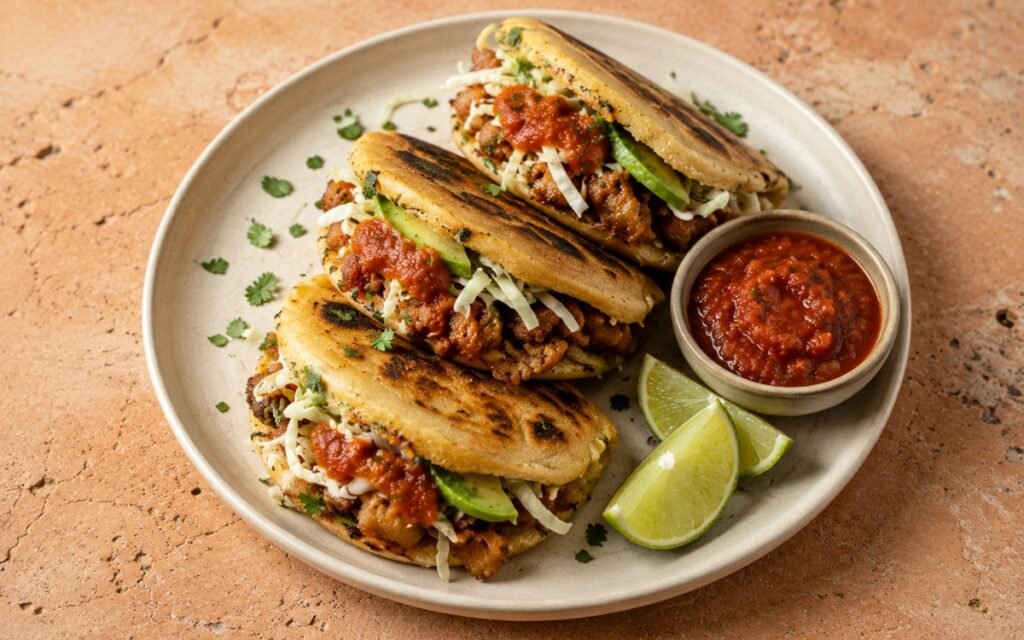
Gorditas with Chicharrón and Salsa
Thick masa gorditas cooked golden and split into a pocket while warm, filled with crispy chicharrón, salsa roja, shredded cabbage, and avocado.
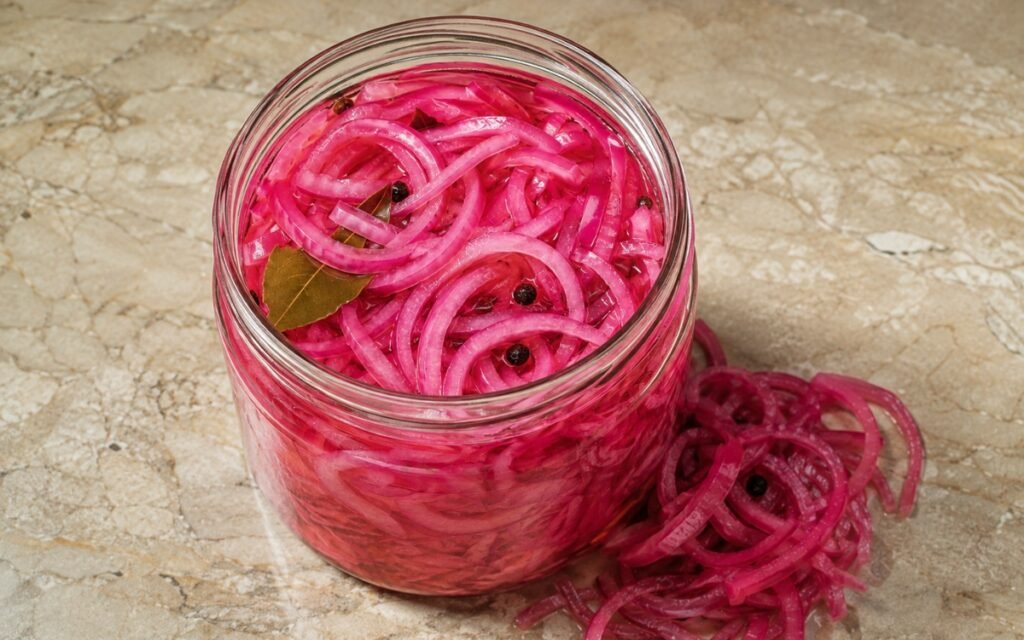
Pickled Red Onion
Thin, evenly sliced red onion pickled in a bright vinegar-lime brine with bay leaf, peppercorns, and coriander seeds.
You might also like
You might also like
Crispy Pork Belly Chicharrón
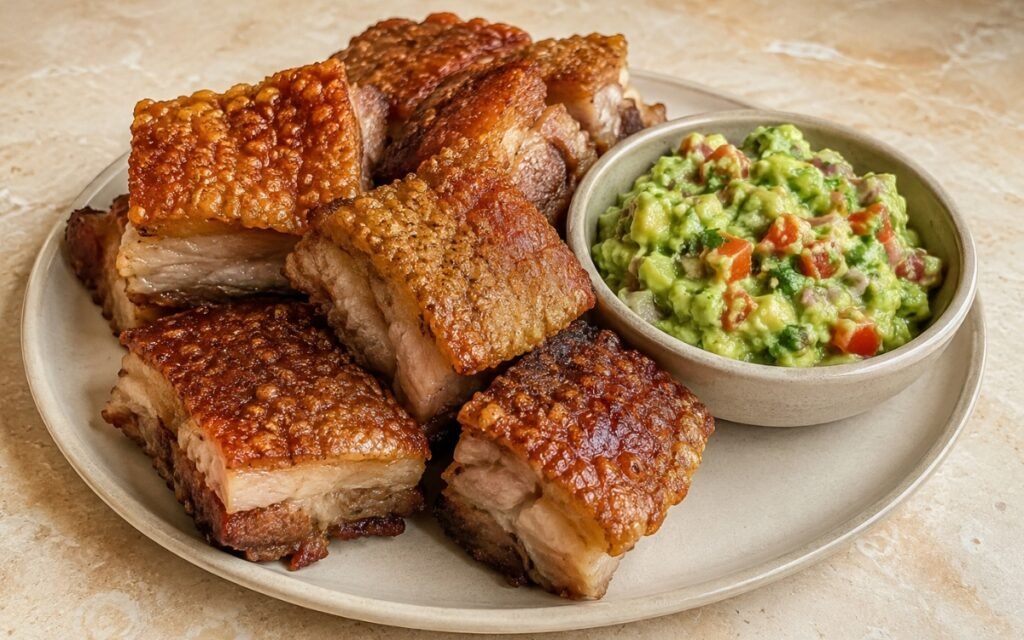
Skin-on pork belly simmered, dried, and double-fried until the skin is blistered and crisp over rendered fat and tender meat, served with chunky guacamole.
Birria Tacos with Consommé (Quesabirria)
Three-cut beef braised into a deep chile consommé, shredded, stuffed into small tortillas with Oaxaca cheese, and fried in birria fat until crisp and red-orange.
Crispy Hash Brown Potatoes
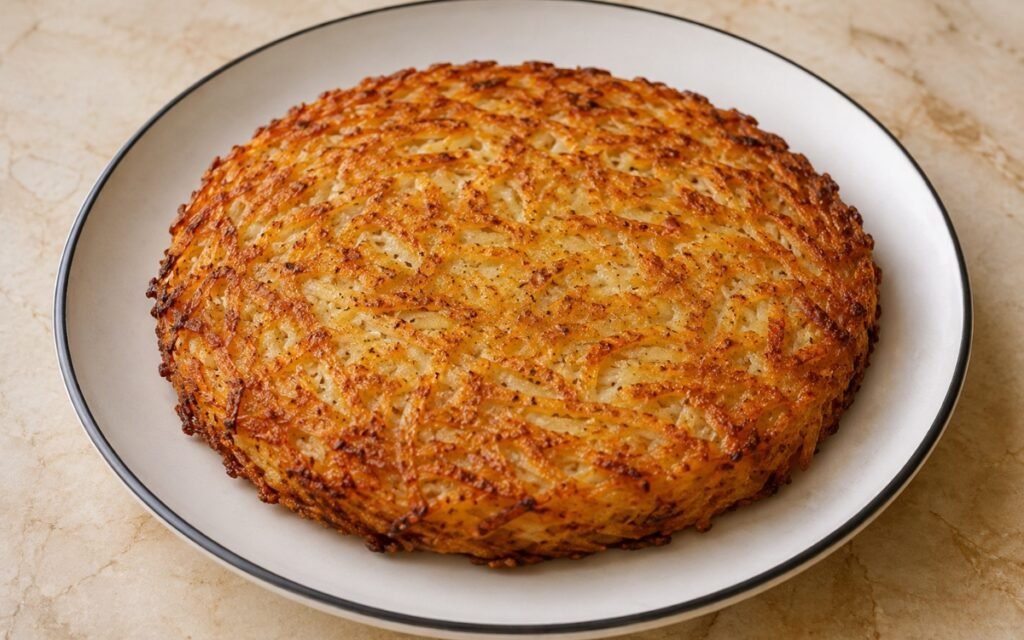
Shredded potatoes rinsed, wrung completely dry, seasoned, pressed into a cake, fried undisturbed until golden on both sides. Crisp and tender.

Refried Beans
Ingredients
Method
- Pick through the dried beans and remove any debris or damaged beans. Rinse well under cold water. Add the beans to a pot with the water, halved onion, smashed garlic, and bay leaf. Bring to a boil, then reduce immediately to a gentle simmer. Cook uncovered or partially covered for 1 hour 45 minutes to 2 hours, stirring occasionally and topping up with hot water if needed, until the beans are fully tender. The beans must be completely soft before you move on. A bean should mash easily between your fingers with no chalky centre. Add the 10g salt only in the last 20–30 minutes of cooking. Remove and discard the onion halves, garlic, and bay leaf once done. Before draining, reserve at least 500ml of the cooking liquid. This liquid is essential for getting the right creamy texture later. Adding salt only toward the end of this long simmer, rather than from the start, protects the beans’ skins from toughening — salt introduced too early can interfere with how evenly the beans soften over such an extended cook.
- In a wide skillet or sauté pan, heat the lard over medium heat. Add the finely diced onion and cook for 5–7 minutes, stirring regularly, until soft and lightly golden at the edges. Add the minced or grated garlic and cook for 30–45 seconds, just until fragrant. If using cumin, add it now and stir for a few seconds. The onion should be soft and sweet, not browned deeply, and the garlic should not darken or it will bring bitterness. Cooking the onion until only softened and lightly golden, stopping well short of deep browning, builds a sweet aromatic base without introducing the sharper, more caramelised notes that would compete with the beans’ own flavour once everything is combined.
- Add the cooked beans to the pan with the aromatics. Start with about 700–750g cooked beans, which should be roughly the full cooked yield from 400g dried beans. Add about 250ml of reserved bean cooking liquid and stir. Mash the beans with a potato masher or the back of a sturdy spoon while they fry gently in the fat. Continue cooking and mashing for 8–12 minutes, adding more bean liquid as needed. The goal is a creamy mash with a little rustic texture — not fully puréed, but not chunky either. Season with the additional ½ tsp salt if needed and black pepper to taste. The beans should look glossy, cohesive, and spreadable. When dragged with a spoon, they should hold a soft ridge for a moment before relaxing back down. If they look stiff or dry, add more bean liquid a little at a time. Mashing the beans directly in the pan while they’re actively frying in the fat, rather than mashing them separately beforehand, is what allows the fat and starchy cooking liquid to properly emulsify into the bean mash — that direct, simultaneous contact is what produces the glossy, cohesive finish this recipe depends on.
- Lower the heat and continue stirring for another 1–2 minutes to let everything emulsify. Taste and adjust salt. If serving immediately as a bowl or side dish, spoon the beans into a serving bowl and create a broad swirl on top with the back of a spoon. The final texture should be looser than you think if they are being held for a few minutes, because refried beans thicken quickly as they sit. Refried beans’ starch content continues absorbing residual liquid and firming up even after they’re pulled from the heat — deliberately erring toward slightly looser than the ideal serving texture accounts for that continued thickening between the pan and the table.
- Top with crumbled cotija, drizzle over the crema in thin white threads, and scatter a few cilantro leaves if desired. Serve warm. For burritos or rice bowls, use about ⅓ to ½ cup per serving. These finishing touches are deliberately simple and added only at the very last moment — cotija’s texture, crema’s drizzle, and cilantro’s freshness are all best preserved by staying distinct on top of the hot beans rather than being stirred through and losing their individual character.