
Ají de Gallina
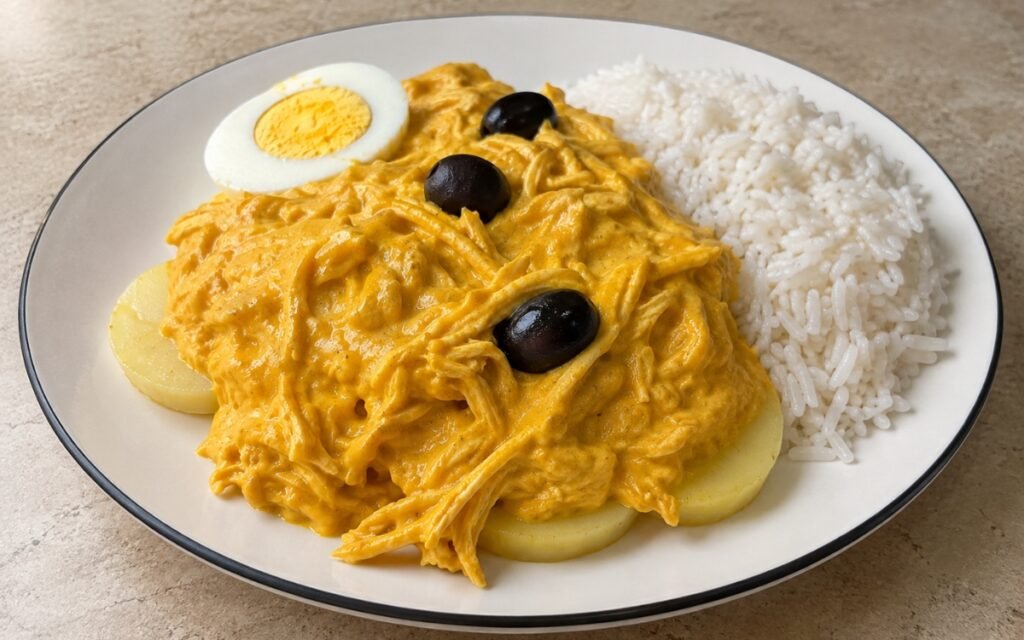
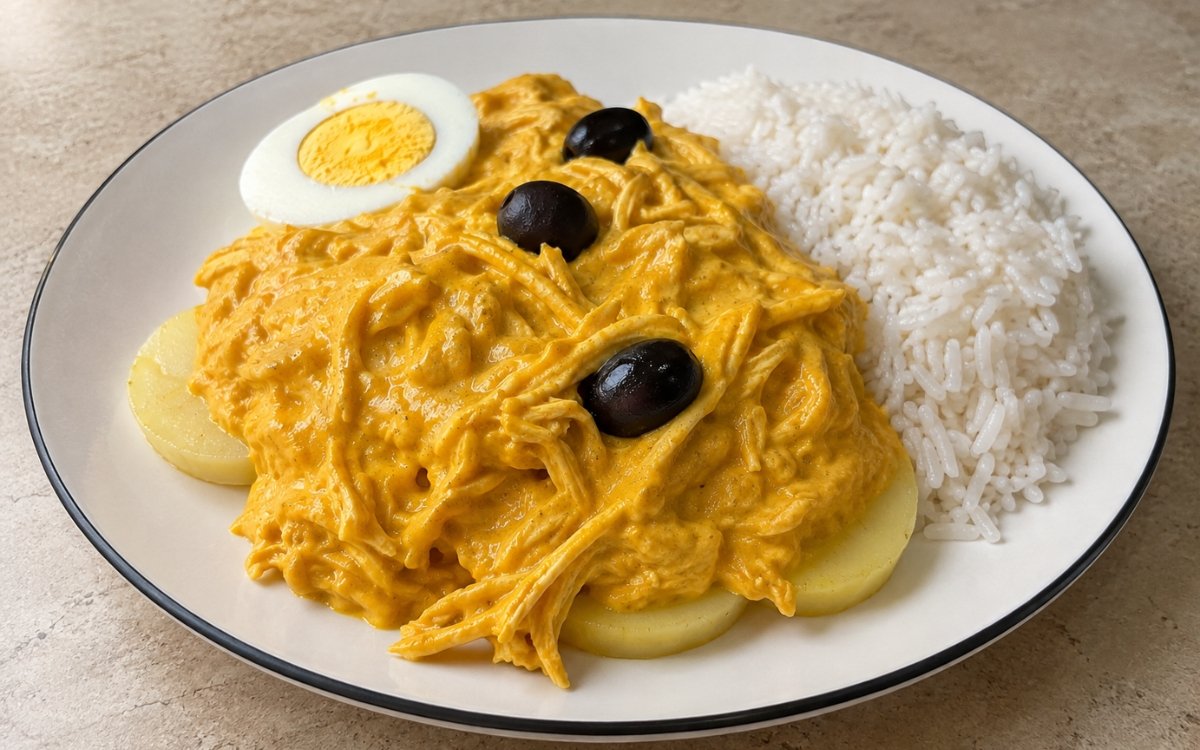
A classic Peruvian chicken dish of tender shredded chicken in a rich, velvety ají amarillo cream sauce thickened with bread, evaporated milk, and walnuts, served over sliced boiled potatoes with white rice, black olives, and hard-boiled egg. Poaching the chicken gently, never at a hard boil, is the technique this whole dish depends on — aggressive boiling tightens and dries out the meat in a way that stands out sharply against this dish’s genuinely creamy sauce, the same gentle-poach principle used elsewhere in this collection whenever tender, easily-shredded chicken needs to sit at the centre of a rich, sauce-forward dish. Cooking the ají amarillo paste until it darkens and loses its raw sharpness, before the bread mixture is ever added, is what gives the sauce its real depth and vivid golden-orange colour. Blending the bread, evaporated milk, and walnuts until completely smooth, with no visible lumps or grit, is what produces the genuinely velvety texture this sauce is known for. The payoff is a plate built around real contrast — creamy, spicy sauce over sliced potato, plain rice alongside, and the salty bite of olives and egg finishing every serving.
Prep Time : 25 min
Cook Time : 56 min
Servings : 4
25 min
56 min
4
Ingredients
For the Chicken
• 700g boneless, skinless chicken breasts or a mix of breasts and thighs
• 1.2L water or light chicken stock
• 120g white onion, halved
• 3 garlic cloves, lightly crushed
• 1 bay leaf
• 6g fine sea salt
• 6 whole black peppercorns
For the Ají Sauce Base
• 3 tbsp neutral oil
• 1 medium white onion, finely diced, about 180g
• 3 garlic cloves, finely minced
• 120–150g ají amarillo paste, depending on strength and heat level — this one on Amazon
• 2 slices white sandwich bread or 70g day-old white bread, crusts removed
• 180ml evaporated milk
• 120ml whole milk or reserved chicken broth, as needed for blending
• 60g walnuts or pecans
• 50g Parmesan cheese or other firm salty cheese, finely grated — this one on Amazon
• ½ tsp ground turmeric, optional, only if needed for a deeper golden tone — this one on Amazon
• ½ tsp freshly ground black pepper
• 1 tsp fine sea salt, plus more to taste
For the Potatoes
• 700g Yukon Gold or other waxy potatoes
• Water, enough to cover
• 1 tsp fine sea salt
For the Rice
• 300g long-grain white rice
• 540ml water
• 1 tbsp neutral oil or butter
• 1 tsp fine sea salt
For Garnish and Serving
• 2 hard-boiled eggs, halved or quartered
• 8 black olives
• Optional small handful chopped parsley or cilantro for serving, though not classical
• Extra black pepper, to finish if desired
This post may contain affiliate links. As an Amazon Associate I earn from qualifying purchases, at no additional cost to you.
Directions
- Poach the Chicken
Add the chicken, water or stock, halved onion, crushed garlic, bay leaf, salt, and peppercorns to a saucepan. Bring to a gentle simmer over medium heat. Once it reaches a simmer, reduce the heat to low and poach gently for 14–18 minutes, depending on thickness, until the chicken is just cooked through and reaches 74°C internally. Do not boil aggressively or the chicken will tighten and dry out. Remove the chicken to a plate and let it cool just enough to handle. Strain and reserve 500ml of the cooking liquid. Shred the chicken into medium fine strands by hand or with two forks. The pieces should be long and soft rather than chopped into cubes. This gentle poach protects two things at once — the chicken’s own tender texture, and a clean, flavourful cooking liquid that gets used repeatedly throughout the rest of the recipe to build and adjust the sauce. - Cook the Potatoes and Rice
While the chicken cooks, peel the potatoes and cut them into thick rounds, about 1.5cm thick. Place them in a saucepan, cover with cold salted water, and bring to a boil. Reduce to a steady simmer and cook for 12–15 minutes until just tender. A knife should slide in cleanly, but the slices should still hold their shape without breaking. Drain carefully and set aside. Rinse the rice until the water runs mostly clear. Add the rice, water, oil or butter, and salt to a saucepan. Bring to a boil, stir once, cover, reduce to very low, and cook for 15 minutes. Turn off the heat and let it rest covered for 10 minutes, then fluff with a fork. The rice should be tender and separate, suitable for molding or spooning alongside the sauce. Using genuinely waxy potatoes here, rather than a starchier variety, is what lets the slices hold their shape through both boiling and later being topped with hot sauce — a floury potato would risk breaking apart under that same handling. - Prepare the Bread Mixture
Tear the bread into pieces and place it in a blender. Add the evaporated milk, walnuts or pecans, and 120ml of the reserved chicken broth. Let it sit for 2–3 minutes so the bread softens fully, then blend until completely smooth. The mixture should be creamy and pourable, with no visible bread lumps or nut grit. If it seems too thick to blend smoothly, add a small splash more broth. That brief resting period before blending gives the bread real time to soften and absorb the surrounding liquid — blending it while still dry and firm would leave the blender working against tougher, less cooperative pieces, risking a less smooth final result. - Build the Ají Amarillo Base
Heat the oil in a wide sauté pan or deep skillet over medium heat. Add the finely diced onion and cook for 6–8 minutes, stirring often, until softened and lightly golden at the edges. Add the minced garlic and cook for 30–45 seconds until fragrant. Add the ají amarillo paste and cook for 3–4 minutes, stirring constantly. This step is important: the paste should darken slightly, smell sweeter, and lose its raw sharpness. The oil may take on a rich golden-orange color. This active cooking stage is what transforms the ají paste from something sharp and raw-tasting into a genuinely rounded, sweeter flavour base — that transformation is what gives the finished sauce both its real depth and its vivid golden colour. - Form the Sauce
Pour the blended bread mixture into the pan with the ají base. Stir immediately to combine. Add about 180ml more reserved chicken broth and bring the sauce to a very gentle simmer. Stir often as it thickens. Add the grated cheese, black pepper, and salt. Simmer gently for 5–8 minutes, stirring regularly, until the sauce becomes thick, creamy, and glossy. It should coat the spoon heavily and slowly settle back into the pan when stirred. If it becomes too thick or tight, loosen it with a little more reserved broth. If it is too loose, continue simmering gently until it thickens. The finished sauce should be vivid golden-yellow, rich but not gluey, with enough body to cling to the chicken and sit neatly over the potatoes. Using the chicken’s own reserved cooking liquid to build and adjust this sauce, rather than plain water, means genuine chicken flavour is worked directly into the base at multiple points, rather than the sauce relying entirely on the bread, milk, and cheese for its own character. - Finish the Ají de Gallina
Add the shredded chicken to the sauce and fold gently to coat every strand. Simmer over low heat for 3–5 minutes until the chicken is fully heated through and the sauce clings to the shreds. Taste and adjust seasoning with extra salt or pepper if needed. The final texture should be creamy and luxurious, with visible shreds of chicken suspended in the sauce rather than drowning in liquid. It should not be runny, and it should not be so thick that it turns pasty. Folding the chicken in gently, rather than stirring vigorously, keeps the shredded strands intact and visibly distinct within the sauce, preserving the texture contrast this dish depends on. - Plate and Serve
Arrange several slices of boiled potato on each plate as the base. Spoon the ají de gallina generously over the potatoes. Add a portion of white rice alongside. Garnish each serving with half a hard-boiled egg and 2 black olives. Serve hot. Traditionally, the contrast is important: creamy spicy sauce over potatoes, plain rice at the side, and the salty bite of olives and egg as garnish. Keeping the rice genuinely plain and unseasoned, rather than flavoured, is a deliberate choice — its job is specifically to provide a neutral counterpoint to the rich, spiced sauce, not to compete with it.
*Notes :
- Poaching the chicken gently, protecting it from ever reaching a hard boil, deserves genuine attention given how exposed overcooked chicken becomes against this particular sauce. A dish this creamy and rich has real potential to make dry, stringy chicken stand out sharply by contrast — the gentle poach specified here is what keeps the meat tender enough to hold its own against the sauce’s richness rather than becoming an unwelcome textural distraction.
- Cooking the ají amarillo paste actively before the bread mixture ever joins it deserves the same attention given to similar base-building steps throughout this collection. Raw ají paste carries a sharper, less developed flavour than the same paste properly cooked in oil — that active cooking stage is specifically what rounds it into something sweeter and more complex, and it’s also directly responsible for the sauce’s signature vivid colour.
- Blending the bread, milk, and walnuts to genuine, complete smoothness is worth treating as a real technical requirement rather than a step to rush through. Any remaining bread lumps or nut grit carry directly into the finished sauce’s texture, working against the velvety, luxurious result this dish is specifically known for — the brief resting time before blending exists to make that full smoothness genuinely achievable.
- Using the chicken’s own reserved cooking liquid repeatedly throughout the sauce-building process, rather than reaching for plain water, ties real chicken flavour into the dish at multiple points along the way. That reused liquid means the finished sauce carries genuine depth built from the same protein it’s meant to coat, rather than depending entirely on the bread, milk, and cheese to carry its flavour on their own.
Why This Recipe Works
This recipe works because the chicken is poached gently, protecting its tender texture against a sauce rich enough to make dry meat stand out by contrast. The ají amarillo paste is actively cooked before the bread mixture is added, developing real depth and the sauce’s signature golden colour.
The bread, milk, and walnuts are blended to genuine smoothness, avoiding any grainy texture in the finished sauce. Reusing the chicken’s own reserved cooking liquid throughout ties real flavour into the sauce at multiple stages, and folding the chicken in gently at the end preserves visible, distinct strands rather than letting them disappear into the sauce.
Ingredient Breakdown
Gently Poached Chicken
The protein foundation — cooked at a genuine simmer, protecting its tender texture against this dish’s rich, exposing sauce.
Actively Cooked Ají Amarillo Paste
The flavour and colour foundation — developed through real cooking time, transforming from sharp and raw to sweeter and rounder.
Fully Blended Bread-Milk-Walnut Mixture
The sauce’s textural base — blended to complete smoothness, essential for the dish’s genuinely velvety result.
Reserved Chicken Cooking Liquid (Reused Throughout)
The connective flavour element — worked into the sauce at multiple stages, tying genuine chicken depth into every layer.
Waxy Potatoes
The structural base — hold their shape through boiling and being topped with hot sauce, unlike a starchier variety.
Flavor Structure Explained
This ají de gallina follows a layered balance model:
- Tender savoury foundation (gently poached, shredded chicken)
- Rich, spiced golden sauce (cooked ají amarillo, bread, milk, walnuts, cheese)
- Neutral hearty body (plain rice, sliced waxy potato)
- Salty finishing accent (black olives, hard-boiled egg)
Gently poached, shredded chicken provides this dish’s tender, savoury foundation, its texture protected from the exposing richness of the sauce around it. The ají amarillo cream sauce, built from actively cooked paste, fully blended bread and walnuts, and reserved broth, defines the dish with rich, spiced, golden depth. Plain rice and sliced waxy potato offer a neutral, hearty body that balances the sauce’s richness rather than competing with it. Black olives and hard-boiled egg finish each plate with a salty, classic garnish that completes the traditional presentation.
Common Mistakes to Avoid
- Boiling the Chicken Hard Instead of Gently Poaching It – This tightens and dries out the meat, which stands out sharply against the creamy sauce. Always keep the poach at a genuine gentle simmer.
- Skipping or Rushing the Ají Paste’s Cooking Stage – This leaves the sauce tasting sharp and underdeveloped. Always cook the paste actively until it darkens and smells sweeter.
- Not Blending the Bread Mixture Fully Smooth – This leaves grainy texture in the finished sauce. Always blend until completely smooth, with no visible lumps or grit.
- Using Floury Potatoes Instead of Waxy Ones – These can break apart under boiling and the weight of the sauce. Always use Yukon Gold or another waxy variety.
- Seasoning the Rice Heavily – This works against the rice’s intended role as a neutral counterpoint to the rich sauce. Always keep it plain.
Variations
Extra-Spicy Version
Increase the ají amarillo paste toward the higher end of the range, or add a small amount of ají rocoto, for more heat.
Pecan Version
Substitute pecans for walnuts in the bread mixture for a slightly sweeter, milder nutty flavour.
Turmeric-Boosted Version
Include the optional turmeric for a deeper, more vivid golden colour if the ají paste alone isn’t producing enough colour.
Thigh Meat Version
Use chicken thighs instead of or alongside breast for a slightly richer, more forgiving result.
Storage & Make-Ahead
The chicken can be poached a day ahead and refrigerated in some of its reserved cooking liquid to keep it moist.
The finished sauce reheats well; loosen it with a spoonful or two of warm reserved broth or water if it thickens too much on standing.
The boiled potatoes and rice can both be made ahead and reheated gently before plating.
Frequently Asked Questions
Why does the chicken need to be poached so gently rather than boiled?
This dish’s sauce is genuinely rich and creamy, which has real potential to make dry, overcooked chicken stand out sharply by contrast. A gentle poach keeps the meat tender enough to hold its own against that richness rather than becoming a textural distraction.
Why does the ají amarillo paste need to be cooked actively before the bread mixture is added?
Raw ají paste carries a sharper, less developed flavour than the same paste properly cooked in oil. That active cooking stage rounds it into something sweeter and more complex, and it’s also directly responsible for the sauce’s signature vivid golden colour.
Why does the bread mixture need to be blended completely smooth?
Any remaining bread lumps or nut grit carry directly into the finished sauce’s texture, working against the velvety result this dish depends on. Full blending, aided by the brief resting time beforehand, is what makes that smoothness achievable.
Why is the chicken’s own cooking liquid used repeatedly throughout the recipe instead of plain water?
That reused liquid ties real chicken flavour into the sauce at multiple stages, meaning the finished dish carries genuine depth built from the same protein it’s meant to coat, rather than relying entirely on the bread, milk, and cheese alone.
Are there other classic Peruvian dishes or rice pairings worth trying?
Peruvian Lomo Saltado and Pan con Chicharrón both offer other classic Peruvian dishes worth exploring. Peruvian Chopped Salad makes a fresh, bright side alongside this rich dish, and Plain Steamed Basmati Rice or Cilantro Lime Jasmine Rice are also worth considering as alternative rice pairings.
Nutrition Facts
( per serving )
Calories
~780 kcal
Protein
44 g
Fat
38 g
Carbs
68 g
Calories
~780 kcal
Protein
44 g
Fat
38 g
Carbs
68 g
Related Recipes
Related Recipes

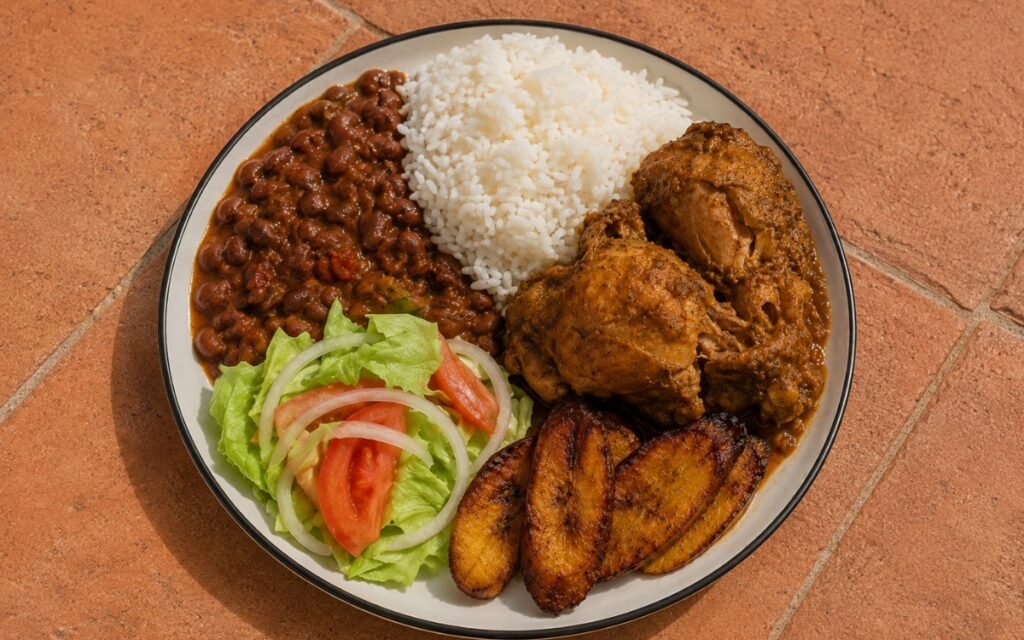
La Bandera Dominicana
Fluffy white rice, stewed red beans, caramelised braised chicken, sweet fried plantains, and fresh salad, each kept distinct on the plate.
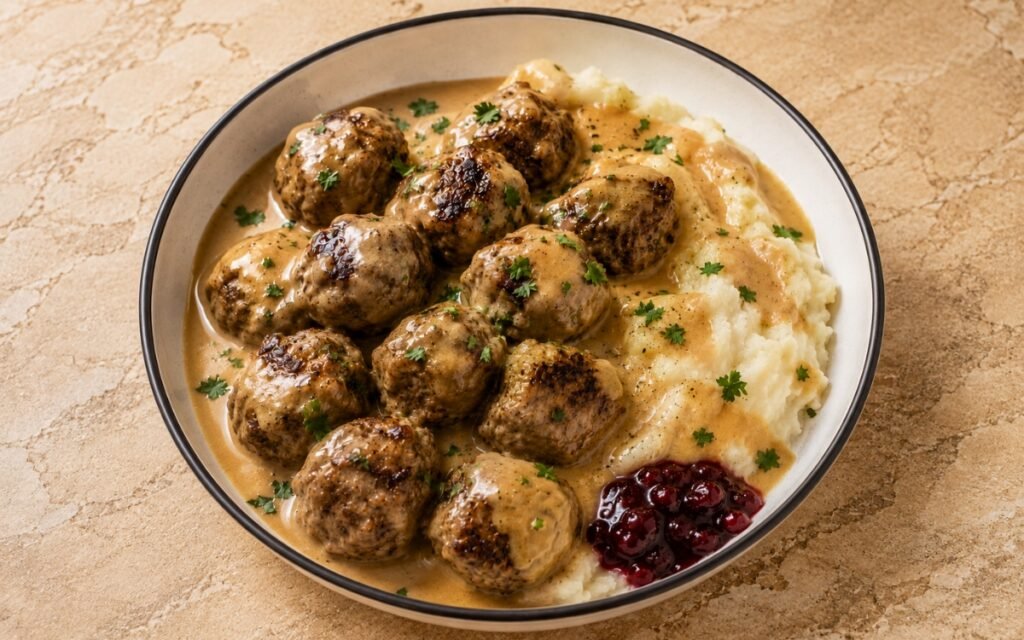
Swedish Meatballs
Tender panade-enriched beef and pork meatballs, gently spiced with allspice and nutmeg, in a creamy brown gravy over mashed potatoes.
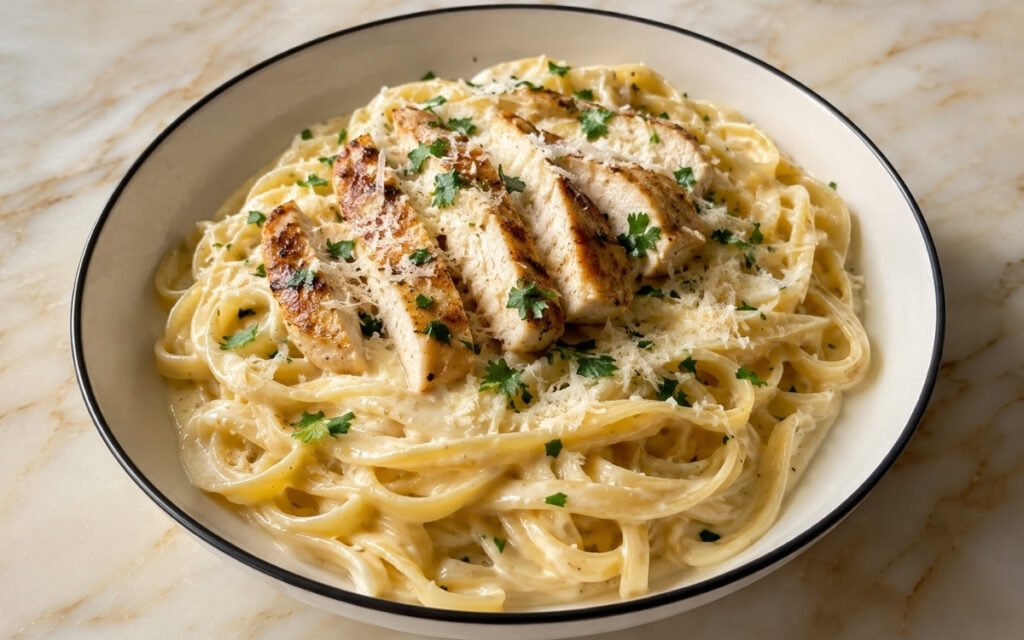
Chicken Fettuccine Alfredo
Seared chicken over fettuccine emulsified with butter, Parmigiano, and pasta water — the authentic no-cream Alfredo, 40 minutes.
You might also like
You might also like
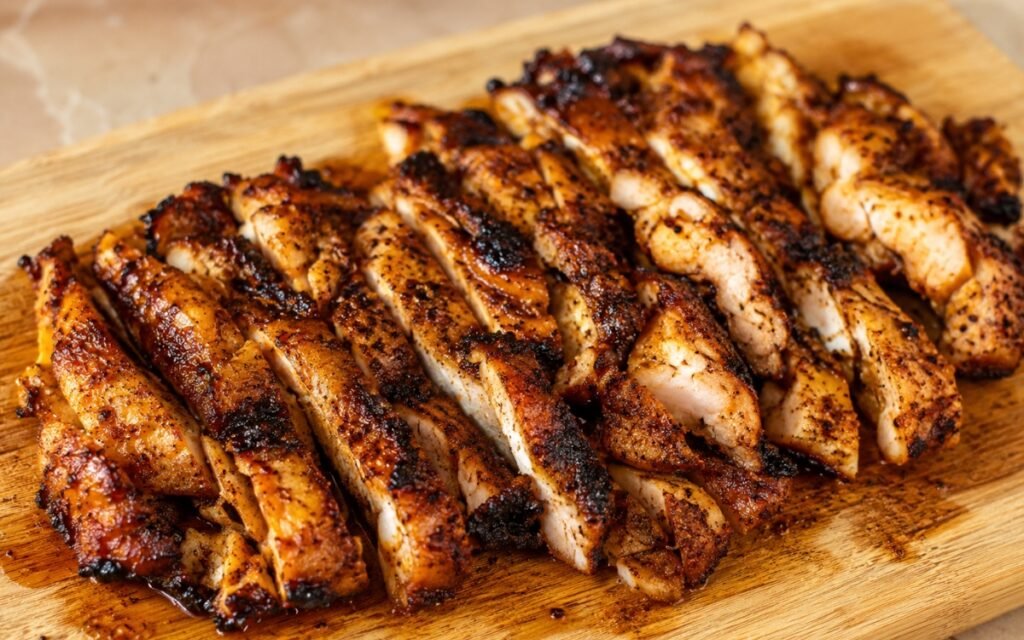
Homemade Chicken Shawarma
Chicken thighs marinated in thick yogurt and warm spices, grilled undisturbed for deep char — rested and sliced against the grain. Aromatic and tangy.
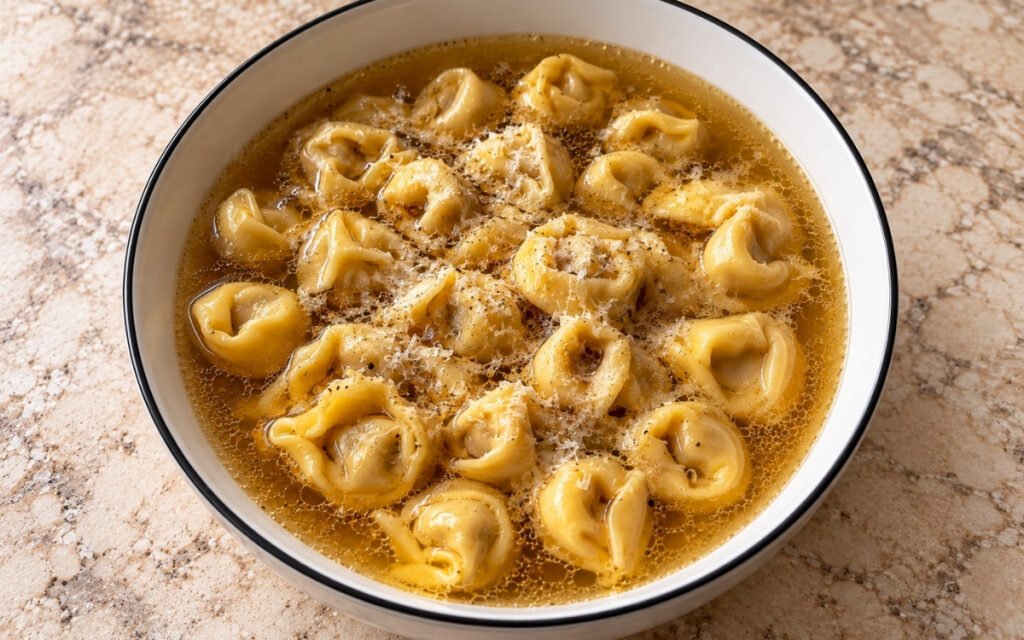
Tortellini in Brodo
Small meat tortellini in a clear, golden, deeply savory beef and chicken broth, finished simply with Parmigiano-Reggiano.
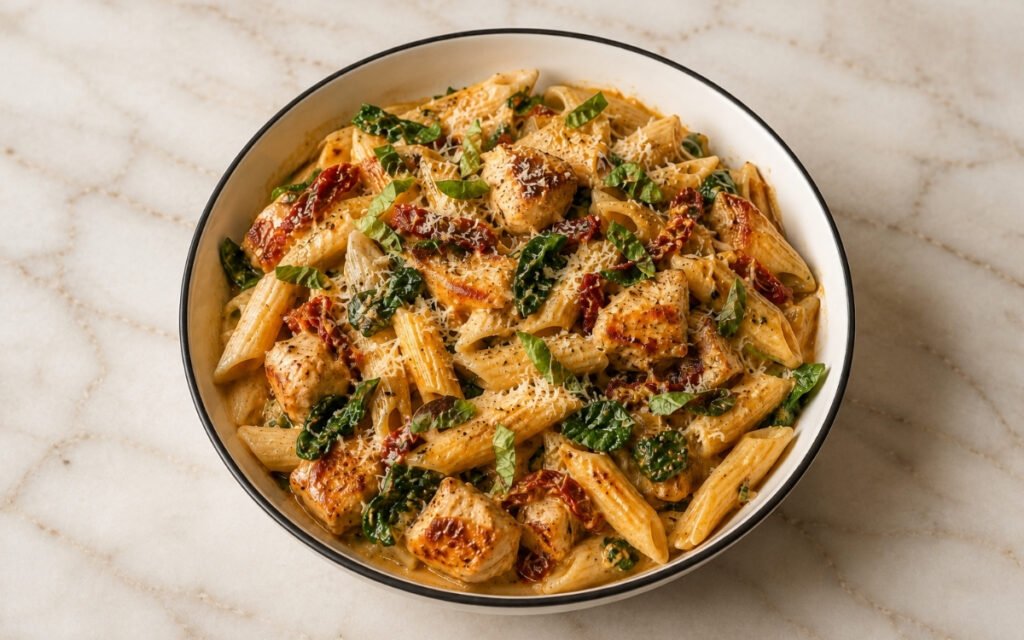
Tuscan Chicken Cream Pasta
Seared chicken, sun-dried tomatoes, spinach, and Parmigiano cream in one pan — finished with the tomato jar oil. 40 minutes.
Ají de Gallina
Ingredients
Method
- Add the chicken, water or stock, halved onion, crushed garlic, bay leaf, salt, and peppercorns to a saucepan. Bring to a gentle simmer over medium heat. Once it reaches a simmer, reduce the heat to low and poach gently for 14–18 minutes, depending on thickness, until the chicken is just cooked through and reaches 74°C internally. Do not boil aggressively or the chicken will tighten and dry out. Remove the chicken to a plate and let it cool just enough to handle. Strain and reserve 500ml of the cooking liquid. Shred the chicken into medium fine strands by hand or with two forks. The pieces should be long and soft rather than chopped into cubes. This gentle poach protects two things at once — the chicken’s own tender texture, and a clean, flavourful cooking liquid that gets used repeatedly throughout the rest of the recipe to build and adjust the sauce.
- While the chicken cooks, peel the potatoes and cut them into thick rounds, about 1.5cm thick. Place them in a saucepan, cover with cold salted water, and bring to a boil. Reduce to a steady simmer and cook for 12–15 minutes until just tender. A knife should slide in cleanly, but the slices should still hold their shape without breaking. Drain carefully and set aside. Rinse the rice until the water runs mostly clear. Add the rice, water, oil or butter, and salt to a saucepan. Bring to a boil, stir once, cover, reduce to very low, and cook for 15 minutes. Turn off the heat and let it rest covered for 10 minutes, then fluff with a fork. The rice should be tender and separate, suitable for molding or spooning alongside the sauce. Using genuinely waxy potatoes here, rather than a starchier variety, is what lets the slices hold their shape through both boiling and later being topped with hot sauce — a floury potato would risk breaking apart under that same handling.
- Tear the bread into pieces and place it in a blender. Add the evaporated milk, walnuts or pecans, and 120ml of the reserved chicken broth. Let it sit for 2–3 minutes so the bread softens fully, then blend until completely smooth. The mixture should be creamy and pourable, with no visible bread lumps or nut grit. If it seems too thick to blend smoothly, add a small splash more broth. That brief resting period before blending gives the bread real time to soften and absorb the surrounding liquid — blending it while still dry and firm would leave the blender working against tougher, less cooperative pieces, risking a less smooth final result.
- Heat the oil in a wide sauté pan or deep skillet over medium heat. Add the finely diced onion and cook for 6–8 minutes, stirring often, until softened and lightly golden at the edges. Add the minced garlic and cook for 30–45 seconds until fragrant. Add the ají amarillo paste and cook for 3–4 minutes, stirring constantly. This step is important: the paste should darken slightly, smell sweeter, and lose its raw sharpness. The oil may take on a rich golden-orange color. This active cooking stage is what transforms the ají paste from something sharp and raw-tasting into a genuinely rounded, sweeter flavour base — that transformation is what gives the finished sauce both its real depth and its vivid golden colour.
- Pour the blended bread mixture into the pan with the ají base. Stir immediately to combine. Add about 180ml more reserved chicken broth and bring the sauce to a very gentle simmer. Stir often as it thickens. Add the grated cheese, black pepper, and salt. Simmer gently for 5–8 minutes, stirring regularly, until the sauce becomes thick, creamy, and glossy. It should coat the spoon heavily and slowly settle back into the pan when stirred. If it becomes too thick or tight, loosen it with a little more reserved broth. If it is too loose, continue simmering gently until it thickens. The finished sauce should be vivid golden-yellow, rich but not gluey, with enough body to cling to the chicken and sit neatly over the potatoes. Using the chicken’s own reserved cooking liquid to build and adjust this sauce, rather than plain water, means genuine chicken flavour is worked directly into the base at multiple points, rather than the sauce relying entirely on the bread, milk, and cheese for its own character.
- Add the shredded chicken to the sauce and fold gently to coat every strand. Simmer over low heat for 3–5 minutes until the chicken is fully heated through and the sauce clings to the shreds. Taste and adjust seasoning with extra salt or pepper if needed. The final texture should be creamy and luxurious, with visible shreds of chicken suspended in the sauce rather than drowning in liquid. It should not be runny, and it should not be so thick that it turns pasty. Folding the chicken in gently, rather than stirring vigorously, keeps the shredded strands intact and visibly distinct within the sauce, preserving the texture contrast this dish depends on.
- Arrange several slices of boiled potato on each plate as the base. Spoon the ají de gallina generously over the potatoes. Add a portion of white rice alongside. Garnish each serving with half a hard-boiled egg and 2 black olives. Serve hot. Traditionally, the contrast is important: creamy spicy sauce over potatoes, plain rice at the side, and the salty bite of olives and egg as garnish. Keeping the rice genuinely plain and unseasoned, rather than flavoured, is a deliberate choice — its job is specifically to provide a neutral counterpoint to the rich, spiced sauce, not to compete with it.