
Pan con Chicharrón
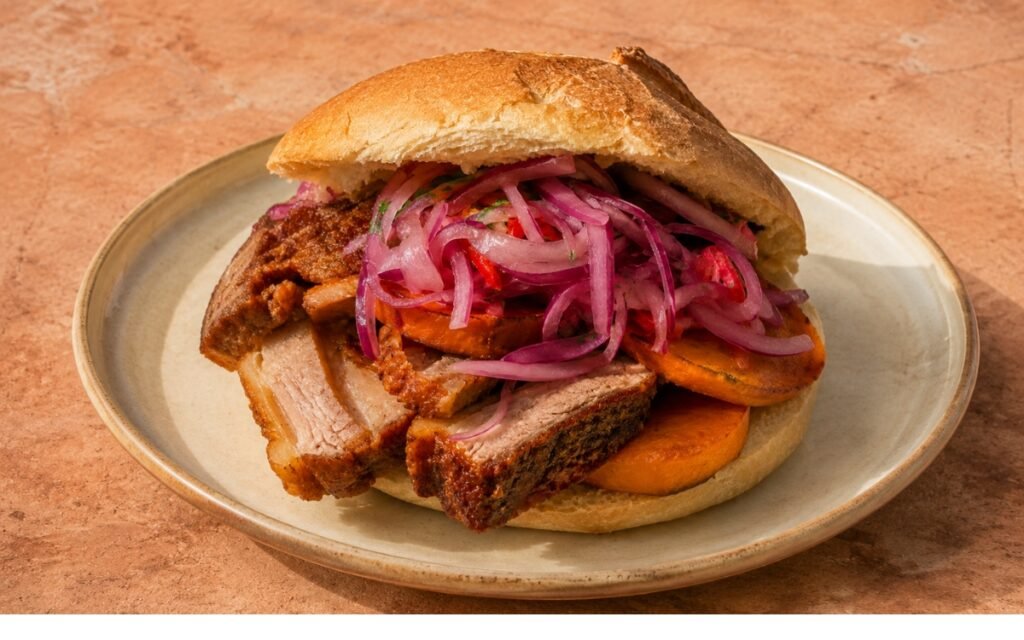
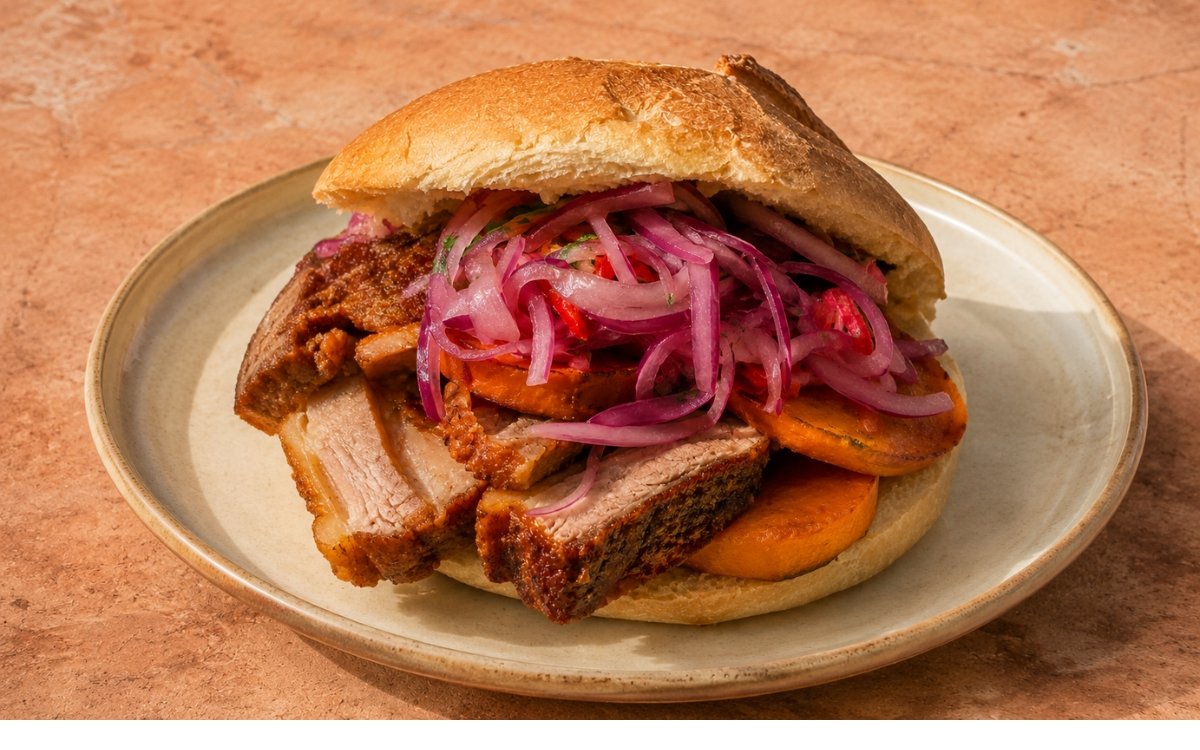
A classic Peruvian pan con chicharrón made with crusty bread rolls, thick slices of crispy pork belly chicharrón, golden fried sweet potato, and bright salsa criolla-style pickled red onion. The sandwich should be rich, crisp, sweet, acidic, and messy in the right way — crunchy pork, soft bread, sweet camote, and sharp onion cutting through the fat. Drying the simmered pork belly thoroughly before it ever meets hot oil is the technique this whole sandwich depends on — wet pork spits violently in the fryer and won’t crisp cleanly, the same simmer-then-dry-then-fry principle used elsewhere in this collection whenever a piece of pork needs to become genuinely tender before it’s crisped. Keeping the pickled onion sharp and still slightly crisp, rather than letting it soften into something limp, is what gives it the acidic cut this rich sandwich depends on. Including the fried sweet potato as a genuine structural component, not filler, is what balances the salty, fatty pork rather than leaving the sandwich one-note. The payoff is a sandwich built entirely around contrast — crisp pork against soft bread, sweet camote against sharp pickled onion, rich fat against bright acidity.
Prep Time : 30 min
Cook Time : 35–45 min
Servings : 4
30 min
35–45 min
4
Ingredients
For the Bread
• 4 good-quality crusty French-style bread rolls, or 4 homemade rolls from Ciabatta Rolls / Semi-Baguettes
For the Crispy Pork Belly Chicharrón
• 1.2kg skin-on pork belly
• 2 tsp fine sea salt, plus more to taste after frying
• 1 tsp garlic powder — this one on Amazon
• 1 tsp onion powder — this one on Amazon
• 1 tsp black pepper
• Neutral oil or lard, as needed for frying
• Full crispy pork belly chicharrón recipe: Crispy Pork Belly Chicharrón
For Simmering the Pork
• Water, enough to cover
• 1 tsp fine sea salt
For the Sweet Potato
• 800g orange sweet potatoes
• Neutral oil or lard, for frying or shallow-frying
• Fine sea salt, to taste
For the Quick Pickled Red Onion
• 1 large red onion, thinly sliced
• 120ml apple cider vinegar or white vinegar
• 120ml hot water
• 12g sugar
• 6g kosher salt
• 15ml fresh lime juice
Optional Salsa Criolla Finish
• 1 small red chili or ají limo, thinly sliced
• 1 tbsp chopped cilantro
This post may contain affiliate links. As an Amazon Associate I earn from qualifying purchases, at no additional cost to you.
Directions
- Make the Pickled Red Onion
Place the thinly sliced red onion in a bowl. In a separate jug, stir together the vinegar, hot water, sugar, kosher salt, and lime juice until the sugar and salt dissolve. Pour over the onion and let sit for 20–30 minutes, tossing once or twice. If using chili and cilantro, add them after the onion has softened slightly. The onion should become bright pink, glossy, lightly softened, and sharp but balanced. It should still have bite, not turn limp like fully cooked onion. Using hot water to dissolve the sugar and salt into the vinegar brine, rather than cold, is what lets both dissolve fully and quickly before the mixture is poured over the onion — undissolved granules left in a cold brine would sit unevenly rather than seasoning the pickle consistently. - Simmer the Pork Belly
Cut the pork belly into large thick pieces that will be easy to slice after cooking. Place the pork in a pot and cover with water. Add 1 tsp fine sea salt for simmering. Bring to a simmer and cook gently for 45–60 minutes, until the pork is tender but not falling apart. Remove the pork from the water and dry it extremely well. Let it steam-dry for at least 10–15 minutes. The pork should be tender enough to slice but still structured. If it falls apart before frying, the sandwich loses those thick clean chicharrón slices. Drying is critical. Wet pork belly will spit violently in hot oil and will not crisp cleanly. Stopping the simmer while the pork is tender but still holding together, rather than pushing it toward fully falling-apart tenderness, is a deliberate choice specific to this sandwich — pan con chicharrón depends on thick, clean, sliceable pieces rather than shredded meat. - Season the Pork
Season the dried pork belly with the 2 tsp fine sea salt, garlic powder, onion powder, and black pepper. Let it sit while you prepare the sweet potato. The seasoning should coat the pork evenly, especially the meat sides. The skin/fat side will crisp from frying, but the meat needs seasoning now. Concentrating the seasoning on the meat sides, rather than trying to season the skin evenly too, reflects a real difference in how each surface will ultimately taste — the skin’s flavour comes primarily from the frying process itself, while the meat has no other opportunity to pick up seasoning before it’s sliced and served. - Prepare the Sweet Potato
Peel the sweet potatoes and slice them into thick rounds, about 1–1.5cm thick. Simmer the slices in lightly salted water for 6–8 minutes, just until barely tender. Drain and let them dry well. Fry or shallow-fry in neutral oil or lard until golden on the outside and soft inside. Season lightly with salt. The sweet potato should be golden and creamy, not mushy. It needs to hold its shape inside the sandwich. Simmering the sweet potato only until barely tender, well short of fully cooked, gives it structural insurance for the frying stage that follows — slices already fully soft from simmering would risk falling apart or turning mushy once they’re fried further. - Fry the Chicharrón
Heat neutral oil or lard in a heavy pot or deep pan to about 175–180°C. Fry the pork belly pieces in batches until deeply golden, blistered, and crisp on the outside, about 5–8 minutes depending on size. Transfer to a rack and season lightly with extra salt while hot. Rest for 5 minutes, then slice into thick sandwich pieces. The outside should be crisp and browned, while the inside stays juicy. If the oil is too cool, the pork turns greasy. If too hot, the outside burns before the fat renders properly. This specific temperature window is a genuine balance point for pork that’s already been fully cooked through by the earlier simmer — the fry’s only remaining job is rendering and crisping the exterior, which needs enough heat to happen efficiently without scorching the surface before that rendering completes. - Prepare the Bread
Split the rolls open. Warm them briefly in the oven or toast the cut sides lightly so they stay crusty but not dry. The roll needs enough crust and structure to hold pork fat, sweet potato, and onion liquid. Very soft bread collapses too fast. A genuinely crusty roll, rather than a soft sandwich bun, is what this recipe specifically calls for — the sandwich’s substantial fillings, several of which carry real moisture and fat, need bread with enough inherent structure to withstand that load. - Assemble the Sandwiches
Place fried sweet potato slices on the bottom half of each roll. Add thick slices of crispy pork belly chicharrón. Top generously with the pickled red onion / salsa criolla, letting some onion spill from the bread. Close the sandwich lightly and serve immediately. The final sandwich should feel abundant and slightly messy. You want visible pork, orange sweet potato, and bright pink onion all coming through the roll. Building the sandwich in this specific order — sweet potato first, then pork, then onion on top — places the driest, most stable component at the base and the wettest, most acidic component last, minimizing how long the bread beneath is exposed to the pickled onion’s liquid before serving.
*Notes :
- Drying the simmered pork belly thoroughly before it goes anywhere near hot oil deserves to be understood as the single most important safety and quality step in this whole recipe. Pork belly straight from a water simmer carries substantial surface moisture, and any of that moisture meeting hot oil converts instantly and violently to steam — beyond the genuine safety risk of aggressive spattering, that same moisture also actively prevents the skin from crisping cleanly, no matter how carefully the frying temperature is otherwise managed.
- Stopping the pork’s simmer at tender-but-still-structured, rather than pushing toward fully fall-apart tenderness, is a decision specific to this sandwich’s format that’s worth understanding clearly. Pan con chicharrón depends on thick, clean, sliceable pieces of pork that hold their shape once cut — meat cooked past that point into shredding territory would produce a completely different, messier filling that doesn’t match this sandwich’s traditional presentation.
- The pickled onion’s specific target texture — softened and glossy but still genuinely crisp, never limp — reflects the sandwich’s overall reliance on contrast. A fully softened, cooked-tasting onion would lose the sharp, acidic snap that’s meant to cut directly through the rich, fatty pork; the relatively brief 20–30 minute pickling time is calibrated specifically to develop real flavour and colour without pushing the onion past that crisp threshold.
- The specific assembly order — sweet potato at the base, pork next, pickled onion piled on top — is worth recognising as a deliberate structural choice rather than simply the order ingredients happen to be listed. Placing the wettest, most acidic component last and on top minimizes its contact time with the bread before the sandwich is served, protecting the roll’s structure for as long as possible.
Why This Recipe Works
This recipe works because the pork belly is simmered until tender but deliberately stopped short of falling apart, then dried thoroughly before frying — a step that’s both a genuine safety measure and what allows the skin to crisp cleanly rather than spattering and steaming.
The sweet potato is simmered only partway before frying, giving it enough structural integrity to survive that second cooking stage intact. The pickled onion is given just enough time to soften and take on colour while staying genuinely crisp, preserving the sharp acidity this rich sandwich depends on.
A crusty, structurally sound roll and a deliberate assembly order — driest component first, wettest and most acidic last — both protect the sandwich’s integrity right up until it’s served.
Ingredient Breakdown
Simmered-Then-Fried Pork Belly
The centrepiece — tenderised gently first, then dried thoroughly and fried for a crisp, blistered exterior over juicy meat.
Thoroughly Dried Pork (Pre-Fry)
The critical safety and quality step — removes surface moisture that would otherwise cause dangerous spattering and prevent proper crisping.
Partially Simmered, Then Fried Sweet Potato
The balancing component — its structural insurance from a brief simmer lets it survive frying intact, holding shape inside the sandwich.
Bright, Still-Crisp Pickled Red Onion
The acidic cut — softened and pink but deliberately stopped short of limp, preserving the sharp bite this rich sandwich depends on.
Crusty French-Style Roll
The structural base — chosen specifically for enough inherent resistance to hold substantial, moisture-carrying fillings.
Flavor Structure Explained
This pan con chicharrón follows a layered balance model:
- Crisp savoury foundation (fried pork belly chicharrón)
- Sweet creamy body (fried sweet potato)
- Sharp bright acidity (pickled red onion)
- Sturdy structural base (crusty roll)
Crispy pork belly chicharrón defines the sandwich with deep, savoury richness and real audible crunch at its blistered edges. Fried sweet potato adds sweet, creamy body that directly balances the pork’s salt and fat. Bright, sharp pickled red onion cuts through both with real acidity, keeping the whole sandwich from feeling heavy. A crusty, structurally sound roll holds everything together, resisting the fillings’ combined moisture long enough to be eaten cleanly.
Common Mistakes to Avoid
- Not Drying the Pork Belly Thoroughly Before Frying – This causes dangerous spattering and prevents the skin from crisping properly. Always dry it extremely well after simmering.
- Simmering the Pork Until It Falls Apart – This produces shredded meat rather than the clean, thick, sliceable pieces this sandwich depends on. Always stop while it’s tender but still structured.
- Fully Cooking the Sweet Potato Before Frying – This leaves it structurally weak and prone to falling apart during the fry. Always simmer only until barely tender first.
- Letting the Pickled Onion Sit Too Long – This softens it past the point of genuine crispness, losing the sharp bite the sandwich needs. Always pull it while it still has real bite.
- Assembling Too Far Ahead of Serving – The salsa criolla’s liquid softens the bread quickly. Always build the sandwich and serve immediately.
Variations
Spicier Version
Include the optional ají limo or red chili in the pickled onion for a sharper, more traditional Peruvian heat.
Extra-Herbaceous Version
Add the optional chopped cilantro to the pickled onion for a fresher, more herbal finish.
Yuca Instead of Sweet Potato
Substitute fried yuca for the sweet potato for a starchier, less sweet alternative.
Extra-Crispy Version
Extend the second fry slightly, watching closely, for an even more pronounced, shatter-crisp skin.
Storage & Make-Ahead
The pickled red onion can be made a few hours to a day ahead and refrigerated, developing more flavour as it sits, though it will gradually soften further over time.
Simmered, dried, unfried pork belly can be refrigerated for up to 2 days before frying, ensuring it’s fully dry again before it goes into hot oil.
Fried pork belly and fried sweet potato are both best made fresh close to serving and do not hold or reheat particularly well once assembled into a sandwich.
Fully assembled sandwiches are not suitable for storage — assemble only what will be eaten immediately, given how quickly the bread softens under the pickled onion’s liquid.
Frequently Asked Questions
Why does the pork belly need to be dried so thoroughly before frying?
Pork belly straight from a water simmer carries substantial surface moisture, and any of it meeting hot oil converts instantly and violently to steam. Beyond the real safety risk of aggressive spattering, that same moisture also prevents the skin from crisping cleanly no matter how the frying temperature is managed.
Why is the pork belly only simmered until tender rather than fully falling apart?
This sandwich depends on thick, clean, sliceable pieces of pork that hold their shape once cut. Meat simmered past that point into shredding territory would produce a completely different, messier filling that doesn’t match pan con chicharrón’s traditional presentation.
Why does the sweet potato get simmered only partway before frying?
Fully cooking it in the simmer first would leave it structurally weak and prone to falling apart during the subsequent fry. Simmering only until barely tender gives it enough integrity to survive frying while still becoming soft and creamy inside.
Why does the pickled onion need to stay crisp rather than fully softening?
This sandwich depends on contrast, and a fully softened, cooked-tasting onion would lose the sharp, acidic snap meant to cut through the rich, fatty pork. The relatively brief pickling time develops real flavour and colour without pushing the onion past that crisp threshold.
Are there other substantial pork sandwiches worth trying, and what other rolls could work here?
Portuguese Pork Bifana, Pambazo Sandwich, and Torta de Milanesa Sandwich are all worth exploring if you enjoy this kind of hearty, pork-forward sandwich, each with its own distinct regional preparation. For good homemade French-style rolls to use here, Ciabatta Rolls / Semi-Baguettes is worth checking out.
Nutrition Facts
( per serving )
Calories
~980 kcal
Protein
42 g
Fat
62 g
Carbs
62 g
Calories
~980 kcal
Protein
42 g
Fat
62 g
Carbs
62 g
Related Recipes
Related Recipes

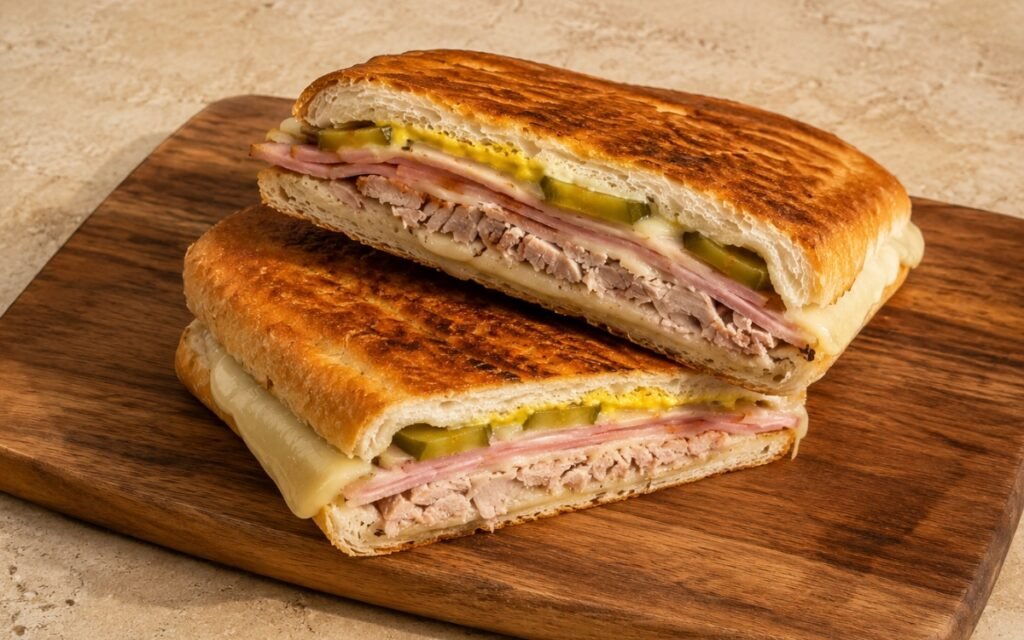
Cuban Sandwich (Cubano)
Citrus-marinated pork roasted in its own mojo marinade, layered with ham, Swiss cheese, and pickles on homemade Cuban bread, pressed until crisp and golden.
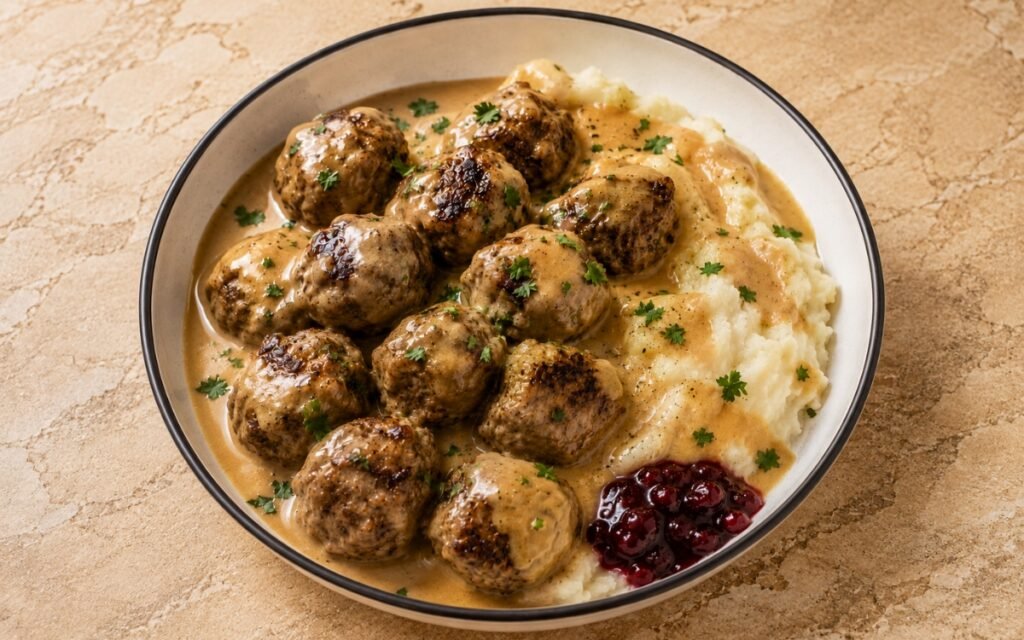
Swedish Meatballs
Tender panade-enriched beef and pork meatballs, gently spiced with allspice and nutmeg, in a creamy brown gravy over mashed potatoes.
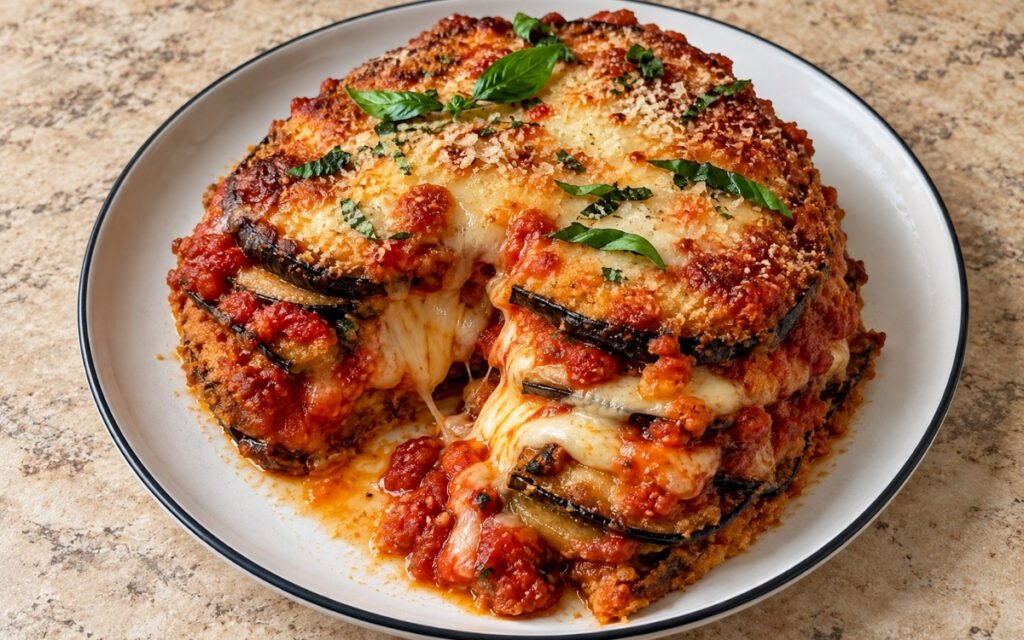
Eggplant Parmesan
Breaded fried eggplant slices layered with tomato sauce, mozzarella, Parmesan, and basil, then baked until bubbling and deeply flavorful.
You might also like
You might also like
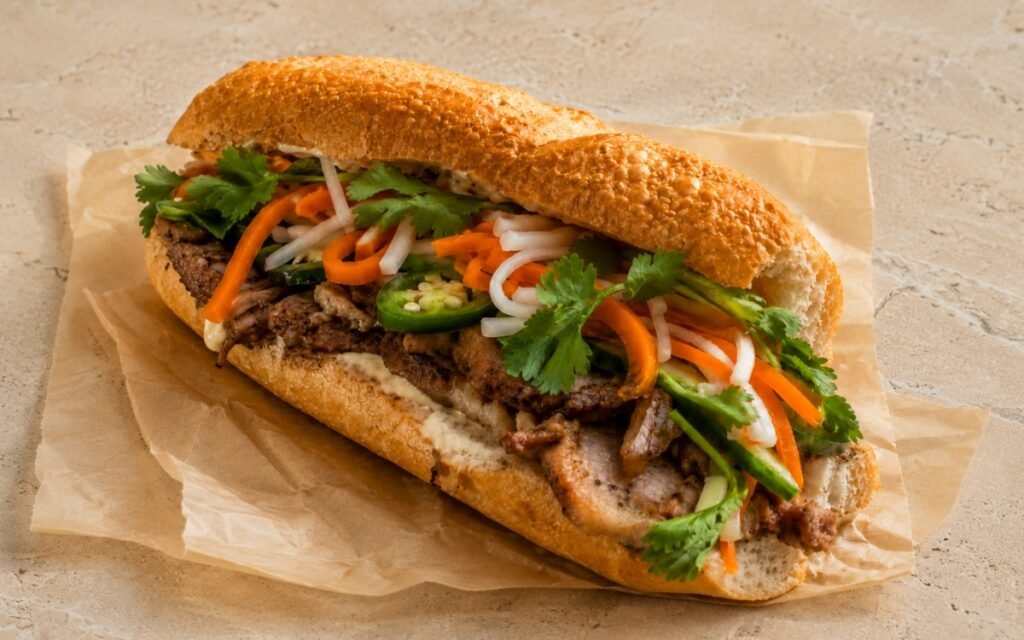
Crispy Pork Bánh Mì Sandwich
Roasted skin-on pork belly with crackling crisp skin, piled into a crusty baguette with pickled carrot and daikon, cucumber, and fresh herbs.
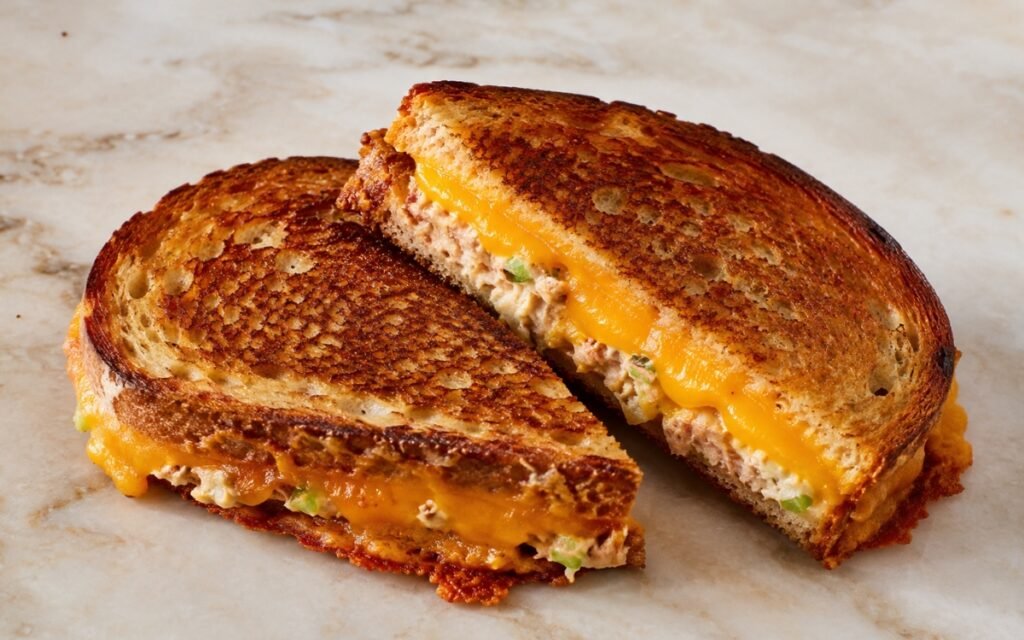
Tuna Melt
Creamy tuna salad and sharp melted cheddar griddled between buttery sourdough until deeply golden and crisp.
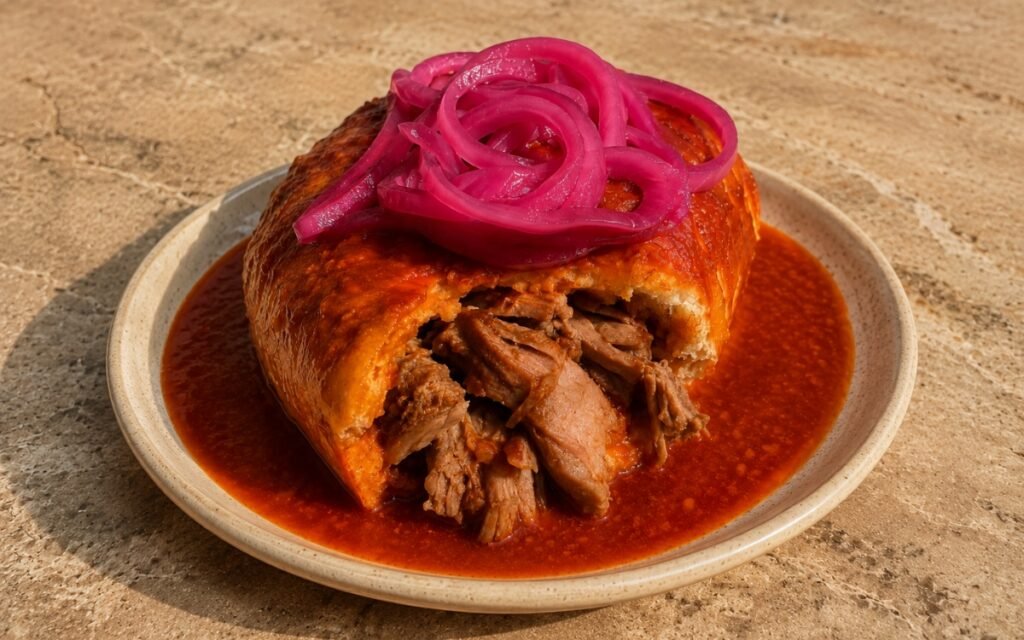
Sándwich Ahogado (Torta Ahogada)
Crusty birote rolls filled with juicy carnitas, drowned in a vivid, pourable chile de árbol sauce and topped with bright pickled onion.
Pan con Chicharrón
Ingredients
Method
- Place the thinly sliced red onion in a bowl. In a separate jug, stir together the vinegar, hot water, sugar, kosher salt, and lime juice until the sugar and salt dissolve. Pour over the onion and let sit for 20–30 minutes, tossing once or twice. If using chili and cilantro, add them after the onion has softened slightly. The onion should become bright pink, glossy, lightly softened, and sharp but balanced. It should still have bite, not turn limp like fully cooked onion. Using hot water to dissolve the sugar and salt into the vinegar brine, rather than cold, is what lets both dissolve fully and quickly before the mixture is poured over the onion — undissolved granules left in a cold brine would sit unevenly rather than seasoning the pickle consistently.
- Cut the pork belly into large thick pieces that will be easy to slice after cooking. Place the pork in a pot and cover with water. Add 1 tsp fine sea salt for simmering. Bring to a simmer and cook gently for 45–60 minutes, until the pork is tender but not falling apart. Remove the pork from the water and dry it extremely well. Let it steam-dry for at least 10–15 minutes. The pork should be tender enough to slice but still structured. If it falls apart before frying, the sandwich loses those thick clean chicharrón slices. Drying is critical. Wet pork belly will spit violently in hot oil and will not crisp cleanly. Stopping the simmer while the pork is tender but still holding together, rather than pushing it toward fully falling-apart tenderness, is a deliberate choice specific to this sandwich — pan con chicharrón depends on thick, clean, sliceable pieces rather than shredded meat.
- Season the dried pork belly with the 2 tsp fine sea salt, garlic powder, onion powder, and black pepper. Let it sit while you prepare the sweet potato. The seasoning should coat the pork evenly, especially the meat sides. The skin/fat side will crisp from frying, but the meat needs seasoning now. Concentrating the seasoning on the meat sides, rather than trying to season the skin evenly too, reflects a real difference in how each surface will ultimately taste — the skin’s flavour comes primarily from the frying process itself, while the meat has no other opportunity to pick up seasoning before it’s sliced and served.
- Peel the sweet potatoes and slice them into thick rounds, about 1–1.5cm thick. Simmer the slices in lightly salted water for 6–8 minutes, just until barely tender. Drain and let them dry well. Fry or shallow-fry in neutral oil or lard until golden on the outside and soft inside. Season lightly with salt. The sweet potato should be golden and creamy, not mushy. It needs to hold its shape inside the sandwich. Simmering the sweet potato only until barely tender, well short of fully cooked, gives it structural insurance for the frying stage that follows — slices already fully soft from simmering would risk falling apart or turning mushy once they’re fried further.
- Heat neutral oil or lard in a heavy pot or deep pan to about 175–180°C. Fry the pork belly pieces in batches until deeply golden, blistered, and crisp on the outside, about 5–8 minutes depending on size. Transfer to a rack and season lightly with extra salt while hot. Rest for 5 minutes, then slice into thick sandwich pieces. The outside should be crisp and browned, while the inside stays juicy. If the oil is too cool, the pork turns greasy. If too hot, the outside burns before the fat renders properly. This specific temperature window is a genuine balance point for pork that’s already been fully cooked through by the earlier simmer — the fry’s only remaining job is rendering and crisping the exterior, which needs enough heat to happen efficiently without scorching the surface before that rendering completes.
- Split the rolls open. Warm them briefly in the oven or toast the cut sides lightly so they stay crusty but not dry. The roll needs enough crust and structure to hold pork fat, sweet potato, and onion liquid. Very soft bread collapses too fast. A genuinely crusty roll, rather than a soft sandwich bun, is what this recipe specifically calls for — the sandwich’s substantial fillings, several of which carry real moisture and fat, need bread with enough inherent structure to withstand that load.
- Place fried sweet potato slices on the bottom half of each roll. Add thick slices of crispy pork belly chicharrón. Top generously with the pickled red onion / salsa criolla, letting some onion spill from the bread. Close the sandwich lightly and serve immediately. The final sandwich should feel abundant and slightly messy. You want visible pork, orange sweet potato, and bright pink onion all coming through the roll. Building the sandwich in this specific order — sweet potato first, then pork, then onion on top — places the driest, most stable component at the base and the wettest, most acidic component last, minimizing how long the bread beneath is exposed to the pickled onion’s liquid before serving.