
Portuguese Pork Bifana
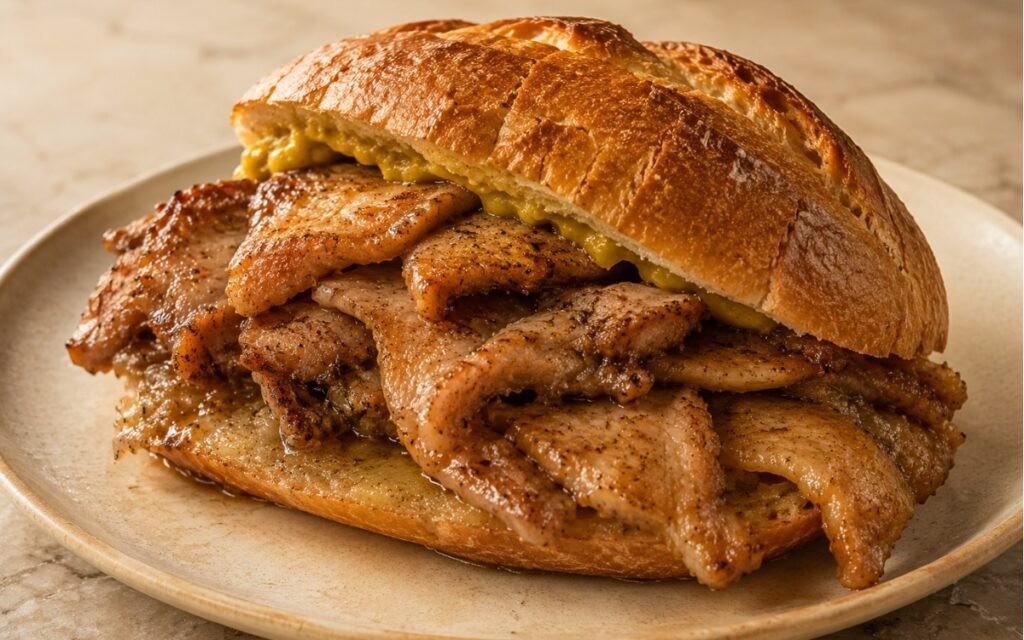
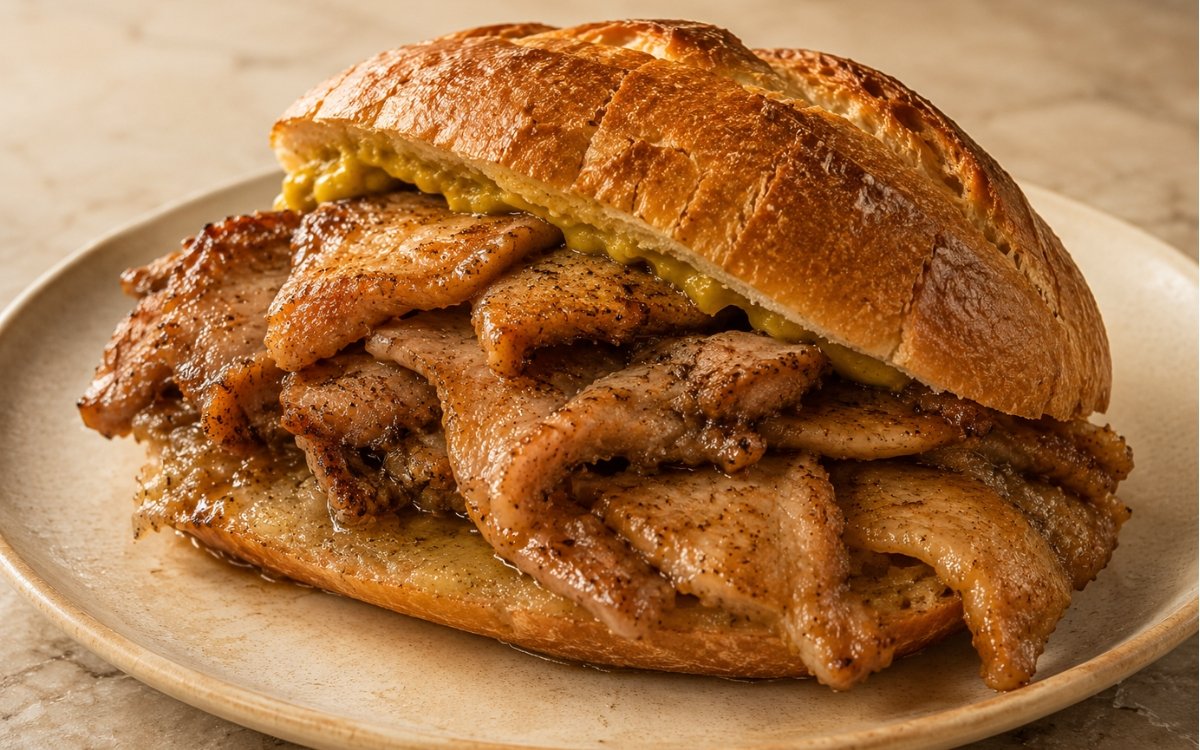
A classic Portuguese bifana made with thin slices of pork marinated in garlic, white wine, bay, and paprika, then cooked until tender and glossy in its own savoury juices. The pork is piled into crusty papo-seco rolls with mustard and piri-piri, with the bread slightly soaked from the cooking liquid in the classic style. Slicing the pork genuinely thin before it ever meets the marinade is the technique this whole sandwich depends on — thick pieces simply don’t cook with the fast, juicy texture a proper bifana needs, the same thin-slice principle used elsewhere in this collection whenever a lean cut needs to cook through quickly without drying out. Cooking the pork directly in its full marinade, rather than searing it dry and discarding the liquid, is what produces the deeply savoury, garlicky juices this dish is actually built around — reducing that liquid to a glossy sauce rather than cooking it dry is what keeps the meat moist and gives the bread something to soak up. The payoff is a sandwich built on genuine simplicity: thin, tender, glossy pork piled into a crusty roll that’s been deliberately allowed to soak up some of those savoury pan juices.
Prep Time : 40 min
Cook Time : 35 min
Servings : 4
40 min
35 min
4
Ingredients
For the Papo-Seco Rolls (4 rolls)
• 300g bread flour — this one on Amazon
• 5g fine sea salt
• 5g granulated sugar
• 4g active dry yeast
• 195g warm water, about 35°C
• 10g olive oil — this one on Amazon
For the Pork and Marinade
• 800g pork loin or boneless pork leg, sliced very thinly
• 6 garlic cloves, finely sliced or minced
• 2 bay leaves
• 220ml dry white wine
• 30ml white wine vinegar
• 10g sweet paprika — this one on Amazon
• 2g white pepper or black pepper — this one on Amazon
• 8g fine sea salt
• 15g Dijon mustard, optional but useful in the sauce — this one on Amazon
• 20g lard or olive oil
• 120ml water, only if needed during cooking
For Assembly
• 20–30g mustard, or to taste
• Piri-piri sauce, to taste — this one on Amazon
This post may contain affiliate links. As an Amazon Associate I earn from qualifying purchases, at no additional cost to you.
Directions
- Make the Papo-Seco Dough
In a mixing bowl, combine the bread flour, salt, sugar, and yeast. Add the warm water and olive oil, then mix until a rough dough forms. Knead for 8–10 minutes by hand or about 7 minutes in a stand mixer until the dough is smooth, elastic, and only lightly tacky. Transfer to a lightly greased bowl, cover, and let rise for 1 hour, or until doubled. The dough should feel supple and elastic, not dry or stiff. A dry dough gives dense rolls instead of the light, crusty structure a bifana needs. Kneading to a genuinely smooth, elastic consistency develops the gluten structure needed for a roll with an open, light crumb — a dough that’s been rushed or left too dry produces a denser, tighter bake regardless of how long it’s proofed afterward. - Shape and Bake the Rolls
Turn the dough out onto the work surface and divide into 4 equal pieces. Shape each into a short oval roll. Place the rolls seam-side down on a parchment-lined tray. Let them rest for 10 minutes, then gently press a deep line lengthwise across the top of each roll using the side of your hand or a floured dowel to create the classic papo-seco split. Cover and proof for 30–45 minutes, until visibly puffy. Preheat the oven to 220°C. Bake for 15–18 minutes until the rolls are lightly golden, crisp on the outside, and sound hollow when tapped. Cool on a rack. The rolls should have a thin crust and light interior. They must be sturdy enough to hold juicy pork, but not so hard that they fight the filling. The classic bifana texture depends on bread that can absorb juices without collapsing immediately. Pressing that signature lengthwise groove while the dough is still soft, rather than after proofing, is what lets it survive both the final rise and the oven’s own spring — a line pressed too late or too shallow tends to fill back in before baking is complete. - Prepare and Marinate the Pork
If needed, chill the pork slightly first so it is easier to slice thinly. Slice into very thin sheets, roughly 3–5mm thick. If some pieces are large, cut them into manageable sandwich-sized pieces. In a bowl, combine the pork with the garlic, bay leaves, white wine, vinegar, paprika, pepper, salt, and Dijon if using. Mix thoroughly, cover, and marinate for at least 2 hours, ideally overnight. The pork should be thoroughly coated and sitting in a loose, winey marinade. Thin slicing matters here — thick pork will not cook with the quick, juicy bifana texture. Chilling the pork briefly before slicing firms it up just enough to hold its shape under the knife, making the thin, even slices this dish depends on considerably easier to achieve than cutting from fully soft, room-temperature meat. - Cook the Bifana Pork
Heat a wide sauté pan or deep skillet over medium heat and add the lard or olive oil. Add the pork together with all of the marinade. Bring to a gentle simmer and cook for 10–15 minutes, stirring occasionally, until the pork is fully cooked and tender. If the liquid reduces too fast before the pork is ready, add a small splash of water. Once the pork is cooked through, raise the heat slightly and cook a few minutes more until the liquid reduces to a glossy savoury sauce that lightly coats the meat. Do not reduce it until dry. The pork should stay moist and glossy, with enough juices left to spoon into the bread. The pork should be fully cooked, tender, and glistening, not browned to dryness. The juices should taste concentrated, garlicky, lightly tangy, and deeply savoury. The classic bifana character comes from pork cooked in the marinade and served with those reduced juices, not from dry-seared pork slices. Cooking the pork directly in its full marinade, rather than searing it separately, is what allows the wine, garlic, and bay to fully infuse the meat while simultaneously becoming the sauce — there’s no discarded liquid here, since the marinade itself is the final dish’s defining sauce. - Prepare the Rolls for Filling
Split the papo-seco rolls. If desired, warm the cut sides briefly in the oven or in a dry pan just enough to refresh them. Spread mustard on one side and piri-piri on the other. Spoon a little of the cooking juices into the bread first so it lightly soaks in. The bread should take on some moisture and flavour, but it should not be drenched to the point of tearing apart before serving. Soaking the bread with a small amount of juice before the pork ever goes in, rather than only spooning sauce on top afterward, means every layer of the finished sandwich carries some of that savoury liquid rather than concentrating it entirely on one side. - Assemble the Sandwiches
Divide the pork evenly among the 4 rolls, about 200g per sandwich. Spoon over a little more of the reduced cooking liquid so the pork glistens and the bread becomes slightly soaked in the classic style. Close the sandwiches and serve immediately while hot. The pork should spill slightly from the sides, and the interior of the roll should be moist from the juices without becoming soggy sludge. This deliberately generous, slightly overflowing pile of pork with a moistened roll is part of what makes a bifana read as authentic rather than restrained — a tidily portioned, dry sandwich misses the whole point of this dish’s juicy, hands-messy character.
*Notes :
- Slicing the pork genuinely thin before marinating is worth understanding as the foundational decision this entire sandwich depends on, since it governs both how the meat cooks and how it eats. Thin slices cook through in a matter of minutes directly in their marinade, staying tender and juicy the whole time. Thicker pieces would need considerably longer in the pan, and by the time they cooked through, the surrounding liquid would either have reduced too far or the meat itself would have tightened past the classic bifana texture.
- Cooking the pork directly in its full marinade — wine, garlic, bay, vinegar, and all — rather than searing the meat separately and discarding that liquid, is the single technique that actually defines this dish as a bifana rather than simply seasoned pan-fried pork. Every bit of flavour built into that marinade during its 2-hour-to-overnight rest carries directly into the finished sauce, since nothing about this method throws any of it away.
- The instruction to reduce the cooking liquid to glossy rather than dry deserves real attention, since it’s easy to keep cooking past the ideal point out of habit. This sauce is meant to remain loose enough to spoon generously into the bread and coat the pork, not concentrated into a thick glaze — pushing the reduction too far loses the very juiciness that makes a bifana recognisable, turning it into something closer to dry-braised pork on bread instead.
- Deliberately soaking the bread with a little of that cooking liquid before the pork even goes in, and spooning more over the assembled sandwich afterward, reflects a real characteristic of how bifana is traditionally served rather than an oversight in tidiness. The bread is meant to take on moisture and flavour from the pork’s own juices — a completely dry roll holding neatly portioned pork is missing a defining part of the dish’s identity.
Why This Recipe Works
This recipe works because the pork is sliced genuinely thin, letting it cook through quickly and tenderly directly in its own marinade rather than needing to be seared separately.
Cooking the meat in that full marinade — never discarding it — is what produces the deeply savoury, garlicky, glossy sauce that actually defines a bifana, and reducing that liquid only to glossy rather than dry protects the pork’s juiciness.
Soaking the bread with some of that sauce before and after the pork goes in, rather than serving everything dry and neatly separated, is what gives this sandwich its classic, deliberately juicy character.
Ingredient Breakdown
Very Thinly Sliced Pork Loin or Leg
The specified cut and thickness — thin enough to cook through quickly and stay tender directly in its own marinade.
Full Marinade (Wine, Garlic, Bay, Paprika)
The flavour foundation — cooked entirely with the pork rather than discarded, becoming the finished dish’s defining sauce.
Glossy, Not Dry, Reduced Sauce
The critical stopping point — reduced just enough to concentrate flavour while staying loose enough to soak generously into the bread.
Homemade Papo-Seco Rolls
The specified bread — a thin, crisp crust around a light, absorbent crumb specifically built to soak up juices without collapsing.
Juice-Soaked Bread
The traditional serving detail — moistened before and after filling, a defining rather than incidental part of how bifana is meant to be eaten.
Flavor Structure Explained
This bifana follows a layered balance model:
- Savoury glossy foundation (marinated, simmered pork)
- Deep aromatic depth (garlic, bay, white wine)
- Warm gentle spice (sweet paprika)
- Sharp finishing contrast (mustard, piri-piri)
- Moist juicy body (reduced cooking liquid soaked into bread)
The marinated, simmered pork defines the sandwich with deep, savoury, glossy flavour built up over its time in the marinade and pan. Garlic, bay, and white wine layer in rich aromatic depth that runs through both the meat and its sauce. Sweet paprika adds a warm, gentle spice note throughout. Mustard and piri-piri, added at assembly, finish each bite with sharp, customisable contrast. The reduced cooking liquid, soaked into the bread itself, gives the whole sandwich a moist, juicy body that ties every component together.
Common Mistakes to Avoid
- Slicing the Pork Too Thick – Thick pieces don’t cook with the fast, juicy texture a bifana needs. Always slice as thin as possible, chilling the meat first if needed.
- Searing the Pork Dry and Discarding the Marinade – This loses the defining savoury sauce that actually makes the dish a bifana. Always cook the pork directly in its full marinade.
- Reducing the Sauce Until Dry – This loses the juiciness a proper bifana depends on. Always stop reducing while it’s still glossy and loose enough to spoon.
- Using an Overly Hard, Crusty Roll – This fights the juicy filling instead of absorbing it. Always use a roll with a thin crust and light, absorbent crumb.
- Serving a Completely Dry, Tidily Portioned Sandwich – This misses the dish’s defining juicy, slightly messy character. Always soak the bread with some cooking liquid before and after filling.
Variations
Spicier Version
Increase the piri-piri at assembly, or add a small pinch of chili flakes directly to the marinade for background heat throughout the pork.
With Sautéed Onion
Add thinly sliced onion to the pan alongside the pork during cooking for a sweeter, more substantial filling.
Beer-Marinated Version
Substitute a light lager for half the white wine in the marinade for a maltier, less acidic character.
Open-Faced Version
Serve the pork and sauce over a single slice of the papo-seco instead of a filled roll, for a lighter, knife-and-fork presentation.
Storage & Make-Ahead
Raw pork can marinate in the refrigerator for up to 24 hours; do not extend significantly beyond this window given the acidic wine and vinegar content.
Baked papo-seco rolls can be stored at room temperature, wrapped, for up to 2 days, or frozen for up to 1 month.
Cooked pork with its sauce can be refrigerated in an airtight container for up to 3 days; reheat gently in a covered pan, adding a splash of water if needed.
Fully assembled sandwiches are not suitable for storage — assemble only what will be eaten immediately, given how quickly the soaked bread softens.
Frequently Asked Questions
Why does the pork need to be sliced so thin before marinating?
Thin slices cook through quickly and stay tender directly in their marinade. Thicker pieces would need considerably longer in the pan, by which point the surrounding liquid would over-reduce or the meat itself would tighten past the classic bifana texture.
Why cook the pork directly in its marinade instead of searing it dry and making a separate sauce?
Every bit of flavour built into the marinade during its resting time carries directly into the finished dish this way, since nothing is discarded. Searing the pork separately and making a new sauce would lose that direct connection between the marinade and the final glossy juices.
Why does the sauce need to stay glossy rather than being reduced further until thick?
This sauce is meant to stay loose enough to spoon generously into the bread and coat the pork. Reducing it too far loses the juiciness that defines a proper bifana, turning it into something closer to dry-braised pork rather than the traditionally moist, glossy version.
Why is the bread deliberately soaked with some of the cooking liquid rather than kept dry?
A bifana is traditionally meant to be juicy, with the bread taking on moisture and flavour from the pork’s own sauce. A completely dry, neatly portioned sandwich is missing a defining part of the dish’s character.
Are there other substantial, juicy sandwiches worth trying?
Pambazo Sandwich, Italian Beef Sandwich, and Pulled Pork Sandwich are all worth exploring if you enjoy this kind of hearty, saucy sandwich format. French Dip Sandwich shares a similar principle of bread meant to soak up savoury juices, while Chopped Cheese offers a different, griddled direction worth trying too.
Nutrition Facts
( per serving )
Calories
~640 kcal
Protein
46 g
Fat
26 g
Carbs
48 g
Calories
~640 kcal
Protein
46 g
Fat
26 g
Carbs
48 g
Related Recipes
Related Recipes

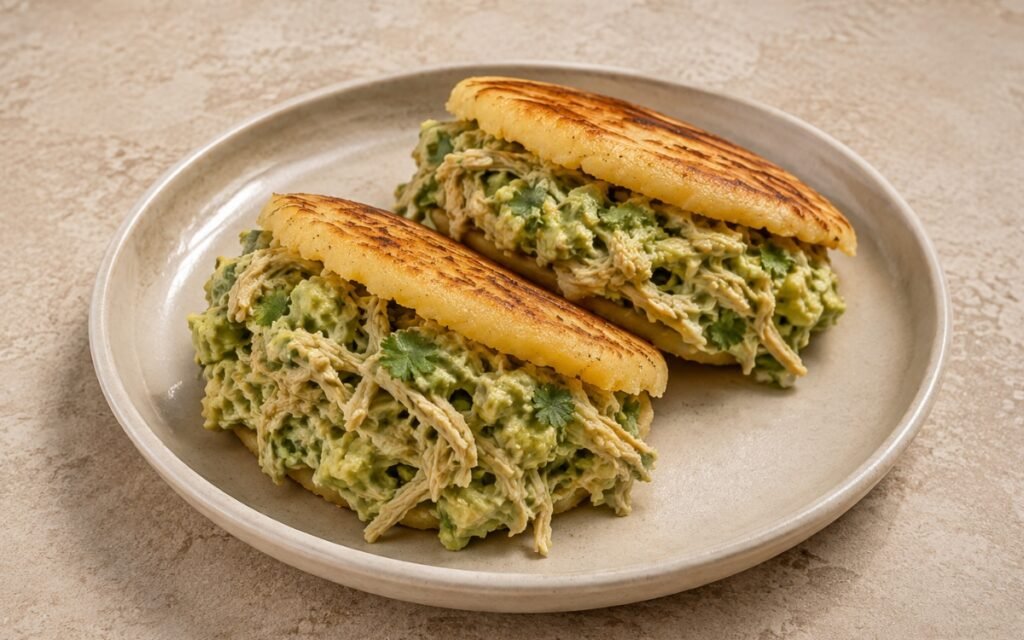
Arepas Reina Pepiada
Crisp, golden masarepa arepas split open and generously stuffed with a creamy shredded chicken and avocado filling.
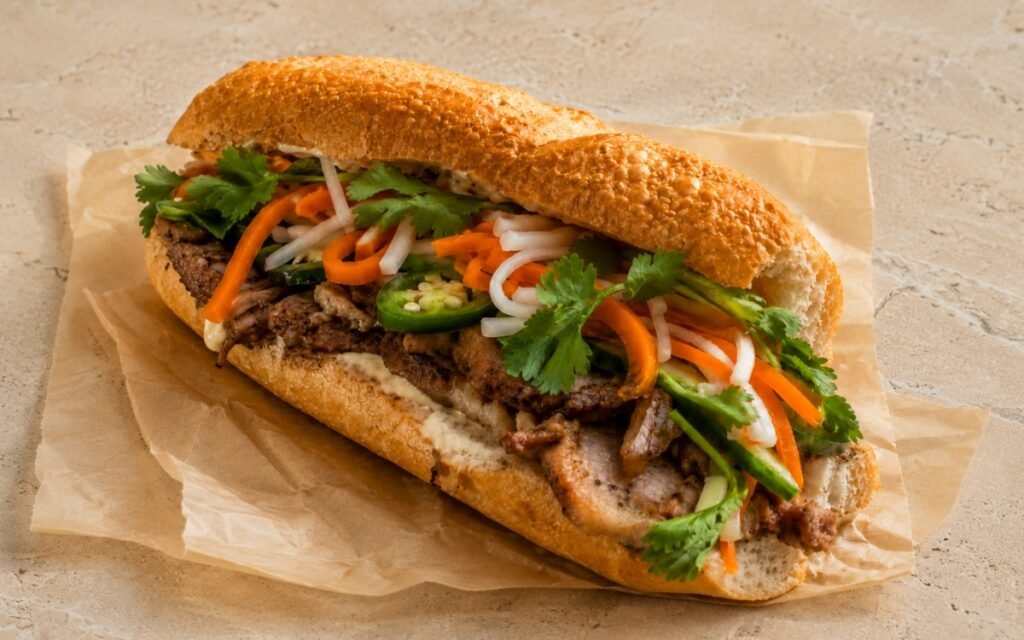
Crispy Pork Bánh Mì Sandwich
Roasted skin-on pork belly with crackling crisp skin, piled into a crusty baguette with pickled carrot and daikon, cucumber, and fresh herbs.
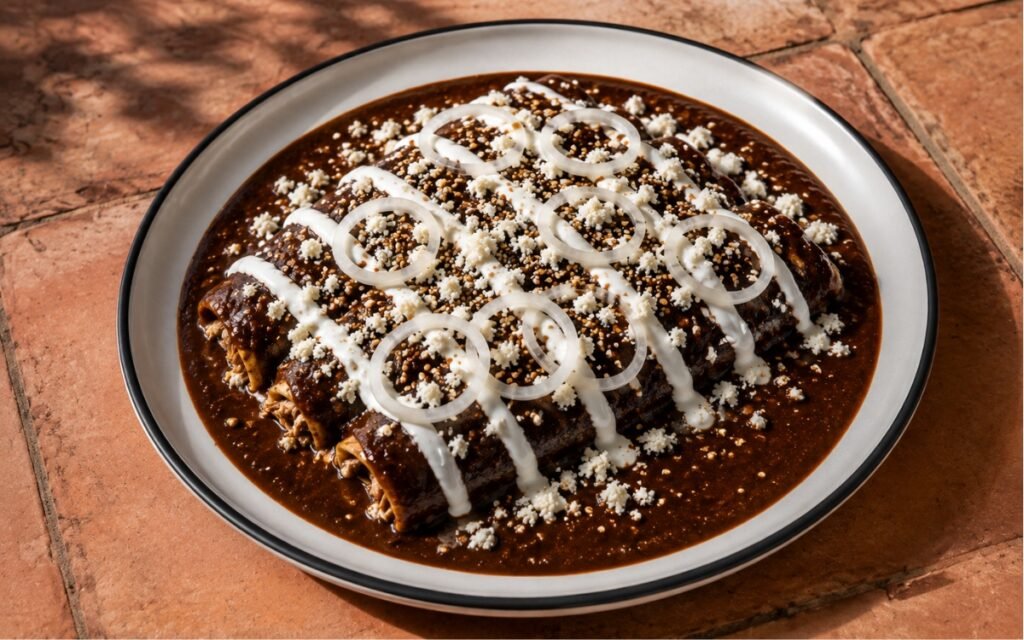
Chicken Enmoladas with Mole Poblano
Soft corn tortillas filled with tender shredded chicken, folded, and blanketed in glossy mole poblano, finished with crema and queso fresco.
You might also like
You might also like
Stromboli with Pepperoni and Cheese
Pizza dough rolled tightly around pepperoni, low-moisture mozzarella, thick tomato sauce, and Parmesan, baked until deeply golden and crisp.
Broken Rice with Grilled Pork (Cơm Tấm)
Grilled lemongrass pork chop over broken rice with a fried egg, quick pickled carrot and daikon, cucumber, tomato, and nước chấm.
Pho Sandwich
Slow-braised beef in a fragrant, charred pho-style spice base, sliced and glazed, piled into a crusty baguette with fresh herbs and crispy shallots.
Portuguese Pork Bifana
Ingredients
Method
- In a mixing bowl, combine the bread flour, salt, sugar, and yeast. Add the warm water and olive oil, then mix until a rough dough forms. Knead for 8–10 minutes by hand or about 7 minutes in a stand mixer until the dough is smooth, elastic, and only lightly tacky. Transfer to a lightly greased bowl, cover, and let rise for 1 hour, or until doubled. The dough should feel supple and elastic, not dry or stiff. A dry dough gives dense rolls instead of the light, crusty structure a bifana needs. Kneading to a genuinely smooth, elastic consistency develops the gluten structure needed for a roll with an open, light crumb — a dough that’s been rushed or left too dry produces a denser, tighter bake regardless of how long it’s proofed afterward.
- Turn the dough out onto the work surface and divide into 4 equal pieces. Shape each into a short oval roll. Place the rolls seam-side down on a parchment-lined tray. Let them rest for 10 minutes, then gently press a deep line lengthwise across the top of each roll using the side of your hand or a floured dowel to create the classic papo-seco split. Cover and proof for 30–45 minutes, until visibly puffy. Preheat the oven to 220°C. Bake for 15–18 minutes until the rolls are lightly golden, crisp on the outside, and sound hollow when tapped. Cool on a rack. The rolls should have a thin crust and light interior. They must be sturdy enough to hold juicy pork, but not so hard that they fight the filling. The classic bifana texture depends on bread that can absorb juices without collapsing immediately. Pressing that signature lengthwise groove while the dough is still soft, rather than after proofing, is what lets it survive both the final rise and the oven’s own spring — a line pressed too late or too shallow tends to fill back in before baking is complete.
- If needed, chill the pork slightly first so it is easier to slice thinly. Slice into very thin sheets, roughly 3–5mm thick. If some pieces are large, cut them into manageable sandwich-sized pieces. In a bowl, combine the pork with the garlic, bay leaves, white wine, vinegar, paprika, pepper, salt, and Dijon if using. Mix thoroughly, cover, and marinate for at least 2 hours, ideally overnight. The pork should be thoroughly coated and sitting in a loose, winey marinade. Thin slicing matters here — thick pork will not cook with the quick, juicy bifana texture. Chilling the pork briefly before slicing firms it up just enough to hold its shape under the knife, making the thin, even slices this dish depends on considerably easier to achieve than cutting from fully soft, room-temperature meat.
- Heat a wide sauté pan or deep skillet over medium heat and add the lard or olive oil. Add the pork together with all of the marinade. Bring to a gentle simmer and cook for 10–15 minutes, stirring occasionally, until the pork is fully cooked and tender. If the liquid reduces too fast before the pork is ready, add a small splash of water. Once the pork is cooked through, raise the heat slightly and cook a few minutes more until the liquid reduces to a glossy savoury sauce that lightly coats the meat. Do not reduce it until dry. The pork should stay moist and glossy, with enough juices left to spoon into the bread. The pork should be fully cooked, tender, and glistening, not browned to dryness. The juices should taste concentrated, garlicky, lightly tangy, and deeply savoury. The classic bifana character comes from pork cooked in the marinade and served with those reduced juices, not from dry-seared pork slices. Cooking the pork directly in its full marinade, rather than searing it separately, is what allows the wine, garlic, and bay to fully infuse the meat while simultaneously becoming the sauce — there’s no discarded liquid here, since the marinade itself is the final dish’s defining sauce.
- Split the papo-seco rolls. If desired, warm the cut sides briefly in the oven or in a dry pan just enough to refresh them. Spread mustard on one side and piri-piri on the other. Spoon a little of the cooking juices into the bread first so it lightly soaks in. The bread should take on some moisture and flavour, but it should not be drenched to the point of tearing apart before serving. Soaking the bread with a small amount of juice before the pork ever goes in, rather than only spooning sauce on top afterward, means every layer of the finished sandwich carries some of that savoury liquid rather than concentrating it entirely on one side.
- Divide the pork evenly among the 4 rolls, about 200g per sandwich. Spoon over a little more of the reduced cooking liquid so the pork glistens and the bread becomes slightly soaked in the classic style. Close the sandwiches and serve immediately while hot. The pork should spill slightly from the sides, and the interior of the roll should be moist from the juices without becoming soggy sludge. This deliberately generous, slightly overflowing pile of pork with a moistened roll is part of what makes a bifana read as authentic rather than restrained — a tidily portioned, dry sandwich misses the whole point of this dish’s juicy, hands-messy character.