
Pulled Pork Sandwich
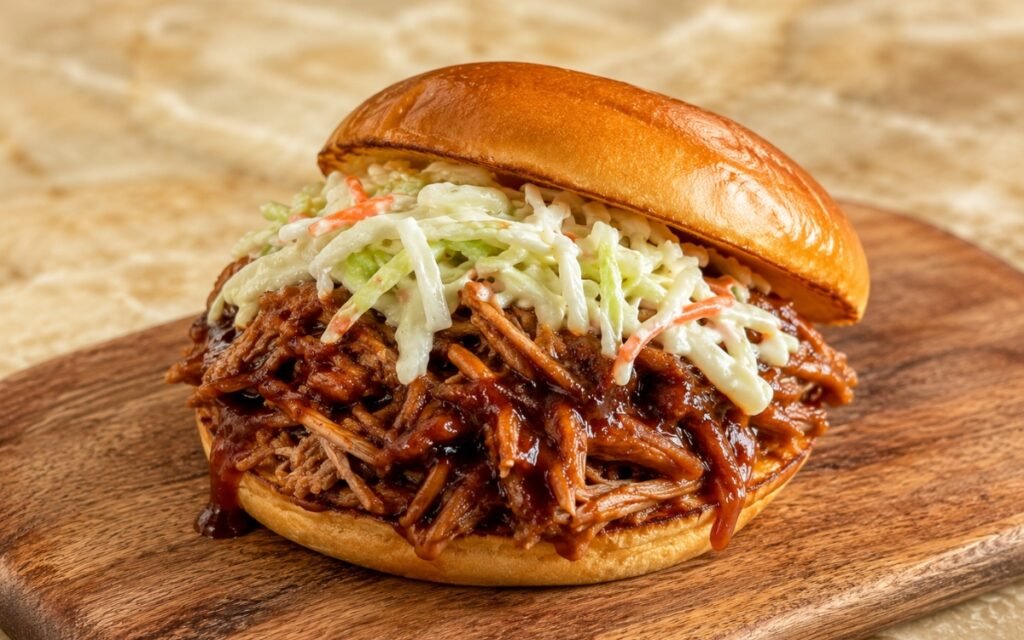
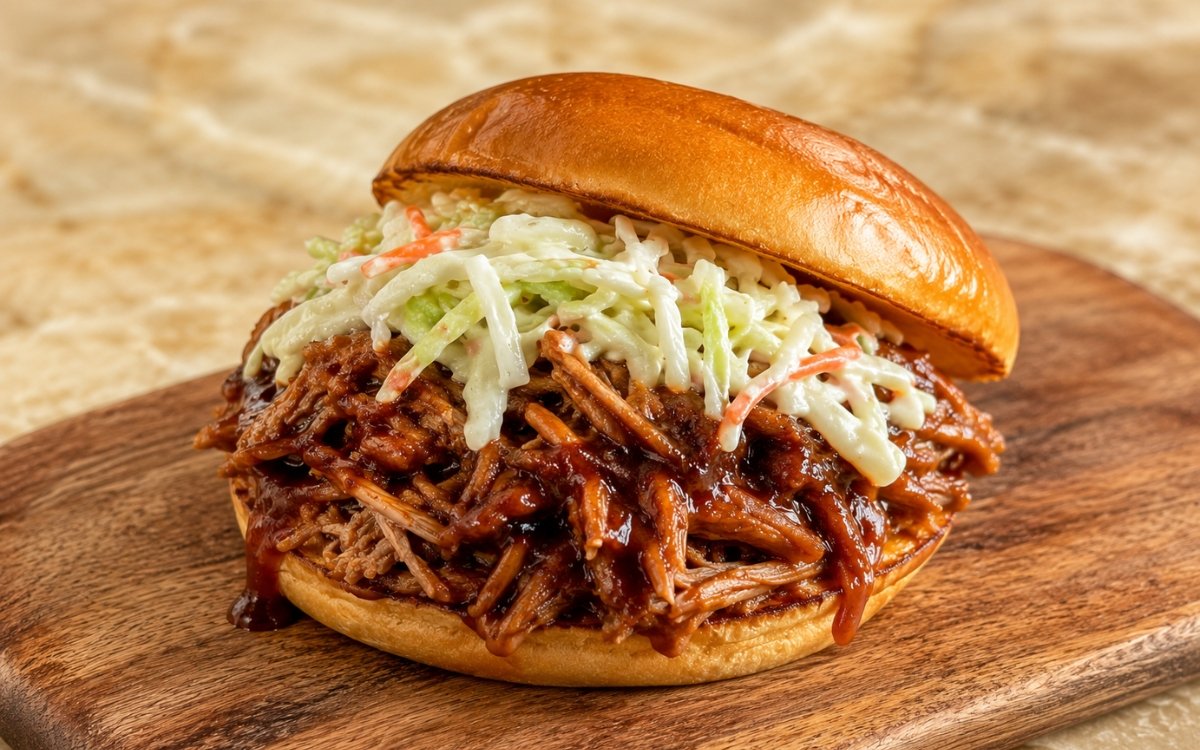
Soft toasted brioche buns loaded with slow-cooked shredded pork shoulder glazed in a reduced smoky barbecue sauce and topped with a simple creamy coleslaw. Searing the pork hard on multiple sides before it ever touches the braising liquid is the technique this whole sandwich depends on for its depth — that browning builds a genuine fond on the bottom of the pot, which gets scraped up and carried directly into the sauce, the same sear-then-braise principle used elsewhere in this collection whenever a braising liquid needs to taste built rather than flat. Reducing the braising liquid separately, after the pork comes out, is what turns a serviceable braise into a glossy, clinging glaze rather than a thin, watery sauce that would leak straight through the bun. Keeping the coleslaw lightly dressed and added only right before serving protects its crunch against the rich, hot pork beneath it. The payoff is a sandwich with real contrast: warm, glossy, smoky-sweet pulled pork against cool, crisp, lightly creamy coleslaw, held together by a soft, buttered, toasted bun.
Prep Time : 25 min
Cook Time : 3 hr, 15 min
Servings : 4
25 min
3 hr, 15 min
4
Ingredients
For the Pulled Pork
• 1kg pork shoulder, cut into 3–4 large chunks
• 2 tbsp lard or neutral high-smoke-point oil
• 2 tsp fine sea salt
• 1 tsp freshly ground black pepper
• 2 tsp garlic powder — this one on Amazon
• 2 tsp onion powder — this one on Amazon
• 2 tsp smoked paprika — this one on Amazon
• 1 tsp ground cumin — this one on Amazon
• 1 tsp dried oregano — this one on Amazon
For the Braising Liquid
• 300g barbecue sauce
• 250ml water or pork/chicken stock
• 1 tbsp apple cider vinegar
• 1 tbsp brown sugar, only if needed
• 1 tsp Worcestershire sauce, optional
For the Coleslaw
• 250g finely shredded green cabbage
• 50g carrot, julienned or coarsely grated
• 30g mayonnaise
• 20g sour cream
• 1 tsp Dijon mustard — this one on Amazon
• 1 tsp apple cider vinegar or lemon juice
• ½ tsp sugar
• Fine sea salt, to taste
• Freshly ground black pepper, to taste
For Assembly
• 4 brioche burger buns, store-bought or homemade — see Brioche Burger Buns
• Softened butter, as needed for toasting the buns
This post may contain affiliate links. As an Amazon Associate I earn from qualifying purchases, at no additional cost to you.
Directions
- Season and Sear the Pork
Pat the pork shoulder dry very well. Mix the salt, black pepper, garlic powder, onion powder, smoked paprika, cumin, and dried oregano. Rub the seasoning evenly over all sides of the pork. Heat the lard or oil in a heavy pot or Dutch oven over medium-high heat. Sear the pork in batches if needed so the pot is not crowded. Brown the meat deeply on multiple sides, 2–4 minutes per side, until a dark crust forms. Do not rush this stage. The surface should be well browned, not pale, because this is where much of the final savoury depth comes from. Remove the pork to a plate once all pieces are seared. Searing in properly spaced batches, rather than crowding the pot, is what allows real contact between the meat’s surface and the hot pot — crowded pork releases moisture and steams rather than browning, and pale, unseared pork produces a noticeably flatter finished sauce regardless of how well the braise itself goes. - Braise Low and Slow
Lower the heat slightly. In a bowl, mix the barbecue sauce, water or stock, apple cider vinegar, and Worcestershire sauce if using. Pour this into the pot and scrape up the browned bits from the bottom. Return the pork to the pot. The liquid should come partway up the sides of the meat, not fully cover it. Bring to a gentle simmer, then cover with a lid and cook over very low heat for 2½ to 3 hours, turning once or twice during cooking, until the pork is fully tender and pulls apart easily with a fork. The correct doneness point is when the collagen has broken down completely and the meat shreds without resistance. If it still feels tight or firm, keep cooking and check again in 20-minute intervals. Keeping the liquid at only partway up the meat rather than fully submerging it concentrates the braise’s flavour into a smaller volume — a fully submerged braise dilutes both the meat and the eventual sauce, producing a thinner result even after the same amount of later reduction. - Pull the Pork
Lift the cooked pork out of the pot and transfer it to a tray or bowl. Let it cool just enough to handle. Skim off excess fat from the braising liquid if needed. Shred the pork using your hands once cool enough, or use two forks while still hot. Remove any large hard fat pieces. Keep the shreds moderately chunky rather than too fine so the sandwich keeps texture. Shredding into moderately chunky pieces rather than very fine strands is a deliberate texture choice — overly fine pork loses its individual character and turns mushy once tossed with sauce, while chunkier shreds hold their own texture against the glossy glaze. - Reduce the Sauce and Glaze the Meat
Place the pot with the braising liquid over medium heat and simmer uncovered until reduced to a thick, glossy sauce consistency, about 8–15 minutes. Stir occasionally so the sugars do not catch on the bottom. The sauce should coat a spoon and no longer look thin or watery. Taste and adjust. Add the brown sugar only if the sauce needs a touch more sweetness or roundness. Add a pinch more salt or pepper if needed. Return the shredded pork to the reduced sauce and toss until evenly coated. The finished meat should be glossy, juicy, and smoky, with enough sauce to cling to every strand but not pool heavily in the bottom of the bowl. Reducing the braising liquid as a separate step, after the pork is already out, concentrates its flavour and thickens it into something that clings rather than pools — tossing the pork back into an unreduced, thin liquid instead would leave the meat wet and leak straight through the bun. - Make the Coleslaw
While the pork finishes, combine the cabbage and carrot in a bowl. In a separate small bowl, mix the mayonnaise, sour cream, Dijon mustard, apple cider vinegar or lemon juice, sugar, a small pinch of salt, and a few grinds of black pepper. Pour over the vegetables and toss until evenly coated. The slaw should be lightly creamy, fresh, and crisp, not overdressed. Let it sit 10–15 minutes so the cabbage softens slightly but still keeps crunch. This brief rest softens the cabbage’s rawest edge just enough to make it pleasant to eat while still preserving genuine crunch — a longer sit would push the slaw past that point into something limper and wetter. - Toast the Buns and Assemble
Split the brioche buns. Lightly butter the cut sides and toast them in a pan or on a griddle over medium heat until golden. Pile a generous portion of the warm pulled pork onto each bottom bun. Top with a mound of fresh coleslaw and close with the top bun. Serve immediately while the pork is hot and glossy and the slaw is still crisp. Toasting the bun gives it real structural resistance against the warm, glossy pork’s moisture, and building the sandwich with hot pork first, cool slaw last, keeps that fresh topping from wilting under residual heat before serving.
*Notes :
- Searing the pork thoroughly before it ever meets the braising liquid is worth understanding as the foundation the entire sauce depends on, not a preliminary step disconnected from what follows. The browned fond left on the pot’s bottom after a proper sear is concentrated, developed pork flavour, and it’s specifically that fond — scraped up when the braising liquid is poured in — that gives the finished barbecue sauce real depth. A shoulder that goes into the braise pale, without a proper sear, simply doesn’t leave behind that same foundation, and the sauce tastes noticeably flatter regardless of how carefully the rest of the braise is handled.
- Keeping the braising liquid at only partway up the meat, rather than fully submerging it, is a concentration choice worth carrying through deliberately. A fully submerged braise spreads the pork’s flavour and the barbecue sauce’s own character across a larger volume of liquid from the start, meaning even after the same reduction time at the end, the resulting glaze will taste thinner than one built from a shallower braise.
- The separate reduction step — pulling the pork out, then reducing the liquid on its own before tossing the meat back in — is genuinely the turning point between a proper pulled pork sandwich and a wet, sloppy one. Skipping this step and simply tossing the shredded pork with its full, unreduced braising liquid produces a filling wet enough to soak straight through the bun within minutes of assembly. The brief separate simmer concentrates that liquid into something that clings rather than pools.
- The coleslaw’s short 10–15 minute rest is a deliberate, narrow window rather than a flexible suggestion. Fresh cabbage straight from shredding can taste sharp and slightly bitter; the brief rest in a lightly acidic, creamy dressing softens that raw edge just enough to make it pleasant, while stopping well short of the point where the cabbage would go limp and wet — the contrast between rich, warm pork and crisp, cool slaw depends on that timing.
Why This Recipe Works
This recipe works because the pork is seared thoroughly before it ever meets the braising liquid, building the fond that becomes the foundation of the finished barbecue sauce. Keeping the braise liquid shallow concentrates that flavour further, and shredding the pork into moderately chunky pieces preserves real texture.
Reducing the braising liquid separately, then tossing the pork back in, is what produces a glossy, clinging glaze rather than a wet filling that would soak through the bun — and a lightly dressed, briefly rested coleslaw provides the crisp, cool contrast that keeps the whole sandwich balanced.
Ingredient Breakdown
Seared Pork Shoulder
The protein’s foundation — thorough browning builds the fond that becomes the finished barbecue sauce’s flavour base.
Shallow Braising Liquid
The concentration technique — kept at only partway up the meat rather than fully submerged, for a more intensely flavoured sauce.
Separately Reduced Braising Liquid
The critical finishing step — concentrated into a glossy glaze after the pork is removed, rather than tossed back in while still thin and watery.
Moderately Chunky Shredded Pork
The texture specification — kept from being over-shredded so the finished filling holds real bite rather than turning mushy.
Lightly Dressed, Briefly Rested Coleslaw
The contrasting topping — dressed sparingly and rested only briefly to soften without losing its defining crunch.
Flavor Structure Explained
This pulled pork sandwich follows a layered balance model:
- Rich smoky-sweet foundation (glazed pulled pork)
- CWarm savoury depth (seared pork, browned spices)
- Fresh crisp contrast (coleslaw)
- Tangy creamy finish (mayo-mustard dressing)
- Buttery structural base (toasted brioche bun)
The glazed pulled pork defines the sandwich with rich, smoky-sweet flavour and a glossy, clinging sauce built from the meat’s own concentrated braising liquid. Warm background spice from the seasoning rub layers in savoury depth beneath the barbecue sauce’s sweetness. Fresh, crisp coleslaw provides sharp textural and temperature contrast against the warm, rich pork. The tangy, lightly creamy dressing binding the slaw cuts through the pork’s richness with acidity. A toasted, buttery brioche bun rounds out the whole sandwich with a soft yet structurally sound base.
Common Mistakes to Avoid
- Skipping or Rushing the Initial Sear – Pale, unbrowned pork produces a noticeably flatter, less developed barbecue sauce. Always sear deeply on multiple sides before braising.
- Fully Submerging the Pork During Braising – This dilutes the sauce’s flavour into a larger volume of liquid. Always keep it at roughly partway up the meat.
- Skipping the Separate Sauce Reduction – Tossing shredded pork with its full, unreduced braising liquid produces a wet filling that soaks through the bun. Always reduce the liquid separately first.
- Over-Shredding the Pork – Finely shredded pork loses its texture and turns mushy once tossed with sauce. Always keep the shreds moderately chunky.
- Overdressing or Over-Resting the Coleslaw – This turns the slaw limp and wet instead of crisp. Always dress it lightly and let it rest for no more than 10–15 minutes.
Variations
Spicier Version
Add a diced jalapeño or a few dashes of hot sauce to the braising liquid for a subtle background heat throughout the pork.
With Pickles
Add a few thin dill pickle slices to the sandwich alongside the coleslaw for extra tang and crunch.
Smoked Version
For a more traditional flavour, smoke the seared pork shoulder for 1–2 hours before finishing it in the braising liquid in the oven.
Classic Bun Version
Substitute Classic Burger Buns for the brioche if you prefer a slightly less rich, more traditional base.
Storage & Make-Ahead
Braised, shredded pork (with its reduced sauce) can be refrigerated in an airtight container for up to 4 days, or frozen for up to 3 months — the flavour often deepens after a day resting in the sauce.
The coleslaw is best made fresh close to serving; it can be refrigerated for a few hours, though it will continue softening the longer it sits.
Fully assembled sandwiches are not suitable for storage — assemble only what will be eaten immediately, given how quickly the bun softens under the warm, glazed pork.
Frequently Asked Questions
Why does the pork need to be seared so thoroughly before braising?
The browned fond left on the pot’s bottom after a proper sear is concentrated, developed flavour, and it’s specifically that fond, scraped up when the braising liquid is added, that gives the finished barbecue sauce real depth. A shoulder that goes in pale leaves behind far less of that foundation.
Why keep the braising liquid at only partway up the meat instead of fully covering it?
A fully submerged braise spreads the pork’s flavour across a larger volume of liquid, diluting it. Keeping the liquid shallower concentrates that flavour, producing a more intensely flavoured sauce even after the same reduction time.
Why does the sauce need to be reduced separately after the pork is removed?
Tossing shredded pork with its full, unreduced braising liquid produces a filling wet enough to soak straight through the bun. Reducing the liquid on its own first concentrates it into a glossy glaze that clings to the meat rather than pooling.
Why does the coleslaw only rest for 10–15 minutes rather than longer?
That brief window softens the cabbage’s raw, sharp edge just enough to make it pleasant to eat while preserving genuine crunch. A longer rest pushes the slaw past that point into something limper and wetter, losing the crisp contrast it’s meant to provide against the warm pork.
Are there other pulled or shredded pork sandwiches worth trying?
Cuban Sandwich (Cubano) offers a related pressed sandwich built around citrus-marinated roast pork. Italian Beef Sandwich, Crispy Pork Bánh Mì Sandwich, and Portuguese Pork Bifana are all worth exploring too if you enjoy this kind of substantial, sauced or marinated meat sandwich, each taking a distinctly different regional direction with the same basic idea of tender meat piled into a soft roll.
Nutrition Facts
( per serving )
Calories
~780 kcal
Protein
44 g
Fat
38 g
Carbs
62 g
Calories
~780 kcal
Protein
44 g
Fat
38 g
Carbs
62 g
Related Recipes
Related Recipes

Roujiamo Sandwich
Crisp-outside, soft-inside flatbread packed with finely chopped, richly spiced braised pork belly and reduced braising juices.
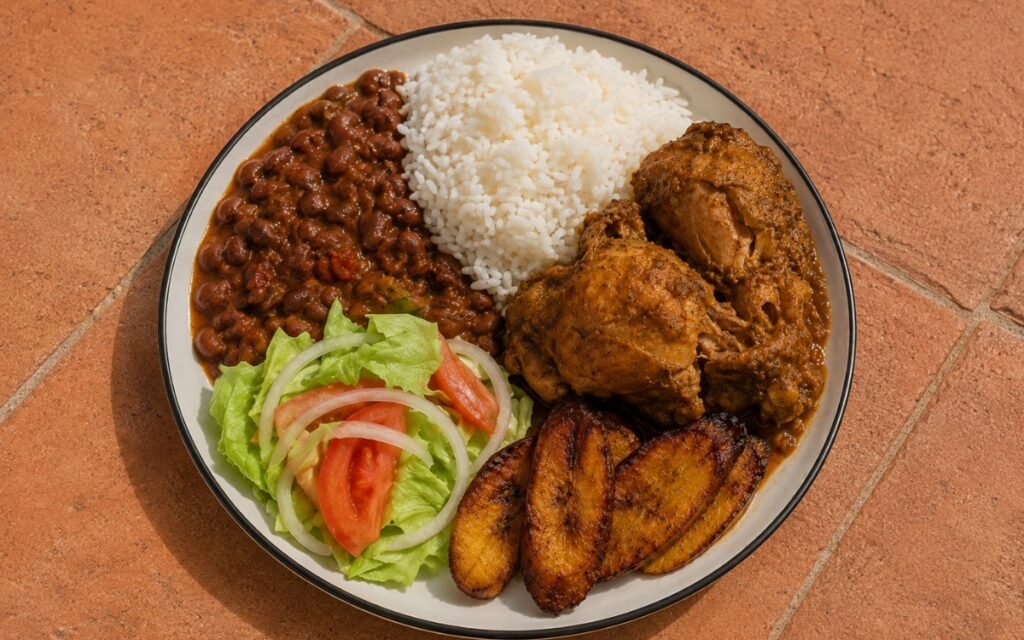
La Bandera Dominicana
Fluffy white rice, stewed red beans, caramelised braised chicken, sweet fried plantains, and fresh salad, each kept distinct on the plate.
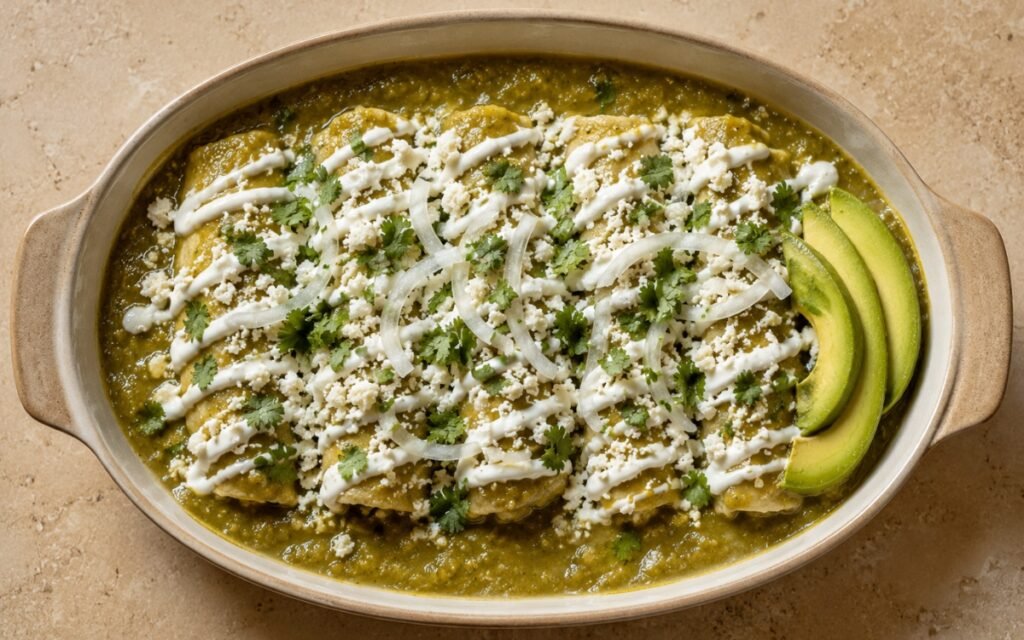
Enchiladas Verdes
Corn tortillas rolled with tender shredded chicken, coated in a vivid roasted tomatillo salsa verde, and topped with queso fresco and crema.

You might also like
You might also like
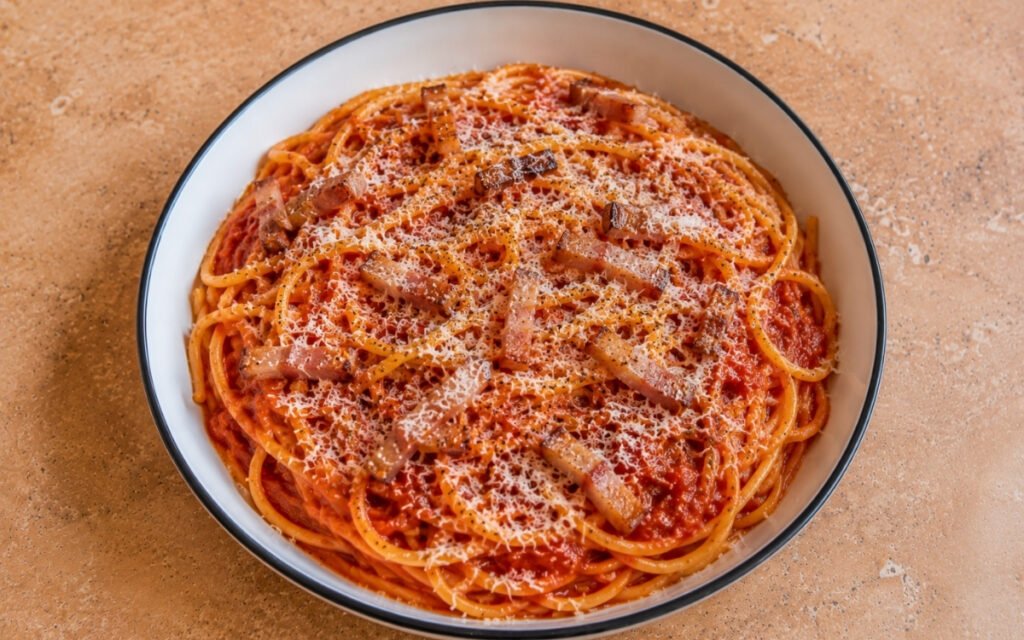
Classic Spaghetti all’Amatriciana
Cold-rendered guanciale, white wine, hand-crushed San Marzano tomatoes, and Pecorino off the heat — 40 minutes.
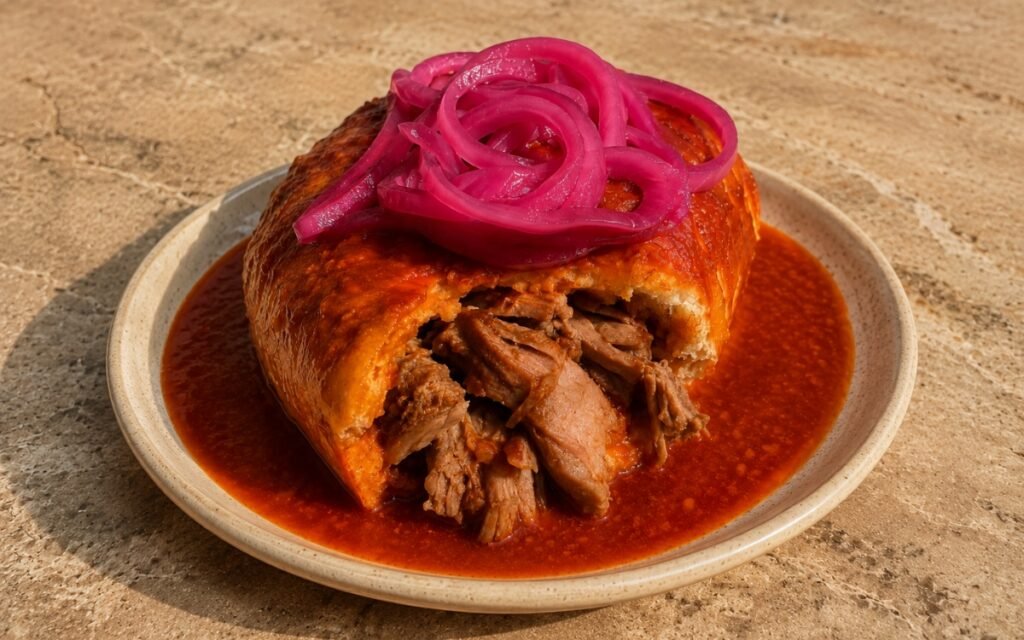
Sándwich Ahogado (Torta Ahogada)
Crusty birote rolls filled with juicy carnitas, drowned in a vivid, pourable chile de árbol sauce and topped with bright pickled onion.
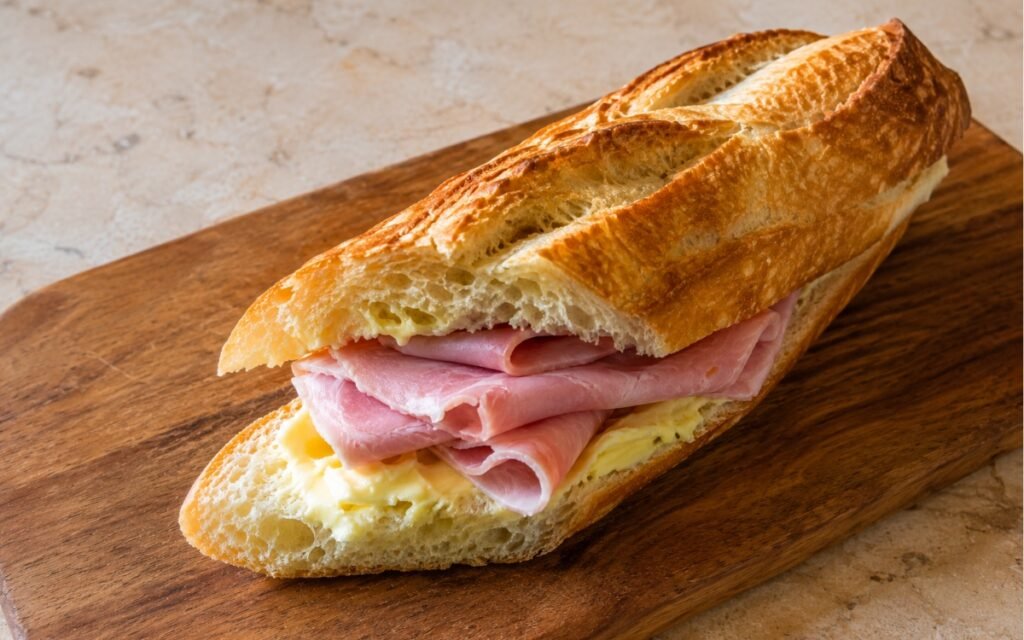
Jambon-Beurre
Fresh crusty baguette, a generous layer of softened butter, and thinly folded slices of pale pink French ham.
Pulled Pork Sandwich
Ingredients
Method
- Pat the pork shoulder dry very well. Mix the salt, black pepper, garlic powder, onion powder, smoked paprika, cumin, and dried oregano. Rub the seasoning evenly over all sides of the pork. Heat the lard or oil in a heavy pot or Dutch oven over medium-high heat. Sear the pork in batches if needed so the pot is not crowded. Brown the meat deeply on multiple sides, 2–4 minutes per side, until a dark crust forms. Do not rush this stage. The surface should be well browned, not pale, because this is where much of the final savoury depth comes from. Remove the pork to a plate once all pieces are seared. Searing in properly spaced batches, rather than crowding the pot, is what allows real contact between the meat’s surface and the hot pot — crowded pork releases moisture and steams rather than browning, and pale, unseared pork produces a noticeably flatter finished sauce regardless of how well the braise itself goes.
- Lower the heat slightly. In a bowl, mix the barbecue sauce, water or stock, apple cider vinegar, and Worcestershire sauce if using. Pour this into the pot and scrape up the browned bits from the bottom. Return the pork to the pot. The liquid should come partway up the sides of the meat, not fully cover it. Bring to a gentle simmer, then cover with a lid and cook over very low heat for 2½ to 3 hours, turning once or twice during cooking, until the pork is fully tender and pulls apart easily with a fork. The correct doneness point is when the collagen has broken down completely and the meat shreds without resistance. If it still feels tight or firm, keep cooking and check again in 20-minute intervals. Keeping the liquid at only partway up the meat rather than fully submerging it concentrates the braise’s flavour into a smaller volume — a fully submerged braise dilutes both the meat and the eventual sauce, producing a thinner result even after the same amount of later reduction.
- Lift the cooked pork out of the pot and transfer it to a tray or bowl. Let it cool just enough to handle. Skim off excess fat from the braising liquid if needed. Shred the pork using your hands once cool enough, or use two forks while still hot. Remove any large hard fat pieces. Keep the shreds moderately chunky rather than too fine so the sandwich keeps texture. Shredding into moderately chunky pieces rather than very fine strands is a deliberate texture choice — overly fine pork loses its individual character and turns mushy once tossed with sauce, while chunkier shreds hold their own texture against the glossy glaze.
- Place the pot with the braising liquid over medium heat and simmer uncovered until reduced to a thick, glossy sauce consistency, about 8–15 minutes. Stir occasionally so the sugars do not catch on the bottom. The sauce should coat a spoon and no longer look thin or watery. Taste and adjust. Add the brown sugar only if the sauce needs a touch more sweetness or roundness. Add a pinch more salt or pepper if needed. Return the shredded pork to the reduced sauce and toss until evenly coated. The finished meat should be glossy, juicy, and smoky, with enough sauce to cling to every strand but not pool heavily in the bottom of the bowl. Reducing the braising liquid as a separate step, after the pork is already out, concentrates its flavour and thickens it into something that clings rather than pools — tossing the pork back into an unreduced, thin liquid instead would leave the meat wet and leak straight through the bun.
- While the pork finishes, combine the cabbage and carrot in a bowl. In a separate small bowl, mix the mayonnaise, sour cream, Dijon mustard, apple cider vinegar or lemon juice, sugar, a small pinch of salt, and a few grinds of black pepper. Pour over the vegetables and toss until evenly coated. The slaw should be lightly creamy, fresh, and crisp, not overdressed. Let it sit 10–15 minutes so the cabbage softens slightly but still keeps crunch. This brief rest softens the cabbage’s rawest edge just enough to make it pleasant to eat while still preserving genuine crunch — a longer sit would push the slaw past that point into something limper and wetter.
- Split the brioche buns. Lightly butter the cut sides and toast them in a pan or on a griddle over medium heat until golden. Pile a generous portion of the warm pulled pork onto each bottom bun. Top with a mound of fresh coleslaw and close with the top bun. Serve immediately while the pork is hot and glossy and the slaw is still crisp. Toasting the bun gives it real structural resistance against the warm, glossy pork’s moisture, and building the sandwich with hot pork first, cool slaw last, keeps that fresh topping from wilting under residual heat before serving.