
Chopped Cheese
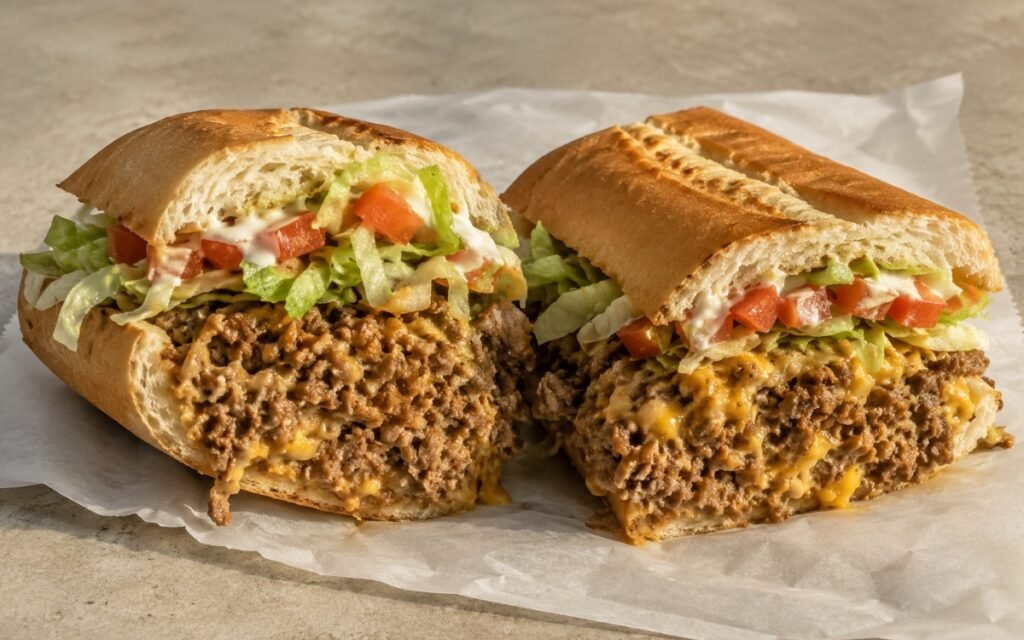
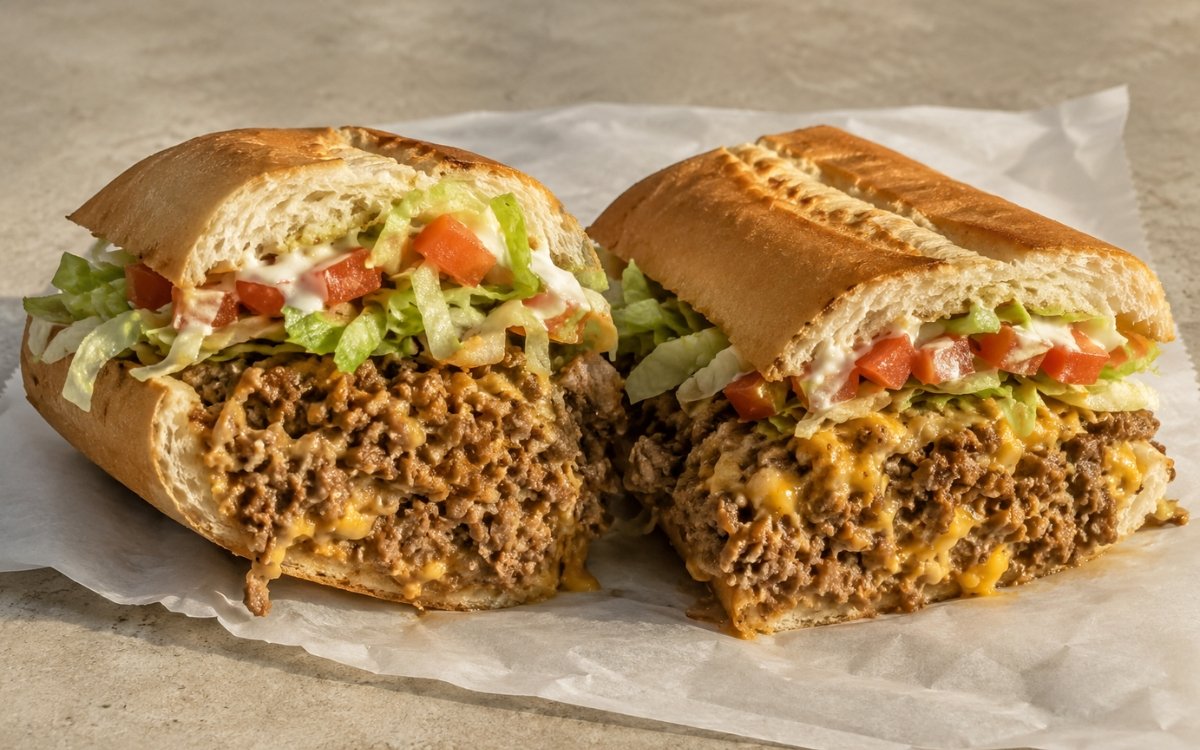
A classic New York chopped cheese sandwich made on soft homemade hoagie rolls, filled with chopped 85/15 ground beef, diced caramelized white onion, and melted American cheese worked through the meat to create the signature cheesy filling, finished with shredded lettuce, salted drained tomato, and mayo on both sides of the roll. Chopping and folding the American cheese directly into the hot beef, rather than melting a slice on top, is the technique that defines this sandwich — it’s what produces the cohesive, creamy, distinctly cheesy filling that separates a chopped cheese from a simple cheeseburger deconstructed onto bread, the same fold-cheese-into-the-meat principle that gives this dish its name. Draining the salted tomato thoroughly matters just as much, since watery tomato dilutes the beef-and-cheese filling and turns the roll soggy from the inside. Toasting the roll only lightly, rather than crisping it hard, protects the specific soft, bodega-style eating experience this sandwich is known for. The payoff is a sandwich with a warm, cohesive, cheesy beef filling contrasted against cold, crisp lettuce and well-drained tomato, held together by a soft, only lightly toasted roll.
Prep Time : 35 min
Cook Time : 35 min
Servings : 4
35 min
35 min
4
Ingredients
For the Homemade Hoagie Rolls
• 240ml whole milk, warmed to 35°C
• 8g active dry yeast, about 2½ tsp
• 34g granulated sugar
• 450g all-purpose flour— this one on Amazon
• 3g fine sea salt
• 2 whole eggs
• 58g unsalted butter, softened— this one on Amazon
For the Chopped Cheese Filling
• 600g ground beef, 85/15 fat ratio
• 180–200g white onion, finely diced
• 8 slices American cheese
• 10ml neutral oil, if needed
• 8g fine sea salt, or to taste
• 3g freshly ground black pepper
• 2g garlic powder, optional but good — this one on Amazon
• 2g onion powder, optional — this one on Amazon
For the Toppings
• 3 Roma tomatoes, diced
• 2g fine sea salt, for the tomatoes
• 120–140g shredded iceberg lettuce
• 120g mayonnaise
• 10–15g sriracha or a few dashes hot sauce, optional
This post may contain affiliate links. As an Amazon Associate I earn from qualifying purchases, at no additional cost to you.
Directions
- Make the Hoagie Dough
In a large bowl, combine the warm milk, yeast, and sugar. Let sit for 5–10 minutes until foamy. Add the flour, salt, eggs, and softened butter. Mix until a shaggy dough forms, then knead for 8–10 minutes until smooth and elastic. Kneading to a smooth, elastic consistency develops the gluten structure needed to trap gas evenly during rising, which is what gives the finished roll a soft, open crumb rather than a dense one. - First Rise
Transfer the dough to a lightly greased bowl, cover, and let rise until doubled, about 1 hour to 1 hour 15 minutes. Letting the dough genuinely double, rather than cutting the rise short, gives the yeast enough time to build the volume of gas needed for a properly light, soft crumb once baked. - Shape the Rolls
Turn the dough out and divide it into 4 equal portions. Shape each into a tight log, about 18–20cm long, and place on a parchment-lined tray. Cover and let rise again for 45–60 minutes, until puffy. Shaping the dough into a tight, even log gives the finished roll a cohesive crumb structure that holds together well once it’s split, lightly toasted, and loaded with hot filling. - Bake the Rolls
Bake in a preheated 190°C oven for 18–22 minutes, until golden-brown. Let cool before slicing. Do not overbake. You want a soft hero-style roll with enough structure to hold the filling. Pulling the rolls once they’re properly golden, rather than baking further for extra colour, preserves the specifically soft crumb this style of roll needs — an overbaked roll trends toward a thicker, chewier crust that works against the sandwich’s intended soft, bodega-style bite. - Prep the Tomato and Sauce
Dice the tomatoes, toss with the 2g salt, and let them sit in a sieve or bowl for 10–15 minutes so excess liquid drains off. This concentrates the tomato flavor and keeps the sandwich from getting watery. Mix the mayonnaise with sriracha or hot sauce if using. If you want it classic, keep the mayo plain. Salting the tomato draws its internal liquid out through osmosis before it ever reaches the sandwich — skipping this step means that same liquid releases later instead, directly onto the roll and into the warm beef filling. - Cook the Onion
Heat a large skillet or flat pan over medium heat. Add a small amount of oil if needed, then add the diced white onion. Cook for 8–10 minutes, stirring often, until softened, golden, and lightly caramelized. Remove to one side of the pan or to a small bowl. The onion should be sweet and lightly browned, not raw and not deeply dark. This is a lighter caramelisation than a fully slow-cooked jammy onion — just enough time and heat to soften the onion and develop real sweetness before it’s chopped through the beef, without needing the much longer cook a deeply caramelised onion preparation would require. - Cook the Beef
Increase the heat to medium-high. Add the ground beef in 4 separate portions so you can build each sandwich more easily, or cook all at once and divide later. Season with the salt, black pepper, garlic powder, and onion powder. Let the beef sear first, then start breaking it up. Add the caramelized onion into the beef and keep chopping and mixing so the onion distributes evenly through the meat. Cook until the beef is browned, juicy, and lightly crisped in places, with no grey wet patches left. Letting the beef sear before breaking it apart, rather than crumbling it immediately, is what produces real browned flavour — beef broken up from the moment it hits the pan releases moisture too quickly and tends toward pale, steamed crumbles instead. - Melt the Cheese Into the Beef
Pile the beef into 4 portions in the pan. Place 2 slices of American cheese over each portion. Let them soften for 20–30 seconds, then chop and fold the cheese into the beef until the mixture becomes cohesive, creamy, and classically cheesy. Do not overcook once the cheese is in. The filling should stay juicy, not tight and greasy. This chop-and-fold technique is the specific move that defines a chopped cheese as distinct from any other cheeseburger-adjacent sandwich — actively working the melting cheese directly through the beef, rather than letting a slice simply melt on top, is what produces the sandwich’s signature creamy, cohesive texture throughout the filling rather than a separate cheese layer. - Toast the Rolls
Slice the hoagie rolls open. Lightly toast the cut sides on a dry pan or with a touch of butter until just warm and lightly golden. Spread mayo on both sides of each roll. Toasting only lightly, stopping well short of a fully crisp exterior, protects the sandwich’s specific soft-roll eating experience — too much crisping and it stops reading as a genuine chopped cheese and starts feeling like a different, harder-textured sandwich entirely. - Assemble
Fill each roll with one portion of the hot chopped beef and cheese mixture. Top with shredded lettuce and the drained diced tomato. Close the sandwich gently and, if you like, wrap it loosely for 1–2 minutes so everything settles together slightly, just like a bodega-style sandwich. That brief wrapped rest lets the residual heat from the beef gently warm and slightly wilt the edges of the lettuce and soften the assembly into a single cohesive sandwich, mimicking how a chopped cheese comes together when wrapped in foil or paper at an actual bodega counter.
*Notes :
- Use fresh citrus whenever possible. Older fruit loses aromatic oils and Working the American cheese directly into the hot beef, rather than simply melting a slice over the top, is worth understanding as the technique that defines this sandwich rather than a minor preparation detail. American cheese melts with a distinctive, smooth, creamy quality that’s specifically suited to being chopped and folded through the meat until the two become one cohesive mixture — this is fundamentally different from a cheeseburger’s separate, intact melted slice, and it’s the reason a chopped cheese has its own name and identity rather than being described as a burger on a roll.
- Draining the salted tomato is a step that’s easy to treat as optional given how quick and small it seems, but its impact on the finished sandwich is disproportionate to the effort involved. Tomato releases a meaningful amount of liquid once salted, and if that liquid isn’t drawn out and discarded before assembly, it ends up soaking directly into both the roll and the warm beef filling, diluting the cheesy filling’s flavour and texture at the same time it softens the bread.
- The onion’s caramelisation here is deliberately lighter than a fully slow-cooked version used in other preparations. Given that the onion is going to be chopped directly through the beef alongside melting cheese, a shorter, medium-heat cook that develops real sweetness and light colour is sufficient — the onion doesn’t need the same extended, jammy transformation a standalone caramelised onion topping would require, since its final role here is as one evenly distributed component within a larger chopped mixture rather than a distinct topping layer.
- Toasting the roll only lightly, rather than pushing it toward a fully crisp exterior, reflects a genuine stylistic choice specific to this sandwich’s identity. A chopped cheese is traditionally a soft, warm, slightly yielding sandwich, closer in eating experience to a soft hero roll than a crusty, crackling baguette-style sub — over-toasting works against that intended texture and moves the sandwich further from how it’s meant to be eaten.
Why This Recipe Works
This recipe works because the beef is properly seared before being broken up, building real browned flavour that the caramelised onion and folded-in American cheese then build on.
Chopping the melting cheese directly through the hot beef, rather than melting a slice over the top, is the specific technique that produces the sandwich’s signature cohesive, creamy filling
Draining the salted tomato protects the assembled sandwich from excess moisture, and toasting the roll only lightly preserves the soft, yielding texture that’s central to how a genuine chopped cheese is meant to eat.
Ingredient Breakdown
85/15 Ground Beef, Seared Before Breaking Up
The filling’s foundation — allowed real contact with the hot pan first for genuine browned flavour rather than pale, steamed crumbles.
Lightly Caramelized White Onion
The sweetness component — cooked just enough to soften and sweeten before being chopped evenly through the beef.
American Cheese, Chopped and Folded In
The defining technique — worked directly through the hot beef rather than melted separately on top, producing the sandwich’s signature cohesive texture.
Salted, Drained Diced Tomato
The moisture-control step — salted and rested to release excess liquid before it can dilute the filling or soak the roll.
Lightly Toasted Soft Hoagie Roll
The bread — toasted just enough to warm through without crisping hard, preserving the sandwich’s soft, bodega-style eating experience.
Flavor Structure Explained
This chopped cheese follows a layered balance model:
- Soft neutral foundation (lightly toasted hoagie roll)
- Rich savoury centre (seared beef, folded cheese)
- Sweet caramelised depth (onion)
- Cool crisp contrast (iceberg lettuce)
- Bright acidic finish (drained tomato)
The lightly toasted hoagie roll provides a soft, warm foundation that yields easily around the filling. Seared ground beef, folded together with melted American cheese, defines the sandwich’s rich, savoury, distinctly cheesy centre. Lightly caramelized onion adds sweet depth distributed evenly through the meat. Cold, crisp iceberg lettuce contrasts sharply against the warm filling, while well-drained diced tomato finishes the sandwich with clean, bright acidity that keeps the whole thing from feeling one-note.
Common Mistakes to Avoid
- Breaking Up the Beef Immediately Instead of Searing First – This releases moisture too quickly and produces pale, steamed crumbles rather than browned ones. Always let it sear undisturbed before breaking it apart.
- Melting Cheese on Top Instead of Chopping It Into the Beef – This produces a standard cheeseburger-style filling rather than the specific cohesive, creamy texture that defines a chopped cheese. Always fold and chop the cheese directly through the hot meat.
- Skipping the Tomato Draining Step – Undrained tomato releases liquid that dilutes the filling and soaks the roll. Always salt and drain it for at least 10–15 minutes first.
- Toasting the Roll Too Hard – An overly crisp roll moves the sandwich away from its intended soft, bodega-style texture. Always toast lightly, just until warm and lightly golden.
- Overcooking the Beef After the Cheese Is Added – This tightens and dries out what should be a juicy, creamy filling. Always fold the cheese in and pull the pan from heat promptly.
Variations
Spicier Version
Use the sriracha mayo option and add a few dashes of hot sauce directly into the beef while cooking for a sharper heat throughout.
With Pepper Jack Instead of American
Substitute pepper jack for a spicier, creamier melt, accepting a slightly different texture than the classic American cheese version.
Extra-Loaded Version
Add sliced pickles or jalapeños alongside the lettuce and tomato for additional crunch and sharpness.
Chicken Chopped Cheese
Substitute the ground beef with finely chopped, seared chicken thigh meat, following the identical searing, seasoning, and cheese-folding method.
Storage & Make-Ahead
Baked hoagie rolls can be stored at room temperature, wrapped, for up to 2 days, or frozen for up to 1 month. The salted, drained tomato and shredded lettuce are best prepared fresh close to serving.
The cooked beef and cheese filling can be refrigerated for up to 2 days; reheat gently in a skillet, adding a splash of water if needed, before assembling.
Fully assembled sandwiches are not suitable for storage — assemble and serve only what will be eaten immediately.
Frequently Asked Questions
Why is chopping the cheese directly into the beef so central to this sandwich, rather than just melting a slice on top?
This technique is what actually defines a chopped cheese and gives it its name. Working the melting American cheese through the hot beef produces a cohesive, creamy, evenly cheesy filling that’s fundamentally different from a cheeseburger’s separate, intact slice of melted cheese.
Why does the tomato need to be salted and drained before going on the sandwich?
Diced tomato releases a meaningful amount of liquid once salted. Left undrained, that liquid soaks directly into the roll and the warm filling, diluting the flavour and softening the bread from the inside.
Why is the onion only lightly caramelized rather than cooked low and slow for a long time?
Since the onion will be chopped directly through the beef alongside the melting cheese, it only needs enough time to soften and develop real sweetness. It doesn’t need the much longer, jammier transformation a standalone caramelised onion topping would require.
Why toast the roll only lightly instead of getting it fully crisp?
A chopped cheese is traditionally a soft, warm, slightly yielding sandwich. Toasting the roll too hard pushes it toward a crustier, crunchier texture that works against that intended soft, bodega-style eating experience.
Are there other substantial beef sandwiches worth trying?
French Dip Sandwich and Reuben Sandwich are both worth exploring if you enjoy this style of hearty beef sandwich — the French Dip built around thinly sliced roast beef with a side of au jus, and the Reuben griddled with corned beef, Swiss, and sauerkraut. For a different approach to a sturdy sandwich roll, Philly Cheesesteak Hoagie Rolls shows another take on a roll built to hold a hot, juicy filling.
Nutrition Facts
( per serving )
Calories
~780 kcal
Protein
40 g
Fat
44 g
Carbs
56 g
Calories
~780 kcal
Protein
40 g
Fat
44 g
Carbs
56 g
Related Recipes
Related Recipes

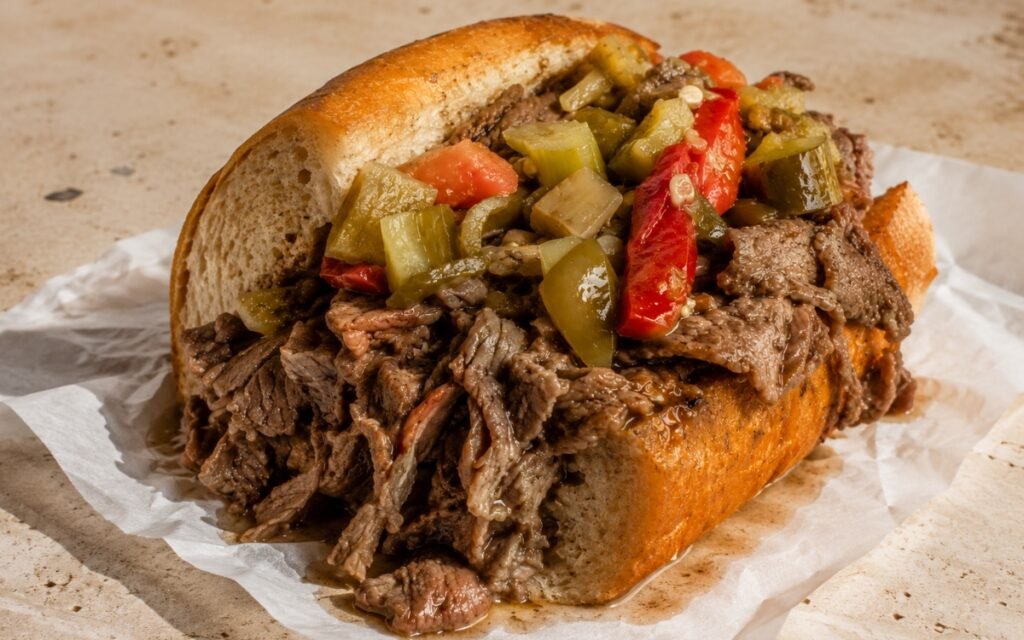
Italian Beef Sandwich
Thin-sliced roast beef warmed in a heavily seasoned au jus, piled into crusty homemade French rolls with sharp giardiniera and roasted peppers.
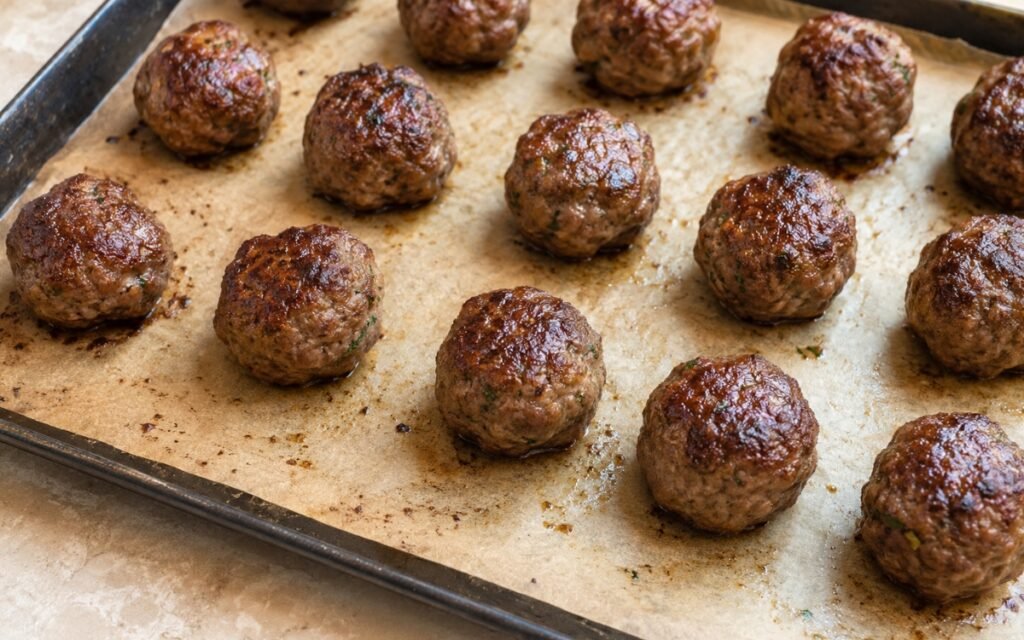
Juicy Beef Meatballs
Ground beef combined with a breadcrumb-milk panade, mixed gently, portioned consistently, baked and rested. Tender and juicy.
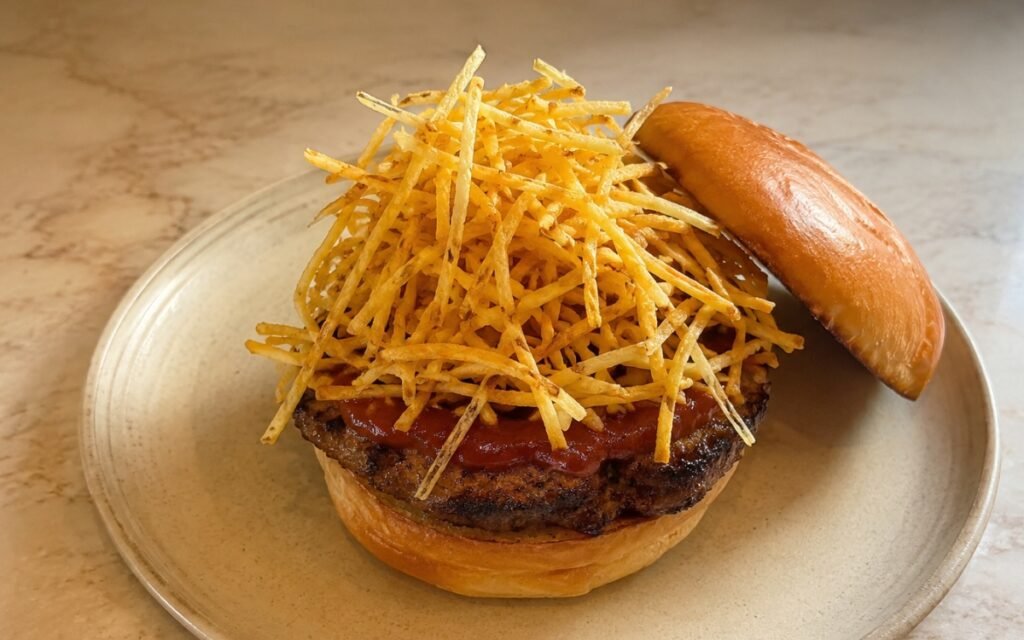
Cuban Frita Burger
A paprika-red chorizo-beef patty glazed in tangy frita sauce, piled high with crispy thin shoestring potatoes on a toasted brioche bun.
You might also like
You might also like
Easy Ground Beef Patties
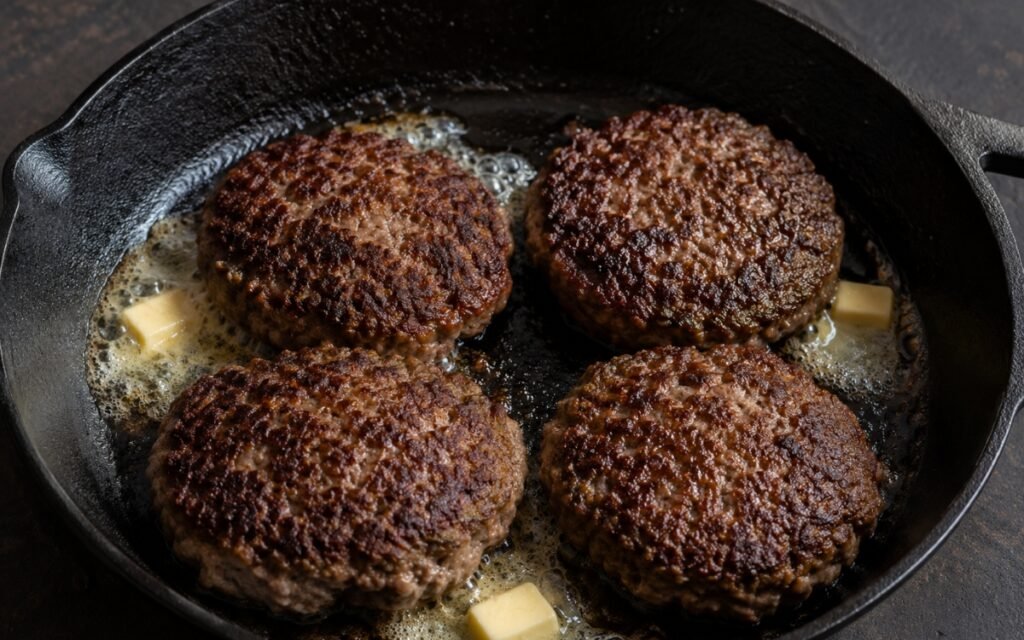
Ground beef portioned gently, indented, seasoned late — seared undisturbed, butter-basted, and rested. Caramelized crust, juicy interior.
Crispy Fish Sandwich
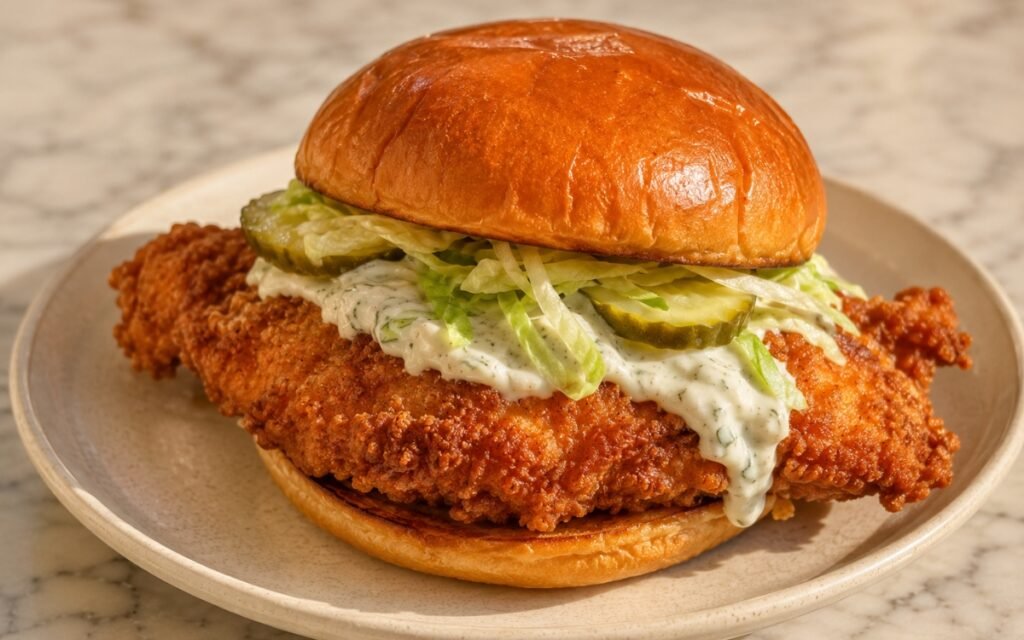
Beer-battered cod fried until deeply golden and crisp, piled onto a soft toasted brioche bun with tangy tartar sauce, lettuce, and pickles.
Lasagne alla Bolognese
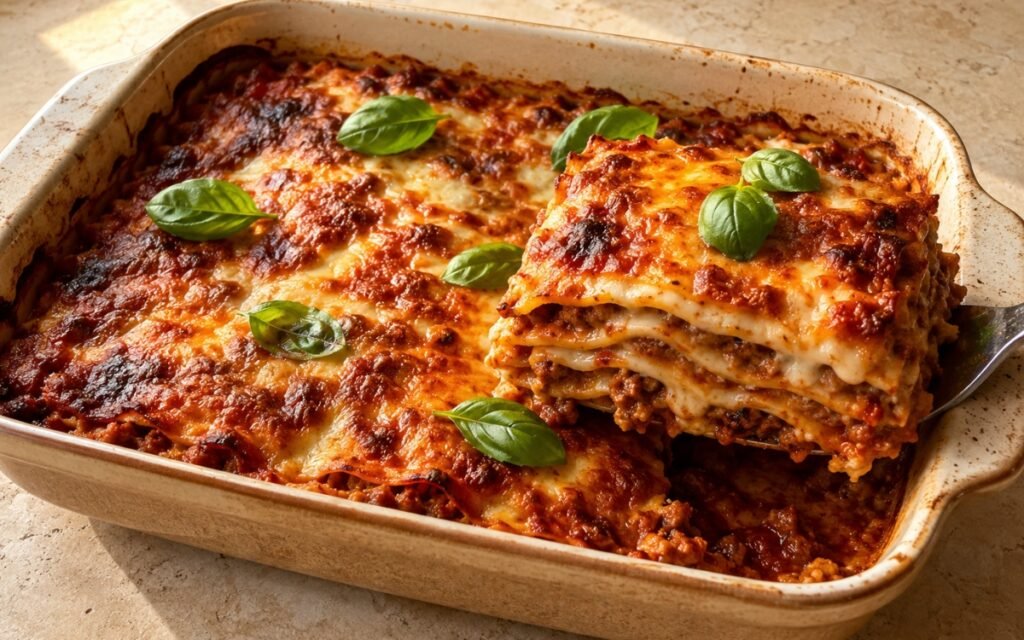
Beef and veal Bolognese slow-braised 3 hours on pancetta fat and soffritto — layered with ricotta, mozzarella, and Parmesan, baked golden. The weekend lasagne worth every hour.
Chopped Cheese
Ingredients
Method
- In a large bowl, combine the warm milk, yeast, and sugar. Let sit for 5–10 minutes until foamy. Add the flour, salt, eggs, and softened butter. Mix until a shaggy dough forms, then knead for 8–10 minutes until smooth and elastic. Kneading to a smooth, elastic consistency develops the gluten structure needed to trap gas evenly during rising, which is what gives the finished roll a soft, open crumb rather than a dense one.
- Transfer the dough to a lightly greased bowl, cover, and let rise until doubled, about 1 hour to 1 hour 15 minutes. Letting the dough genuinely double, rather than cutting the rise short, gives the yeast enough time to build the volume of gas needed for a properly light, soft crumb once baked.
- Turn the dough out and divide it into 4 equal portions. Shape each into a tight log, about 18–20cm long, and place on a parchment-lined tray. Cover and let rise again for 45–60 minutes, until puffy. Shaping the dough into a tight, even log gives the finished roll a cohesive crumb structure that holds together well once it’s split, lightly toasted, and loaded with hot filling.
- Bake in a preheated 190°C oven for 18–22 minutes, until golden-brown. Let cool before slicing. Do not overbake. You want a soft hero-style roll with enough structure to hold the filling. Pulling the rolls once they’re properly golden, rather than baking further for extra colour, preserves the specifically soft crumb this style of roll needs — an overbaked roll trends toward a thicker, chewier crust that works against the sandwich’s intended soft, bodega-style bite.
- Dice the tomatoes, toss with the 2g salt, and let them sit in a sieve or bowl for 10–15 minutes so excess liquid drains off. This concentrates the tomato flavor and keeps the sandwich from getting watery. Mix the mayonnaise with sriracha or hot sauce if using. If you want it classic, keep the mayo plain. Salting the tomato draws its internal liquid out through osmosis before it ever reaches the sandwich — skipping this step means that same liquid releases later instead, directly onto the roll and into the warm beef filling.
- Heat a large skillet or flat pan over medium heat. Add a small amount of oil if needed, then add the diced white onion. Cook for 8–10 minutes, stirring often, until softened, golden, and lightly caramelized. Remove to one side of the pan or to a small bowl. The onion should be sweet and lightly browned, not raw and not deeply dark. This is a lighter caramelisation than a fully slow-cooked jammy onion — just enough time and heat to soften the onion and develop real sweetness before it’s chopped through the beef, without needing the much longer cook a deeply caramelised onion preparation would require.
- Increase the heat to medium-high. Add the ground beef in 4 separate portions so you can build each sandwich more easily, or cook all at once and divide later. Season with the salt, black pepper, garlic powder, and onion powder. Let the beef sear first, then start breaking it up. Add the caramelized onion into the beef and keep chopping and mixing so the onion distributes evenly through the meat. Cook until the beef is browned, juicy, and lightly crisped in places, with no grey wet patches left. Letting the beef sear before breaking it apart, rather than crumbling it immediately, is what produces real browned flavour — beef broken up from the moment it hits the pan releases moisture too quickly and tends toward pale, steamed crumbles instead.
- Pile the beef into 4 portions in the pan. Place 2 slices of American cheese over each portion. Let them soften for 20–30 seconds, then chop and fold the cheese into the beef until the mixture becomes cohesive, creamy, and classically cheesy. Do not overcook once the cheese is in. The filling should stay juicy, not tight and greasy. This chop-and-fold technique is the specific move that defines a chopped cheese as distinct from any other cheeseburger-adjacent sandwich — actively working the melting cheese directly through the beef, rather than letting a slice simply melt on top, is what produces the sandwich’s signature creamy, cohesive texture throughout the filling rather than a separate cheese layer.
- Slice the hoagie rolls open. Lightly toast the cut sides on a dry pan or with a touch of butter until just warm and lightly golden. Spread mayo on both sides of each roll. Toasting only lightly, stopping well short of a fully crisp exterior, protects the sandwich’s specific soft-roll eating experience — too much crisping and it stops reading as a genuine chopped cheese and starts feeling like a different, harder-textured sandwich entirely.
- Fill each roll with one portion of the hot chopped beef and cheese mixture. Top with shredded lettuce and the drained diced tomato. Close the sandwich gently and, if you like, wrap it loosely for 1–2 minutes so everything settles together slightly, just like a bodega-style sandwich. That brief wrapped rest lets the residual heat from the beef gently warm and slightly wilt the edges of the lettuce and soften the assembly into a single cohesive sandwich, mimicking how a chopped cheese comes together when wrapped in foil or paper at an actual bodega counter.