
Pappardelle White Sausage Ragù
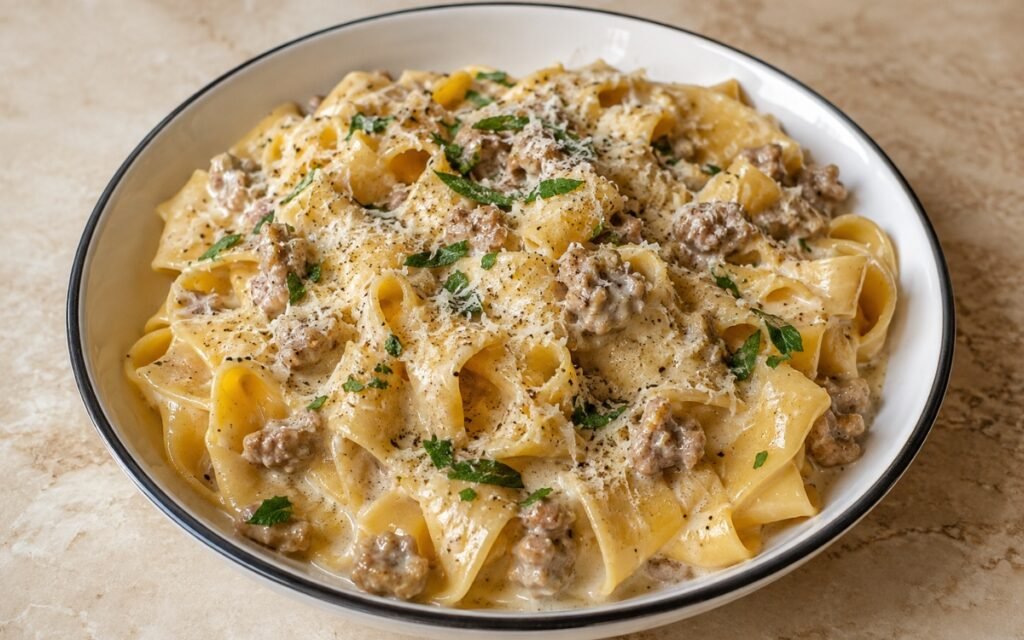
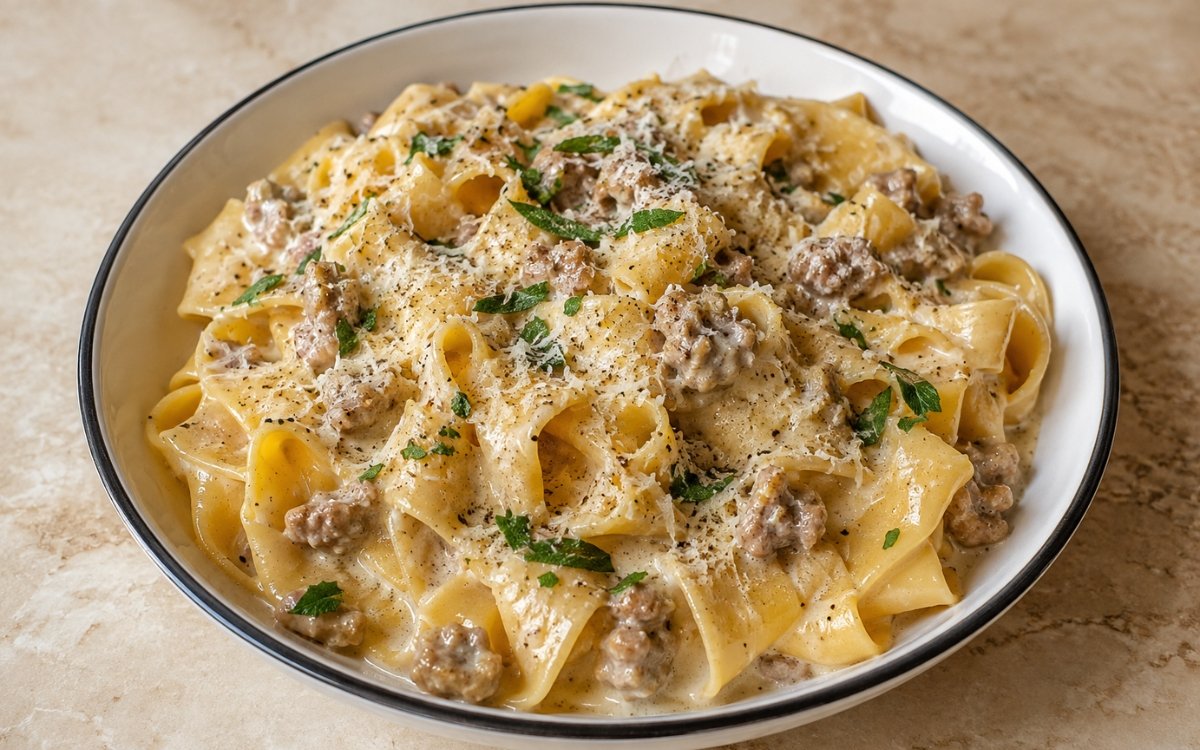
Wide pappardelle ribbons coated in a pale, creamy white sausage ragù made from browned Italian sausage, finely diced shallots, garlic, black pepper, pasta water, and Parmigiano-Reggiano. This is not a heavy cream sauce — it emulsifies entirely from sausage fat, starchy pasta water, and finely grated cheese, so it clings richly to the wide noodles rather than sitting on top of them. Searing the sausage undisturbed before breaking it up is the technique this whole dish depends on for its foundation — that browning, with real rendered fat left behind in the pan, is what the entire sauce is built from, the same sear-before-break-up principle used elsewhere in this collection whenever ground or crumbled meat needs genuine flavour rather than pale, steamed crumbles. Adding the Parmigiano off the heat, gradually and while tossing constantly, is what lets it melt into the emulsion smoothly rather than seizing into grainy clumps. Reserving genuinely starchy pasta water matters just as much, since that starch is the third leg of the emulsion, binding the rendered fat and cheese into a cohesive sauce rather than something greasy and separated. The payoff is a plate of pale, glossy, richly coated pappardelle with browned sausage visible throughout, finished with extra Parmigiano and cracked black pepper.
Prep Time : 15 min
Cook Time : 25 min
Servings : 4
15 min
25 min
4
Ingredients
For the Pasta
• 400g pappardelle, 100g per serving — this one on Amazon
• Water, for boiling
• Fine sea salt, for the pasta water
For the White Sausage Ragù
• 600g fresh Italian white sausage, casing removed, 150g per serving
• 15ml olive oil, only if the sausage is lean — this one on Amazon
• 2 medium shallots, very finely diced
• 3 garlic cloves, finely grated
• 1 tsp freshly cracked black pepper, plus more for serving
• 80–120ml dry white wine, optional but useful
• 250–350ml reserved starchy pasta water, as needed
• 80g Parmigiano-Reggiano, finely grated, plus more for serving — this one on Amazon
• 20g unsalted butter, optional, only if the sauce needs extra gloss — this one on Amazon
• 1 small handful fresh parsley, finely chopped
• Fine sea salt, to taste
This post may contain affiliate links. As an Amazon Associate I earn from qualifying purchases, at no additional cost to you.
Directions
- Prepare the Sausage
Remove the sausage from its casing if needed. Break it into rough irregular pieces by hand instead of mincing it too finely. The sausage should cook into uneven crumbles — some small, some larger. Uniform tiny mince looks boring and eats flat. Irregular pieces give better texture. Breaking the sausage apart unevenly by hand, rather than mincing it into a uniform texture, produces a mix of larger pieces that develop a real seared crust and smaller ones that crisp through more fully — that textural variety is part of what makes the finished ragù interesting bite to bite, rather than a uniform, mince-like sauce. - Brown the Sausage
Place a large sauté pan over medium-high heat. Add a little olive oil only if the sausage is lean. Add the sausage and spread it into the pan. Let it sear undisturbed for 2–3 minutes before breaking it up. Continue cooking until the sausage is browned, lightly crisp in places, and the fat has rendered into the pan. This stage makes or kills the dish. Pale steamed sausage is trash here. You need browned edges and rendered fat because that is the foundation of the sauce. Letting the sausage sit in genuine contact with the hot pan before disturbing it is what allows real browning to develop — sausage broken up and stirred from the moment it hits the pan releases moisture too quickly and simmers rather than searing, producing pale crumbles with none of the rendered fat this whole sauce depends on. - Build the Ragù Base
Lower the heat to medium. Add the finely diced shallots to the sausage and fat. Cook for 3–4 minutes until softened and translucent. Add the grated garlic and black pepper. Cook for 30–45 seconds until fragrant. If using white wine, pour it in and scrape the bottom of the pan. Simmer until mostly reduced. The shallots should soften into the fat, not brown aggressively. The garlic should smell sweet and fragrant, not burnt. Deglazing with white wine at this stage, scraping up the browned fond left behind by the sausage, carries that concentrated flavour directly into the sauce base rather than leaving it stuck to the pan. - Cook the Pasta
Bring a large pot of salted water to a boil. Cook the pappardelle until just shy of al dente. Before draining, reserve at least 400ml of the pasta water. The pasta water is not optional. It carries starch, and that starch is what helps the sausage fat and Parmigiano turn into a sauce instead of greasy pasta with cheese clumps. Pulling the pasta while still just shy of al dente matters because it will continue cooking briefly once tossed into the hot pan with the sausage and pasta water — finishing it in the sauce rather than fully in the boiling water is what lets the noodles actively absorb some of that sauce rather than simply being coated by it afterward. - Emulsify the Sauce
Transfer the pappardelle directly into the pan with the sausage. Add about 200ml reserved pasta water and toss over medium-low heat until the noodles start absorbing the sauce. Remove the pan from the heat. Add the finely grated Parmigiano-Reggiano gradually, tossing constantly. Add more pasta water as needed until the sauce turns creamy and glossy. Add the butter only if the sauce needs extra shine and body. Fold in the parsley off heat. The sauce should coat the pappardelle in a pale glossy layer and cling to the ribbons. It should not be watery at the bottom of the pan, and it should not split into oil and cheese. Add the Parmigiano off heat. If the pan is too hot, the cheese can seize and turn grainy. Removing the pan from direct heat before the cheese goes in protects the emulsion at its most vulnerable point — Parmigiano’s proteins can seize and separate from their fat under too much direct heat, and tossing it in gradually while off the flame lets residual warmth melt it smoothly instead. - Finish and Serve
Taste and adjust with fine sea salt only if needed, since sausage and Parmigiano are already salty. Serve immediately in warm bowls with more finely grated Parmigiano-Reggiano, cracked black pepper, and a little extra parsley. The finished pasta should look creamy, pale, rich, and heavily coated, with browned sausage pieces visible throughout the wide ribbons.
*Notes :
- Searing the sausage thoroughly before it’s broken apart is worth understanding as the true foundation of this entire dish, not simply an early cooking step. Every part of the sauce that follows — the fat the shallots soften into, the fond the wine deglazes, the base the pasta water and cheese ultimately emulsify with — traces back to how well the sausage was browned in this first stage. Pale, steamed sausage crumbles leave behind considerably less rendered fat and no real fond, and the resulting sauce tastes noticeably flatter no matter how carefully the later steps are executed.
- The starchy pasta water is doing genuine structural work in this recipe rather than simply thinning the sauce. Sausage fat and finely grated Parmigiano don’t naturally want to combine into a smooth, cohesive sauce on their own — left to themselves, they tend to separate into oil and clumped cheese. The starch suspended in properly reserved pasta water is what bridges that gap, allowing the fat and cheese to emulsify into something that clings to the pasta rather than pooling separately at the bottom of the pan.
- Adding the Parmigiano off the heat, in stages while tossing continuously, is a technique worth treating as non-negotiable rather than a minor preference. Cheese proteins are genuinely sensitive to direct heat, and adding a large amount all at once into a still-hot pan risks the cheese seizing into grainy strands rather than melting smoothly into the sauce. Working gradually, off the flame, lets residual heat do the melting at a pace the cheese can actually follow.
- This dish’s specific vulnerability to sitting is worth taking seriously, since a cheese-and-starch emulsion like this one continues thickening as it cools. Pasta that looked perfectly glossy and creamy the moment it left the pan can turn noticeably heavier and stickier within just a few minutes on the table — this is a dish built for immediate serving rather than one with much tolerance for delay between finishing and eating.
Why This Recipe Works
This recipe works because the sausage is browned thoroughly before anything else happens, building the fat and fond that the entire sauce is based on.
The pasta is pulled just shy of al dente so it finishes cooking directly in the sauce, and genuinely starchy reserved pasta water bridges the sausage fat and Parmigiano into a smooth, cohesive emulsion rather than letting them separate.
Adding the cheese off heat, gradually and with constant tossing, protects it from seizing, and serving immediately preserves the glossy, clinging texture before the cheese-starch emulsion has a chance to thicken and turn heavy.
Ingredient Breakdown
Hand-Broken Fresh Italian White Sausage
The dish’s foundation — broken into irregular pieces for textural variety, seared hard for the fat and fond the whole sauce depends on.
Genuinely Starchy Reserved Pasta Water
The emulsifying agent — bridges sausage fat and grated cheese into a cohesive sauce rather than letting them separate.
Finely Grated Parmigiano-Reggiano
The sauce’s body and richness — added off heat and gradually to melt smoothly rather than seizing.
Pasta Pulled Just Shy of Al Dente
The timing detail — finishes cooking directly in the sauce, actively absorbing it rather than simply being coated afterward.
Optional White Wine Deglaze
The flavour-building addition — scrapes up the sausage’s browned fond directly into the sauce base.
Flavor Structure Explained
This pappardelle follows a layered balance model:
- Rich savoury foundation (browned Italian sausage)
- Sweet aromatic depth (softened shallots, garlic)
- Creamy emulsified body (Parmigiano, pasta water)
- Sharp finishing pepper (black pepper)
- Fresh herbal lift (parsley)
The browned Italian sausage defines the dish with deep, savoury, well-rendered flavour built up in the first stage of cooking. Softened shallots and garlic layer in sweet, aromatic depth without overwhelming the sausage. The emulsified Parmigiano-and-pasta-water sauce provides rich, glossy body that clings to every ribbon of pappardelle. Cracked black pepper adds a sharp, warming finish throughout, while a final scatter of fresh parsley brightens the whole plate with clean, herbal contrast.
Common Mistakes to Avoid
- Mincing the Sausage Too Finely – This produces a uniform, flat-eating texture instead of interesting, irregular crumbles. Always break it apart by hand into uneven pieces.
- Stirring the Sausage Immediately Instead of Letting It Sear – This releases moisture too quickly and produces pale, steamed crumbles rather than browned ones. Always let it sit undisturbed for the first few minutes.
- Skipping or Under-Reserving the Pasta Water – Without enough starchy water, the sausage fat and cheese won’t properly emulsify. Always reserve at least 400ml before draining.
- Adding the Parmigiano Over Direct Heat – This risks the cheese seizing into grainy clumps rather than melting smoothly. Always add it off heat, gradually, while tossing constantly.
- Letting the Finished Pasta Sit Before Serving – The cheese-starch emulsion continues thickening as it cools, turning heavy and sticky. Always serve immediately.
Variations
With Fennel Sausage
Substitute a fennel-seed Italian sausage for a more aromatic, anise-forward version of the same ragù.
Extra-Peppery Version
Increase the cracked black pepper both in the sauce and at serving for a sharper, more cacio-e-pepe-adjacent finish.
With Sautéed Mushrooms
Add sliced mushrooms alongside the shallots, cooking until browned, for extra umami depth.
Lighter Version
Reduce the Parmigiano slightly and skip the optional butter for a somewhat lighter, less rich sauce while keeping the same emulsification technique.
Storage & Make-Ahead
This dish is genuinely best made and eaten immediately; the cheese-and-pasta-water emulsion doesn’t hold or reheat well, tending to separate and turn heavy once cooled and reheated.
If leftovers remain, reheat gently in a skillet over low heat with a fresh splash of hot water or stock, tossing constantly to try to recombine the sauce; the texture will not fully match a freshly made batch.
The browned sausage and shallot base (before pasta and cheese are added) can be made a few hours ahead and gently rewarmed before finishing with fresh pasta water and cheese.
Frequently Asked Questions
Why does the sausage need to sear undisturbed before being broken up?
Letting it sit in genuine contact with the hot pan is what allows real browning to develop. Sausage stirred from the moment it hits the pan releases moisture too quickly and steams rather than sears, leaving pale crumbles with far less rendered fat — and that fat is the actual foundation the rest of the sauce is built from.
Why is the reserved pasta water described as non-optional?
The starch suspended in properly reserved pasta water is what bridges the sausage fat and grated Parmigiano into a smooth, cohesive sauce. Without it, those two components tend to separate into greasy oil and clumped cheese rather than emulsifying together.
Why does the Parmigiano need to be added off the heat rather than directly in the hot pan?
Cheese proteins are sensitive to direct heat and can seize into grainy strands if added too aggressively to a hot pan. Working off heat, gradually and with constant tossing, lets residual warmth melt the cheese smoothly instead.
Why is this dish specifically described as needing to be served immediately?
The cheese-and-starch emulsion continues thickening as it cools, and pasta that looked glossy and creamy right off the heat can turn noticeably heavier and stickier within just a few minutes on the table.
Are there other pasta dishes worth trying?
Beef Ragu Pasta and Chicken Fettuccine Alfredo both offer different rich, sauced pasta directions worth exploring. Tomato Pasta with Ricotta and Italian Sausage and Sausage Tomato Pasta both use a similar Italian sausage base but built around a tomato sauce instead of this pale, emulsified one.
Nutrition Facts
( per serving )
Calories
~780 kcal
Protein
34 g
Fat
40 g
Carbs
68 g
Calories
~780 kcal
Protein
34 g
Fat
40 g
Carbs
68 g
Related Recipes
Related Recipes

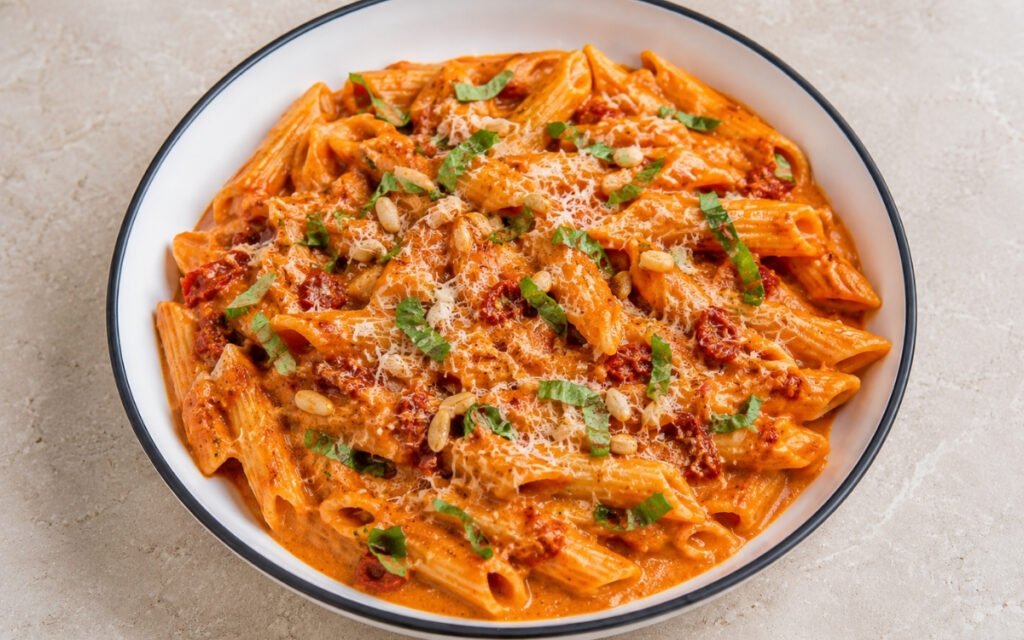
Roasted Red Pepper Cream Pasta
Completely blackened peppers blended with mascarpone and smoked paprika — vivid, silky, and smoky over penne in 50 minutes.
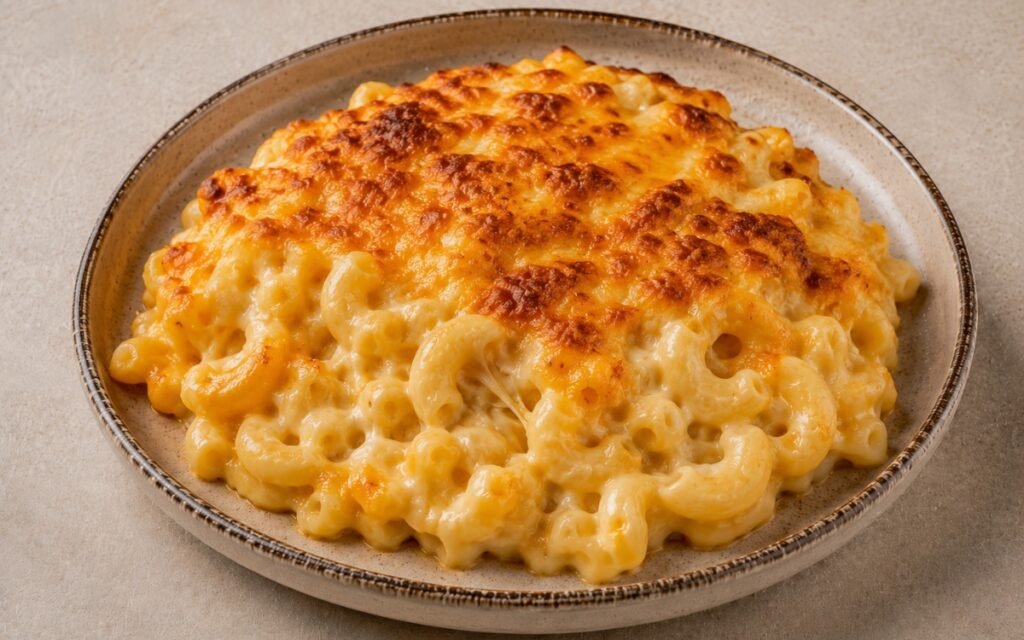
Baked Mac and Cheese
Cheddar, Gruyère, and mozzarella melted into a béchamel off the heat — layered with underdone macaroni, baked bubbling, broiled golden. Serves 12.
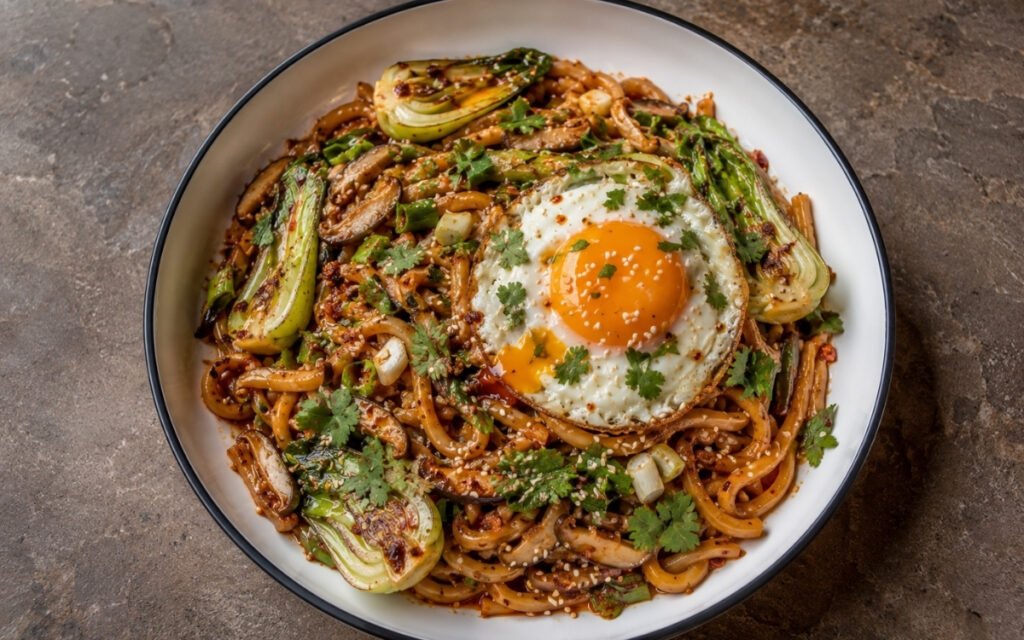
Spicy Chili Garlic Oil Noodles
Homemade gochugaru and Sichuan peppercorn oil over noodles with shiitake — crispy fried egg on top, 25 minutes.
You might also like
You might also like
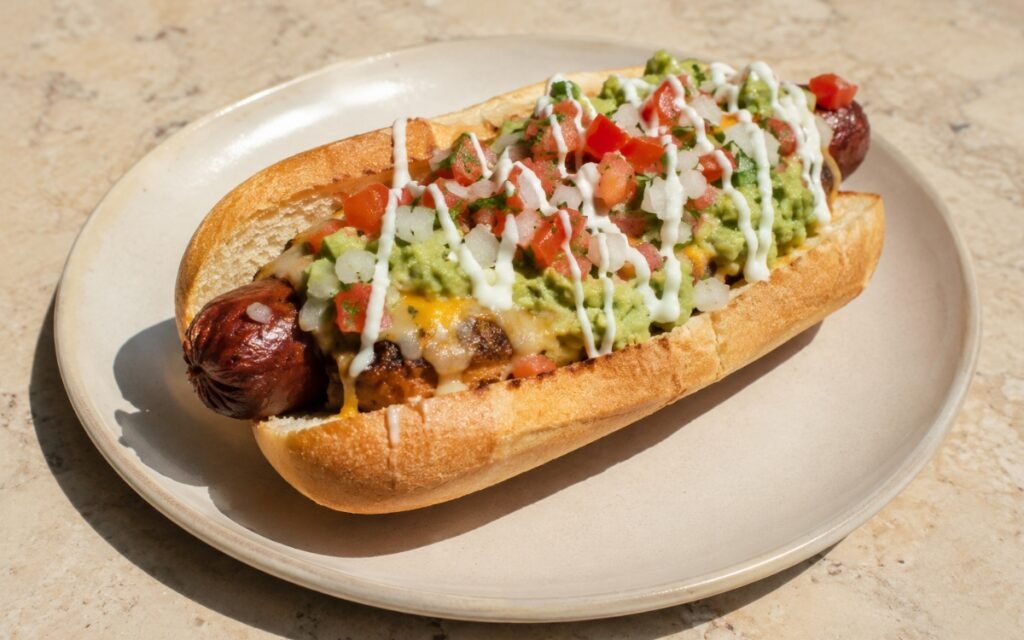
Mexican Hot Dog
Bacon-wrapped smoked frankfurters seared crisp, topped with melted Mexican cheese, guacamole, fresh pico de gallo, and a crema drizzle.
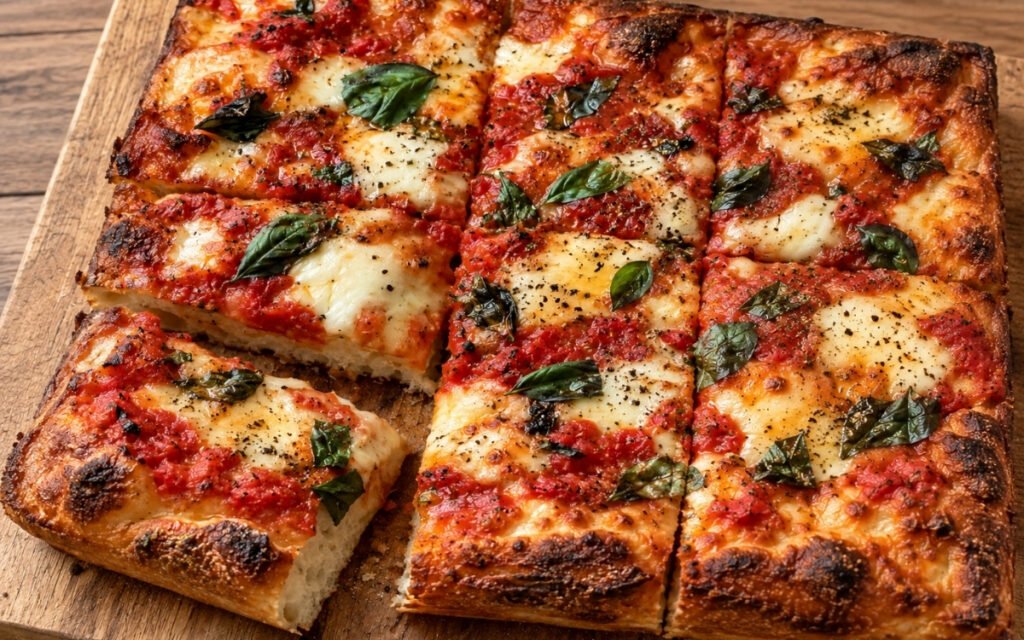
Focaccia Pizza with Tomato and Mozzarella
Thick, airy focaccia-style pizza with a crisp, olive-oil-rich bottom, soft cloud-like interior, thick tomato sauce, melted mozzarella, and fresh basil.
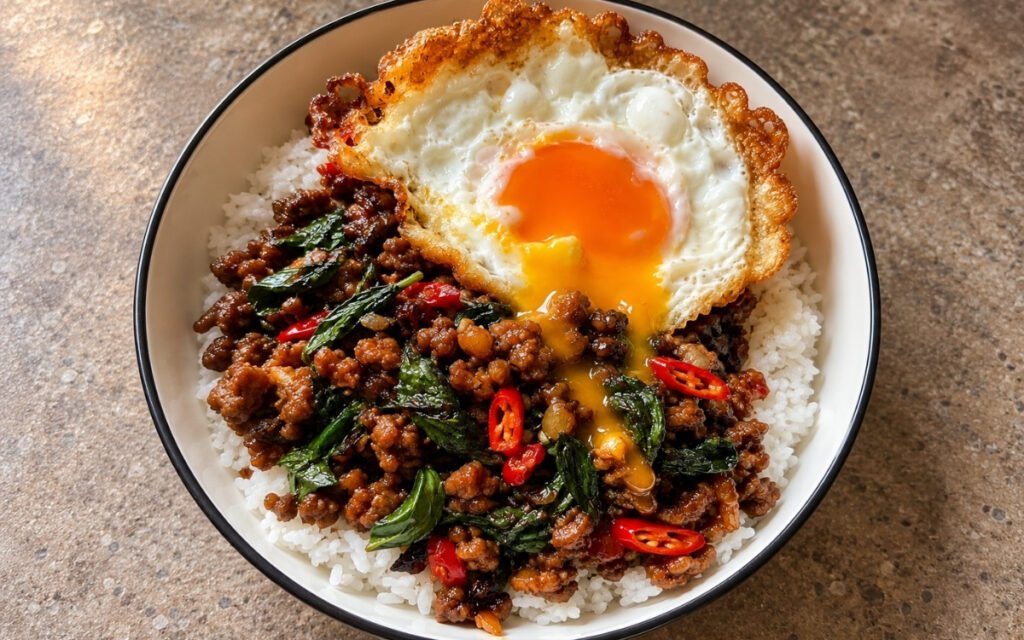
Pad Krapao — Thai Basil Stir-Fry
Hard-caramelized minced pork with garlic, chilies, glossy sauce, and Thai holy basil, served over jasmine rice with a crispy fried egg.
Pappardelle White Sausage Ragù
Ingredients
Method
- Remove the sausage from its casing if needed. Break it into rough irregular pieces by hand instead of mincing it too finely. The sausage should cook into uneven crumbles — some small, some larger. Uniform tiny mince looks boring and eats flat. Irregular pieces give better texture. Breaking the sausage apart unevenly by hand, rather than mincing it into a uniform texture, produces a mix of larger pieces that develop a real seared crust and smaller ones that crisp through more fully — that textural variety is part of what makes the finished ragù interesting bite to bite, rather than a uniform, mince-like sauce.
- Place a large sauté pan over medium-high heat. Add a little olive oil only if the sausage is lean. Add the sausage and spread it into the pan. Let it sear undisturbed for 2–3 minutes before breaking it up. Continue cooking until the sausage is browned, lightly crisp in places, and the fat has rendered into the pan. This stage makes or kills the dish. Pale steamed sausage is trash here. You need browned edges and rendered fat because that is the foundation of the sauce. Letting the sausage sit in genuine contact with the hot pan before disturbing it is what allows real browning to develop — sausage broken up and stirred from the moment it hits the pan releases moisture too quickly and simmers rather than searing, producing pale crumbles with none of the rendered fat this whole sauce depends on.
- Lower the heat to medium. Add the finely diced shallots to the sausage and fat. Cook for 3–4 minutes until softened and translucent. Add the grated garlic and black pepper. Cook for 30–45 seconds until fragrant. If using white wine, pour it in and scrape the bottom of the pan. Simmer until mostly reduced. The shallots should soften into the fat, not brown aggressively. The garlic should smell sweet and fragrant, not burnt. Deglazing with white wine at this stage, scraping up the browned fond left behind by the sausage, carries that concentrated flavour directly into the sauce base rather than leaving it stuck to the pan.
- Bring a large pot of salted water to a boil. Cook the pappardelle until just shy of al dente. Before draining, reserve at least 400ml of the pasta water. The pasta water is not optional. It carries starch, and that starch is what helps the sausage fat and Parmigiano turn into a sauce instead of greasy pasta with cheese clumps. Pulling the pasta while still just shy of al dente matters because it will continue cooking briefly once tossed into the hot pan with the sausage and pasta water — finishing it in the sauce rather than fully in the boiling water is what lets the noodles actively absorb some of that sauce rather than simply being coated by it afterward.
- Transfer the pappardelle directly into the pan with the sausage. Add about 200ml reserved pasta water and toss over medium-low heat until the noodles start absorbing the sauce. Remove the pan from the heat. Add the finely grated Parmigiano-Reggiano gradually, tossing constantly. Add more pasta water as needed until the sauce turns creamy and glossy. Add the butter only if the sauce needs extra shine and body. Fold in the parsley off heat. The sauce should coat the pappardelle in a pale glossy layer and cling to the ribbons. It should not be watery at the bottom of the pan, and it should not split into oil and cheese. Add the Parmigiano off heat. If the pan is too hot, the cheese can seize and turn grainy. Removing the pan from direct heat before the cheese goes in protects the emulsion at its most vulnerable point — Parmigiano’s proteins can seize and separate from their fat under too much direct heat, and tossing it in gradually while off the flame lets residual warmth melt it smoothly instead.
- Taste and adjust with fine sea salt only if needed, since sausage and Parmigiano are already salty. Serve immediately in warm bowls with more finely grated Parmigiano-Reggiano, cracked black pepper, and a little extra parsley. The finished pasta should look creamy, pale, rich, and heavily coated, with browned sausage pieces visible throughout the wide ribbons.