
Lobster Roll (Connecticut Style)
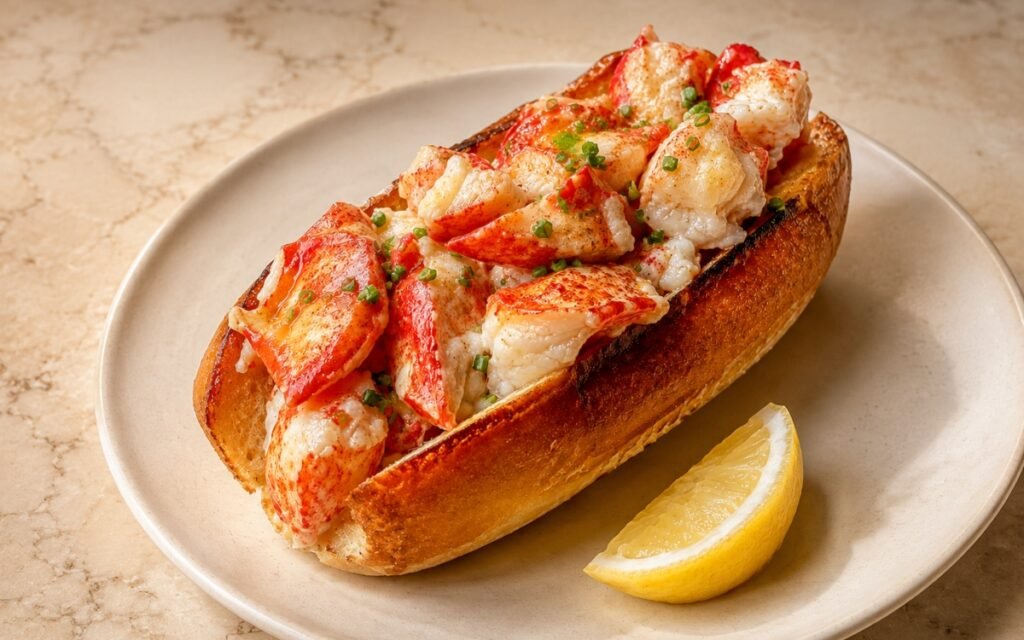
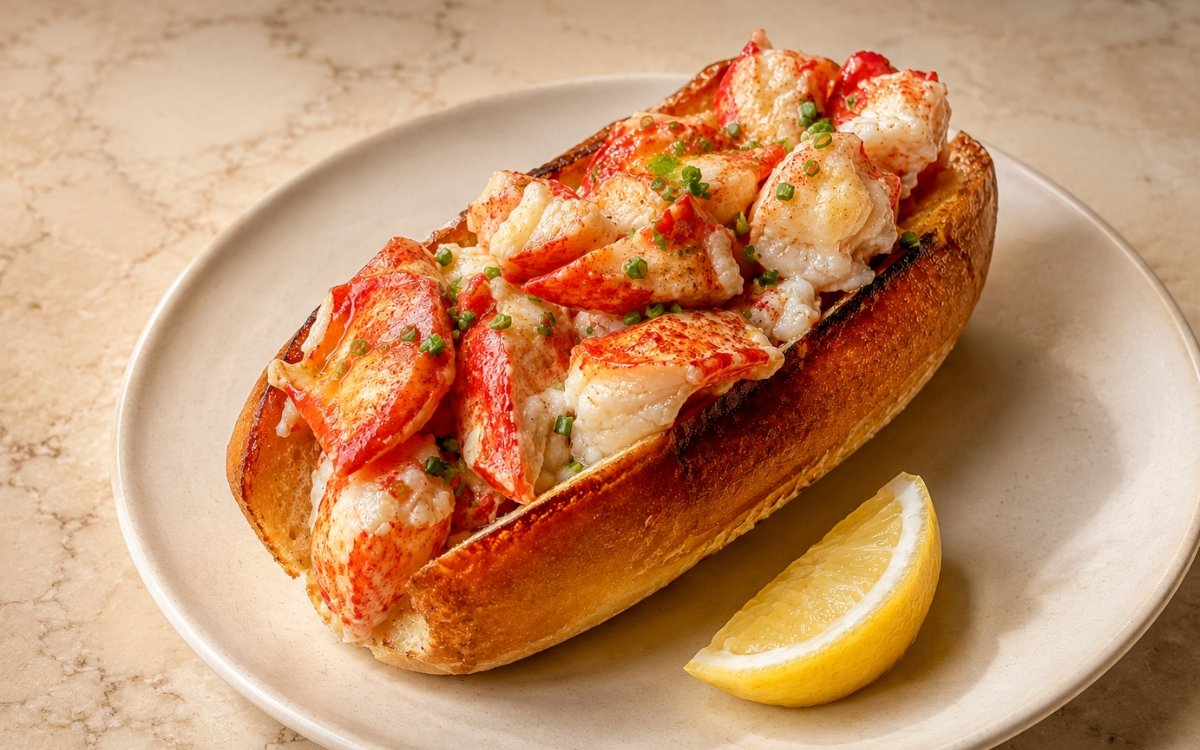
A classic Connecticut-style lobster roll with large chunky pieces of warm lobster meat gently coated in melted butter, piled into butter-griddled split-top brioche buns, and finished simply with chives and lemon. Warming the lobster in butter over low heat, rather than truly cooking it, is the technique this whole roll depends on — the lobster is already fully cooked, so this stage exists purely to bring it back to a warm, glossy temperature without tightening the meat into something rubbery, the same gentle-reheat principle used elsewhere in this collection whenever an already-cooked protein needs warming rather than further cooking. Keeping the lobster in large, chunky pieces rather than dicing or shredding it matters just as much, since the entire visual and textural identity of this style depends on generous, recognisable pieces of meat rather than a finely cut filling. Griddling the bun’s sides in butter, rather than toasting it flat, is what gives this roll its signature golden, buttery crust while keeping the interior soft. The payoff is a roll where warm, glossy, butter-coated lobster in generous chunks is the unmistakable centre of attention, kept simple by a buttery griddled bun, fresh chives, and a squeeze of lemon.
Prep Time : 20 min
Cook Time : 10 min
Servings : 4
20 min
10 min
4
Ingredients
For the Lobster
• 900g cooked lobster meat, preferably a mix of claw, knuckle, and tail meat
• 85g unsalted butter — this one on Amazon
• 1 tsp lemon juice
• ¼ tsp fine sea salt, or to taste
• Freshly cracked black pepper, to taste
For the Buns
• 4 split-top brioche hot dog buns, store-bought or homemade — see Brioche Hot Dog Buns
• 30g unsalted butter, for griddling the buns
For Finishing
• 2 tbsp finely chopped fresh chives
• 4 lemon wedges
This post may contain affiliate links. As an Amazon Associate I earn from qualifying purchases, at no additional cost to you.
Directions
- Prepare the Lobster
If starting with whole cooked lobsters, remove the meat carefully and check thoroughly for shell fragments. Keep the meat in large pieces — the goal is chunky, generous lobster pieces, not shredded meat and not tiny dice. If any tail pieces are very large, cut them once or twice into large bite-size chunks. Leave claw and knuckle meat as intact as possible where practical. Keeping the meat in genuinely large, distinct pieces rather than breaking it down further is a deliberate choice specific to this style — the roll’s entire appeal rests on being able to see and bite into real, substantial pieces of lobster rather than a uniformly cut filling. - Warm the Lobster in Butter
In a wide skillet or saucepan over low heat, melt the 85g butter gently. Do not brown it. Add the lobster meat and fold very carefully to coat. Warm for 1–2 minutes only, just until the lobster is heated through. Add the lemon juice, salt, and a little black pepper. The butter should lightly glaze the meat and pool slightly at the bottom of the pan, but the lobster should not be simmering hard or cooking aggressively. Overheating will tighten the meat and make it rubbery. Because the lobster is already fully cooked, this stage is entirely about reheating gently rather than cooking further — any real heat beyond a light warm-through pushes the proteins to contract and tighten, which is exactly what turns already-tender lobster meat rubbery and tough. - Add the Liquid Components
Heat a griddle or skillet over medium heat. Melt the 30g butter. Place the split-top brioche buns on their sides and toast the outer sides until deep golden and lightly crisp. Then briefly warm the inner cut side if desired, but the signature look is the golden butter-griddled sides. The buns should be warm, structured, and buttery, with visible browning, but not dry or brittle. Griddling the flat outer sides rather than the open top is what gives a split-top bun its specific New England look and texture — those sides pick up real colour and a crisp, buttery crust while the interior of the bun stays soft enough to cradle the filling. - Assemble the Rolls
Open each bun and fill generously with one-quarter of the warm buttered lobster mixture. Spoon a little of the warm butter from the pan over each portion if needed, but do not soak the bun to the point it turns soggy. Finish each roll with a light sprinkle of chopped chives. A light spoonful of the pan’s residual butter adds extra glossiness and flavour without overwhelming the bun — restraint here matters, since this style depends on the bun staying structured rather than saturated. - Serve
Serve immediately with a lemon wedge alongside each sandwich. The lobster should be warm and glossy, the bun buttery and toasted, and the overall finish simple and clean. Serving without delay keeps the lobster at its ideal warm, glossy temperature and the bun at its crispest — both qualities fade within a short window once assembled.
*Notes :
- The distinction between Connecticut-style and other regional lobster rolls comes down almost entirely to temperature and dressing, and it’s worth understanding clearly since the two approaches produce genuinely different results. Connecticut style keeps the lobster warm and dresses it in melted butter; other styles serve the lobster cold, bound with mayonnaise. Neither is more correct than the other, but they aren’t interchangeable — swapping mayonnaise in for butter here, or serving the lobster cold, produces a different sandwich entirely rather than a minor variation.
- Keeping the lobster warming stage brief and gentle is worth taking as seriously as the recipe suggests, since lobster meat’s texture is genuinely fragile once it’s already cooked. The meat has already reached its ideal tenderness during its initial cooking; this reheating stage exists purely to bring it back up to a pleasant warm temperature and coat it in butter, and any real additional heat beyond that risks overcooking meat that has no more cooking left to do without turning tough.
- Griddling the bun’s flat sides rather than its open top is specific to the split-top New England bun style, and it’s part of what gives this roll its recognisable look. These buns are shaped with flat sides precisely for this purpose — laying them on their sides against a hot, buttered griddle produces the deep golden, crisp crust that’s a signature visual element of the finished roll, distinct from a standard toasted bun.
- The restraint shown throughout this recipe — simple butter rather than a dressed sauce, chunky rather than finely cut lobster, minimal garnish of just chives and lemon — reflects a consistent philosophy rather than a lack of ambition. When the central ingredient is genuinely good lobster meat, the point of a Connecticut-style roll is to let that meat be the obvious star, with everything else in a clearly supporting role.
Why This Recipe Works
This recipe works because it treats the lobster meat’s texture as the priority throughout: kept in large, generous chunks rather than cut down, and warmed only gently and briefly in butter to avoid overcooking meat that’s already fully cooked.
The split-top bun is griddled specifically on its flat sides for the signature golden, buttery crust this style is known for, and the finishing garnishes — chives and a lemon wedge — stay minimal so the lobster remains the clear focus.
Serving immediately preserves both the lobster’s ideal warm temperature and the bun’s crisp exterior.
Ingredient Breakdown
Mixed Claw, Knuckle, and Tail Meat
The specified lobster cuts — together provide the best balance of tenderness, sweetness, and generous, visually appealing pieces.
Gently Melted Butter
The dressing — coats the lobster in warm, glossy richness without the need for a heavier, mayonnaise-based binder.
Briefly, Gently Warmed Lobster
The critical technique — reheats already-cooked meat just enough without pushing it toward tough, rubbery overcooking.
Butter-Griddled Split-Top Bun
The bread — toasted specifically on its flat sides for the signature golden, crisp crust characteristic of New England-style rolls.
Minimal Finishing (Chives, Lemon)
The restrained garnish — kept simple so the lobster meat itself remains the clear centrepiece.
Flavor Structure Explained
This lobster roll follows a layered balance model:
- Rich buttery foundation (melted butter coating the lobster)
- Sweet delicate centre (warm lobster meat)
- Crisp golden base (griddled brioche bun)
- Fresh sharp finish (chives, lemon)
Melted butter provides a rich, glossy foundation that coats and warms every piece of lobster without masking its own flavour. The lobster itself, kept in large, generous chunks, delivers sweet, delicate seafood flavour as the clear centrepiece. The griddled brioche bun contributes a crisp, buttery, golden base that contrasts against the tender lobster. A light scatter of fresh chives and a final squeeze of lemon finish the roll with clean, sharp brightness that keeps the buttery richness from feeling heavy.
Common Mistakes to Avoid
- Overheating the Lobster – Aggressive cooking tightens already-cooked meat into something rubbery. Always warm it gently over low heat for only 1–2 minutes.
- Cutting the Lobster Meat Too Small – This loses the generous, chunky texture that defines this style. Always keep pieces large and mostly intact.
- Toasting the Bun’s Top Instead of Its Sides – This misses the signature golden, crisp crust of a proper split-top roll. Always griddle the flat outer sides.
- Using Mayonnaise Instead of Butter – This produces a different style of lobster roll entirely, not a Connecticut-style one. Always keep the dressing butter-based here.
- Overfilling the Bun with Pan Butter – Too much liquid soaks and softens the bun. Always spoon it sparingly, if at all.
Variations
With Old Bay Seasoning
Add a small pinch of Old Bay to the butter while warming the lobster for a subtle, classic seafood-seasoning note
Extra-Buttery Version
Increase the butter slightly for a richer, more heavily glazed lobster fillin
With Tarragon Instead of Chives
Substitute finely chopped fresh tarragon for the chives for a more aromatic, anise-adjacent herbal note.
Warm Garlic Butter Version
Add a small amount of finely grated garlic to the butter before warming the lobster for a subtly savoury variation.
Storage & Make-Ahead
Cooked lobster meat can be picked and refrigerated in an airtight container for up to 2 days before use. The buns are best griddled fresh right before serving.
This dish is not suitable for advance assembly or storage — the lobster should be warmed and the rolls assembled only right before serving, given how quickly both the lobster’s ideal temperature and the bun’s crispness fade.
Frequently Asked Questions
Why is the lobster only warmed briefly rather than cooked again?
The lobster meat is already fully cooked, so this stage exists purely to bring it back to a pleasant warm temperature and coat it in butter. Any additional real cooking beyond that tightens the proteins and turns already-tender meat rubbery.
Why does Connecticut-style specifically use butter rather than mayonnaise?
This is the defining distinction between Connecticut-style and other regional lobster roll traditions. Butter, served warm, produces a genuinely different sandwich than a cold, mayonnaise-bound filling — the two aren’t interchangeable variations of the same dish.
Why keep the lobster meat in large chunks rather than cutting it smaller?
The visual and textural identity of this style depends on generous, recognisable pieces of lobster. Finely cut or shredded meat loses that specific appeal and reads as a different kind of filling entirely.
Why griddle the bun’s sides instead of just toasting it normally?
Split-top New England buns are shaped with flat sides specifically for this purpose. Griddling those sides in butter produces the deep golden, crisp crust that’s a signature visual and textural element of a proper lobster roll.
Are there alternative buns and other soft-bun seafood or hot dog sandwiches worth trying?
If split-top brioche buns aren’t available, Classic Hot Dog Buns can work as a substitute base, griddled the same way. For other soft-bun sandwiches worth exploring, Mexican Hot Dog and Chicago-Style Hot Dog both take a completely different, loaded direction, while a Po’ Boy Sandwich offers another classic seafood option served in a soft roll, built around fried shrimp or oysters rather than warm buttered lobster.
Nutrition Facts
( per serving )
Calories
~480 kcal
Protein
32 g
Fat
32 g
Carbs
22 g
Calories
~480 kcal
Protein
32 g
Fat
32 g
Carbs
22 g
Related Recipes
Related Recipes

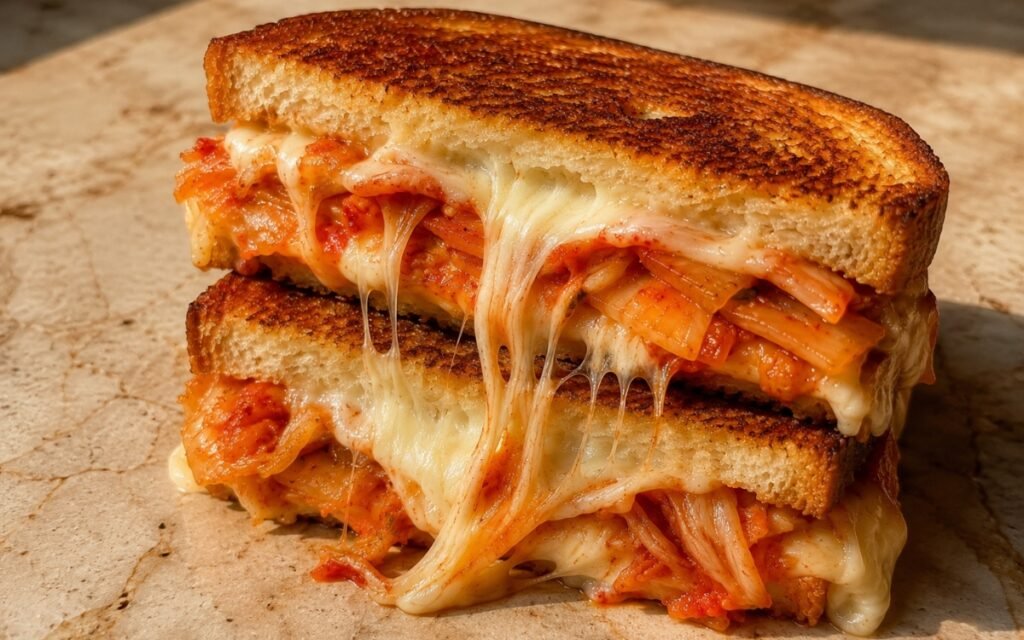
Kimcheese (Kimchi Grilled Cheese)
Crisp, buttery griddled bread with gooey, stretchy low-moisture mozzarella and vivid, well-drained kimchi.
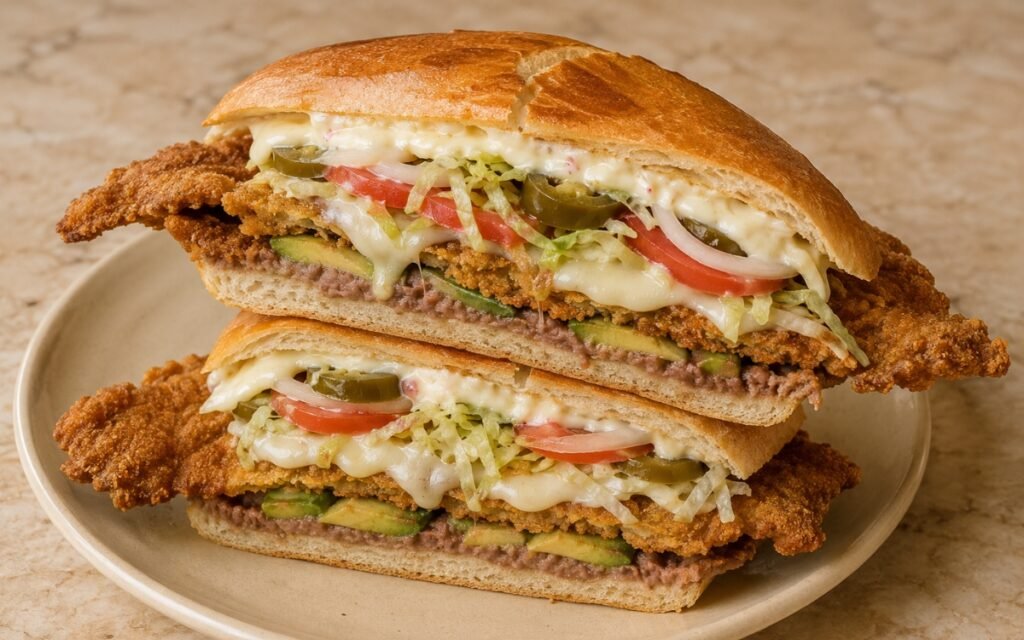
Torta de Milanesa Sandwich
Crispy breaded beef milanesa with melted Oaxaca cheese, refried beans, crema, and fresh vegetables, piled onto a toasted telera roll.
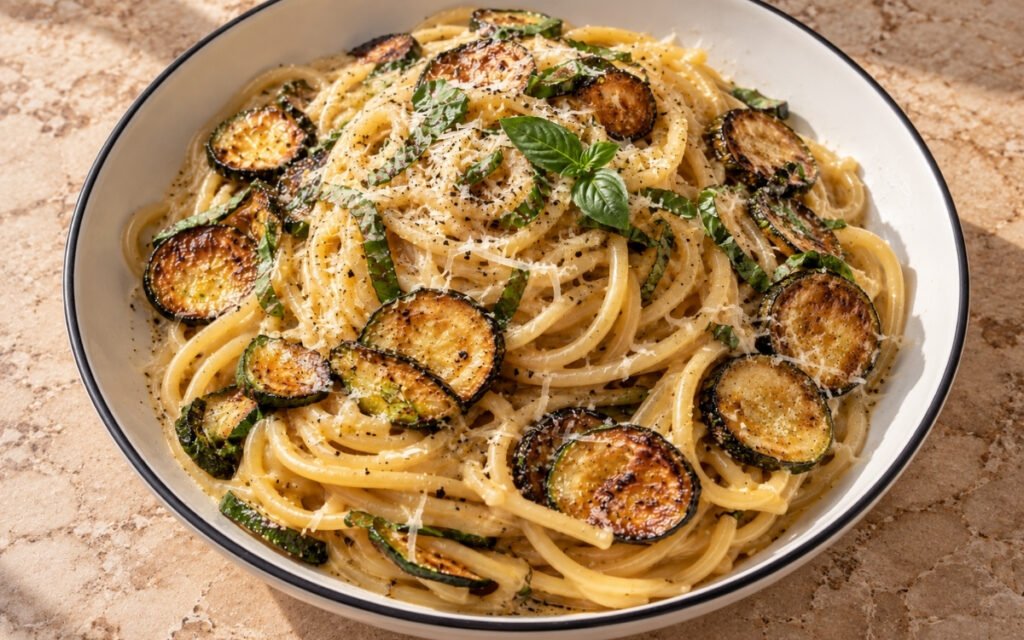
Spaghetti alla Nerano
Fried zucchini rounds tossed with spaghetti in a glossy, emulsified Pecorino Romano sauce, finished with black pepper and fresh basil.
You might also like
You might also like
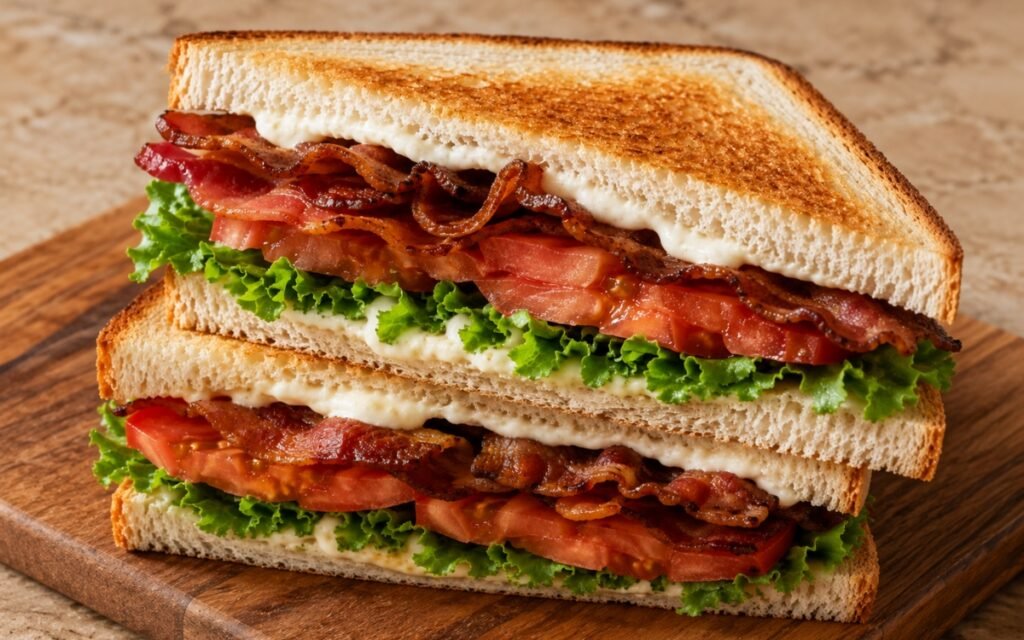
BLT Sandwich
Toasted white bread with crispy bacon, ripe tomato, crisp lettuce, and a generous layer of mayonnaise.
Torta de Milanesa Sandwich
Crispy breaded beef milanesa with melted Oaxaca cheese, refried beans, crema, and fresh vegetables, piled onto a toasted telera roll.
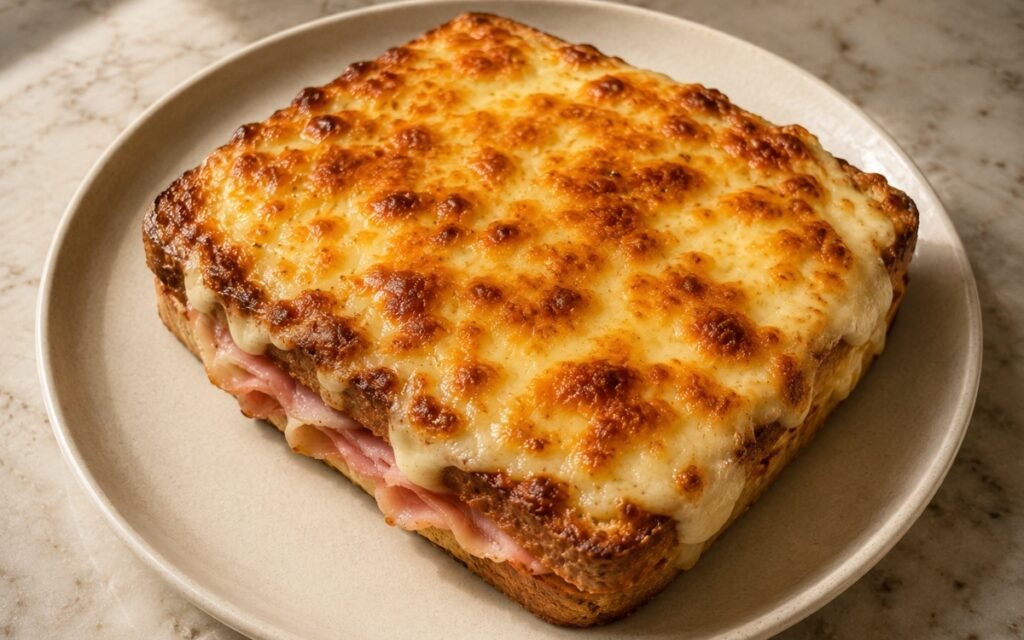
Croque Monsieur
Griddled bread layered with ham and Gruyère, topped with thick béchamel and more cheese, then broiled until bubbling and golden.
Lobster Roll (Connecticut Style)
Ingredients
Method
- If starting with whole cooked lobsters, remove the meat carefully and check thoroughly for shell fragments. Keep the meat in large pieces — the goal is chunky, generous lobster pieces, not shredded meat and not tiny dice. If any tail pieces are very large, cut them once or twice into large bite-size chunks. Leave claw and knuckle meat as intact as possible where practical. Keeping the meat in genuinely large, distinct pieces rather than breaking it down further is a deliberate choice specific to this style — the roll’s entire appeal rests on being able to see and bite into real, substantial pieces of lobster rather than a uniformly cut filling.
- In a wide skillet or saucepan over low heat, melt the 85g butter gently. Do not brown it. Add the lobster meat and fold very carefully to coat. Warm for 1–2 minutes only, just until the lobster is heated through. Add the lemon juice, salt, and a little black pepper. The butter should lightly glaze the meat and pool slightly at the bottom of the pan, but the lobster should not be simmering hard or cooking aggressively. Overheating will tighten the meat and make it rubbery. Because the lobster is already fully cooked, this stage is entirely about reheating gently rather than cooking further — any real heat beyond a light warm-through pushes the proteins to contract and tighten, which is exactly what turns already-tender lobster meat rubbery and tough.
- Heat a griddle or skillet over medium heat. Melt the 30g butter. Place the split-top brioche buns on their sides and toast the outer sides until deep golden and lightly crisp. Then briefly warm the inner cut side if desired, but the signature look is the golden butter-griddled sides. The buns should be warm, structured, and buttery, with visible browning, but not dry or brittle. Griddling the flat outer sides rather than the open top is what gives a split-top bun its specific New England look and texture — those sides pick up real colour and a crisp, buttery crust while the interior of the bun stays soft enough to cradle the filling.
- Open each bun and fill generously with one-quarter of the warm buttered lobster mixture. Spoon a little of the warm butter from the pan over each portion if needed, but do not soak the bun to the point it turns soggy. Finish each roll with a light sprinkle of chopped chives. A light spoonful of the pan’s residual butter adds extra glossiness and flavour without overwhelming the bun — restraint here matters, since this style depends on the bun staying structured rather than saturated.
- Serve immediately with a lemon wedge alongside each sandwich. The lobster should be warm and glossy, the bun buttery and toasted, and the overall finish simple and clean. Serving without delay keeps the lobster at its ideal warm, glossy temperature and the bun at its crispest — both qualities fade within a short window once assembled.