
Stromboli with Pepperoni and Cheese
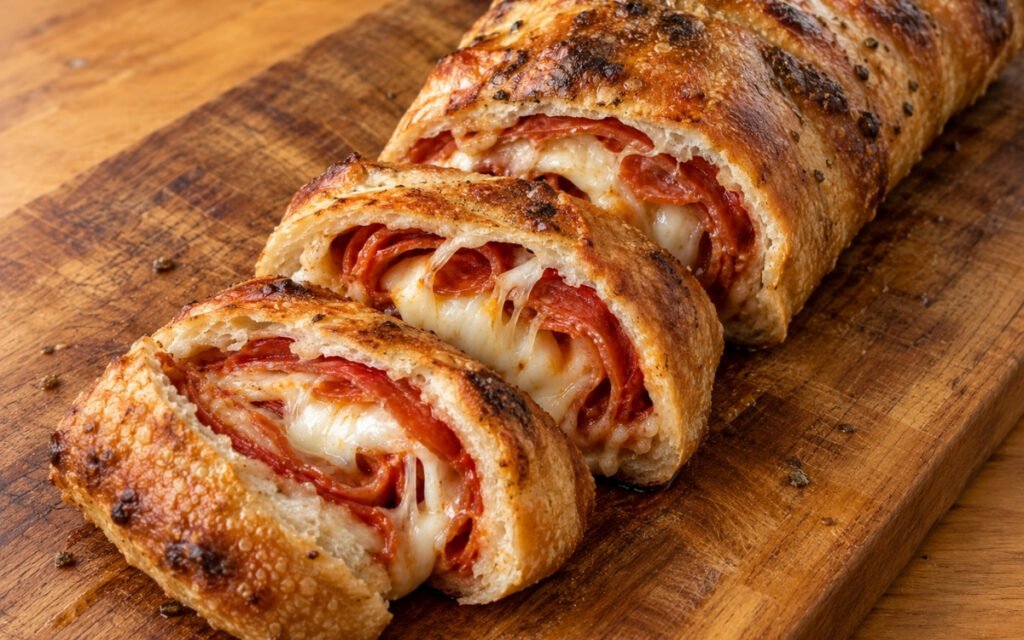
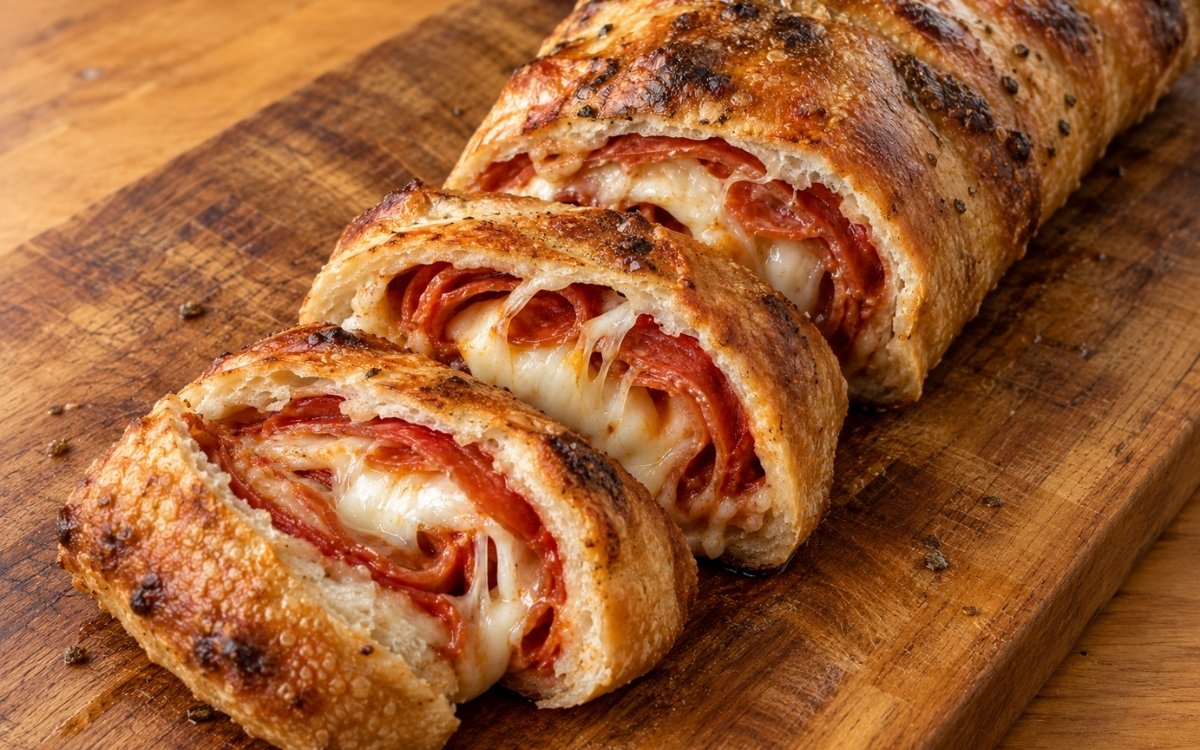
Individual baked stromboli made from pizza dough and rolled around pepperoni, low-moisture mozzarella, a little thick tomato sauce, and Parmesan, using half a batch of Homemade Pizza Dough for 4 individual stromboli. Rolling each stromboli genuinely tight from the long side, pressing lightly as you go, is the technique this whole roll depends on for a clean, cohesive spiral — a loose roll leaves large air gaps inside that make the sliced pieces fall apart after baking, the same tight-roll-for-structure principle used elsewhere in this collection whenever a rolled, filled dough’s own final slice depends on real internal compactness rather than a loose, airy roll. Leaving a genuinely clean, filling-free border all around the dough, especially at the far edge and short ends, is what gives the seam real dough to actually seal against. Cutting real steam vents on top, rather than skipping them, is what keeps the stromboli from bursting open unpredictably in the oven. The payoff is a stromboli with real, satisfying contrast — a deeply golden, glossy, crisp crust wrapped tightly around molten cheese and pepperoni, sliced into thick, structured pieces.
Prep Time : 35 min
Cook Time : 18–24 min
Servings : 8
35 min
18–24 min
8
Ingredients
For the Dough
• ½ batch Homemade Pizza Dough, divided into 4 balls, about 250g each
• 00 flour or fine semolina, for dusting
For the Filling
• 240g thick pizza sauce or thick tomato sauce, divided (about 60g per stromboli)
• 480g low-moisture mozzarella, grated (about 120g per stromboli) — this one on Amazon
• 220–260g sliced pepperoni — this one on Amazon
• 40g Parmesan or Pecorino Romano, finely grated — this one on Amazon
• 2g dried oregano — this one on Amazon
• 2g garlic powder, optional
• Freshly ground black pepper, to taste
For Finishing
• 1 egg, beaten with 1 tbsp water, or olive oil for brushing
• Extra Parmesan, optional
• Warm pizza sauce, optional for serving on the side
This post may contain affiliate links. As an Amazon Associate I earn from qualifying purchases, at no additional cost to you.
Directions
- Bring the Dough to Room Temperature
Remove the dough balls from the refrigerator 2–3 hours before shaping. Keep them covered so they do not dry out. The dough should feel soft, relaxed, and airy. If it is still cold and tight, it will resist stretching and may shrink back while shaping. That tempering window lets the cold, tightened gluten network genuinely relax before it’s ever asked to stretch into a rectangle and roll tightly around a real amount of filling. - Prepare the Oven and Tray
Preheat the oven to 230–245°C. If using a pizza steel or stone, preheat it for at least 40–45 minutes. Otherwise, line a baking tray with parchment. A hot oven is important. Stromboli needs strong heat to set the bottom crust and brown the outside before the filling overcooks. That genuinely hot oven is what sets the exterior quickly enough to develop real colour and structure before the filling inside has any chance to overcook while waiting on that same heat. - Prepare the Fillings
Make sure the sauce is thick, not watery. If it is loose, simmer it briefly and cool before using. Grate the mozzarella and have the pepperoni, Parmesan, oregano, garlic powder if using, and pepper ready. Low-moisture mozzarella is the right cheese here. Fresh mozzarella releases too much water and makes the inside soggy. Having every component fully staged and ready before shaping even begins is what lets the actual filling and rolling happen quickly, protecting the shaped dough from sitting too long before it’s sealed and baked. - Shape Each Stromboli
Work with one dough ball at a time on a lightly floured or semolina-dusted surface. For each 250g dough ball, roll or stretch into a rectangle about 25 × 30cm / 10 × 12 inches. Keep the thickness even, but do not make it paper-thin. If the dough keeps shrinking back, let it rest 5 minutes and continue. The dough should be thin enough to roll neatly, but thick enough to hold the filling without tearing. Letting resistant dough rest briefly, rather than forcing it out further, gives the gluten genuine additional time to relax before the next attempt at stretching. - Fill
Add the fillings, leaving a clean border all around, especially at the far edge and short ends. For each stromboli, spread about 60g sauce in a thin layer, leaving a clean 2–3cm border. Scatter about 120g mozzarella. Add 55–65g pepperoni in an even layer. Sprinkle with 10g Parmesan. Finish with a pinch of oregano, black pepper, and a pinch of garlic powder if using. Do not overload the dough. Too much filling makes it difficult to roll tightly, causes leaking, and can leave the center gummy. That clean, deliberately filling-free border matters directly at the next stage — it gives the seam real, uncontaminated dough to actually seal against rather than trying to press cheese and sauce together. - Roll and Seal
Roll tightly from the long side. Keep the roll compact, pressing lightly as you go so there are no large air gaps. Seal the seam firmly. Tuck the ends under and pinch them shut. Place seam-side down. A tight roll is important. Loose rolling gives gaps inside and makes the slices fall apart after baking. That genuine compactness, built through consistent light pressure as the roll comes together, is exactly what produces slices that hold their spiral shape cleanly once cut, rather than unraveling. - Vent and Finish
Transfer the stromboli to the prepared tray or a peel if baking on a stone/steel. Cut small steam vents on top. Brush with egg wash or olive oil. Optionally sprinkle with a little extra Parmesan. The vents are not decorative. They release steam and reduce the chance of the stromboli bursting open in the oven. That deliberate venting gives the dough’s own internal steam pressure a controlled, predictable place to escape — without it, that same pressure would find its own way out, often splitting the seam unpredictably instead. - Bake
Bake at 230–245°C for 18–24 minutes, until the crust is deeply golden brown, the surface is glossy and crisp, the bottom feels set and lightly browned, and a little cheese may bubble from the vents, but the seam should stay closed. If baking more than one tray, rotate as needed for even coloring. If the top browns too fast before the dough is fully baked, lower the oven slightly or move the tray down one level. That willingness to adjust the oven mid-bake protects the dough’s own doneness from being sacrificed for the sake of surface colour developing too quickly. - Rest and Slice
Let the baked stromboli rest for 8–10 minutes before slicing. Slice into thick pieces and serve warm, with extra warmed sauce on the side if desired. Resting matters. If sliced immediately, the molten cheese and sauce will run out and the spiral will not hold its shape cleanly. That extended rest lets the filling’s own residual heat settle and firm slightly, protecting the tight spiral structure right through the moment a knife actually cuts into it.
*Notes :
- Rolling each stromboli genuinely tight from the long side, pressing lightly and consistently as the roll comes together, deserves recognition as the technique most directly responsible for whether the finished slices hold their shape. That compactness is what prevents the large internal air gaps a looser roll would leave behind — gaps that, once baked and sliced, cause the whole spiral to fall apart rather than staying cleanly intact.
- Leaving a genuinely clean, filling-free border around the dough — particularly at the far edge and both short ends — deserves the same attention this technique receives throughout this collection’s other filled, rolled doughs. That border gives the seam real, uncontaminated dough to actually press together and seal against, something that would be considerably harder to achieve if sauce or cheese had already reached all the way to the edge.
- Cutting real steam vents into the top before baking deserves genuine respect as a functional necessity rather than decoration, exactly as the recipe’s own notes state directly. Those vents give the dough’s own building internal steam pressure a controlled, predictable place to escape, protecting the seam from bursting open unpredictably under pressure it was never meant to contain entirely.
- Resting the baked stromboli for a full 8 to 10 minutes before slicing deserves attention as a real, necessary step rather than simple patience. That extended window lets the filling’s own residual heat settle and firm just enough for a clean cut — slicing too early would send the still-molten cheese and sauce running out, undermining the tight, structured spiral the entire rolling and sealing process was built to produce.
Why This Recipe Works
This recipe works because the dough is properly tempered before shaping, letting it stretch into a rectangle without tearing. A clean, filling-free border gives the seam real dough to seal against, and a tight, compact roll prevents the internal air gaps that would otherwise cause the slices to fall apart.
Genuine steam vents protect the seam from bursting unpredictably in the oven’s heat, and a hot, fully preheated oven sets the crust quickly before the filling has any chance to overcook. Resting the finished stromboli for a full 8 to 10 minutes before slicing lets everything settle, delivering clean, structured pieces at serving.
Ingredient Breakdown
Properly Tempered Dough
The critical technique — a relaxed, room-temperature dough stretches into a rectangle without tearing or springing back.
Low-Moisture Mozzarella
The critical ingredient choice — melts cleanly without the excess water fresh mozzarella would introduce into the roll.
Clean, Filling-Free Border
he critical technique — gives the seam real, uncontaminated dough to actually press together and seal against.
Genuinely Tight, Compact Roll
The critical technique — prevents the internal air gaps that would cause finished slices to fall apart.
Real Steam Vents
The critical technique — gives building internal pressure a controlled place to escape, protecting the sealed seam.
Extended Post-Bake Rest (8–10 Minutes)
The finishing technique — lets the molten filling settle and firm just enough for clean, structured slicing.
Flavor Structure Explained
This stromboli follows a layered balance model:
- Deeply golden, crisp foundation (properly tempered, tightly rolled dough)
- Savoury tomato depth (thick, restrained pizza sauce)
- Rich melted body (low-moisture mozzarella)
- Crisp savoury finish (pepperoni)
- Sharp background note (Parmesan or Pecorino Romano, oregano, black pepper)
Properly tempered, tightly rolled dough provides this stromboli’s deeply golden, genuinely crisp foundation. A thin, thick layer of pizza sauce contributes savoury tomato depth without overwhelming the roll. Low-moisture mozzarella melts into a rich, cohesive body throughout the spiral. Pepperoni adds crisp, savoury finish scattered across the cheese, and Parmesan or Pecorino Romano, along with oregano and black pepper, layers in a final, sharp background note that ties every thick, sliced piece together.
Common Mistakes to Avoid
- Shaping the Dough While Still Cold – This causes it to resist stretching and shrink back. Always bring it to room temperature for 2–3 hours first.
- Filling All the Way to the Edge – This leaves no clean dough for the seam to seal against. Always leave a genuine border, especially at the far edge and short ends.
- Rolling Loosely – This leaves internal air gaps that make finished slices fall apart. Always roll tightly, pressing lightly as you go.
- Skipping the Steam Vents – This risks the stromboli bursting open unpredictably in the oven. Always cut real vents into the top before baking.
- Slicing Immediately After Baking – This lets the molten cheese and sauce run out before the spiral has a chance to hold its shape. Always rest for 8 to 10 minutes first.
Variations
Extra-Spicy Version
Add a scatter of red pepper flakes alongside the pepperoni before rolling, or serve the finished stromboli with a spicier dipping sauce, for more heat throughout every slice.
Egg Wash vs. Olive Oil Version
Choose the egg wash finish for the most classically shiny, deeply browned crust, per the recipe’s own note, or use olive oil instead for a slightly less glossy but still genuinely good-tasting result.
Extra-Cheesy Version
Increase the mozzarella slightly per stromboli, being careful to still leave the same clean border, for a richer, more generously cheesy finished slice once baked.
Combo Filling Version
Add a thin layer of sliced mushrooms or bell pepper alongside the pepperoni and cheese, keeping the same overall filling weight so the roll still seals and bakes properly.
Storage & Make-Ahead
This recipe is built around half a batch of Homemade Pizza Dough, yielding exactly 4 individual stromboli, and it depends on using thick sauce inside with only a small amount per roll, since too much sauce is genuinely one of the main reasons stromboli leaks during baking.
Use low-moisture mozzarella rather than fresh mozzarella here, and always leave that clean border around the filling so the seam has real, uncontaminated dough to seal against once the roll is complete and ready to go into the oven.
Roll each stromboli from the long side specifically, since that direction produces a better, more even spiral and a more balanced shape once each piece is sliced, compared to rolling from the shorter end of the rectangle.
If the dough becomes too soft or sticky while you are shaping and filling it, let it sit for 5 to 10 minutes to firm up on its own, or chill it briefly in the refrigerator before baking, rather than fighting a dough that has become genuinely difficult to work with.
These are best served hot or warm, while the cheese inside is still molten and stretchy, so plan to slice and serve shortly after the recommended resting period rather than letting the stromboli sit and cool for an extended time.
Frequently Asked Questions
Why does the stromboli need to be rolled so genuinely tight rather than loosely?
A tight roll prevents large internal air gaps from forming inside the spiral. Loose rolling leaves those gaps behind, and once baked and sliced, the pieces tend to fall apart rather than holding their structured shape.
Why does a clean border need to be left around the filling?
That clean, filling-free border gives the seam real, uncontaminated dough to actually press together and seal against. Filling all the way to the edge would leave nothing but sauce and cheese for the seam to try to close over.
Why are the steam vents on top genuinely necessary rather than optional?
Those vents give the dough’s own building internal steam pressure a controlled place to escape during baking. Without them, that same pressure finds its own way out, often bursting the seam open unpredictably instead.
Why does the baked stromboli need to rest for a full 8 to 10 minutes before slicing?
That extended rest lets the filling’s own residual heat settle and firm slightly. Slicing too early sends the still-molten cheese and sauce running out, undermining the tight, structured spiral the whole rolling process was built to produce.
Are there other classic pizza, garlic-forward, or hearty sandwich dishes worth trying with this same dough?
Homemade Pizza Dough is worth making from scratch as the foundation for this and many other recipes. Calzone with Ricotta and Mozzarella and Pepperoni Pizza are also worth trying for other classic dishes using this same dough, and Garlic Knots and Meatball Sub Sandwich offer other hearty, satisfying directions worth exploring.
Nutrition Facts
( Per Serving — half of 1 stromboli )
Calories
~480 kcal
Protein
24 g
Fat
24 g
Carbs
42 g
Calories
~480 kcal
Protein
24 g
Fat
24 g
Carbs
42 g
Related Recipes
Related Recipes

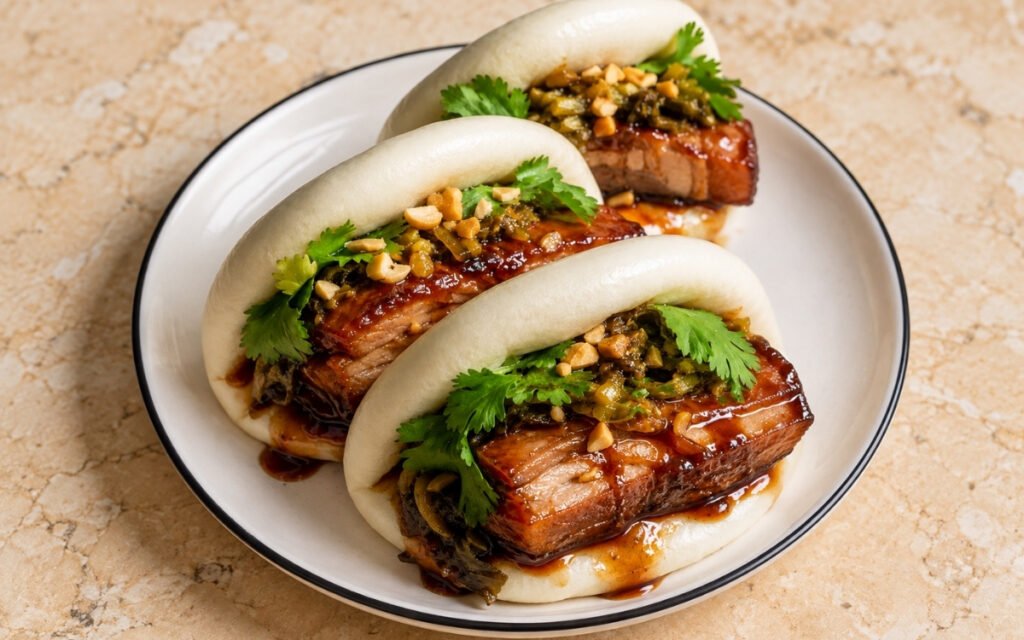
Bao Buns — Braised Pork Belly (Gua Bao)
Soft folded steamed bao buns filled with glossy dark-braised pork belly, pickled mustard greens, crushed sweet-salty peanuts, cilantro and reduced braising glaze.
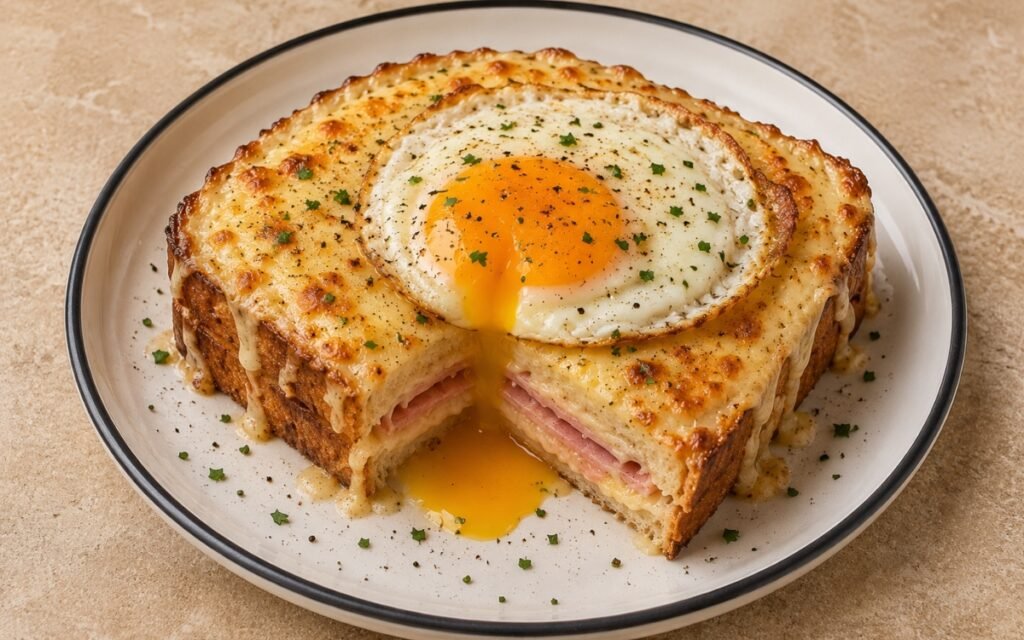
Croque Madame
Toasted bread with ham, Gruyère, and thick béchamel, baked until bubbling and topped with a gently fried egg.
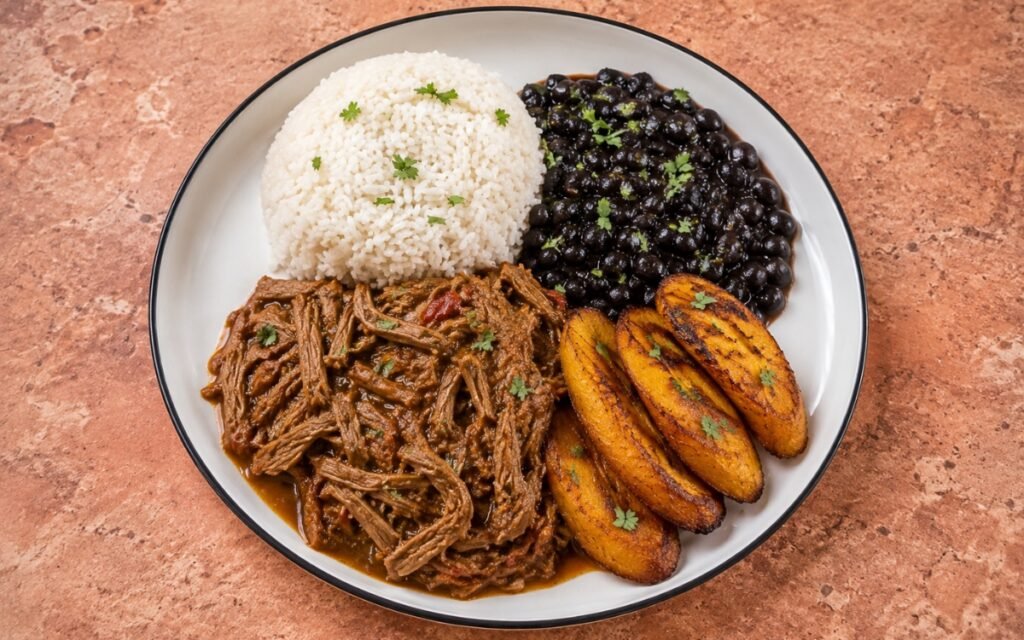
Pabellón Venezolano
Slow-braised, thinly shredded beef, fluffy white rice, glossy black beans, and sweet fried plantains, each kept distinct on the plate.
You might also like
You might also like
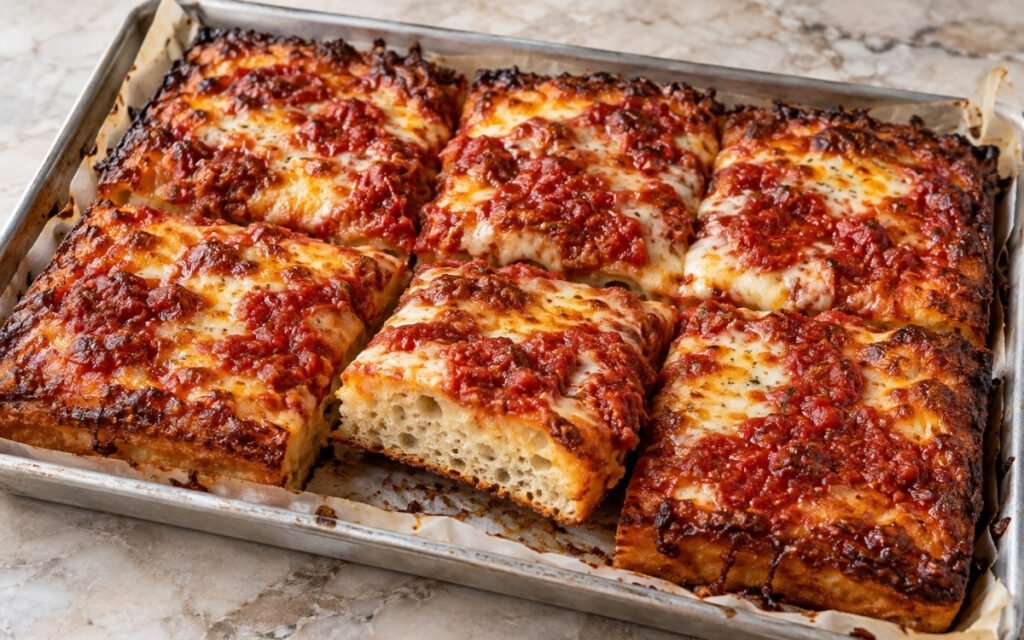
Sicilian-Style Sheet Pan Pizza
Thick, airy, focaccia-like crust baked in a well-oiled pan, topped with mozzarella and rich tomato sauce, finished with crisp caramelized edges.
Carnitas Tacos with Pickled Red Onion
Pork shoulder braised in citrus and lard until tender, then crisped hot and fast for caramelised edges. Topped with pickled red onion and cilantro.
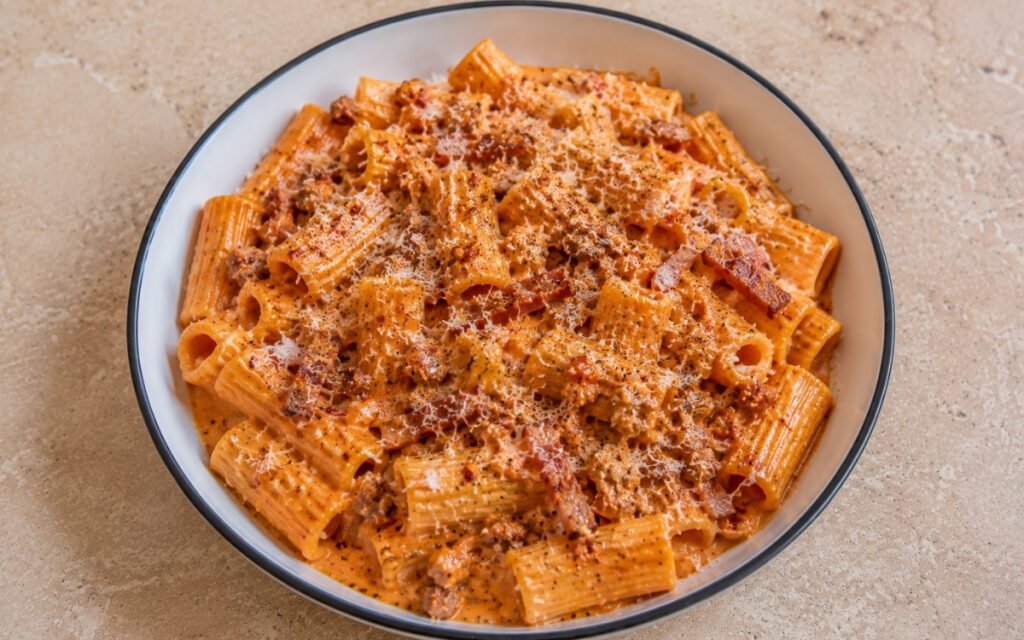
Pasta alla Zozzona (Roman Hidden Classic)
Guanciale, sausage, passata, and a carbonara egg emulsion in rigatoni — Rome’s dirty pasta in 40 minutes.

Stromboli with Pepperoni and Cheese
Ingredients
Method
- Remove the dough balls from the refrigerator 2–3 hours before shaping. Keep them covered so they do not dry out. The dough should feel soft, relaxed, and airy. If it is still cold and tight, it will resist stretching and may shrink back while shaping. That tempering window lets the cold, tightened gluten network genuinely relax before it’s ever asked to stretch into a rectangle and roll tightly around a real amount of filling.
- Preheat the oven to 230–245°C. If using a pizza steel or stone, preheat it for at least 40–45 minutes. Otherwise, line a baking tray with parchment. A hot oven is important. Stromboli needs strong heat to set the bottom crust and brown the outside before the filling overcooks. That genuinely hot oven is what sets the exterior quickly enough to develop real colour and structure before the filling inside has any chance to overcook while waiting on that same heat.
- Make sure the sauce is thick, not watery. If it is loose, simmer it briefly and cool before using. Grate the mozzarella and have the pepperoni, Parmesan, oregano, garlic powder if using, and pepper ready. Low-moisture mozzarella is the right cheese here. Fresh mozzarella releases too much water and makes the inside soggy. Having every component fully staged and ready before shaping even begins is what lets the actual filling and rolling happen quickly, protecting the shaped dough from sitting too long before it’s sealed and baked.
- Work with one dough ball at a time on a lightly floured or semolina-dusted surface. For each 250g dough ball, roll or stretch into a rectangle about 25 × 30cm / 10 × 12 inches. Keep the thickness even, but do not make it paper-thin. If the dough keeps shrinking back, let it rest 5 minutes and continue. The dough should be thin enough to roll neatly, but thick enough to hold the filling without tearing. Letting resistant dough rest briefly, rather than forcing it out further, gives the gluten genuine additional time to relax before the next attempt at stretching.
- Add the fillings, leaving a clean border all around, especially at the far edge and short ends. For each stromboli, spread about 60g sauce in a thin layer, leaving a clean 2–3cm border. Scatter about 120g mozzarella. Add 55–65g pepperoni in an even layer. Sprinkle with 10g Parmesan. Finish with a pinch of oregano, black pepper, and a pinch of garlic powder if using. Do not overload the dough. Too much filling makes it difficult to roll tightly, causes leaking, and can leave the center gummy. That clean, deliberately filling-free border matters directly at the next stage — it gives the seam real, uncontaminated dough to actually seal against rather than trying to press cheese and sauce together.
- Roll tightly from the long side. Keep the roll compact, pressing lightly as you go so there are no large air gaps. Seal the seam firmly. Tuck the ends under and pinch them shut. Place seam-side down. A tight roll is important. Loose rolling gives gaps inside and makes the slices fall apart after baking. That genuine compactness, built through consistent light pressure as the roll comes together, is exactly what produces slices that hold their spiral shape cleanly once cut, rather than unraveling.
- Transfer the stromboli to the prepared tray or a peel if baking on a stone/steel. Cut small steam vents on top. Brush with egg wash or olive oil. Optionally sprinkle with a little extra Parmesan. The vents are not decorative. They release steam and reduce the chance of the stromboli bursting open in the oven. That deliberate venting gives the dough’s own internal steam pressure a controlled, predictable place to escape — without it, that same pressure would find its own way out, often splitting the seam unpredictably instead.
- Bake at 230–245°C for 18–24 minutes, until the crust is deeply golden brown, the surface is glossy and crisp, the bottom feels set and lightly browned, and a little cheese may bubble from the vents, but the seam should stay closed. If baking more than one tray, rotate as needed for even coloring. If the top browns too fast before the dough is fully baked, lower the oven slightly or move the tray down one level. That willingness to adjust the oven mid-bake protects the dough’s own doneness from being sacrificed for the sake of surface colour developing too quickly.
- Let the baked stromboli rest for 8–10 minutes before slicing. Slice into thick pieces and serve warm, with extra warmed sauce on the side if desired. Resting matters. If sliced immediately, the molten cheese and sauce will run out and the spiral will not hold its shape cleanly. That extended rest lets the filling’s own residual heat settle and firm slightly, protecting the tight spiral structure right through the moment a knife actually cuts into it.