
Crispy Cheesy Beef Taquitos with Creamy Avocado Sauce
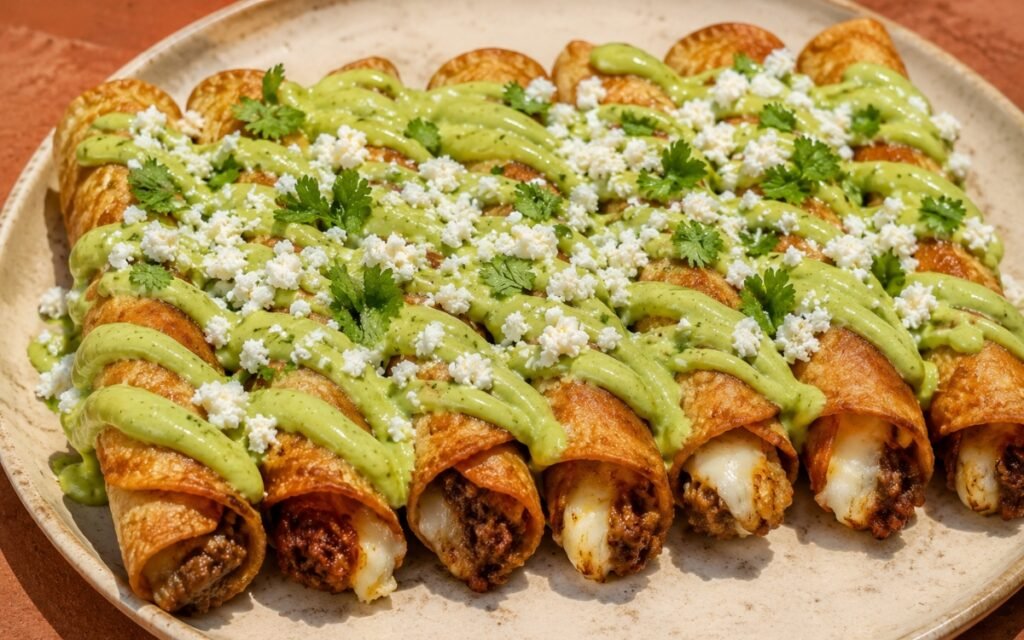
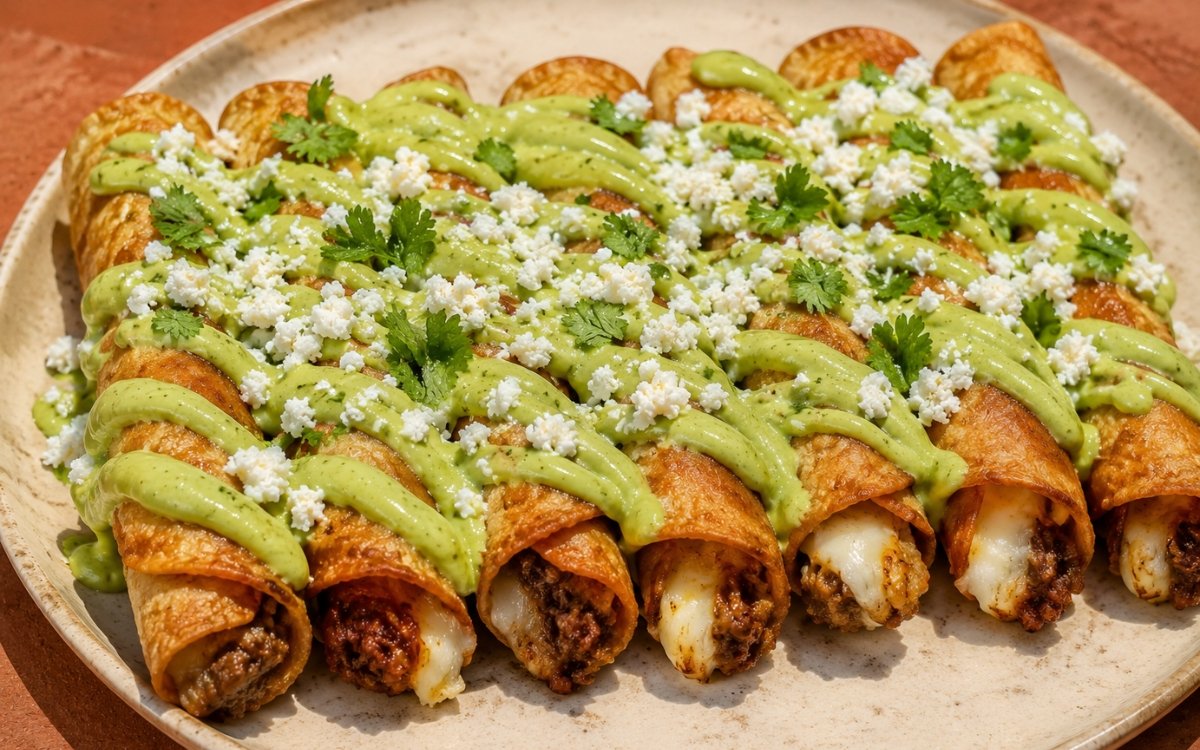
Golden deep-fried beef taquitos rolled in corn tortillas and filled with slow-cooked shredded beef plus melted Mexican cheese and cotija, finished with a thick drizzle of creamy avocado sauce, crumbled queso fresco, and fresh cilantro. Keeping the tortillas warm and covered right up until rolling is the technique this whole recipe depends on for structural integrity — a tortilla that’s cooled even slightly loses the flexibility needed to wrap tightly around the filling, cracking instead of curling, the same warm-and-covered principle used elsewhere in this collection whenever a rolled corn tortilla format needs maximum pliability. Cooking the shredded beef back down until moist but genuinely dry, rather than leaving any loose liquid pooling around it, is what protects the tortilla from softening and the hot oil from dangerous spattering. Rolling tightly and frying seam-side down first is what keeps each taquito sealed shut through the fry rather than unravelling in the oil. The payoff is a taquito with a genuinely rigid, deeply golden, shatter-crisp shell around a compact, juicy beef and cheese filling, finished with a thick, ribboned drizzle of bright avocado sauce.
Prep Time : 45 min
Cook Time : 2 hr, 5 min
Servings : 4
45 min
2 hr, 5 min
4
Ingredients
For the Homemade Corn Tortillas – (Full recipe — see Homemade Corn Tortillas)
• 285g masa harina — this one on Amazon
• 3.5g fine sea salt
• 355g warm water, about 40°C
• Or: 16 good-quality small corn tortillas
For the Beef Filling
• 800g beef chuck or other braising beef, cut into large chunks
• 15ml neutral oil
• 1 medium white onion, sliced
• 4 garlic cloves, minced
• 2 tsp fine sea salt, plus more to taste
• 1 tsp freshly ground black pepper
• 2 tsp ground cumin — this one on Amazon
• 2 tsp garlic powder — this one on Amazon
• 2 tsp onion powder — this one on Amazon
• 1 tsp dried oregano — this one on Amazon
• 1 tsp smoked paprika — this one on Amazon
• 250ml beef stock or water
• 1 bay leaf
For the Cheese Filling
• 220g shredded Mexican cheese blend — this one on Amazon
• 100g cotija cheese, finely crumbled
For Frying
• Neutral frying oil, as needed for deep-frying
For the Creamy Avocado Sauce
• 2 ripe avocados
• 180g sour cream or Mexican crema
• 30g mayonnaise
• 1 garlic clove
• 1 small jalapeño, roughly chopped, deseeded if preferred
• Juice of 1 lime
• Small handful fresh cilantro
• ½ tsp fine sea salt, plus more to taste
• 30–60ml cold water, as needed to loosen
For Garnish
• 100g queso fresco, crumbled — this one on Amazon
• Small handful fresh cilantro leaves or roughly chopped cilantro
This post may contain affiliate links. As an Amazon Associate I earn from qualifying purchases, at no additional cost to you.
Directions
- Prepare the Tortilla Dough
If making homemade tortillas, combine the masa harina and salt in a bowl. Pour in the warm water and mix until no dry flour remains. Knead briefly in the bowl for 1–2 minutes until a smooth dough forms. Divide into 16 equal balls, about 40g each. Keep them covered with a damp towel so the surface does not dry out. Press each ball between plastic or baking paper in a tortilla press, or flatten with a heavy pan, into small round tortillas about 13–15cm wide. Cook each tortilla on a hot dry skillet or comal until the surface looks matte and lightly set, about 30–45 seconds on the first side, 45 seconds on the second, then a brief final flip. Keep the cooked tortillas stacked and wrapped in a towel so they stay warm and pliable. The tortillas should be fully flexible and warm, not crisp or dry. If they cool too much before rolling, they will crack instead of wrapping tightly around the filling. Homemade tortillas must stay covered and warm until assembly. This matters more here than for table tortillas because rolled taquitos need maximum flexibility. - Cook the Beef Filling
Heat the oil in a heavy pot or Dutch oven over medium-high heat. Season the beef with the salt, pepper, cumin, garlic powder, onion powder, oregano, and smoked paprika. Sear the beef in batches until well browned on several sides. Remove to a plate. Add the sliced onion to the pot and cook until softened and lightly golden. Add the garlic and cook briefly, about 30 seconds. Return the beef to the pot. Add the stock or water and the bay leaf. Bring to a light simmer, cover, lower the heat, and cook gently for 1½ to 2 hours, until the beef is fully tender and pulls apart easily with a fork. Transfer the beef to a bowl. Discard the bay leaf. Let the beef cool just enough to handle, then shred finely with two forks. Return the shredded beef to the pot with a few spoonfuls of the reduced cooking liquid and cook uncovered for a few minutes until moist, savory, and concentrated, not wet. The beef is ready when it shreds easily and stays juicy, but there should not be loose liquid pooling around it. Wet filling softens the tortillas and causes spluttering during frying. - Make the Creamy Avocado Sauce
Add the avocados, sour cream or crema, mayonnaise, garlic, jalapeño, lime juice, cilantro, and salt to a blender or food processor. Blend until smooth. Add cold water a little at a time until the sauce is thick but drizzleable. Taste and adjust salt if needed. Transfer to a bowl or squeeze bottle and refrigerate until needed. The sauce should be thick enough to sit in soft ribbons across the taquitos, not so thin that it runs off immediately. - Fill and Roll the Taquitos
Set up an assembly area with the warm tortillas, shredded beef, Mexican cheese blend, cotija, and a tray or plate for the rolled taquitos. For each tortilla, place a narrow line of shredded beef slightly below the center. Top with a small amount of shredded Mexican cheese blend and a little cotija. Keep the filling compact and do not overfill. Roll tightly into a cigar shape and place seam-side down. Repeat with the remaining tortillas and filling. If any tortilla resists rolling, warm it again briefly before using. The taquitos should be tightly rolled and compact. A loose roll opens in the oil, while an overfilled roll bursts at the seam before the shell crisps. - Fry the Taquitos
Heat the frying oil to 175–180°C. Fry the taquitos in batches, seam-side down first, for 3–5 minutes, turning as needed, until evenly deep golden-brown and crisp. Transfer to a wire rack or paper-lined tray. While still hot, lightly season with a little extra salt if needed. The shell should be deeply golden and rigidly crisp, and the cheese at the ends should be visibly melted. If removed too early, the tortilla stays pale and leathery instead of shatter-crisp. Do not crowd the fryer. Overcrowding drops the oil temperature and produces greasy taquitos rather than crisp ones. - Finish and Serve
Arrange the hot taquitos tightly on a serving plate. Drizzle generously with the creamy avocado sauce in thick ribbons. Scatter over the crumbled queso fresco and fresh cilantro. Serve immediately while the shells are still crisp and the cheese is molten inside.
*Notes :
- Keeping the tortillas covered and genuinely warm from the moment they’re cooked until the moment they’re rolled is worth treating as the single most consequential handling detail in this recipe. Corn tortillas lose flexibility rapidly as they cool, and a tortilla that’s even mildly stiffened will crack rather than curl cleanly around the filling — that crack is often invisible until the taquito hits hot oil and the filling begins leaking through it.
- Reducing the shredded beef until it’s genuinely dry rather than merely thick is worth pushing further than might feel necessary the first time through. Any loose liquid pooling around the beef does two kinds of damage at once: it softens the tortilla from the inside before the taquito ever reaches the fryer, and it causes dangerous, unpredictable spattering the moment a wet-filled taquito meets hot oil.
- Frying seam-side down first is a small sequencing detail that protects the roll’s integrity through the whole fry. That initial contact with the hot oil sets and seals the seam before the taquito is turned, which is what keeps a tightly rolled tortilla from beginning to unravel partway through cooking — starting seam-side up gives the roll far more opportunity to spring open before it’s had any chance to set.
- The two-cheese approach — a meltable Mexican blend combined with crumbled cotija — reflects a genuine division of labour rather than simply using two cheeses for variety. The blend provides the actual melt and pull that makes the filling feel cohesive once cut into, while cotija, which doesn’t melt the same way, contributes a firm, salty, classic taquito flavour that a purely melting cheese blend wouldn’t have on its own.
Why This Recipe Works
This recipe works because the tortillas are kept warm and pliable right up until rolling, protecting them from the cracking that cold, stiff masa is prone to. The beef filling is reduced until genuinely dry rather than merely thick, which protects both the tortilla and the frying oil from excess moisture.
Rolling tightly and frying seam-side down first seals each taquito shut through the fry, and a properly held oil temperature in uncrowded batches produces a genuinely rigid, crisp shell. The thick, ribboned avocado sauce, added only at the very end, finishes the dish with bright contrast while the shells are still at their crispest.
Ingredient Breakdown
Braised, Finely Shredded Beef Chuck
The filling’s base — braised until fully tender, then reduced back down until moist but genuinely dry, protecting the tortilla from sogginess.
Warm, Covered Corn Tortillas
The critical handling detail — kept flexible right up until rolling, since any cooling risks cracking rather than curling.
Two-Cheese Filling (Blend and Cotija)
The layered cheese — a melting blend for cohesive pull, cotija in restraint for salty, classic taquito flavour.
Seam-Side-Down First Frying
The critical technique — seals the tightly rolled seam before the taquito is turned, keeping it closed through the full fry.
Thick, Blended Avocado Sauce
The finishing sauce — loosened only enough to drizzle in ribbons rather than run off, added just before serving.
Flavor Structure Explained
This beef taquitos follow a layered balance model:
- Crisp savoury foundation (fried corn tortilla shell)
- Rich melted centre (Mexican cheese blend, cotija)
- Deep braised depth (shredded beef)
- Cool creamy contrast (avocado sauce)
- Fresh sharp finish (queso fresco, cilantro)
The fried corn tortilla shell provides a crisp, savoury foundation with real audible crunch. Inside, the melted cheese blend and salty cotija define the filling’s rich, cohesive centre. Slow-braised shredded beef contributes deep, well-seasoned savouriness built up over the long, gentle cook. The creamy avocado sauce cools and rounds out the whole plate with bright, tangy richness. A final scatter of crumbled queso fresco and fresh cilantro finishes each taquito with clean, sharp contrast against the rich, fried shell.
Common Mistakes to Avoid
- Letting the Tortillas Cool Before Rolling – Cold or stiffened tortillas crack instead of curling tightly around the filling. Always keep them covered and warm until the moment of rolling.
- Leaving the Beef Filling Too Wet – Loose liquid softens the tortilla and causes dangerous spattering in the fryer. Always reduce it until moist but genuinely dry.
- Rolling the Taquitos Loosely – A loose roll opens up in the hot oil. Always roll tightly into a compact cigar shape.
- Frying Seam-Side Up First – This gives the roll a chance to unravel before the seam sets. Always start frying seam-side down.
- Overcrowding the Fryer – This drops the oil temperature and produces greasy, pale taquitos instead of crisp ones. Always fry in properly spaced batches.
Variations
Chicken Taquitos
Substitute the braised beef with shredded, seasoned chicken thighs, following an identical braising and reduction method.
Spicier Version
Add an extra jalapeño to the avocado sauce, or include a finely chopped chipotle in adobo in the beef filling for a smokier heat.
Baked Instead of Fried
Arrange the rolled taquitos seam-side down on a wire rack over a baking sheet, spray lightly with oil, and bake at 220°C for 18–22 minutes, turning once, for a lighter, less crisp alternative.
Extra-Cheesy Version
Increase the Mexican cheese blend slightly for a bigger cheese pull at the cut ends of each taquito.
Storage & Make-Ahead
The braised, shredded beef filling can be made 2–3 days ahead and refrigerated in a sealed container; reheat and reduce again before rolling.
The avocado sauce is best made fresh close to serving to avoid browning; if needed, press plastic wrap directly against the surface and refrigerate for a few hours.
Tortilla dough is best used fresh the same day; pressed, cooked tortillas can be stacked and refrigerated for up to 2 days, rewarmed thoroughly before rolling.
Rolled, unfried taquitos can be refrigerated for a few hours before frying, or frozen on a tray until solid and then bagged for up to 2 months — fry directly from frozen, adding a couple of extra minutes.
Fried taquitos are best eaten immediately; they lose their crisp shell within an hour and do not reheat well in a microwave, though a hot oven can partially restore crispness.
Frequently Asked Questions
Why do the tortillas need to stay warm and covered right up until rolling?
Corn tortillas lose flexibility quickly as they cool, and even mild stiffening causes them to crack rather than curl cleanly around the filling. Keeping them covered and warm protects that flexibility through the whole assembly process.
Why does the beef filling need to be reduced until genuinely dry rather than just thickened?
Any loose liquid pooling around the shredded beef softens the tortilla from the inside before frying even begins, and it also causes dangerous spattering once a wet-filled taquito hits hot oil. Reducing it fully protects both the shell and the fryer.
Why fry the taquitos seam-side down first instead of seam-side up?
Starting seam-side down lets that initial contact with hot oil set and seal the rolled seam before the taquito is turned. A roll started seam-side up has far more opportunity to spring open before any part of it has set.
Why use two different cheeses instead of just one?
The Mexican cheese blend provides genuine melt and pull, while cotija — which doesn’t melt the same way — contributes a firm, salty, classic taquito flavour. Using only one or the other loses either the cheese pull or that distinctive salty character.
Are there other rolled or crisped corn tortilla recipes worth trying?
Flautas de Pollo follows a closely related technique with shredded chicken instead of beef. Enchiladas Rojas and Enchiladas Verdes both roll tortillas around a filling too, though sauced and baked rather than fried crisp. Suadero Tacos offers another braised-beef-and-tortilla direction worth exploring, built as an open taco rather than a rolled, fried one.
Nutrition Facts
( per serving )
Calories
~720 kcal
Protein
38 g
Fat
46 g
Carbs
42 g
Calories
~720 kcal
Protein
38 g
Fat
46 g
Carbs
42 g
Related Recipes
Related Recipes

Tamarind Chili Agua Fresca Mocktail
Tamarind and chili with lime over crushed ice, partial chili-salt rim — bold and Mexican.
Elote en Vaso (Mexican Street Corn Cup)
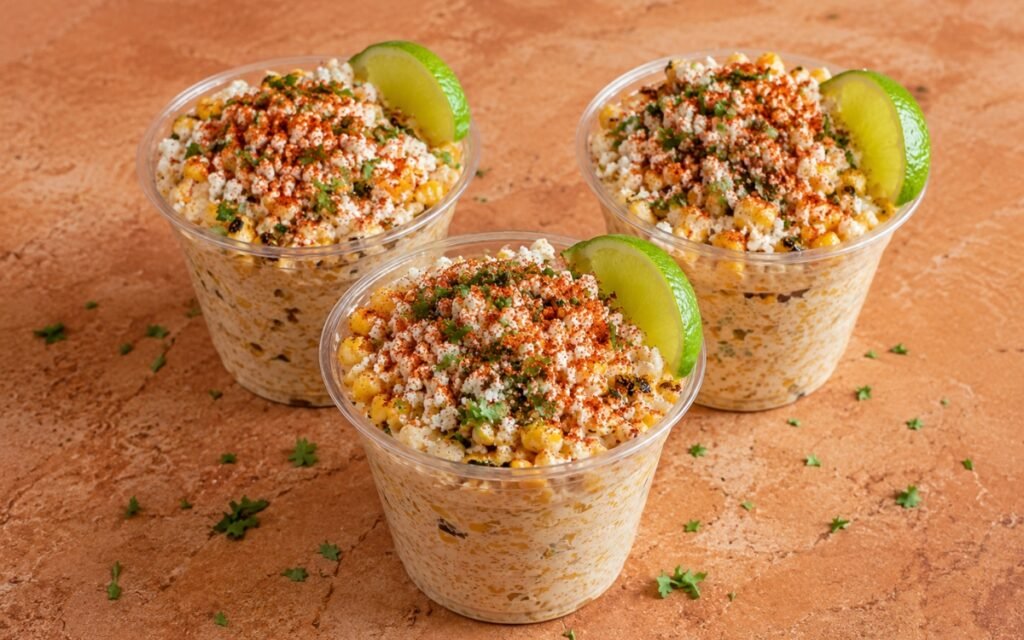
Charred grilled corn kernels mixed hot into a glossy mayonnaise-crema base, piled into cups with heavy cotija and a dusting of chilli powder.
Huevos a la Mexicana
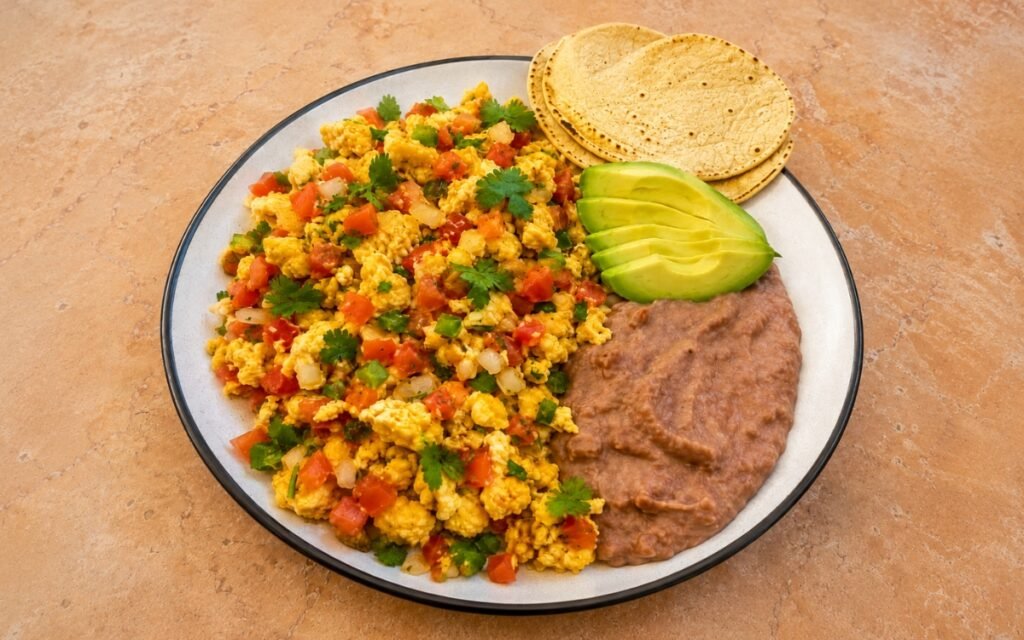
Softly scrambled eggs cooked with diced tomato, onion, and jalapeño, served with warm refried beans, sliced avocado, and tortillas.

You might also like
You might also like
Carne Asada Fries
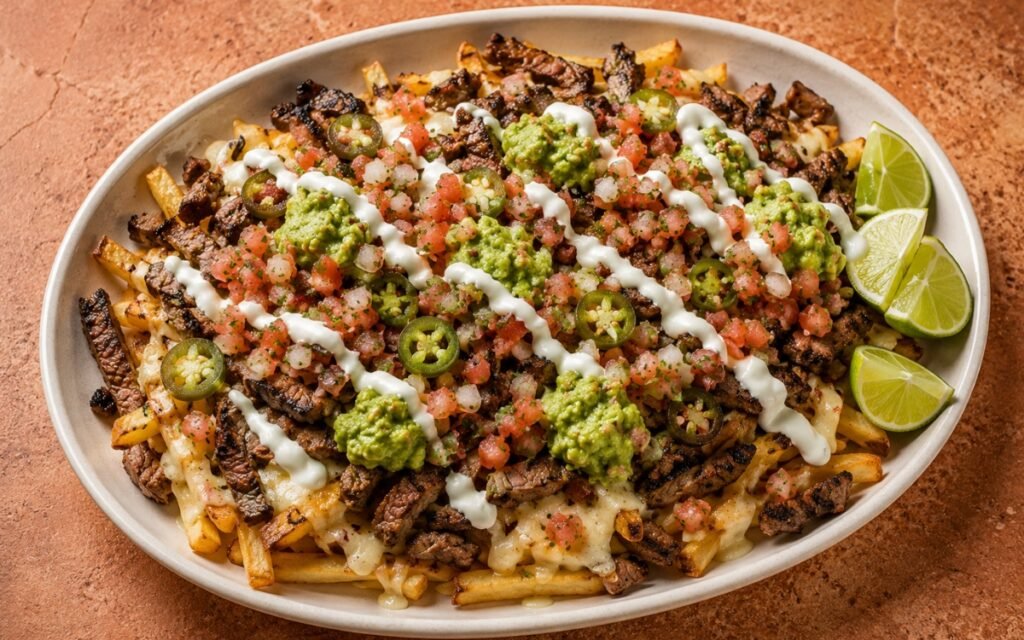
Double-fried thick-cut fries layered with charred citrus-marinated carne asada, melted mozzarella and cotija, guacamole, and pico de gallo.
Colombian Empanadas
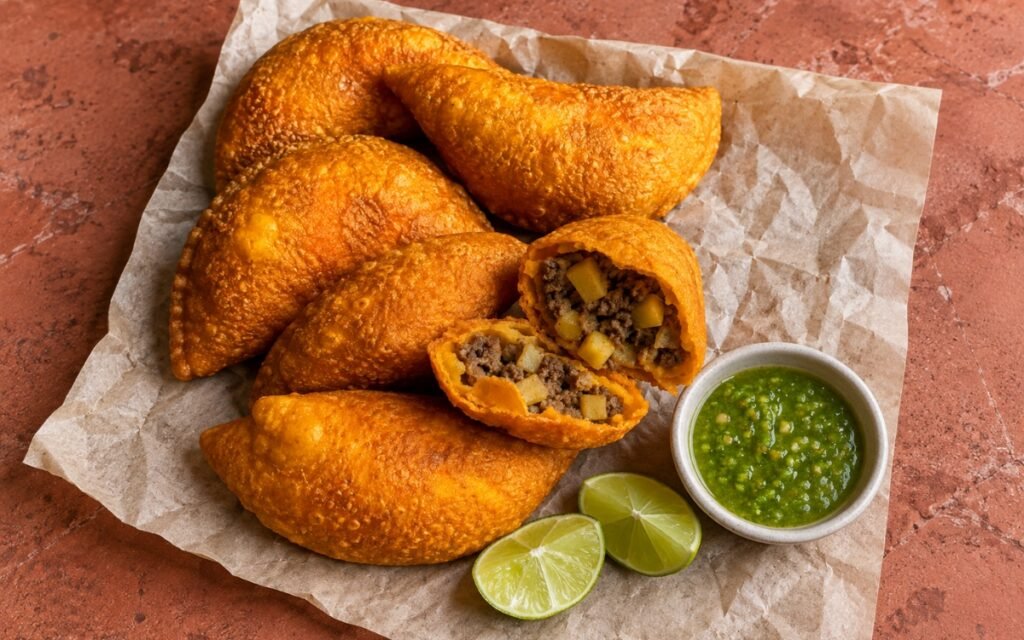
Crisp golden corn masa shells filled with savory potato-beef filling, served with bright ají picante and lime wedges.
Garlic Butter Steak Bites
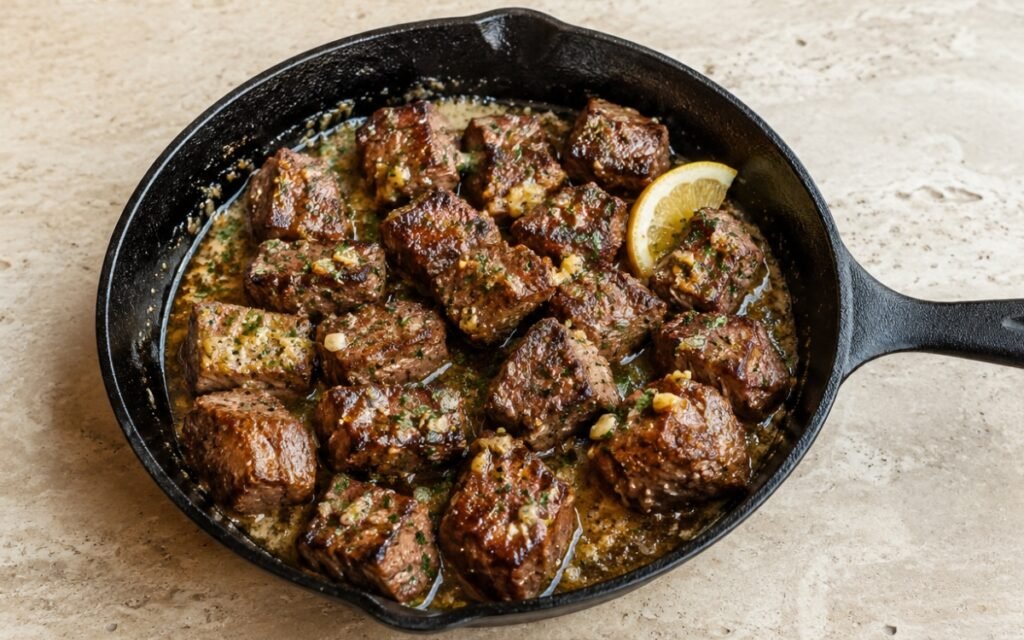
Large seared steak cubes with dark crust and juicy centers, tossed in glossy garlic butter with parsley, lemon, and black pepper.
Crispy Cheesy Beef Taquitos with Creamy Avocado Sauce
Ingredients
Method
- If making homemade tortillas, combine the masa harina and salt in a bowl. Pour in the warm water and mix until no dry flour remains. Knead briefly in the bowl for 1–2 minutes until a smooth dough forms. Divide into 16 equal balls, about 40g each. Keep them covered with a damp towel so the surface does not dry out. Press each ball between plastic or baking paper in a tortilla press, or flatten with a heavy pan, into small round tortillas about 13–15cm wide. Cook each tortilla on a hot dry skillet or comal until the surface looks matte and lightly set, about 30–45 seconds on the first side, 45 seconds on the second, then a brief final flip. Keep the cooked tortillas stacked and wrapped in a towel so they stay warm and pliable. The tortillas should be fully flexible and warm, not crisp or dry. If they cool too much before rolling, they will crack instead of wrapping tightly around the filling. Homemade tortillas must stay covered and warm until assembly. This matters more here than for table tortillas because rolled taquitos need maximum flexibility.
- Heat the oil in a heavy pot or Dutch oven over medium-high heat. Season the beef with the salt, pepper, cumin, garlic powder, onion powder, oregano, and smoked paprika. Sear the beef in batches until well browned on several sides. Remove to a plate. Add the sliced onion to the pot and cook until softened and lightly golden. Add the garlic and cook briefly, about 30 seconds. Return the beef to the pot. Add the stock or water and the bay leaf. Bring to a light simmer, cover, lower the heat, and cook gently for 1½ to 2 hours, until the beef is fully tender and pulls apart easily with a fork. Transfer the beef to a bowl. Discard the bay leaf. Let the beef cool just enough to handle, then shred finely with two forks. Return the shredded beef to the pot with a few spoonfuls of the reduced cooking liquid and cook uncovered for a few minutes until moist, savory, and concentrated, not wet. The beef is ready when it shreds easily and stays juicy, but there should not be loose liquid pooling around it. Wet filling softens the tortillas and causes spluttering during frying.
- Add the avocados, sour cream or crema, mayonnaise, garlic, jalapeño, lime juice, cilantro, and salt to a blender or food processor. Blend until smooth. Add cold water a little at a time until the sauce is thick but drizzleable. Taste and adjust salt if needed. Transfer to a bowl or squeeze bottle and refrigerate until needed. The sauce should be thick enough to sit in soft ribbons across the taquitos, not so thin that it runs off immediately.
- Set up an assembly area with the warm tortillas, shredded beef, Mexican cheese blend, cotija, and a tray or plate for the rolled taquitos. For each tortilla, place a narrow line of shredded beef slightly below the center. Top with a small amount of shredded Mexican cheese blend and a little cotija. Keep the filling compact and do not overfill. Roll tightly into a cigar shape and place seam-side down. Repeat with the remaining tortillas and filling. If any tortilla resists rolling, warm it again briefly before using. The taquitos should be tightly rolled and compact. A loose roll opens in the oil, while an overfilled roll bursts at the seam before the shell crisps.
- Heat the frying oil to 175–180°C. Fry the taquitos in batches, seam-side down first, for 3–5 minutes, turning as needed, until evenly deep golden-brown and crisp. Transfer to a wire rack or paper-lined tray. While still hot, lightly season with a little extra salt if needed. The shell should be deeply golden and rigidly crisp, and the cheese at the ends should be visibly melted. If removed too early, the tortilla stays pale and leathery instead of shatter-crisp. Do not crowd the fryer. Overcrowding drops the oil temperature and produces greasy taquitos rather than crisp ones.
- Arrange the hot taquitos tightly on a serving plate. Drizzle generously with the creamy avocado sauce in thick ribbons. Scatter over the crumbled queso fresco and fresh cilantro. Serve immediately while the shells are still crisp and the cheese is molten inside.