
Skirt Steak Fajita
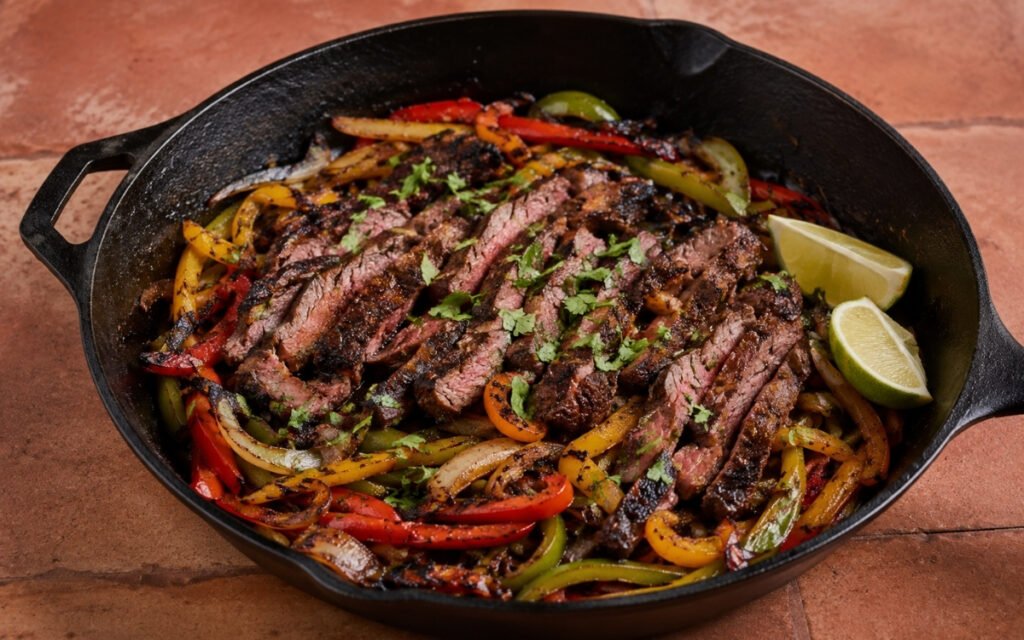
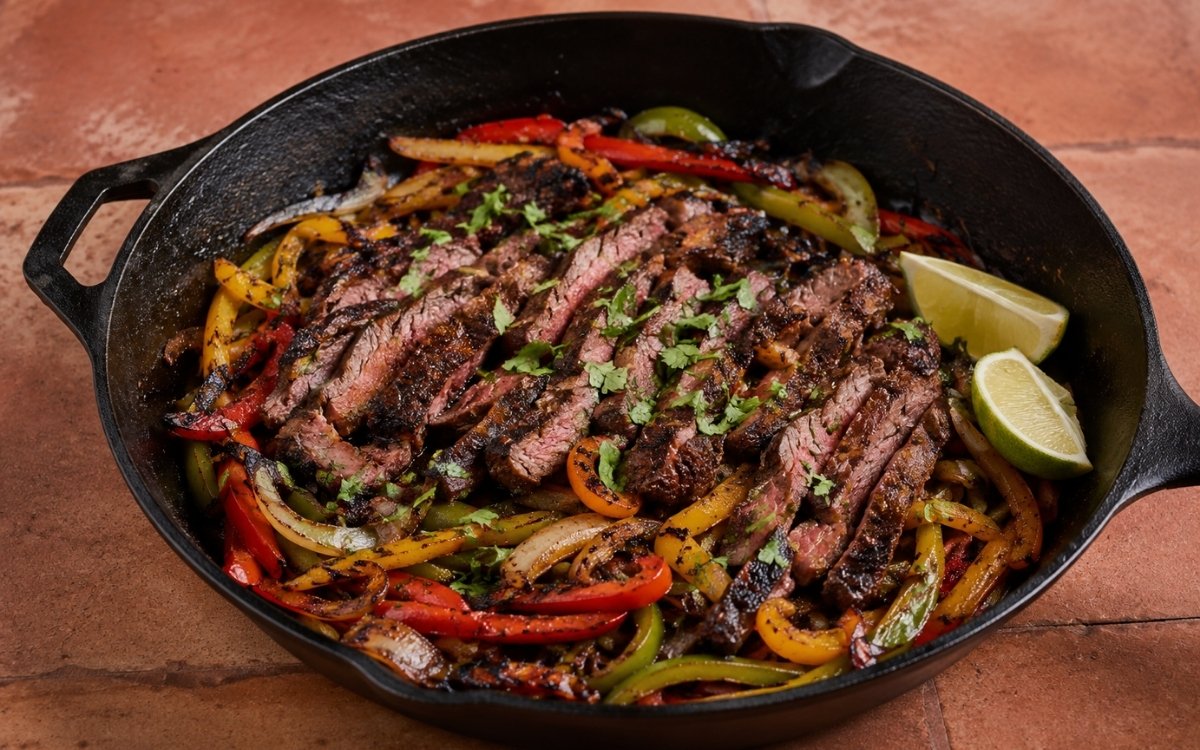
The steak fajita plays by different rules than the Chicken Fajita and Shrimp Fajita — the marinade goes on the vegetables rather than the steak, the steak is dry-brined for a superior crust, and the entire cooking process is built around achieving a perfect medium-rare before anything else. Skirt steak’s intense, beefy flavour and quick cooking time make it the most rewarding protein in the fajita collection: a screaming-hot cast iron sear, a proper rest, sliced against the grain, and combined with charred peppers and onions cooked in the full spiced marinade until the vegetables are deeply flavoured and caramelised. At its best alongside Classic Guacamole, Pico de Gallo, Salsa Verde, or Red Chimichurri.
Prep Time : 15 min
Cook Time : 20 min
Servings : 4
15 min
20 min
4
Ingredients
For the Steak
• 600g skirt steak
• Salt, generously — for dry brining or direct seasoning
• Freshly ground black pepper
• Olive oil, for the pan
For the Vegetables
• 3 bell peppers, one each of green, yellow, and red, sliced into strips
• 3 medium white onions, sliced into feathers
• Olive oil, for the pan
For the Fajita Marinade (goes on the vegetables, not the steak)
• 2 tbsp extra-virgin olive oil — this one on Amazon
• 2 tsp smoked paprika
• 1 tsp dried oregano
• 2 tsp ground cumin — this one on Amazon
• Juice of 1 lime
• 1 tsp lime zest
• 2 tsp garlic powder
This post may contain affiliate links. As an Amazon Associate I earn from qualifying purchases, at no additional cost to you.
Directions
- Dry Brine the Steak (Optional but Strongly Recommended)
The steak fajita is the one version in the fajita collection where the marinade does not go on the protein — and the reason is specific to steak cookery. Acid marinades applied to beef before a high-heat sear draw surface moisture out of the meat, creating a wet exterior that steams rather than sears when it contacts the hot pan and prevents the formation of the deep, dark, caramelised crust that is the defining quality of a properly cooked skirt steak. Instead, the steak is prepared through dry brining — a technique that produces a superior crust, a more deeply seasoned piece of meat, and a better-textured result than any marinade can achieve on beef. Place the skirt steak on a wire rack set over a plate or rimmed baking sheet. Season extremely generously with salt on all surfaces — both flat sides and all edges. The quantity should look excessive: a visible, even coating of salt crystals across every surface. Place uncovered in the refrigerator for 3–4 hours. During this time, the salt first draws a small amount of surface moisture out of the meat through osmosis, then dissolves into that moisture to form a concentrated brine that is reabsorbed back into the meat as the proteins relax. This process seasons the steak throughout rather than only at the surface and, critically, dries the exterior during the refrigerator rest — producing a dry, surface-concentrated protein layer that will caramelise powerfully when it contacts the hot pan. If time does not permit the full dry brine, season generously with salt and black pepper immediately before cooking and proceed directly to the sear — still a good result, just not as spectacular as the dry-brined version. - Make the Marinade
In a medium bowl, combine the smoked paprika, dried oregano, ground cumin, garlic powder, lime zest, lime juice, and olive oil. Whisk until evenly combined. In the chicken and shrimp fajita versions, this marinade is applied to the protein before cooking. In the steak version, it is reserved entirely for the vegetables — added to the vegetable pan in the final stage of cooking, where the direct heat blooms all the spices into the olive oil and the caramelising vegetables absorb the full flavour of the marinade over 3–5 minutes. This technique produces vegetables that taste deeply spiced throughout rather than simply charred, and it allows the steak to be cooked with precision and without the surface-moisture complications of a marinated piece of beef. Set the marinade aside until needed. - Slice the Onions into Feathers
Peel the white onions and cut the top and root ends off each one. Halve each onion from root to tip. Place each half flat on the cutting board and slice vertically from top to bottom following the natural lines of the onion’s layers — long, thin feather strips rather than rings. The vertical feather cut produces strips that char at their thin ends while remaining juicy in the thicker middle sections, weaving together with the pepper strips in the finished fajita to create a cohesive vegetable mixture. Combine all three onions in a large bowl. - Slice the Peppers
Cut the top and bottom off each bell pepper. Stand each pepper upright and slice the four curved walls of flesh away from the central seed column. Trim any remaining white pith or seed membrane from the inside of each wall piece — the pith is bitter. Slice each flat wall piece and the bottom pieces into consistent strips matching the onion feather thickness, approximately 5–7mm wide. Combine all sliced pepper strips with the onion feathers and toss together. The green, yellow, and red combination produces a full range of flavour from the slightly bitter vegetal green through the mild sweetness of yellow to the high-sugar, caramelising sweetness of red — more complexity than any single colour produces alone. - Sear the Steak to Medium-Rare
Remove the dry-brined steak from the refrigerator 20–30 minutes before cooking. Pat every surface firmly and thoroughly with paper towels — this is the single most important pre-cooking step for a dry-brined steak. The brine reabsorption process leaves a slightly damp surface film that must be completely removed before the steak touches the pan. Even slight surface moisture creates steam on contact with the hot cast iron and prevents the crust from forming properly in the critical first 30 seconds of cooking. The surface should feel dry, almost papery, before the steak goes in. Heat a large cast iron skillet over the highest heat your stove produces for a full 3 minutes until the surface is smoking lightly. Add a small amount of olive oil and swirl to coat. Lay the steak flat on the surface — if the skirt steak is too long to fit, cut it into 2–3 sections to ensure every part lies flat with full surface contact. Do not move the steak for 2–3 minutes. The crust must form through uninterrupted, sustained contact between the dry beef surface and the screaming-hot pan — moving it before the crust has set tears it rather than releasing it. The steak is ready to flip when it releases naturally from the pan surface without resistance. If it pulls and sticks, it needs more time. Flip to the second side and cook for 2–3 minutes. Skirt steak is a thin cut that moves through temperature zones quickly — the difference between medium-rare and medium can be as little as 60–90 seconds of additional cooking. Use an instant-read thermometer and pull the steak at 54°C (130°F) for medium-rare — carry-over cooking during the rest will bring it to 57–60°C. Pull at 60°C for medium. Remove to a cutting board, tent loosely with foil, and rest for 5 minutes minimum. - Read the Doneness Correctly
The temperature targets for skirt steak are: 54°C (130°F) for medium-rare — the ideal for skirt steak’s lean, flavourful muscle, producing a pink, juicy interior with maximum tenderness. 60°C (140°F) for medium — slightly firmer, still juicy, acceptable. 66°C (150°F) for medium-well — significantly firmer, noticeably less juicy, the point at which skirt steak’s leanness becomes a liability as moisture is driven out by the higher internal temperature. Beyond medium-well, skirt steak dries and toughens progressively — the relatively low fat content provides insufficient internal basting to keep the meat pleasant at higher temperatures. This is not a subjective preference: skirt steak at well-done is a different, noticeably inferior eating experience from skirt steak at medium-rare, and the recipe is designed around the medium-rare result. - Cook the Vegetables and Add the Marinade
Without cleaning the pan — the beef fond caramelised onto the surface is concentrated flavour — add the sliced pepper and onion mixture with a drizzle of olive oil. Cook over high heat, stirring frequently, for 5–6 minutes until the vegetables have softened, charred at the edges, and caramelised. Push the charring further than feels comfortable — you can and should see dark spots on the onion feather tips and pepper edges. When the vegetables are charred and caramelised to the desired degree, pour the entire reserved spiced marinade over them. The marinade hits the hot pan and sizzles dramatically — stir immediately and continuously for 3–5 minutes as the liquid reduces and the olive oil carries the spices into every surface of the vegetable mixture. This is the moment where the vegetable component of the fajita transforms from simply charred peppers and onions into deeply spiced, aromatic, richly flavoured vegetables — the cumin blooms in the hot oil, the paprika’s colour intensifies and distributes across every piece, and the lime juice’s steam carries bright citrus through the entire pan. Taste the vegetables at this point and add salt as needed — the steak was heavily salted through dry brining, and the vegetables will need their own seasoning now that the marinade has been added. - Slice the Steak Against the Grain and Combine
Identify the grain direction of the rested skirt steak — the visible parallel lines of muscle fibre running along the length of the cut. Skirt steak has a very pronounced, clearly visible grain. Slice firmly and decisively against the grain — perpendicular to the muscle fibre lines — into strips approximately 1–1.5cm thick. Against-the-grain slicing is non-negotiable for skirt steak: cutting with the grain produces long, unbroken muscle fibres that make each bite chewy and stringy regardless of the cooking temperature achieved. Against-the-grain slicing breaks the fibres into short segments that are immediately tender. Transfer the sliced steak and all accumulated resting juices from the cutting board to the bowl with the cooked vegetables. Toss once to combine — the steak juices mix with the marinade-coated vegetables to form a cohesive, lightly sauced mixture. Taste and adjust salt across the entire combined mixture. Rest for 5 minutes before serving — the temperatures equalise, the juices redistribute, and all the flavour components integrate.
*Notes :
- The structural difference between the steak fajita and the chicken and shrimp versions — marinade on the vegetables rather than on the protein — is a practical technique decision rather than a flavour one. Acid marinades are genuinely useful on chicken thighs: the lactic acid and lime begin tenderising the surface protein structure and the spices penetrate the meat during the marinating window, producing a more deeply flavoured piece of cooked chicken than an unmarinated one. On beef, the same marinade produces a different result: acid draws moisture to the surface, creating the wet exterior that inhibits searing, and the spices in the marinade that contact the very hot pan can burn before the crust develops. By applying the marinade to the vegetables instead, the recipe achieves the full spice flavour of the marinade in the finished dish — just through a different route — while allowing the steak to be cooked with the clean, dry surface that produces the best possible crust.
- The dry brine technique produces measurably better results than simply salting before cooking, and the difference is immediately apparent in the finished steak. The 3–4 hours of uncovered refrigerator time after salting produces a surface that is dry, concentrated in protein, and visibly darker in colour than a freshly-salted piece of meat. This surface state produces faster, more powerful Maillard browning on contact with the hot pan — the crust develops in 2–3 minutes rather than the longer searing time a wetter surface would require — and the salt has been absorbed throughout the steak rather than sitting only on the outside.
- Skirt steak is the traditional cut for fajitas and its selection is not accidental. Its intense beef flavour comes from the diaphragm muscle’s active, well-worked character — the same reason the cut requires against-the-grain slicing. No other cut replicates the specific, deep, beefy flavour of properly cooked skirt steak. Flank steak is the closest substitute and can replace it in this recipe with the same technique — it is slightly less flavourful but more uniform in thickness and produces a more even sear.
Why This Recipe Works
This recipe works because it separates the marinade and protein roles that are combined in other fajita versions, applying each technique where it achieves the most impact. The dry brine produces the superior crust and thorough seasoning that no marinade can match on beef. The reserved marinade added to the vegetables produces deeply spiced, aromatic vegetables that contribute as much flavour to the finished dish as the steak itself.
The high-heat sear to medium-rare produces the specific juicy, slightly charred, deeply flavoured skirt steak that the fajita format is designed around. The against-the-grain slicing makes a naturally fibrous cut immediately and completely tender. Every decision is in service of the specific qualities that make a steak fajita distinctly excellent rather than simply a fajita with steak in it.
Ingredient Breakdown
Skirt Steak (Dry-Brined)
The traditional fajita cut — intensely flavoured, quickly cooked, with a pronounced grain requiring against-the-grain slicing for tenderness. Dry brine for superior crust and thorough seasoning.
Fajita Marinade (On the Vegetables)
The spice delivery vehicle — applied to the vegetables in the pan rather than the steak, blooming in the hot oil to produce deeply flavoured, aromatic charred vegetables.
Smoked Paprika
The warm, smoky signature of the fajita spice profile — blooms in the olive oil when added to the hot vegetable pan and colours every piece of pepper and onion.
Ground Cumin
The earthy, warm backbone — essential to Tex-Mex seasoning, provides the savory depth that bridges the steak’s beefiness to the charred vegetables.
Lime Juice and Zest
The brightness element — added as part of the marinade to the vegetables, where the citrus steam carries through the pan and its acidity lifts the richness of the beef fat and charred vegetables.
Three-Colour Bell Peppers and White Onion
The charred, caramelised vegetable base — charred first for texture and sweetness, then cooked in the marinade for full spice penetration.
Flavor Structure Explained
This fajita follows a layered balance model:
- Savory-rich core (seared steak)
- Sweet-bitter char (peppers, onions)
- Bright acidity (lime)
- Warm spice bridge (cumin, smoked paprika)
- Sharp herbal contrast (red chimichurri)
Steak defines the primary layer with a deeply caramelised crust, slight bitterness, and a rich, juicy interior that delivers full beef intensity. Vegetables form the secondary layer, adding caramelised sweetness and charred edges that contrast the meat. Lime sharpens the vegetable side, lifting and balancing the overall profile. Cumin and smoked paprika bridge both components, tying richness and sweetness into a coherent flavor. Optionally Red chimichurri would add a distinct top layer — acidic, herby, and slightly smoky — cutting through the steak and completing the dish with a final contrasting note.
Common Mistakes to Avoid
- Not Drying the Steak Before Searing – Any surface moisture — from the dry brine, from refrigerator condensation, or from handling — must be removed with paper towels before the steak touches the pan. Moisture on the surface prevents the crust formation that defines this recipe.
- Moving the Steak Before the Crust Sets – The crust forms through sustained, uninterrupted contact. A steak that sticks when you try to lift it at the 2-minute mark needs more time, not force. Forcing it tears the developing crust.
- Cooking Past Medium – Skirt steak’s leanness makes it noticeably dry and tough past medium. Use a thermometer. Pull at 54°C for medium-rare.
- Not Slicing Against the Grain – Skirt steak’s pronounced grain runs clearly along the length of the cut. Slicing with the grain produces stringy, chewy strips. Slicing against it produces tender, yielding pieces.
- Adding the Marinade to the Vegetables Too Early – The marinade should go in when the vegetables are already charred and caramelised — not at the beginning. If added too early, the liquid steams the vegetables rather than allowing the char to develop, and the spices cook for too long and can taste bitter.
- Not Tasting the Combined Dish Before Serving – The steak was heavily salted through dry brining; the vegetables were seasoned separately during cooking. The combined dish may need additional salt, or it may need none. Always taste before serving.
Variations
Chicken Fajita
The same vegetable preparation and similar spice profile — but the marinade goes on the chicken thighs rather than the vegetables, the cooking time extends to 3–4 minutes per side for the whole thighs, and the marinating window can be as long as 24 hours. Full recipe and technique at Chicken Fajita.
Shrimp Fajita
Same spice profile, same vegetables — but the shrimp marinate for a maximum of 30 minutes due to lime acid, sear for only 30–45 seconds per side, and are removed from the pan immediately. Full recipe and technique at Shrimp Fajita.
Red Chimichurri Version
Serve with a generous spoonful of Red Chimichurri directly over the sliced steak rather than as a side condiment. The chimichurri’s acid and herb oil penetrate the hot resting steak surface and combine with the resting juices into a spontaneous sauce — the classic South American combination of skirt steak and chimichurri in fajita format.
Flank Steak Version
Replace skirt steak with 600g of flank steak. The technique is identical but flank steak is slightly thicker and more uniform — increase searing time to 3–4 minutes per side and pull at the same 54°C target.
Storage & Make-Ahead
Cooked fajita mixture can be refrigerated in an airtight container for up to 3 days. To reheat it, warm it in a hot, dry skillet for 2 to 3 minutes, which helps bring back some of the charred flavor. Keep in mind that the steak will continue to cook slightly during reheating, so it is best eaten on the day it is made if you want the best medium-rare texture.
Uncooked steak can be dry-brined and refrigerated uncovered on a wire rack for up to 24 hours. Extending the dry brine beyond 4 hours will deepen the flavor and dry the surface even more, which helps with browning. After 24 hours, however, the salt will start to cure the meat and change its texture.
Sliced raw vegetables can be prepared up to 24 hours in advance and stored in a sealed container in the refrigerator.
The marinade can be made up to 3 days ahead and refrigerated in a sealed jar. Before using it, let it sit at room temperature for about 15 minutes so it is not cold when it goes into the hot pan.
Frequently Asked Questions
Why does the marinade go on the vegetables and not the steak?
Acid marinades on beef produce surface moisture that prevents the crust from forming properly in the pan — the wet surface steams rather than sears. The dry brine technique on the steak achieves thorough seasoning and superior crust without the surface-moisture problem. The marinade applied to the hot vegetable pan still delivers its full spice flavour to the finished dish — through a different route.
What is the difference between inside and outside skirt steak?
Outside skirt is thicker, more uniform, and more flavourful — the preferred choice. Inside skirt is thinner and more variable in thickness. Specify outside skirt at the butcher when possible.
Can I cook the steak to well-done?
Technically yes, but skirt steak’s relatively lean muscle structure produces a noticeably dry, tough result at well-done temperatures. The recipe is designed around medium-rare for a reason — this is the temperature at which skirt steak is most tender and most flavourful.
What condiments work best with steak fajita?
Red Chimichurri is the most specific and natural pairing — skirt steak and chimichurri is one of the great combinations in South American cooking and it works equally well in fajita format. Classic Guacamole, Pico de Gallo, and Salsa Verde all pair naturally. For a bowl format, Cilantro Lime Jasmine Rice as the base makes a complete and satisfying steak fajita bowl.
How do I identify the grain in skirt steak?
The grain in skirt steak is one of the most clearly visible of any beef cut — wide, obvious parallel lines running along the full length of the cut. Slice perpendicular to these lines, cutting across all of them in a single stroke for each slice. If your slices are pulling apart in long stringy strands, you are cutting with the grain rather than against it.
Nutrition Facts
( per serving )
Calories
~410 kcal
Protein
44 g
Fat
18 g
Carbs
15 g
Calories
~410 kcal
Protein
44 g
Fat
18 g
Carbs
15 g
Related Recipes
Related Recipes

Italian Fried Chicken Cutlets
Crispy Parmesan-crusted chicken cutlets with golden breadcrumb coating—juicy, flavorful perfection.
Braised Beef Chuck Steak
Tough chuck steak transforms into fork-tender perfection through slow braising with wine and aromatics.
Garlic Shrimp Skewers
Shrimp marinated 30 minutes in garlic herb butter, threaded on double skewers, grilled fast with fresh butter basting until charred. Juicy and garlicky.
You might also like
You might also like
Suadero Tacos
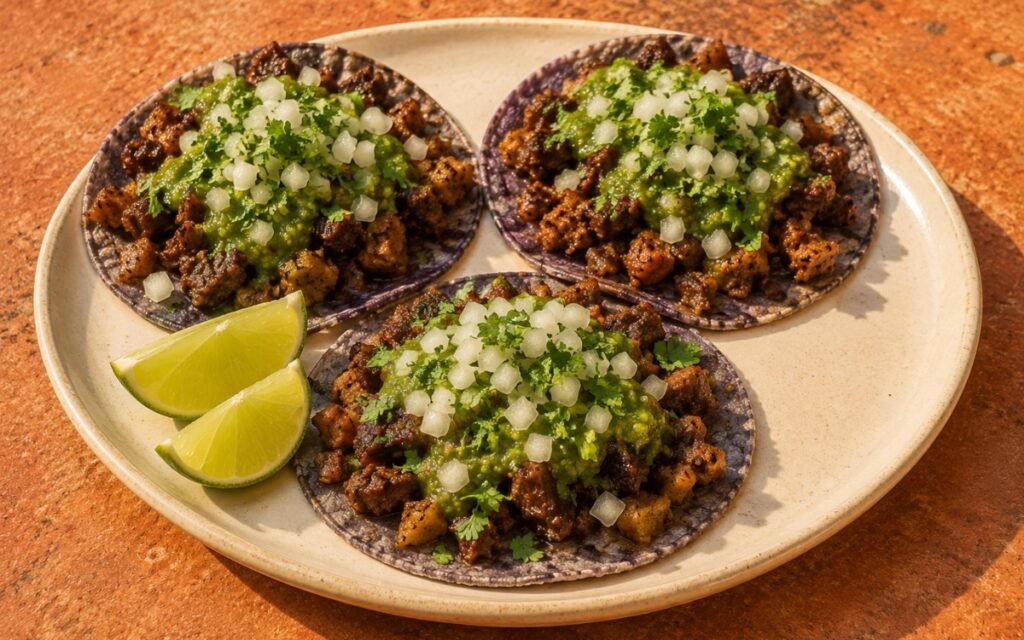
Slow-braised suadero beef crisped hot and fast in a skillet, mixed with crispy chicharrón, and piled onto blue corn tortillas with bright salsa verde.
Crispy Cheesy Beef Taquitos
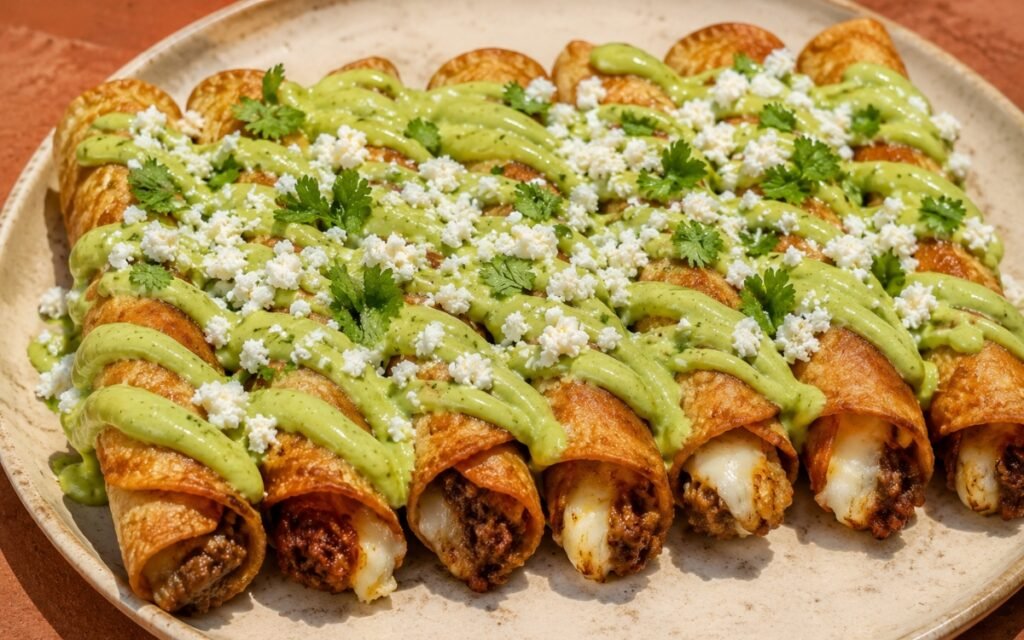
Slow-braised shredded beef and melted Mexican cheese rolled tightly in corn tortillas, fried crisp, and finished with creamy avocado sauce.
Fish Tacos with Mango Salsa
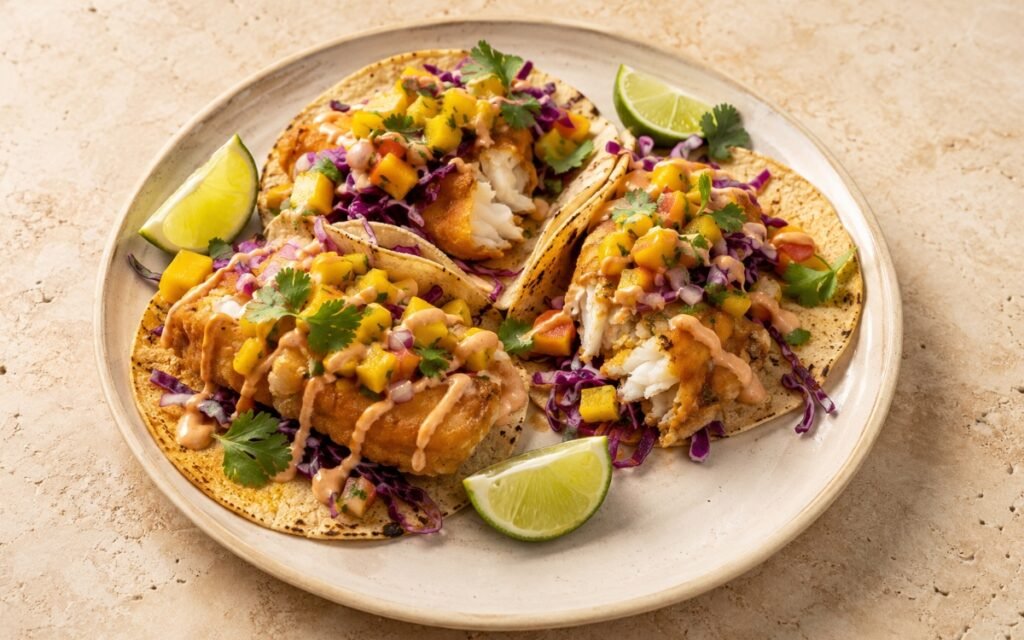
Cod dredged and battered cold, fried until golden and crisp, piled onto small corn tortillas with purple cabbage, mango salsa, and chipotle crema.
Skirt Steak Fajita
Ingredients
Method
- The steak fajita is the one version in the fajita collection where the marinade does not go on the protein — and the reason is specific to steak cookery. Acid marinades applied to beef before a high-heat sear draw surface moisture out of the meat, creating a wet exterior that steams rather than sears when it contacts the hot pan and prevents the formation of the deep, dark, caramelised crust that is the defining quality of a properly cooked skirt steak. Instead, the steak is prepared through dry brining — a technique that produces a superior crust, a more deeply seasoned piece of meat, and a better-textured result than any marinade can achieve on beef. Place the skirt steak on a wire rack set over a plate or rimmed baking sheet. Season extremely generously with salt on all surfaces — both flat sides and all edges. The quantity should look excessive: a visible, even coating of salt crystals across every surface. Place uncovered in the refrigerator for 3–4 hours. During this time, the salt first draws a small amount of surface moisture out of the meat through osmosis, then dissolves into that moisture to form a concentrated brine that is reabsorbed back into the meat as the proteins relax. This process seasons the steak throughout rather than only at the surface and, critically, dries the exterior during the refrigerator rest — producing a dry, surface-concentrated protein layer that will caramelise powerfully when it contacts the hot pan. If time does not permit the full dry brine, season generously with salt and black pepper immediately before cooking and proceed directly to the sear — still a good result, just not as spectacular as the dry-brined version.
- In a medium bowl, combine the smoked paprika, dried oregano, ground cumin, garlic powder, lime zest, lime juice, and olive oil. Whisk until evenly combined. In the chicken and shrimp fajita versions, this marinade is applied to the protein before cooking. In the steak version, it is reserved entirely for the vegetables — added to the vegetable pan in the final stage of cooking, where the direct heat blooms all the spices into the olive oil and the caramelising vegetables absorb the full flavour of the marinade over 3–5 minutes. This technique produces vegetables that taste deeply spiced throughout rather than simply charred, and it allows the steak to be cooked with precision and without the surface-moisture complications of a marinated piece of beef. Set the marinade aside until needed.
- Peel the white onions and cut the top and root ends off each one. Halve each onion from root to tip. Place each half flat on the cutting board and slice vertically from top to bottom following the natural lines of the onion’s layers — long, thin feather strips rather than rings. The vertical feather cut produces strips that char at their thin ends while remaining juicy in the thicker middle sections, weaving together with the pepper strips in the finished fajita to create a cohesive vegetable mixture. Combine all three onions in a large bowl.
- Cut the top and bottom off each bell pepper. Stand each pepper upright and slice the four curved walls of flesh away from the central seed column. Trim any remaining white pith or seed membrane from the inside of each wall piece — the pith is bitter. Slice each flat wall piece and the bottom pieces into consistent strips matching the onion feather thickness, approximately 5–7mm wide. Combine all sliced pepper strips with the onion feathers and toss together. The green, yellow, and red combination produces a full range of flavour from the slightly bitter vegetal green through the mild sweetness of yellow to the high-sugar, caramelising sweetness of red — more complexity than any single colour produces alone.
- Remove the dry-brined steak from the refrigerator 20–30 minutes before cooking. Pat every surface firmly and thoroughly with paper towels — this is the single most important pre-cooking step for a dry-brined steak. The brine reabsorption process leaves a slightly damp surface film that must be completely removed before the steak touches the pan. Even slight surface moisture creates steam on contact with the hot cast iron and prevents the crust from forming properly in the critical first 30 seconds of cooking. The surface should feel dry, almost papery, before the steak goes in. Heat a large cast iron skillet over the highest heat your stove produces for a full 3 minutes until the surface is smoking lightly. Add a small amount of olive oil and swirl to coat. Lay the steak flat on the surface — if the skirt steak is too long to fit, cut it into 2–3 sections to ensure every part lies flat with full surface contact. Do not move the steak for 2–3 minutes. The crust must form through uninterrupted, sustained contact between the dry beef surface and the screaming-hot pan — moving it before the crust has set tears it rather than releasing it. The steak is ready to flip when it releases naturally from the pan surface without resistance. If it pulls and sticks, it needs more time. Flip to the second side and cook for 2–3 minutes. Skirt steak is a thin cut that moves through temperature zones quickly — the difference between medium-rare and medium can be as little as 60–90 seconds of additional cooking. Use an instant-read thermometer and pull the steak at 54°C (130°F) for medium-rare — carry-over cooking during the rest will bring it to 57–60°C. Pull at 60°C for medium. Remove to a cutting board, tent loosely with foil, and rest for 5 minutes minimum.
- The temperature targets for skirt steak are: 54°C (130°F) for medium-rare — the ideal for skirt steak’s lean, flavourful muscle, producing a pink, juicy interior with maximum tenderness. 60°C (140°F) for medium — slightly firmer, still juicy, acceptable. 66°C (150°F) for medium-well — significantly firmer, noticeably less juicy, the point at which skirt steak’s leanness becomes a liability as moisture is driven out by the higher internal temperature. Beyond medium-well, skirt steak dries and toughens progressively — the relatively low fat content provides insufficient internal basting to keep the meat pleasant at higher temperatures. This is not a subjective preference: skirt steak at well-done is a different, noticeably inferior eating experience from skirt steak at medium-rare, and the recipe is designed around the medium-rare result.
- Without cleaning the pan — the beef fond caramelised onto the surface is concentrated flavour — add the sliced pepper and onion mixture with a drizzle of olive oil. Cook over high heat, stirring frequently, for 5–6 minutes until the vegetables have softened, charred at the edges, and caramelised. Push the charring further than feels comfortable — you can and should see dark spots on the onion feather tips and pepper edges. When the vegetables are charred and caramelised to the desired degree, pour the entire reserved spiced marinade over them. The marinade hits the hot pan and sizzles dramatically — stir immediately and continuously for 3–5 minutes as the liquid reduces and the olive oil carries the spices into every surface of the vegetable mixture. This is the moment where the vegetable component of the fajita transforms from simply charred peppers and onions into deeply spiced, aromatic, richly flavoured vegetables — the cumin blooms in the hot oil, the paprika’s colour intensifies and distributes across every piece, and the lime juice’s steam carries bright citrus through the entire pan. Taste the vegetables at this point and add salt as needed — the steak was heavily salted through dry brining, and the vegetables will need their own seasoning now that the marinade has been added.
- Identify the grain direction of the rested skirt steak — the visible parallel lines of muscle fibre running along the length of the cut. Skirt steak has a very pronounced, clearly visible grain. Slice firmly and decisively against the grain — perpendicular to the muscle fibre lines — into strips approximately 1–1.5cm thick. Against-the-grain slicing is non-negotiable for skirt steak: cutting with the grain produces long, unbroken muscle fibres that make each bite chewy and stringy regardless of the cooking temperature achieved. Against-the-grain slicing breaks the fibres into short segments that are immediately tender. Transfer the sliced steak and all accumulated resting juices from the cutting board to the bowl with the cooked vegetables. Toss once to combine — the steak juices mix with the marinade-coated vegetables to form a cohesive, lightly sauced mixture. Taste and adjust salt across the entire combined mixture. Rest for 5 minutes before serving — the temperatures equalise, the juices redistribute, and all the flavour components integrate.