
Za’atar White Bean Salad
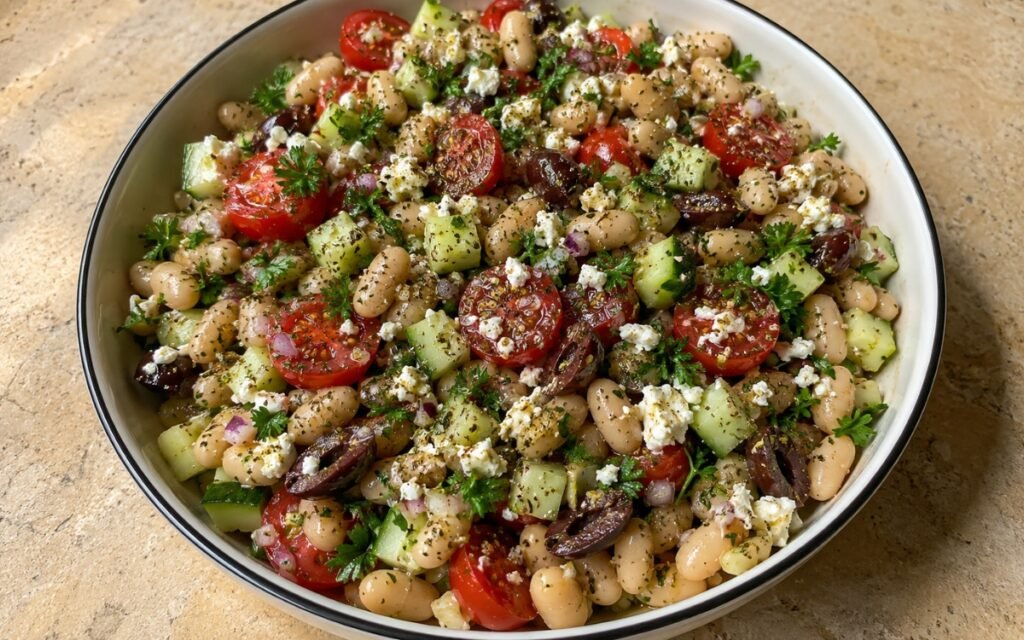
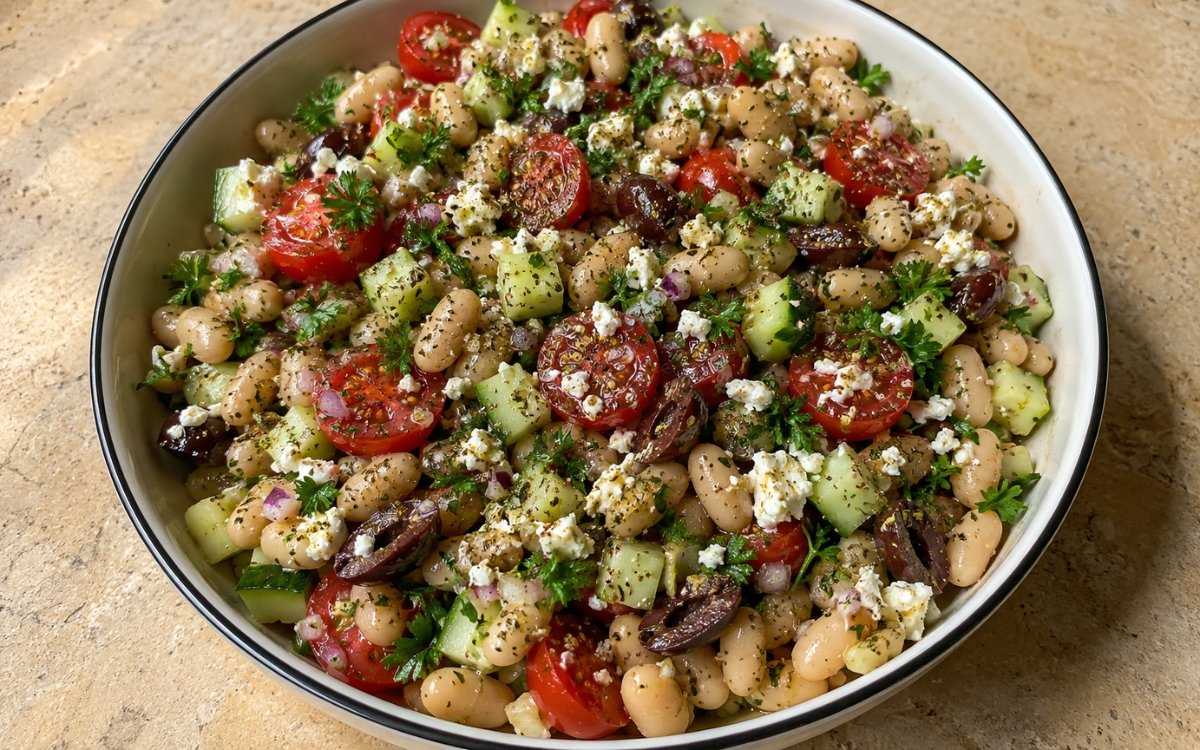
This za’atar white bean salad combines creamy cannellini beans with fresh vegetables and aromatic Middle Eastern spices. The za’atar spice blend adds earthy, herbal notes while lemon juice brightens the entire dish. It’s a protein-rich, satisfying salad that works as a light main course or hearty side dish.
Prep Time : 15 min
Cook Time : 0 min
Servings : 4
15 min
0 min
4
Ingredients
For the Dressing
• 45ml fresh lemon juice
• 40ml olive oil — this one on Amazon
• 15g za’atar spice blend — this one on Amazon
• 1 clove garlic, minced
• 3g salt
• 1g black pepper
For the Salad
• 480g canned white beans, drained and rinsed
• 200g cherry tomatoes, halved
• 150g cucumber, diced
• 80g red onion, finely diced
• 50g Kalamata olives, pitted and halved — this one on Amazon
• 40g fresh parsley, chopped
• 30g feta cheese, crumbled — this one on Amazon
This post may contain affiliate links. As an Amazon Associate I earn from qualifying purchases, at no additional cost to you.
Directions
- Prepare and Rinse the Beans
Open the canned white beans and pour them into a colander placed in the sink. Rinse the beans thoroughly under cold running water for about 30–40 seconds while gently tossing them with your hands. This removes excess starch and the metallic flavor sometimes present in canned bean liquid. After rinsing, allow the beans to drain completely for a minute so excess water does not dilute the dressing. Transfer the drained beans to a large mixing bowl and set aside. - Prepare the Vegetables
Wash and dry the cherry tomatoes, cucumber, and parsley. Cut the cherry tomatoes in half lengthwise so their juices integrate easily with the dressing. Dice the cucumber into small cubes roughly 6–8 mm in size, ensuring the pieces are small enough to distribute evenly throughout the salad without overwhelming the beans. Finely dice the red onion into small pieces to prevent harsh onion bites. If the onion tastes very sharp, briefly rinse the diced onion under cold water and pat dry to mellow its intensity. Halve the Kalamata olives and add all prepared vegetables to the bowl with the beans. - Chop the Fresh Parsley
Using a sharp knife, finely chop the parsley leaves and tender stems. Avoid crushing the herbs, as bruising can dull their bright flavor. The parsley should be finely chopped but still vibrant and leafy rather than pasty. Add the chopped parsley to the mixing bowl with the beans and vegetables. - Prepare the Za’atar Dressing
In a small bowl, combine the fresh lemon juice, olive oil, za’atar spice blend, minced garlic, salt, and black pepper. Whisk the mixture vigorously for about 20–30 seconds until the olive oil and lemon juice emulsify slightly. The za’atar will disperse throughout the dressing, giving it a speckled green appearance and a fragrant herbal aroma. Taste the dressing and adjust the seasoning if necessary, adding a pinch more salt or lemon juice to balance acidity. - Combine the Salad
Pour the prepared za’atar dressing evenly over the beans and vegetables in the mixing bowl. Using a large spoon or salad tongs, gently fold the ingredients together until the dressing coats every component. Because white beans are delicate, mix carefully to avoid crushing them while still ensuring even distribution of the dressing. - Add the Feta Cheese
Sprinkle the crumbled feta cheese over the top of the salad and fold it in very gently. The feta should remain in small crumbles rather than dissolving into the dressing, adding creamy bursts of salty flavor throughout the salad. - Rest the Salad for Flavor Development
Allow the salad to rest at room temperature for 8–10 minutes before serving. This brief resting period allows the beans to absorb the lemon and za’atar dressing while the vegetables release a small amount of natural juice, creating a lightly emulsified dressing throughout the bowl. - Serve
Give the salad one final gentle toss before transferring it to a serving bowl. The salad can be served immediately at room temperature or lightly chilled. Garnish with an extra sprinkle of za’atar or chopped parsley if desired.
*Notes :
- White beans are naturally creamy and mild, which makes them ideal for absorbing bold dressings like lemon and za’atar. Rinsing the beans thoroughly removes excess starch and ensures the dressing coats them cleanly rather than becoming cloudy or heavy.
- Za’atar is a traditional Middle Eastern spice blend typically composed of thyme, oregano, sesame seeds, and sumac. The sumac provides citrus-like acidity, while the herbs add earthiness and aromatic complexity that pairs particularly well with olive oil and lemon juice.
- The balance of this salad depends heavily on the acidity of the lemon juice and the richness of the olive oil. If the salad tastes flat, a small additional squeeze of lemon juice usually restores brightness.
- Red onion adds necessary sharpness to contrast with the creamy beans and salty feta. However, if the onion flavor becomes overpowering, rinsing the diced onion briefly under cold water helps mellow its bite without losing its crisp texture.
- This salad improves slightly after resting because the beans absorb the dressing. However, over time the vegetables will release additional moisture, so the salad is best enjoyed within a day of preparation.
Why This Za’atar White Bean Salad Works
This salad succeeds because it balances creaminess, acidity, saltiness, and herbal aromatics.
White beans provide a soft, creamy base that contrasts with the crisp vegetables. Lemon juice introduces bright acidity that cuts through the richness of the olive oil and feta cheese. Za’atar adds layered herbal complexity along with subtle nuttiness from toasted sesame seeds.
Fresh parsley contributes freshness and color, while olives bring salty depth. Together these ingredients create a balanced salad that feels satisfying yet light.
Ingredient Breakdown
White Beans
White beans such as cannellini or navy beans provide the creamy base of the salad and absorb the dressing while maintaining their structure.
Cherry Tomatoes
Cherry tomatoes add sweetness and juiciness that balance the acidity of the lemon dressing.
Cucumber
Cucumber contributes refreshing crunch and moisture that lighten the overall texture of the dish.
Red Onion
Red onion provides mild sharpness and aromatic depth.
Kalamata Olives
Olives introduce saltiness and a savory Mediterranean character.
Za’atar Spice Blend
Za’atar provides earthy herbs, nutty sesame seeds, and tangy sumac, creating complex flavor with minimal ingredients.
Feta Cheese
Feta adds creamy richness and salty contrast.
Lemon Juice
Lemon juice delivers acidity that ties the entire dish together.
Flavor Structure Explained
The flavor balance of this salad follows a classic Mediterranean structure.
The lemon juice provides acidity, creating brightness and lifting the dish. Olive oil adds richness, softening the sharp citrus notes. Za’atar introduces aromatic herbs and nuttiness, while feta cheese contributes saltiness and creamy texture.
Cucumbers and tomatoes add freshness and light sweetness, and the beans create a satisfying base that absorbs all the surrounding flavors.
Common Mistakes to Avoid
- Skipping the Bean Rinse – Failing to rinse canned beans leaves excess starch and can create a muddy flavor.
- Overmixing the Salad – White beans are delicate and can break apart if stirred aggressively.
- Using Too Much Dressing – The dressing should coat the ingredients lightly rather than pooling in the bowl.
- Adding Feta Too Early – Mixing feta too aggressively can cause it to dissolve into the dressing rather than remain in creamy crumbles.
Variations
Chickpea Version
Replace the white beans with chickpeas for a firmer, nuttier salad.
Herb-Heavy Variation
Add fresh dill or mint for additional herbal brightness.
Grain Bowl Style
Serve the salad over cooked farro, bulgur, or quinoa for a heartier meal.
Roasted Vegetable Version
Add roasted eggplant or roasted red peppers for deeper flavor.
Storage & Make-Ahead
This salad can be stored in an airtight container in the refrigerator for up to 2 days.
Over time the beans absorb the dressing and the vegetables release moisture, which softens the texture slightly. Stir gently before serving and adjust the seasoning with a small squeeze of lemon juice if needed.
For best results when preparing ahead, store the feta cheese separately and add it just before serving.
Freezing is not recommended because the vegetables lose their texture when thawed.
Frequently Asked Questions
What beans work best for this salad?
Cannellini beans are ideal due to their creamy texture, but navy beans or great northern beans also work well.
Can I use dried beans instead of canned?
Yes. Cooked dried beans can be used as long as they are fully tender and cooled before mixing with the dressing.
Is za’atar necessary?
Za’atar provides the signature flavor, but in a pinch you could combine dried thyme, sesame seeds, and sumac as a substitute.
Can I make this salad ahead of time?
Yes. It can be made several hours in advance, though it is best within 24 hours for optimal texture.
Nutrition Facts
( per serving )
Calories
~195 kcal
Protein
9 g
Fat
11 g
Carbs
18 g
Calories
~195 kcal
Protein
9 g
Fat
11 g
Carbs
18 g
Related Recipes
Related Recipes

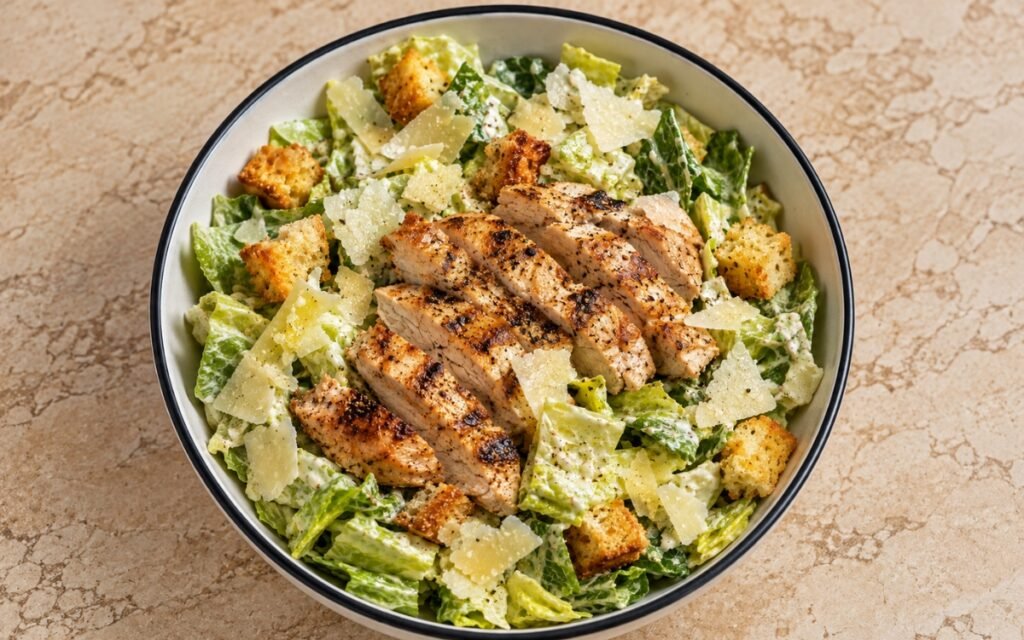
Grilled Chicken Caesar Salad
Grilled chicken breast, crisp romaine, golden croutons, shaved Parmesan, and a proper old-school Caesar dressing with no cream or mayonnaise.
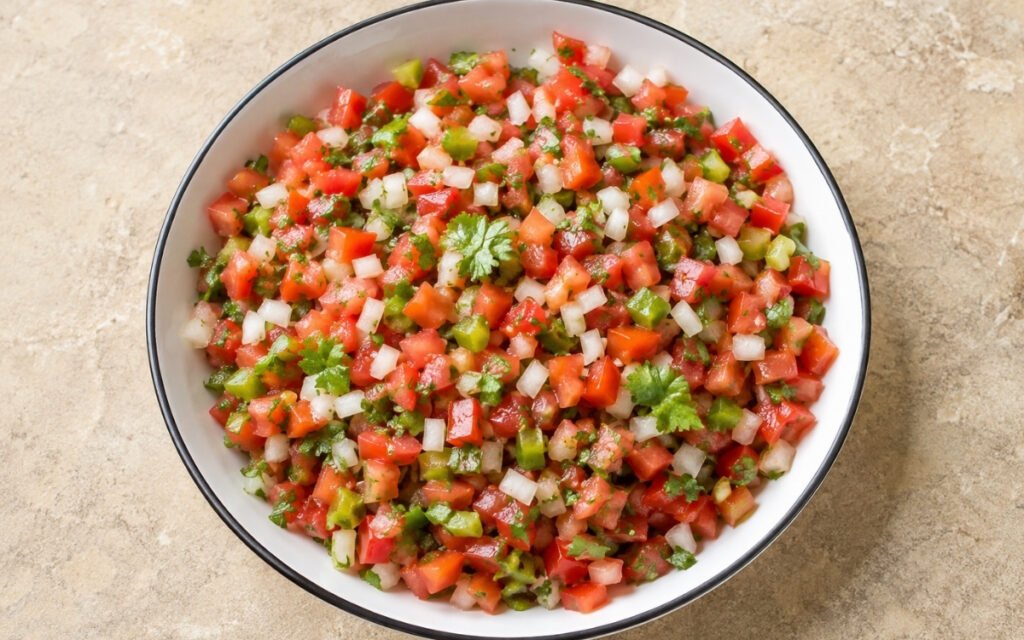
Pico de Gallo
Fresh Roma tomatoes, dual onion, jalapeño, and three limes — the classic Mexican condiment that makes every dish from the region taste complete.
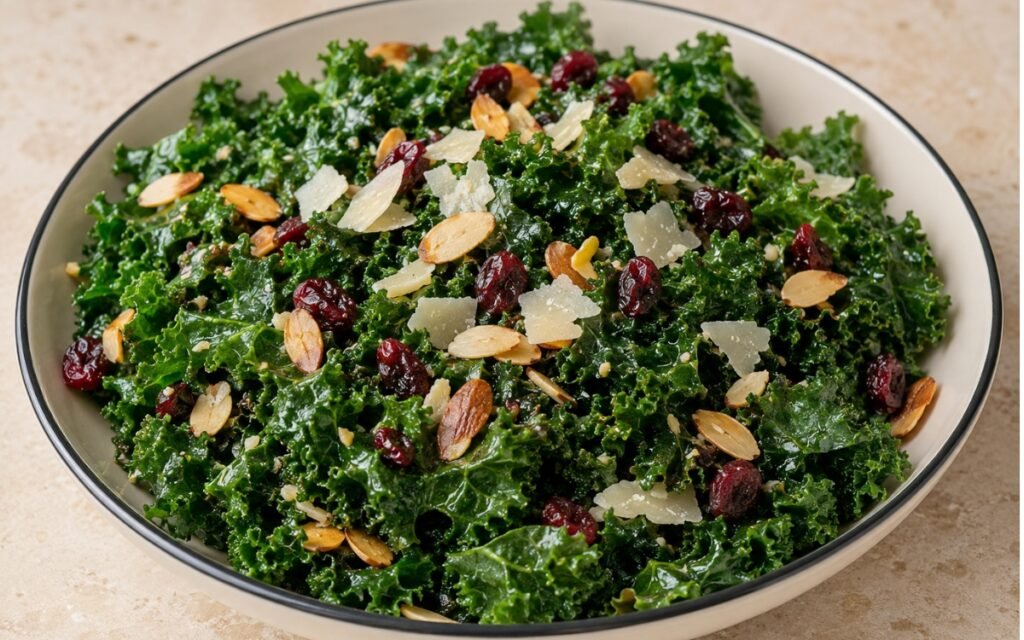
Lemon Parmesan Kale Salad
Massaged kale with bright lemon dressing, shaved Parmesan, toasted almonds, and cranberries.
You might also like
You might also like
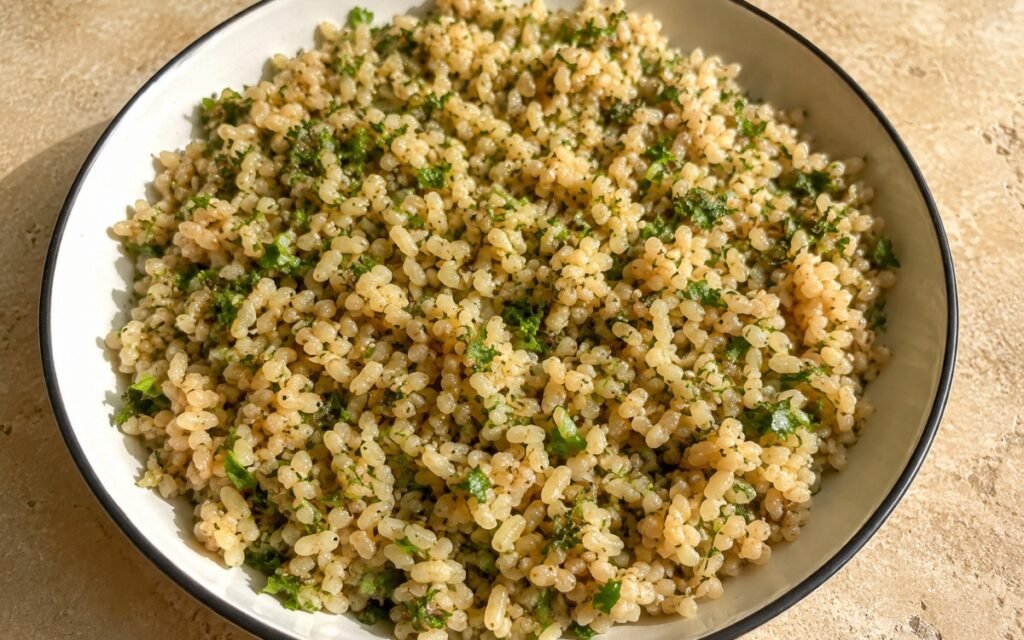
Herbed Brown Rice
Brown rice toasted with garlic, simmered covered undisturbed 40–45 minutes with thyme and oregano, finished with fresh parsley. Nutty and wholesome.
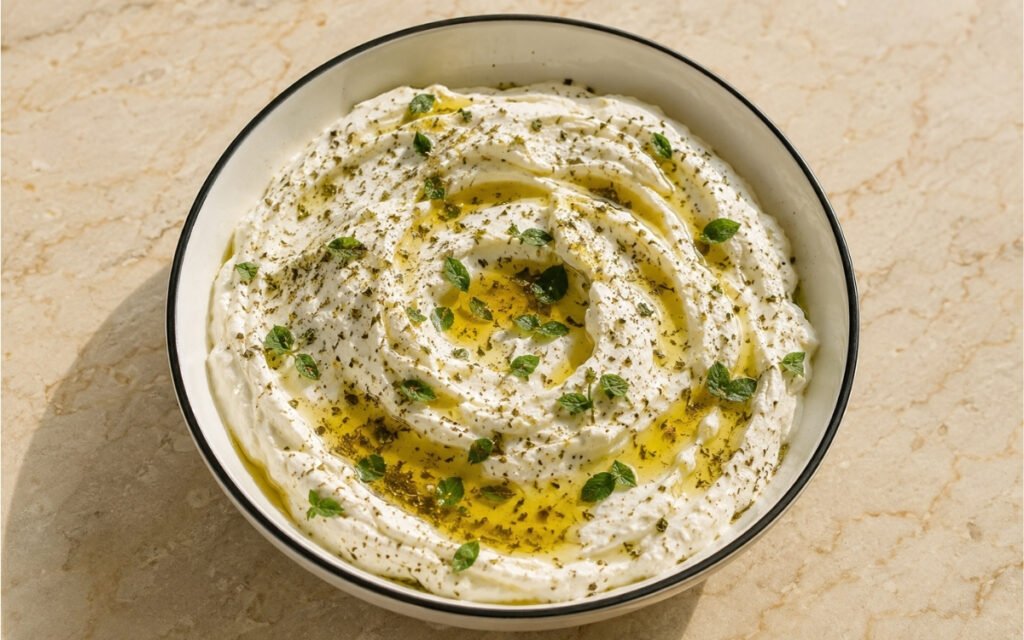
Authentic Labneh
Whole milk yogurt and salt strained through cheesecloth for 24–48 hours — the most effort-to-reward preparation in the collection, finished with olive oil and za’atar or sumac.
Cucumber Melon Infused Water
Unpeeled cucumber slices, ripe firm honeydew chunks, and lightly clapped mint infused cold for a clean, pale green-tinted spa-style water.

Za’atar White Bean Salad
Ingredients
Method
- Open the canned white beans and pour them into a colander placed in the sink. Rinse the beans thoroughly under cold running water for about 30–40 seconds while gently tossing them with your hands. This removes excess starch and the metallic flavor sometimes present in canned bean liquid. After rinsing, allow the beans to drain completely for a minute so excess water does not dilute the dressing. Transfer the drained beans to a large mixing bowl and set aside.
- Wash and dry the cherry tomatoes, cucumber, and parsley. Cut the cherry tomatoes in half lengthwise so their juices integrate easily with the dressing. Dice the cucumber into small cubes roughly 6–8 mm in size, ensuring the pieces are small enough to distribute evenly throughout the salad without overwhelming the beans. Finely dice the red onion into small pieces to prevent harsh onion bites. If the onion tastes very sharp, briefly rinse the diced onion under cold water and pat dry to mellow its intensity. Halve the Kalamata olives and add all prepared vegetables to the bowl with the beans.
- Using a sharp knife, finely chop the parsley leaves and tender stems. Avoid crushing the herbs, as bruising can dull their bright flavor. The parsley should be finely chopped but still vibrant and leafy rather than pasty. Add the chopped parsley to the mixing bowl with the beans and vegetables.
- In a small bowl, combine the fresh lemon juice, olive oil, za’atar spice blend, minced garlic, salt, and black pepper. Whisk the mixture vigorously for about 20–30 seconds until the olive oil and lemon juice emulsify slightly. The za’atar will disperse throughout the dressing, giving it a speckled green appearance and a fragrant herbal aroma. Taste the dressing and adjust the seasoning if necessary, adding a pinch more salt or lemon juice to balance acidity.
- Pour the prepared za’atar dressing evenly over the beans and vegetables in the mixing bowl. Using a large spoon or salad tongs, gently fold the ingredients together until the dressing coats every component. Because white beans are delicate, mix carefully to avoid crushing them while still ensuring even distribution of the dressing.
- Sprinkle the crumbled feta cheese over the top of the salad and fold it in very gently. The feta should remain in small crumbles rather than dissolving into the dressing, adding creamy bursts of salty flavor throughout the salad.
- Allow the salad to rest at room temperature for 8–10 minutes before serving. This brief resting period allows the beans to absorb the lemon and za’atar dressing while the vegetables release a small amount of natural juice, creating a lightly emulsified dressing throughout the bowl.
- Give the salad one final gentle toss before transferring it to a serving bowl. The salad can be served immediately at room temperature or lightly chilled. Garnish with an extra sprinkle of za’atar or chopped parsley if desired.