
Classic Guacamole
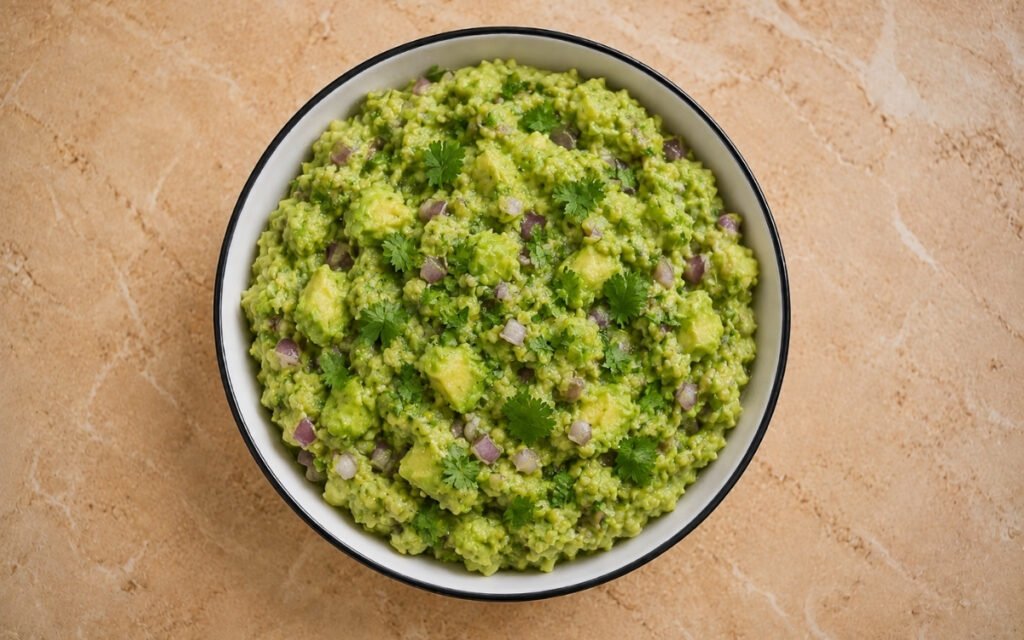
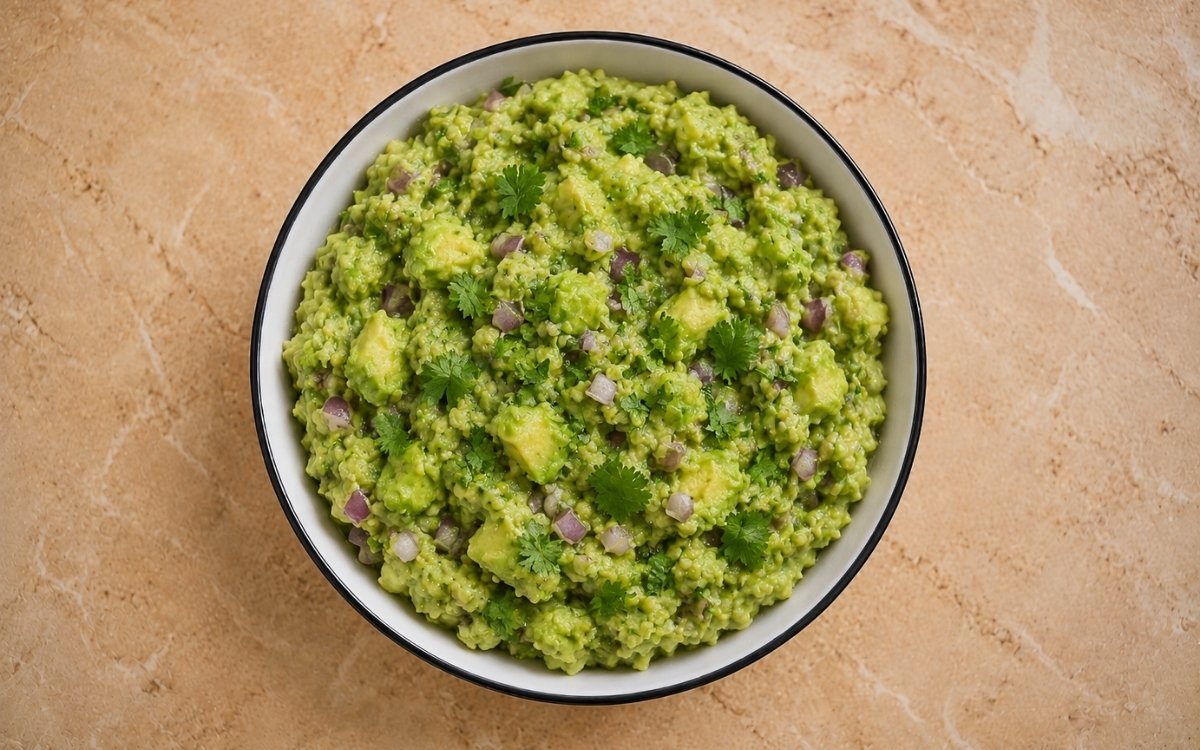
Real guacamole is one of the simplest and most honest preparations in cooking — ripe avocado, red onion, jalapeño, garlic, lime, and cilantro, folded together with restraint and served immediately. The mortar and pestle or fork method keeps the texture rustic and varied: partly smooth, partly chunky, with every ingredient recognisable in every bite. Ground cumin is the quiet addition that deepens and enriches the whole without announcing itself. Ten minutes of preparation, ten minutes of rest, and you have the best guacamole you have ever made at home.
Prep Time : 10 min
Cook Time : 0 min
Servings : 8
10 min
0 min
8
Ingredients
For The Guacamole
• 3 ripe avocados
• 1 medium red onion, diced to ¼–⅛ inch cubes
• 1 green jalapeño, deseeded, diced to ⅛ inch cubes
• 2 garlic cloves, minced or very thinly sliced
• Juice of 1 lime
• Large handful fresh cilantro, roughly chopped — adjust to personal preference or omit entirely
• 1 tsp ground cumin — this one on Amazon
• Salt to taste
• Freshly ground black pepper to taste
• 1 tbsp green Tabasco, optional — this one on Amazon
This post may contain affiliate links. As an Amazon Associate I earn from qualifying purchases, at no additional cost to you.
Directions
- Dice the Aromatics First
Begin with the red onion, jalapeño, and garlic — the components that benefit from sitting briefly before the avocado is added, as the acid from the lime juice you will add later begins to soften their sharpest raw edges during the short rest. Dice the red onion into ¼–⅛ inch cubes. At ¼ inch, the onion is visibly present in each bite of guacamole — a pleasant sharpness alongside the avocado’s richness. At ⅛ inch, the onion distributes more finely through the guacamole and contributes its flavour with less textural assertiveness — preferable if you want the avocado to be the primary texture. Both are correct depending on how pronounced you want the onion presence to be. Deseed the jalapeño by slicing it lengthwise and scraping out the seeds and membrane with a small spoon, then dice to ⅛ inch — smaller than the onion so the heat distributes evenly throughout the guacamole rather than concentrating in occasional larger pieces. Peel the garlic and either mince it as finely as possible with a sharp knife or slice it into very thin, delicate slivers. Minced garlic distributes invisibly and contributes its flavour as a background note throughout; sliced garlic produces occasional small pockets of garlic flavour that are more detectable bite-to-bite. Set all three aromatics aside together. - Prepare the Avocado
Choose the preparation method based on what texture you are working toward. The mortar and pestle method: halve the avocados, remove the stones, scoop the flesh cleanly from the skins with a large spoon, and add the flesh directly to a large mortar. Use the pestle to pound and crush in broad, circular strokes — working from the outside edges toward the centre and back. This controlled crushing breaks the avocado into an irregular, partly smooth, partly chunky mass where some sections are almost creamy and others retain visible chunks. Stop when the texture looks appealing rather than processing to uniform smoothness. The fork method: place the halved, scooped avocado flesh on a sturdy wooden board or directly in a large bowl. Using a dinner fork, crush the flesh with pressing and folding strokes — press down, fold, press again. The fork tines produce a textured, ridged mash that is naturally irregular and rustic. Both methods produce excellent results; the mortar and pestle is faster for a larger batch. The only incorrect method for guacamole is a food processor or blender — these produce a uniform, airy, pale-green mousse that bears no resemblance to the textured, rich, varied consistency that makes guacamole satisfying. - Combine Everything
Transfer the mashed avocado to a large bowl if using the mortar method. Add the diced red onion, diced jalapeño, and minced or sliced garlic. Pour the lime juice over the mixture — the acid immediately begins to coat the avocado surfaces and slow the enzymatic browning that would otherwise begin within minutes. Add the ground cumin, salt, and freshly ground black pepper. Add the chopped cilantro if using — torn or roughly chopped into smaller pieces but not minced into a fine paste, so the cilantro remains visually identifiable and provides textural as well as flavour contrast. Add the green Tabasco if using. Now fold everything together using a large spoon or rubber spatula with deliberate, slow, lifting strokes — scoop from the bottom and fold over the top, rotating the bowl and repeating. The folding motion is specifically chosen over stirring, mixing, or beating: folding preserves the irregular texture of the mashed avocado, keeps the onion and jalapeño pieces intact rather than crushing them smaller, and maintains the rustic, varied character of the guacamole. Aggressive stirring produces a uniform, paste-like consistency where all the structural interest of the preparation is lost. Stop folding when everything is evenly distributed — 8–10 gentle folds is usually sufficient. - Taste and Season
Taste the guacamole carefully before the rest period and adjust the seasoning. The correct seasoning balance for guacamole has salt as the most critical variable — under-salted guacamole tastes flat and one-dimensional regardless of the quality of the avocados or the other ingredients. Salt in avocado preparation works differently from many other contexts: it needs to be somewhat bold to penetrate the avocado’s high-fat flesh and bring its mild, buttery flavour forward. Add salt in increments, tasting after each addition until the avocado’s own character becomes vivid and expressive rather than muted. The lime juice should be perceptible as a background brightness without dominating. The jalapeño should provide warmth rather than sharp spikes. The cumin should be a quiet earthy note rather than a prominent spice flavour. If the guacamole tastes too one-dimensionally rich and fatty, it needs more lime. If it tastes sharp and acidic, it needs more salt. If it tastes flat despite both, it needs more cumin. - Rest Before Serving
Cover the bowl and allow the guacamole to rest at room temperature for 10 minutes before serving. During this rest, the salt draws a small amount of moisture from the onion and jalapeño that distributes through the avocado base, slightly loosening the texture and carrying their flavours into the surrounding guacamole. The lime juice’s acidity softens the very sharpest edge of the raw onion and garlic, making them more pleasant and less aggressive. Most importantly, the ground cumin has 10 minutes to bloom in the avocado’s natural fat — fat is a far more effective carrier for cumin’s fat-soluble aromatic compounds than water, and after 10 minutes of contact with the avocado’s rich, fatty flesh, the cumin has distributed and deepened the entire guacamole’s flavour in a way that is noticeably more integrated than immediately after combining. Serve immediately after this rest period. - Storage if Not Serving Immediately
If advance preparation is required, smooth the surface of the guacamole completely flat with the back of a spoon, eliminating all peaks and bumps — these raised areas have more surface exposure to air and will brown first. Squeeze additional lime juice over the entire smooth surface in a thin, even layer — the citric acid inhibits the polyphenol oxidase enzyme responsible for browning. Press a piece of plastic cling film directly onto the guacamole surface, pressing firmly to eliminate every air pocket between the plastic and the guacamole — the contact surface between the guacamole and the film should be airtight with no visible gaps. Alternatively, press the empty avocado stone back into the centre of the guacamole — a traditional technique that works by reducing the surface area exposed to air rather than through any chemical mechanism the stone itself possesses. Refrigerate and use within 4–6 hours for best appearance and flavour.
*Notes :
- Avocado ripeness is the entire foundation of guacamole quality and cannot be compensated for by technique, lime quantity, or seasoning. A perfectly ripe avocado for guacamole yields to gentle, even pressure applied with all your fingers around the fruit — not a single-finger poke, which can bruise the flesh at one point without indicating the ripeness of the whole. The flesh inside should be a vibrant, uniform deep green with no brown patches or stringy fibres. The skin should peel away cleanly from the flesh. If the avocado is rock-hard, it is not ripe — leave at room temperature for 1–2 days. If the flesh shows extensive brown patches when opened or smells slightly fermented, it is overripe. A partially overripe avocado with isolated brown spots can still be used — simply cut away the brown sections and use the green flesh.
- Ground cumin is the ingredient in this recipe that most clearly separates it from the very basic lime-cilantro-avocado versions that many recipes offer. Cumin is a fat-soluble spice — its primary aromatic compounds dissolve most effectively in fat rather than in water. Avocado is approximately 15% fat — a higher fat content than most vegetables — which means it is an unusually effective carrier for cumin’s aromatic compounds. After the 10-minute rest, the cumin has distributed through the avocado fat and deepened the whole guacamole with an earthy warmth that makes the flavour noticeably more complex and satisfying. This effect is subtle rather than prominent — the guacamole should not taste of cumin but should taste richer, deeper, and more interesting than a version without it.
- The cilantro question is addressed directly in this recipe because it is genuinely divisive. Cilantro is included as a preference and explicitly made optional — not because it is inauthentic (it is present in many traditional guacamole preparations) but because the genetic variation that causes some people to perceive cilantro as soapy rather than herbal is real and not a matter of taste preference. For those who love cilantro, use as much as desired — it makes the guacamole fresher and more complex. For those who find it unpleasant, omit it entirely. The guacamole is complete without it.
Why This Recipe Works
This recipe works because it treats guacamole as what it is — a preparation that must be made carefully with correctly ripe avocados, properly sized aromatics, and a technique that preserves rather than destroys the texture — rather than simply a mixture of ingredients in a bowl. The fork or mortar method preserves the textural character of the avocado. The ⅛ inch jalapeño dice distributes heat evenly.
The cumin blooms in the avocado fat during the rest period and deepens the flavour. The folding technique keeps the structure intact. The lime juice serves simultaneously as a flavour element and an anti-browning agent. Every decision is in service of the same outcome: guacamole that is textured, well-seasoned, complex, and genuinely better than any restaurant or store-bought version.
Ingredient Breakdown
Ripe Avocados
The entire foundation — rich, buttery, creamy flesh that provides the character and the fat medium that carries all other flavours. Ripeness is non-negotiable.
Red Onion
Sharp, slightly pungent allium depth and colour contrast — the primary savory element that prevents guacamole from being entirely rich and one-dimensional.
Green Jalapeño (Deseeded, Fine Dice)
Background warmth distributed evenly — fresh, slightly vegetal heat that builds without spiking.
Garlic
Savory, aromatic backbone — minced for invisible distribution or thinly sliced for detectable presence.
Lime Juice
The essential acid — brightens every flavour simultaneously, slows enzymatic browning of the avocado, and provides the characteristic citrus brightness of authentic guacamole.
Ground Cumin
The depth-building spice — blooms in avocado fat during the rest period and enriches the whole with earthy warmth without announcing itself as a distinct flavour.
Fresh Cilantro
The aromatic herb layer — adds clean, citrusy freshness and the distinctly Mexican character. Fully optional for those who find it unpleasant.
Green Tabasco (optional)
Additional acid-heat brightness — fresh jalapeño-based heat that lifts the entire guacamole’s vivacity.
Flavor Structure Explained
This guacamole follows a layered balance model:
- Creamy rich base (avocado)
- Bright acidity (lime juice)
- Sharp heat (red onion, jalapeño)
- Warm earthy depth (cumin)
- Fresh herbal lift (cilantro)
Avocado defines the structure with dominant richness and a coating, creamy texture that leads the experience. Lime juice cuts through that fat with clean acidity, keeping each bite fresh rather than heavy. Red onion and jalapeño introduce sharpness and heat, creating contrast that prevents monotony. Cumin adds a subtle earthy layer that deepens the profile without drawing attention. Garlic reinforces the savory base, while cilantro finishes with bright, aromatic freshness. Every element exists to balance and elevate the richness, not compete with it.
Common Mistakes to Avoid
- Using Underripe Avocados – Underripe avocado is dense, slightly bitter, and lacks the creamy, buttery richness that makes guacamole what it is. No amount of lime or seasoning compensates for this. Always check ripeness before buying or allow additional time to ripen.
- Over-processing the Texture – Guacamole should have rustic, irregular texture — partly smooth, partly chunky. Food processors and blenders produce uniform mousse. Mortar, pestle, and fork only.
- Stirring Aggressively After Adding Aromatics – Stirring breaks down the avocado texture and crushes the onion and jalapeño pieces. Fold gently with a maximum of 8–10 strokes.
- Under-seasoning with Salt – Avocado’s high fat content requires bold salting to bring its flavour forward. Flat guacamole is almost always a salt deficiency. Taste and season generously.
- Not Resting Before Serving – The cumin needs 10 minutes in the avocado fat to bloom and distribute. The lime needs time to soften the onion’s sharpest edge. The rest period is the step between guacamole that is good and guacamole that is genuinely excellent.
- Oxidising the Surface – When making ahead, smooth the surface completely flat, apply lime juice, and press plastic film directly onto the guacamole surface with no air gaps. Any air contact produces brown patches that are visually off-putting.
Variations
Extra Chunky Guacamole
Mash only one of the three avocados and dice the other two into ½ inch pieces, folding them in whole after the mashing. The result is guacamole with significant textural variation — smooth in the background, substantial avocado pieces throughout.
Smoky Guacamole
Add ½ tsp of smoked paprika and replace the green Tabasco with a small amount of chipotle in adobo sauce, finely mashed, for a smoky, deeper character that pairs particularly well with grilled and smoked meats.
Roasted Garlic Guacamole
Replace the raw garlic with the same number of roasted garlic cloves squeezed from their skins and mashed into the avocado. The result is a sweeter, mellower, less sharp guacamole where the garlic is a background warmth rather than a detectable raw note.
Pomegranate Guacamole
Scatter 2 tablespoons of fresh pomegranate seeds over the finished guacamole immediately before serving for sweet, tart, jewel-like bursts of flavour and colour that contrast beautifully with the creamy avocado — a presentation appropriate for a dinner party or special occasion.
Storage & Make-Ahead
Guacamole is best served within 30 minutes of making. For advance preparation up to 4–6 hours ahead: smooth the surface completely flat, squeeze lime juice over the entire surface in an even thin layer, press cling film directly onto the surface with no air gaps, and refrigerate. The surface beneath the lime-coated film will remain green; any areas that lose contact with the plastic will darken slightly. Stir from the bottom before serving — the deeper guacamole below the lime-coated surface will have maintained its colour. Taste and adjust salt before serving as cold temperatures mute seasoning perception. Do not freeze — avocado’s cell structure breaks down completely when frozen, producing a waterlogged, grey result with nothing salvageable.
Frequently Asked Questions
How do I know if my avocados are ripe?
Apply gentle, even pressure with your whole hand around the avocado — it should yield slightly and evenly, like a ripe peach, without feeling mushy or soft in isolated spots. The stem end should peel away easily to reveal green flesh beneath. A black or very dark skin with even, firm-soft texture indicates ripeness in dark-skinned varieties; colour is less reliable on green-skinned varieties.
Can I make guacamole without cilantro?
Yes — the recipe is explicitly designed to be complete with or without it. Omit entirely for those who find cilantro unpleasant. Replace with a small amount of fresh flat-leaf parsley for a different but still valid herb note. Many traditional Mexican versions include no herbs beyond what grows locally.
Why does my guacamole turn brown so quickly?
Avocado flesh contains polyphenol oxidase, an enzyme that reacts with oxygen to produce brown pigments. Lime juice’s citric acid temporarily inhibits this enzyme. Ensure the lime juice coats all avocado surfaces during mixing, smooth the surface flat when storing, and maintain the most airtight possible covering. Temperature also matters — cold storage significantly slows the browning rate.
What should I serve guacamole with?
Everything from the Mexican and South American repertoire — tortilla chips, tacos, burritos, burrito bowls, carne asada, fajitas, nachos, and grilled meats. As the site’s South American collection grows, guacamole will appear as a natural component across those recipes. It also works as a side alongside any grilled meat where fresh, bright, fatty richness provides contrast to smoky char.
Nutrition Facts
( per serving )
Calories
~115 kcal
Protein
1 g
Fat
10 g
Carbs
7 g
Calories
~115 kcal
Protein
1 g
Fat
10 g
Carbs
7 g
Related Recipes
Related Recipes

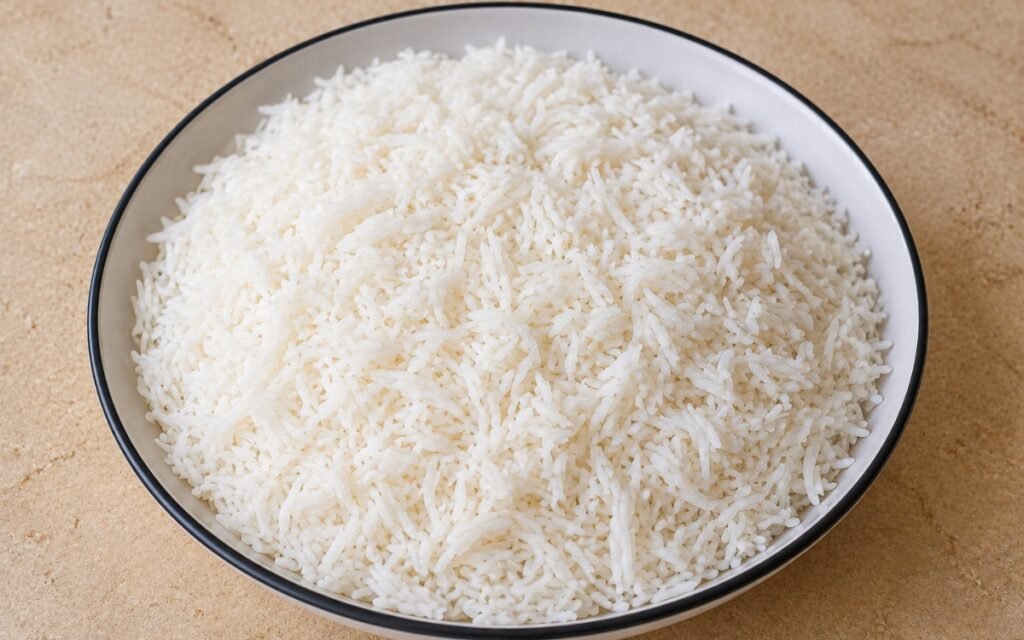
Plain Steamed Basmati Rice
Basmati rinsed thoroughly, boiled uncovered then simmered covered undisturbed for 15 minutes, rested and fluffed. Long, separate grains every time.
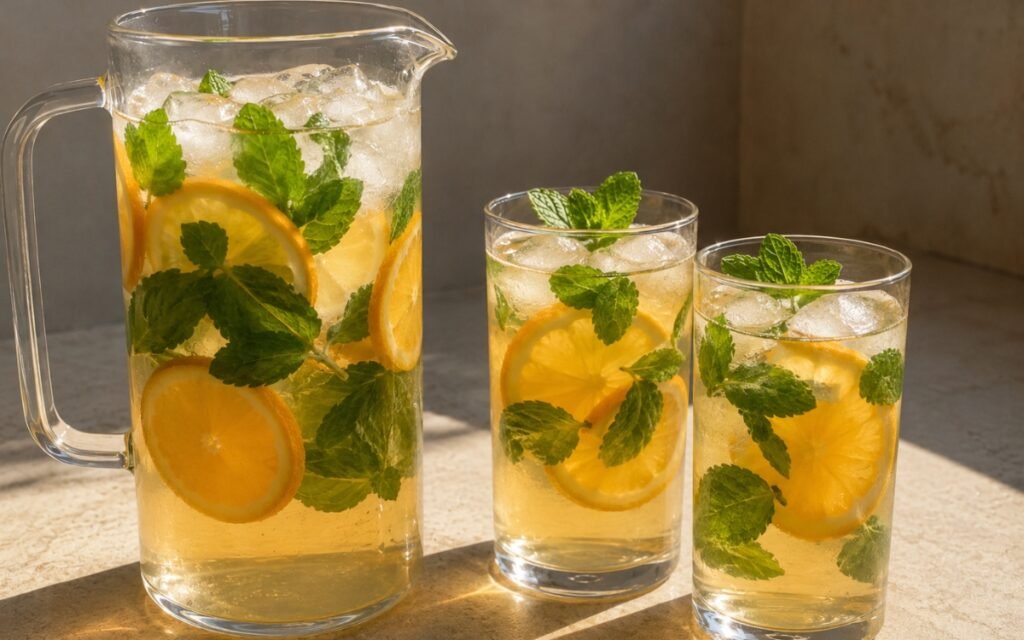
Orange Mint Infused Water
Orange pulp mashed, mint clapped in two stages — orange slices and fresh leaves cold-infused in 3L water for 1–4 hours, removed. Warm citrus and cool mint.
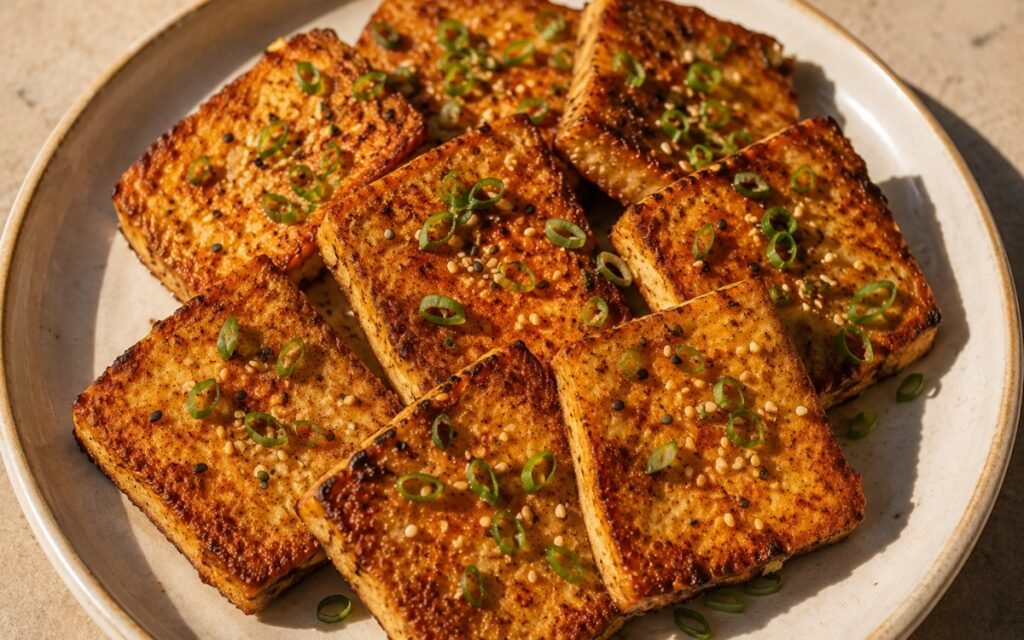
Crispy Tofu Steaks
Tofu pressed thoroughly, marinated in soy, sesame, garlic, ginger, coated in cornstarch, fried until golden. Crisp and umami-packed.
You might also like
You might also like
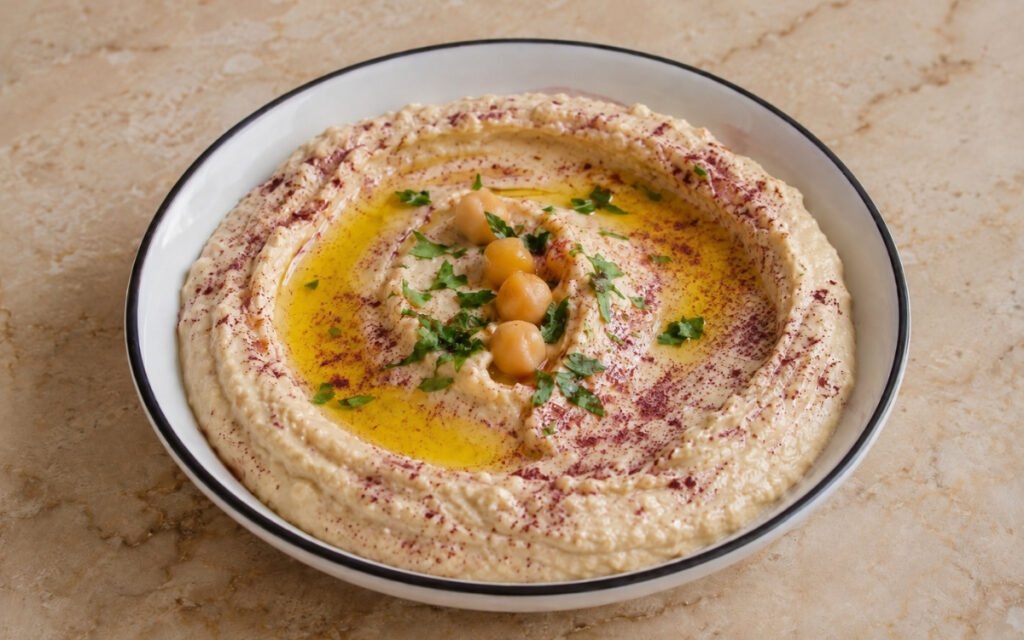
Classic Hummus
Dried chickpeas cooked with baking soda, processed warm with tahini, lemon, and garlic, emulsified with ice-cold water — the ultra-smooth base hummus that every flavoured variation is built on.
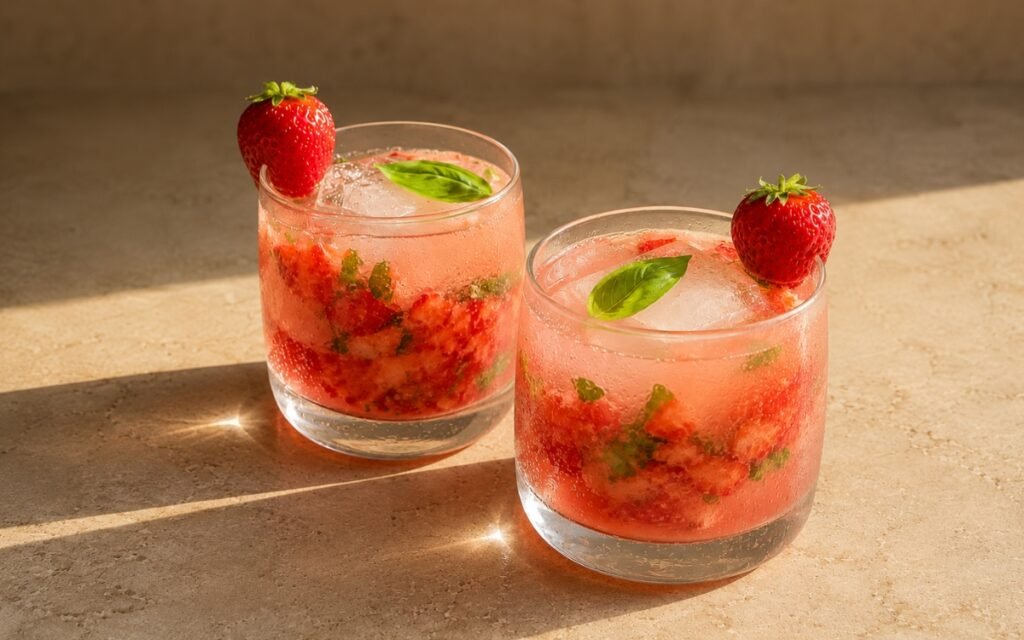
Strawberry Basil Smash Mocktail
Fresh mashed strawberries with honey, lime, and folded basil over club soda — bright and sweet.
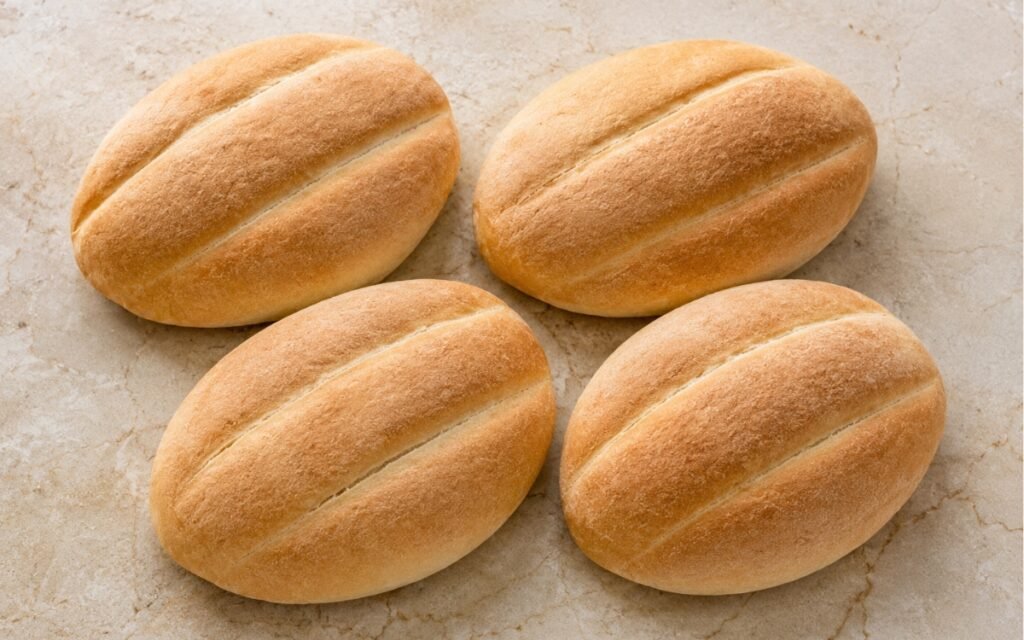
Telera Rolls
Soft, structured Mexican torta rolls with deep signature grooves, baked with steam for a thin, lightly crisp crust.
Classic Guacamole
Ingredients
Method
- Begin with the red onion, jalapeño, and garlic — the components that benefit from sitting briefly before the avocado is added, as the acid from the lime juice you will add later begins to soften their sharpest raw edges during the short rest. Dice the red onion into ¼–⅛ inch cubes. At ¼ inch, the onion is visibly present in each bite of guacamole — a pleasant sharpness alongside the avocado’s richness. At ⅛ inch, the onion distributes more finely through the guacamole and contributes its flavour with less textural assertiveness — preferable if you want the avocado to be the primary texture. Both are correct depending on how pronounced you want the onion presence to be. Deseed the jalapeño by slicing it lengthwise and scraping out the seeds and membrane with a small spoon, then dice to ⅛ inch — smaller than the onion so the heat distributes evenly throughout the guacamole rather than concentrating in occasional larger pieces. Peel the garlic and either mince it as finely as possible with a sharp knife or slice it into very thin, delicate slivers. Minced garlic distributes invisibly and contributes its flavour as a background note throughout; sliced garlic produces occasional small pockets of garlic flavour that are more detectable bite-to-bite. Set all three aromatics aside together.
- Choose the preparation method based on what texture you are working toward. The mortar and pestle method: halve the avocados, remove the stones, scoop the flesh cleanly from the skins with a large spoon, and add the flesh directly to a large mortar. Use the pestle to pound and crush in broad, circular strokes — working from the outside edges toward the centre and back. This controlled crushing breaks the avocado into an irregular, partly smooth, partly chunky mass where some sections are almost creamy and others retain visible chunks. Stop when the texture looks appealing rather than processing to uniform smoothness. The fork method: place the halved, scooped avocado flesh on a sturdy wooden board or directly in a large bowl. Using a dinner fork, crush the flesh with pressing and folding strokes — press down, fold, press again. The fork tines produce a textured, ridged mash that is naturally irregular and rustic. Both methods produce excellent results; the mortar and pestle is faster for a larger batch. The only incorrect method for guacamole is a food processor or blender — these produce a uniform, airy, pale-green mousse that bears no resemblance to the textured, rich, varied consistency that makes guacamole satisfying.
- Transfer the mashed avocado to a large bowl if using the mortar method. Add the diced red onion, diced jalapeño, and minced or sliced garlic. Pour the lime juice over the mixture — the acid immediately begins to coat the avocado surfaces and slow the enzymatic browning that would otherwise begin within minutes. Add the ground cumin, salt, and freshly ground black pepper. Add the chopped cilantro if using — torn or roughly chopped into smaller pieces but not minced into a fine paste, so the cilantro remains visually identifiable and provides textural as well as flavour contrast. Add the green Tabasco if using. Now fold everything together using a large spoon or rubber spatula with deliberate, slow, lifting strokes — scoop from the bottom and fold over the top, rotating the bowl and repeating. The folding motion is specifically chosen over stirring, mixing, or beating: folding preserves the irregular texture of the mashed avocado, keeps the onion and jalapeño pieces intact rather than crushing them smaller, and maintains the rustic, varied character of the guacamole. Aggressive stirring produces a uniform, paste-like consistency where all the structural interest of the preparation is lost. Stop folding when everything is evenly distributed — 8–10 gentle folds is usually sufficient.
- Taste the guacamole carefully before the rest period and adjust the seasoning. The correct seasoning balance for guacamole has salt as the most critical variable — under-salted guacamole tastes flat and one-dimensional regardless of the quality of the avocados or the other ingredients. Salt in avocado preparation works differently from many other contexts: it needs to be somewhat bold to penetrate the avocado’s high-fat flesh and bring its mild, buttery flavour forward. Add salt in increments, tasting after each addition until the avocado’s own character becomes vivid and expressive rather than muted. The lime juice should be perceptible as a background brightness without dominating. The jalapeño should provide warmth rather than sharp spikes. The cumin should be a quiet earthy note rather than a prominent spice flavour. If the guacamole tastes too one-dimensionally rich and fatty, it needs more lime. If it tastes sharp and acidic, it needs more salt. If it tastes flat despite both, it needs more cumin.
- Cover the bowl and allow the guacamole to rest at room temperature for 10 minutes before serving. During this rest, the salt draws a small amount of moisture from the onion and jalapeño that distributes through the avocado base, slightly loosening the texture and carrying their flavours into the surrounding guacamole. The lime juice’s acidity softens the very sharpest edge of the raw onion and garlic, making them more pleasant and less aggressive. Most importantly, the ground cumin has 10 minutes to bloom in the avocado’s natural fat — fat is a far more effective carrier for cumin’s fat-soluble aromatic compounds than water, and after 10 minutes of contact with the avocado’s rich, fatty flesh, the cumin has distributed and deepened the entire guacamole’s flavour in a way that is noticeably more integrated than immediately after combining. Serve immediately after this rest period.
- If advance preparation is required, smooth the surface of the guacamole completely flat with the back of a spoon, eliminating all peaks and bumps — these raised areas have more surface exposure to air and will brown first. Squeeze additional lime juice over the entire smooth surface in a thin, even layer — the citric acid inhibits the polyphenol oxidase enzyme responsible for browning. Press a piece of plastic cling film directly onto the guacamole surface, pressing firmly to eliminate every air pocket between the plastic and the guacamole — the contact surface between the guacamole and the film should be airtight with no visible gaps. Alternatively, press the empty avocado stone back into the centre of the guacamole — a traditional technique that works by reducing the surface area exposed to air rather than through any chemical mechanism the stone itself possesses. Refrigerate and use within 4–6 hours for best appearance and flavour.