
Harissa Yogurt Sauce
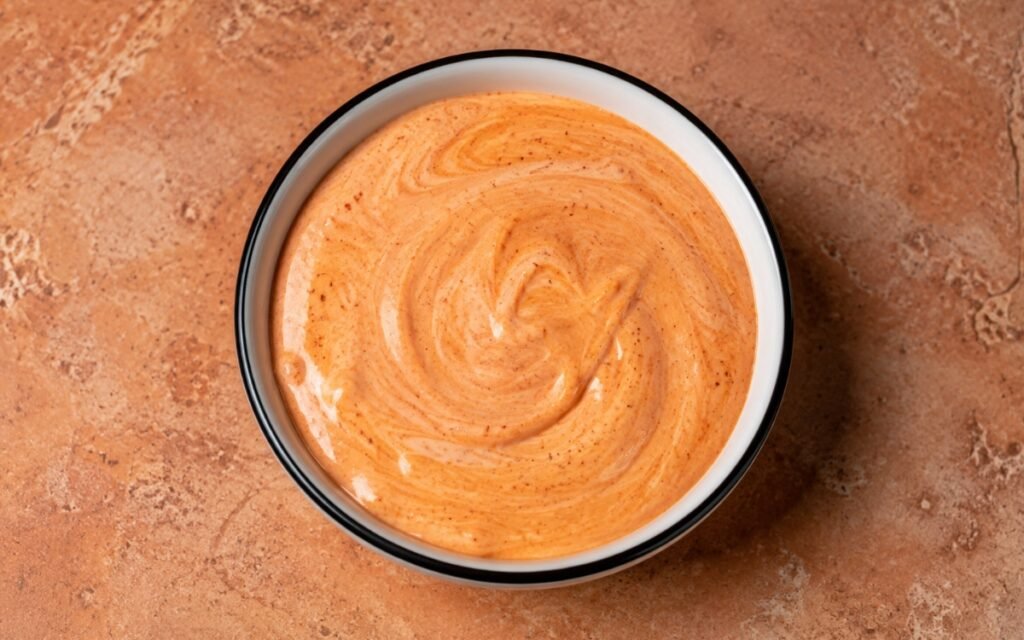
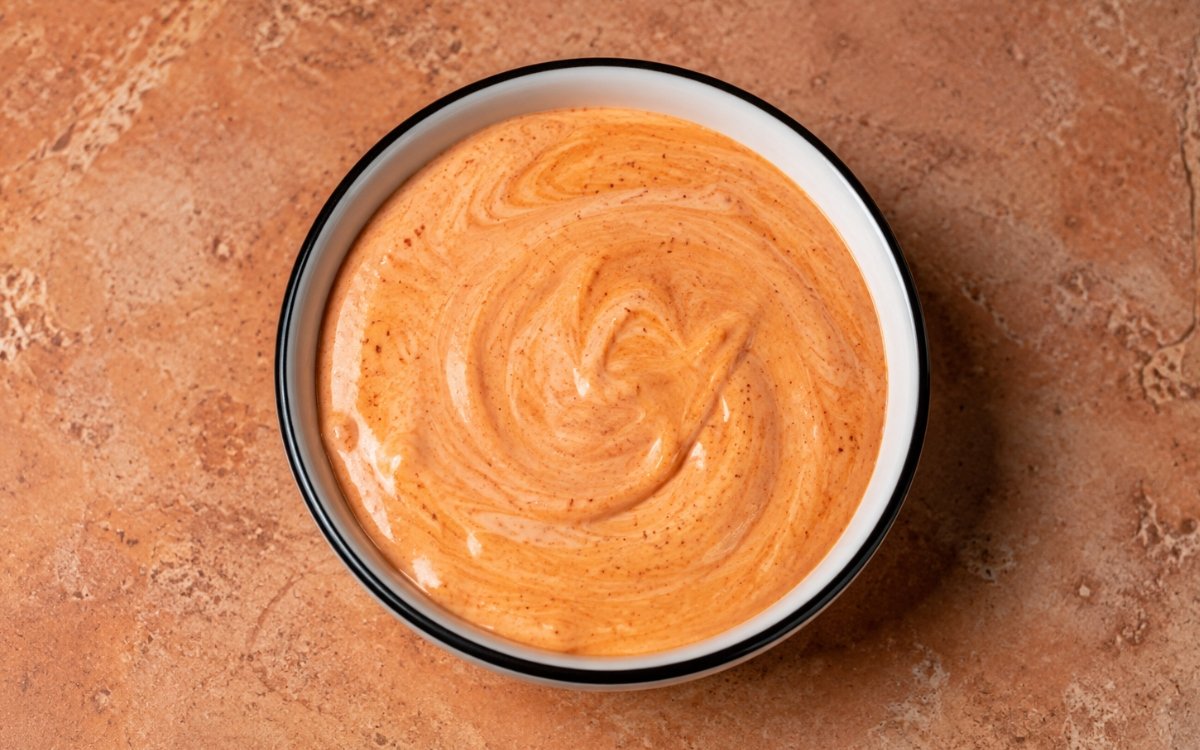
This vibrant sauce brings the fiery, aromatic complexity of North African harissa into cooling, tangy Greek yogurt for a condiment that is simultaneously bold and balanced. Ready in 10 minutes, it transforms lamb, grilled vegetables, falafel, and grain bowls with instant North African character.
Prep Time : 10 min
Cook Time : 0 min
Servings : 4
10 min
0 min
4
Ingredients
Creamy Base
• 180g plain Greek yogurt, full-fat
• 30g harissa paste, rose or regular — this one on Amazon
Aromatics & Brightness
• 10g garlic, 2 cloves, finely grated
• 20ml fresh lemon juice
• 5g lemon zest
Spice
• 3g ground cumin — this one on Amazon
• 2g ground coriander — this one on Amazon
• Pinch of smoked paprika
Fresh Finish
• 10g fresh coriander, finely chopped
• 10g fresh mint, finely chopped
Seasoning
• 3g salt
• Freshly ground black pepper to taste
This post may contain affiliate links. As an Amazon Associate I earn from qualifying purchases, at no additional cost to you.
Directions
- Choose the Right Harissa
Harissa is a North African chili paste made from roasted peppers, dried chilies, garlic, and warm spices such as cumin and coriander. Styles vary widely. Rose harissa is more floral and refined, pairing especially well with yogurt, while standard harissa is typically hotter and more direct. Because brands differ in intensity, taste yours first — begin with about 20 g and increase gradually if you want more heat or depth. - Combine Yogurt and Aromatics
In a medium bowl, mix the Greek yogurt with the harissa paste and finely grated garlic. Grating ensures the garlic dissolves evenly into the sauce rather than leaving sharp raw pockets. Stir until the base looks fully blended and lightly tinted from the harissa. - Reinforce the Spice Profile
Add the ground cumin, ground coriander, and smoked paprika. These spices deepen and round the harissa’s flavor so it tastes layered rather than one-dimensional. Cumin contributes earthy warmth, coriander adds subtle citrus-floral notes, and smoked paprika brings gentle depth. Stir thoroughly to distribute the spices evenly. - Brighten with Lemon
Add both the fresh lemon juice and zest. The juice supplies essential acidity that lifts the richness of the yogurt and the oiliness of the harissa, while the zest contributes aromatic citrus oils that enhance the sauce’s fragrance — especially noticeable when using rose harissa. - Fold in Fresh Herbs and Rest
Gently fold in the finely chopped fresh coriander and mint. Coriander complements the North African spice profile naturally, while mint adds cooling contrast to the chili heat. Season with salt and freshly ground black pepper. Refrigerate for about 15 minutes before serving to allow the flavors to meld and settle into a more cohesive sauce.
*Notes :
- The structural brilliance of this sauce is the temperature contrast it creates in the mouth — harissa’s building chili heat paired with yogurt’s cool, creamy dairy produces a sensation of simultaneous warming and cooling that is both exciting and balanced. This is the same principle that makes Indian raita paired with spicy curry so satisfying: dairy proteins and fat bind with capsaicin molecules, physically moderating the perception of heat while the chili’s flavor compounds remain fully present.
- Harissa is native to Maghrebi cuisine — the North African region comprising Tunisia, Algeria, Morocco, and Libya — and is one of the foundational condiments of these culinary traditions in the way that sriracha is to Southeast Asian cooking or gochujang is to Korean. Understanding its origin and intended pairings helps calibrate how to use it: it is most at home with lamb, couscous, chickpeas, roasted root vegetables, and flatbread.
- Full-fat Greek yogurt is non-negotiable for this sauce. Low-fat yogurt is too thin and too sour — it lacks the creamy richness necessary to tame and balance harissa’s heat. Full-fat yogurt provides the fat content that makes the cooling effect physiologically effective, since capsaicin (the heat compound in chili) is fat-soluble and is physically neutralized by the fat in dairy.
Why This Mocktail Works
This recipe works because it consciously exploits the contrast between harissa’s heat and complexity and yogurt’s cooling creaminess. Neither ingredient dominates the other — they exist in genuine balance. Additional spicing reinforces and deepens the harissa’s character. Lemon brightens and lifts. Fresh herbs add a cooling, aromatic freshness that completes the balance and makes the sauce feel complete rather than simply hot-and-cool.
Ingredient Breakdown
Full-Fat Greek Yogurt
Cool, creamy, tangy base that both contrasts and moderates the harissa’s heat.
Harissa Paste
The defining ingredient — fiery, aromatic, complex North African chili paste.
Cumin and Coriander
Reinforce the spice character of the harissa and add earthy, citrusy depth.
Lemon Juice and Zest
Essential brightening elements that prevent the sauce from tasting heavy or flat.
Fresh Coriander
Classic North African herb pairing — adds fresh aromatic counterpoint to the spice.
Fresh Mint
Cooling counterpoint to chili heat — reinforces the yogurt’s cooling character.
Flavor Structure Explained
This sauce follows a layered balance model:
- Spiced heat core (harissa)
- Cooling creamy base (yogurt)
- Bright acidity (lemon)
- Warm spice depth (harissa spice blend)
- Fresh herbal finish (herbs)
Harissa defines the core with building chili heat and complex spice, creating intensity at the center. Yogurt immediately counterbalances with cooling creaminess, forming the key tension of the sauce. Lemon cuts through both layers, sharpening and lifting the profile. The spice blend within the harissa extends the aromatic depth, adding warmth beyond just heat. Fresh herbs resolve the structure at the finish, delivering clean, cooling freshness that keeps the sauce balanced and satisfying rather than overwhelming.
Common Mistakes to Avoid
- Using Low-Fat Yogurt – Insufficient fat content means the yogurt cannot effectively moderate the harissa’s heat, and the sauce will taste thin and unbalanced.
- Not Tasting the Harissa First – Different harissa products vary enormously in heat. Always taste before adding the full quantity.
- Skipping the Lemon – Without lemon, the sauce tastes heavy and flat. The acid is essential for brightness and balance.
- Not Resting Before Serving – The 15-minute rest allows the spices to bloom in the yogurt and the flavors to integrate. The sauce tastes noticeably better after resting.
Variations
Milder Version
Reduce harissa to 15g and add 5g roasted red pepper puree for color and flavor without the full heat.
Tahini Harissa Sauce
Replace 60g of the Greek yogurt with tahini for a richer, nuttier sauce with Middle Eastern character.
Herb-Heavy Version
Double the fresh herbs and add 10g fresh flat-leaf parsley for a greener, more herb-forward sauce.
Cucumber Harissa Raita
Add 80g finely grated, squeezed cucumber for a refreshing raita-style version excellent with spiced lamb burgers.
Storage & Make-Ahead
Store in an airtight container in the refrigerator for up to 3 days. The sauce is actually at its flavor best after 30–60 minutes of refrigeration as the spices fully bloom and the harissa integrates into the yogurt. The heat level may intensify slightly over time. Stir before serving. Not suitable for freezing as the yogurt will separate.
Frequently Asked Questions
What dishes pair best with harissa yogurt sauce?
Grilled or roasted lamb; lamb burgers; falafel; grilled halloumi; roasted cauliflower; roasted beets; couscous bowls; grain salads; mezze platters; flatbread wraps.
Can I use harissa powder instead of paste?
Yes — mix 10g harissa powder with 10ml olive oil to form a paste consistency, then use as directed. The flavor will be slightly different but the technique works.
What is rose harissa?
Rose harissa is a Tunisian variety of harissa that incorporates dried rose petals and sometimes rose water among its ingredients. It has a more floral, complex, and slightly sweeter character than standard harissa while still delivering significant heat.
Can I make this vegan?
Use a thick, full-fat plant-based yogurt such as coconut yogurt or cashew yogurt. The cooling effect will be slightly different but the flavor profile will be similar.
Nutrition Facts
( per serving )
Calories
~78 kcal
Protein
5 g
Fat
4 g
Carbs
6 g
Calories
~78 kcal
Protein
5 g
Fat
4 g
Carbs
6 g
Related Recipes
Related Recipes

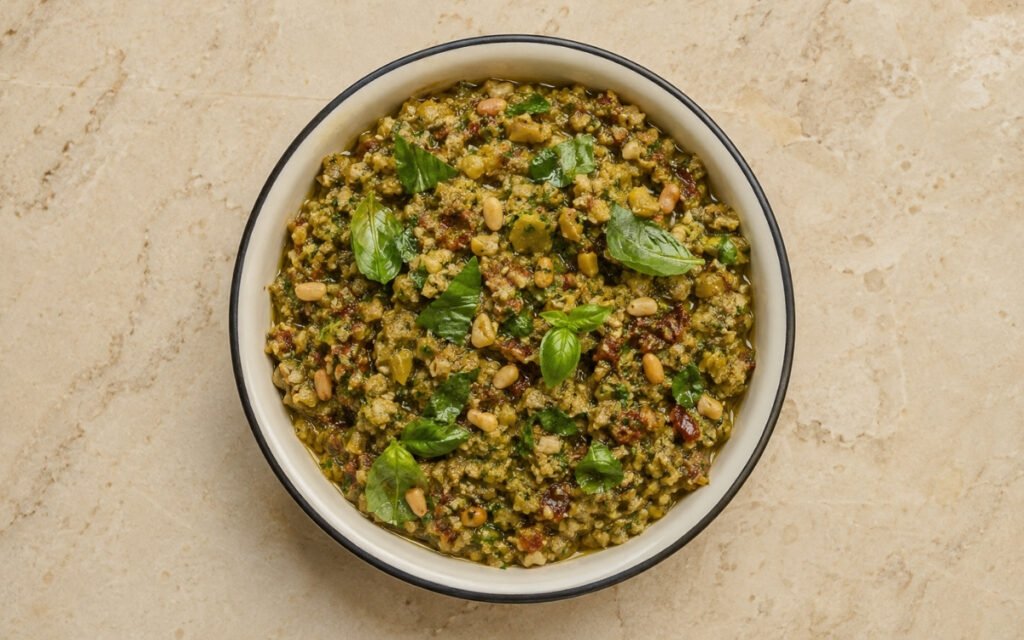
Green Olive Tapenade
Pine nuts toasted golden, olives and sun-dried tomatoes pulsed to coarse texture — basil added last with 5 brief pulses to stay green, Parmesan folded by hand. Rested 20 minutes. Bright, herbaceous, and distinctly Italian.
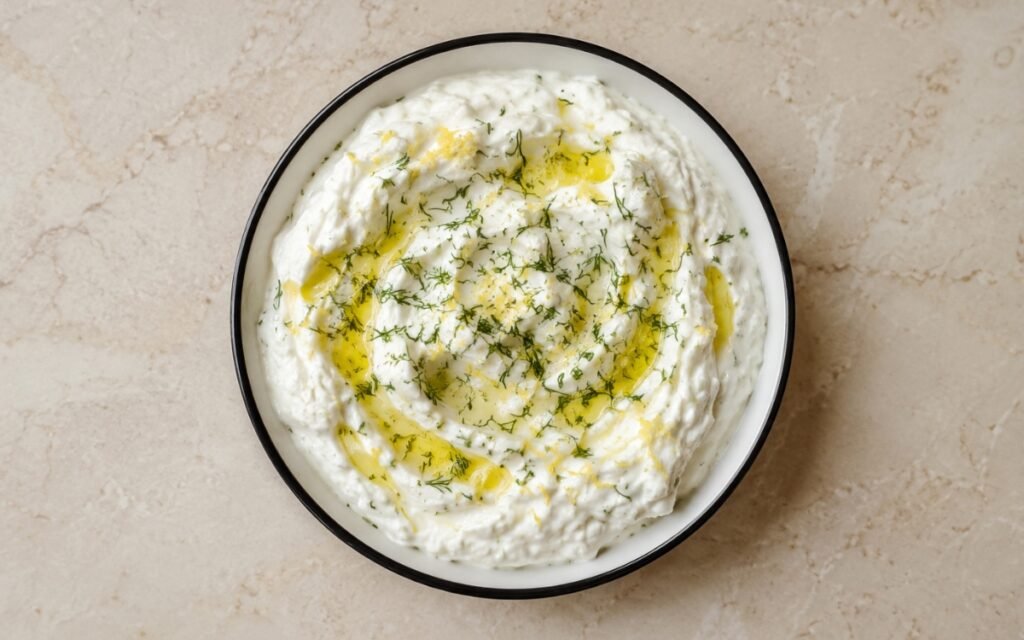
Whipped Feta Yogurt Sauce with Lemon
Creamy whipped feta blended with yogurt, lemon, and dill—the ultimate Mediterranean sauce!
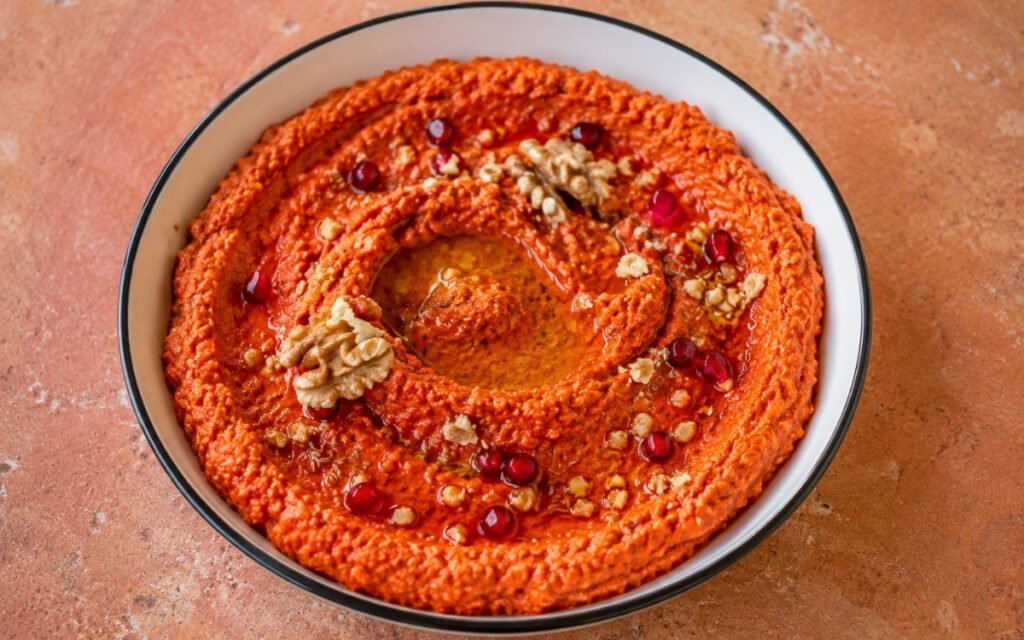
Muhammara
Charred red peppers, toasted walnuts, pomegranate molasses, and Aleppo pepper pulsed into a thick, deeply flavoured Syrian dip — smoky, sweet, sour, nutty, and warmly spiced in 35 minutes.
You might also like
You might also like
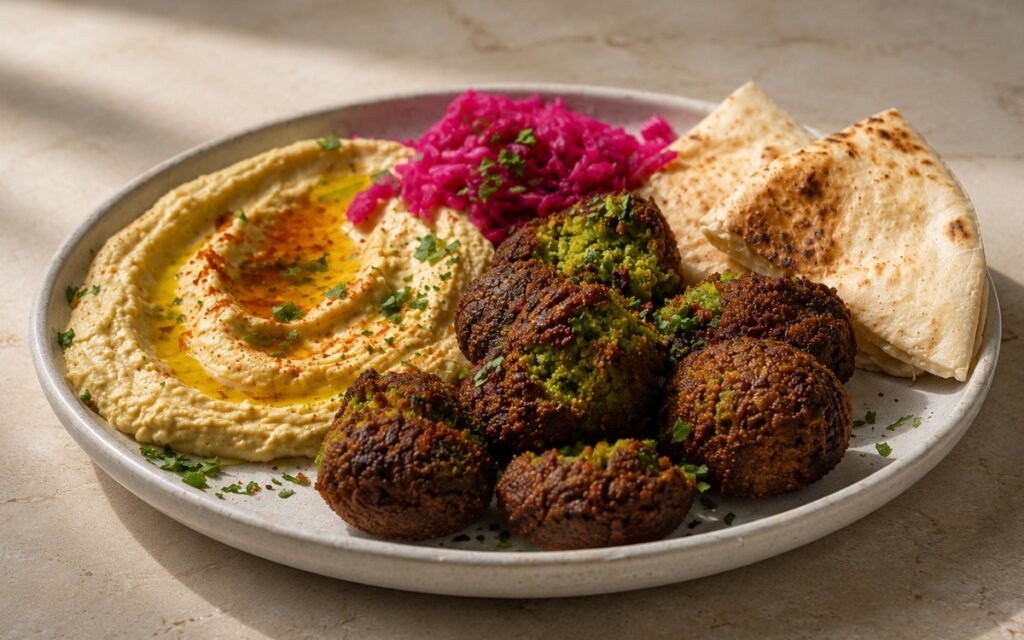
Crispy Falafel Plate
Golden shallow-fried falafel discs with a green herb centre, creamy hummus, pink pickled red cabbage and warm pita.
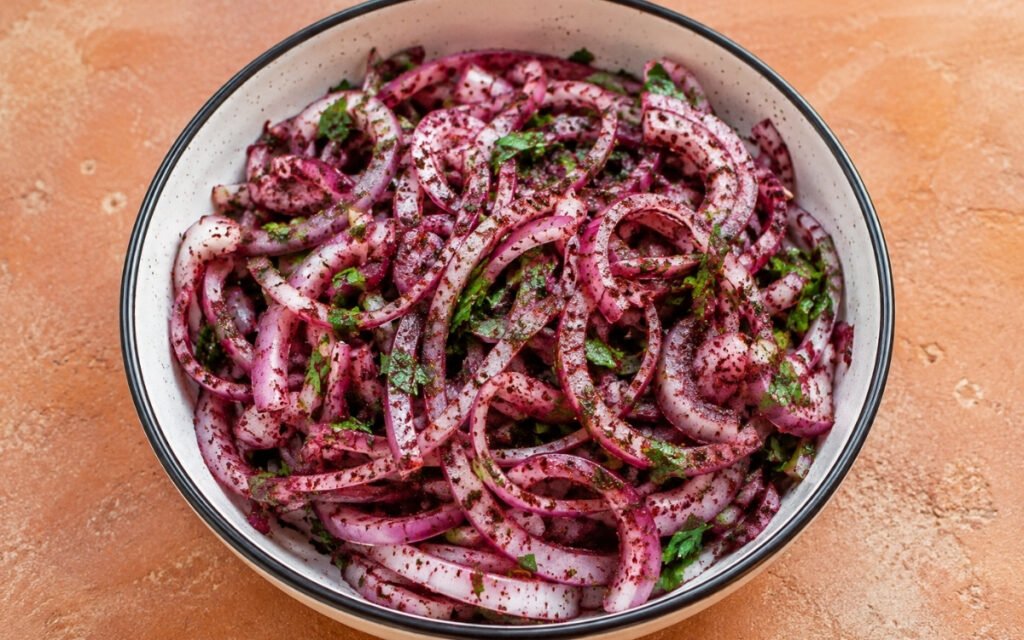
Sumac Onions Salad
Paper-thin red onions in sumac-lemon dressing with fresh parsley — the Middle Eastern condiment salad that completes every grilled meat and flatbread.
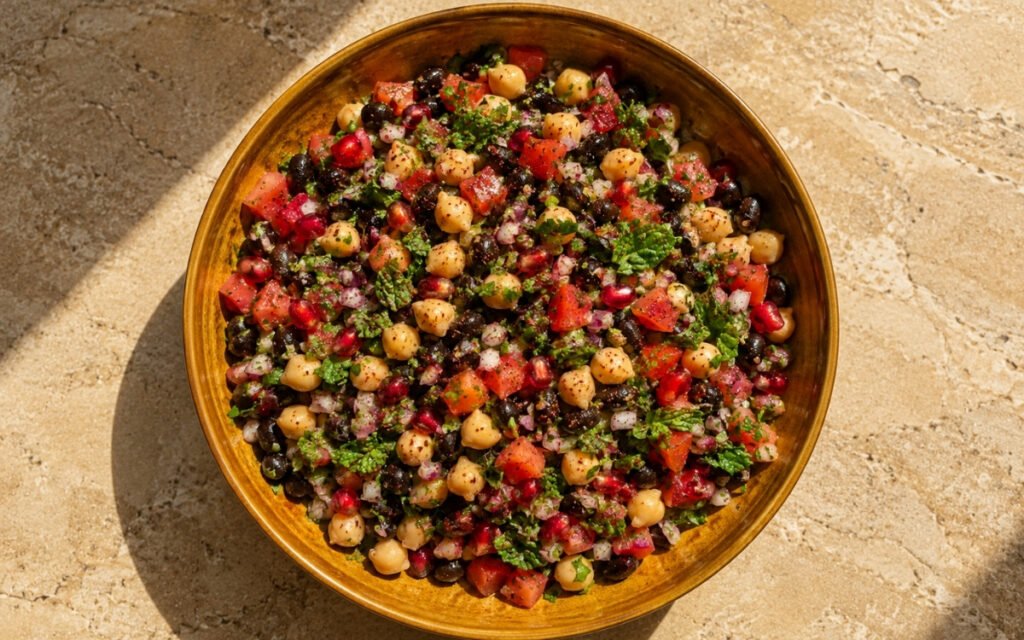
Egyptian Balela Salad
Chickpeas and black beans tossed with tomato, red onion, parsley, mint, lemon, olive oil, cumin, and sumac, finished with pomegranate seeds.
Harissa Yogurt Sauce
Ingredients
Method
- Harissa is a North African chili paste made from roasted peppers, dried chilies, garlic, and warm spices such as cumin and coriander. Styles vary widely. Rose harissa is more floral and refined, pairing especially well with yogurt, while standard harissa is typically hotter and more direct. Because brands differ in intensity, taste yours first — begin with about 20 g and increase gradually if you want more heat or depth.
- In a medium bowl, mix the Greek yogurt with the harissa paste and finely grated garlic. Grating ensures the garlic dissolves evenly into the sauce rather than leaving sharp raw pockets. Stir until the base looks fully blended and lightly tinted from the harissa.
- Add the ground cumin, ground coriander, and smoked paprika. These spices deepen and round the harissa’s flavor so it tastes layered rather than one-dimensional. Cumin contributes earthy warmth, coriander adds subtle citrus-floral notes, and smoked paprika brings gentle depth. Stir thoroughly to distribute the spices evenly.
- Add both the fresh lemon juice and zest. The juice supplies essential acidity that lifts the richness of the yogurt and the oiliness of the harissa, while the zest contributes aromatic citrus oils that enhance the sauce’s fragrance — especially noticeable when using rose harissa.
- Gently fold in the finely chopped fresh coriander and mint. Coriander complements the North African spice profile naturally, while mint adds cooling contrast to the chili heat. Season with salt and freshly ground black pepper. Refrigerate for about 15 minutes before serving to allow the flavors to meld and settle into a more cohesive sauce.