
Chicken Fajita
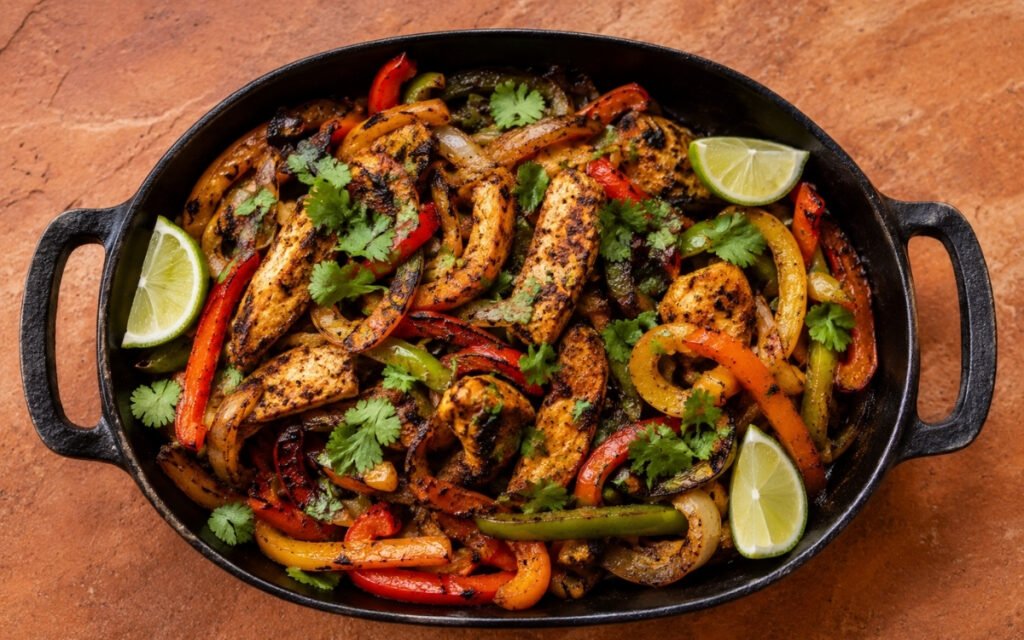
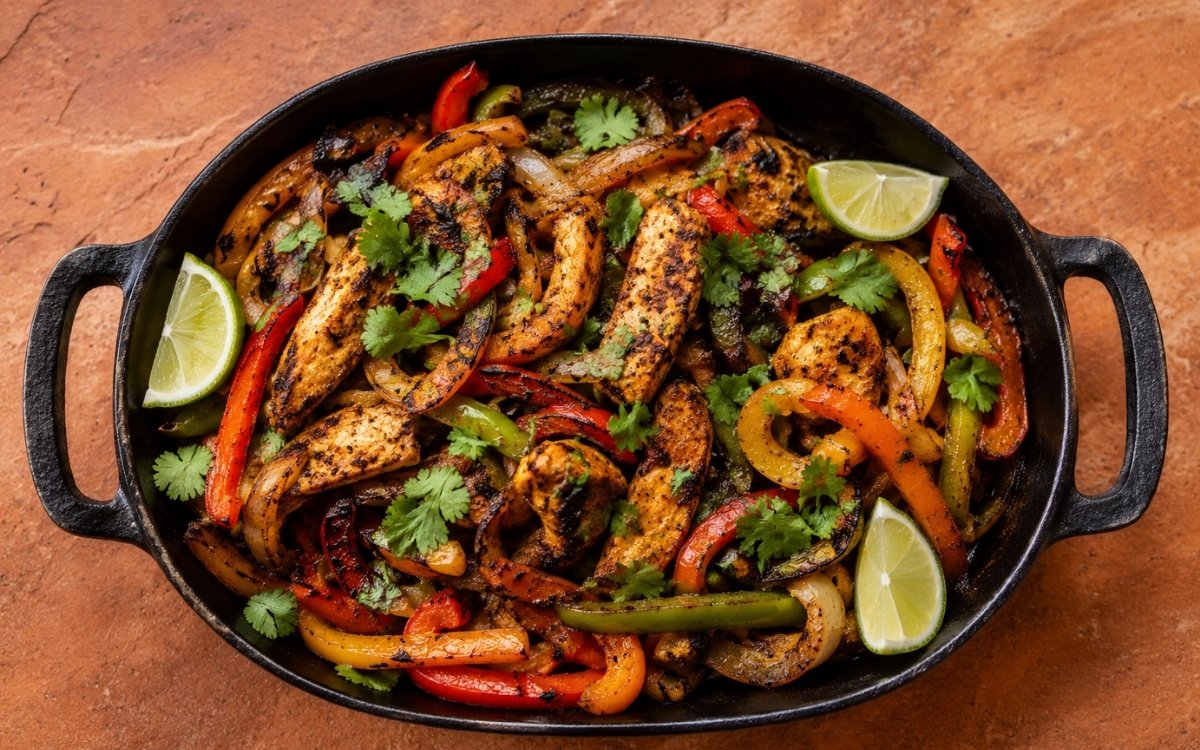
Smoky-spiced chicken thighs marinated in cumin, smoked paprika, and lime, cooked in a screaming-hot cast iron pan until charred and juicy, then rested while the peppers and onions go into the same pan — picking up every bit of flavour left behind and charring to their own caramelised, slightly smoky sweetness. Combined in one bowl for five minutes before serving, the chicken juices and vegetable char merge into something that tastes more complete than either component alone. Perfect for rice bowls, burritos, and tacos, and at its best alongside Classic Guacamole, Pico de Gallo, Salsa Verde, or Salsa Roja.
Prep Time : 15 min
Cook Time : 20 min
Servings : 4
15 min
20 min
4
Ingredients
For the Chicken
• 700g boneless, skinless chicken thighs
For the Vegetables
• 3 bell peppers, one each of green, yellow, and red, sliced into strips
• 3 medium white onions, sliced into feathers
• Olive oil, for the pan
For the Fajita Marinade
• 2 tbsp extra-virgin olive oil — this one on Amazon
• Orange peel twists
• 2 tsp smoked paprika
• 1 tsp dried oregano
• 2 tsp ground cumin — this one on Amazon
• 7g salt, about 1 tsp
• Juice of 1 lime
• 1 tsp lime zest
• 2 tsp garlic powder
This post may contain affiliate links. As an Amazon Associate I earn from qualifying purchases, at no additional cost to you.
Directions
- Make the Marinade and Marinate the Chicken
In a medium bowl, combine the smoked paprika, dried oregano, ground cumin, salt, garlic powder, lime zest, lime juice, and olive oil. Whisk together until fully combined into a uniform, fragrant paste — the olive oil and lime juice will not fully emulsify but should be evenly distributed. The marinade is a deliberate combination of dried spices and fresh acid: the smoked paprika provides the warm, slightly smoky foundation that defines fajita flavour; the cumin contributes the earthy, warm character essential to any Tex-Mex preparation; the oregano adds Mediterranean-herb depth that bridges the garlic and the citrus; the garlic powder distributes evenly through the marinade without the burning risk of fresh garlic during the high-heat cooking that follows; and the lime juice and zest together provide both the acidity that begins gentle tenderisation of the chicken surface and the bright citrus aroma that carries through the finished dish. Add the chicken thighs to the bowl and mix the marinade thoroughly into every surface of the meat with your hands — press and massage it in rather than simply stirring, ensuring the marinade penetrates into the folds of each thigh rather than remaining only on the outermost surfaces. If cooking immediately, allow to marinate at room temperature for a minimum of 30 minutes — the lime acid will begin working on the meat surface in this time and the spices will start to permeate the outer layer. For deeper, more thoroughly marinated fajita, cover and refrigerate for up to 24 hours. The overnight version is noticeably more flavourful and produces more tender chicken — the acid and salt have time to work progressively deeper into the meat rather than only seasoning the exterior. - Slice the Onions into Feathers
Peel the white onions and cut the top and root ends off each one. Halve each onion from root to tip. Place each half flat on the cutting board and slice vertically from top to bottom in thin, consistent strips — following the natural lines of the onion’s layers rather than cutting across them. These vertical strips, called feathers or julienne onions, are the correct cut for fajitas: they are long enough to char at the ends in the hot pan while remaining juicy and slightly crunchy in the thicker sections, and they collapse and interweave with the pepper strips in the finished fajita rather than sitting as separate, distinct pieces. Slice all three onions the same way and combine in a large bowl. - Slice the Peppers
Cut the top and bottom off each bell pepper. Stand each pepper upright and use a knife to cut the four curved walls of flesh away from the central seed column — you will have four flat pieces of pepper wall, the core with seeds attached, and two end pieces. Trim any remaining seed membrane or white pith from the inside of each wall piece with the knife — the pith is slightly bitter and should be removed. Slice each flat pepper wall into strips of the same thickness as the onion feathers — approximately 5–7mm wide. Trim the bottom pieces the same way and discard the tops and seed core. Mix all the sliced pepper strips with the onion feathers in the bowl and toss to combine. The three-colour pepper combination — green, yellow, and red — is not merely visual. Each colour represents a different stage of ripeness and has a different flavour profile: green bell peppers are the least ripe and have a slightly bitter, more vegetal flavour; yellow peppers are moderately ripe with a sweet, mild character; red peppers are the most ripe with the highest sugar content and the most pronounced sweetness. The combination of all three produces a more complex, layered vegetable component than any single colour alone. - Cook the Chicken in Batches
Heat a large cast iron skillet, carbon steel pan, or stainless steel skillet over high heat for 2–3 minutes until genuinely hot. Add a drizzle of olive oil and swirl to coat. Cast iron is the preferred pan for fajitas because its exceptional heat retention maintains cooking temperature when the cold, marinated chicken is added — a temperature drop upon adding cold protein is the most common cause of steaming rather than searing. Add the chicken thighs in a single layer with space between each piece — do not crowd the pan. Crowding traps the steam released from the chicken, preventing the caramelised crust and char that give fajita chicken its character, and causing the chicken to stew in its own juices rather than sear. Cook in two batches if necessary. Sear the first side without moving for 3–4 minutes until a deep golden-brown crust has developed and the thigh releases naturally from the pan surface. Flip and cook the second side for 3–4 minutes until the internal temperature reaches 74°C (165°F). Transfer the cooked thighs to a cutting board or bowl. Repeat with the remaining chicken. The goal is chicken with a properly charred, caramelised exterior and juicy interior — not pale, grey, steamed chicken. - Cook the Peppers and Onions in the Same Pan
Without washing the pan, add the sliced pepper and onion mixture directly onto the surface that cooked the chicken. The fond — the caramelised chicken and spice residue adhering to the pan surface — is concentrated flavour, and the moisture released by the vegetables as they begin to cook will deglaze the pan and incorporate this fond into the vegetable mixture. This is the reason the vegetables go into the same pan rather than a fresh one: every flavour compound left behind by the chicken is picked up by the vegetables. Stir frequently over high heat for 6–8 minutes. You can and should allow the vegetables to char more than feels comfortable — slight blackening at the thinnest edges of the onion feathers and some dark charring on the pepper ends adds the smoky depth that defines good fajita vegetables. When the vegetables come together later with the chicken and any accumulated juices, the more aggressively charred edges soften and their char character lightens and distributes — the combined dish will taste smoky and rich rather than burnt. Work in batches if the pan is not large enough to cook all the vegetables at once. If any marinade remains in the chicken bowl, pour it into the pan with the vegetables — it will sizzle, caramelise, and add its spice flavour to the vegetables. - Slice the Chicken and Combine
While the vegetables cook, slice the rested chicken thighs on the cutting board. Cut each thigh against the grain into strips approximately 1–1.5cm wide — thick enough to be substantial in the finished dish, thin enough to work easily in tacos and burritos. Identify the grain — the visible parallel lines of muscle fibre — and cut perpendicular to it for maximum tenderness. When all the vegetables are cooked, transfer them to the bowl with the sliced chicken and any accumulated resting juices from the cutting board. Toss everything together once to combine — the chicken juices mix with the vegetable char and the spiced pan fond to create a unified, coherent sauce that coats every piece. Allow the combined mixture to rest for 5 minutes before serving. During this rest, the temperature equalises between the hot vegetables and the slightly cooled chicken, the juices redistribute, and the overall flavour integrates.
*Notes :
- The choice of chicken thighs over breast is the most important single ingredient decision in this recipe. Thigh meat contains significantly more fat and connective tissue than breast meat, making it far more forgiving under the high-heat conditions required for proper fajita searing. A breast fillet at 74°C internal temperature is at the edge of dryness; a thigh at the same temperature remains juicy with room to spare, and can be cooked slightly beyond that point without deteriorating significantly. The char-forward cooking method required for fajita character is simply too aggressive for breast meat — it will be dry before the crust is properly developed. Always use thighs.
- The three-colour pepper combination produces a visual and flavour diversity that makes fajita visually recognisable and more interesting to eat than a single-colour version. The green pepper’s slight bitterness balances the red and yellow peppers’ sweetness. If only one or two colours are available, prioritise the red pepper for sweetness and the green for the slightly more assertive flavour.
- The leftover marinade from the chicken bowl should always be added to the vegetable pan rather than discarded. The raw chicken has been in this marinade — so it cannot be used without cooking — but pouring it directly into the hot pan cooks it immediately and safely, and the spiced, lime-infused liquid caramelises into the vegetables and contributes flavour that would otherwise be lost.
Why This Recipe Works
This recipe works because every cooking decision reinforces the same goal: maximum caramelisation and char without dryness. Chicken thighs provide the fat content needed to stay juicy through high-heat searing. The marinade builds a spiced surface that chars more readily and more flavourfully than unmarinated chicken.
Cooking the vegetables in the same pan picks up all the fond from the chicken. Combining chicken and vegetables with their combined juices and resting for 5 minutes integrates all the flavours into a unified dish rather than a plate of separately-cooked components.
Ingredient Breakdown
Chicken Thighs
Juicy, fat-rich, and forgiving under high heat — the only cut that stays moist through the aggressive searing required for proper fajita char.
Smoked Paprika
The dominant spice character — warm, subtly smoky, and the flavour most associated with fajita seasoning. Provides the deep reddish-orange colour of the marinade.
Ground Cumin
The earthy, warm backbone of the spice blend — essential to Tex-Mex and Mexican cooking, provides the savory depth beneath the paprika’s warmth.
Lime Juice and Zest
The acid tenderiser and brightness element — juice penetrates the meat surface during marinating, zest provides concentrated aromatic oils that survive the cooking process.
Three-Colour Bell Peppers
Visual appeal and flavour range — green for slight bitterness, yellow for mild sweetness, red for pronounced caramelised sweetness when charred.
White Onion (Feather Cut)
The aromatic vegetable base — long vertical strips that char at the ends while remaining juicy throughout, interweaving with the peppers in the finished dish.
Flavor Structure Explained
This fajita follows a layered balance model:
- Spiced charred protein (chicken)
- Sweet-bitter vegetable char (peppers, onions)
- Bright acidity (lime)
- Warm earthy spice (cumin)
- Integrated pan juices (resting + fond)
Chicken defines the core with a smoky, caramelised spice crust that delivers deep savory intensity. Vegetables add contrast through their own char — sweeter, slightly bitter at the edges, and driven by natural sugar caramelisation. Lime cuts through both layers, sharpening and lifting the char so it stays vivid rather than heavy. Cumin acts as the bridge, tying meat and vegetables into a single coherent flavor profile. Resting allows juices and fond to merge into a light, sauce-like layer that unifies everything into a cohesive final result.
Common Mistakes to Avoid
- Overcrowding the Pan – The most common and most destructive mistake. Crowded chicken steams rather than sears — no crust, no char, pale and slightly rubbery rather than deeply golden and caramelised. Cook in batches without hesitation.
- Using Chicken Breast – Breast meat is too lean for the high-heat, char-forward cooking this recipe requires. Thighs are essential.
- Under-heating the Pan – A pan that is not genuinely hot when the chicken goes in produces steaming rather than searing from the first moment. Preheat for a full 2–3 minutes until the oil shimmers and begins to smoke lightly at the edges.
- Washing the Pan Between Chicken and Vegetables – The fond from the chicken is concentrated flavour. The vegetables go into the same pan specifically to pick it up.
- Discarding the Leftover Marinade – Add it to the vegetable pan — it cooks immediately and safely in the hot pan and contributes spice flavour that would otherwise be lost.
- Serving Without the 5-Minute Rest – The rest integrates the chicken juices and vegetable fond into a cohesive sauce. Serving immediately produces separately-flavoured components rather than a unified dish.
Variations
Shrimp Fajita
The same marinade and same vegetable preparation — but shrimp’s cooking time is dramatically shorter. Marinate for 15 minutes maximum. Sear in the same hot pan for 90 seconds per side until pink and just cooked through. Over-cooked shrimp becomes rubbery within seconds — pull at the moment of full colour change. Full recipe and technique at Shrimp Fajita.
Steak Fajita
The same marinade and vegetables work equally well with 700g of flank or skirt steak. The cooking technique differs: sear the steak as one or two large pieces rather than in strips, pull at 57°C for medium-rare, rest for 5 minutes, and slice against the grain after cooking rather than before. Full recipe and technique details at Skirt Steak Fajita.
Smoky Chipotle Version
Increase verjus slightly and reduce orange juice by about 10–15%. This creates a sharper, more wine-like profile ideal for pre-dinner serving.
Sheet Pan Version
Spread the marinated chicken thighs and all the sliced peppers and onions on a large oiled baking sheet. Roast at 230°C for 25–28 minutes, turning once halfway through, until the chicken is cooked through and the vegetables have charred edges. Less char development than the pan method but an entirely hands-off approach.
Storage & Make-Ahead
Cooked fajita mixture can be refrigerated in an airtight container for up to 4 days. To reheat it, use a hot, dry skillet for 3 to 4 minutes, stirring occasionally. This helps bring back some of the charred flavor much better than a microwave, which tends to make the mixture soft and slightly steamed.
Marinated raw chicken can be refrigerated for up to 24 hours before cooking. After that, the lime juice will begin to affect the surface texture of the thighs.
Sliced peppers and onions can be prepared up to 24 hours in advance and stored in a sealed bag or container in the refrigerator. They may soften slightly, but they will still cook and char just like freshly cut vegetables.
The cooked fajita mixture also freezes well for up to 2 months. Thaw it overnight in the refrigerator, then reheat it in a hot pan.
Frequently Asked Questions
What is the best pan for fajitas?
Cast iron is the clear first choice — its exceptional heat retention maintains the cooking temperature when cold, wet, marinated chicken is added, and its naturally seasoned surface develops better fond than other materials. Carbon steel is a close second. Stainless steel works well at high heat. Avoid non-stick — it cannot be heated to the temperatures required for proper caramelisation and the coating is damaged by sustained high heat.
Can I use chicken breast instead of thighs?
Breast works but produces a noticeably drier, less forgiving result at the searing temperatures required for fajita char. If using breast, reduce the cooking time to 2–3 minutes per side and pull at exactly 74°C — there is very little margin between cooked and dry with breast meat.
What do I serve chicken fajita with?
The natural condiment pairings are Classic Guacamole, Pico de Gallo, Salsa Verde, and Salsa Roja — any combination of these alongside warm flour or corn tortillas completes the meal. For larger plates, serve over Cilantro Lime Jasmine Rice or Mexican-Style Rice with black beans for a complete burrito bowl.
How long should I marinate the chicken?
30 minutes at room temperature gives a lightly seasoned surface. 4 hours gives noticeably more penetration. Overnight (12–24 hours) produces the most thoroughly flavoured, most tender result. Beyond 24 hours, the lime acid begins to affect the surface texture of the meat negatively.
Can I make this on a grill?
Yes — grill the whole thighs over the hottest zone for 4–5 minutes per side until charred and cooked through, rest, then slice. Grill the peppers and onions in a grill basket or directly on the grates. The outdoor grill produces a smoky character that the pan cannot replicate and is the best version of this recipe when the weather permits.
Nutrition Facts
( per serving )
Calories
~370 kcal
Protein
42 g
Fat
16 g
Carbs
15 g
Calories
~370 kcal
Protein
42 g
Fat
16 g
Carbs
15 g
Related Recipes
Related Recipes

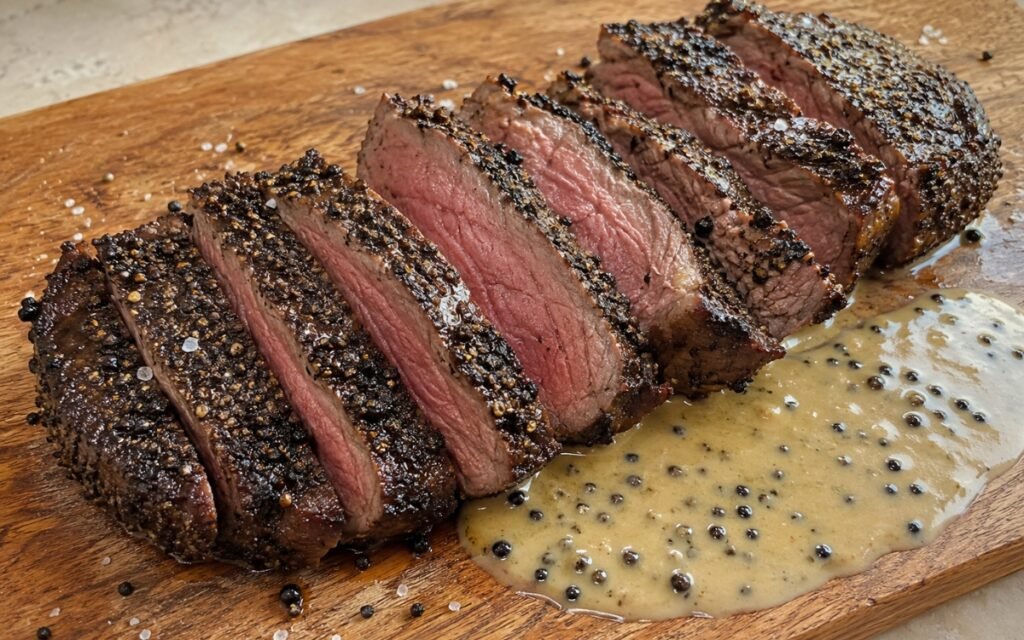
Peppercorn Crusted Steak
Steak tempered and dried, coated in coarsely crushed peppercorns — seared undisturbed, butter-basted, optional brandy cream sauce, rested. Sharp, tender, rich.
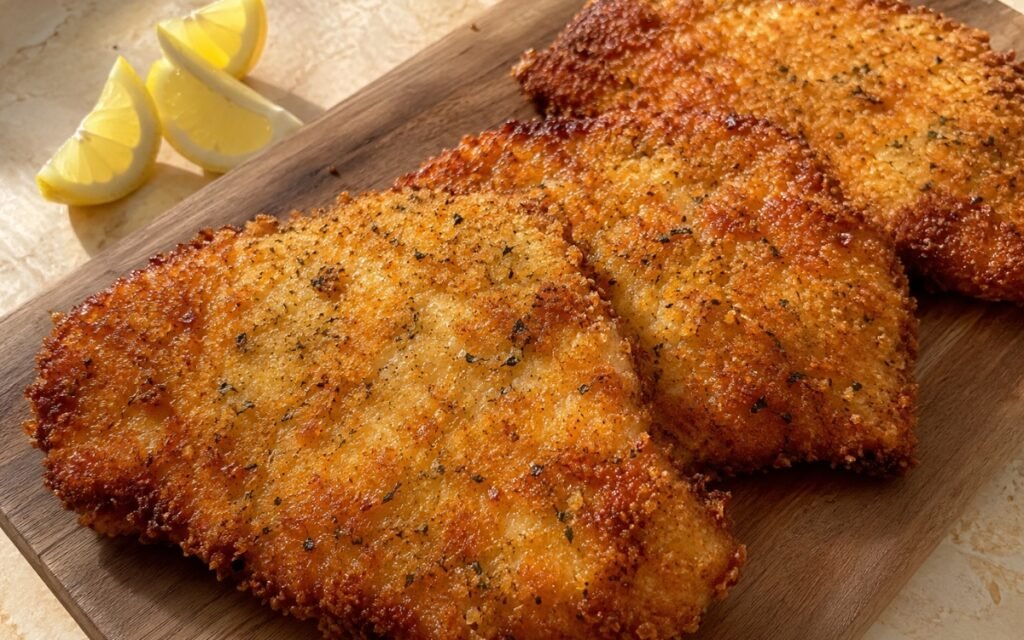
Italian Fried Chicken Cutlets
Crispy Parmesan-crusted chicken cutlets with golden breadcrumb coating—juicy, flavorful perfection.
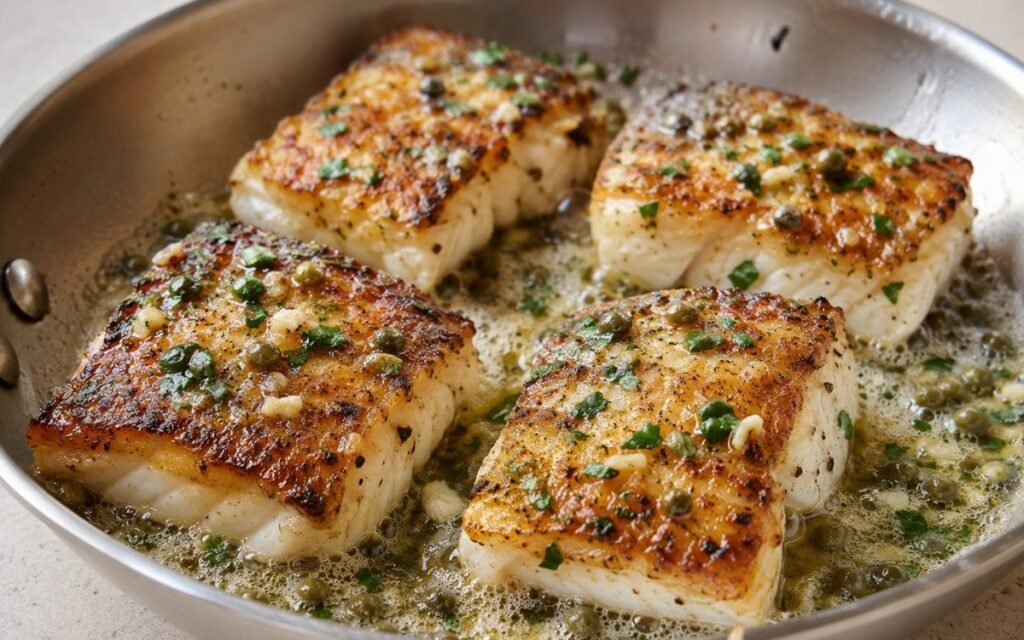
Pan-Seared Cod
Cod fillets dried thoroughly, lightly floured, seared undisturbed — finished with butter basting and a lemon caper pan sauce. Delicate and crisp.
You might also like
You might also like
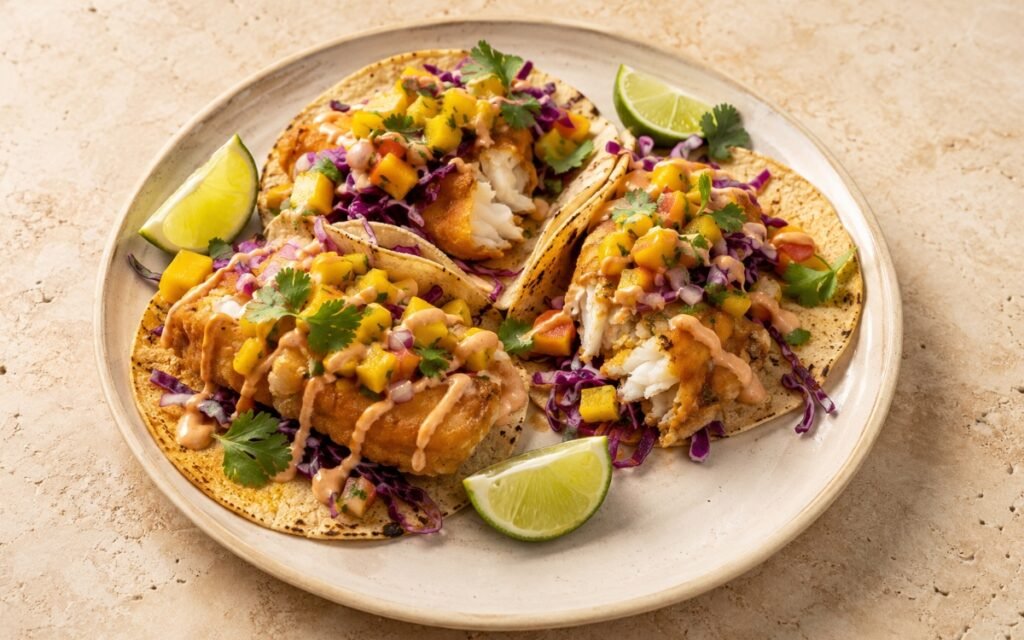
Fish Tacos with Mango Salsa
Cod dredged and battered cold, fried until golden and crisp, piled onto small corn tortillas with purple cabbage, mango salsa, and chipotle crema.
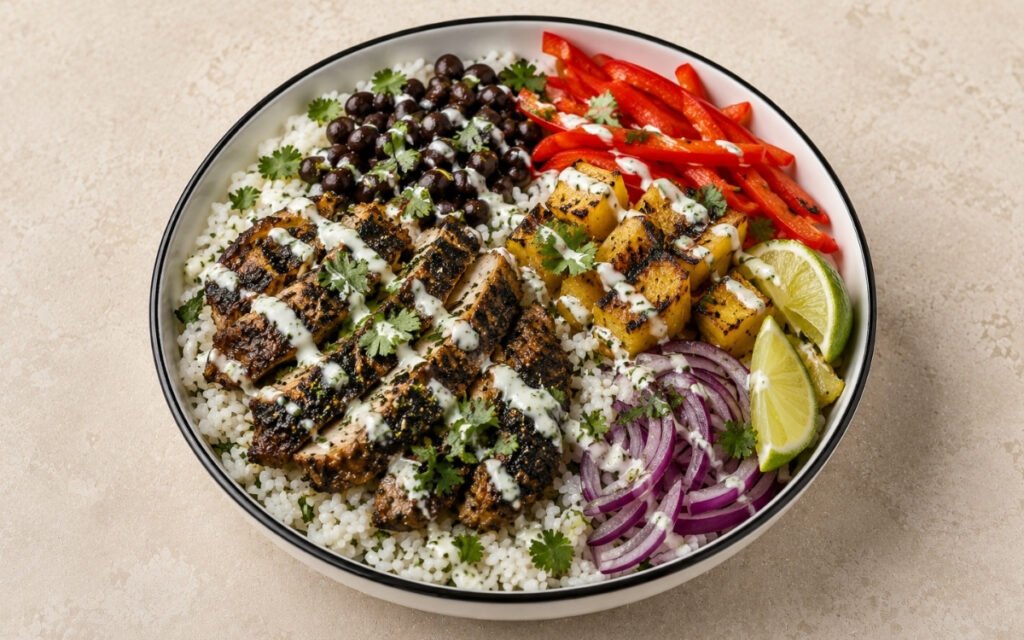
Caribbean Jerk Chicken Rice Bowl
Chicken thighs scored, marinated in blended allspice jerk paste, and deeply charred in cast iron — over coconut rice with charred pineapple, black beans, and lime-cilantro crema.
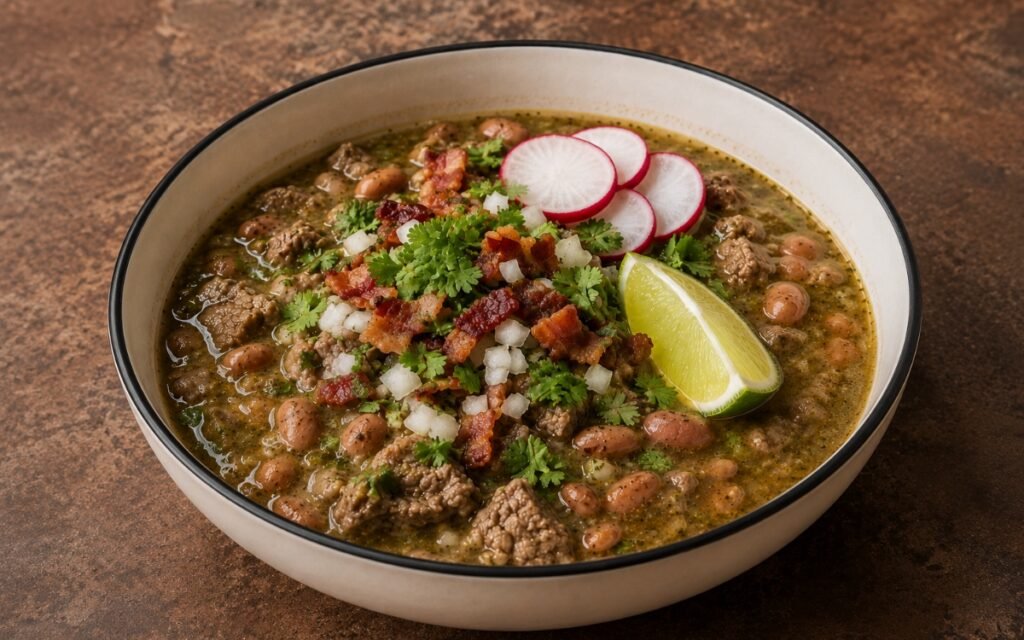
Carne en su Jugo
Finely chopped, batch-browned beef simmered briefly in a savory tomatillo broth with pinto beans, topped with crispy bacon and fresh garnishes.
Chicken Fajita
Ingredients
Method
- In a medium bowl, combine the smoked paprika, dried oregano, ground cumin, salt, garlic powder, lime zest, lime juice, and olive oil. Whisk together until fully combined into a uniform, fragrant paste — the olive oil and lime juice will not fully emulsify but should be evenly distributed. The marinade is a deliberate combination of dried spices and fresh acid: the smoked paprika provides the warm, slightly smoky foundation that defines fajita flavour; the cumin contributes the earthy, warm character essential to any Tex-Mex preparation; the oregano adds Mediterranean-herb depth that bridges the garlic and the citrus; the garlic powder distributes evenly through the marinade without the burning risk of fresh garlic during the high-heat cooking that follows; and the lime juice and zest together provide both the acidity that begins gentle tenderisation of the chicken surface and the bright citrus aroma that carries through the finished dish. Add the chicken thighs to the bowl and mix the marinade thoroughly into every surface of the meat with your hands — press and massage it in rather than simply stirring, ensuring the marinade penetrates into the folds of each thigh rather than remaining only on the outermost surfaces. If cooking immediately, allow to marinate at room temperature for a minimum of 30 minutes — the lime acid will begin working on the meat surface in this time and the spices will start to permeate the outer layer. For deeper, more thoroughly marinated fajita, cover and refrigerate for up to 24 hours. The overnight version is noticeably more flavourful and produces more tender chicken — the acid and salt have time to work progressively deeper into the meat rather than only seasoning the exterior.
- Peel the white onions and cut the top and root ends off each one. Halve each onion from root to tip. Place each half flat on the cutting board and slice vertically from top to bottom in thin, consistent strips — following the natural lines of the onion’s layers rather than cutting across them. These vertical strips, called feathers or julienne onions, are the correct cut for fajitas: they are long enough to char at the ends in the hot pan while remaining juicy and slightly crunchy in the thicker sections, and they collapse and interweave with the pepper strips in the finished fajita rather than sitting as separate, distinct pieces. Slice all three onions the same way and combine in a large bowl.
- Cut the top and bottom off each bell pepper. Stand each pepper upright and use a knife to cut the four curved walls of flesh away from the central seed column — you will have four flat pieces of pepper wall, the core with seeds attached, and two end pieces. Trim any remaining seed membrane or white pith from the inside of each wall piece with the knife — the pith is slightly bitter and should be removed. Slice each flat pepper wall into strips of the same thickness as the onion feathers — approximately 5–7mm wide. Trim the bottom pieces the same way and discard the tops and seed core. Mix all the sliced pepper strips with the onion feathers in the bowl and toss to combine. The three-colour pepper combination — green, yellow, and red — is not merely visual. Each colour represents a different stage of ripeness and has a different flavour profile: green bell peppers are the least ripe and have a slightly bitter, more vegetal flavour; yellow peppers are moderately ripe with a sweet, mild character; red peppers are the most ripe with the highest sugar content and the most pronounced sweetness. The combination of all three produces a more complex, layered vegetable component than any single colour alone.
- Heat a large cast iron skillet, carbon steel pan, or stainless steel skillet over high heat for 2–3 minutes until genuinely hot. Add a drizzle of olive oil and swirl to coat. Cast iron is the preferred pan for fajitas because its exceptional heat retention maintains cooking temperature when the cold, marinated chicken is added — a temperature drop upon adding cold protein is the most common cause of steaming rather than searing. Add the chicken thighs in a single layer with space between each piece — do not crowd the pan. Crowding traps the steam released from the chicken, preventing the caramelised crust and char that give fajita chicken its character, and causing the chicken to stew in its own juices rather than sear. Cook in two batches if necessary. Sear the first side without moving for 3–4 minutes until a deep golden-brown crust has developed and the thigh releases naturally from the pan surface. Flip and cook the second side for 3–4 minutes until the internal temperature reaches 74°C (165°F). Transfer the cooked thighs to a cutting board or bowl. Repeat with the remaining chicken. The goal is chicken with a properly charred, caramelised exterior and juicy interior — not pale, grey, steamed chicken.
- Without washing the pan, add the sliced pepper and onion mixture directly onto the surface that cooked the chicken. The fond — the caramelised chicken and spice residue adhering to the pan surface — is concentrated flavour, and the moisture released by the vegetables as they begin to cook will deglaze the pan and incorporate this fond into the vegetable mixture. This is the reason the vegetables go into the same pan rather than a fresh one: every flavour compound left behind by the chicken is picked up by the vegetables. Stir frequently over high heat for 6–8 minutes. You can and should allow the vegetables to char more than feels comfortable — slight blackening at the thinnest edges of the onion feathers and some dark charring on the pepper ends adds the smoky depth that defines good fajita vegetables. When the vegetables come together later with the chicken and any accumulated juices, the more aggressively charred edges soften and their char character lightens and distributes — the combined dish will taste smoky and rich rather than burnt. Work in batches if the pan is not large enough to cook all the vegetables at once. If any marinade remains in the chicken bowl, pour it into the pan with the vegetables — it will sizzle, caramelise, and add its spice flavour to the vegetables.
- While the vegetables cook, slice the rested chicken thighs on the cutting board. Cut each thigh against the grain into strips approximately 1–1.5cm wide — thick enough to be substantial in the finished dish, thin enough to work easily in tacos and burritos. Identify the grain — the visible parallel lines of muscle fibre — and cut perpendicular to it for maximum tenderness. When all the vegetables are cooked, transfer them to the bowl with the sliced chicken and any accumulated resting juices from the cutting board. Toss everything together once to combine — the chicken juices mix with the vegetable char and the spiced pan fond to create a unified, coherent sauce that coats every piece. Allow the combined mixture to rest for 5 minutes before serving. During this rest, the temperature equalises between the hot vegetables and the slightly cooled chicken, the juices redistribute, and the overall flavour integrates.