
Japchae — Korean Glass Noodle Stir-Fry
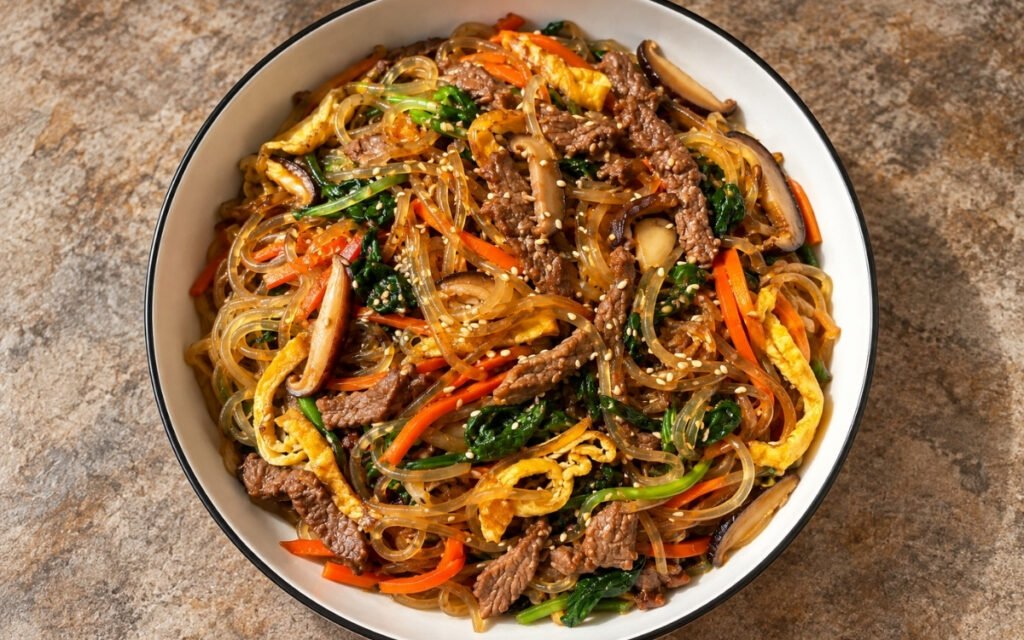
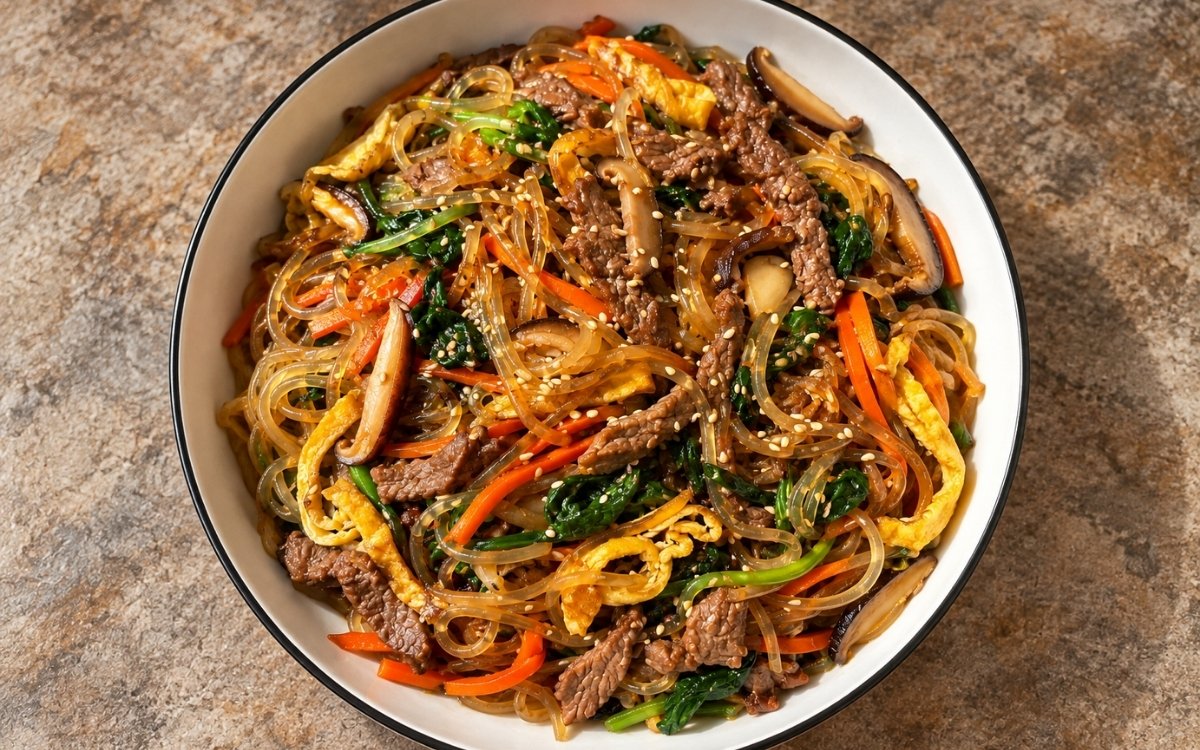
Classic japchae made with chewy sweet potato glass noodles, thin strips of beef, spinach, shiitake mushrooms, carrot, onion, and egg ribbons, all tossed in a glossy soy-sesame seasoning. Cooking every component genuinely separately, rather than all together in one pan, is the technique this whole dish depends on for keeping each ingredient’s own distinct texture and colour — the beef, vegetables, and noodles all cook at real, different speeds, the same cook-separately-then-combine principle used elsewhere in this collection whenever a mixed-ingredient dish’s own visual and textural clarity depends on each element being handled on its own terms rather than steamed together in a crowded pan. Squeezing the blanched spinach thoroughly dry is what protects the finished noodles from turning watery and diluting the whole dish’s seasoning. Tossing the noodles with sauce while they’re still warm, rather than letting them sit plain, is what protects them from clumping badly once cooled. The payoff is a dish with real, layered Korean contrast — chewy, glossy noodles studded with distinct, individually cooked beef, mushrooms, and vegetables, tied together by a savoury-sweet, nutty sesame seasoning.
Prep Time : 35 min
Cook Time : 20 min
Servings : 4
35 min
20 min
4
Ingredients
Beef and Marinade
• 600g beef, thinly sliced into short strips (sirloin, ribeye, or other tender cut), about 150g per serving
• 30ml soy sauce
• 10g sugar
• 10ml toasted sesame oil
• 8g garlic, finely grated
• ¼ tsp black pepper
Noodles
• 250g Korean sweet potato glass noodles (dangmyeon) — this one on Amazon
• Water, for boiling
Japchae Sauce
• 75ml soy sauce — this one on Amazon
• 35g sugar
• 30ml toasted sesame oil — this one on Amazon
• 10g garlic, finely grated
• ¼ tsp black pepper
Vegetables and Egg
• 180g carrot, julienned
• 180g yellow or brown onion, thinly sliced
• 150g fresh shiitake mushrooms, stems removed, sliced
• 200g spinach
• 4 scallions, cut into 4–5cm lengths or thinly sliced on the bias
• 4 eggs
• Pinch of salt, for the eggs
• Neutral oil, as needed for cooking
Finishing
• 15g toasted sesame seeds
• Extra toasted sesame oil, a few drops if needed
This post may contain affiliate links. As an Amazon Associate I earn from qualifying purchases, at no additional cost to you.
Directions
- Marinate the Beef
Combine the beef with soy sauce, sugar, sesame oil, garlic, and black pepper. Mix well and marinate for 20 minutes. The beef should be thin enough to cook in under 1 minute once it hits the pan. That genuinely thin slicing is what lets the marinade’s own flavour penetrate quickly within its brief 20-minute window, since thicker strips would need considerably longer for the same seasoning to actually reach the meat’s centre. - Make the Egg Ribbons
Beat the eggs with a small pinch of salt until smooth. Heat a lightly oiled nonstick pan over low to medium-low heat and cook the eggs into 1–2 thin omelettes, just set with no heavy browning. Cool slightly, roll, and slice into thin ribbons. Keep the egg tender and yellow; heavy browning makes the garnish look dull and slightly rubbery. That genuinely low, patient heat is what sets the egg into a smooth, tender sheet without ever browning it — real colour development here would work directly against the bright, clean yellow ribbons this garnish depends on. - Blanch the Spinach
Bring a pot of water to a boil. Blanch the spinach for 20–30 seconds, just until wilted. Drain, rinse briefly under cool water, then squeeze very well to remove excess moisture. Cut into shorter lengths if needed. This is critical: wet spinach will dilute the seasoning and make the noodles watery. That thorough, deliberate squeezing removes real, considerable moisture the spinach would otherwise release directly into the finished dish, protecting the seasoning’s own concentration once everything is combined. - Mix the Japchae Sauce
Stir together the soy sauce, sugar, sesame oil, garlic, and black pepper until the sugar is mostly dissolved. Set aside. Having the sauce fully mixed and ready before the noodles are even boiled is what lets it be tossed in immediately once the noodles drain, while they’re still genuinely warm and receptive. - Cook the Noodles
Boil the sweet potato noodles according to the package, usually about 6–7 minutes, until fully translucent and chewy-tender. Drain well. While still warm, toss the noodles with about two-thirds of the japchae sauce. If they are very long, cut them a few times with kitchen scissors. Do not overcook. The noodles should stay springy and elastic, not soft or swollen. That immediate tossing, while the noodles are still warm, is what lets them actually absorb the sauce evenly and stay properly separated — noodles left to cool and sit plain would clump together stubbornly, resisting the sauce once it’s finally added. - Cook the Vegetables Separately
Heat a little neutral oil in a skillet or wok over medium-high heat. Cook each component separately, removing it to a tray or bowl as soon as done: onion for 2–3 minutes until lightly softened but not collapsed; carrot for 1–2 minutes so it softens slightly but keeps some bite; shiitake mushrooms for 2–3 minutes until wilted and lightly browned; scallions for 20–30 seconds just to soften slightly. Cooking separately keeps the colors clean and prevents the vegetables from steaming each other. That genuine separation protects every vegetable’s own distinct texture and colour — combined in one crowded pan, their collective released moisture would steam rather than sauté each component, dulling both the colours and the intended textural contrast. - Cook the Beef
In the same pan over high heat, cook the marinated beef quickly in a thin layer for 1–2 minutes until just cooked and lightly caramelized at the edges. If needed, do this in 2 batches so it sears instead of steams. Any juices that collect should be glossy and reduced, not watery. Cooking in properly small batches protects the pan’s own high heat from dropping too far when the beef is added — a significant drop would let the meat release liquid and steam rather than actually searing and caramelizing at the edges. - Combine
Place the seasoned noodles in a large bowl. Add the cooked beef, spinach, onion, carrot, mushrooms, scallions, and egg ribbons. Add the remaining sauce and toss thoroughly with tongs or gloved hands until evenly mixed. Taste and adjust with a little extra soy sauce or a few drops more sesame oil only if needed. The final texture should be glossy and well-seasoned, but not wet or oily. Reserving the final third of the sauce specifically for this combining stage, rather than using it all on the noodles alone, ensures every other component gets its own real share of seasoning once everything is finally tossed together. - Finish and Serve
Transfer to a serving bowl and scatter generously with toasted sesame seeds. Serve warm or at room temperature. That flexibility in serving temperature reflects japchae’s own real character — unlike many stir-fries, this dish holds its intended texture and flavour balance well even once it’s cooled slightly from freshly cooked.
*Notes :
- Cooking every component genuinely separately, rather than combining everything in one crowded pan, deserves recognition as the technique most responsible for japchae’s whole layered, distinct appearance and texture. The recipe’s own explicit note that separate cooking “keeps the colors clean and prevents the vegetables from steaming each other” reflects real understanding of what a crowded pan would actually do — collapse every ingredient’s own distinct character into a single, muddled result.
- Squeezing the blanched spinach thoroughly dry deserves the same attention this collection gives to any wet, leafy green being folded into a dish that depends on staying properly glossy rather than watery. The recipe’s own framing of this as “one of the most important steps” reflects exactly how much this single detail affects the finished dish’s seasoning and overall texture.
- Tossing the noodles with sauce while they’re still genuinely warm, rather than letting them cool first, deserves real attention as a deliberate timing choice specific to how sweet potato glass noodles behave once drained. Warm noodles remain receptive to absorbing the sauce evenly, while noodles left to sit and cool clump together stubbornly, resisting that same sauce considerably more once it’s finally added.
- Cooking the beef in properly small batches over genuinely high heat deserves respect as the technique responsible for real searing rather than steaming. A crowded pan drops the surface temperature meaningfully, and that drop is specifically what causes the beef to release liquid and simmer in it rather than developing the lightly caramelized edges this dish depends on.
Why This Recipe Works
This recipe works because every component — beef, egg, spinach, noodles, and each vegetable — is cooked genuinely separately, protecting its own distinct texture and colour. The spinach is squeezed thoroughly dry, protecting the dish’s overall seasoning from dilution.
The noodles are sauced while still warm, letting them absorb flavour evenly rather than clumping. The beef is seared in small batches over high heat, developing real caramelization rather than steaming.
Combining everything at the end, with a reserved portion of sauce, delivers a glossy, well-seasoned dish where every ingredient still reads as its own distinct component.
Ingredient Breakdown
Thinly Sliced, Marinated Beef
The critical technique — genuine thinness lets the marinade penetrate within its brief window and lets the meat sear rather than steam.
Gently Cooked Egg Ribbons
The critical technique — low, patient heat keeps the egg tender and bright yellow rather than browned and rubbery.
Thoroughly Squeezed Spinach
The critical technique — removes real moisture that would otherwise dilute the dish’s overall seasoning.
Warm-Sauced Noodles
The critical technique — lets the noodles absorb flavour evenly and protects against clumping once cooled.
Separately Cooked Vegetables
The critical technique — protects each vegetable’s own distinct colour and texture from steaming together.
Small-Batch, High-Heat Seared Beef
The critical technique — protects real caramelization from being lost to a crowded, steaming pan.
Flavor Structure Explained
This japchae follows a layered balance model:
- Chewy, glossy foundation (sauced sweet potato glass noodles)
- Savoury seared protein (thinly sliced, marinated beef)
- Fresh, varied vegetal body (carrot, onion, shiitake, spinach, scallions)
- Rich, tender accent (egg ribbons)
- Nutty, savoury-sweet finish (japchae sauce, toasted sesame seeds)
Chewy, glossy sweet potato glass noodles provide this dish’s foundational texture, their sauce absorbed evenly while still warm. Thinly sliced, marinated beef contributes savoury, seared protein throughout. Carrot, onion, shiitake mushrooms, spinach, and scallions add fresh, individually cooked vegetal body, each retaining its own distinct texture. Tender egg ribbons offer a rich, gentle accent among the more assertive components. The japchae sauce and a final scatter of toasted sesame seeds tie the whole dish together with a nutty, savoury-sweet finish central to this classic Korean stir-fry.
Common Mistakes to Avoid
- Cooking All the Vegetables Together in One Pan – This causes them to steam each other and lose their distinct colours and textures. Always cook each component separately.
- Skipping the Spinach’s Squeezing Step – This releases excess water into the finished dish, diluting the seasoning. Always squeeze it thoroughly dry after blanching.
- Letting the Noodles Cool Before Saucing – This causes them to clump together stubbornly. Always toss them with sauce while still warm.
- Crowding the Pan While Searing the Beef – This drops the pan’s temperature and causes the beef to steam rather than sear. Always cook it in small batches over high heat.
- Overcooking the Noodles – This makes them soft and swollen rather than springy and chewy. Always watch closely and stop as soon as they’re translucent and tender.
Variations
Vegetarian Version
Omit the beef and add extra mushrooms or firm tofu, cooked separately using the same technique, for a meat-free version that still follows this dish’s core layered approach.
Extra-Nutty Version
Increase the toasted sesame seeds and add a few extra drops of toasted sesame oil at the final tossing stage for a more pronounced, aromatic sesame finish.
Pork Version
Substitute thinly sliced pork for beef, following the same marinating and searing technique, for a different but equally classic protein option.
Make-Ahead Component Version
Prepare each individually cooked component ahead of time, storing them separately, and combine everything with the sauce only right before serving, per the recipe’s own guidance on same-day freshness.
Storage & Make-Ahead
Sweet potato glass noodles are genuinely essential to this dish; do not substitute rice noodles or bean-thread noodles if you want a truly classical japchae texture, since their specific chewiness is central to the whole dish’s character.
Tender beef cuts work best here because the strips are cooked very quickly, and if the noodles sit too long after draining without sauce, they clump badly, so always season them while they’re still genuinely warm.
Squeezing the spinach dry is genuinely one of the most important steps in this entire recipe for both clean flavour and proper texture, and japchae is at its best when each component is cooked just enough — carrot slightly crisp, mushrooms tender, onion soft but not limp, beef juicy, noodles chewy.
The finished dish should taste savoury-sweet with a real nutty sesame aroma, and the noodles should look genuinely glossy rather than heavily sauced or wet.
Leftovers can be reheated gently in a skillet or microwave, but the noodles are genuinely best enjoyed on the day they’re made, since their signature chewy texture doesn’t hold quite as well once refrigerated overnight.
Frequently Asked Questions
Why does every component of japchae need to be cooked separately rather than all together?
Cooking everything in one crowded pan causes the vegetables to steam each other, dulling both their colours and their individual textures. Separate cooking is what keeps every component looking and tasting genuinely distinct once combined.
Why does the spinach need to be squeezed so thoroughly after blanching?
Wet spinach releases real moisture directly into the finished dish, diluting the seasoning and making the noodles watery. Thorough squeezing protects the dish’s overall concentration and glossy, well-seasoned finish.
Why do the noodles need to be sauced while still warm rather than after they’ve cooled?
Warm noodles remain receptive to absorbing the sauce evenly throughout. Noodles left to cool and sit plain clump together stubbornly, resisting the sauce considerably more once it’s finally added.
Why does the beef need to be cooked in small batches over high heat?
A crowded pan drops the surface temperature meaningfully, causing the beef to release liquid and steam in it rather than actually searing. Small batches protect the pan’s own high heat, letting the beef caramelize at the edges instead.
Are there other classic Korean noodle, beef, or bulgogi rice bowl dishes worth trying?
Kimchi Udon Stir-Fry offers another classic Korean-inspired noodle direction worth exploring. Korean Beef Bulgogi Rice Bowl and Korean BBQ Wings are also worth trying for other classic Korean dishes, and Spicy Asian Cucumber Salad and Pork Gyoza Dumplings offer other satisfying Asian-inspired sides and dishes worth exploring.
Nutrition Facts
( per serving )
Calories
~620 kcal
Protein
32 g
Fat
22 g
Carbs
72 g
Calories
~620 kcal
Protein
32 g
Fat
22 g
Carbs
72 g
Related Recipes
Related Recipes

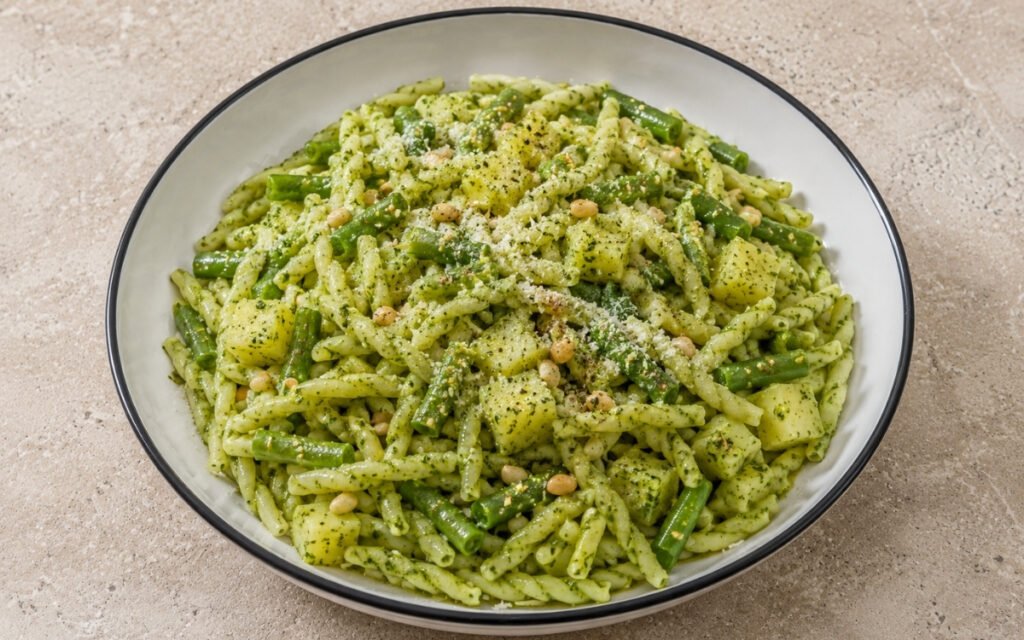
Fresh Homemade Basil Pesto Pasta
Fresh basil pesto with the traditional Ligurian potato and green bean combination — better than any jar.
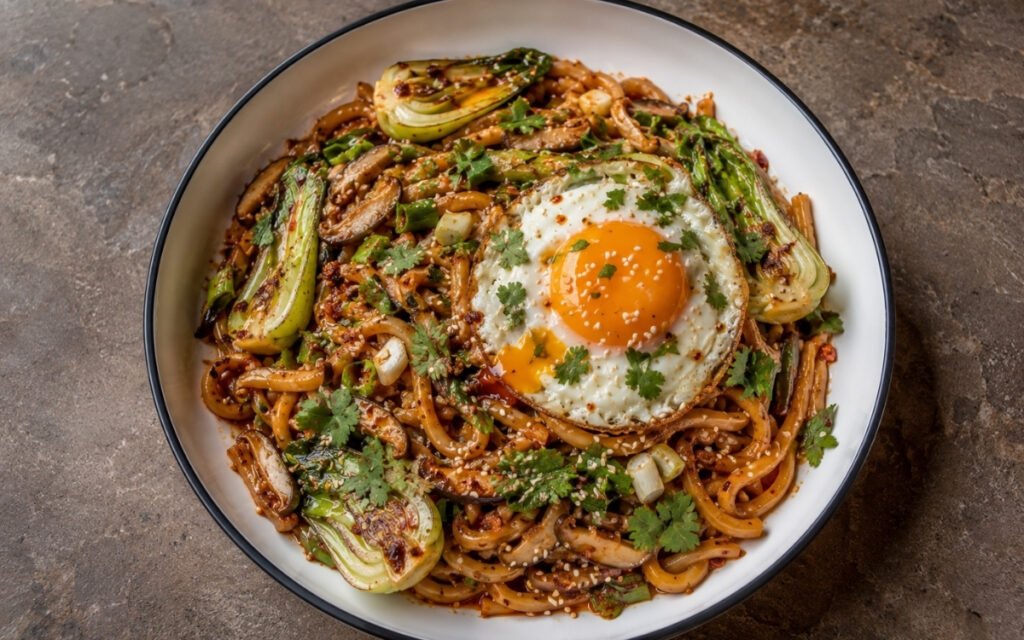
Spicy Chili Garlic Oil Noodles
Homemade gochugaru and Sichuan peppercorn oil over noodles with shiitake — crispy fried egg on top, 25 minutes.
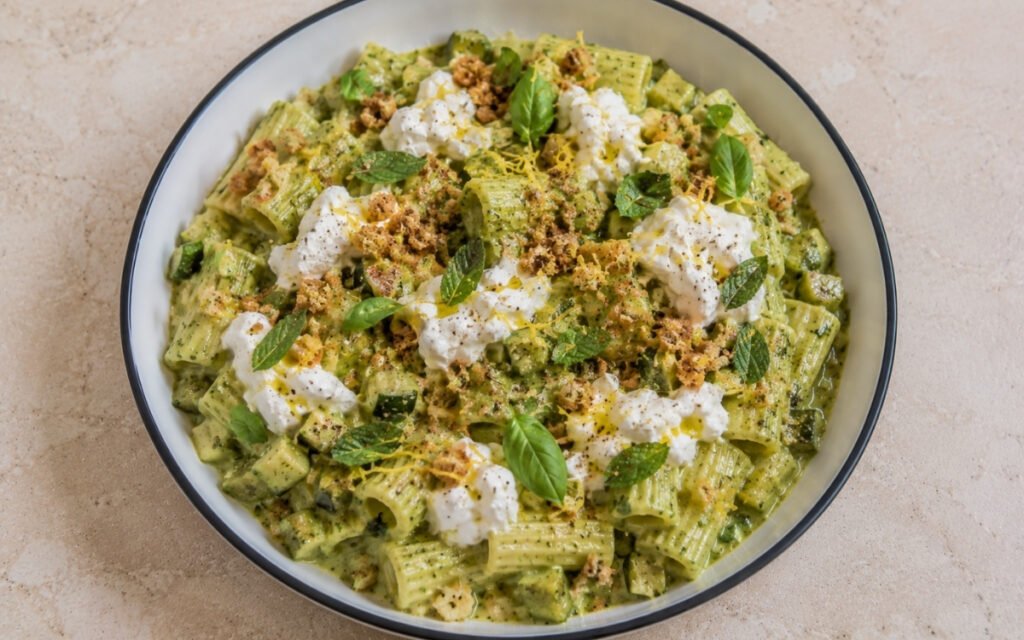
Creamy Zucchini Pasta with Burrata
Half the caramelised zucchini blended into green sauce, half kept whole — cold burrata, lemon breadcrumbs on top.
You might also like
You might also like
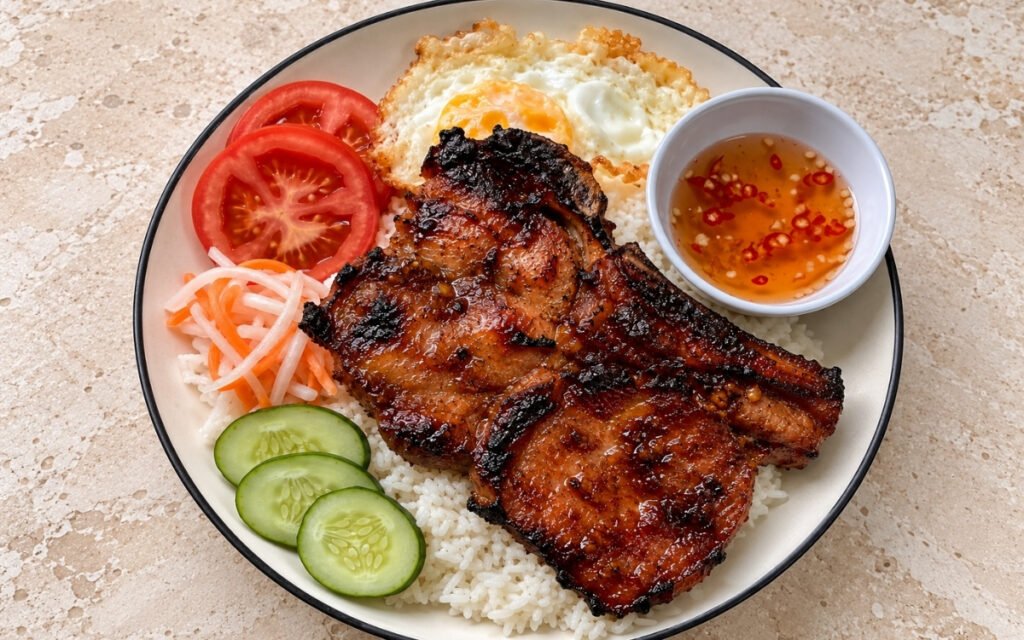
Broken Rice with Grilled Pork (Cơm Tấm)
Grilled lemongrass pork chop over broken rice with a fried egg, quick pickled carrot and daikon, cucumber, tomato, and nước chấm.
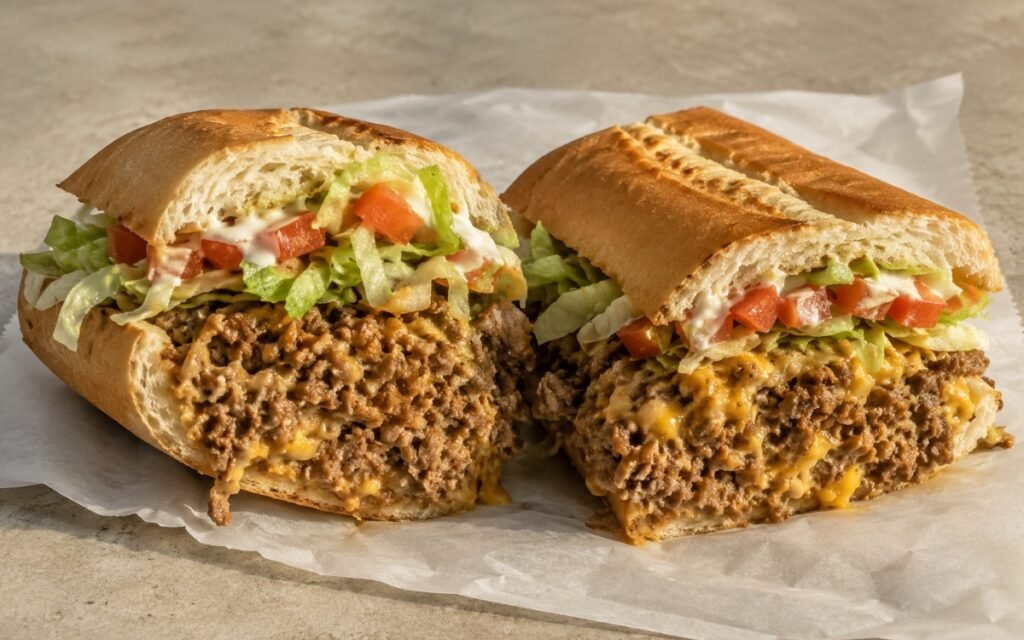
Chopped Cheese
Seared ground beef and caramelized onion chopped together with melted American cheese, piled into a soft hoagie roll with lettuce and tomato.
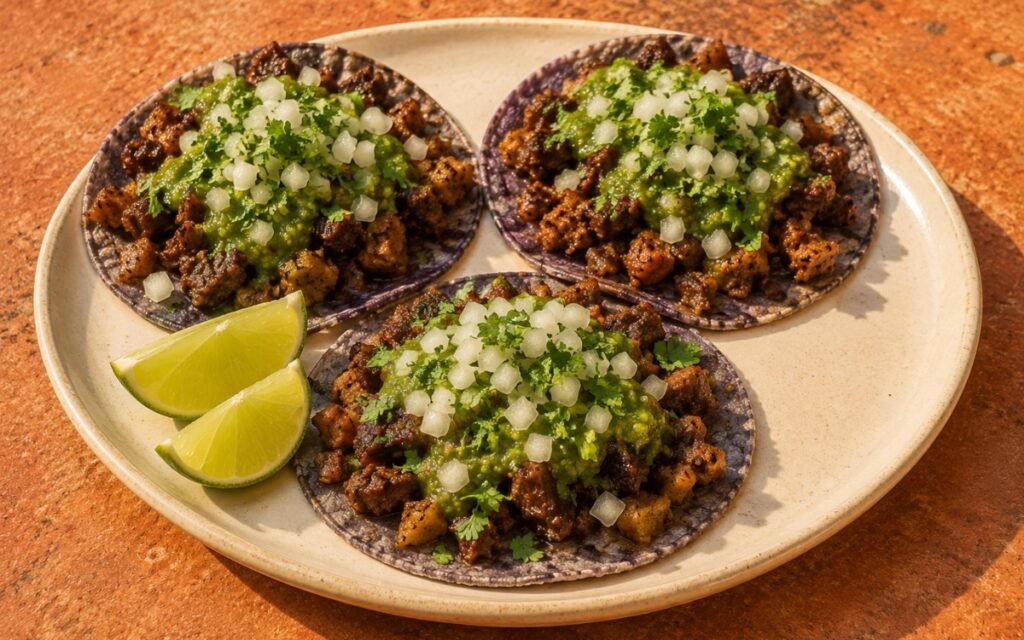
Suadero Tacos
Slow-braised suadero beef crisped hot and fast in a skillet, mixed with crispy chicharrón, and piled onto blue corn tortillas with bright salsa verde.
Japchae — Korean Glass Noodle Stir-Fry
Ingredients
Method
- Combine the beef with soy sauce, sugar, sesame oil, garlic, and black pepper. Mix well and marinate for 20 minutes. The beef should be thin enough to cook in under 1 minute once it hits the pan. That genuinely thin slicing is what lets the marinade’s own flavour penetrate quickly within its brief 20-minute window, since thicker strips would need considerably longer for the same seasoning to actually reach the meat’s centre.
- Beat the eggs with a small pinch of salt until smooth. Heat a lightly oiled nonstick pan over low to medium-low heat and cook the eggs into 1–2 thin omelettes, just set with no heavy browning. Cool slightly, roll, and slice into thin ribbons. Keep the egg tender and yellow; heavy browning makes the garnish look dull and slightly rubbery. That genuinely low, patient heat is what sets the egg into a smooth, tender sheet without ever browning it — real colour development here would work directly against the bright, clean yellow ribbons this garnish depends on.
- Bring a pot of water to a boil. Blanch the spinach for 20–30 seconds, just until wilted. Drain, rinse briefly under cool water, then squeeze very well to remove excess moisture. Cut into shorter lengths if needed. This is critical: wet spinach will dilute the seasoning and make the noodles watery. That thorough, deliberate squeezing removes real, considerable moisture the spinach would otherwise release directly into the finished dish, protecting the seasoning’s own concentration once everything is combined.
- Stir together the soy sauce, sugar, sesame oil, garlic, and black pepper until the sugar is mostly dissolved. Set aside. Having the sauce fully mixed and ready before the noodles are even boiled is what lets it be tossed in immediately once the noodles drain, while they’re still genuinely warm and receptive.
- Boil the sweet potato noodles according to the package, usually about 6–7 minutes, until fully translucent and chewy-tender. Drain well. While still warm, toss the noodles with about two-thirds of the japchae sauce. If they are very long, cut them a few times with kitchen scissors. Do not overcook. The noodles should stay springy and elastic, not soft or swollen. That immediate tossing, while the noodles are still warm, is what lets them actually absorb the sauce evenly and stay properly separated — noodles left to cool and sit plain would clump together stubbornly, resisting the sauce once it’s finally added.
- Heat a little neutral oil in a skillet or wok over medium-high heat. Cook each component separately, removing it to a tray or bowl as soon as done: onion for 2–3 minutes until lightly softened but not collapsed; carrot for 1–2 minutes so it softens slightly but keeps some bite; shiitake mushrooms for 2–3 minutes until wilted and lightly browned; scallions for 20–30 seconds just to soften slightly. Cooking separately keeps the colors clean and prevents the vegetables from steaming each other. That genuine separation protects every vegetable’s own distinct texture and colour — combined in one crowded pan, their collective released moisture would steam rather than sauté each component, dulling both the colours and the intended textural contrast.
- In the same pan over high heat, cook the marinated beef quickly in a thin layer for 1–2 minutes until just cooked and lightly caramelized at the edges. If needed, do this in 2 batches so it sears instead of steams. Any juices that collect should be glossy and reduced, not watery. Cooking in properly small batches protects the pan’s own high heat from dropping too far when the beef is added — a significant drop would let the meat release liquid and steam rather than actually searing and caramelizing at the edges.
- Place the seasoned noodles in a large bowl. Add the cooked beef, spinach, onion, carrot, mushrooms, scallions, and egg ribbons. Add the remaining sauce and toss thoroughly with tongs or gloved hands until evenly mixed. Taste and adjust with a little extra soy sauce or a few drops more sesame oil only if needed. The final texture should be glossy and well-seasoned, but not wet or oily. Reserving the final third of the sauce specifically for this combining stage, rather than using it all on the noodles alone, ensures every other component gets its own real share of seasoning once everything is finally tossed together.
- Transfer to a serving bowl and scatter generously with toasted sesame seeds. Serve warm or at room temperature. That flexibility in serving temperature reflects japchae’s own real character — unlike many stir-fries, this dish holds its intended texture and flavour balance well even once it’s cooled slightly from freshly cooked.