
Classic Bone-in Pork Chops
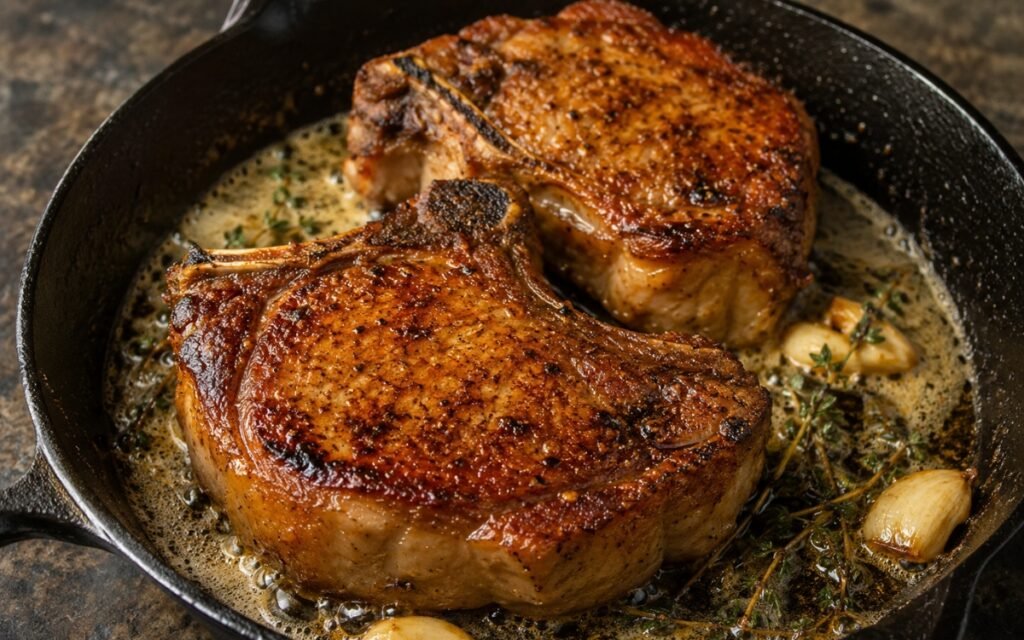
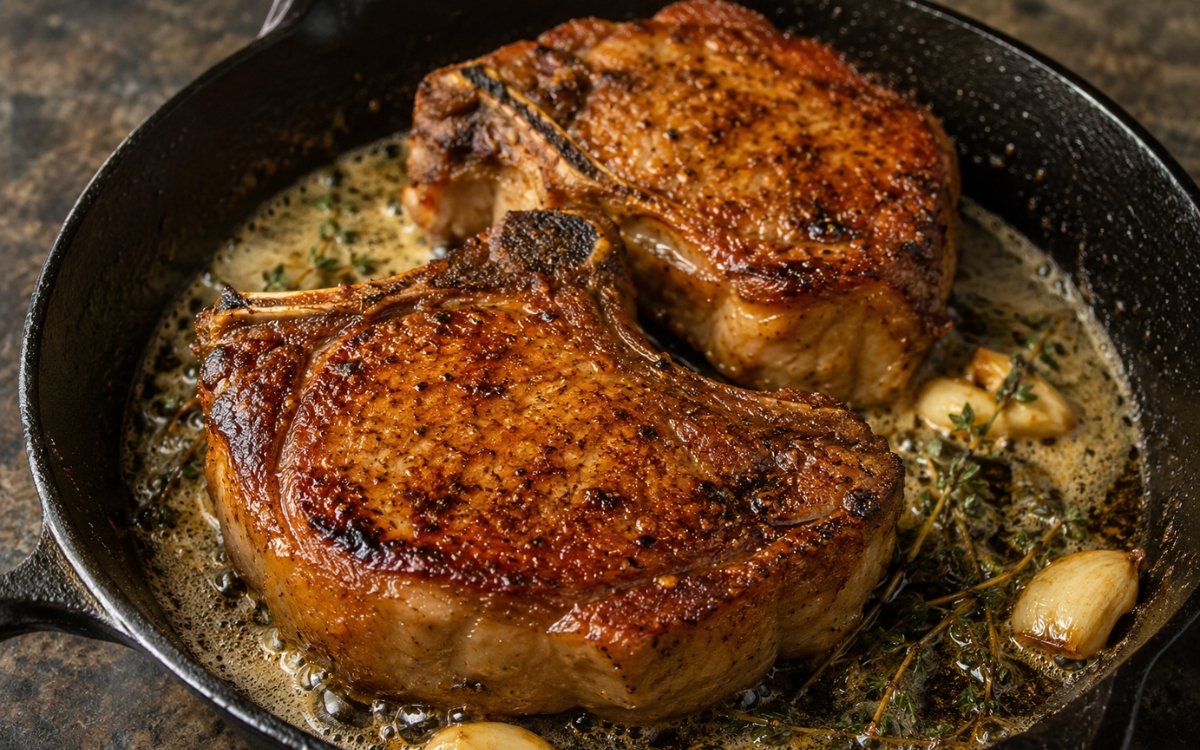
Bone-in pork chops seared to a deep golden crust and finished with garlic, thyme, and browned butter. This method focuses on precise temperature control and fat rendering to deliver juicy, tender meat with a rich, aromatic finish. Done properly, pork chops stop being dry and become one of the most consistent, high-reward cuts you can cook.
Prep Time : 40 min
Cook Time : 15 min
Servings : 4
40 min
15 min
4
Ingredients
For the Pork Chops
• 900g bone-in pork chops (4 chops, about 2.5cm thick)
• 10g fine sea salt — this one on Amazon
• 5g freshly ground black pepper
• 4g garlic powder
• 3g smoked paprika
For Searing and Basting
• 30ml Avocado oil — this one on Amazon
• 40g unsalted butter
• 4 garlic cloves, smashed
• 6 sprigs fresh thyme
This post may contain affiliate links. As an Amazon Associate I earn from qualifying purchases, at no additional cost to you.
Directions
- Temper the Pork Chops
Remove the pork chops from the refrigerator 30 minutes before cooking and leave them uncovered on a tray. This reduces the temperature gap between the exterior and interior, allowing more even cooking. Pat the chops completely dry on all sides — especially along the fat edge — because moisture will prevent proper browning and delay crust formation. - Season Generously
Combine salt, black pepper, garlic powder, and smoked paprika, then season the chops thoroughly on all sides. Press the seasoning into the meat so it adheres properly. The surface should look fully coated, not lightly dusted. Proper seasoning is what allows the pork to stand on its own without relying on sauces. - Heat the Skillet
Heat vegetable oil in a cast iron skillet over medium-high heat until shimmering. The pan should be hot enough to create immediate contact searing, but not smoking aggressively. Pork requires controlled heat — too high and the exterior burns before the interior reaches temperature, too low and you lose the crust entirely. - Sear the First Side
Place the pork chops into the pan and leave them completely undisturbed for 4 minutes. This is where the crust forms. Movement at this stage breaks contact with the pan and interrupts browning. As the surface dries and heats, it begins forming a deep golden crust that defines both texture and flavor. - Flip and Baste
Flip the chops and immediately add butter, smashed garlic, and thyme to the pan. Tilt the pan slightly and begin basting continuously with the foaming butter. Maintain control over the heat — the butter should foam and brown lightly, not burn. This step layers fat and aromatics onto the meat while gently finishing the cooking process. - Render the Fat Edge
Using tongs, hold the pork chops upright on their fat cap for 1–2 minutes. This allows the fat to render and crisp instead of remaining chewy. Properly rendered fat transforms both flavor and texture and is often the difference between average and restaurant-level pork. - Check Internal Temperature
Insert a thermometer into the thickest part of the chop and remove it from heat at 63°C (145°F). This is the USDA-recommended safe temperature for whole cuts of pork when followed by a short rest. - Rest and Serve
Transfer the pork chops to a cutting board and let them rest for 5 minutes. This allows juices to redistribute and carryover heat to stabilize the internal structure. Spoon the browned butter, garlic, and thyme over the chops just before serving for maximum flavor.
*Notes :
- Tempering pork chops matters just as much as it does for beef, and arguably more so given pork’s narrower margin for overcooking. A cold chop straight from the refrigerator sears unevenly, developing a well-browned exterior while the interior lags noticeably behind, increasing the risk of pulling the chop either too early for the crust or too late for the interior.
- Rendering the fat cap separately, by standing the chops upright for 1–2 minutes, is a step frequently skipped but genuinely worthwhile. That strip of fat along the edge doesn’t render adequately during flat-side searing alone, and left unrendered it stays chewy and unpleasant rather than crisp and flavorful.
- The 63°C (145°F) pull temperature reflects current USDA guidance for whole cuts of pork, followed by a rest period — this is meaningfully lower than older recommendations and results in noticeably juicier, less dry pork than the historical “well-done” standard many home cooks still default to out of habit.
Why This Recipe Works
This recipe works because tempering and thorough drying set up genuine searing rather than steaming. The undisturbed first sear builds a real crust. Basting with browned butter, garlic, and thyme after the flip layers flavor while finishing the cook gently.
Standing the chops upright renders the fat cap properly rather than leaving it chewy. And pulling the chops at the correct, current safe temperature — rather than overcooking out of caution — preserves juiciness that older techniques sacrifice.
Ingredient Breakdown
Bone-In Pork Chops
The foundation — the bone helps regulate heat transfer and retain moisture through searing and basting.
Salt, Pepper, Garlic Powder, Smoked Paprika
The seasoning layer — generous and pressed in, meant to let the pork stand on its own.
Undisturbed First Sear
The crust-building technique — 4 minutes without movement, allowing genuine browning to develop.
Browned Butter, Garlic, and Thyme Baste
The finishing layer — aromatic richness applied during the gentler second stage of cooking.
Flavor Structure Explained
This Classic Pork Chops follows a layered balance model:
- Savory pork core (pork chops)
- Deep browned crust (high-heat sear)
- Nutty aromatic layer (browned butter)
- Herbal savory depth (garlic and thyme)
- Crisp rich finish (rendered fat cap)
The pork chop defines the foundation with a clean, savory meatiness that gains depth through proper browning. Controlled high-heat searing creates the main flavor register, building a deeply browned crust with concentrated savory richness and strong textural contrast. Garlic and thyme infuse the browned butter during basting, adding herbal aroma, nutty depth, and a polished richness without needing a separate sauce. The rendered fat cap contributes its own concentrated flavor, crisp texture, and pork-specific richness. The result is a pork chop preparation built around sear, aromatics, and fat, where browned crust, buttery herbs, and juicy meat work together in a clear, classic balance.
Common Mistakes to Avoid
- Skipping the Tempering Step – Produces an unevenly cooked chop, overdone outside before the centre reaches doneness. Always allow the full 30 minutes.
- Not Drying the Chops Thoroughly – Prevents proper browning, especially along the fat edge. Always pat completely dry.
- Cooking Over Heat That’s Too High or Too Low – Either burns the exterior before the interior cooks through, or fails to develop a crust at all. Always aim for controlled medium-high heat.
- Skipping the Fat Cap Rendering – Leaves the edge chewy rather than crisp. Always stand the chops upright for 1–2 minutes.
- Overcooking Past 63°C (145°F) – Produces noticeably drier pork than necessary. Always pull at the correct temperature and rest.
Variations
With Apple Cider Glaze
Deglaze the pan with a splash of apple cider after basting for a sweet, tangy pan sauce.
With Rosemary Instead of Thyme
Substitute rosemary sprigs for a more piney, assertive aromatic finish.
Boneless Version
Substitute boneless chops and reduce searing time slightly, watching internal temperature closely since boneless chops cook faster.
Cast Iron to Oven Finish
Start with a hard sear, then transfer to oven to finish more gently without risking over-browning.
With a Pan Sauce
For a Dijon-based finishing sauce built from the same pan, see the Dijon Mustard Pan Sauce.
Storage & Make-Ahead
Cooked pork chops can be refrigerated for up to 3 days. Reheat them gently to avoid drying them out further.
Raw pork chops can be seasoned up to 24 hours in advance and refrigerated uncovered, helping to develop an even deeper crust when cooked.
Frequently Asked Questions
Why does pork specifically need controlled, not aggressive, heat compared to beef?
Pork’s narrower margin between properly cooked and overdone means that heat too aggressive burns the exterior before the interior reaches a safe temperature, while heat too low fails to develop a crust at all. This balance matters more for pork than for a fattier cut like ribeye, which has more margin for error thanks to its marbling.
Why stand the chops upright to render the fat cap?
The strip of fat along the edge of a bone-in chop doesn’t render adequately during flat-side searing alone, since it never makes full, sustained contact with the hot pan surface. Standing the chops upright for 1–2 minutes exposes that fat directly to the heat, allowing it to render and crisp properly instead of staying chewy.
Why pull the pork at 63°C instead of cooking it further like older recipes suggest?
Current USDA guidance recognizes 63°C (145°F) followed by a rest as a safe internal temperature for whole cuts of pork. This is meaningfully lower than the older well-done standard many people still default to, and pulling at this temperature produces noticeably juicier, more tender pork without any food safety compromise.
What should I serve alongside these pork chops?
Classic Mashed Potatoes or Paprika Roasted Baby Potatoes both pair naturally with the rich, buttery pan flavors. For an additional sauce option, try the Dijon Mustard Pan Sauce or the Quick Honey Mustard Sauce, both of which complement the pork’s savory, herb-butter finish.
Nutrition Facts
( per serving )
Calories
~390 kcal
Protein
38 g
Fat
25 g
Carbs
1 g
Calories
~395 kcal
Protein
38 g
Fat
25g
Carbs
1 g
Related Recipes
Related Recipes

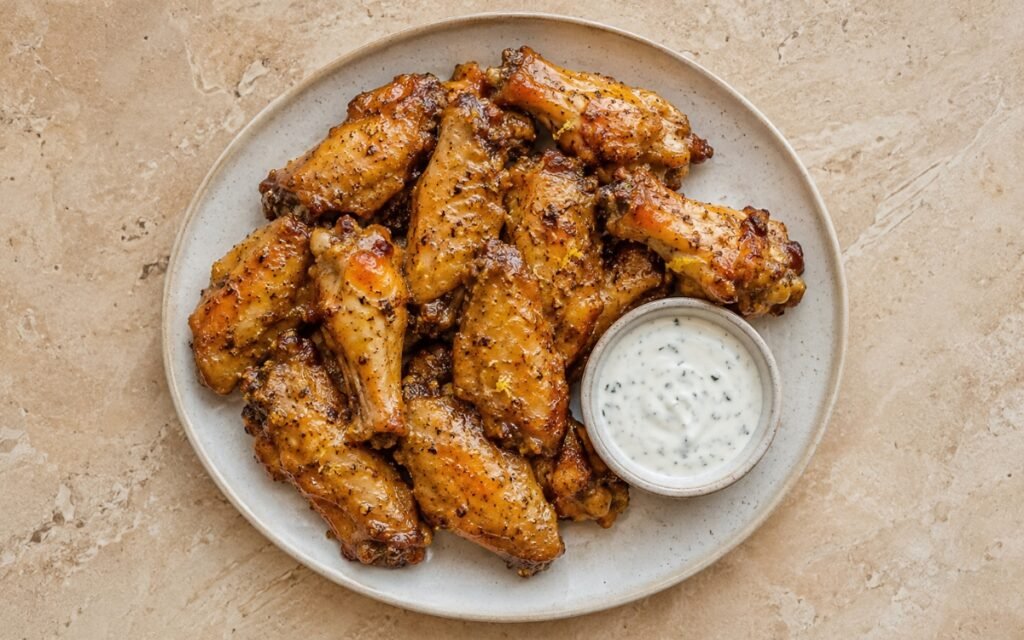
Honey Lemon Pepper Wings
Crispy wings coated in glossy honey-lemon pepper glaze deliver citrus bite, heat, and buttery richness.
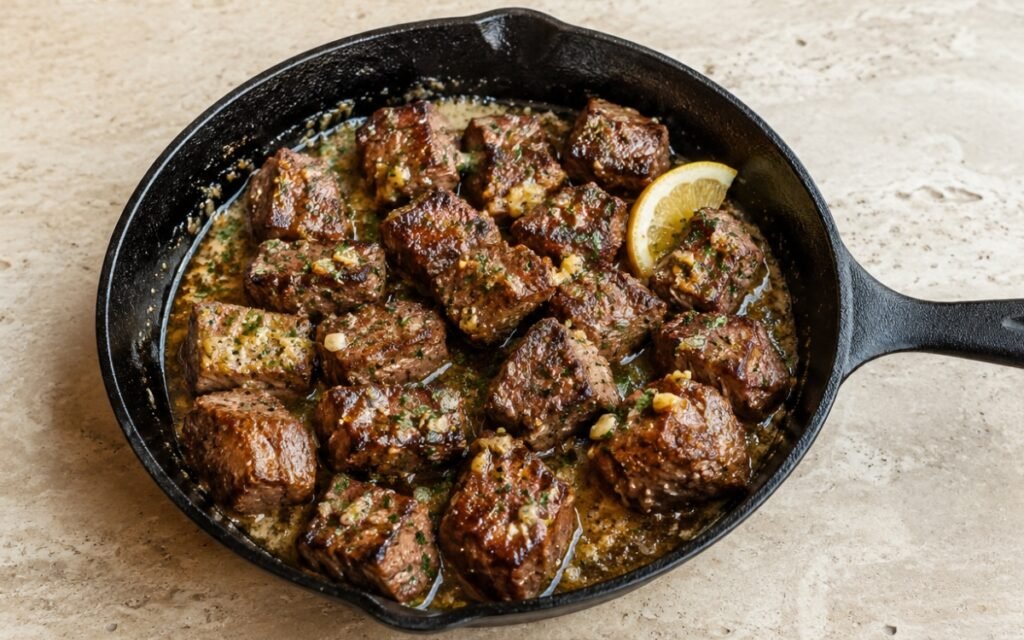
Garlic Butter Steak Bites
Large seared steak cubes with dark crust and juicy centers, tossed in glossy garlic butter with parsley, lemon, and black pepper.
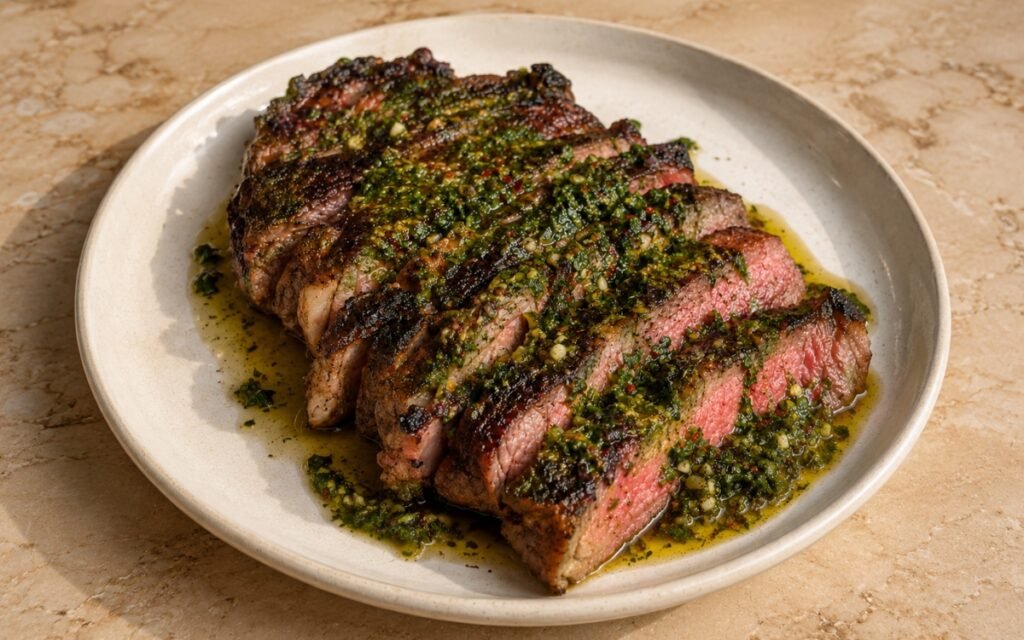
Argentine Chimichurri Steak
Thick, dry-brined steak grilled until deeply charred with a pink medium-rare centre, finished with loose, hand-chopped chimichurri.
You might also like
You might also like
Breakfast Croissant Sandwich
Flaky buttery croissants filled with soft scrambled eggs, melted cheese, crispy bacon, and a thin layer of Dijon mayo.
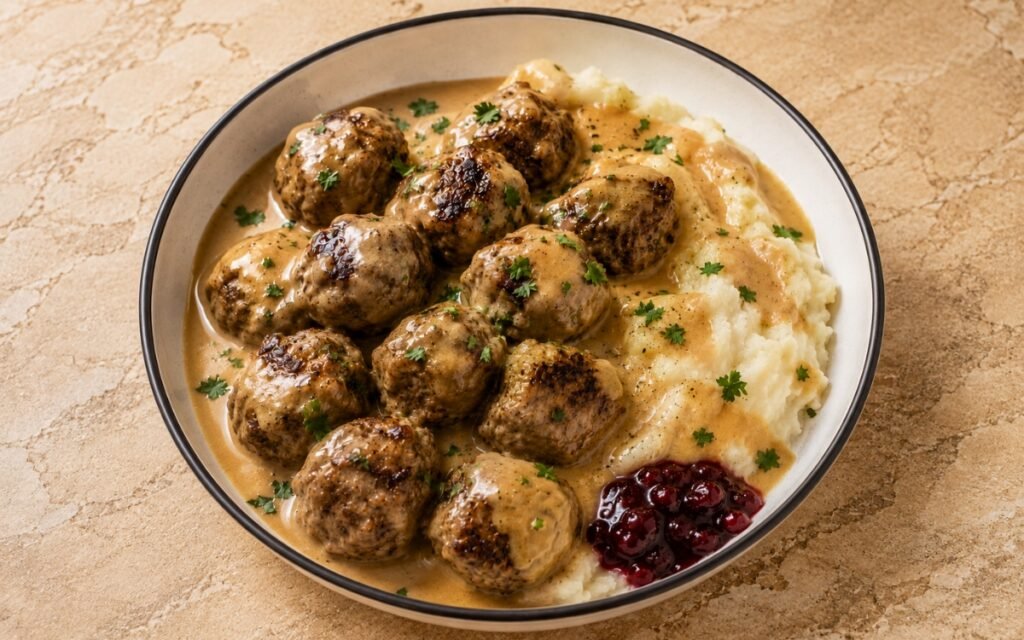
Swedish Meatballs
Tender panade-enriched beef and pork meatballs, gently spiced with allspice and nutmeg, in a creamy brown gravy over mashed potatoes.
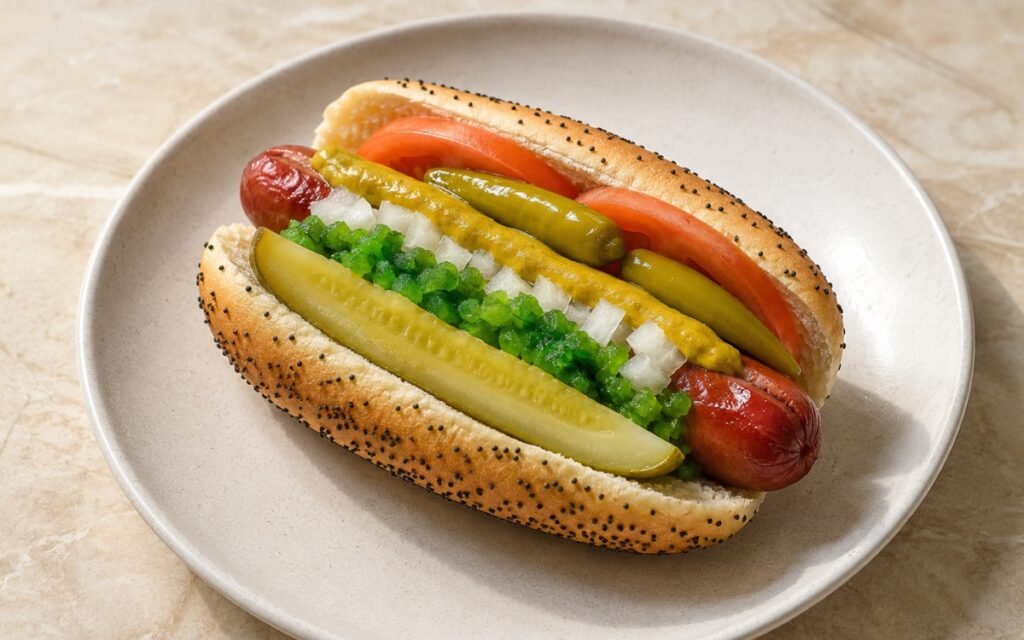
Chicago-Style Hot Dog
A natural-casing all-beef frankfurter in a soft, steamed poppy-seed bun, dressed with mustard, relish, onion, tomato, and sport peppers.

Classic Bone-in Pork Chops
Ingredients
Method
- Remove the pork chops from the refrigerator 30 minutes before cooking and leave them uncovered on a tray. This reduces the temperature gap between the exterior and interior, allowing more even cooking. Pat the chops completely dry on all sides — especially along the fat edge — because moisture will prevent proper browning and delay crust formation.
- Combine the salt, black pepper, garlic powder, and smoked paprika, then season the chops thoroughly on all sides. Press the seasoning into the meat so it adheres properly. The surface should look fully coated, not lightly dusted. Proper seasoning is what allows the pork to stand on its own without relying on sauces.
- Heat the vegetable oil in a cast iron skillet over medium-high heat until shimmering. The pan should be hot enough to create immediate contact searing, but not smoking aggressively. Pork requires controlled heat — too high and the exterior burns before the interior reaches temperature, too low and you lose the crust entirely.
- Place the pork chops into the pan and leave them completely undisturbed for 4 minutes. This is where the crust forms. Movement at this stage breaks contact with the pan and interrupts browning. As the surface dries and heats, it begins forming a deep golden crust that defines both texture and flavor.
- Flip the chops and immediately add the butter, smashed garlic, and thyme to the pan. Tilt the pan slightly and begin basting continuously with the foaming butter. Maintain control over the heat — the butter should foam and brown lightly, not burn. This step layers fat and aromatics onto the meat while gently finishing the cooking process.
- Using tongs, hold the pork chops upright on their fat cap for 1–2 minutes. This allows the fat to render and crisp instead of remaining chewy. Properly rendered fat transforms both flavor and texture and is often the difference between average and restaurant-level pork.
- Insert a thermometer into the thickest part of the chop and remove it from heat at 63°C (145°F). This is the USDA-recommended safe temperature for whole cuts of pork when followed by a short rest.
- Transfer the pork chops to a cutting board and let them rest for 5 minutes. This allows juices to redistribute and carryover heat to stabilize the internal structure. Spoon the browned butter, garlic, and thyme over the chops just before serving for maximum flavor.