
Persian Shirazi Salad
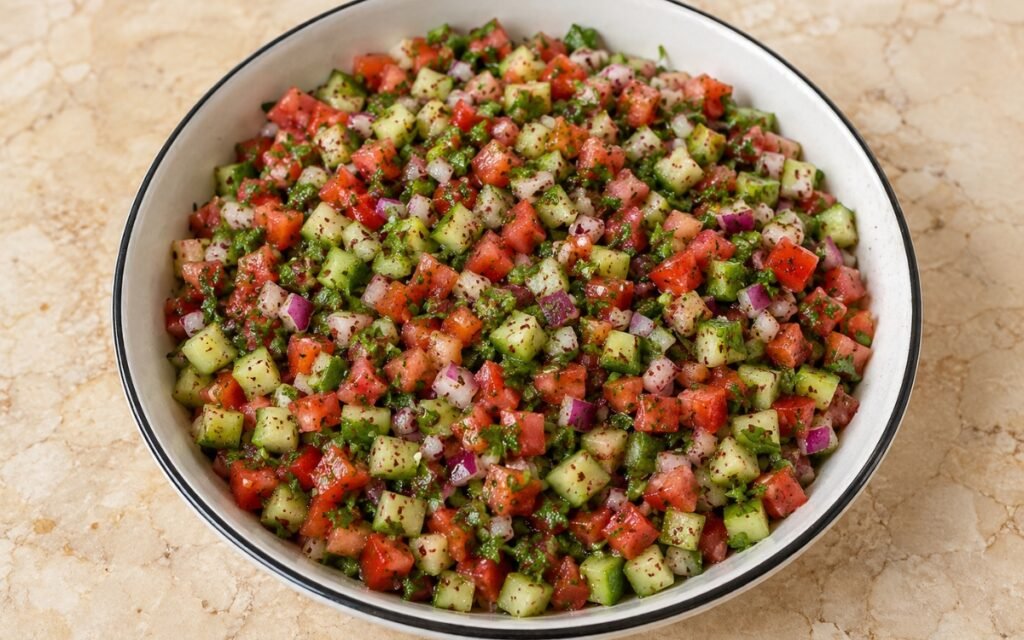
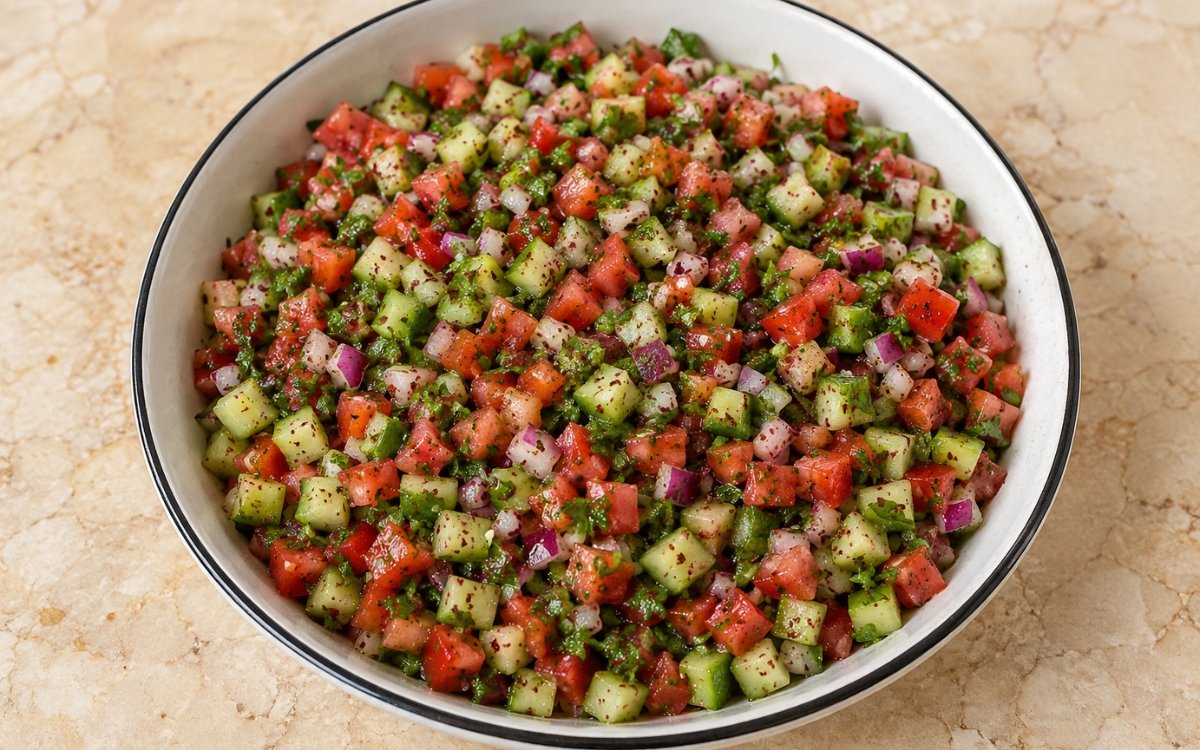
Persian Shirazi salad is a classic Iranian dish featuring finely diced cucumbers, tomatoes, and onions dressed with fresh lime juice and olive oil. This refreshing salad is traditionally served alongside rice dishes and grilled meats. The simple combination of crisp vegetables and bright citrus creates a light, flavorful side that’s perfect for any meal.
Prep Time : 15 min
Cook Time : 0 min
Servings : 4
15 min
0 min
4
Ingredients
For the Dressing
• 45ml fresh lime juice
• 30ml olive oil — this one on Amazon
• 2g salt
• 1g black pepper
• 3g ground sumac — this one on Amazon
For the Salad
• 300g cucumbers, finely diced
• 300g tomatoes, finely diced
• 100g red onion, finely diced
• 30g fresh mint, chopped
• 30g fresh parsley, chopped
This post may contain affiliate links. As an Amazon Associate I earn from qualifying purchases, at no additional cost to you.
Directions
- Finely Dice the Cucumbers
Wash the cucumbers thoroughly under cold running water and dry them completely with a clean kitchen towel. Trim the ends and cut the cucumbers lengthwise into quarters if they are large. Using a sharp knife, dice the cucumbers into very small, uniform cubes approximately 4–5 mm in size. Maintaining a consistent dice is essential for authentic Shirazi salad because it ensures the dressing distributes evenly and creates the signature delicate texture. Transfer the diced cucumbers to a large mixing bowl. - Prepare the Tomatoes
Rinse the tomatoes and pat them dry. If the tomatoes are particularly juicy, cut them in half and gently scoop out excess seeds to prevent the salad from becoming watery. Dice the tomato flesh into cubes roughly the same size as the cucumbers, about 4–5 mm. Uniformity is key in this salad; the vegetables should appear almost jewel-like and evenly sized. Add the diced tomatoes to the bowl with the cucumbers. - Dice the Onion
Peel the red onion and cut it into the same small dice as the cucumbers and tomatoes. If the onion is very sharp or pungent, rinse the diced onion briefly under cold water and pat dry with paper towels. This step softens the harsh bite while preserving the onion’s crisp texture. Add the diced onion to the mixing bowl. - Chop the Fresh Herbs
Finely chop the fresh mint and parsley using a sharp knife. Avoid crushing the herbs, as bruising can cause them to lose their bright aroma. The herbs should be finely chopped but still retain visible texture. Add the chopped herbs to the bowl with the diced vegetables. - Prepare the Sumac Lime Dressing
In a small bowl, combine the fresh lime juice, olive oil, salt, black pepper, and ground sumac. Whisk the mixture thoroughly until the oil and lime juice emulsify slightly and the sumac distributes evenly throughout the dressing. The dressing should taste bright, slightly tangy, and lightly fruity due to the sumac. - Combine the Salad
Pour the dressing over the diced vegetables and herbs. Using a large spoon or salad tongs, gently toss the mixture until all ingredients are evenly coated. The dressing should lightly coat the vegetables rather than pool at the bottom of the bowl. - Allow the Flavors to Rest
Let the salad rest for 5–10 minutes before serving. During this brief resting period the vegetables absorb the citrus dressing and the flavors of mint, parsley, and sumac blend together. The vegetables will also release a small amount of natural juice, creating a light, flavorful dressing. - Serve
Stir the salad once more just before serving and transfer it to a serving bowl. Shirazi salad can be served at room temperature or lightly chilled, depending on preference. It pairs particularly well with grilled meats, rice dishes, and roasted vegetables.
*Notes :
- Authentic Shirazi salad is defined by its fine and uniform vegetable dice. Unlike many Western salads that feature large chunks, Shirazi salad relies on very small pieces that combine into a cohesive mixture where each spoonful contains every ingredient.
- Choosing the right cucumbers is important. Persian cucumbers or English cucumbers work best because they have thin skins, small seeds, and a crisp texture. Standard slicing cucumbers may contain more water and larger seeds, which can affect the final texture of the salad.
- Tomatoes should be ripe but firm. Overripe tomatoes release too much liquid and can make the salad watery. Roma or vine-ripened tomatoes typically provide the best balance of sweetness and structure.
- Sumac is a defining flavor of the dish. It provides a tangy, citrus-like brightness with subtle fruity notes that enhance the lime juice and add complexity without overwhelming the vegetables.
- Because the salad is lightly dressed and composed of fresh vegetables, it is best eaten shortly after preparation. As the salad sits, the vegetables release moisture, which gradually softens the texture and dilutes the dressing.
Why This Recipe Works
Shirazi salad works because it emphasizes freshness, balance, and texture.
The finely diced vegetables create a delicate structure where every bite contains cucumber, tomato, onion, herbs, and dressing. The lime juice provides bright acidity, while olive oil softens the citrus and adds smooth richness.
Fresh herbs contribute aromatic lift, and sumac enhances the citrus notes with a subtle tart fruitiness. Together, these elements create a salad that feels refreshing, vibrant, and perfectly balanced.
Ingredient Breakdown
Cucumbers
Cucumbers provide crisp texture and a refreshing base that absorbs the dressing while remaining light and hydrating.
Tomatoes
Tomatoes add natural sweetness and juiciness that balances the acidity of the lime juice.
Red Onion
Red onion contributes mild sharpness and aromatic depth that contrasts with the sweetness of the tomatoes.
Lime Juice
Fresh lime juice delivers bright acidity that ties all the ingredients together.
Olive Oil
Olive oil rounds out the acidity of the citrus and adds smooth richness to the dressing.
Sumac
Sumac adds a tangy, citrus-like flavor with subtle berry notes that enhance the freshness of the vegetables.
Fresh Herbs
Mint and parsley provide herbal brightness and aromatic complexity.
Flavor Structure Explained
The flavor profile of Shirazi salad follows a simple but effective structure built on freshness, acidity, herbal aroma, and light richness.
Lime juice provides the primary acidity, creating a bright and refreshing base. Olive oil balances the citrus by adding smoothness and subtle richness. Sumac amplifies the citrus notes while adding a mild fruity tang.
Cucumbers bring crisp freshness, tomatoes introduce gentle sweetness, and onion adds sharp contrast. Fresh herbs lift the overall flavor and make the salad feel vibrant and aromatic.
Common Mistakes to Avoid
- Cutting Vegetables Too Large – Large pieces disrupt the delicate balance of the salad and prevent the ingredients from blending properly.
- Using Watery Tomatoes – Excess moisture can dilute the dressing and make the salad soggy.
- Skipping the Resting Time – Allowing the salad to sit briefly helps the dressing integrate with the vegetables and improves overall flavor.
- Overdressing the Salad – The dressing should lightly coat the vegetables rather than overwhelm them.
Variations
Cucumber-Heavy Version
Increase the cucumbers slightly for an even more refreshing and crisp texture.
Pomegranate Persian Shirazi Salad
Add a handful of pomegranate seeds for sweetness and color.
Spicy Variation
Add finely chopped fresh chili or red pepper flakes for gentle heat.
Lemon Version
Substitute lemon juice for lime juice to create a slightly different citrus profile.
Storage & Make-Ahead
Shirazi salad is best enjoyed fresh within a few hours of preparation.
If necessary, it can be stored in an airtight container in the refrigerator for up to 24 hours, although the vegetables will gradually soften and release additional liquid.
For the best texture when preparing ahead, dice the vegetables and store them separately from the dressing, combining everything shortly before serving.
Freezing is not recommended, as the vegetables lose their crisp texture when thawed.
Frequently Asked Questions
What type of cucumber works best for Shirazi salad?
Persian cucumbers or English cucumbers are ideal because they have thin skins, minimal seeds, and a crisp texture.
Can I make Shirazi salad ahead of time?
Yes, but it should ideally be served within a few hours of preparation for the best texture.
What does sumac taste like?
Sumac has a tangy, citrus-like flavor with subtle berry notes that add brightness to the salad.
Can I omit the herbs?
The herbs are an important part of the flavor profile, but the salad will still be refreshing without them if necessary.
Nutrition Facts
( per serving )
Calories
~130 kcal
Protein
2 g
Fat
8 g
Carbs
14 g
Calories
~130 kcal
Protein
2 g
Fat
8 g
Carbs
14 g
Related Recipes
Related Recipes

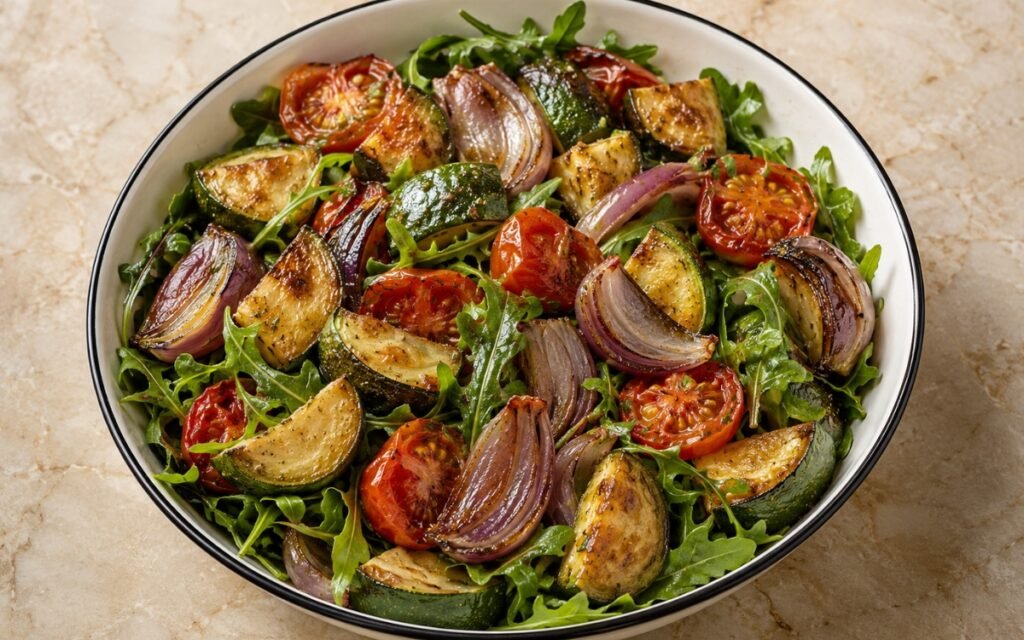
Warm Roasted Vegetable Salad
Caramelised roasted peppers, zucchini and cherry tomatoes served warm over peppery arugula with bright lemon Dijon dressing.
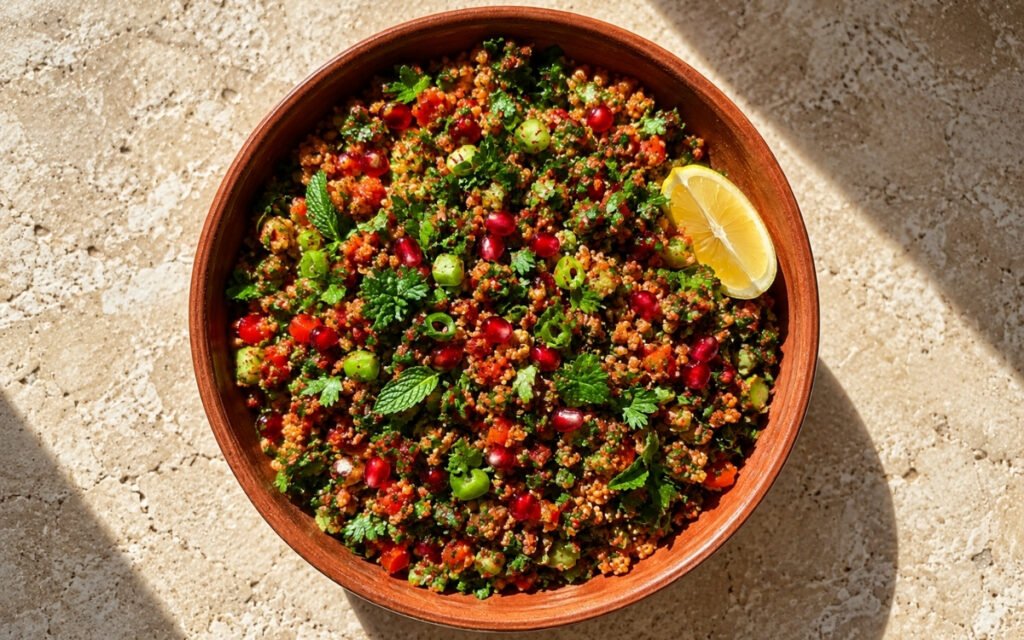
Turkish Bulgur Salad (Kısır)
Fine bulgur softened in hot water, worked with tomato paste, pepper paste, olive oil, lemon, and pomegranate molasses, finished with parsley, mint, and fresh vegetables.
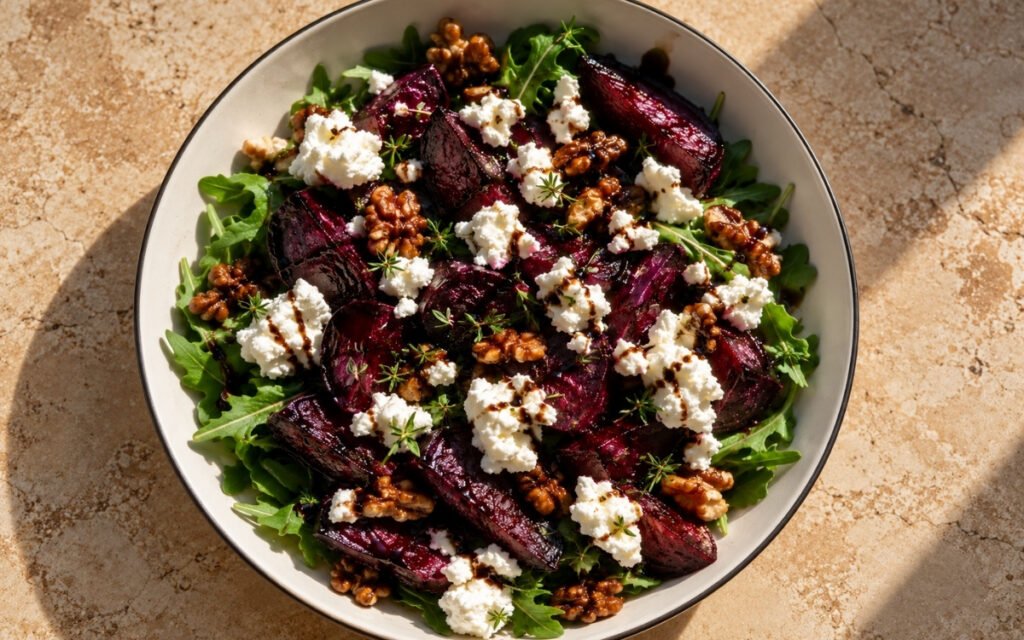
Roasted Beetroot and Goat Cheese Salad
Deep caramelized beet wedges with peppery rocket, creamy goat cheese, candied walnuts, thyme, and a dark balsamic reduction.
You might also like
You might also like
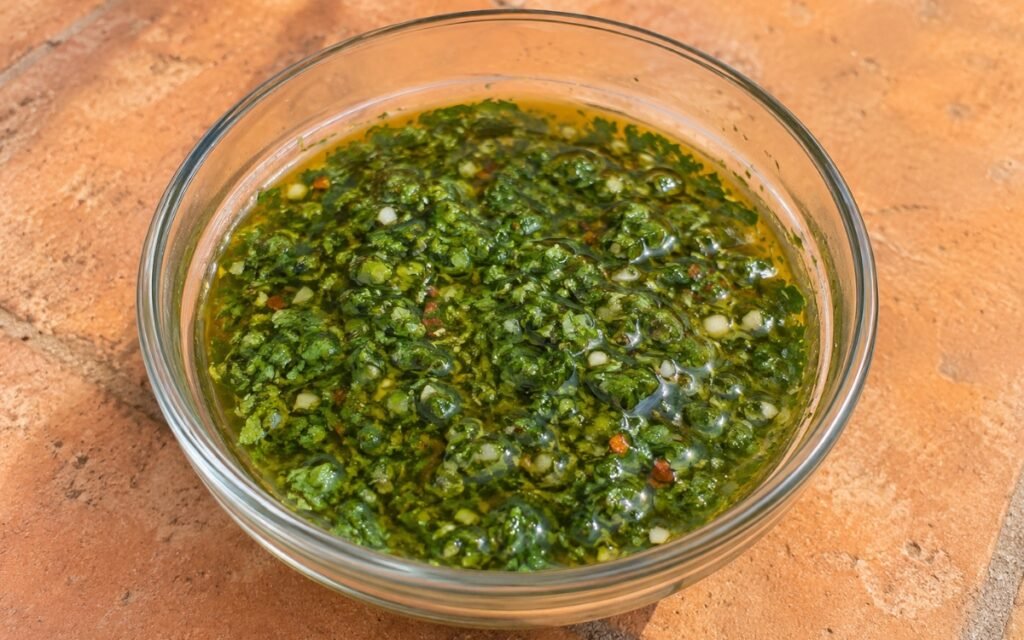
Classic Chimichurri Sauce
Bold parsley, garlic, oregano, and chili blended with olive oil deliver sharp, herbaceous punch and heat.
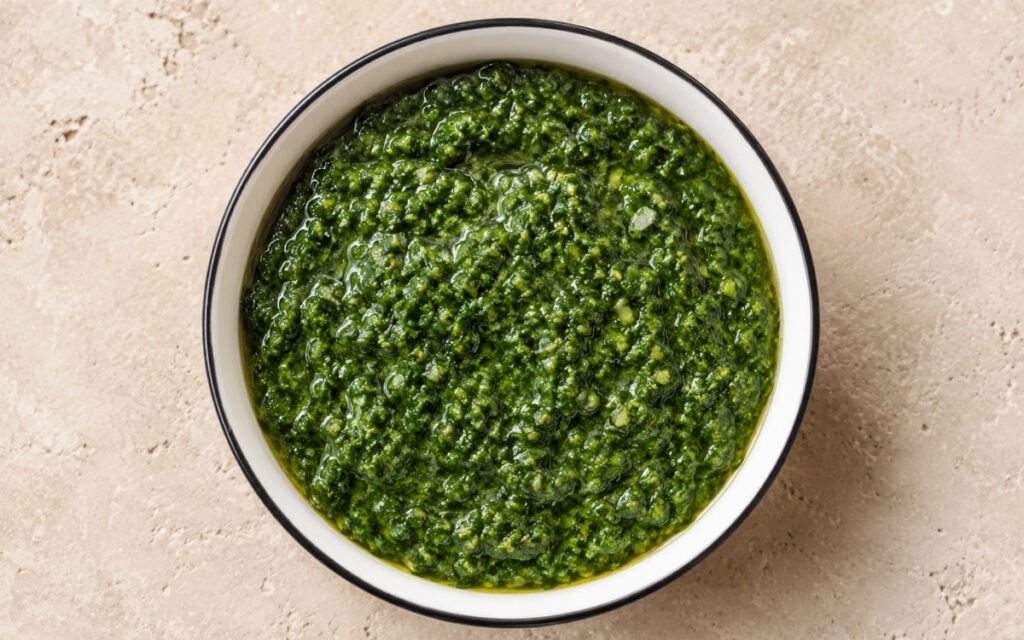
Green Zhoug
Fresh jalapeños, a whole bunch of cilantro, mint, garlic, and lime pulsed into a thick, coarse Yemeni herb sauce — ten minutes, no cooking, and the condiment that improves everything it touches.
Blueberry Lemon Infused Water
Blueberries mashed for vivid colour, whole blueberries and lemon slices cold-infused in 3L water — removed after 4 hours. Vivid blue-purple to lavender and hydrating.

Persian Shirazi Salad
Ingredients
Method
- Wash the cucumbers thoroughly under cold running water and dry them completely with a clean kitchen towel. Trim the ends and cut the cucumbers lengthwise into quarters if they are large. Using a sharp knife, dice the cucumbers into very small, uniform cubes approximately 4–5 mm in size. Maintaining a consistent dice is essential for authentic Shirazi salad because it ensures the dressing distributes evenly and creates the signature delicate texture. Transfer the diced cucumbers to a large mixing bowl.
- Rinse the tomatoes and pat them dry. If the tomatoes are particularly juicy, cut them in half and gently scoop out excess seeds to prevent the salad from becoming watery. Dice the tomato flesh into cubes roughly the same size as the cucumbers, about 4–5 mm. Uniformity is key in this salad; the vegetables should appear almost jewel-like and evenly sized. Add the diced tomatoes to the bowl with the cucumbers.
- Peel the red onion and cut it into the same small dice as the cucumbers and tomatoes. If the onion is very sharp or pungent, rinse the diced onion briefly under cold water and pat dry with paper towels. This step softens the harsh bite while preserving the onion’s crisp texture. Add the diced onion to the mixing bowl.
- Finely chop the fresh mint and parsley using a sharp knife. Avoid crushing the herbs, as bruising can cause them to lose their bright aroma. The herbs should be finely chopped but still retain visible texture. Add the chopped herbs to the bowl with the diced vegetables.
- In a small bowl, combine the fresh lime juice, olive oil, salt, black pepper, and ground sumac. Whisk the mixture thoroughly until the oil and lime juice emulsify slightly and the sumac distributes evenly throughout the dressing. The dressing should taste bright, slightly tangy, and lightly fruity due to the sumac.
- Pour the dressing over the diced vegetables and herbs. Using a large spoon or salad tongs, gently toss the mixture until all ingredients are evenly coated. The dressing should lightly coat the vegetables rather than pool at the bottom of the bowl.
- Let the salad rest for 5–10 minutes before serving. During this brief resting period the vegetables absorb the citrus dressing and the flavors of mint, parsley, and sumac blend together. The vegetables will also release a small amount of natural juice, creating a light, flavorful dressing.
- Stir the salad once more just before serving and transfer it to a serving bowl. Shirazi salad can be served at room temperature or lightly chilled, depending on preference. It pairs particularly well with grilled meats, rice dishes, and roasted vegetables.