
Sun-Dried Tomato & Basil Hummus
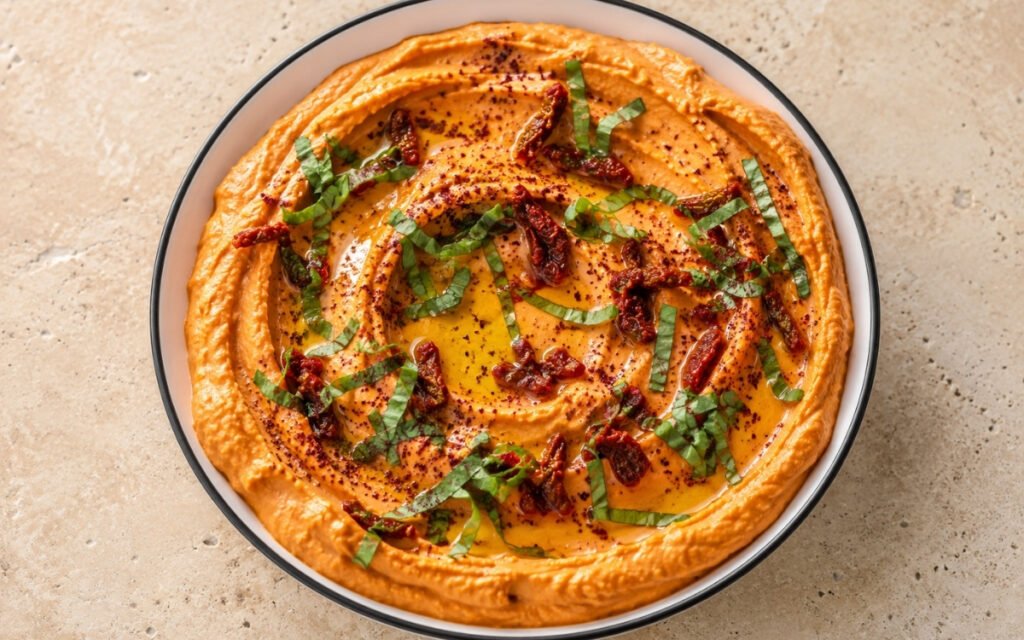
The most visually dramatic variation of the Classic Hummus base — oil-packed sun-dried tomatoes and fresh basil blended directly into the warm chickpea-tahini mass, producing a deep, vibrant red-orange hummus with a distinctly Mediterranean Italian character. The sun-dried tomatoes contribute concentrated sweet-acidic tomato depth that fresh tomatoes could never achieve, while the basil provides the clean, slightly peppery, aromatic freshness that ties the whole dish together. Rich, complex, and bright simultaneously — the variation that surprises people most with how well hummus and Italian flavours belong together. Serve with warm Homemade Lavash or fresh pita bread, or use as a bruschetta spread and pasta sauce base.
Prep Time : 10 min
Cook Time : 35 min
Servings : 8
10 min
35 min
8
Ingredients
For the Chickpeas
• 225g (8oz) dried chickpeas
• 1 tsp baking soda, divided — ½ tsp for soaking, ½ tsp for cooking
For the Hummus
• 140g tahini paste — this one on Amazon
• 70g sun-dried tomatoes, oil-packed, drained
• 15g fresh basil leaves
• Juice of 1½ lemons
• Zest of half a lemon
• 2 medium garlic cloves, smashed with a knife
• 1 tsp ground cumin — this one on Amazon
• Fine sea salt to taste, starting conservatively
• Freshly ground black pepper to taste
• 100ml ice-cold water, added gradually — amount varies by preferred consistency
For Serving
• Fresh basil leaves, cut into thin chiffonade ribbons
• Za’atar seasoning or sumac, for garnish — this one on Amazon
This post may contain affiliate links. As an Amazon Associate I earn from qualifying purchases, at no additional cost to you.
Directions
- Soak the Chickpeas Overnight
Place the dried chickpeas in a large bowl and cover generously with cold water — by at least 5–6cm, as they will roughly double in size during the soak. Add ½ tsp of baking soda and stir briefly to dissolve. The alkaline environment created by the baking soda progressively weakens the pectin in the chickpea skins and cell walls throughout the soaking period, beginning the softening process before any heat is applied and ensuring the chickpeas will cook completely through to a uniformly soft, blendable consistency. Soak for 8 hours at room temperature or overnight. Drain and discard the soaking water — it contains released starches and the spent baking soda solution. - Cook the Chickpeas with Baking Soda
Transfer the soaked, drained chickpeas to a large pot. Cover with fresh cold water by approximately 5cm and add the remaining ½ tsp of baking soda. Bring to a boil over medium-high heat, skimming any grey foam that accumulates at the surface as the water heats — this is coagulated protein and starch that should be removed for a cleaner-tasting result. Once boiling, reduce to medium-low heat, cover with a lid, and cook for approximately 30 minutes. Check at the 25-minute mark by removing a single chickpea and pressing it between your fingers or with a fork. It must crush completely and immediately with no resistance — any firmness means more cooking time is required. The double baking soda method, applied in both the soak and the cook, produces chickpeas soft enough that their skins blend invisibly into the finished hummus rather than producing graininess or texture. Drain when fully tender and proceed to processing immediately while still warm. - Drain the Sun-Dried Tomatoes
While the chickpeas cook, prepare the sun-dried tomatoes. Drain them thoroughly from their oil through a small strainer or by pressing between paper towels — excess oil carried into the food processor changes the hummus’s fat content and can produce a slightly greasy consistency that the recipe is not calibrated for. Do not rinse — rinsing removes the tomato aromatic compounds that cling to the surface. After draining, roughly chop the tomatoes into smaller pieces if they are large — this helps them incorporate more evenly during processing rather than remaining as larger chunks that take longer to break down. Reserve a small amount of the drained oil if desired — a few drops can be used in the final serving drizzle for a flavour-specific garnish. - Process the Warm Chickpeas
Transfer the drained warm chickpeas to a food processor immediately. Process for 2–3 minutes, stopping every 30–45 seconds to scrape down the sides and bottom of the bowl — any mass stuck to the walls is not being processed and will remain as coarser fragments in the final hummus. The warm chickpeas process significantly more smoothly than cold ones because the heat keeps the starch in a gelatinised, fluid state that blends easily. Process until the chickpeas have formed a thick, fairly smooth dry-looking paste — stiff and compact before the liquid ingredients are added, which is correct at this stage. - Add the Tahini, Sun-Dried Tomatoes, Basil, and Seasonings
With the food processor running, add the tahini paste in a steady stream. Add the drained and roughly chopped sun-dried tomatoes, the fresh basil leaves, the lemon juice, lemon zest, smashed garlic cloves, ground cumin, a conservative starting amount of fine sea salt, and freshly ground black pepper. The sun-dried tomatoes are the flavour foundation of this variation — their concentrated, intensely sweet-acidic tomato character comes from the water having been removed during the drying process, which concentrates the natural sugars, acids, and umami compounds present in fresh tomatoes into a much smaller volume of fruit. The flavour intensity per gram is dramatically higher than fresh tomato — which is why a relatively small quantity of 70g produces a prominently tomato-forward hummus. The oil-packing further contributes: the olive oil in which sun-dried tomatoes are packed absorbs the fat-soluble aromatic compounds from the tomato over time, and these compounds transfer from the tomato surface into the hummus during blending. The fresh basil adds the clean, slightly peppery, sweet aromatic top note that Italian cooking specifically pairs with tomato — the basil and tomato combination is one of the most complementary flavour pairings in the Mediterranean tradition, and it works equally well in a hummus context as it does in a bruschetta or pasta sauce. Process for 2–3 minutes, scraping down frequently, until the mixture is as smooth as it will become before water is added. The hummus will already show its characteristic deep red-orange colour at this stage from the tomato pigments distributing through the chickpea base. - Emulsify with Ice-Cold Water
With the food processor running, begin adding the ice-cold water one tablespoon at a time, allowing each addition to fully incorporate before adding the next. The cold water emulsifies with the tahini’s fat during mechanical processing, dispersing the fat molecules and producing the light, creamy, aerated texture that distinguishes well-made hummus from a dense paste. The sun-dried tomatoes contribute some of their own moisture to the mixture during processing, which means the total water requirement may be slightly less than for the classic version — assess by tablespoon and stop when the consistency is right rather than at a predetermined volume. For a dense, spreadable hummus use less water; for a looser, drizzleable consistency use more. - Taste and Calibrate
Stop the processor and taste carefully. The sun-dried tomato and basil hummus has a specific calibration challenge: the tomato’s concentrated sweetness and acidity are both strong and can mask the need for salt and the basil’s freshness simultaneously. If the hummus tastes sweet and one-dimensional, it needs more salt — add incrementally until the tomato’s own character sharpens and the basil’s freshness becomes more noticeable. If it tastes heavy and lacks brightness, add additional lemon juice — the lemon’s acidity cuts through the tomato’s richness and lifts the basil’s aromatic compounds. If the cumin’s earthiness is not present in the background, add a small additional pinch. If the basil character is too faint, add 3–4 additional fresh leaves and process briefly — fresh basil’s volatile aromatic compounds are partially lost during the extended processing, and a small addition at the end of processing adds them back at full freshness. - Serve
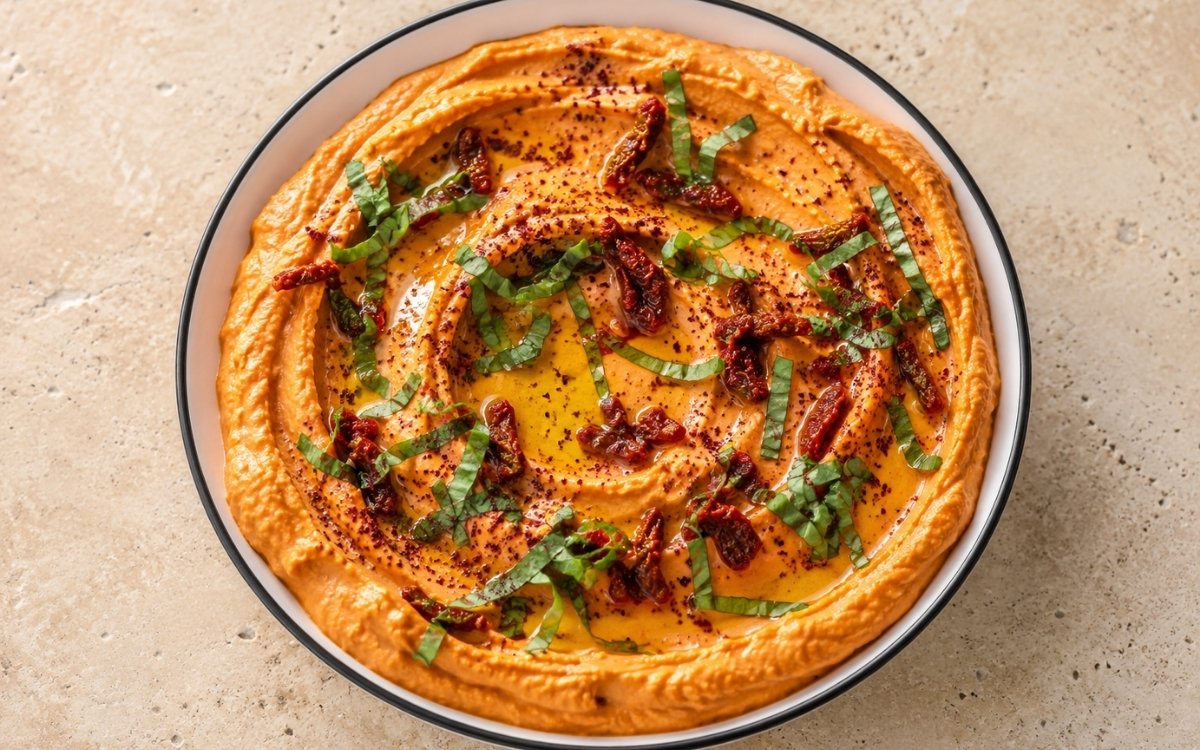
Transfer to a wide, shallow serving bowl and create the characteristic hummus well by sweeping the back of a spoon from the centre outward in a circular motion. Drizzle generously with extra-virgin olive oil — or a small amount of the reserved sun-dried tomato oil for a specific, more intensely tomato-flavoured garnish. Scatter za’atar or sumac across the surface — sumac’s fruity tartness provides excellent contrast to the tomato’s concentrated sweetness. Scatter the fresh basil chiffonade — thin ribbons cut from a stacked pile of leaves — across the surface immediately before serving. Basil darkens quickly once cut and exposed to air, so chiffonade preparation should happen at the very last moment before the bowl goes to the table.
*Notes :
- Sun-dried tomatoes vary significantly in quality and it matters for this recipe. High-quality oil-packed sun-dried tomatoes are deep red, soft, and pliable with a clean, intensely tomato aroma. Low-quality ones can be leathery, overly acidic, and lacking in the sweet tomato depth that makes the variation work. Italian-sourced sun-dried tomatoes in good olive oil are the ideal. Avoid sun-dried tomatoes that are rubbery or very dark — the texture suggests over-drying, which concentrates bitterness alongside sweetness.
- Fresh basil is specified rather than dried for a reason that applies specifically to this preparation. Dried basil’s aromatic profile is significantly different from fresh — it has a more muted, slightly medicinal character without the clean, sweet, slightly peppery freshness that makes fresh basil specific. In a blended hummus, fresh basil’s volatile aromatic compounds are already partially lost during processing — using dried basil would reduce the basil character to barely perceptible. Fresh basil only, and added toward the end of the processing time to preserve as much of its volatile character as possible.
- The basil chiffonade garnish should always be prepared at the last possible moment before serving. Basil’s cell walls are thin and fragile — once cut, the damaged cells release enzymes that oxidise the cut surface and turn the basil dark within minutes. A chiffonade prepared 10 minutes before serving will be noticeably darker and less vibrant than one prepared at the moment of plating. For the best presentation, have the leaves stacked and ready to cut, and make the slices immediately before the bowl is carried to the table.
Why This Recipe Works
This recipe works because sun-dried tomatoes are one of the few ingredients whose concentrated flavour and fat-soluble aromatic compounds are strong enough to assert a completely new character over the classic hummus base without requiring large quantities. 70g of well-drained oil-packed sun-dried tomatoes produces a hummus with an unmistakably Mediterranean Italian identity — deeply flavoured, vibrantly coloured, and distinctly tomato-forward — while the classic base’s tahini, lemon, garlic, and cumin provide the grounding that keeps it coherently within the hummus tradition. The basil is the precision addition that connects the tomato character to Italian cooking specifically, rather than simply producing a red hummus of unspecified origin.
Ingredient Breakdown
Sun-Dried Tomatoes (Oil-Packed, Drained)
The defining ingredient — concentrated tomato sweetness, acidity, and umami in a small volume, with aromatic oil compounds that distribute through the hummus during blending. The source of the vivid red-orange colour.
Fresh Basil (15g)
The aromatic partner — sweet, slightly peppery, clean aromatic freshness that is specifically and classically paired with tomato. Added during processing and again as a garnish for maximum aromatic presence.
Tahini (140g)
The fat and flavour backbone — unchanged from the classic base, providing the sesame depth and emulsifying fat for smooth texture.
Lemon Juice and Zest
The brightening acid layer — particularly important here to balance the sun-dried tomato’s concentrated sweetness without which the hummus can taste heavy.
Smashed Garlic
Background savory depth — provides the allium foundation that balances the tomato’s sweetness and the basil’s herbaceousness.
Za’atar or Sumac
The finishing garnish — sumac’s fruity tartness contrasts particularly well with the tomato’s sweetness; za’atar provides earthy herbal complexity.
Flavor Structure Explained
This hummus follows a layered balance model:
- Sweet-umami core (sun-dried tomato)
- Bright acidity (lemon)
- Aromatic herbal top (basil)
- Creamy neutral base (chickpeas, tahini)
- Savory warmth (garlic, cumin)
Sun-dried tomato defines the dominant note with concentrated sweetness, slight acidity, and deep umami from drying and oil-packing. Lemon cuts through that intensity, preventing the profile from becoming heavy or cloying. Basil adds a clean, sweet herbal layer that sits on top and shapes the aromatic identity. Chickpeas and tahini provide the structural base, grounding the stronger flavors with smooth, earthy creaminess. Garlic and cumin reinforce the background with subtle savory warmth, tying everything into a cohesive, cross-regional profile.
Common Mistakes to Avoid
- Using Dry-Packed Rather Than Oil-Packed Tomatoes – Dry-packed tomatoes require rehydration and lack the oil-carried aromatic compounds that oil-packed versions provide. The texture in the finished hummus is also less smooth. Use oil-packed.
- Not Draining the Tomatoes Sufficiently – Excess oil from the tomatoes enters the food processor and makes the hummus greasy. Drain thoroughly and press between paper towels if needed.
- Not Processing Chickpeas While Warm – The same rule as every hummus variation — process immediately while warm for the smoothest possible result.
- Preparing the Basil Garnish Too Far Ahead – Basil chiffonade darkens within minutes of cutting. Always prepare at the last moment before serving.
- Under-seasoning with Salt – The tomato’s sweetness masks the need for salt. Taste attentively and season generously — flat sun-dried tomato hummus is almost always a salt deficiency.
- Using Dried Basil – The aromatic character of dried basil is insufficient for this variation. Fresh only.
Variations
Classic Hummus
The base recipe this variation is built on — chickpeas, tahini, lemon, garlic, and cumin producing the clean, neutral foundation that all four variations derive from. Full recipe at Classic Hummus.
Chipotle and Lime Hummus
Bold, smoky, and heat-forward — chipotle pepper in adobo and lime replacing lemon, pushing the base in an entirely different direction from the Mediterranean Italian character of this version. Full recipe at Chipotle and Lime Hummus.
Harissa and Mint Hummus
Warm, complex, and North African — harissa paste and fresh mint producing a spiced, fragrant hummus with both heat and herbal freshness. Shares the herb-forward character of this variation but in a completely different flavour direction. Full recipe at Harissa and Mint Hummus.
Roasted Garlic Hummus
Deep, mellow, and sweet-savory — five roasted garlic cloves transforming the classic base into something deeply complex without adding any other strongly-flavoured ingredient. Full recipe at Roasted Garlic Hummus.
Storage & Make-Ahead
Store in an airtight container in the refrigerator for up to 5 days. Press plastic wrap directly onto the surface before sealing — the tomato’s acidity makes the surface slightly more prone to colour change than the classic version when exposed to air, and the direct-contact plastic prevents this effectively. Bring to room temperature for 20–30 minutes before serving and stir in a small amount of cold water if needed to restore consistency. Re-garnish with fresh basil chiffonade, za’atar or sumac, and olive oil immediately before serving. Freezes adequately for up to 2 months without garnish — thaw overnight in the refrigerator and stir well with a small addition of cold water before serving.
Frequently Asked Questions
Can I use fresh tomatoes instead of sun-dried?
Fresh tomatoes have approximately 95% water content and contain none of the concentrated sweetness, umami, and aromatic depth that the drying process produces in sun-dried tomatoes. Fresh tomatoes in hummus produce a watery, thin result without the vibrant colour or flavour intensity that defines this variation. Sun-dried only.
How much sun-dried tomato is the right amount?
The recipe uses 70g of drained tomatoes, which produces a prominently tomato-forward hummus with vivid colour. For a more subtle presence, reduce to 50g. For a very intensely tomato character, increase to 100g — but be aware that beyond 100g the tomato can start to overpower the tahini and chickpea base.
Can I use the sun-dried tomato oil as the finishing drizzle?
Yes — and it is an excellent choice. The oil has absorbed the fat-soluble aromatic compounds from the tomatoes over time and has a distinctly tomato-infused character that makes a more flavour-specific finishing drizzle than plain olive oil. Use sparingly — a few drops is sufficient.
What else can I use this hummus for beyond dipping?
As a bruschetta spread on toasted Ciabatta or Focaccia slices. As a pasta sauce base — thin with a small amount of pasta cooking water and toss with hot pasta for a quick, intensely flavoured sauce. As a sandwich spread. As a component in grain bowls alongside roasted vegetables.
What should I serve it with?
Warm Homemade Lavash or fresh pita for the classic dip application. Toasted focaccia or ciabatta slices for a more Italian-inflected presentation. Crudités — cucumber, celery, and carrot are particularly good alongside this variation’s rich, sweet flavour.
Nutrition Facts
( per serving — approximately 4 tbsp )
Calories
~195 kcal
Protein
8 g
Fat
11 g
Carbs
20 g
Calories
~195 kcal
Protein
8 g
Fat
11 g
Carbs
20 g
Related Recipes
Related Recipes

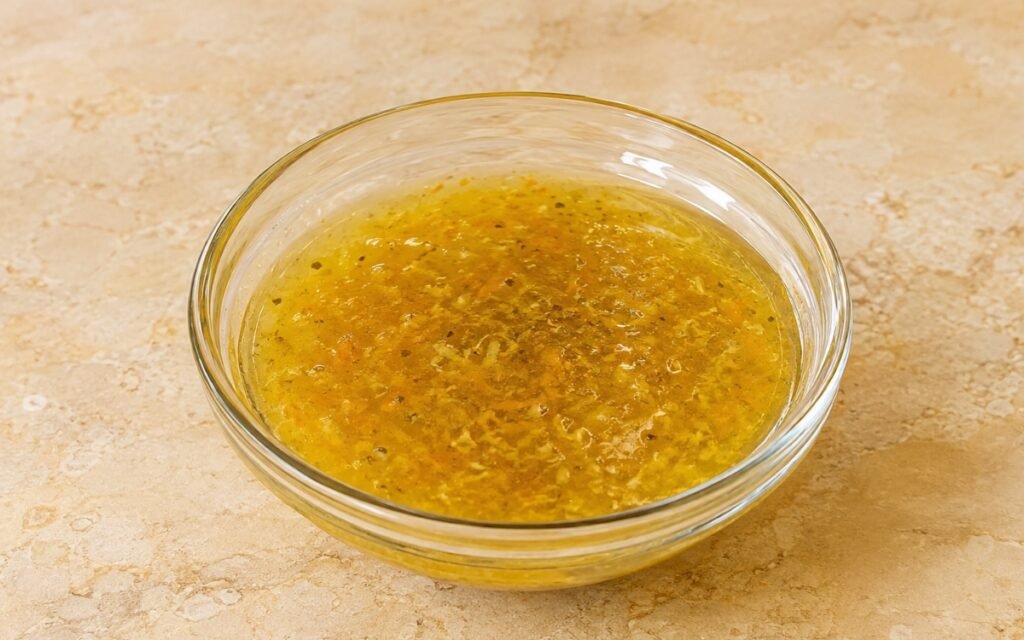
Citrus Olive Oil Dressing
Three citrus fruits and quality olive oil create a bright, layered 10-minute dressing for everything.
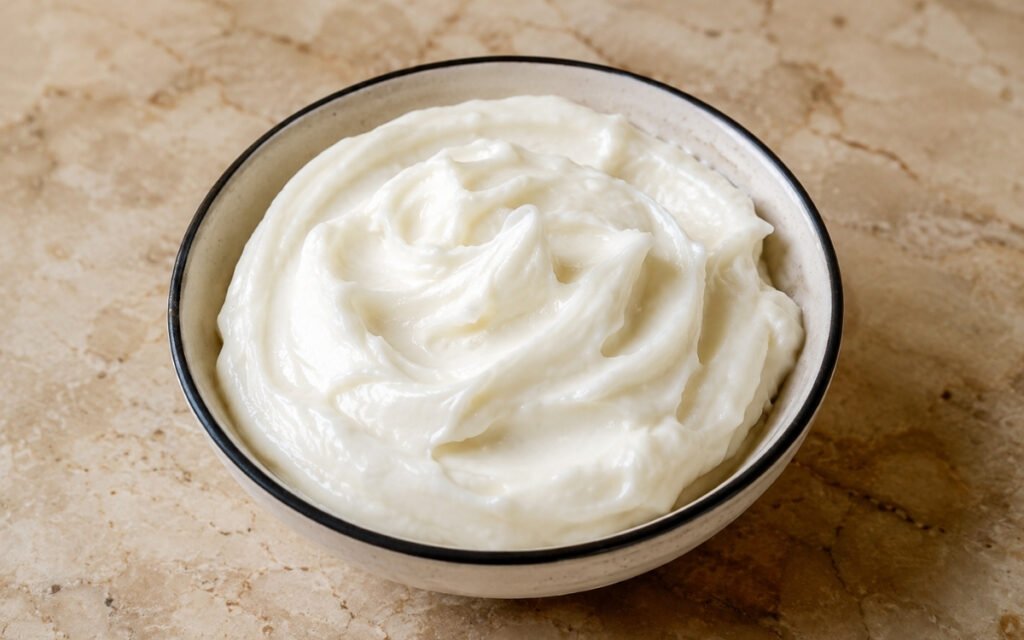
Toum (Lebanese Garlic Sauce)
Garlic, salt, lemon juice, and neutral oil emulsified drop by drop into a thick, white, airy Lebanese garlic sauce — refrigerated before serving so the flavour mellows from sharp to balanced.
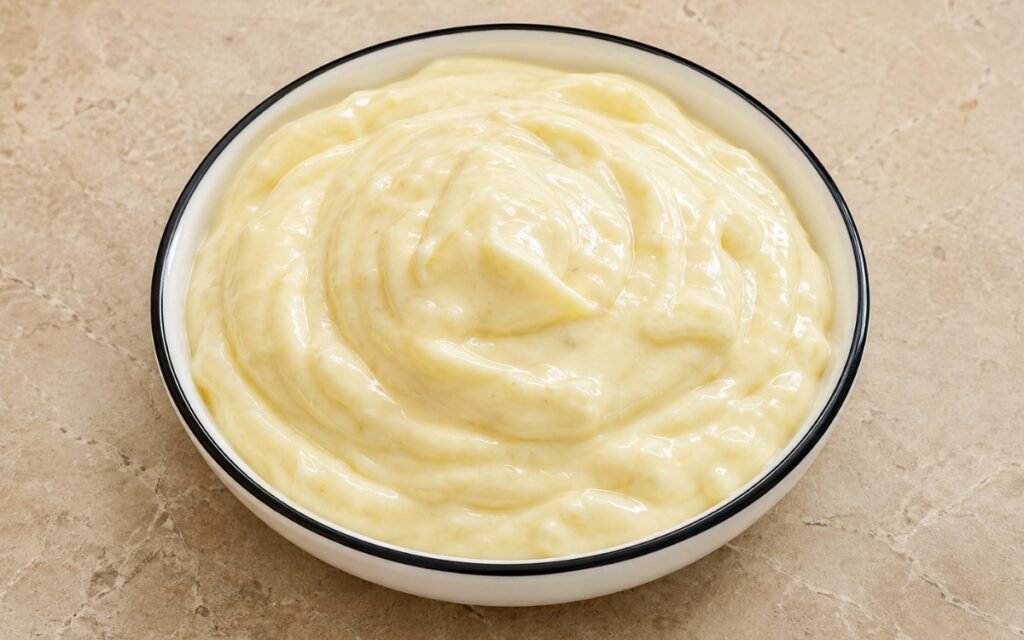
Classic Garlic Aioli (Weeknight Version)
Quick garlic aioli with authentic flavor in 10 minutes—no emulsion technique or fancy tools needed!
You might also like
You might also like
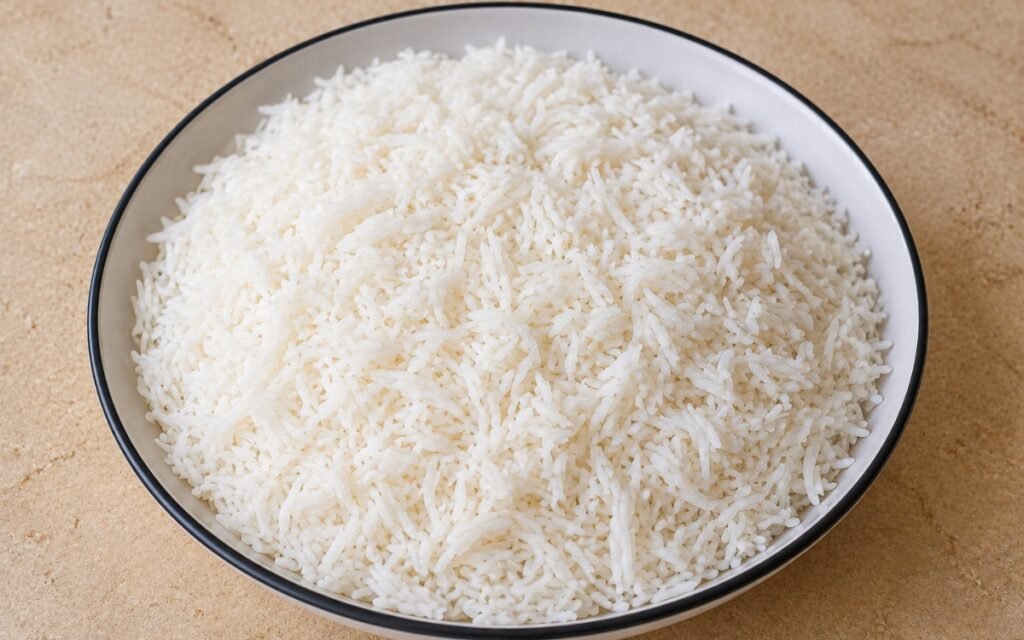
Plain Steamed Basmati Rice
Basmati rinsed thoroughly, boiled uncovered then simmered covered undisturbed for 15 minutes, rested and fluffed. Long, separate grains every time.
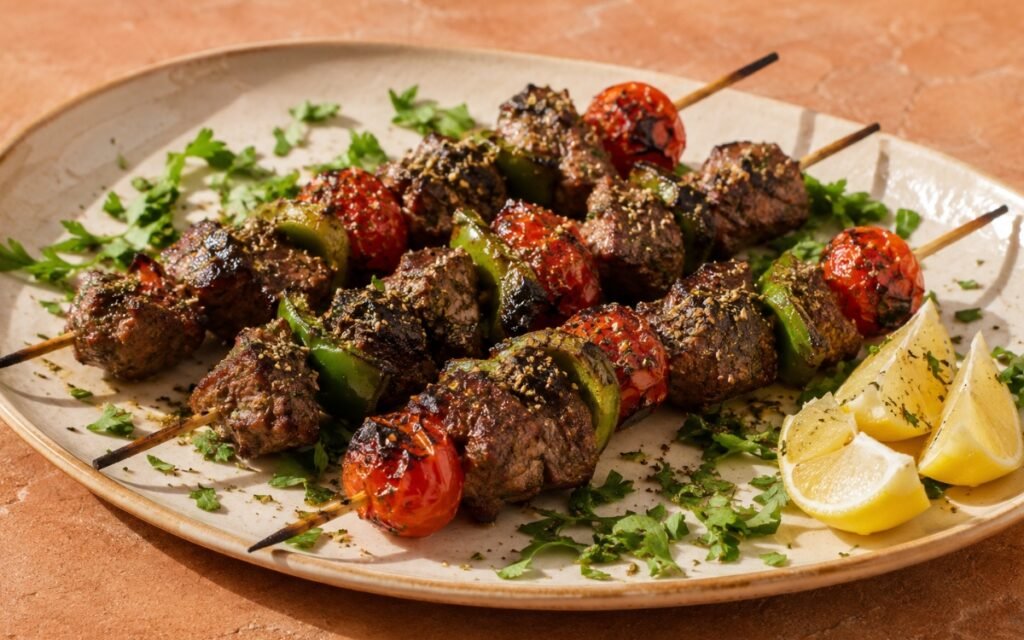
Grilled Lamb Kebabs with Charred Veggies
Lamb shoulder in a blended lemon-onion-za’atar marinade — threaded with bell peppers and cherry tomatoes, grilled until charred and juicy. Za’atar and parsley at finish. Serve with lavash, toum, and labneh.
Pear Lemonade
Ripe pears at low heat with honey, lemon zest off heat — 150ml lemon only so pear leads, salt, cold water, chilled. Pale, delicate, and pear-forward.

Sun-Dried Tomato & Basil Hummus
Ingredients
Method
- Place the dried chickpeas in a large bowl and cover generously with cold water — by at least 5–6cm, as they will roughly double in size during the soak. Add ½ tsp of baking soda and stir briefly to dissolve. The alkaline environment created by the baking soda progressively weakens the pectin in the chickpea skins and cell walls throughout the soaking period, beginning the softening process before any heat is applied and ensuring the chickpeas will cook completely through to a uniformly soft, blendable consistency. Soak for 8 hours at room temperature or overnight. Drain and discard the soaking water — it contains released starches and the spent baking soda solution.
- Transfer the soaked, drained chickpeas to a large pot. Cover with fresh cold water by approximately 5cm and add the remaining ½ tsp of baking soda. Bring to a boil over medium-high heat, skimming any grey foam that accumulates at the surface as the water heats — this is coagulated protein and starch that should be removed for a cleaner-tasting result. Once boiling, reduce to medium-low heat, cover with a lid, and cook for approximately 30 minutes. Check at the 25-minute mark by removing a single chickpea and pressing it between your fingers or with a fork. It must crush completely and immediately with no resistance — any firmness means more cooking time is required. The double baking soda method, applied in both the soak and the cook, produces chickpeas soft enough that their skins blend invisibly into the finished hummus rather than producing graininess or texture. Drain when fully tender and proceed to processing immediately while still warm.
- While the chickpeas cook, prepare the sun-dried tomatoes. Drain them thoroughly from their oil through a small strainer or by pressing between paper towels — excess oil carried into the food processor changes the hummus’s fat content and can produce a slightly greasy consistency that the recipe is not calibrated for. Do not rinse — rinsing removes the tomato aromatic compounds that cling to the surface. After draining, roughly chop the tomatoes into smaller pieces if they are large — this helps them incorporate more evenly during processing rather than remaining as larger chunks that take longer to break down. Reserve a small amount of the drained oil if desired — a few drops can be used in the final serving drizzle for a flavour-specific garnish.
- Transfer the drained warm chickpeas to a food processor immediately. Process for 2–3 minutes, stopping every 30–45 seconds to scrape down the sides and bottom of the bowl — any mass stuck to the walls is not being processed and will remain as coarser fragments in the final hummus. The warm chickpeas process significantly more smoothly than cold ones because the heat keeps the starch in a gelatinised, fluid state that blends easily. Process until the chickpeas have formed a thick, fairly smooth dry-looking paste — stiff and compact before the liquid ingredients are added, which is correct at this stage.
- With the food processor running, add the tahini paste in a steady stream. Add the drained and roughly chopped sun-dried tomatoes, the fresh basil leaves, the lemon juice, lemon zest, smashed garlic cloves, ground cumin, a conservative starting amount of fine sea salt, and freshly ground black pepper. The sun-dried tomatoes are the flavour foundation of this variation — their concentrated, intensely sweet-acidic tomato character comes from the water having been removed during the drying process, which concentrates the natural sugars, acids, and umami compounds present in fresh tomatoes into a much smaller volume of fruit. The flavour intensity per gram is dramatically higher than fresh tomato — which is why a relatively small quantity of 70g produces a prominently tomato-forward hummus. The oil-packing further contributes: the olive oil in which sun-dried tomatoes are packed absorbs the fat-soluble aromatic compounds from the tomato over time, and these compounds transfer from the tomato surface into the hummus during blending. The fresh basil adds the clean, slightly peppery, sweet aromatic top note that Italian cooking specifically pairs with tomato — the basil and tomato combination is one of the most complementary flavour pairings in the Mediterranean tradition, and it works equally well in a hummus context as it does in a bruschetta or pasta sauce. Process for 2–3 minutes, scraping down frequently, until the mixture is as smooth as it will become before water is added. The hummus will already show its characteristic deep red-orange colour at this stage from the tomato pigments distributing through the chickpea base.
- With the food processor running, begin adding the ice-cold water one tablespoon at a time, allowing each addition to fully incorporate before adding the next. The cold water emulsifies with the tahini’s fat during mechanical processing, dispersing the fat molecules and producing the light, creamy, aerated texture that distinguishes well-made hummus from a dense paste. The sun-dried tomatoes contribute some of their own moisture to the mixture during processing, which means the total water requirement may be slightly less than for the classic version — assess by tablespoon and stop when the consistency is right rather than at a predetermined volume. For a dense, spreadable hummus use less water; for a looser, drizzleable consistency use more.
- Stop the processor and taste carefully. The sun-dried tomato and basil hummus has a specific calibration challenge: the tomato’s concentrated sweetness and acidity are both strong and can mask the need for salt and the basil’s freshness simultaneously. If the hummus tastes sweet and one-dimensional, it needs more salt — add incrementally until the tomato’s own character sharpens and the basil’s freshness becomes more noticeable. If it tastes heavy and lacks brightness, add additional lemon juice — the lemon’s acidity cuts through the tomato’s richness and lifts the basil’s aromatic compounds. If the cumin’s earthiness is not present in the background, add a small additional pinch. If the basil character is too faint, add 3–4 additional fresh leaves and process briefly — fresh basil’s volatile aromatic compounds are partially lost during the extended processing, and a small addition at the end of processing adds them back at full freshness.
- Transfer to a wide, shallow serving bowl and create the characteristic hummus well by sweeping the back of a spoon from the centre outward in a circular motion. Drizzle generously with extra-virgin olive oil — or a small amount of the reserved sun-dried tomato oil for a specific, more intensely tomato-flavoured garnish. Scatter za’atar or sumac across the surface — sumac’s fruity tartness provides excellent contrast to the tomato’s concentrated sweetness. Scatter the fresh basil chiffonade — thin ribbons cut from a stacked pile of leaves — across the surface immediately before serving. Basil darkens quickly once cut and exposed to air, so chiffonade preparation should happen at the very last moment before the bowl goes to the table.