
Classic Tabbouleh Salad
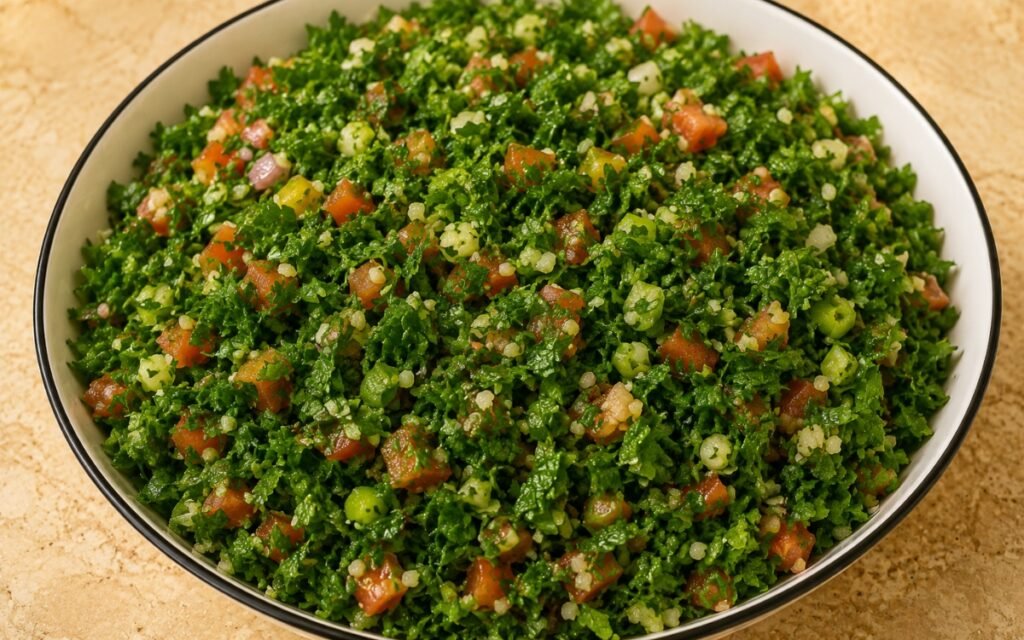
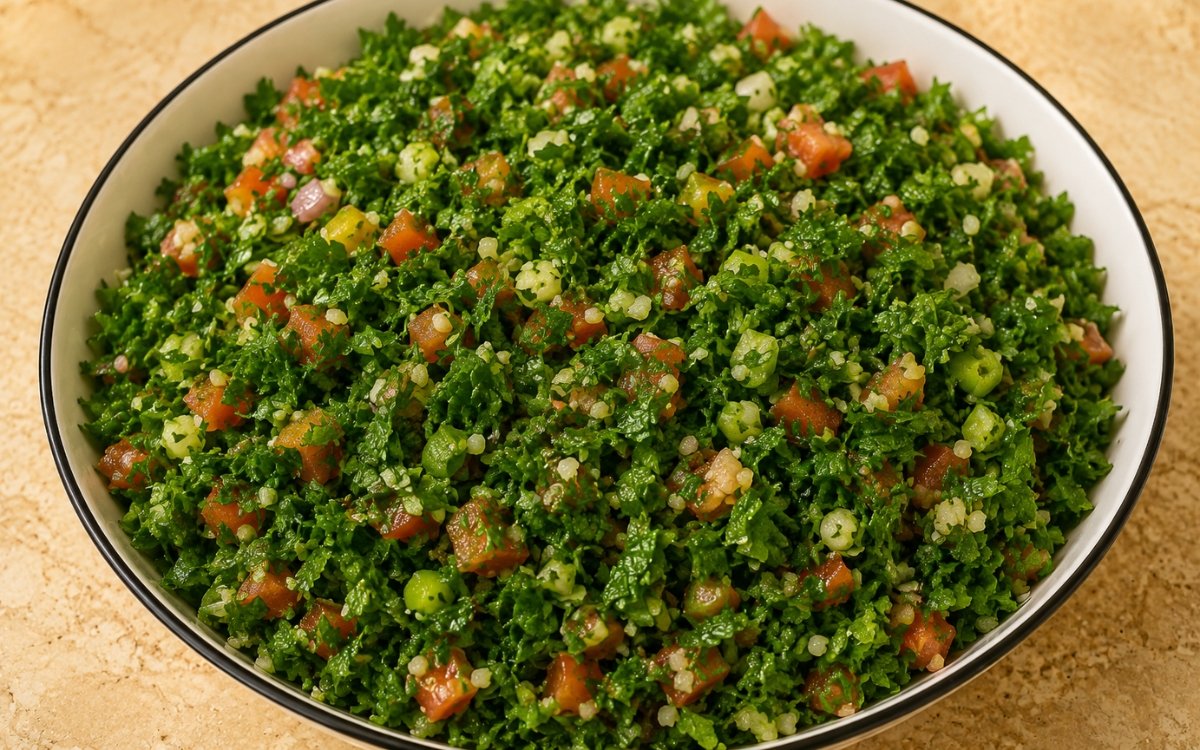
This authentic Middle Eastern salad puts fresh parsley front and center, with just enough bulgur wheat to bind everything together. Bright lemon juice, ripe tomatoes, fresh mint, and olive oil create a refreshing dish that’s perfect as a side or light meal.
Prep Time : 20 min
Cook Time : 0 min
Servings : 4
20 min
0 min
4
Ingredients
Tabbouleh Salad Base
• 30g fine bulgur wheat
• 60ml boiling water
• 60g fresh parsley, finely chopped
• 15g fresh mint leaves, finely chopped
• 150g ripe tomatoes, finely diced
• 40g cucumber, finely diced
• 30g green onions, thinly sliced
Dressing
• 45ml fresh lemon juice
• 30ml extra virgin olive oil — this one on Amazon
• 1/2 teaspoon salt
• 1/4 teaspoon black pepper
• 1/4 teaspoon ground allspice
This post may contain affiliate links. As an Amazon Associate I earn from qualifying purchases, at no additional cost to you.
Directions
- Soak and Prepare the Bulgur
Place the fine bulgur wheat in a medium heatproof bowl and pour 60 ml of freshly boiled water over the grains. Stir briefly so all the bulgur is evenly moistened, then cover the bowl with a plate or plastic wrap to trap the steam. Allow the bulgur to hydrate for 12–15 minutes, during which time it will absorb the water and soften without needing to be cooked. Once the water has been fully absorbed, fluff the bulgur gently with a fork to separate the grains and allow it to cool completely. If any excess moisture remains, spread the bulgur briefly on a plate to dry so it does not dilute the salad. - Prepare the Parsley
Rinse the parsley thoroughly in cold water to remove any grit. Shake off excess moisture and dry the leaves completely using a salad spinner or clean kitchen towel. Remove any thick stems and gather the parsley into a tight bundle. Using a sharp knife, chop the leaves very finely, almost to the texture of coarse herbs rather than leafy pieces. Authentic tabbouleh relies heavily on finely chopped parsley, which forms the majority of the salad base. - Prepare the Mint
Wash and dry the mint leaves in the same manner as the parsley. Remove the leaves from the stems and stack several together before finely chopping them. Mint should be chopped finely enough to distribute evenly but not so fine that it becomes bruised or darkened. - Dice the Tomatoes
Wash the tomatoes and pat them dry. Using a sharp knife, dice them into very small cubes approximately 5–6 mm in size. If the tomatoes are very juicy, gently remove some of the seed pulp to prevent excess liquid from watering down the salad. Transfer the diced tomatoes to a bowl lined with paper towel and allow them to sit briefly so excess moisture can be absorbed. - Dice the Cucumber
Wash the cucumber and trim the ends. Dice it into small cubes similar in size to the tomatoes so the salad remains evenly textured. If the cucumber has large seeds, remove them before dicing. Pat the cucumber pieces lightly with paper towel to remove excess moisture. - Slice the Green Onions
Trim the root ends from the green onions and slice them very thinly, including the pale green portions of the stalks. Thin slicing helps the onion flavor integrate smoothly throughout the salad rather than creating sharp bursts. - Prepare the Lemon Dressing
In a small bowl combine the fresh lemon juice, extra virgin olive oil, salt, black pepper, and ground allspice. Whisk the mixture vigorously for about 20 seconds until the oil and lemon juice begin to emulsify slightly. The dressing should taste bright, citrusy, and lightly spiced. - Combine the Salad
Place the cooled bulgur, chopped parsley, chopped mint, diced tomatoes, diced cucumber, and sliced green onions into a large mixing bowl. Toss the ingredients gently with a spoon to distribute them evenly before adding the dressing. - Dress and Rest the Salad
Pour the lemon dressing over the salad and toss thoroughly but gently until all ingredients are evenly coated. Allow the salad to rest for 8–10 minutes before serving so the bulgur absorbs the lemon dressing and the herbs release their aroma. - Serve
Transfer the finished tabbouleh to a serving bowl and serve chilled or at room temperature. The salad pairs beautifully with grilled meats or seafoods, roasted vegetables, or warm flatbread.
*Notes :
- Traditional tabbouleh is an herb salad rather than a grain salad. Parsley should dominate the mixture, with bulgur used only in a small quantity to bind the ingredients together.
- Flat-leaf parsley is preferred because it has a clean, vibrant flavor and tender texture. Curly parsley can be used in a pinch but tends to be slightly tougher.
- Fine bulgur works best because it hydrates quickly without cooking. Coarse bulgur would require longer soaking or simmering and would create a heavier texture.
- Fresh lemon juice is essential for authentic flavor. Bottled lemon juice lacks the brightness needed to balance the herbs.
- Tabbouleh benefits from a short resting period that allows the bulgur to absorb the dressing and the herbs to release their oils.
Why This Recipe Works
This recipe works because it balances fresh herbs, citrus acidity, and light grain texture.
Parsley forms the backbone of the salad, providing fresh herbal flavor. Mint adds aromatic brightness, while tomatoes and cucumber contribute juiciness and freshness.
The lemon and olive oil dressing enhances the herbs without overpowering them, while the bulgur provides subtle structure that ties the salad together.
Ingredient Breakdown
Parsley
Parsley provides the dominant flavor and forms the base of authentic tabbouleh.
Mint
Mint contributes aromatic freshness that complements the lemon dressing.
Bulgur Wheat
Bulgur adds light texture and helps bind the salad together.
Tomatoes
Tomatoes provide juiciness and natural sweetness.
Cucumber
Cucumber adds refreshing crunch and moisture.
Green Onions
Green onions introduce mild onion flavor without overwhelming the herbs.
Lemon Juice
Lemon juice delivers bright acidity that defines the salad.
Olive Oil
Olive oil adds richness and smooth mouthfeel.
Allspice
Allspice adds subtle warmth that deepens the flavor profile.
Flavor Structure Explained
The flavor balance of tabbouleh is built around herbal freshness and bright citrus acidity.
Parsley and mint create a vibrant herb base, while lemon juice introduces sharp acidity that lifts the entire salad. Olive oil softens the acidity and adds richness.
Tomatoes provide subtle sweetness, while cucumber adds crisp freshness. Bulgur contributes mild nuttiness and structure.
Common Mistakes to Avoid
- Using Too Much Bulgur – Authentic tabbouleh is mostly herbs with only a small amount of grain.
- Not Drying the Herbs Properly – Wet herbs dilute the dressing and reduce flavor intensity.
- Cutting the Ingredients Too Large – Small, uniform cuts create the best texture and allow flavors to blend evenly.
- Using Bottled Lemon Juice – Fresh lemon juice provides the brightness necessary for authentic flavor.
Variations
Lebanese Style
Increase parsley and reduce bulgur even further for a more herb-forward salad.
Quinoa Tabbouleh Salad
Replace bulgur with cooked quinoa for a gluten-free version.
Spicy Variation
Add a pinch of Aleppo pepper or chili flakes to the dressing.
Mediterranean Variation
Add diced bell peppers or olives for extra texture and flavor.
Storage & Make-Ahead
Tabbouleh can be stored in an airtight container in the refrigerator for up to 2 days.
The flavors often improve after several hours as the bulgur absorbs the dressing and the herbs release more aroma.
Before serving leftovers, toss the salad gently and adjust seasoning with a squeeze of lemon juice if necessary.
Freezing is not recommended because fresh herbs lose their texture when thawed.
Frequently Asked Questions
What type of bulgur should I use?
Fine bulgur works best because it hydrates quickly without cooking.
Can I make tabbouleh ahead of time?
Yes. The salad often tastes better after resting in the refrigerator for an hour.
Is tabbouleh gluten free?
Traditional tabbouleh contains bulgur wheat, which contains gluten. Quinoa can be used as a substitute.
Why is my tabbouleh watery?
Excess moisture from tomatoes or cucumbers can dilute the salad. Pat vegetables dry before mixing.
Nutrition Facts
( per serving )
Calories
~125 kcal
Protein
3 g
Fat
8 g
Carbs
12 g
Calories
~125 kcal
Protein
3 g
Fat
8 g
Carbs
12 g
Related Recipes
Related Recipes

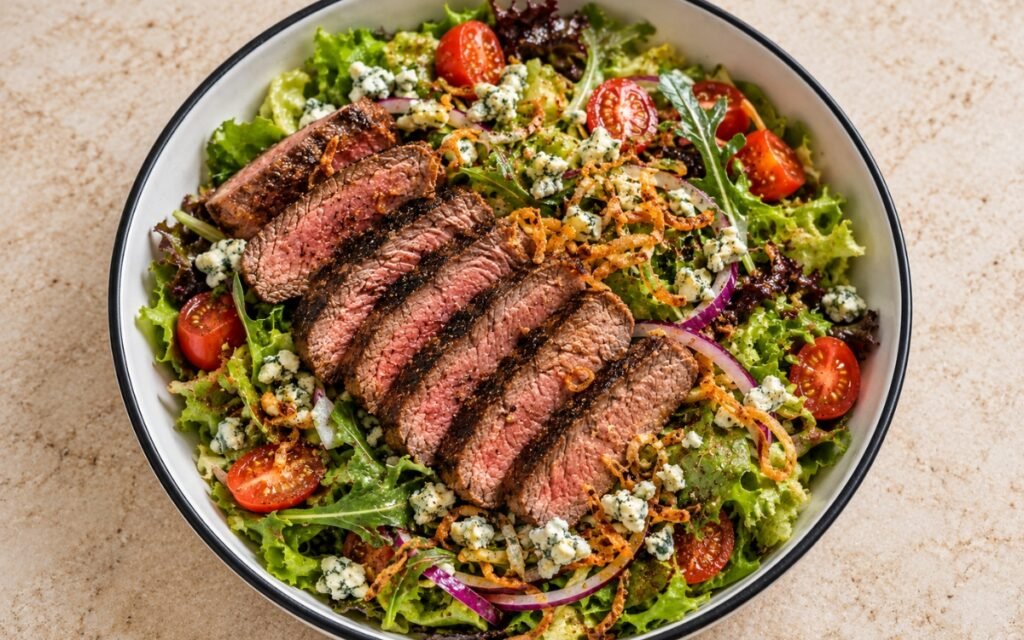
Steakhouse Steak Salad with Blue Cheese
Sliced medium-rare seared steak over crisp greens with cherry tomatoes, red onion, blue cheese crumbles, and crispy fried shallots.
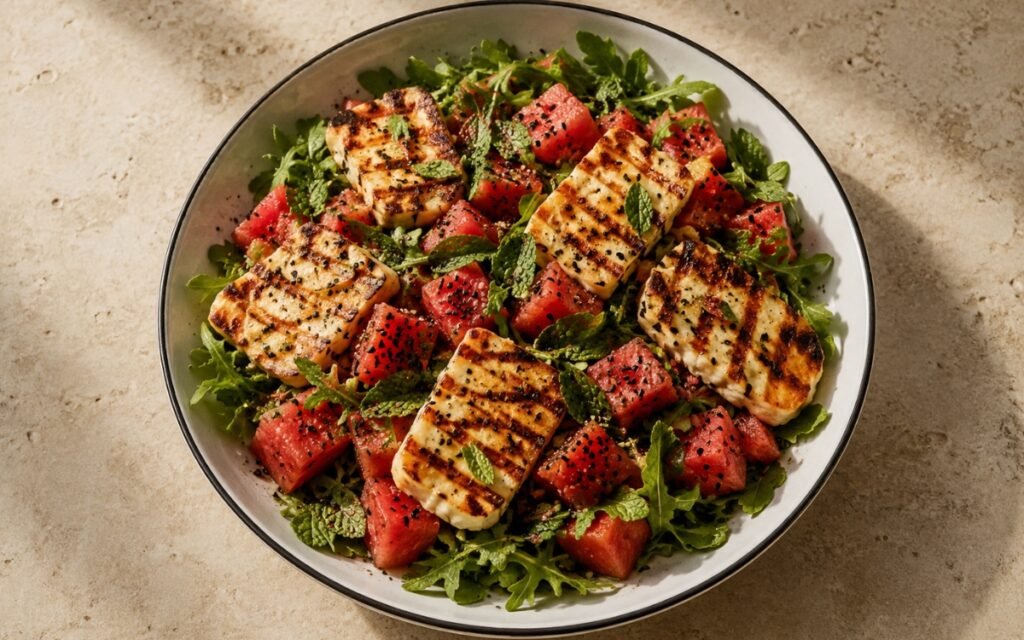
Grilled Halloumi & Watermelon Salad
Halloumi seared undisturbed one to two minutes per side, watermelon drained first, sesame-lime-honey dressing. Warm, cold, sweet, salty.
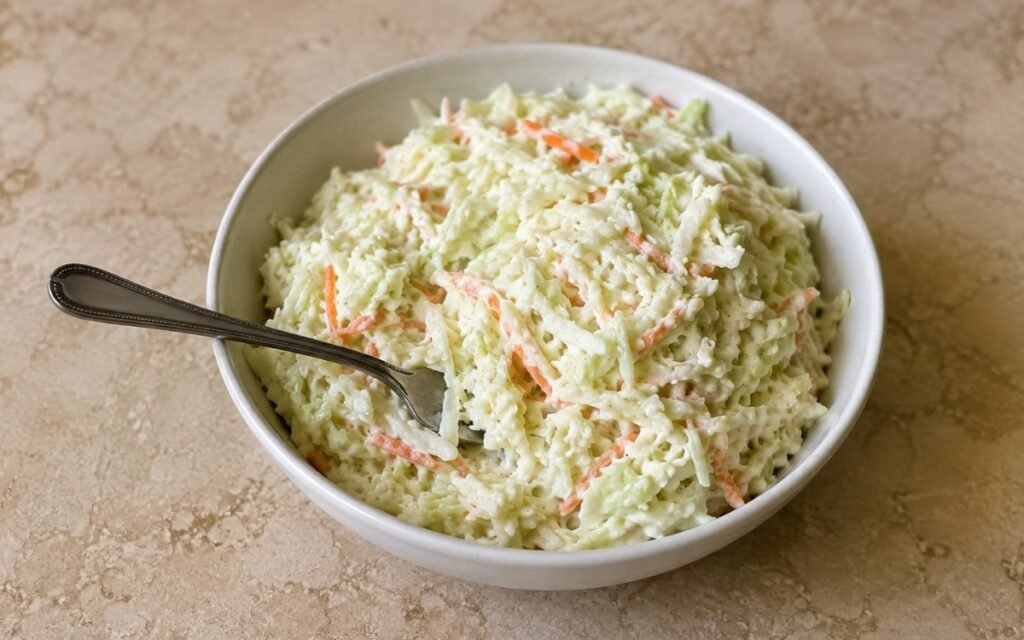
Classic Deli Coleslaw
Finely shredded cabbage and carrot in a creamy, tangy mayonnaise-sour cream dressing, salted and rested for a coleslaw that stays crisp, not watery.
You might also like
You might also like
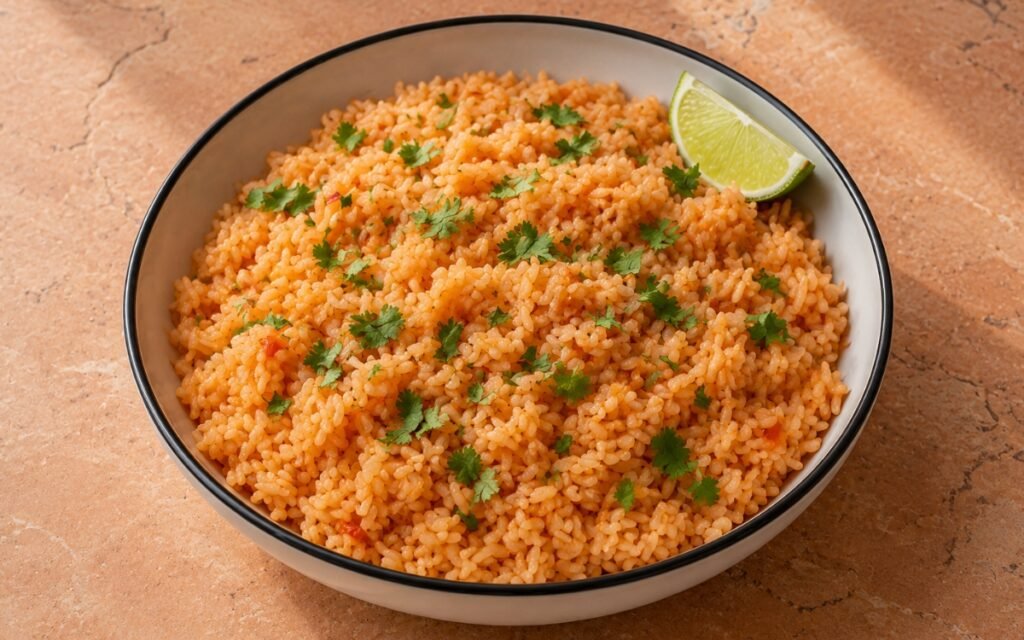
Mexican-Style Rice
Authentic Mexican rice with tomatoes, cumin, and garlic delivers vibrant restaurant-quality flavor.
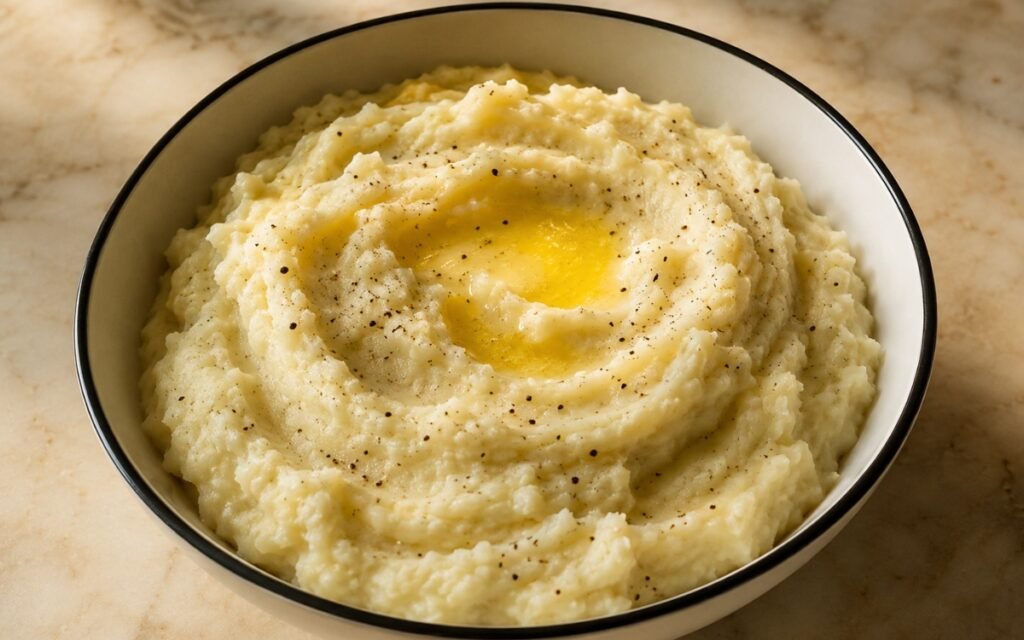
Classic Mashed Potatoes
Creamy, buttery mashed potatoes with perfectly smooth texture – the ultimate comfort food side dish.
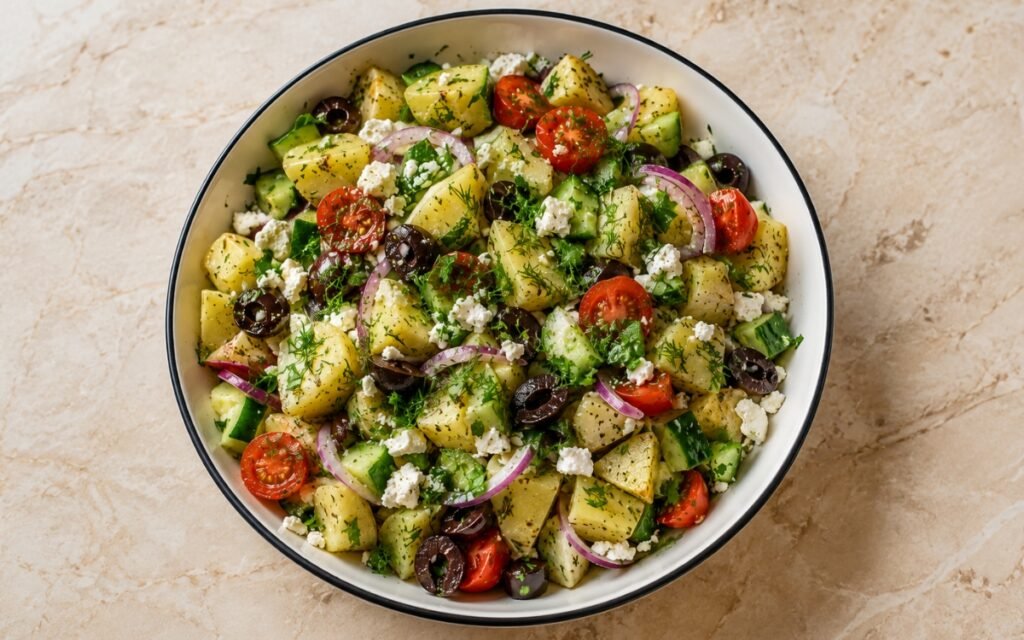
Greek-Style Potato Salad
Potatoes dressed warm for absorption, vegetables added once cooled, feta folded in gently, chilled to integrate. Bright and briny.
Classic Tabbouleh Salad
Ingredients
Method
- Place the fine bulgur wheat in a medium heatproof bowl and pour 60 ml of freshly boiled water over the grains. Stir briefly so all the bulgur is evenly moistened, then cover the bowl with a plate or plastic wrap to trap the steam. Allow the bulgur to hydrate for 12–15 minutes, during which time it will absorb the water and soften without needing to be cooked. Once the water has been fully absorbed, fluff the bulgur gently with a fork to separate the grains and allow it to cool completely. If any excess moisture remains, spread the bulgur briefly on a plate to dry so it does not dilute the salad.
- Rinse the parsley thoroughly in cold water to remove any grit. Shake off excess moisture and dry the leaves completely using a salad spinner or clean kitchen towel. Remove any thick stems and gather the parsley into a tight bundle. Using a sharp knife, chop the leaves very finely, almost to the texture of coarse herbs rather than leafy pieces. Authentic tabbouleh relies heavily on finely chopped parsley, which forms the majority of the salad base.
- Wash and dry the mint leaves in the same manner as the parsley. Remove the leaves from the stems and stack several together before finely chopping them. Mint should be chopped finely enough to distribute evenly but not so fine that it becomes bruised or darkened.
- Wash the tomatoes and pat them dry. Using a sharp knife, dice them into very small cubes approximately 5–6 mm in size. If the tomatoes are very juicy, gently remove some of the seed pulp to prevent excess liquid from watering down the salad. Transfer the diced tomatoes to a bowl lined with paper towel and allow them to sit briefly so excess moisture can be absorbed.
- Wash the cucumber and trim the ends. Dice it into small cubes similar in size to the tomatoes so the salad remains evenly textured. If the cucumber has large seeds, remove them before dicing. Pat the cucumber pieces lightly with paper towel to remove excess moisture.
- Trim the root ends from the green onions and slice them very thinly, including the pale green portions of the stalks. Thin slicing helps the onion flavor integrate smoothly throughout the salad rather than creating sharp bursts.
- In a small bowl combine the fresh lemon juice, extra virgin olive oil, salt, black pepper, and ground allspice. Whisk the mixture vigorously for about 20 seconds until the oil and lemon juice begin to emulsify slightly. The dressing should taste bright, citrusy, and lightly spiced.
- Place the cooled bulgur, chopped parsley, chopped mint, diced tomatoes, diced cucumber, and sliced green onions into a large mixing bowl. Toss the ingredients gently with a spoon to distribute them evenly before adding the dressing.
- Pour the lemon dressing over the salad and toss thoroughly but gently until all ingredients are evenly coated. Allow the salad to rest for 8–10 minutes before serving so the bulgur absorbs the lemon dressing and the herbs release their aroma.
- Transfer the finished tabbouleh to a serving bowl and serve chilled or at room temperature. The salad pairs beautifully with grilled meats, roasted vegetables, or warm flatbread.