
Panzanella with Heirloom Tomatoes & Torn Sourdough
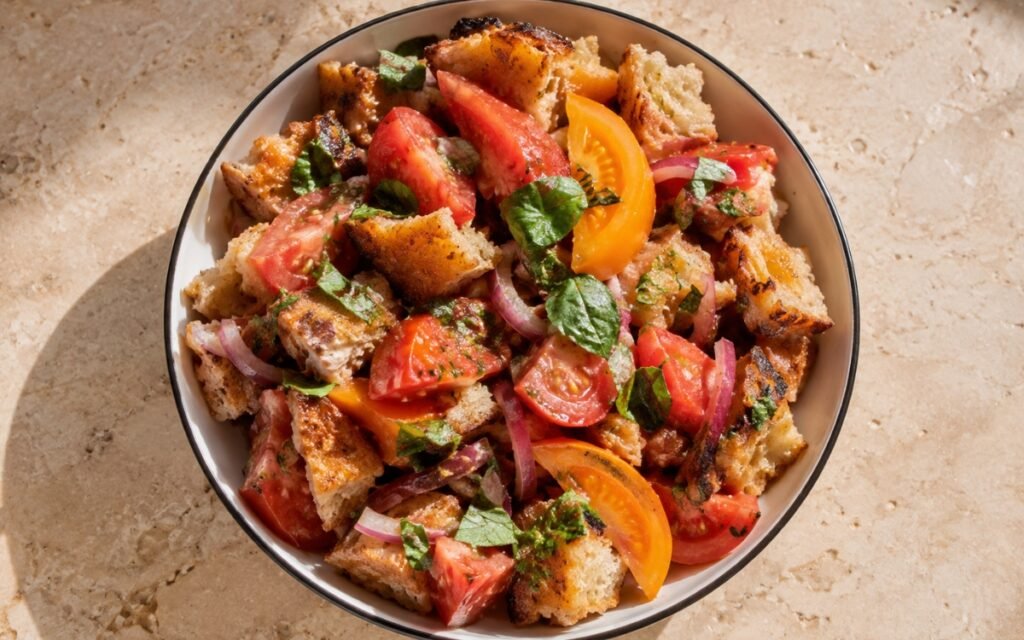
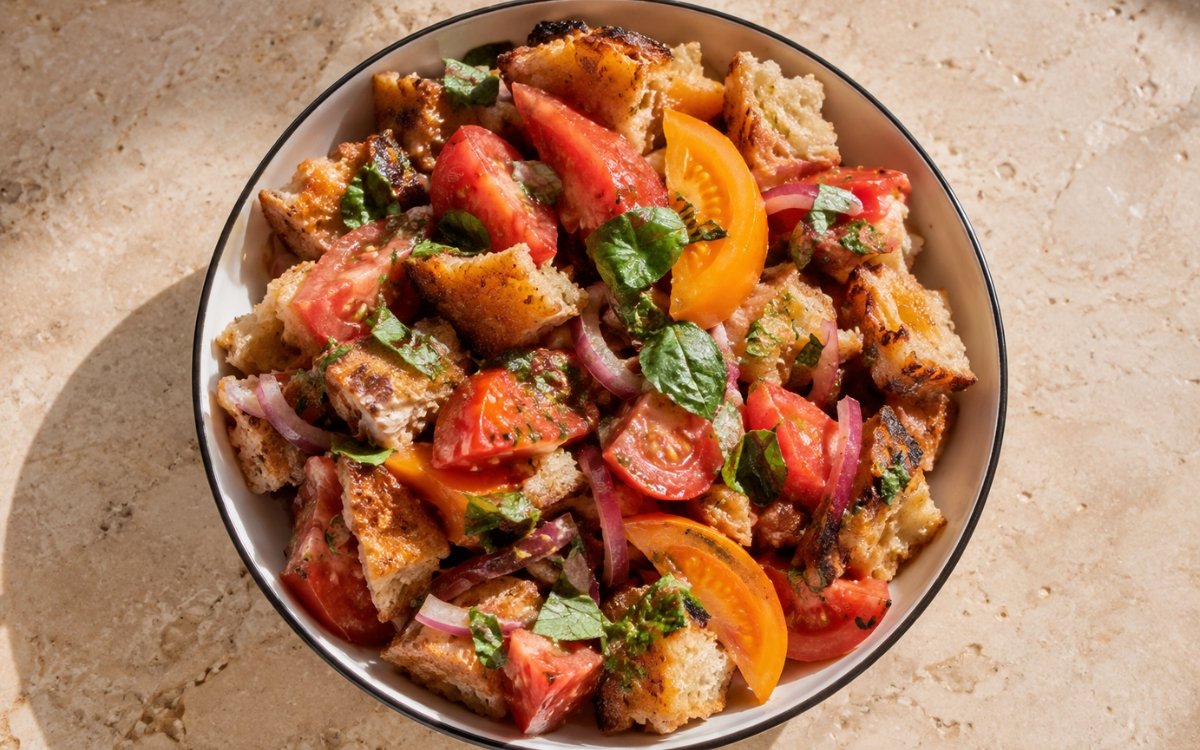
The tomatoes go in the bowl first with salt — and then they sit while everything else is prepared, because the salt draws out their juice and that juice is not a byproduct but the dressing’s primary component. The torn sourdough — torn rather than cut, so the rough, irregular edges absorb the dressing more completely than the sealed, smooth surfaces of uniform cubes — toasted until crisped at the edges with chew still at the centre. The red onion and garlic macerated in the red wine vinegar for 10 minutes before the oil is added, softening the raw sharpness into the lightly pickled acidity that a freshly-sliced raw onion in vinaigrette cannot produce. The assembled salad rested for 10 minutes after tossing so the bread absorbs the tomato juice and dressing into its interior rather than being coated only at its surface. The Tuscan summer salad that requires almost no technique beyond timing — and the timing is everything.
Prep Time : 20 min
Cook Time : 5–10 min
Servings : 4
20 min
5–10 min
4
Ingredients
For the Panzanella Salad
• 400g heirloom tomatoes, sliced into wedges
• 250g cherry tomatoes, halved
• ½ medium red onion, sliced into thin feathers
• 180g sourdough bread, hand-torn into rough, irregular chunks
• Generous handful of fresh basil leaves, hand-torn
• 2 tbsp extra-virgin olive oil, for toasting the bread
• Fine sea salt, to taste
• Freshly cracked black pepper, to taste
For the Red Wine Vinaigrette
• 2–3 tbsp red wine vinegar — start with 2, adjust at the end — this one on Amazon
• 1 garlic clove, finely minced or grated
• 1–2 thyme sprigs, leaves finely chopped
• 5–6 tbsp extra-virgin olive oil — this one on Amazon
• Fine sea salt, to taste
• Freshly cracked black pepper, to taste
This post may contain affiliate links. As an Amazon Associate I earn from qualifying purchases, at no additional cost to you.
Directions
- Salt the Tomatoes First
Add the 400g of heirloom tomato wedges and 250g of halved cherry tomatoes to a large, wide serving bowl. Season generously with fine sea salt — more than feels instinctively correct for a salad, because the salt is not only seasoning the tomatoes but actively drawing out their juice, which becomes the primary liquid component of the final dressing. Toss gently and allow to sit at room temperature while every other component is prepared — a minimum of 15–20 minutes. This is not a passive waiting step; it is the most important single preparation in the recipe. The accumulated tomato juice at the bottom of the bowl after 15–20 minutes — sweet, complex, lightly acidic, carrying the tomatoes’ full flavour — is what makes panzanella a cohesive, unified salad rather than vegetables and bread with dressing. Without this juice, the sourdough absorbs only the vinaigrette and the salad tastes dry and disconnected; with it, the bread absorbs a combination of tomato essence and seasoned dressing that produces a specifically more complex, more Tuscan result. - Macerate the Onion and Build the Vinaigrette
Add the ½ red onion sliced into thin feathers to a small bowl. The feather cut — slicing from the root to the tip following the onion’s natural curve rather than slicing across it — produces thinner, more supple, more evenly flavoured pieces that integrate into the salad better than rings or half-rings. Add the minced or grated garlic clove, 2 tbsp of red wine vinegar, and the finely chopped thyme leaves. Stir briefly and allow to macerate for 10 minutes. The macerating period is the technique that produces the sharp, lightly pickled onion character specific to panzanella — different from raw onion’s aggressive pungency and different from a cooked onion’s sweetness. Over 10 minutes, the red wine vinegar’s acid draws out the onion’s harshest sulfur compounds through osmosis and lightly pickles its surface, producing a more pleasant, more specifically acidic onion that contributes to the dressing’s character rather than dominating it. The garlic simultaneously loses some of its raw sharpness in the vinegar’s acid environment. After 10 minutes, whisk in 5–6 tbsp of extra-virgin olive oil, a pinch of black pepper, and a small pinch of salt until the dressing is combined. The vinaigrette will not fully emulsify without a binding agent but will combine sufficiently with whisking to distribute evenly when poured. - Tear and Toast the Sourdough
Tear the 180g of sourdough bread by hand into rough, irregular chunks — varying in size from roughly 2cm to 4cm. The hand-tearing rather than knife-cutting is the specific texture decision that makes panzanella’s bread component work properly. Cut bread has smooth, sealed surfaces produced by the knife blade compressing the crumb — these surfaces absorb dressing and tomato juice slowly and unevenly from the cut face only. Torn bread has rough, jagged, irregular surfaces — compressed crumb alongside fully open crumb structure exposed at every tear point — that absorb liquid rapidly and from multiple directions simultaneously. The irregular size variation also produces the specific rustic appearance that distinguishes panzanella from a crouton salad. Toss the torn sourdough chunks with the 2 tbsp of olive oil in a bowl until every surface is lightly coated. Toast using one of the following methods: In an air fryer at 190°C for 4–6 minutes — the most efficient method, producing even crisping across every surface simultaneously. In the oven at 200°C for 8–10 minutes, turning once at the midpoint. In a pan over medium heat, tossing every 60–90 seconds until golden at the edges. The target texture is bread that has developed a definite crust and golden colour on its exterior surfaces while retaining some chew at its centre. Fully dried, uniformly crunchy croutons are specifically wrong for panzanella — they absorb the dressing and tomato juice too rapidly and produce a uniformly soggy, dissolved bread within the resting period. Bread with crust-and-chew absorbs at the correct slower rate, retaining some textural identity in the finished salad while still becoming saturated with the tomato-dressing mixture. - Combine and Rest
To the bowl of salted tomatoes and their accumulated juice, add the toasted sourdough, the torn basil leaves, and the vinaigrette with all the macerated onion, garlic, and thyme. Toss everything together thoroughly — turning the salad over itself repeatedly so the bread pieces come into contact with the tomato juice and dressing on all surfaces. The bread will immediately begin absorbing the liquid. Allow the assembled salad to rest for 10 minutes at room temperature before serving. During this rest the sourdough’s interior absorbs the tomato juice and dressing progressively — the bread becoming saturated from the inside out rather than merely coated on the surface — and the flavours of every component integrate. The 10-minute rested panzanella tastes cohesive and specifically Tuscan; the immediately-served version tastes of separate components that happen to be in the same bowl. - Taste, Adjust, and Serve
After the 10-minute rest, taste and make final adjustments: additional red wine vinegar if the brightness is insufficient; additional salt if the tomatoes and bread taste flat; additional olive oil if the dressing needs more body. The salad should taste of ripe, sweet tomatoes, slightly pickled onion, and sourdough that has absorbed all of the above — vivid, acidic, herbaceous from the basil and thyme, and specifically Italian in its simplicity. Serve slightly warm from the resting period or at room temperature. Cold panzanella from the refrigerator mutes the tomato and olive oil flavours — this is a room-temperature dish.
*Notes :
- Heirloom tomatoes are the specific tomato for this recipe rather than beefsteak or Roma — their varietal diversity produces a bowl with tomatoes that differ slightly in acidity, sweetness, and texture from each other rather than a uniform single note. Combining 2–3 different heirloom varieties alongside cherry tomatoes produces the visual variety of different colours alongside the flavour variety of different sugar-to-acid ratios in the accumulated juice. The cherry tomatoes specifically provide the highest sugar concentration and brightest acidity among the tomatoes — their juice disproportionately sweetens and brightens the accumulated liquid.
- Sourdough is specified rather than white sandwich bread, ciabatta, or baguette for the specific character its slightly tangy, open-crumbed, more robust structure provides. Sourdough’s acidity complements the red wine vinegar and tomato’s acid without competing; its denser, more open crumb absorbs the tomato juice at the correct rate — quickly enough to be saturated within the 10-minute rest but slowly enough to retain some textural identity. Bread with less structure — baguette, white sandwich loaf — absorbs too rapidly and dissolves into a mushy, undifferentiated mass.
Why This Recipe Works
This recipe works because it respects the timing that panzanella requires: the tomatoes salted early to draw their juice, the onion macerated in vinegar to develop its character, the bread torn rather than cut for better absorption, and the assembled salad rested before serving so the bread genuinely absorbs rather than simply being coated.
All four timing decisions serve the same outcome — a cohesive, unified salad where every component has exchanged flavour with every other component rather than remaining separate.
Ingredient Breakdown
Heirloom Tomatoes (Salted First, Juice Reserved)
The salad’s liquid foundation — salt-drawn tomato juice is the primary dressing component and the element that makes panzanella specifically more than bread-and-vegetable salad.
Hand-Torn Sourdough (Toasted with Crust and Chew)
The textural element — rough torn surfaces absorb the dressing and juice more completely than cut surfaces; crust-and-chew texture retains identity through the 10-minute rest.
Macerated Red Onion and Garlic in Vinegar
The pickled acid base — 10 minutes in red wine vinegar softens the raw sharpness into a specifically piquant, lightly pickled character that raw onion cannot provide.
Two Resting Periods (Before and After Assembly)
The technique that converts a combination of ingredients into an actual panzanella — tomatoes salted and rested to develop juice; assembled salad rested to absorb and integrate.
Torn Basil (Added Just Before Serving)
The aromatic finishing herb — hand-torn to release the oils at the maximum freshness point without wilting under heat or prolonged acid contact.
Flavor Structure Explained
This Panzanella salad follows a layered balance model:
- Sweet-acidic tomato core (heirloom tomatoes)
- Sharp vinegar brightness (red wine vinegar, pickled onion)
- Fruity rich base (extra-virgin olive oil, soaked sourdough)
- Fresh herbal aromatics (basil, thyme)
- Juice-soaked texture integration (bread and vinaigrette absorption)
Heirloom tomatoes define the foundation with concentrated sweetness and acidity that saturate every component of the salad. Red wine vinegar and lightly pickled onion sharpen the profile with tannic brightness that balances both the tomatoes and olive oil. Olive oil creates the rich, peppery body that coats the bread and carries the tomato juices through the dish. Basil and thyme provide aromatic freshness that gives the salad its unmistakably Tuscan summer identity. The soaked sourdough ties everything together physically and flavor-wise, absorbing the vinaigrette and tomato juices into a unified composition.
Common Mistakes to Avoid
- Not Salting the Tomatoes Early Enough – The tomato juice is the dressing’s primary component — if the tomatoes are not salted at least 15–20 minutes ahead, insufficient juice accumulates and the salad remains dry and disconnected.
- Cutting Rather Than Tearing the Bread – Cut bread’s sealed surfaces absorb liquid slower and less completely. Always tear by hand for the correct absorption rate and rustic texture.
- Using Fully Dried Croutons – Fully dried bread absorbs liquid too rapidly and dissolves during the rest period. Always toast to crust-and-chew rather than full crispness throughout.
- Skipping the Onion Maceration – Raw onion added directly to the salad dominates every bite with aggressive raw pungency. The 10-minute vinegar maceration is the difference between panzanella and an onion-heavy salad.
- Serving Immediately After Assembly – The 10-minute rest after assembly is what integrates the salad. Serving immediately produces disconnected components. Always rest before serving.
- Serving Cold – Panzanella from the refrigerator has muted tomato and olive oil flavours. Always serve at room temperature.
Variations
With Buffalo Mozzarella
Add 250g of torn fresh buffalo mozzarella scattered through the rested panzanella immediately before serving — the creamy, milky dairy against the acidic tomato and sourdough is the specifically Caprese-adjacent variation that makes the salad more substantial.
With Marinated Anchovies
Add 6–8 good-quality marinated anchovy fillets laid across the finished panzanella — their salty, umami-rich depth provides the specifically savoury note that amplifies every other flavour in the bowl.
With Capers
Add 2 tbsp of drained capers to the salad alongside the vinaigrette — the capers’ briny, sharp punctuation is specifically Italian and specifically well-suited to the red wine vinegar’s character.
With Cucumber
Add 200g of diced cucumber for a cooler, more refreshing version — the cucumber’s high water content dilutes the dressing slightly and its crisp texture contrasts pleasantly with the saturated sourdough.
Storage & Make-Ahead
Assembled panzanella is not suitable for storage, since the bread continues absorbing liquid and becomes completely soggy after about 30 to 45 minutes. For the best texture, assemble only the amount that will be eaten immediately.
Several components can be prepared ahead of time. The tomatoes can be salted up to 30 minutes in advance, the vinaigrette can be made up to 3 days ahead, and the bread can be toasted several hours earlier and kept at room temperature until needed.
Frequently Asked Questions
Why salt the tomatoes before assembling?
Salt draws moisture from the tomato cells through osmosis, producing the accumulated tomato juice in the bowl that becomes the salad’s primary dressing component. Without this step the salad has only the vinaigrette for liquid — producing a dry, disconnected result where the bread tastes of vinaigrette rather than of tomatoes. The salted tomato juice is what makes panzanella specifically more than dressed vegetables and bread.
Why torn bread rather than cut?
A knife blade compresses the bread’s crumb and seals the cut surface, reducing liquid absorption at the cut face. Tearing produces rough, jagged surfaces where the crumb structure is fully exposed — absorbing dressing and tomato juice rapidly and from multiple directions. The rough surfaces also produce the rustic appearance characteristic of proper panzanella. For the best possible panzanella, use a good homemade Sourdough Bread — its open crumb, slightly tangy flavour, and sturdy crust absorb the tomato juice and vinaigrette at exactly the right rate, retaining textural identity through the resting period while becoming genuinely saturated throughout.
Why rest the assembled salad?
The 10-minute rest allows the toasted sourdough’s interior to absorb the tomato juice and dressing progressively, integrating the flavours of every component. Immediately served panzanella tastes of its parts; rested panzanella tastes unified — a specific texture and flavour that only develops during the absorption period.
What do you serve panzanella alongside?
Panzanella is specifically suited to the Italian aperitivo tradition — served alongside a board of fresh Italian cured meats and cheeses. In that context the salad’s acidity and freshness cuts through the richness of prosciutto, mortadella, and aged Pecorino in a way that makes each more enjoyable. For drinks alongside, it is specifically Italian in soul — the Limoncello Spritz Mocktail and Lemon Basil Spritz Mocktail share the same Italian lemon-and-herb character as the salad and complement it naturally. For a slightly different Mediterranean direction, the Virgin Spanish Sangria provides the fruit-forward, slightly spiced depth that makes an equally compelling pairing.
Can I make panzanella in winter with non-peak tomatoes?
The salad’s quality is directly dependent on the tomato’s quality — peak summer tomatoes produce a profoundly better panzanella than winter supermarket tomatoes, which lack the juice and sweetness to produce sufficient accumulated liquid. In non-peak months, slow-roasted or oven-dried cherry tomatoes provide more concentrated flavour than raw winter tomatoes.
Nutrition Facts
( per serving )
Calories
~340 kcal
Protein
7 g
Fat
22 g
Carbs
32 g
Calories
~340 kcal
Protein
7 g
Fat
22 g
Carbs
32 g
Related Recipes
Related Recipes

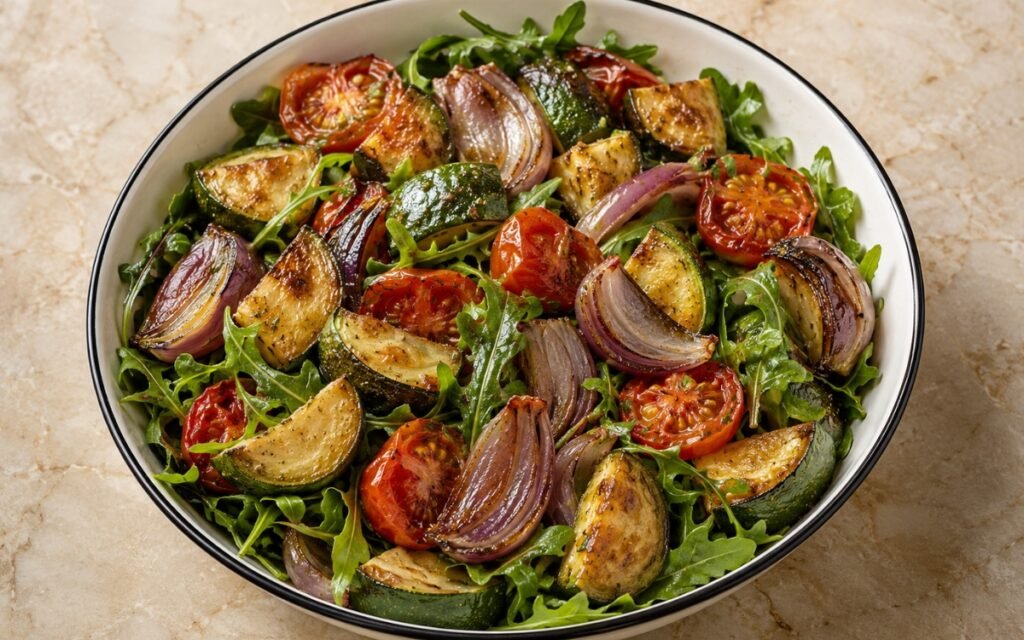
Warm Roasted Vegetable Salad
Caramelised roasted peppers, zucchini and cherry tomatoes served warm over peppery arugula with bright lemon Dijon dressing.
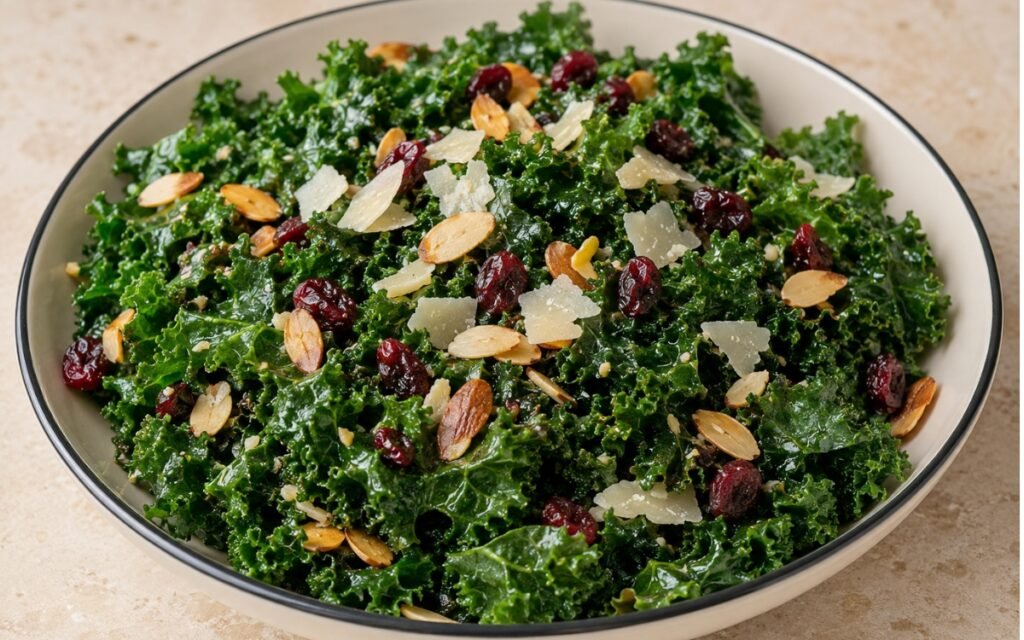
Lemon Parmesan Kale Salad
Massaged kale with bright lemon dressing, shaved Parmesan, toasted almonds, and cranberries.
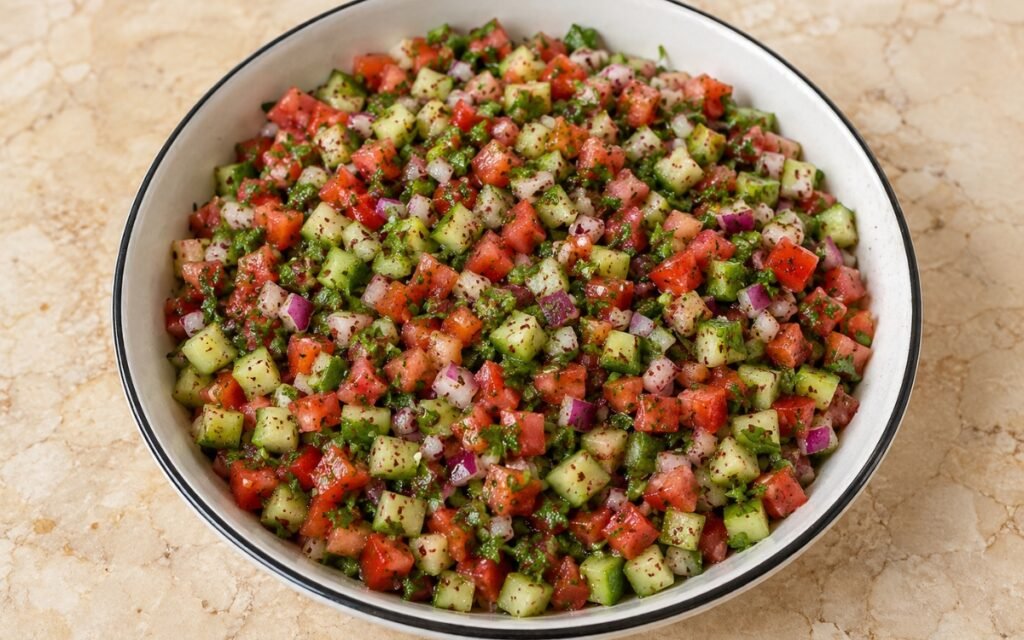
Authentic Persian Shirazi Salad
Traditional Iranian salad with finely diced cucumbers, tomatoes, onions, herbs, and lime-sumac dressing.
You might also like
You might also like
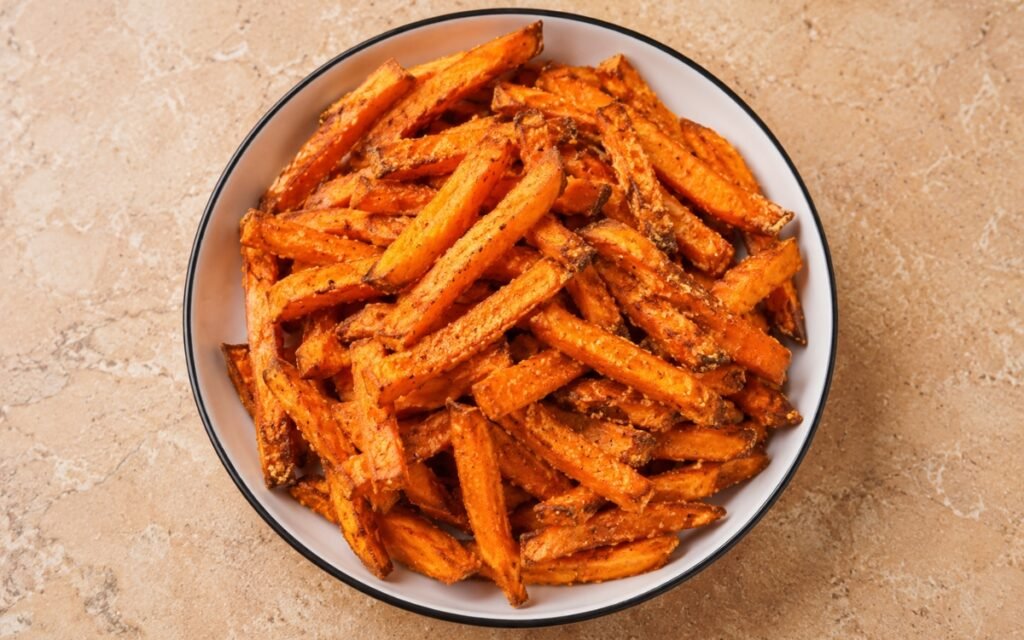
Crispy Sweet Potato Fries
Sweet potatoes soaked, dried, lightly coated in cornstarch, seasoned, and baked until golden and crisp. Sweet, savory, and satisfying.
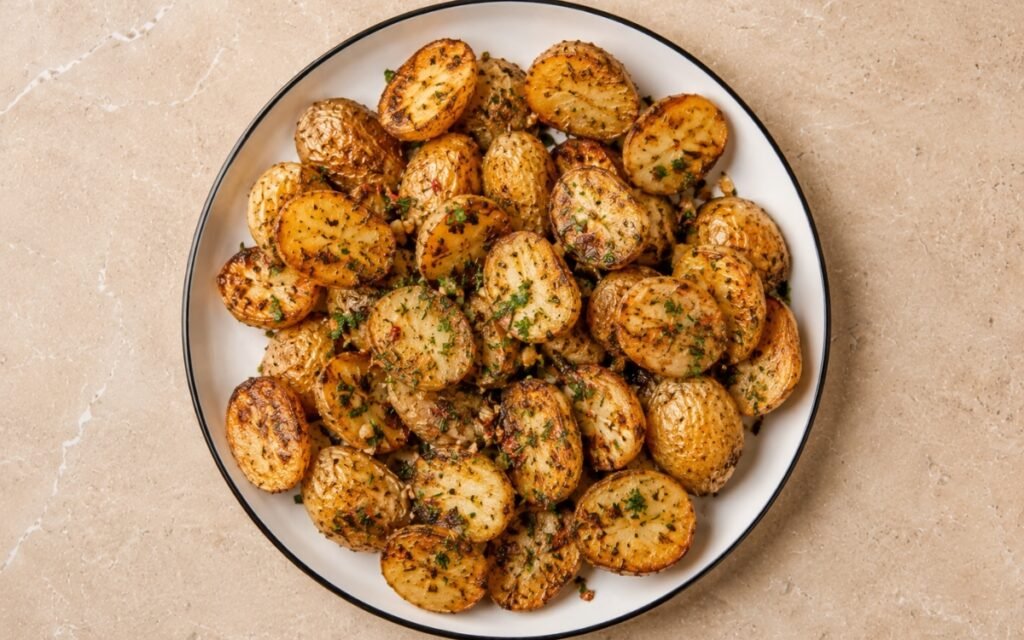
Garlic Butter Roasted Potatoes
Potatoes roasted cut-side down for a deep crust, tossed halfway through with pale-cooked garlic herb butter, finished golden and tender. Rich and crisp.
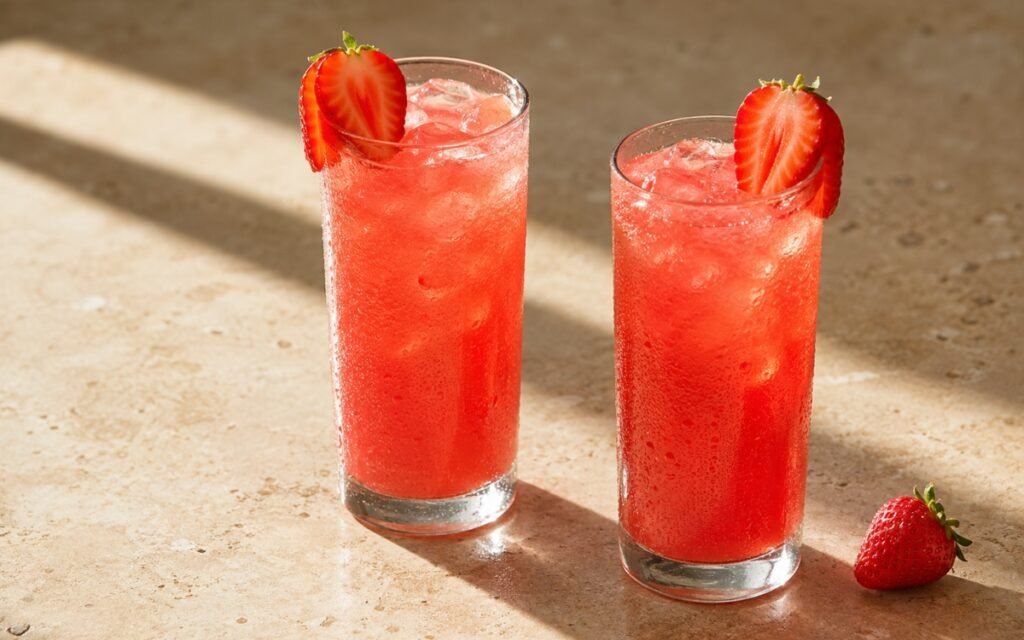
Fresh Strawberry Lemonade
Strawberries simmered exactly 5–8 minutes, lemon zest infused off heat — strained, fresh lemon juice and salt added cold. Vivid ruby-red and purely fruity.
Panzanella with Heirloom Tomatoes & Torn Sourdough
Ingredients
Method
- Add the 400g of heirloom tomato wedges and 250g of halved cherry tomatoes to a large, wide serving bowl. Season generously with fine sea salt — more than feels instinctively correct for a salad, because the salt is not only seasoning the tomatoes but actively drawing out their juice, which becomes the primary liquid component of the final dressing. Toss gently and allow to sit at room temperature while every other component is prepared — a minimum of 15–20 minutes. This is not a passive waiting step; it is the most important single preparation in the recipe. The accumulated tomato juice at the bottom of the bowl after 15–20 minutes — sweet, complex, lightly acidic, carrying the tomatoes’ full flavour — is what makes panzanella a cohesive, unified salad rather than vegetables and bread with dressing. Without this juice, the sourdough absorbs only the vinaigrette and the salad tastes dry and disconnected; with it, the bread absorbs a combination of tomato essence and seasoned dressing that produces a specifically more complex, more Tuscan result.
- Add the ½ red onion sliced into thin feathers to a small bowl. The feather cut — slicing from the root to the tip following the onion’s natural curve rather than slicing across it — produces thinner, more supple, more evenly flavoured pieces that integrate into the salad better than rings or half-rings. Add the minced or grated garlic clove, 2 tbsp of red wine vinegar, and the finely chopped thyme leaves. Stir briefly and allow to macerate for 10 minutes. The macerating period is the technique that produces the sharp, lightly pickled onion character specific to panzanella — different from raw onion’s aggressive pungency and different from a cooked onion’s sweetness. Over 10 minutes, the red wine vinegar’s acid draws out the onion’s harshest sulfur compounds through osmosis and lightly pickles its surface, producing a more pleasant, more specifically acidic onion that contributes to the dressing’s character rather than dominating it. The garlic simultaneously loses some of its raw sharpness in the vinegar’s acid environment. After 10 minutes, whisk in 5–6 tbsp of extra-virgin olive oil, a pinch of black pepper, and a small pinch of salt until the dressing is combined. The vinaigrette will not fully emulsify without a binding agent but will combine sufficiently with whisking to distribute evenly when poured.
- Tear the 180g of sourdough bread by hand into rough, irregular chunks — varying in size from roughly 2cm to 4cm. The hand-tearing rather than knife-cutting is the specific texture decision that makes panzanella’s bread component work properly. Cut bread has smooth, sealed surfaces produced by the knife blade compressing the crumb — these surfaces absorb dressing and tomato juice slowly and unevenly from the cut face only. Torn bread has rough, jagged, irregular surfaces — compressed crumb alongside fully open crumb structure exposed at every tear point — that absorb liquid rapidly and from multiple directions simultaneously. The irregular size variation also produces the specific rustic appearance that distinguishes panzanella from a crouton salad. Toss the torn sourdough chunks with the 2 tbsp of olive oil in a bowl until every surface is lightly coated. Toast using one of the following methods: In an air fryer at 190°C for 4–6 minutes — the most efficient method, producing even crisping across every surface simultaneously. In the oven at 200°C for 8–10 minutes, turning once at the midpoint. In a pan over medium heat, tossing every 60–90 seconds until golden at the edges. The target texture is bread that has developed a definite crust and golden colour on its exterior surfaces while retaining some chew at its centre. Fully dried, uniformly crunchy croutons are specifically wrong for panzanella — they absorb the dressing and tomato juice too rapidly and produce a uniformly soggy, dissolved bread within the resting period. Bread with crust-and-chew absorbs at the correct slower rate, retaining some textural identity in the finished salad while still becoming saturated with the tomato-dressing mixture.
- To the bowl of salted tomatoes and their accumulated juice, add the toasted sourdough, the torn basil leaves, and the vinaigrette with all the macerated onion, garlic, and thyme. Toss everything together thoroughly — turning the salad over itself repeatedly so the bread pieces come into contact with the tomato juice and dressing on all surfaces. The bread will immediately begin absorbing the liquid. Allow the assembled salad to rest for 10 minutes at room temperature before serving. During this rest the sourdough’s interior absorbs the tomato juice and dressing progressively — the bread becoming saturated from the inside out rather than merely coated on the surface — and the flavours of every component integrate. The 10-minute rested panzanella tastes cohesive and specifically Tuscan; the immediately-served version tastes of separate components that happen to be in the same bowl.
- After the 10-minute rest, taste and make final adjustments: additional red wine vinegar if the brightness is insufficient; additional salt if the tomatoes and bread taste flat; additional olive oil if the dressing needs more body. The salad should taste of ripe, sweet tomatoes, slightly pickled onion, and sourdough that has absorbed all of the above — vivid, acidic, herbaceous from the basil and thyme, and specifically Italian in its simplicity. Serve slightly warm from the resting period or at room temperature. Cold panzanella from the refrigerator mutes the tomato and olive oil flavours — this is a room-temperature dish.