
Whipped Feta with Spiced Honey
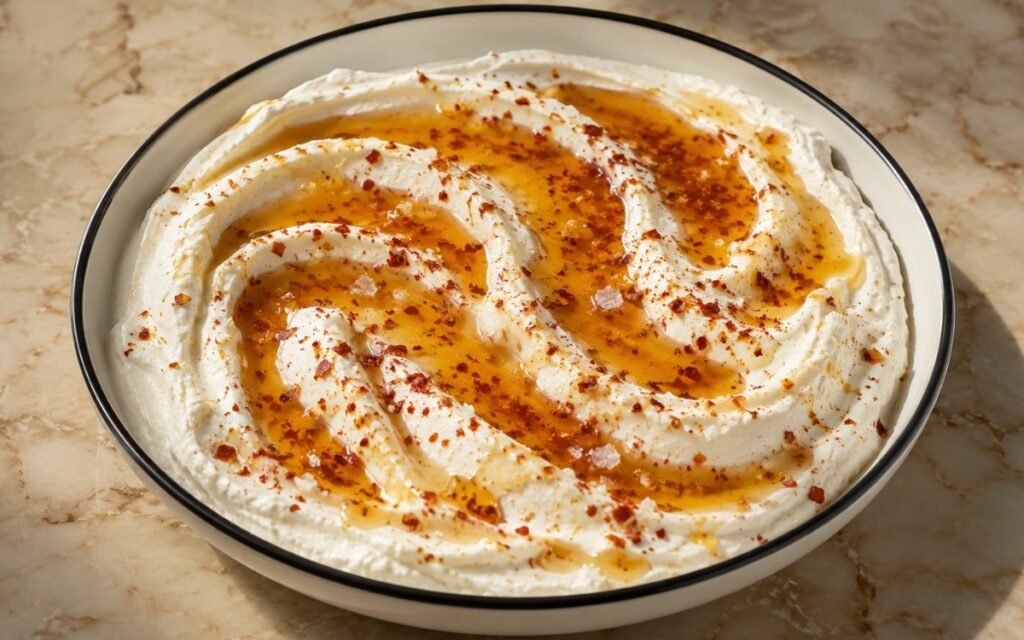
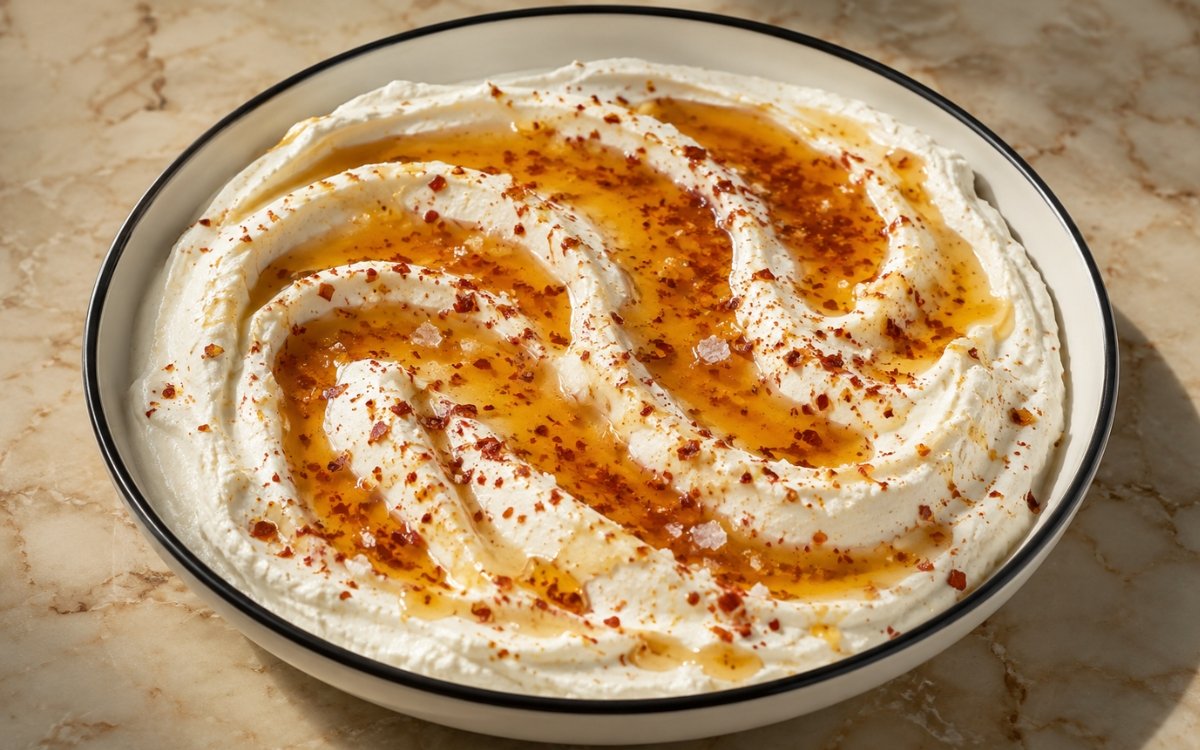
The honey warmed gently with garlic and Aleppo pepper before it goes anywhere near the feta — a 10-minute gentle infusion at 35–40°C that blooms the aromatics into the honey’s viscous body rather than letting them sit raw and separate against the cheese. The infused honey then blended with the feta, lemon juice, zest, olive oil, and black pepper in the food processor until there is nothing left of the feta’s original crumbled, sharp, slightly granular texture and everything has become a thick, silky, completely smooth cream. The specific outcome of the Aleppo pepper’s fruity warmth distributed through the honey and throughout every spoonful of the whipped cheese rather than concentrated in visible flakes on the surface. Finished with olive oil swooped across the bowl, flaky sea salt, and additional chili flakes. The dip that disappears faster than anything else on a mezze platter.
Prep Time : 10 min
Cook Time : 15 min
Servings : 8
10 min
15 min
8
Ingredients
For the Whipped Feta
• 400g feta cheese — 2 standard blocks, preferably Greek sheep’s milk feta — this one on Amazon
• 2 tbsp fresh lemon juice
• Zest of ½ lemon
• 30ml extra-virgin olive oil — this one on Amazon
• 80g honey — this one on Amazon
• 2 garlic cloves, finely minced
• 1–2 tsp Aleppo pepper — start with 1 tsp, adjust after tasting — this one on Amazon
• Pinch of freshly cracked black pepper
For Finishing
• Extra-virgin olive oil, for drizzling
• Red chili flakes or additional Aleppo pepper
• Flaky sea salt
This post may contain affiliate links. As an Amazon Associate I earn from qualifying purchases, at no additional cost to you.
Directions
- Infuse the Honey
In a small saucepan, combine the 80g of honey, 2 finely minced garlic cloves, and 1–2 tsp of Aleppo pepper. Place over the lowest available heat. Warm gently until the honey reaches approximately 35–40°C — warm to the touch but far from simmering. A cooking thermometer confirms this; alternatively, the honey should feel comfortably warm when a drop is touched to the inside of the wrist without any stinging heat sensation. The temperature target is deliberate and specific. At 35–40°C the honey becomes significantly more fluid and the aromatic volatile compounds from the Aleppo pepper and the garlic’s essential oils begin releasing into the surrounding liquid — the physical warmth facilitating infusion by reducing the honey’s viscosity enough for the aromatics to move freely through it. Simmering or boiling would accomplish the same physical reduction but would aggressively cook the garlic — caramelising its sugars and producing a roasted, sweet garlic flavour rather than the gentle, slightly pungent fresh garlic character that the infused honey in this recipe specifically requires. Allow to warm at this temperature for 3–4 minutes, stirring occasionally. Remove from heat and allow to steep off heat for a further 10 minutes. The off-heat resting period is where the majority of the flavour transfer occurs — the warm honey continuing to extract aromatic compounds from the garlic and Aleppo pepper without the ongoing heat that would progressively cook the garlic harsher. After 10 minutes the honey will be visibly reddish-orange from the Aleppo pepper, fragrant with the combined garlic-chili character, and noticeably more complex than plain honey. The garlic and pepper pieces remain in the honey — they will be blended directly with the feta in the next step. - Blend the Whipped Feta
Break the 400g of feta into rough pieces and add to the food processor bowl. The feta’s starting temperature matters: cold feta straight from the refrigerator takes longer to reach the smooth consistency and the food processor’s blades must work harder against the cold, firm cheese. Allowing the feta to sit at room temperature for 15–20 minutes before processing produces a noticeably smoother, more quickly achieved result. Pour the entire infused honey mixture — honey, garlic pieces, Aleppo pepper — directly over the feta. Add the 2 tbsp of lemon juice, the zest of ½ lemon, 30ml of olive oil, and the pinch of black pepper. Process continuously for 2–3 minutes, stopping to scrape down the sides every 30–40 seconds. The first 30 seconds of processing will produce a rough, crumbly mixture that does not yet resemble anything spreadable — this is normal and requires patience rather than adding additional liquid. As processing continues the feta’s protein and fat structure breaks down and the cheese begins to emulsify with the olive oil and honey, producing progressively smoother, creamier results with each passing 30 seconds. Process until absolutely no visible feta crumbles remain and the texture is thick, completely smooth, and slightly glossy — a consistency that drops slowly and heavily from the spatula rather than falling or running. - Taste and Adjust
Taste the whipped feta carefully before serving. Feta varies considerably in saltiness between brands and even between batches — blocks that are particularly salty require a slightly different balance than milder feta. Assess each dimension: if the overall flavour is too sharp or too salty, add a small additional amount of honey and process briefly; the honey’s sweetness specifically counteracts feta’s sharp lactic acidity and saltiness. If the brightness is insufficient, add additional lemon juice in small increments. If the warmth and spice level is insufficient, add additional Aleppo pepper — but add it to the bowl and fold through rather than returning to the processor, so it maintains a fresh, immediate character rather than being further emulsified into invisibility. - Plate and Garnish
Transfer the whipped feta to a shallow serving bowl — wide rather than deep, for maximum surface area for the garnishes and for the olive oil to pool into. Using the back of a large spoon, create swoops across the surface — press the spoon into the centre and drag it outward in broad, overlapping curved strokes, creating a textured surface with raised ridges and shallow valleys. The swooped surface is not purely aesthetic: the ridges and valleys created by the spoon allow the olive oil and garnishes to pool and collect in the depressions rather than running off a flat surface, ensuring every serving drawn from the bowl carries the garnish with it. Drizzle good extra-virgin olive oil generously across the swooped surface — more than feels instinctively necessary, as the olive oil’s fruity, slightly peppery fresh character is a primary flavour note in the finished bowl alongside the spiced honey. Scatter red chili flakes or additional Aleppo pepper and a pinch of flaky sea salt. Serve slightly cool or at room temperature — cold whipped feta straight from the refrigerator is noticeably stiffer and less creamy than the same preparation at room temperature, and the honey’s warmth and the Aleppo’s fruity character are both more vivid at room temperature.
*Notes :
- Greek sheep’s milk feta is the specific product for this recipe. Feta produced from sheep’s milk — or the traditional blend of sheep’s and goat’s milk — has a specific rich, slightly fatty, creamy-tangy character that is fundamentally different from cheaper cow’s milk feta substitutes. When blended, sheep’s milk feta emulsifies into a creamier, richer, less grainy result than cow’s milk versions. The PDO-protected Greek feta sold in blocks preserved in brine is the correct product; pre-crumbled feta in a tub is drier and more granular and produces an inferior whipped result.
- Aleppo pepper is the specific chili for this recipe and for the infused honey in particular. Like pul biber, Aleppo pepper is a semi-dried Syrian-Turkish red pepper with moderate heat (approximately 10,000 SHU), a specifically fruity, slightly oily, slightly smoky character, and a mild sweetness that standard chili flakes lack. When infused into honey, Aleppo’s fruity character amplifies the honey’s own floral quality rather than competing with it — producing the specifically complementary sweet-spiced honey that makes this dip’s flavour profile distinct from a simple sweetened cheese spread with any generic heat source.
Why This Recipe Works
This recipe works because the honey is infused before the blending — distributing the garlic and Aleppo pepper evenly through the honey’s body during the infusion period so every spoonful of the finished whipped feta carries the spiced honey character uniformly rather than having variable bites where raw garlic or concentrated pepper flakes appear inconsistently.
The 10-minute off-heat steeping extracts maximum flavour without cooking the garlic into a different character. And the continuous food processor processing produces the specific smooth, silky result that brief pulsing cannot achieve.
Ingredient Breakdown
Greek Sheep’s Milk Feta (Two Blocks)
The primary ingredient — sheep’s milk feta’s fat content and specific protein structure produces a creamier, richer emulsification than cow’s milk alternatives.
Garlic and Aleppo Pepper Infused into Honey (Off-Heat Steep)
The flavour distribution technique — warm honey’s reduced viscosity allows the aromatics to bloom and transfer throughout the honey body; the 10-minute off-heat steep extracts without overcooking.
Lemon Juice and Zest Together
The dual citrus contribution — juice for clean acid balance, zest for the fat-soluble volatile aromatic oils that provide fragrant brightness the juice alone cannot.
Continuous Processing (2–3 Minutes)
The texture technique — brief pulsing produces an uneven, partially crumbled result; continuous processing for the full duration produces the specifically silky, completely smooth consistency.
Swooped Surface
The garnish-retention technique — ridges and valleys pool the olive oil and chili flakes rather than letting them run off a flat surface.
Flavor Structure Explained
This Whipped feta dip follows a layered balance model:
- Salty tangy core (feta)
- Sweet-spiced contrast (Aleppo honey)
- Bright citrus lift (lemon juice, zest)
- Fruity rich finish (olive oil)
- Textural spicy garnish layer (flaky salt, chili flakes)
Feta defines the foundation with sharp salinity and creamy lactic tang carried through the whipped base. Spiced honey creates the central contrast — sweetness, gentle heat, and garlic warmth balancing the feta’s intensity in a way that feels naturally harmonious rather than oppositional. Lemon cuts through both with acidity and aromatic brightness, preventing the dip from becoming heavy. Olive oil rounds the structure with fruity richness and smoothness. Flaky salt and extra chili at the finish add bursts of crunch, salinity, and heat that make different areas of the bowl taste slightly different, keeping the eating experience dynamic.
Common Mistakes to Avoid
- Heating the Honey Above 40°C – Simmering or boiling cooks the garlic aggressively — producing a roasted, caramelised sweetness rather than the gently aromatic character that the controlled warm infusion produces.
- Not Steeping Off Heat for the Full 10 Minutes – The majority of flavour transfer occurs during the off-heat rest. Rushing from warming to blending produces underdeveloped honey that tastes of its components separately rather than as an integrated infusion.
- Using Cold Feta Straight from the Refrigerator – Cold feta blends more slowly and less smoothly. Always allow at least 15–20 minutes at room temperature before processing.
- Not Processing Long Enough – The texture at 30 seconds of processing looks nothing like the finished result. Continue for the full 2–3 minutes even when it seems like sufficient processing has occurred — the final 60 seconds of continuous blending produces the specific silky quality.
- Serving Cold from the Refrigerator – Cold whipped feta is noticeably stiffer, less creamy, and has muted flavours compared to the room-temperature version. Always bring to room temperature for 15–20 minutes before serving.
Variations
Whipped Feta With Crushed Walnuts
Scatter 30g of roughly crushed toasted walnuts over the finished whipped feta before the olive oil drizzle — the walnuts’ earthy, slightly bitter crunch provides specifically excellent textural contrast against the smooth, creamy feta and pools in the swoops alongside the honey and olive oil. Toast the walnuts in a dry pan for 3–4 minutes until fragrant before crushing.
Whipped Feta With Roasted Garlic
Replace the raw garlic in the honey infusion with 4 cloves of slow-roasted garlic — mashed to a paste before warming with the honey. The roasted garlic’s sweet, caramelised, mellow depth produces a less pungent, more rounded version with more overt sweetness in the honey base.
With Pomegranate Seeds
Add 40g of pomegranate seeds as a final garnish alongside the chili flakes and flaky salt — the jewel-like seeds provide a sweet-tart, juicy pop against the creamy, spiced honey feta that makes this variation specifically appropriate for a mezze platter alongside Turkish Ezme.
Vegan Version
Replace the feta with 400g of well-drained silken tofu or cashew cream cheese blended with 1 tbsp of white miso and 1 additional tbsp of lemon juice — the miso provides the salt and slight sharpness that feta contributes. Replace the honey with maple syrup.
Storage & Make-Ahead
When refrigerated in a sealed container, it will keep for 4 to 5 days. The flavor deepens over the first 24 hours, and the garlic becomes noticeably mellower. Before serving, let it sit at room temperature for 15 to 20 minutes, then smooth the surface again with a spoon and finish with fresh olive oil, salt, and chili flakes, since the garnishes do not hold up well during refrigeration.
The spiced honey infusion can be made separately up to 1 week in advance and stored at room temperature in a sealed jar. It is also excellent on its own as a drizzle for cheese boards, pizza, flatbreads, and roasted vegetables.
Frequently Asked Questions
Why warm the honey rather than just adding everything raw to the food processor?
Warming the honey with the garlic and Aleppo pepper allows the aromatic volatile compounds to bloom and transfer into the honey’s body during the infusion period. Raw garlic and raw Aleppo pepper added directly to the food processor with the feta remain as concentrated flavour pockets rather than distributing evenly — the blended result tastes inconsistently of raw garlic in some bites and bland in others.
What is Aleppo pepper and what makes it different from regular chili flakes?
Aleppo pepper is a semi-dried Syrian-Turkish red pepper with moderate heat, a fruity-oily character, and mild sweetness — all qualities absent from standard cayenne or arbol-based chili flakes. Its fruity sweetness specifically amplifies honey’s floral quality rather than competing with it, making it the specifically correct chili for this application. Available at Middle Eastern grocers and increasingly at specialty food shops.
What feta produces the best result?
Greek sheep’s milk feta in blocks, preserved in brine — the PDO-protected product sold as solid blocks rather than pre-crumbled tubs. Sheep’s milk feta has a higher fat content and a specific creamy-tangy character that blends into a smoother, richer, more cohesive result than cow’s milk alternatives or pre-crumbled feta.
Can I make this ahead?
Yes — the whipped feta keeps refrigerated for 4–5 days and improves on day two as the garlic mellows. The spiced honey infusion can be made up to a week ahead. Always bring to room temperature before serving and add the finishing garnishes fresh.
What do you serve whipped feta with?
On a mezze platter it pairs specifically well alongside Turkish Ezme — the smoky, spiced tomato condiment against the sweet-salty-creamy feta providing one of the most complementary contrasts on a shared table — or Muhammara for the roasted pepper and walnut depth alongside the honey-spiced cheese. For dipping, warm Homemade Pita Flatbread is the natural accompaniment; Homemade Lavash Flatbread torn into pieces provides a thinner, crispier alternative.
Nutrition Facts
( per serving )
Calories
~185 kcal
Protein
7 g
Fat
12 g
Carbs
14 g
Calories
~185 kcal
Protein
7 g
Fat
12 g
Carbs
14 g
Related Recipes
Related Recipes

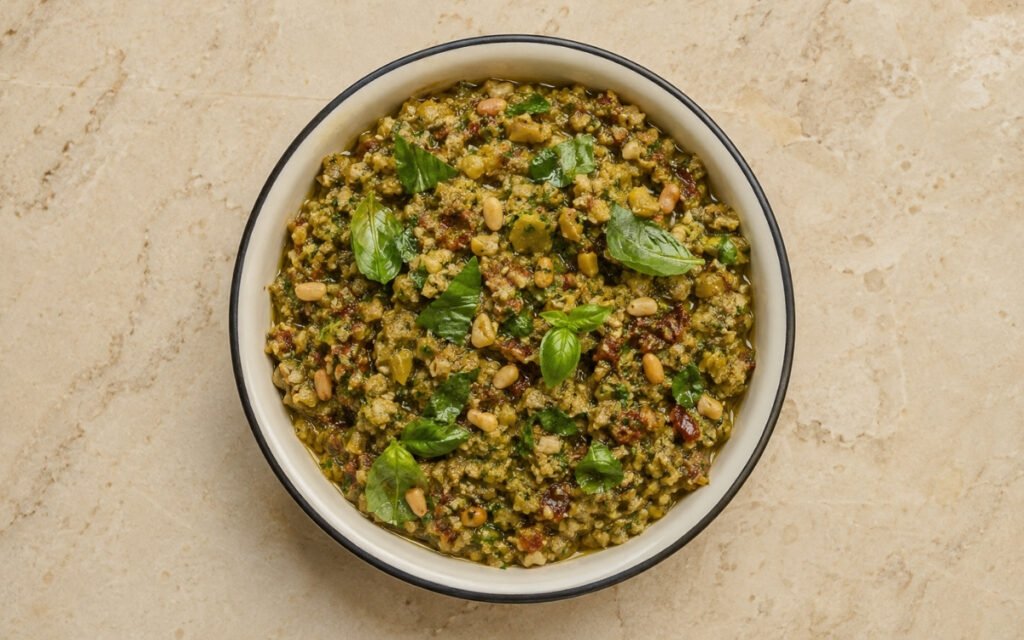
Green Olive Tapenade
Pine nuts toasted golden, olives and sun-dried tomatoes pulsed to coarse texture — basil added last with 5 brief pulses to stay green, Parmesan folded by hand. Rested 20 minutes. Bright, herbaceous, and distinctly Italian.
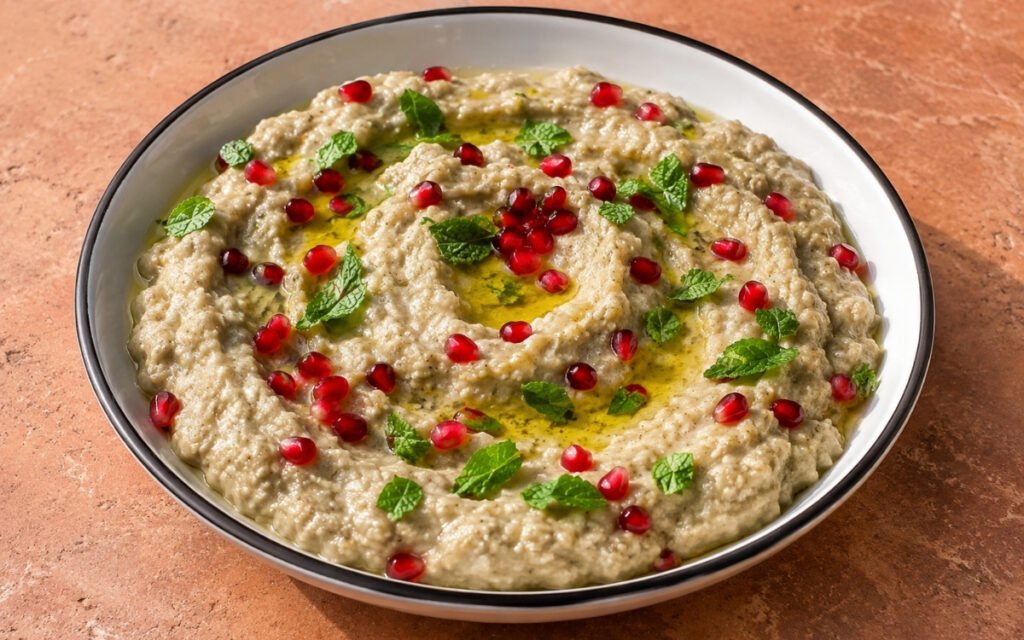
Baba Ganoush
Italian eggplants charred until smoky and caramelised, drained, and pulsed with garlic macerated in lemon juice and tahini — coarse, creamy, rested 20 minutes. Finished with pomegranate and mint.
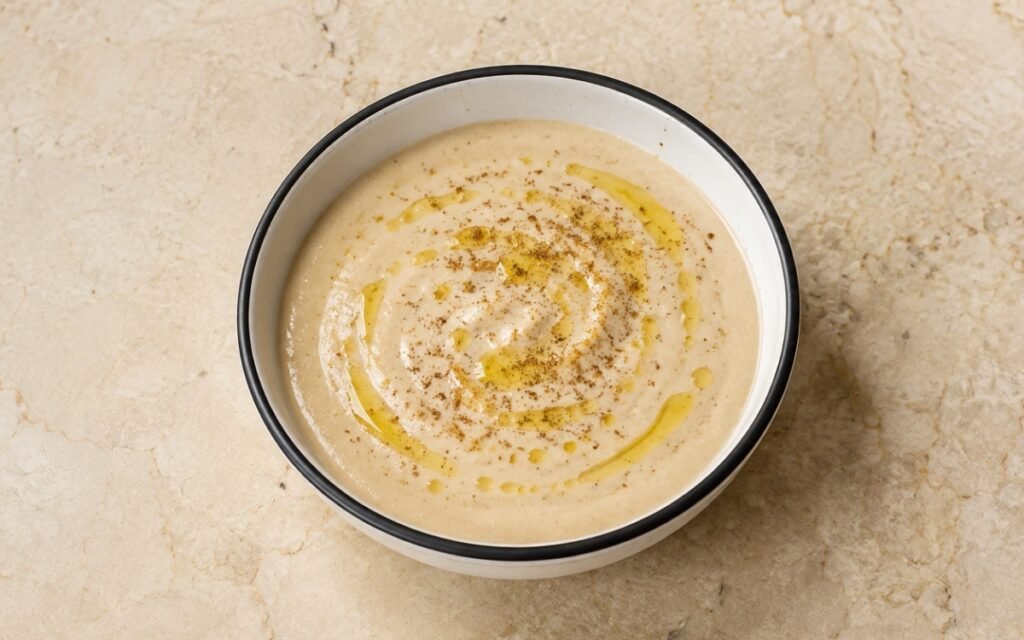
Creamy Tahini Lemon Sauce
Nutty tahini transforms into silky lemon-garlic sauce in 10 minutes — perfect for everything.
You might also like
You might also like
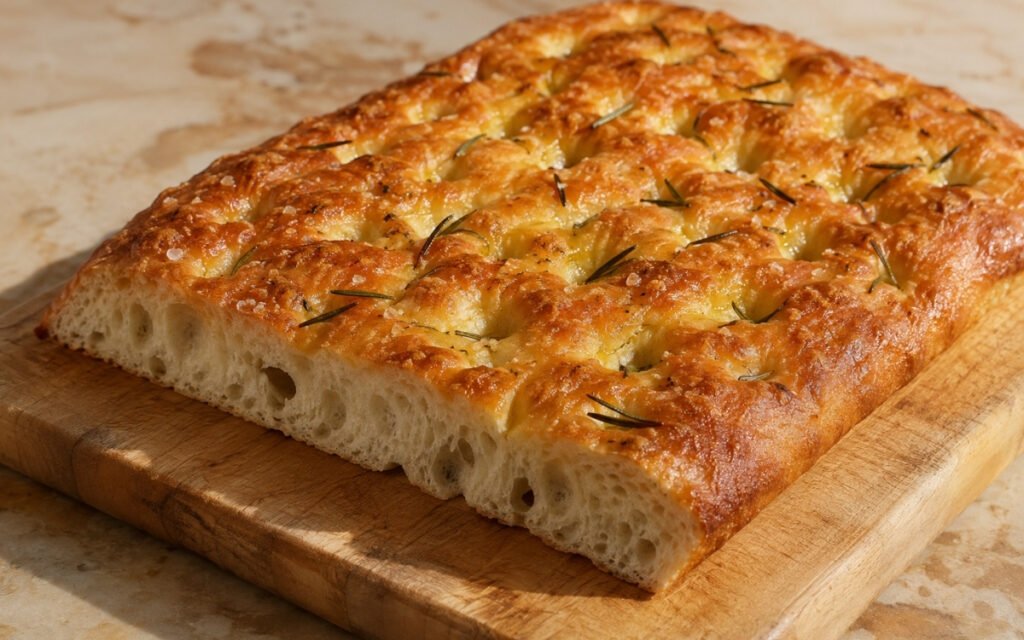
Focaccia
Golden, olive-oil-crisp focaccia with a cloud-soft open crumb, topped with za’atar, rosemary and flaky sea salt.
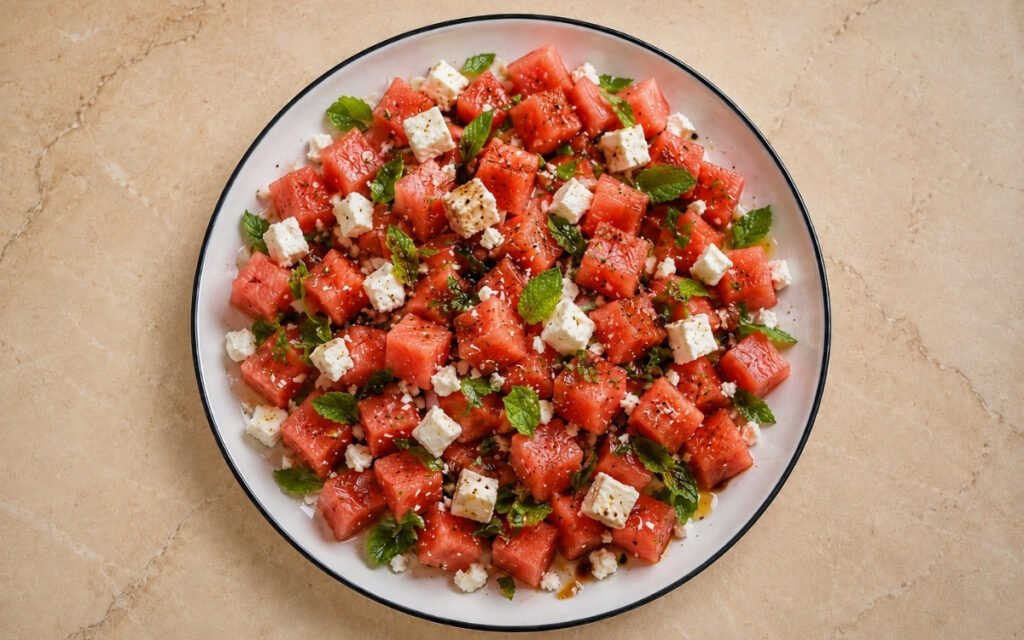
Watermelon Feta Salad
Sweet watermelon, salty feta, fresh mint, and honey-lime-balsamic dressing — the freshest summer salad built entirely on contrast, ready in 10 minutes.
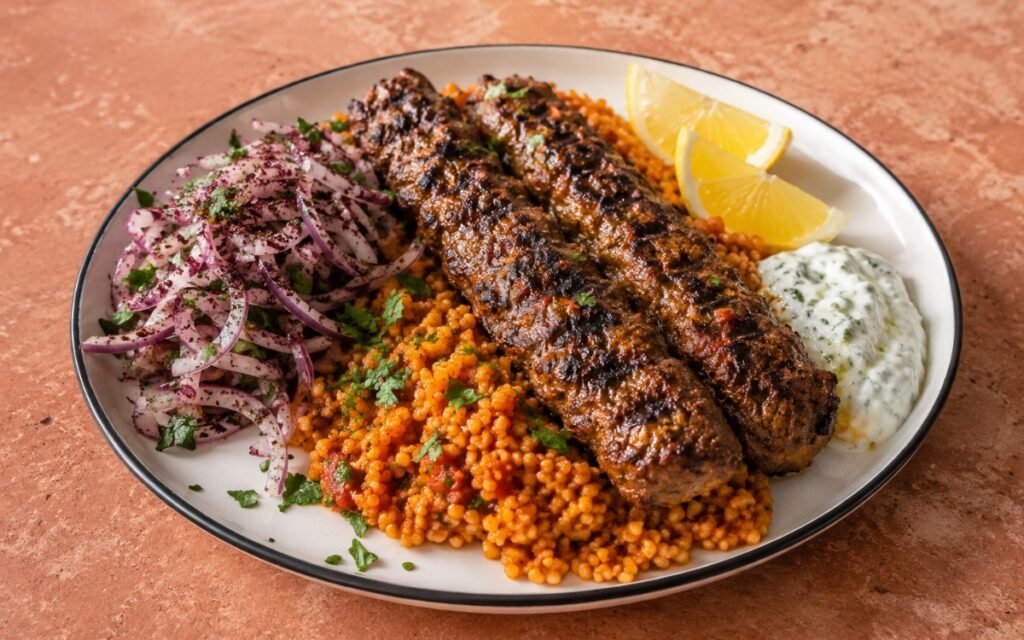
Turkish Adana Kebab with Tomato Couscous
Charred ground lamb Adana kebabs with pul biber on flat skewers, served over spiced tomato couscous with sumac onions.
Whipped Feta with Spiced Honey
Ingredients
Method
- In a small saucepan, combine the 80g of honey, 2 finely minced garlic cloves, and 1–2 tsp of Aleppo pepper. Place over the lowest available heat. Warm gently until the honey reaches approximately 35–40°C — warm to the touch but far from simmering. A cooking thermometer confirms this; alternatively, the honey should feel comfortably warm when a drop is touched to the inside of the wrist without any stinging heat sensation. The temperature target is deliberate and specific. At 35–40°C the honey becomes significantly more fluid and the aromatic volatile compounds from the Aleppo pepper and the garlic’s essential oils begin releasing into the surrounding liquid — the physical warmth facilitating infusion by reducing the honey’s viscosity enough for the aromatics to move freely through it. Simmering or boiling would accomplish the same physical reduction but would aggressively cook the garlic — caramelising its sugars and producing a roasted, sweet garlic flavour rather than the gentle, slightly pungent fresh garlic character that the infused honey in this recipe specifically requires. Allow to warm at this temperature for 3–4 minutes, stirring occasionally. Remove from heat and allow to steep off heat for a further 10 minutes. The off-heat resting period is where the majority of the flavour transfer occurs — the warm honey continuing to extract aromatic compounds from the garlic and Aleppo pepper without the ongoing heat that would progressively cook the garlic harsher. After 10 minutes the honey will be visibly reddish-orange from the Aleppo pepper, fragrant with the combined garlic-chili character, and noticeably more complex than plain honey. The garlic and pepper pieces remain in the honey — they will be blended directly with the feta in the next step.
- Break the 400g of feta into rough pieces and add to the food processor bowl. The feta’s starting temperature matters: cold feta straight from the refrigerator takes longer to reach the smooth consistency and the food processor’s blades must work harder against the cold, firm cheese. Allowing the feta to sit at room temperature for 15–20 minutes before processing produces a noticeably smoother, more quickly achieved result. Pour the entire infused honey mixture — honey, garlic pieces, Aleppo pepper — directly over the feta. Add the 2 tbsp of lemon juice, the zest of ½ lemon, 30ml of olive oil, and the pinch of black pepper. Process continuously for 2–3 minutes, stopping to scrape down the sides every 30–40 seconds. The first 30 seconds of processing will produce a rough, crumbly mixture that does not yet resemble anything spreadable — this is normal and requires patience rather than adding additional liquid. As processing continues the feta’s protein and fat structure breaks down and the cheese begins to emulsify with the olive oil and honey, producing progressively smoother, creamier results with each passing 30 seconds. Process until absolutely no visible feta crumbles remain and the texture is thick, completely smooth, and slightly glossy — a consistency that drops slowly and heavily from the spatula rather than falling or running.
- Taste the whipped feta carefully before serving. Feta varies considerably in saltiness between brands and even between batches — blocks that are particularly salty require a slightly different balance than milder feta. Assess each dimension: if the overall flavour is too sharp or too salty, add a small additional amount of honey and process briefly; the honey’s sweetness specifically counteracts feta’s sharp lactic acidity and saltiness. If the brightness is insufficient, add additional lemon juice in small increments. If the warmth and spice level is insufficient, add additional Aleppo pepper — but add it to the bowl and fold through rather than returning to the processor, so it maintains a fresh, immediate character rather than being further emulsified into invisibility.
- Transfer the whipped feta to a shallow serving bowl — wide rather than deep, for maximum surface area for the garnishes and for the olive oil to pool into. Using the back of a large spoon, create swoops across the surface — press the spoon into the centre and drag it outward in broad, overlapping curved strokes, creating a textured surface with raised ridges and shallow valleys. The swooped surface is not purely aesthetic: the ridges and valleys created by the spoon allow the olive oil and garnishes to pool and collect in the depressions rather than running off a flat surface, ensuring every serving drawn from the bowl carries the garnish with it. Drizzle good extra-virgin olive oil generously across the swooped surface — more than feels instinctively necessary, as the olive oil’s fruity, slightly peppery fresh character is a primary flavour note in the finished bowl alongside the spiced honey. Scatter red chili flakes or additional Aleppo pepper and a pinch of flaky sea salt. Serve slightly cool or at room temperature — cold whipped feta straight from the refrigerator is noticeably stiffer and less creamy than the same preparation at room temperature, and the honey’s warmth and the Aleppo’s fruity character are both more vivid at room temperature.