
Soy Ginger Glaze
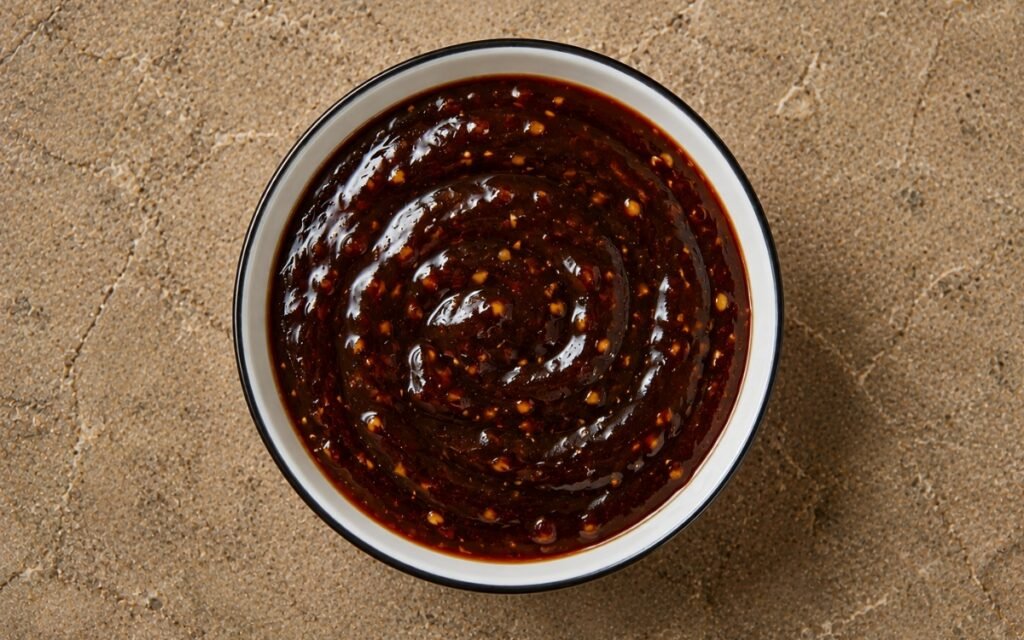
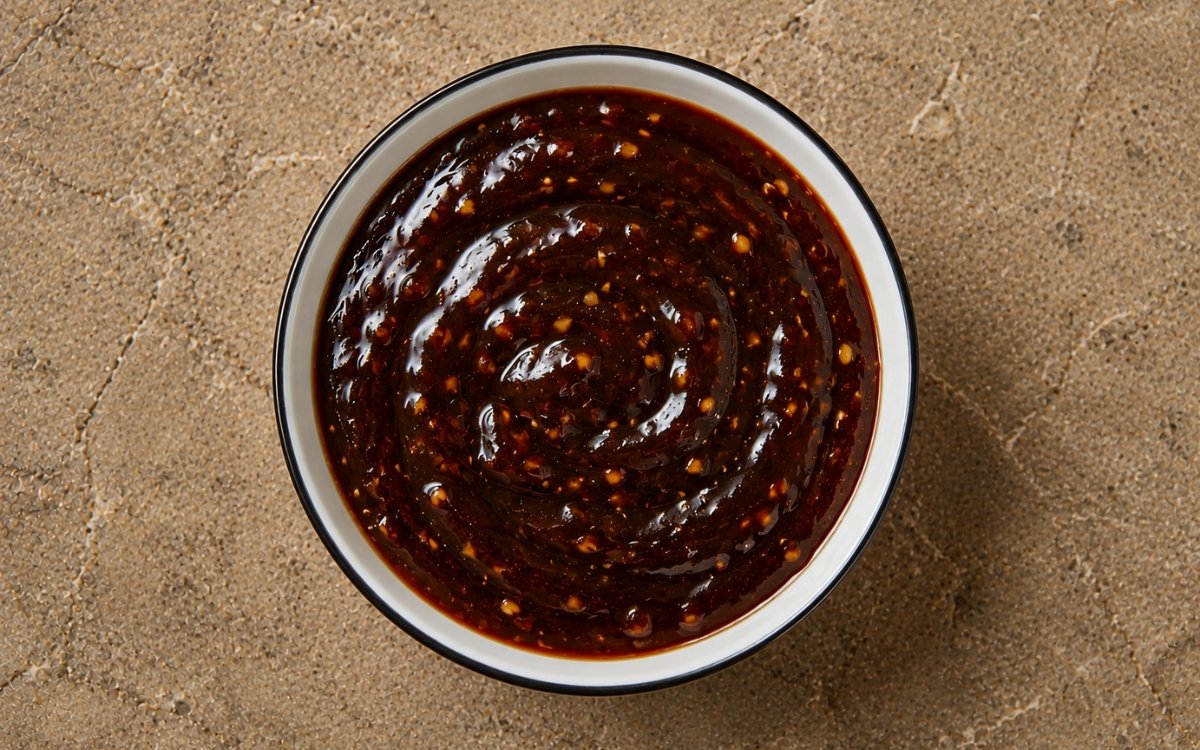
This soy ginger glaze is a glossy, sticky, sweet-savoury sauce of soy sauce, mirin, honey and rice vinegar, simmered with freshly grated ginger and garlic and finished with toasted sesame oil and seeds, ready in just 8 minutes to brush over salmon, chicken thighs, tofu and roasted vegetables. Reducing the base slowly over medium-low heat until it coats the back of a spoon and holds a clean line, rather than boiling it hard until it merely looks thick, is the technique this whole glaze depends on for its syrupy shine — the sugars concentrate into a lacquer that clings to food instead of sliding off, the same reduce-to-a-coating principle that applies whenever a sweet soy mixture is turned into a glaze. Grating the ginger and garlic, rather than mincing them, is what lets both dissolve smoothly into the soy base without leaving chunky pieces that could catch and scorch. Stirring in the toasted sesame oil only after the pan comes off the heat is what keeps its nutty fragrance clear. The payoff is a glaze with real, lacquered depth — dark and glossy, deeply savoury, gently sweet and warmed by ginger, with a clean sesame finish that carries salmon, chicken, tofu or vegetables.
Prep Time : 3 min
Cook Time : 5 min
Servings : 4
3 min
5 min
4
Ingredients
For the Soy Base
• 60ml soy sauce or tamari for gluten-free — this one on Amazon
• 30ml mirin, or 20ml rice vinegar plus 10g sugar — this one on Amazon
For the Aromatics
• 15g fresh ginger, finely grated
• 10g garlic, 2 cloves, finely grated
Optional Adjustments
• 2g cornstarch mixed with 15ml cold water, optional for thickening
• 15ml water, optional for loosening a glaze that reduces too far
This post may contain affiliate links. As an Amazon Associate I earn from qualifying purchases, at no additional cost to you.
Directions
- Combine the Liquid Base
In a small saucepan, stir together the 60ml soy sauce (or tamari), 30ml mirin (or the 20ml rice vinegar and 10g sugar), 30g honey (or brown sugar) and 10ml rice vinegar until the honey loosens and the liquid looks uniform. Add the 15g finely grated ginger and the 10g finely grated garlic, stirring until the pulp is suspended evenly with no clumps. Mirin contributes gentle sweetness and the glossy finish typical of Japanese glazes, and the rice vinegar and sugar swap is workable but less complex. That grating, rather than mincing, is what dissolves both aromatics smoothly into the sauce. - Bring to a Gentle Simmer
Place the saucepan over medium heat and warm the mixture, stirring occasionally, until small bubbles form around the edge and it reaches a light simmer. Do not let it boil hard, because the sugars are already beginning to concentrate and the sauce can climb the pan or catch on the base. If you used brown sugar instead of honey, check that the crystals have dissolved fully. That gentle start dissolves the sugars evenly before any real reduction begins. - Reduce to Glaze Consistency
Lower the heat to medium-low and cook for about 4–5 minutes, stirring frequently and watching closely, because the glaze thickens quickly once the sugars concentrate. It is ready when it coats the back of a spoon and holds a clean line when you draw a finger through it, looking glossy, slightly darkened and syrup-like. Take it off the heat at that point, since it keeps tightening as it cools. That spoon-coating test is what stops the reduction at lacquer rather than burnt toffee. - Adjust Thickness if Needed
If the glaze reduces too far, stir in 15ml water and warm it over low heat until it loosens to a pourable syrup. For a thicker lacquer suitable for brushing onto proteins, stir the 2g cornstarch and 15ml cold water slurry again, whisk it into the glaze and simmer for about 60 seconds until it visibly tightens and turns slightly more translucent. Use one adjustment or the other, never both. That small correction is what lets one batch suit both brushing and drizzling. - Finish with Sesame
Remove the pan from the heat and stir in the 10ml toasted sesame oil, then the 5g toasted sesame seeds, mixing until the oil is fully incorporated and the seeds are evenly distributed through the glaze. Taste a drop from the spoon: it should be deeply savoury, gently sweet and warmed by ginger, with a clean nutty finish. That off-heat addition is what preserves the sesame oil’s fragrance instead of cooking it away. - Glaze and Serve
Use the glaze immediately while it is warm and fluid. Spoon out the amount you need for brushing first, so a brush that has touched raw protein never goes back into the pan, then brush it over salmon, chicken or tofu during the final 3–5 minutes of cooking until the protein is cooked through and the surface is glossy and caramelised. Alternatively, serve it as a dipping or drizzling sauce. That late application is what builds colour and flavour without giving the sugars time to burn.
*Notes :
- Applying the glaze in the final 3–5 minutes of cooking deserves genuine recognition as the technique most directly responsible for whether the finish is glossy or burnt. The honey and soy sugars caramelise and brown quickly under oven or grill heat, so brushing them on earlier gives them time to blacken before the salmon, chicken or tofu is cooked through.
- Mirin deserves the same attention it receives in other Japanese-style glazes, because its gentle sweetness and sugars give the finished sauce its characteristic gloss, rounded depth and a faint aroma carried by its alcohol. Rice vinegar with a little sugar is a workable substitute, but the glaze tastes noticeably less complex and less glossy without the real mirin.
- The spoon-coating test deserves genuine respect as the detail most directly responsible for stopping the reduction at the right moment, before it tips from syrup into burnt toffee. Draw a finger across the back of a coated spoon — if the line holds cleanly and the glaze does not run back across it, the sauce is at coating consistency and should leave the heat.
- Adding the toasted sesame oil off the heat deserves attention as a genuine, checkable choice rather than a matter of taste or habit. Its nutty aromatic compounds are volatile, so stirring it in once the pan is off the burner keeps the fragrance clear and distinct, while simmering it flattens the aroma into a faintly bitter background note that the soy and ginger then overshadow.
Why This Recipe Works
This recipe works because controlled reduction concentrates the flavours and builds the viscosity a glaze needs to cling to food. Soy sauce supplies deep umami and salt, mirin and honey layer in sweetness and gloss, and rice vinegar keeps the sweetness from tasting flat.
Fresh ginger and garlic stay vivid throughout, because the liquid protects them while the reduction concentrates their flavour. Toasted sesame oil and seeds go in off the heat, preserving their nutty fragrance, and the finished glaze caramelises beautifully when it meets the final minutes of oven or grill heat.
Ingredient Breakdown
Soy Sauce (Or Tamari)
The flavour backbone — it provides the primary umami and salt, and tamari keeps the glaze gluten-free without changing the balance.
Mirin
The gloss and gentle sweetness — this Japanese sweet rice wine gives the glaze its characteristic shine, rounded depth and aroma that sugar alone cannot match.
Honey (Or Brown Sugar)
The caramelising sweetness — its natural sugars concentrate during reduction and give the glaze its sticky texture and its deep colour under heat.
Rice Vinegar
The brightness — a small amount gives clean, mild acidity that balances the sweetness and stops the finished glaze from tasting flat or cloying.
Fresh Ginger (Grated)
The warming note — its slightly spicy heat is the defining secondary flavour, and grating dissolves it smoothly into the sauce.
Garlic (Grated)
The savoury depth — two grated cloves reinforce the soy base and deepen the complexity without leaving any chunky pieces to scorch.
Toasted Sesame Oil
The nutty finish — added off the heat to preserve its volatile aroma, it gives the glaze its distinctive toasted fragrance.
Flavor Structure Explained
This soy ginger glaze follows a layered balance model:
- Deep umami base (soy sauce)
- Warm aromatic heat (ginger)
- Controlled sweetness (mirin, honey)
- Subtle brightness (rice vinegar)
- Savoury depth (garlic)
- Nutty finish (toasted sesame oil and sesame seeds)
Soy sauce establishes the foundation with rich, savoury umami that defines the core of the glaze. Ginger adds a warming heat that shapes the aromatic profile without overpowering it. Mirin and honey layer in sweetness, balancing the saltiness while keeping the glaze rounded and glossy. Rice vinegar introduces a light acidity that lifts the profile, garlic reinforces the savoury base, and toasted sesame oil finishes with a nutty note that ties this glaze together.
Common Mistakes to Avoid
- Leaving the Reduction Unattended – This lets the honey and soy sugars scorch within seconds of the glaze becoming too thick. Always stir frequently and watch the pan constantly during the final minutes of reduction.
- Applying the Glaze Too Early – This gives the sugars more than 5 minutes of oven or grill heat, so they burn before the protein is cooked through. Always brush it on in the final 3–5 minutes.
- Adding Sesame Oil During Cooking – This lets the toasted sesame oil’s aromatic compounds evaporate at simmering temperature and leaves only a flat, faintly bitter note. Always stir it in off the heat.
- Skipping the Spoon-Coating Test – This leaves the reduction to guesswork, so the glaze can finish too thin to cling or too thick once it cools. Always check that it coats the spoon and holds a clean line.
- Mincing Instead of Grating – This leaves chunky pieces of ginger and garlic that can catch and scorch in the pan and sit unevenly in the finished glaze. Always grate both finely so they dissolve into the sauce.
Variations
Spicy Soy Ginger Version
Add 10g gochujang or 5g chili flakes to the base before simmering for a sweet, spicy and savoury glaze that keeps the same ginger and soy character.
Orange Soy Version
Replace the rice vinegar with 30ml fresh orange juice and add 5g orange zest to the base for a brighter, citrusy glaze that still reduces to the same coating consistency.
Ponzu-Style Version
Replace the soy sauce with ponzu, the citrus soy sauce, for a lighter, more acidic and citrus-forward glaze that still carries the ginger, garlic and sesame.
Hoisin Version
Replace half the soy sauce with hoisin sauce for a thicker, slightly more Chinese-style glaze with gentle five-spice notes that still tastes recognisably of ginger and sesame.
Storage & Make-Ahead
Store the cooled glaze in an airtight container or jar in the refrigerator for up to 2 weeks, keeping it chilled rather than leaving it out on the counter between uses.
The glaze thickens considerably when cold, so warm it gently over low heat or in the microwave in short bursts, stirring between each, until it is pourable again.
The flavours intensify over the first few days of storage, so a batch made ahead often tastes rounder and more cohesive than one used on the day it is made.
This glaze is an excellent candidate for batch preparation, so make a larger quantity and use it throughout the week as a marinade, dipping sauce and cooking glaze.
Portion out what you need with a clean spoon rather than dipping a brush that has touched raw protein into the jar, so the stored glaze stays clean for the full 2 weeks.
Frequently Asked Questions
Why are the ginger and garlic grated rather than minced for this glaze?
Grating breaks the fibres more finely, releasing more of their aromatic oils and juices into the soy base. The fine pulp also dissolves smoothly as the glaze reduces, so it coats evenly without chunky pieces that could catch and scorch.
Why should the glaze go on only in the last 3–5 minutes of cooking?
The honey and soy sugars caramelise quickly under oven or grill heat. Brushing it on earlier gives them time to burn before the salmon, chicken or tofu is cooked through, while the final few minutes build a glossy, deeply coloured crust.
Why is the toasted sesame oil stirred in only after the pan comes off the heat?
Its nutty aromatic compounds are volatile and fade quickly at simmering temperatures. Adding it off the heat keeps that fragrance clear and lets it finish the glaze, rather than cooking away into a flat, faintly bitter background note.
Why should marinated salmon, chicken or tofu be patted dry before cooking?
Surface liquid makes the protein steam in the pan instead of browning. Patting it dry after marinating, 15–20 minutes for salmon, 2–4 hours for chicken or up to 8 hours for tofu, lets the sugars caramelise properly.
Are there other classic salmon, tofu, or rice bowl dishes worth trying?
Grilled Salmon Fillets offers another classic salmon direction worth exploring. Crispy Tofu Steaks and Teriyaki Glazed Salmon are also worth trying for other simple protein and glazed directions, and Teriyaki Chicken Rice Bowl and Miso Glazed Salmon Rice Bowl offer other glazed rice bowl dishes worth exploring.
Nutrition Facts
( per serving )
Calories
~85 kcal
Protein
2 g
Fat
3 g
Carbs
14 g
Calories
~85 kcal
Protein
2 g
Fat
3 g
Carbs
14 g
Related Recipes
Related Recipes

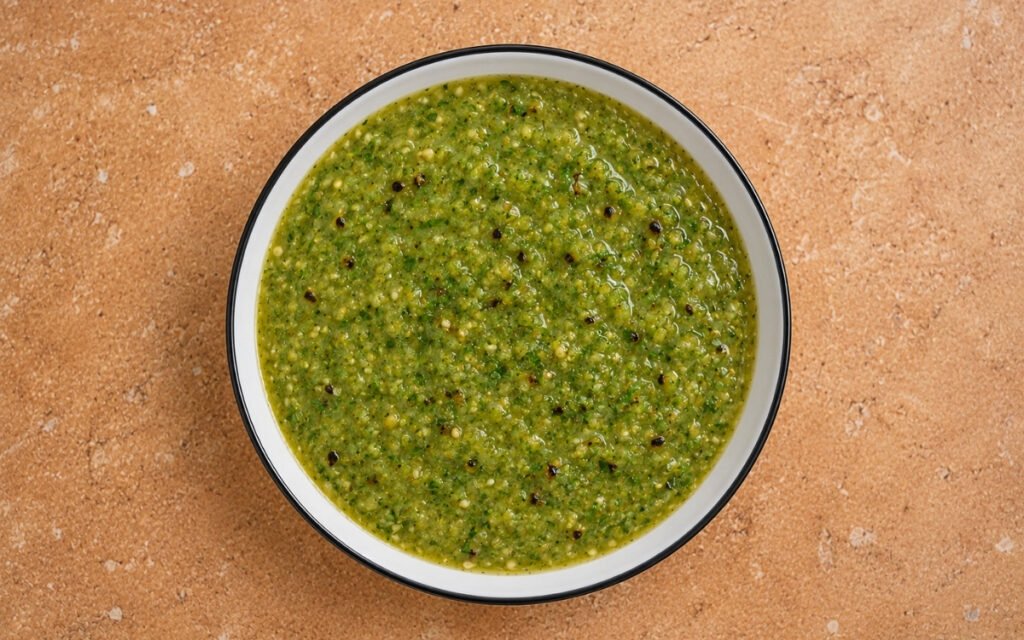
Salsa Verde
Broiled tomatillos and sweet onion blended with jalapeño, garlic, and fresh cilantro — rich, smoky, herby Mexican salsa verde ready in 30 minutes.
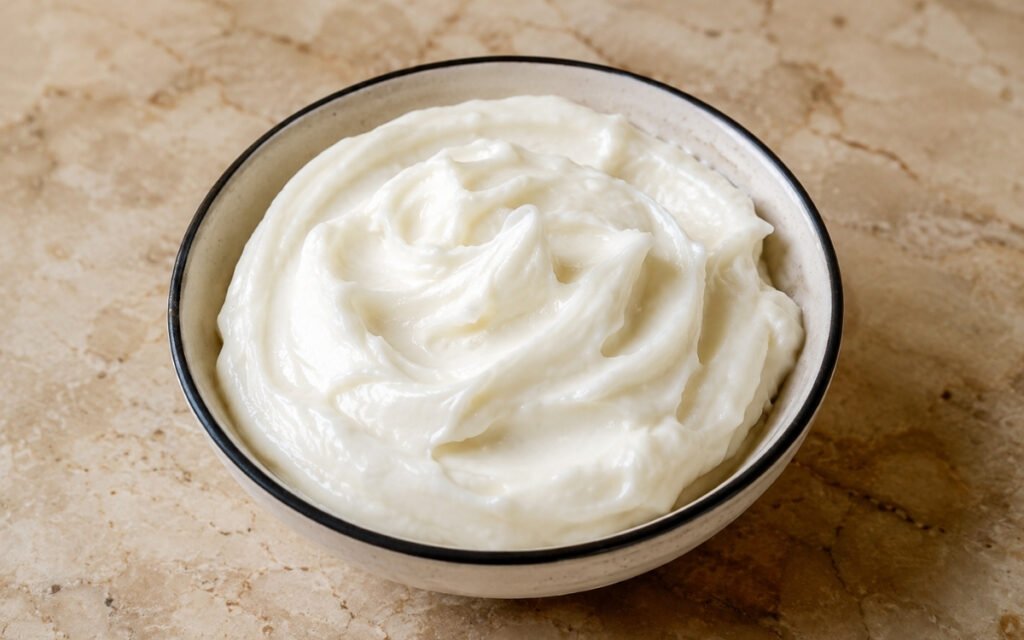
Toum (Lebanese Garlic Sauce)
Garlic, salt, lemon juice, and neutral oil emulsified drop by drop into a thick, white, airy Lebanese garlic sauce — refrigerated before serving so the flavour mellows from sharp to balanced.
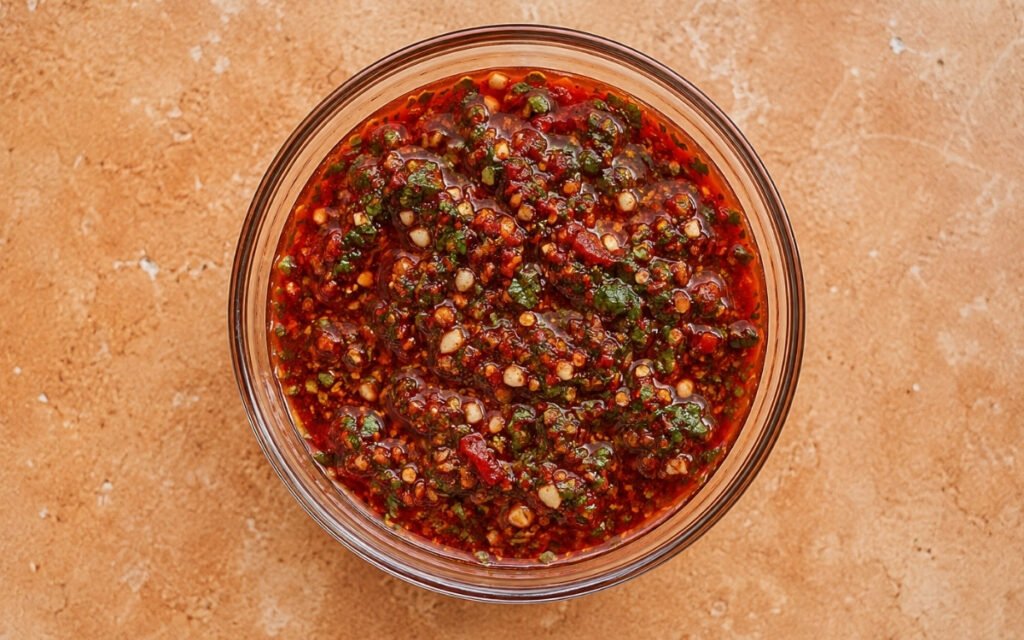
Red Chimichurri (Chimichurri Rojo)
Smoky chimichurri rojo with roasted red pepper, chipotle in adobo, and fresh herbs — the bolder, deeper alternative to the classic green version.
You might also like
You might also like
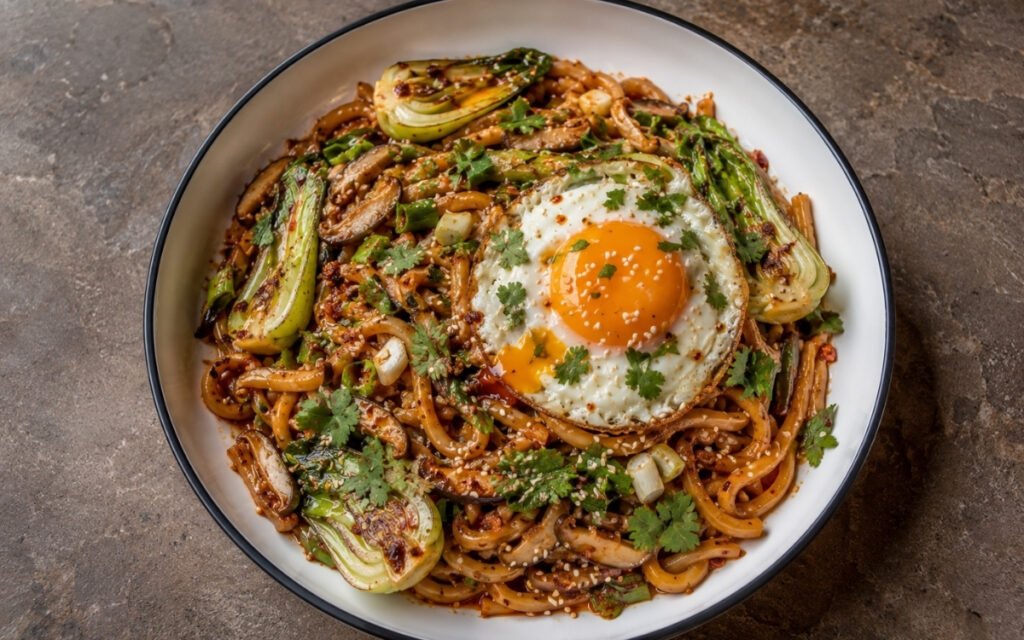
Spicy Chili Garlic Oil Noodles
Homemade gochugaru and Sichuan peppercorn oil over noodles with shiitake — crispy fried egg on top, 25 minutes.
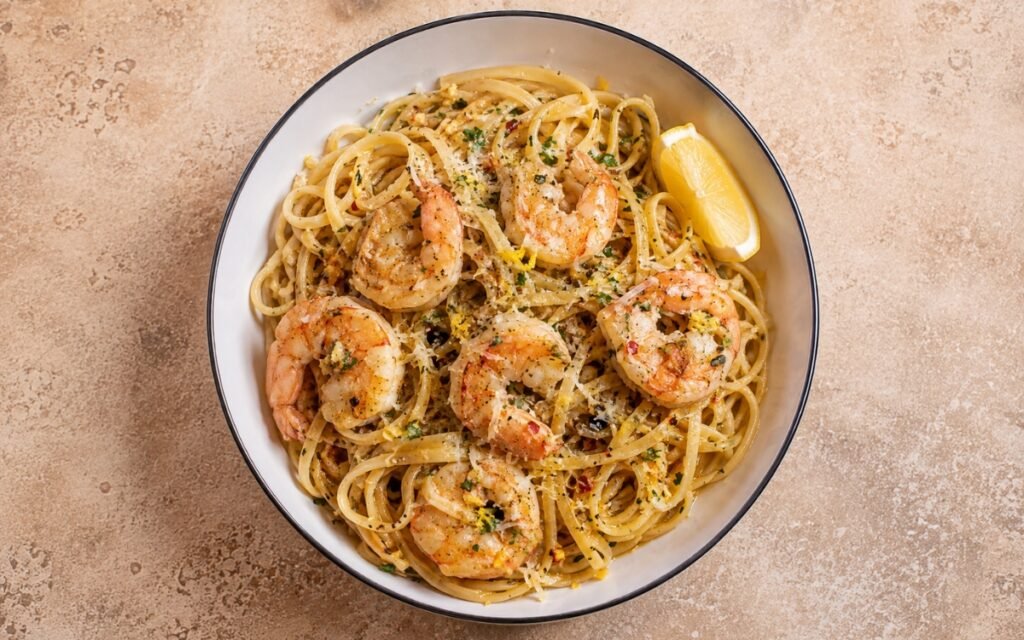
Shrimp Scampi Pasta
Linguine finished in a glossy garlic butter lemon sauce with tender shrimp, parsley, chili flakes, and Parmesan.
Passion Fruit Lime Lemonade
Fresh lemon and lime juice combined with entirely uncooked passion fruit pulp for a bright, tart, vivid tropical lemonade.

Soy Ginger Glaze
Ingredients
Method
- In a small saucepan, stir together the 60ml soy sauce (or tamari), 30ml mirin (or the 20ml rice vinegar and 10g sugar), 30g honey (or brown sugar) and 10ml rice vinegar until the honey loosens and the liquid looks uniform. Add the 15g finely grated ginger and the 10g finely grated garlic, stirring until the pulp is suspended evenly with no clumps. Mirin contributes gentle sweetness and the glossy finish typical of Japanese glazes, and the rice vinegar and sugar swap is workable but less complex. That grating, rather than mincing, is what dissolves both aromatics smoothly into the sauce.
- Place the saucepan over medium heat and warm the mixture, stirring occasionally, until small bubbles form around the edge and it reaches a light simmer. Do not let it boil hard, because the sugars are already beginning to concentrate and the sauce can climb the pan or catch on the base. If you used brown sugar instead of honey, check that the crystals have dissolved fully. That gentle start dissolves the sugars evenly before any real reduction begins.
- Lower the heat to medium-low and cook for about 4–5 minutes, stirring frequently and watching closely, because the glaze thickens quickly once the sugars concentrate. It is ready when it coats the back of a spoon and holds a clean line when you draw a finger through it, looking glossy, slightly darkened and syrup-like. Take it off the heat at that point, since it keeps tightening as it cools. That spoon-coating test is what stops the reduction at lacquer rather than burnt toffee.
- If the glaze reduces too far, stir in 15ml water and warm it over low heat until it loosens to a pourable syrup. For a thicker lacquer suitable for brushing onto proteins, stir the 2g cornstarch and 15ml cold water slurry again, whisk it into the glaze and simmer for about 60 seconds until it visibly tightens and turns slightly more translucent. Use one adjustment or the other, never both. That small correction is what lets one batch suit both brushing and drizzling.
- Remove the pan from the heat and stir in the 10ml toasted sesame oil, then the 5g toasted sesame seeds, mixing until the oil is fully incorporated and the seeds are evenly distributed through the glaze. Taste a drop from the spoon: it should be deeply savoury, gently sweet and warmed by ginger, with a clean nutty finish. That off-heat addition is what preserves the sesame oil’s fragrance instead of cooking it away.
- Use the glaze immediately while it is warm and fluid. Spoon out the amount you need for brushing first, so a brush that has touched raw protein never goes back into the pan, then brush it over salmon, chicken or tofu during the final 3–5 minutes of cooking until the protein is cooked through and the surface is glossy and caramelised. Alternatively, serve it as a dipping or drizzling sauce. That late application is what builds colour and flavour without giving the sugars time to burn.