Ingredients
Method
Brown the Butter Properly
- Place the unsalted butter in a light-colored skillet over medium heat so you can clearly monitor color changes. Let it melt, then cook past the foaming stage while swirling occasionally. As the water evaporates, golden specks of toasted milk solids will appear. Continue until they reach a deep golden brown and the butter smells nutty and caramelized. The liquid should be rich amber — classic beurre noisette. Remove from heat immediately to prevent burning.
Deglaze for Balance and Depth
- If using white wine or sake, pour it into the hot brown butter right away — it will sputter vigorously. Stir and scrape lightly to dissolve any toasted bits. Let the liquid reduce briefly, concentrating its acidity and fruitiness to balance the butter’s richness.
Bloom the Aromatics
- Add grated garlic and ginger to the hot butter mixture and stir constantly for about 30 seconds. The residual heat softens their raw bite without browning. Pour in the water or broth and swirl to combine — the sauce will look thin at this stage, which is expected.
Incorporate Miso Off the Heat
- Remove the pan fully from the heat before adding white miso paste. Whisk vigorously until completely smooth with no streaks. Avoid boiling miso — high heat dulls its fermented complexity and can make it taste harsh rather than mellow.
Brighten and Finish the Sauce
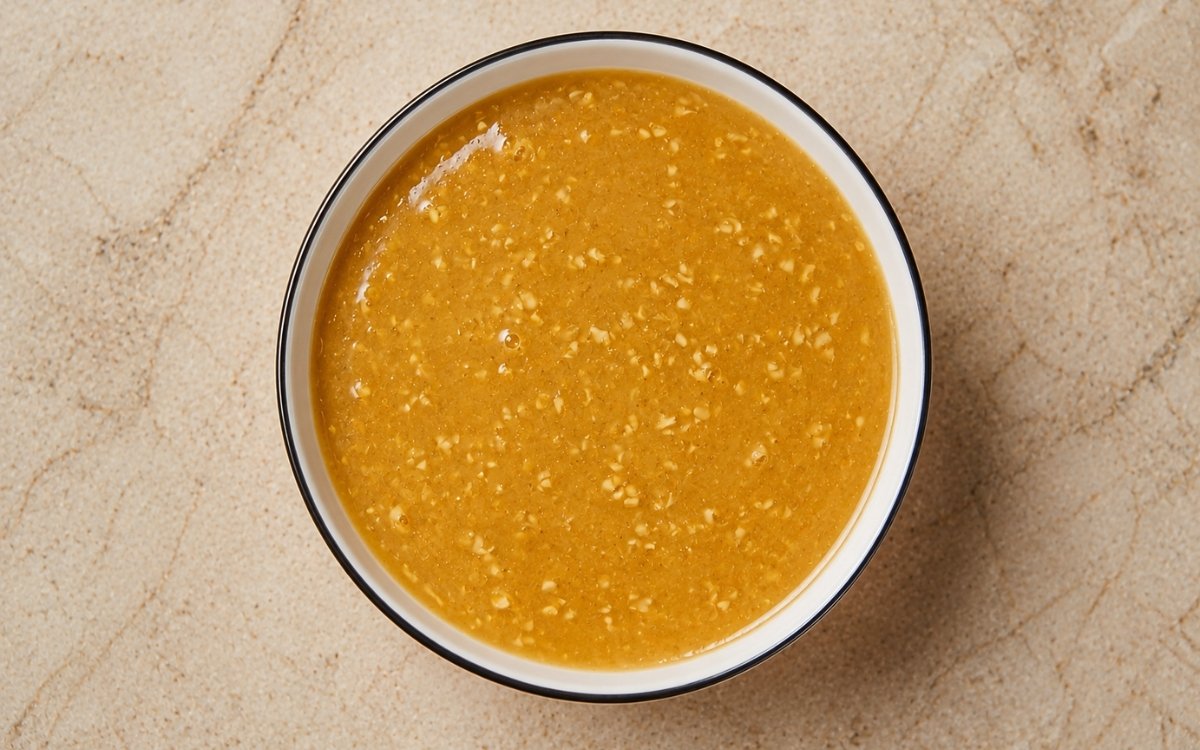
- Whisk in lemon juice, lemon zest, and toasted sesame oil. Taste and adjust: the finished sauce should feel savory, gently sweet from miso, bright with citrus, and rounded by brown butter richness. Fold in chopped chives or spring onion just before serving for freshness and color.
Notes
White miso (shiro miso) is specified rather than red or dark miso for important reasons. White miso is fermented for a shorter period — weeks rather than months or years — producing a milder, sweeter, less salty flavor with delicate fermented complexity. Red and dark misos have more intense, saltier, more assertive flavors that tend to overwhelm a delicate butter sauce. White miso integrates smoothly into butter without dominating it, allowing the butter's own flavor to contribute to the sauce.
Brown butter is a transformative technique that every home cook benefits from mastering. The browning process — called the Maillard reaction — converts the butter's milk proteins into hundreds of new flavor compounds, including pyrazines, furanones, and lactones, which produce the characteristic nutty, caramelized, slightly toffee-like aroma. This process takes regular butter from a pleasant but neutral fat into a genuinely complex, aromatic ingredient.
The prohibition against boiling miso is a principle from Japanese culinary tradition with a sound technical basis. Miso contains a complex ecosystem of enzymes and compounds that contribute to its layered flavor. High heat denatures these compounds and reduces miso's flavor to a simple salty-fermented note without the depth of well-treated miso.