
Balsamic Dijon Dressing
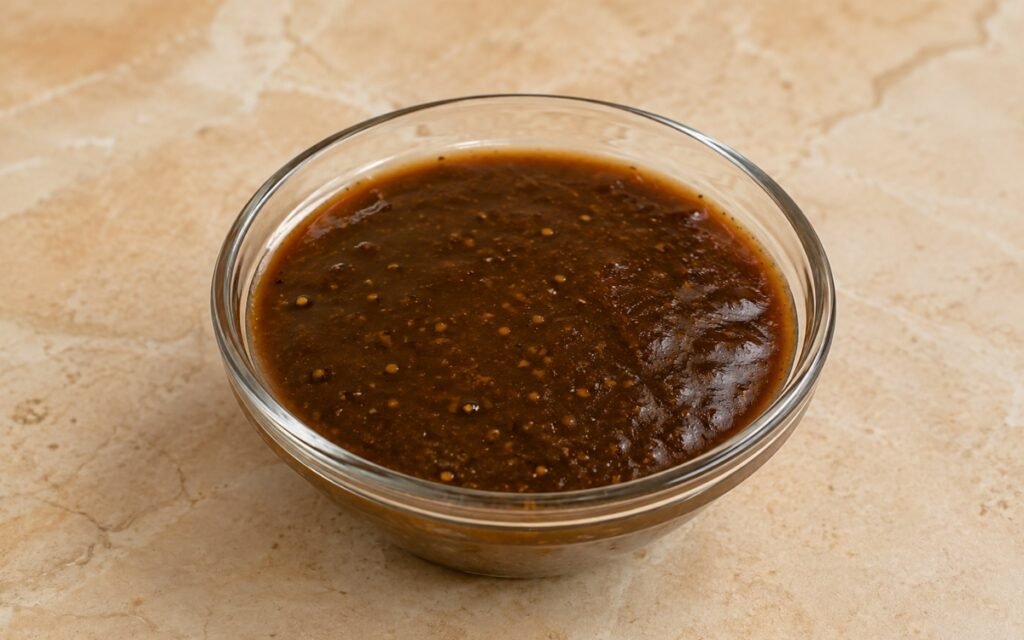
This boldly flavored balsamic dressing pairs rich, sweet-acidic balsamic vinegar with the sharp, complex notes of Dijon for one of the most versatile and crowd-pleasing homemade dressings you can make. Five minutes and a jar is all you need to leave bottled balsamic vinaigrette behind permanently.
Prep Time : 5 min
Cook Time : 0 min
Servings : 4
5 min
0 min
4
Ingredients
Acid Base
• 45ml balsamic vinegar, good quality — this one on Amazon
Aromatics
• 5g garlic, 1 clove, finely grated
Oil
• 90ml extra-virgin olive oil — this one on Amazon
Seasoning
• 3g salt
• Freshly ground black pepper to taste
• Pinch of dried oregano, optional
This post may contain affiliate links. As an Amazon Associate I earn from qualifying purchases, at no additional cost to you.
Directions
- Choose a Good-Quality Balsamic
Use a balanced, moderately priced balsamic vinegar with natural sweetness and some thickness. Ultra-cheap versions taste harsh and thin, while very old artisanal balsamic is better reserved for finishing dishes rather than blending into dressings. - Build the Flavor Base
In a small bowl or jar, combine balsamic vinegar, Dijon mustard, honey, grated garlic, and salt. Whisk or shake until the honey dissolves and the mixture looks smooth. At this stage the flavor will seem sharply acidic — this is normal before adding oil. - Start the Emulsion
If working in a bowl, begin whisking steadily to prepare for oil incorporation. Consistent motion helps create a unified texture rather than separation. - Add Olive Oil Gradually
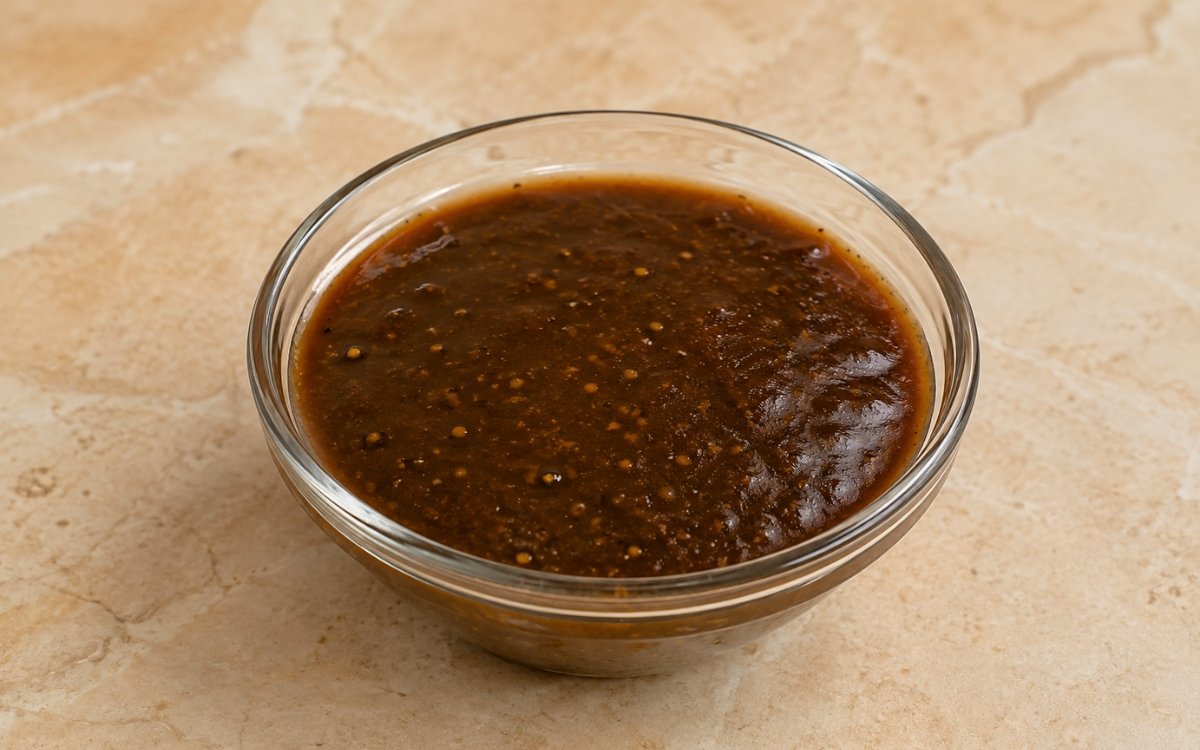
Drizzle in the olive oil in a steady stream while whisking, or seal the jar and shake vigorously for about 30 seconds. The dressing should turn glossy, slightly thickened, and dark amber. - Adjust and Finish
Taste and refine the balance — add more honey if too sharp or a splash more vinegar if too sweet. Stir in optional dried oregano for earthy depth and finish with freshly ground black pepper before serving.
*Notes :
- Balsamic vinegar’s sweetness comes from the long reduction and aging process that concentrates the grape’s natural sugars. Good balsamic should be sweet and acidic simultaneously — not simply sour like wine vinegar, and not simply sweet like syrup. This dual character is what makes it uniquely valuable and different from all other vinegars.
- The Dijon-to-balsamic relationship in this recipe is particularly interesting: both are fermented products with complex acidic profiles, and they complement rather than duplicate each other. Balsamic’s sweet complexity contrasts with Dijon’s savory sharpness, creating a richer, more layered flavor base than either could provide alone.
- Garlic in this dressing should be grated rather than minced. Grated garlic almost completely dissolves into the dressing, providing even garlic flavor distribution without any pungent pieces. Minced garlic in a dressing produces occasional intense garlic bites that interrupt the smooth experience.
Why This Recipe Works
This recipe works because balsamic vinegar is already a complex, partially sweetened acid — it requires less additional sweetening and produces a richer-tasting dressing than lighter vinegars. The Dijon acts as both structural emulsifier and flavor counterpoint to the balsamic’s sweetness. Honey bridges the two, amplifying the balsamic’s natural sweetness while softening the Dijon’s sharpness. The result is a well-integrated, complex dressing that tastes considerably more sophisticated than its simple preparation would suggest.
Ingredient Breakdown
Balsamic Vinegar
Primary flavor driver — sweet, acidic, complex, with distinctive grape character. Quality determines the dressing’s ceiling.
Dijon Mustard
Emulsifier and counterpoint — sharp, fermented complexity that balances the balsamic’s sweetness.
Honey
Bridges the balsamic and Dijon, amplifying sweetness and softening the dressing’s edges.
Garlic
Provides savory backbone that grounds the sweet-acidic character.
Extra-Virgin Olive Oil
Rich, fruity carrier that creates body, smoothness, and cohesion.
Flavor Structure Explained
This dressing follows a layered balance model:
- Sweet-acidic core (balsamic vinegar)
- Sharp savory counterpoint (Dijon mustard)
- Amplified sweetness (honey)
- Savory depth (garlic)
- Smooth fat base (olive oil)
Balsamic defines the center with bold sweet-acidic intensity that leads the entire profile. Dijon cuts through that richness with a sharp, savory edge, preventing the dressing from collapsing into sweetness. Honey reinforces and rounds the balsamic’s natural sugars, deepening the flavor rather than flattening it. Garlic adds underlying savory depth that grounds the composition. Olive oil binds everything together, softening the edges and delivering a smooth, balanced finish that makes the dressing cohesive rather than aggressive.
Common Mistakes to Avoid
- Using Very Cheap Balsamic – The cheapest supermarket balsamics are thin, harshly acidic, and lack the sweetness and depth that makes this dressing work. Invest in mid-range quality.
- Not Adjusting for Balsamic Sweetness – Balsamic vinegars vary widely in sweetness. Taste before finalizing — a sweet balsamic may need less honey, while a more acidic one may need more.
- Over-oiling – More than the specified amount of oil dilutes the balsamic’s character. The ratio is important for maintaining the dressing’s bold flavor identity.
Variations
Fig Balsamic Version
Use fig-infused balsamic vinegar for a sweeter, fruitier dressing excellent on salads with blue cheese and nuts.
Rosemary Balsamic
Add 3g fresh rosemary, very finely minced, for a piney, aromatic variation that pairs beautifully with lamb and roasted root vegetables.
Reduced Balsamic Glaze
Simmer balsamic vinegar down by half, cool, then use this concentrated reduction at half the specified volume for an intensified, slightly syrupy dressing.
Creamy Version
Whisk in 20ml of heavy cream or 30g Greek yogurt for a richer, creamier balsamic dressing.
Storage & Make-Ahead
Store in an airtight jar in the refrigerator for up to 2 weeks. The dressing holds well due to balsamic’s natural preservative qualities. Remove from the refrigerator 10 minutes before using and shake vigorously. The garlic flavor will intensify over time — if making a large batch, consider reducing the garlic quantity slightly for longer storage.
Frequently Asked Questions
What salads pair best with balsamic Dijon dressing?
Caprese salad; mixed greens with strawberries; spinach with walnuts and goat cheese; arugula with fresh figs and Parmesan; roasted beet salad; any salad with fruit and cheese components.
Can I use this as a marinade?
Excellent as a marinade — particularly for chicken, pork, and vegetables. The balsamic’s natural sugars caramelize during cooking, creating beautiful color and flavor.
How do I make a balsamic reduction?
Simmer balsamic vinegar in a small saucepan over medium-low heat until reduced by half to two-thirds and lightly syrupy. Cool before using. Use sparingly as a finishing drizzle rather than a full dressing.
Is this gluten-free?
Yes — all ingredients are naturally gluten-free. Always check specific product labels to confirm, particularly Dijon mustard.
Nutrition Facts
( per serving )
Calories
~210 kcal
Protein
0 g
Fat
22 g
Carbs
8 g
Calories
~210 kcal
Protein
0 g
Fat
22 g
Carbs
8 g
Related Recipes
Related Recipes

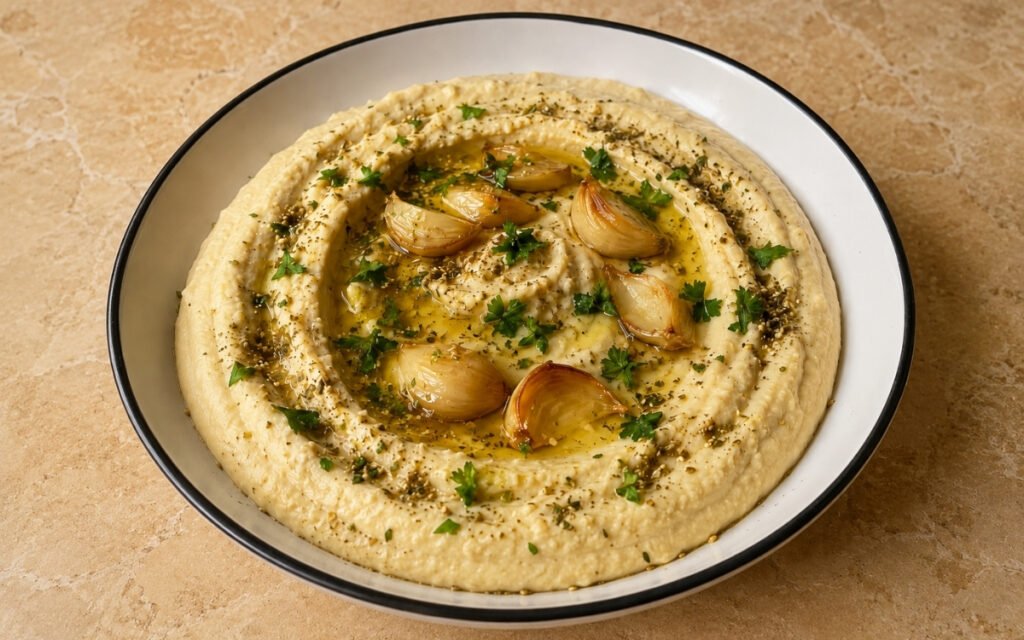
Roasted Garlic Hummus
Five garlic cloves roasted in foil until soft and golden, blended into the classic chickpea-tahini base — sweet, mellow, and deeply complex without a trace of raw garlic sharpness.
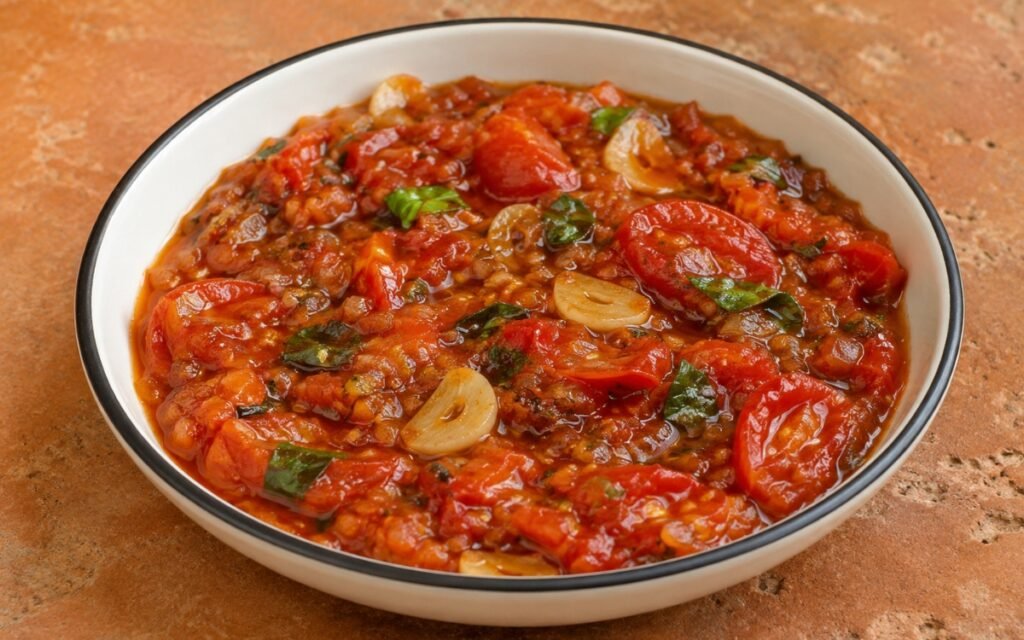
Quick Warm Tomato Garlic Sauce
Fresh cherry tomatoes simmer with garlic and basil. Versatile warm sauce ready in just 15 minutes.
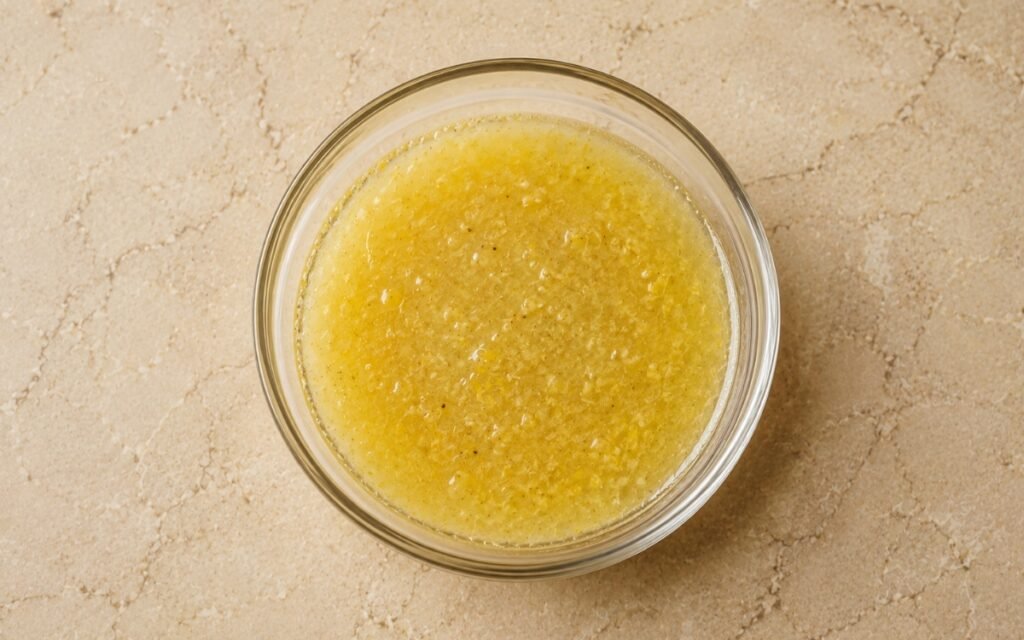
Simple Lemon Vinaigrette
Bright lemon and Dijon emulsify into a perfectly balanced 5-minute vinaigrette for any salad.
You might also like
You might also like
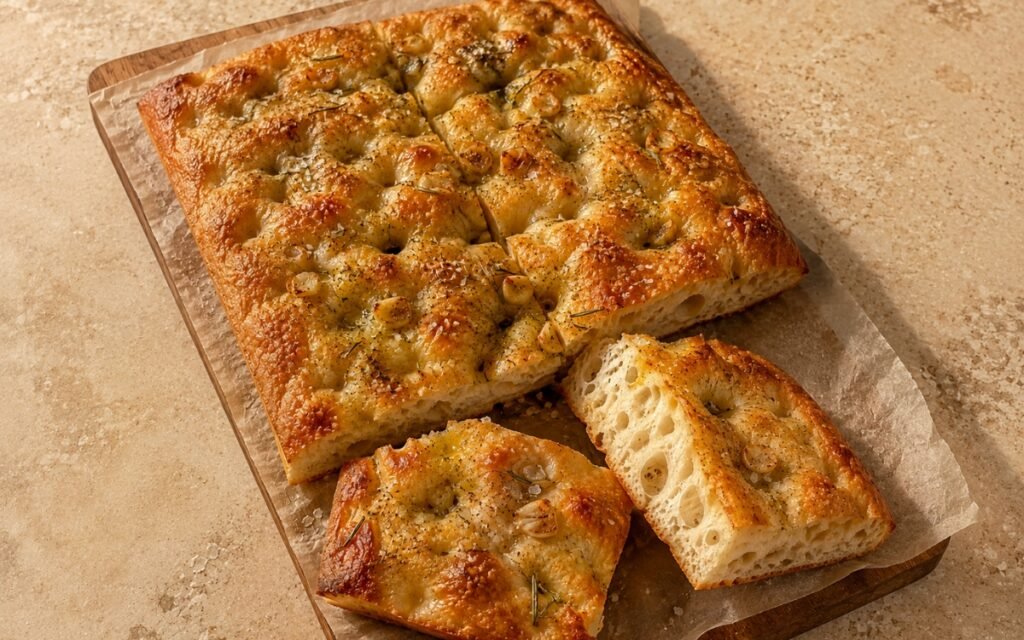
Garlic Butter Focaccia
A golden, high-hydration focaccia with a crisp fried bottom, deeply dimpled airy crumb, and glossy garlic rosemary butter, built over a 48–72 hour cold ferment.
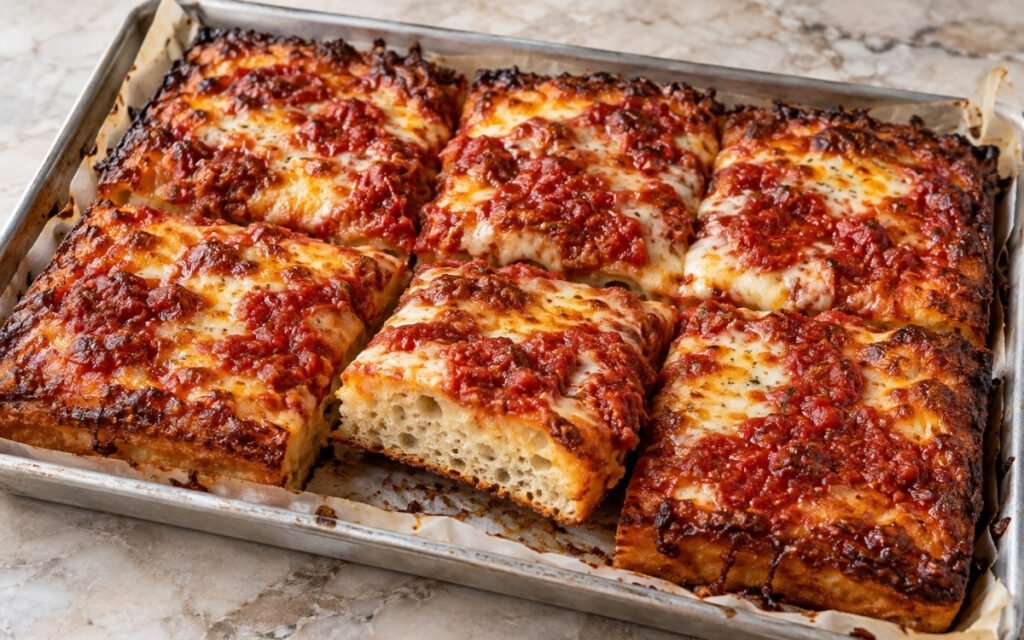
Sicilian-Style Sheet Pan Pizza
Thick, airy, focaccia-like crust baked in a well-oiled pan, topped with mozzarella and rich tomato sauce, finished with crisp caramelized edges.
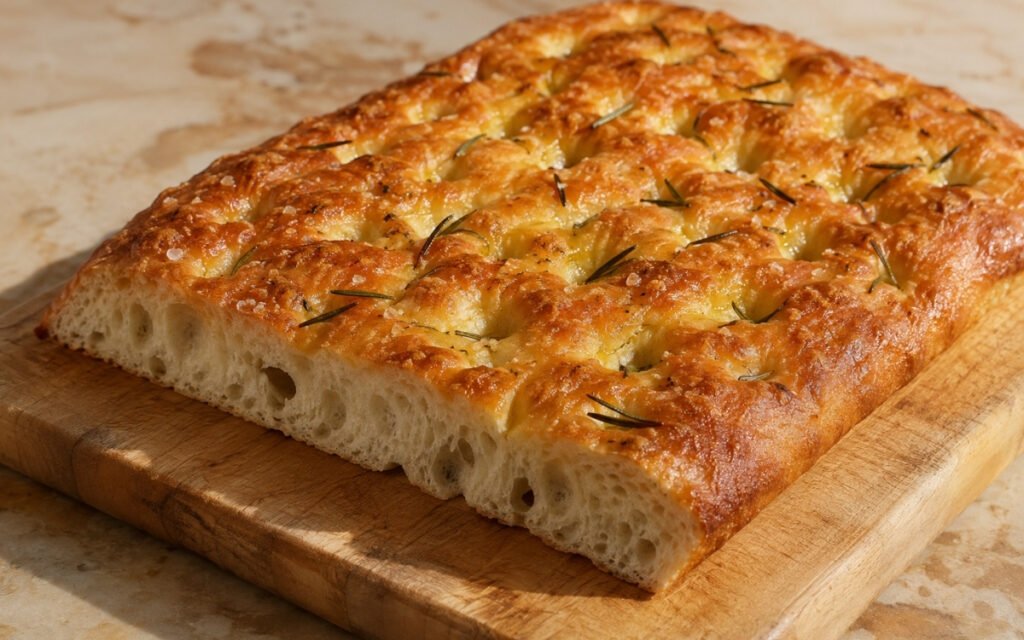
Focaccia
Golden, olive-oil-crisp focaccia with a cloud-soft open crumb, topped with za’atar, rosemary and flaky sea salt.
Balsamic Dijon Dressing
Ingredients
Method
- Use a balanced, moderately priced balsamic vinegar with natural sweetness and some thickness. Ultra-cheap versions taste harsh and thin, while very old artisanal balsamic is better reserved for finishing dishes rather than blending into dressings.
- In a small bowl or jar, combine balsamic vinegar, Dijon mustard, honey, grated garlic, and salt. Whisk or shake until the honey dissolves and the mixture looks smooth. At this stage the flavor will seem sharply acidic — this is normal before adding oil.
- If working in a bowl, begin whisking steadily to prepare for oil incorporation. Consistent motion helps create a unified texture rather than separation.
- Drizzle in the olive oil in a steady stream while whisking, or seal the jar and shake vigorously for about 30 seconds. The dressing should turn glossy, slightly thickened, and dark amber.
- Taste and refine the balance — add more honey if too sharp or a splash more vinegar if too sweet. Stir in optional dried oregano for earthy depth and finish with freshly ground black pepper before serving.