
Larb Gai — Thai Minced Chicken Salad
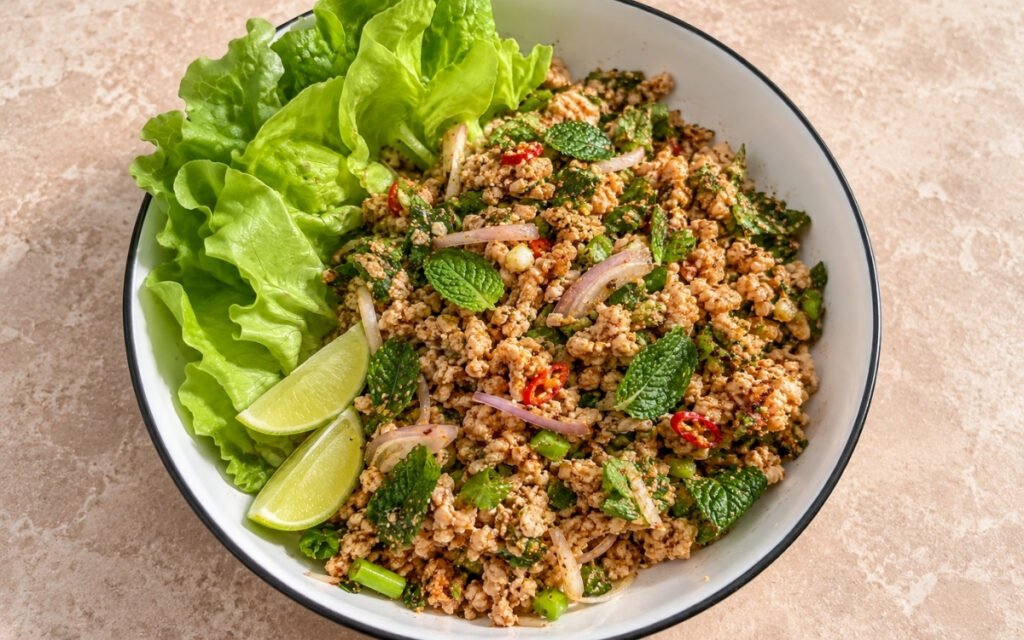
Classical Thai minced chicken salad made with gently cooked minced chicken, lime juice, fish sauce, roasted chili, toasted rice powder, shallots, scallions, and a heavy amount of fresh mint, served warm or room temperature with lettuce leaves and lime wedges. Cooking the minced chicken gently with a little water or stock, rather than frying it dry in oil, is the technique this whole salad depends on for its characteristic juicy, tender texture — classical larb gai should never turn browned and crumbly, the same gently-poach-not-fry principle used elsewhere in this collection whenever a lean, minced protein’s own real juiciness depends on moist, moderate heat rather than direct, dry cooking. Seasoning the chicken while it’s still genuinely warm, before the herbs ever go in, is what lets the dressing’s own bold, sharp flavour actually penetrate the meat. Adding the fresh mint and toasted rice powder only at the very end is what protects both from wilting dark and dull or turning soggy under too much dressing contact time. The payoff is a salad with real, vivid Thai character — juicy, herb-heavy minced chicken in a sharp, sour-salty-spicy dressing, finished with nutty toasted rice powder and a generous scatter of fresh mint.
Prep Time : 25 min
Cook Time : 10 min
Servings : 4
25 min
10 min
4
Ingredients
For the Chicken
• 800g minced chicken — 200g per serving
• 80ml water or unsalted chicken stock
• ½ tsp fine salt, optional
• ½ tsp white pepper, optional
For the Toasted Rice Powder — Khao Khua
• 50g glutinous rice or jasmine rice — use glutinous rice if possible for the most classical texture
For the Dressing
• 60ml fish sauce — this one on Amazon
• 70ml fresh lime juice
• 8–12g roasted Thai chili powder, to taste
• 8–10g sugar, optional but useful for balance
• 2–3 tbsp chicken cooking juices from the pan
For the Salad
• 120g shallots, very thinly sliced
• 4 scallions, sliced
• 25–30g fresh mint leaves, roughly torn
• 15–20g cilantro leaves and tender stems, chopped
• 2–3 red Thai chilies, thinly sliced, optional
• 25–30g toasted rice powder, from above
For Serving
• Lettuce leaves, for scooping
• Lime wedges
• Extra mint
• Extra toasted rice powder, optional
• Cucumber slices, optional
• Sticky rice, optional but very classical on the side
This post may contain affiliate links. As an Amazon Associate I earn from qualifying purchases, at no additional cost to you.
Directions
- Make the Toasted Rice Powder
Place the rice in a dry skillet over medium-low heat. Toast for 8–12 minutes, stirring constantly, until the grains turn deep golden and smell nutty. Transfer to a plate and cool completely. Grind in a mortar, spice grinder, or small blender until coarse but not flour-fine. The rice should smell roasted and nutty, not burnt. Pale rice powder tastes flat; burnt rice powder makes the whole larb bitter. The powder should feel sandy and slightly coarse. Do not grind it into dust. That specific, coarse grind is exactly what lets the finished powder cling texturally to the chicken and dressing later, rather than dissolving invisibly the way a fine, flour-like grind would. - Cook the Minced Chicken
Place the minced chicken and 80ml water or stock in a wide pan over medium heat. Break the chicken apart with a spatula as it heats. Cook for 5–7 minutes, stirring and breaking up the meat, until the chicken is fully cooked but still moist. It should release some juices into the pan. Remove from the heat. Let it cool for 5 minutes, but do not drain all the liquid. Do not fry the chicken dry in oil. Classical larb gai should be juicy and tender, not browned and crumbly. The chicken should be fully cooked with no pink remaining. For food safety, minced chicken should reach 74°C / 165°F. That gentle, moist cooking method — chicken and liquid together rather than chicken alone in hot oil — is specifically what protects this lean, fast-cooking meat from drying out and turning tough. - Season the Chicken While Warm
Transfer the warm cooked chicken to a mixing bowl with 2–3 tbsp of its cooking juices. Add the fish sauce, lime juice, chili powder, and sugar if using. Toss well. Taste before adding herbs. The flavor should be salty from fish sauce, bright and sour from lime, spicy from chili, slightly rounded, not sweet. Larb should taste sharper and more intense than a normal salad at this stage, because the herbs, shallots, and rice powder will soften the seasoning. That deliberately intense, sharp seasoning at this early stage accounts for real, predictable dilution — the herbs, shallots, and rice powder still to come will all soften and round out that sharpness once folded in. - Add Shallots and Aromatics
Add the sliced shallots, scallions, fresh chili if using, cilantro, and most of the mint. Toss gently. Let sit for 3–5 minutes so the shallots soften slightly in the warm dressing but still keep bite. The chicken should be warm, not piping hot, when herbs go in. Too much heat turns the mint dark and dull. That specific warm-not-hot temperature check protects the mint’s own bright green colour and fresh aroma — genuine heat would wilt and discolour it well before it ever reaches the plate. - Add Toasted Rice Powder
Add 25–30g toasted rice powder and toss again. The rice powder should absorb some dressing and cling to the chicken, creating a slightly nutty, lightly thickened coating. The larb should look glossy but not wet and soupy. If it turns dry, add 1–2 tbsp chicken juices or a splash of water. If it is too loose, add a little more toasted rice powder. That real-time adjustment, using either more juice or more powder as needed, reflects genuine understanding that the exact ratio can vary batch to batch, and the final texture is worth actively correcting for rather than accepting either extreme. - Final Adjustment
Taste again and adjust: more lime juice if it tastes heavy, more fish sauce if flat, more chili if too mild, a pinch of sugar if too sharp, more toasted rice powder if too wet. Fold in the remaining mint right before serving. Reserving a final portion of mint specifically for this last stage, rather than folding it all in earlier, keeps at least some of it genuinely fresh and vivid right up until the moment the salad is plated. - Serve
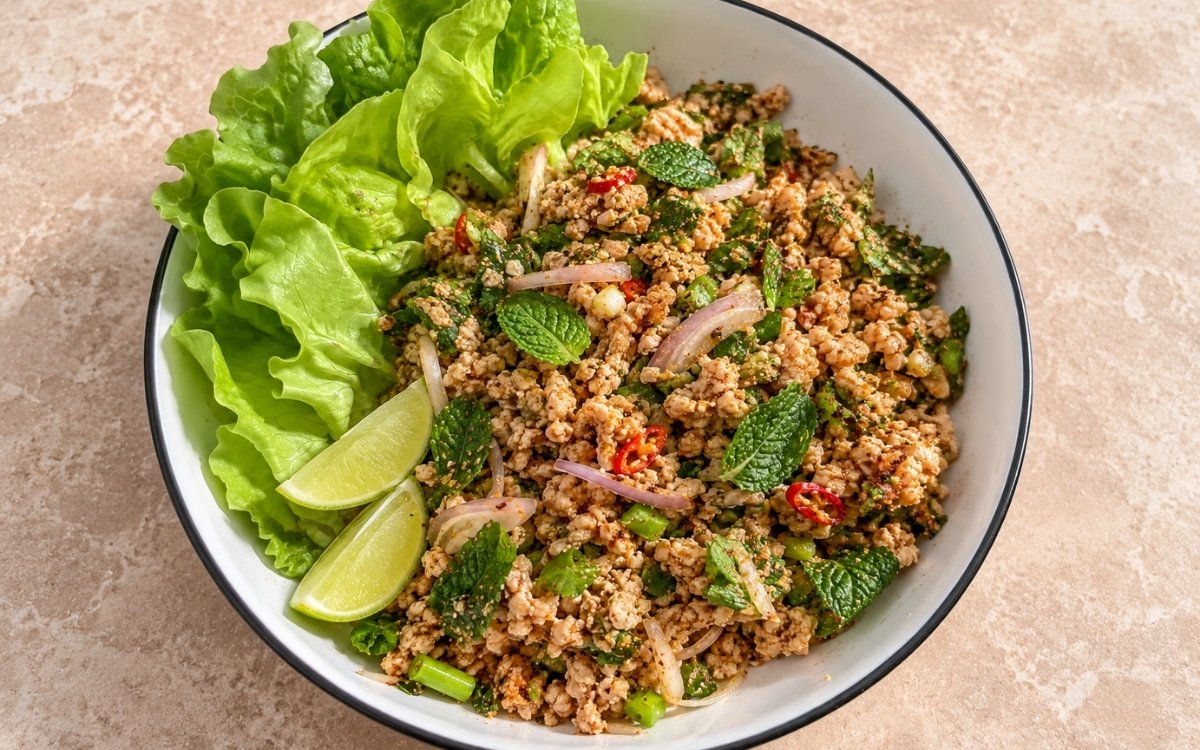
Spoon the larb into a shallow bowl. Serve with lettuce leaves, lime wedges, extra mint, and optional cucumber or sticky rice. Larb gai should be served warm or room temperature, not fridge-cold. The herbs should look fresh, the chicken should be juicy, and the toasted rice powder should be clearly visible. That specific serving temperature — warm or room temperature, never cold — protects the dish’s own real character, since chilling would dull both its aroma and the meat’s own fat, working against the vivid, fresh quality larb is meant to have.
*Notes :
- Cooking the minced chicken gently with water or stock, rather than frying it dry in hot oil, deserves genuine recognition as the technique most directly responsible for larb gai’s whole characteristic texture. The recipe’s own explicit distinction — juicy and tender, not browned and crumbly — reflects a real, deliberate departure from how minced meat is often cooked in other stir-fried dishes, and that moist method is specifically what keeps this lean protein from drying out.
- Seasoning the chicken while it’s still genuinely warm, and deliberately sharper and more intense than a finished salad should taste, deserves the same attention this technique receives throughout this collection’s other layered, herb-heavy salads. That intensity accounts for real, predictable dilution from everything still to be added — the herbs, shallots, and rice powder that follow will all soften and round out the seasoning, meaning an already-mild dressing at this stage would end up flat by the time the dish is finished.
- Watching the chicken’s temperature carefully before the herbs go in — warm, never piping hot — deserves genuine attention as the detail responsible for protecting the mint’s own bright colour and fresh aroma. Real heat at this stage wilts and dulls the mint considerably, undermining the fresh, vivid character that’s central to this dish’s whole identity.
- Toasting the rice to a genuine, deep golden colour, watched carefully to avoid burning, deserves respect as the technique responsible for the dish’s characteristic nutty aroma and texture. The recipe’s own explicit warning that pale powder tastes flat while burnt powder turns the whole salad bitter reflects real, narrow margins this particular toasting stage depends on getting right.
Why This Recipe Works
This recipe works because the chicken is cooked gently with liquid rather than fried dry, protecting its own real juiciness. The rice for the powder is toasted to a genuine, deep golden colour and ground coarsely, giving it real nutty aroma and clinging texture.
The chicken is seasoned deliberately sharp while still warm, accounting for the dilution that follows once herbs, shallots, and rice powder are added.
Mint and rice powder are folded in at the right, careful moments — watching temperature to protect the mint, and adjusting the powder in real time to protect the final texture. Serving at the correct, warm-not-cold temperature delivers the dish’s whole vivid, fresh character.
Ingredient Breakdown
Gently Cooked Minced Chicken
he critical technique — moist cooking with liquid, never fried dry, protects this lean meat’s own real juiciness.
Deep Golden, Coarsely Ground Toasted Rice Powder
The critical technique — a real, nutty roast and coarse grind produce the dish’s characteristic aroma and clinging texture.
Deliberately Sharp Early Seasoning
The critical technique — intense at this stage to account for the real dilution the herbs and rice powder that follow will cause.
Warm-Not-Hot Herb Addition
The critical technique — protects the mint’s own bright colour and fresh aroma from wilting under genuine heat.
Last-Minute Reserved Mint
The finishing technique — keeps at least a portion of it genuinely fresh and vivid right up until serving.
Real-Time Texture Adjustment (Powder or Juice)
The critical technique — corrects the final consistency actively rather than accepting either too wet or too dry.
Flavor Structure Explained
This larb gai follows a layered balance model:
- Juicy, tender protein base (gently cooked minced chicken)
- Sharp, vivid dressing (fish sauce, lime, chili powder)
- Nutty, textural body (toasted rice powder)
- Aromatic bite (shallots, scallions, cilantro)
- Fresh herbal dominance (generous fresh mint)
Gently cooked minced chicken provides this salad’s juicy, genuinely tender protein base, protected from drying by moist cooking. A sharp, vivid dressing of fish sauce, lime juice, and roasted chili powder defines the dish’s bold, classic Thai flavour. Toasted rice powder adds nutty, textural body that clings to every bite. Shallots, scallions, and cilantro contribute real aromatic bite throughout. A generous, deliberately dominant amount of fresh mint finishes the salad with the herbal freshness that gives larb its whole distinctive character.
Common Mistakes to Avoid
- Frying the Chicken Dry in Oil – This produces a browned, crumbly texture rather than the classical juicy, tender result. Always cook it gently with water or stock.
- Underseasoning the Chicken While It’s Still Warm – This leaves the finished salad flat once herbs and rice powder dilute the flavour. Always season it deliberately sharp at this stage.
- Adding the Herbs While the Chicken Is Piping Hot – This wilts and dulls the mint’s colour and aroma. Always wait until the chicken is warm, not hot.
- Grinding the Toasted Rice Into a Fine Powder – This loses the clinging, textural quality the dish depends on. Always grind it coarse, sandy, not flour-fine.
- Serving the Salad Fridge-Cold – This dulls the aroma and tightens the chicken’s own fat. Always serve it warm or at room temperature.
Variations
Chicken Thigh Version
Use minced chicken thigh specifically, per the recipe’s own note on it giving the juiciest result, accepting that minced breast works too but dries out faster during cooking.
Extra-Spicy Version
Increase the roasted Thai chili powder and the optional fresh sliced chilies for a noticeably sharper, more assertive heat throughout every bite.
Sticky Rice Pairing Version
Serve alongside sticky rice, per the recipe’s own note on it being the most classical accompaniment, for the traditional, complete Isaan-style meal this dish is most commonly part of.
Regular Chili Flakes Version
Substitute regular chili flakes for roasted Thai chili powder if the latter isn’t available, per the recipe’s own guidance, accepting a less deep, less smoky finished flavour.
Storage & Make-Ahead
This recipe uses exactly 800g minced chicken, working out to 200g per serving, and minced chicken thigh gives the juiciest overall result, though breast also works well provided you watch it carefully since it dries out faster during cooking.
Larb gai is genuinely not cooked like a stir-fry, so the chicken should be gently cooked with a little water or stock throughout rather than browned, since that moist method is what keeps this lean protein tender rather than crumbly.
Toasted rice powder is essential to this dish rather than optional, since it provides real nutty aroma and a slightly gritty texture that the salad would taste noticeably incomplete without if it were left out entirely.
The fish sauce and lime dressing should be built genuinely bold, since larb is meant to taste vivid, sour, salty, and spicy all at once, and mint should be used generously so the finished dish reads as visibly herb-heavy rather than like plain minced chicken with just a few scattered leaves.
Do not chill this dish hard before serving, since cold larb loses real aroma and the chicken’s own fat can tighten unpleasantly, meaning room temperature genuinely delivers the better, more classical result here.
Frequently Asked Questions
Why is the chicken cooked gently with liquid rather than fried in oil like a typical stir-fry?
Classical larb gai depends on staying juicy and tender rather than browned and crumbly. Frying it dry in oil would work directly against that texture, which is exactly why it’s cooked gently with a little water or stock instead.
Why does the chicken need to be seasoned so sharply while it’s still warm, before the herbs go in?
The herbs, shallots, and toasted rice powder still to be added will all soften and dilute that initial seasoning considerably. Building in real intensity at this early stage is what protects the finished dish from tasting flat once everything else has been folded in.
Why do the herbs need to go in only once the chicken has cooled to warm, not hot?
Genuine heat at this stage wilts and dulls the mint’s own bright colour and fresh aroma. Waiting until the chicken is only warm protects that freshness right through to serving.
Why does the toasted rice need to be ground coarsely rather than into a fine powder?
A coarse, sandy grind is what lets the toasted rice actually cling to the chicken and dressing, creating real textural contrast. Ground into flour-fine dust, it would lose that same clinging, gritty quality.
Are there other classic Thai, Vietnamese, or fresh salad dishes worth trying?
Thai Green Mango Salad and Vietnamese Green Papaya Salad both offer other classic, bright Southeast Asian salad directions worth exploring. Pad Krapao is also worth trying for another classic Thai minced meat dish, and Spicy Thai Beef Salad (Yam Neua) and Japanese Cucumber Salad (Sunomono) offer other fresh, vibrant salad directions worth exploring.
Nutrition Facts
( per serving )
Calories
~380 kcal
Protein
36 g
Fat
16 g
Carbs
22 g
Calories
~380 kcal
Protein
36 g
Fat
16 g
Carbs
22 g
Related Recipes
Related Recipes

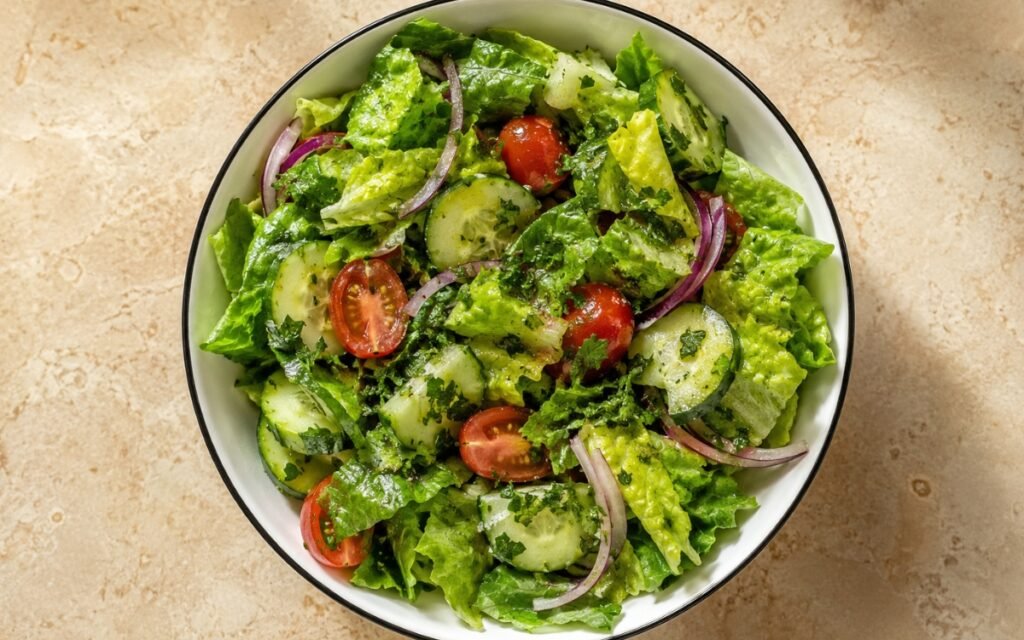
Lemon Parsley Side Salad
Crisp romaine and fresh parsley with cucumber, tomatoes, and red onion in zesty lemon dressing.
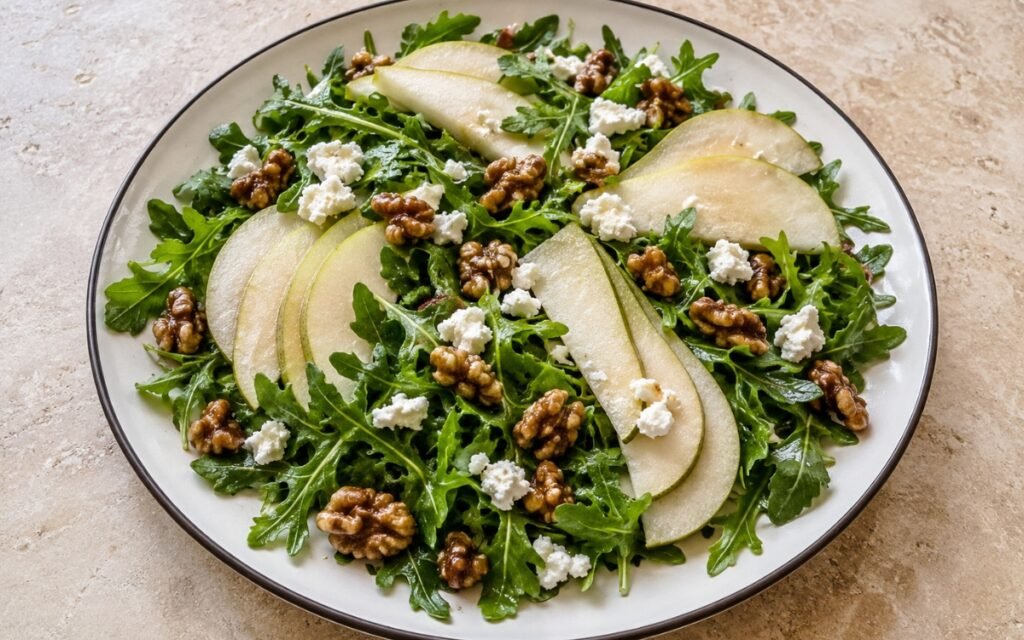
Arugula Pear Salad with Honey vinaigrette
Peppery arugula with sweet pears, creamy goat cheese, candied walnuts, and honey vinaigrette dressing.
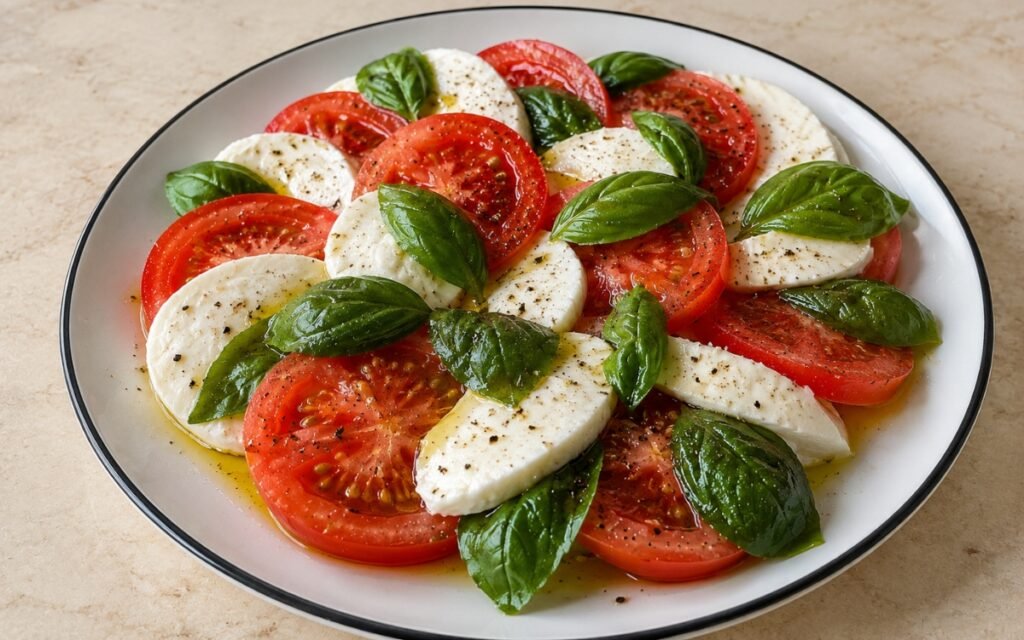
Classic Italian Tomato Basil Salad
Classic Italian salad with ripe tomatoes, fresh mozzarella, basil, and balsamic dressing.
You might also like
You might also like
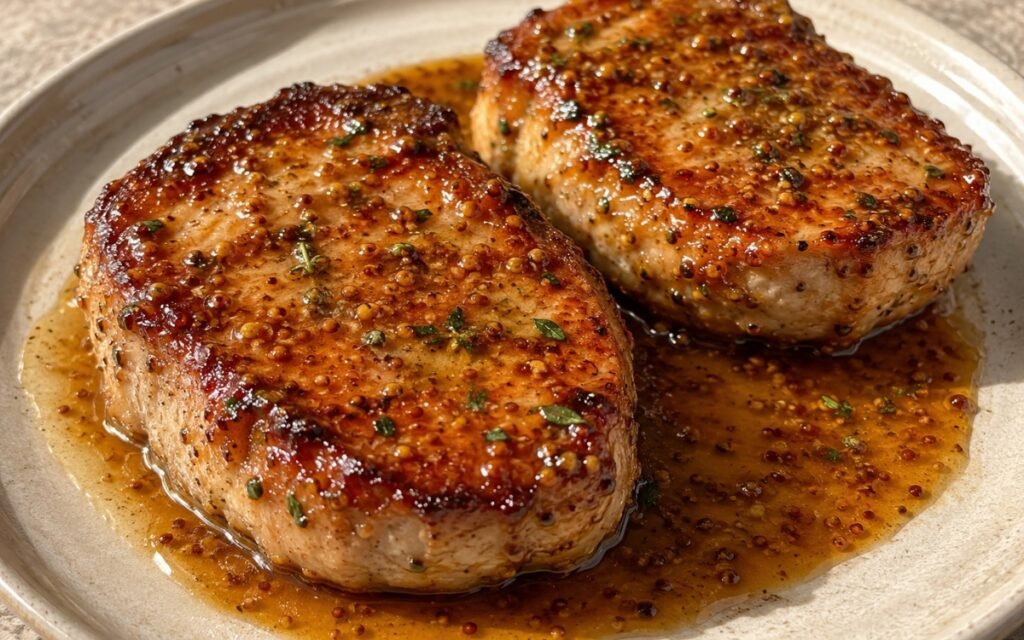
Honey Mustard Pork Chops
Pork chops seared golden, glazed with honey and dual mustard after the flip, basted until sticky and caramelized, rested. Sweet and tangy.
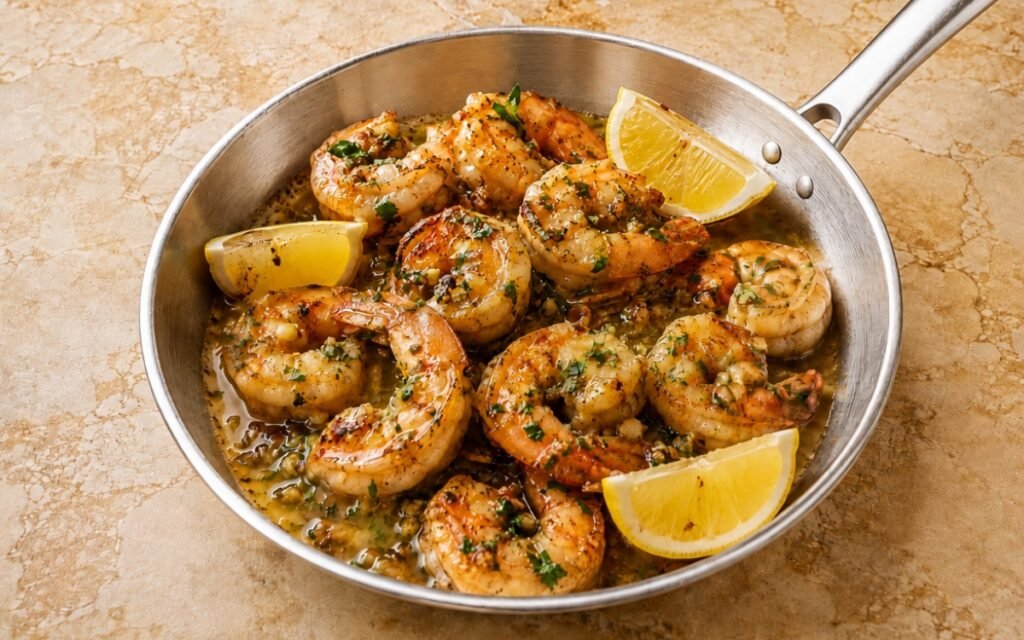
Garlic Butter Shrimp Skillet
Hard-seared shrimp finished gently in a glossy garlic butter sauce with lemon, parsley, and chili flakes.
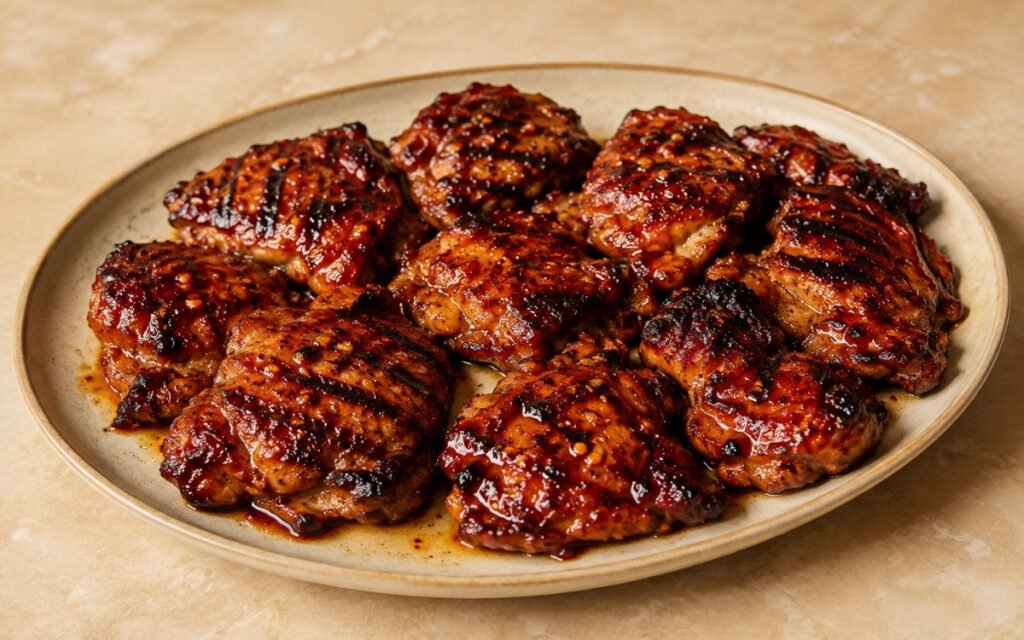
Grilled Hot Honey Chicken Thighs
Yogurt-marinated chicken thighs grilled to charred grill marks then glazed in progressive rounds with chili-infused hot honey — glossy, smoky, spicy, and caramelised in 35 minutes active time.
Larb Gai — Thai Minced Chicken Salad
Ingredients
Method
- Place the rice in a dry skillet over medium-low heat. Toast for 8–12 minutes, stirring constantly, until the grains turn deep golden and smell nutty. Transfer to a plate and cool completely. Grind in a mortar, spice grinder, or small blender until coarse but not flour-fine. The rice should smell roasted and nutty, not burnt. Pale rice powder tastes flat; burnt rice powder makes the whole larb bitter. The powder should feel sandy and slightly coarse. Do not grind it into dust. That specific, coarse grind is exactly what lets the finished powder cling texturally to the chicken and dressing later, rather than dissolving invisibly the way a fine, flour-like grind would.
- Place the minced chicken and 80ml water or stock in a wide pan over medium heat. Break the chicken apart with a spatula as it heats. Cook for 5–7 minutes, stirring and breaking up the meat, until the chicken is fully cooked but still moist. It should release some juices into the pan. Remove from the heat. Let it cool for 5 minutes, but do not drain all the liquid. Do not fry the chicken dry in oil. Classical larb gai should be juicy and tender, not browned and crumbly. The chicken should be fully cooked with no pink remaining. For food safety, minced chicken should reach 74°C / 165°F. That gentle, moist cooking method — chicken and liquid together rather than chicken alone in hot oil — is specifically what protects this lean, fast-cooking meat from drying out and turning tough.
- Transfer the warm cooked chicken to a mixing bowl with 2–3 tbsp of its cooking juices. Add the fish sauce, lime juice, chili powder, and sugar if using. Toss well. Taste before adding herbs. The flavor should be salty from fish sauce, bright and sour from lime, spicy from chili, slightly rounded, not sweet. Larb should taste sharper and more intense than a normal salad at this stage, because the herbs, shallots, and rice powder will soften the seasoning. That deliberately intense, sharp seasoning at this early stage accounts for real, predictable dilution — the herbs, shallots, and rice powder still to come will all soften and round out that sharpness once folded in.
- Add the sliced shallots, scallions, fresh chili if using, cilantro, and most of the mint. Toss gently. Let sit for 3–5 minutes so the shallots soften slightly in the warm dressing but still keep bite. The chicken should be warm, not piping hot, when herbs go in. Too much heat turns the mint dark and dull. That specific warm-not-hot temperature check protects the mint’s own bright green colour and fresh aroma — genuine heat would wilt and discolour it well before it ever reaches the plate.
- Add 25–30g toasted rice powder and toss again. The rice powder should absorb some dressing and cling to the chicken, creating a slightly nutty, lightly thickened coating. The larb should look glossy but not wet and soupy. If it turns dry, add 1–2 tbsp chicken juices or a splash of water. If it is too loose, add a little more toasted rice powder. That real-time adjustment, using either more juice or more powder as needed, reflects genuine understanding that the exact ratio can vary batch to batch, and the final texture is worth actively correcting for rather than accepting either extreme.
- Taste again and adjust: more lime juice if it tastes heavy, more fish sauce if flat, more chili if too mild, a pinch of sugar if too sharp, more toasted rice powder if too wet. Fold in the remaining mint right before serving. Reserving a final portion of mint specifically for this last stage, rather than folding it all in earlier, keeps at least some of it genuinely fresh and vivid right up until the moment the salad is plated.
- Spoon the larb into a shallow bowl. Serve with lettuce leaves, lime wedges, extra mint, and optional cucumber or sticky rice. Larb gai should be served warm or room temperature, not fridge-cold. The herbs should look fresh, the chicken should be juicy, and the toasted rice powder should be clearly visible. That specific serving temperature — warm or room temperature, never cold — protects the dish’s own real character, since chilling would dull both its aroma and the meat’s own fat, working against the vivid, fresh quality larb is meant to have.