
Japanese Cucumber Salad (Sunomono)
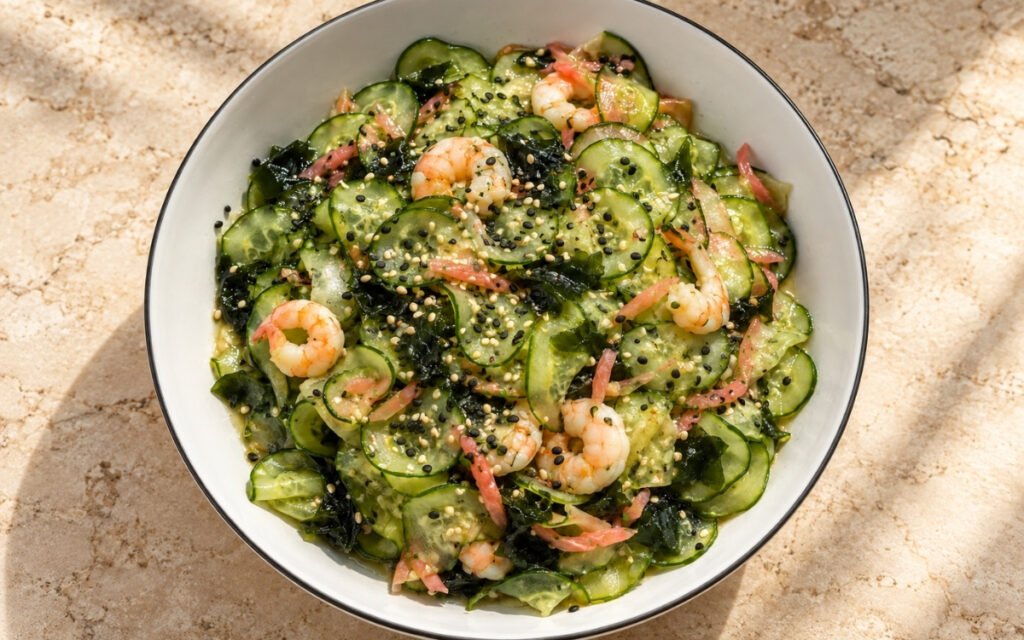
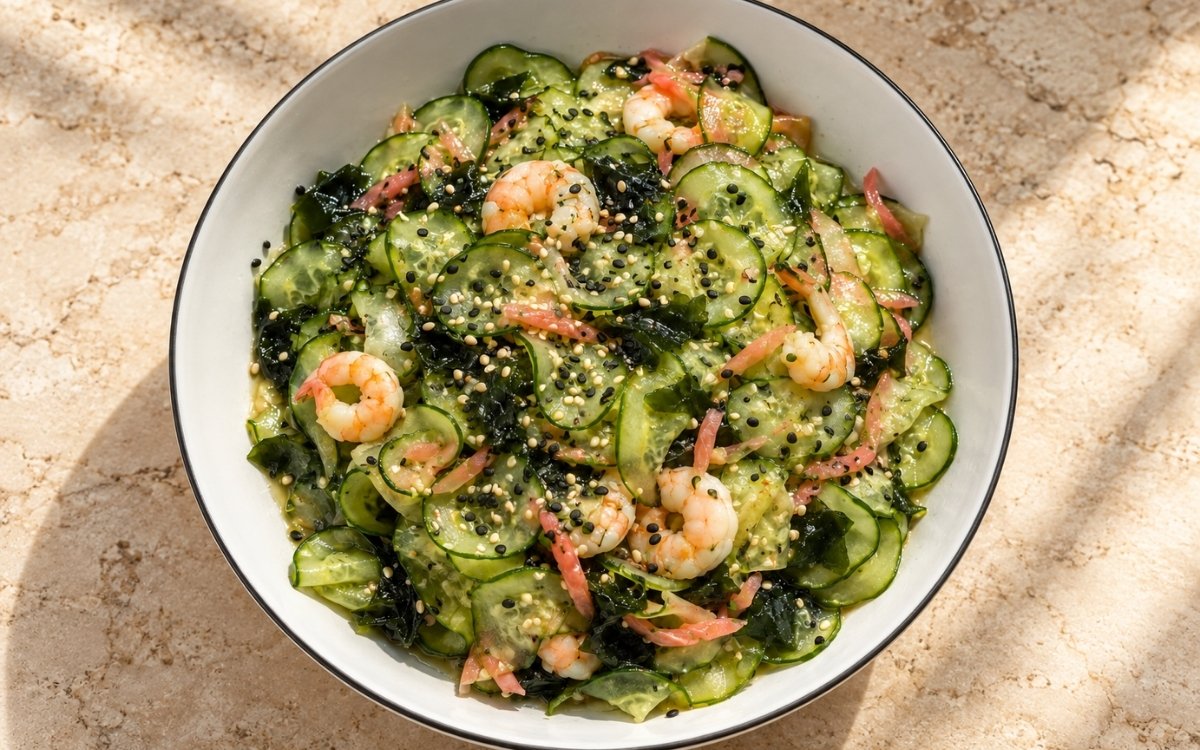
A light, classical-style Japanese sunomono made with very thinly sliced cucumber, rehydrated wakame, tender shrimp, and a balanced sweet-tart rice vinegar dressing, finished with white and black sesame seeds and fine strips of pickled ginger for extra brightness and color. Salting and squeezing the sliced cucumber before it ever meets the dressing is the technique this whole salad depends on for real, lasting crunch — skipping this step lets the dressing turn watery and dilutes the cucumber’s own flavour, the same salt-and-squeeze-first principle used elsewhere in this collection whenever a genuinely watery vegetable’s own crisp texture needs excess moisture drawn out before it can properly absorb a dressing. Poaching the shrimp only briefly, never boiling aggressively, is what keeps them tender and juicy rather than firm and rubbery. Combining every component and letting the salad rest briefly in the fridge before serving is what allows the cucumber and wakame to genuinely absorb the dressing. The payoff is a salad with real, clean Japanese contrast — crisp, thinly sliced cucumber and tender wakame against juicy poached shrimp, all brightened by a bright, lightly sweet rice vinegar dressing.
Prep Time : 20 min
Cook Time : 5 min
Servings : 4
20 min
5 min
4
Ingredients
For the Salad
• 3 large Japanese or Persian cucumbers (about 450–500g total)
• 400g small shrimp, peeled and deveined (100g per serving)
• 10g dried wakame — this one on Amazon
• 25–30g pickled ginger, thinly sliced if needed — this one on Amazon
• 1 tbsp white sesame seeds
• 1 tbsp black sesame seeds
For Salting the Cucumber
• 1 tsp fine salt
For the Sunomono Dressing
• 80ml rice vinegar — this one on Amazon
• 2 tbsp sugar
• ½ tsp fine salt
• 1 tsp soy sauce, optional but very common and useful for depth
• 1 tsp sesame oil, optional; use lightly so it does not overpower the clean style
This post may contain affiliate links. As an Amazon Associate I earn from qualifying purchases, at no additional cost to you.
Directions
- Prepare the Cucumber
Slice the cucumbers very thinly into rounds, ideally with a mandoline. They should be almost translucent and slightly delicate-looking. Place in a bowl, sprinkle with 1 tsp salt, toss, and leave for 10 minutes. After 10 minutes, squeeze the cucumber gently but thoroughly by handfuls to remove excess water, then set aside. Do not skip salting and squeezing. It concentrates the cucumber flavor, keeps the salad crisp, and prevents the dressing from turning watery. That deliberate salting and squeezing draws real, considerable moisture out of the cucumber through osmosis, protecting the finished dressing from a real, specific dilution risk this genuinely thin, high-water-content vegetable would otherwise cause. - Rehydrate the Wakame
Place the dried wakame in cold water for 5–8 minutes until expanded and tender. Drain well, squeeze out excess water, and cut into bite-size pieces if the fronds are long. Wakame expands a lot. Do not over-soak or it can become too soft and lose its pleasant texture. That genuinely brief soaking window is calibrated precisely to fully hydrate the wakame while protecting it from the mushy, over-softened texture a longer soak would produce. - Cook the Shrimp
Bring a small pot of lightly salted water to a gentle simmer. Add the shrimp and poach for 1–2 minutes, just until pink, opaque, and curled. Drain immediately and cool under cold running water or transfer to ice water briefly. Drain very well. If the shrimp are large, cut them into bite-size pieces. If using very small salad shrimp, leave them whole. Do not boil aggressively or overcook. Shrimp for sunomono should stay tender and juicy, not firm and rubbery. That immediate cold-water shock, right after poaching, halts the shrimp’s own carryover cooking precisely at the point they’re just done, protecting them from the tougher, rubbery texture continued residual heat would otherwise cause. - Make the Dressing
In a small bowl, whisk together the rice vinegar, sugar, ½ tsp salt, soy sauce if using, and sesame oil if using. Whisk until the sugar and salt dissolve completely. Taste: the dressing should be bright, lightly sweet, and clean, not harshly acidic. That thorough whisking, continued until both the sugar and salt have genuinely dissolved, is what produces a real, smooth dressing rather than one carrying undissolved grains that would sit unevenly once tossed through the salad. - Assemble the Salad
In a mixing bowl, combine the squeezed cucumber, wakame, cooked shrimp, and most of the pickled ginger. Pour over the dressing and toss gently until evenly coated. Let the salad sit for 10–15 minutes in the refrigerator before serving so the cucumber and wakame absorb the dressing. That brief, chilled resting period gives the dressing genuine time to actually soak into both the cucumber and wakame, rather than simply coating their surfaces without ever being absorbed. - Finish and Serve
Transfer to a serving bowl and scatter over the white sesame seeds, black sesame seeds, and remaining pickled ginger. Serve chilled or cool. Reserving a final portion of pickled ginger specifically for this finishing stage, rather than folding it all in earlier, keeps that bright, sharp element genuinely visible and distinct right at the surface of the finished salad.
*Notes :
- Salting and squeezing the sliced cucumber before it ever meets the dressing deserves genuine recognition as the technique most directly responsible for whether this salad achieves real, lasting crunch. The recipe’s own explicit warning that skipping this step lets “the dressing turn watery” reflects a real, common failure point — that deliberate moisture removal is what protects both the cucumber’s own concentrated flavour and the salad’s overall texture.
- Poaching the shrimp only briefly, watching carefully to avoid an aggressive boil, deserves the same attention this technique receives throughout this collection’s other delicately cooked shellfish. The recipe’s own explicit distinction — tender and juicy, not firm and rubbery — reflects real understanding of how quickly shrimp overcook, and the immediate cold-water shock afterward is specifically what halts that cooking at exactly the right moment.
- Keeping the wakame’s rehydration time genuinely brief deserves genuine attention as a real, deliberate restraint specific to this particular ingredient. The recipe’s own explicit warning that it “expands a lot” and can turn “too soft” if over-soaked reflects a real, narrow window this stage depends on getting right, distinct from how a drier, less absorbent ingredient might be handled.
- Letting the fully assembled salad rest briefly in the refrigerator before serving deserves respect as a real, functional step rather than simple chilling. That window is specifically what lets the dressing actually soak into both the cucumber and wakame, rather than simply sitting on their surfaces as a separate, unabsorbed coating.
Why This Recipe Works
This recipe works because the cucumber is salted and squeezed thoroughly, protecting both its own flavour and the salad’s overall texture from dilution. The wakame is rehydrated only briefly, staying tender rather than turning mushy.
The shrimp is poached gently and shocked immediately in cold water, staying tender and juicy rather than rubbery.
The dressing is whisked until fully dissolved, and the assembled salad rests briefly in the fridge, letting every component genuinely absorb the dressing before serving delivers the dish at its cool, crisp, clean best.
Ingredient Breakdown
Salted, Thoroughly Squeezed Cucumber
The critical technique — draws out real moisture, protecting both flavour and texture from dilution.
Briefly Rehydrated Wakame
The critical technique — a specific, short soaking window keeps it tender without turning mushy.
Gently Poached, Immediately Shocked Shrimp
The critical technique — stays tender and juicy, protected from overcooking by an immediate cold-water shock.
Fully Dissolved Rice Vinegar Dressing
The critical technique — thorough whisking produces a smooth, evenly balanced dressing.
Post-Toss Chilling Rest (10–15 Minutes)
The critical technique — lets the dressing genuinely absorb into the cucumber and wakame rather than sitting on the surface.
Reserved Pickled Ginger
The finishing technique — kept back for the final scatter, staying genuinely visible and bright.
Flavor Structure Explained
This Japanese cucumber salad follows a layered balance model:
- Crisp, cool foundation (salted, squeezed cucumber)
- Tender, savoury body (rehydrated wakame)
- Juicy, delicate protein (gently poached shrimp)
- Bright, sweet-tart dressing (rice vinegar, sugar, soy sauce)
- Sharp, aromatic finish (pickled ginger, sesame seeds)
Salted, thoroughly squeezed cucumber provides this salad’s crisp, genuinely cool foundation, its texture protected through careful moisture control. Rehydrated wakame adds tender, savoury body throughout. Gently poached shrimp contributes juicy, delicate protein, its texture protected by careful, brief cooking. A bright, sweet-tart rice vinegar dressing ties every component together with classic Japanese balance. Pickled ginger and a final scatter of white and black sesame seeds finish the salad with sharp, aromatic contrast that completes this light, clean classic.
Common Mistakes to Avoid
- Skipping the Cucumber’s Salting and Squeezing Step – This lets the dressing turn watery and dilutes the salad’s flavour. Always salt and squeeze it thoroughly first.
- Over-Soaking the Wakame – This makes it too soft and loses its pleasant texture. Always keep the rehydration time brief.
- Overcooking the Shrimp – This makes them firm and rubbery rather than tender and juicy. Always poach gently and shock in cold water immediately.
- Skipping the Dressing’s Thorough Whisking – This leaves undissolved sugar and salt sitting unevenly in the finished salad. Always whisk until fully dissolved.
- Serving the Salad Immediately Without Resting – This misses the chance for the dressing to genuinely soak in. Always let it rest for 10 to 15 minutes in the fridge first.
Variations
Regular Cucumber Version
Peel partially or fully, halve lengthwise, and scrape out large seeds before slicing thinly, per the recipe’s own guidance, if Japanese or Persian cucumbers aren’t available.
Extra-Toasted Sesame Version
Toast the sesame seeds lightly for deeper aroma, per the recipe’s own note, adding them only after cooling so the salad stays fresh and delicate.
Shrimp-Free Version
Omit the shrimp entirely, per the recipe’s own note that it’s a common but optional add-in, for a lighter, more traditionally stripped-down sunomono.
Extra-Ginger Version
Increase the pickled ginger for a sharper, more pronounced brightness throughout the finished salad, adjusting to taste.
Storage & Make-Ahead
The most classical profile for this dish is cucumber, wakame, and sweetened rice vinegar; shrimp is a very common add-in that works especially well here and makes the salad feel more substantial.
Japanese or Persian cucumbers are the best choice since they’re thin-skinned, less watery, and have fewer seeds than regular cucumbers, though regular cucumbers can be used if peeled and seeded first.
Pickled ginger isn’t always included in the most stripped-down traditional version, but it fits nicely here and adds real brightness, and sesame seeds are best toasted lightly and added after cooling so the salad stays fresh and delicate.
This salad is genuinely best eaten the same day it’s made, so while you can prep the individual components ahead of time, combine everything not too far in advance of serving so the cucumber stays properly crisp.
The finished salad should read as cool, crisp, lightly juicy, and clean, with no excess liquid pooling at the bottom of the bowl, since that pooling is a genuine sign the cucumber wasn’t drained thoroughly enough.
Frequently Asked Questions
Why does the cucumber need to be salted and squeezed before it’s tossed with the dressing?
That step concentrates the cucumber’s own flavour, keeps the salad genuinely crisp, and prevents the finished dressing from turning watery. Skipping it lets real excess moisture dilute the whole dish.
Why can’t the wakame soak for longer than the recommended 5 to 8 minutes?
Wakame expands considerably, and over-soaking it makes it too soft, losing its pleasant, distinct texture. That brief window keeps it properly tender without turning mushy.
Why does the shrimp need to be shocked in cold water immediately after poaching?
That immediate temperature shock halts the shrimp’s own carryover cooking right at the point they’re just done. Without it, residual heat would continue cooking them toward a firmer, rubbery texture.
Why does the assembled salad need to rest in the fridge before serving?
That resting window lets the dressing genuinely soak into both the cucumber and wakame, rather than simply sitting on their surfaces as a separate, unabsorbed coating.
Are there other classic Asian cucumber, dumpling, or fried dish worth trying?
Spicy Asian Cucumber Salad offers another classic cucumber-forward direction worth exploring. Pork Gyoza Dumplings and Karaage are also worth trying for other classic Japanese dishes, and Katsu Curry and Crispy Rice Salad (Nam Khao Tod) offer other satisfying Asian-inspired dishes worth exploring.
Nutrition Facts
( per serving )
Calories
~180 kcal
Protein
22 g
Fat
4 g
Carbs
14 g
Calories
~180 kcal
Protein
22 g
Fat
4 g
Carbs
14 g
Related Recipes
Related Recipes

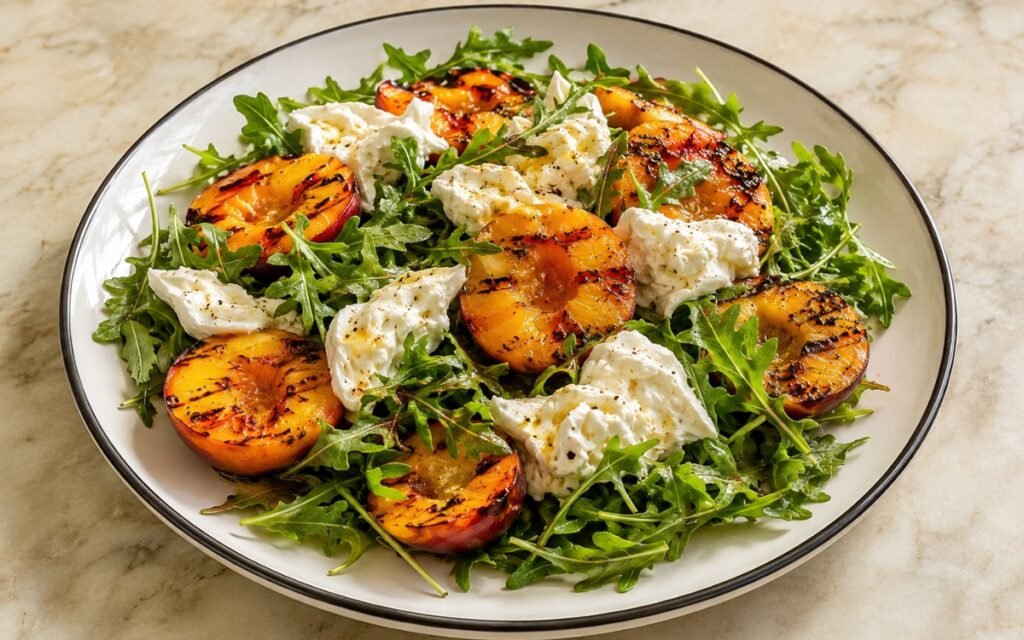
Grilled Peach and Burrata Salad
Caramelized grilled peaches with creamy burrata, arugula, and honey balsamic drizzle for summer.
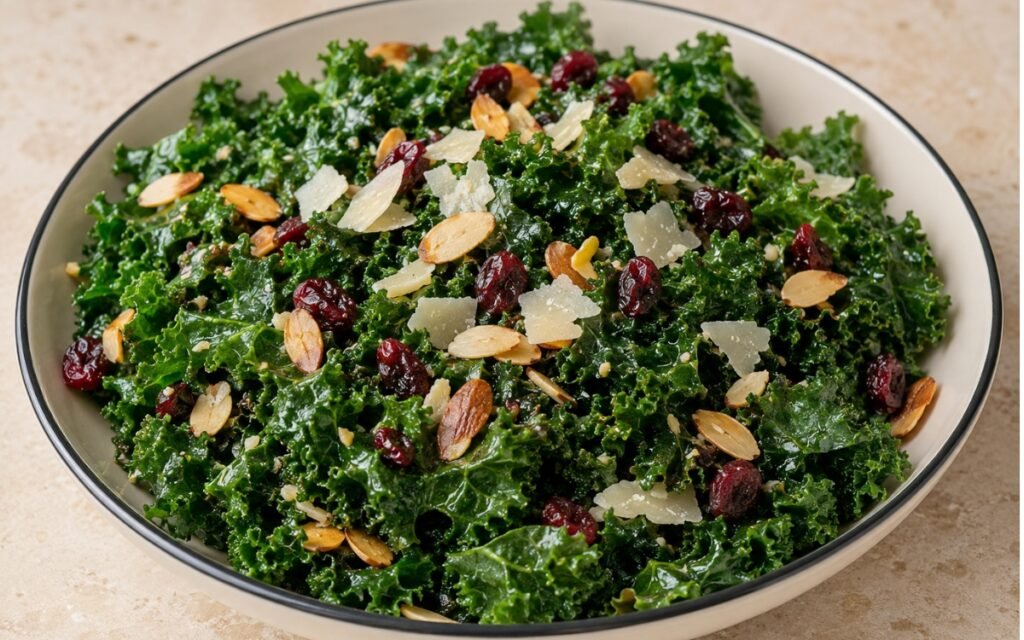
Lemon Parmesan Kale Salad
Massaged kale with bright lemon dressing, shaved Parmesan, toasted almonds, and cranberries.
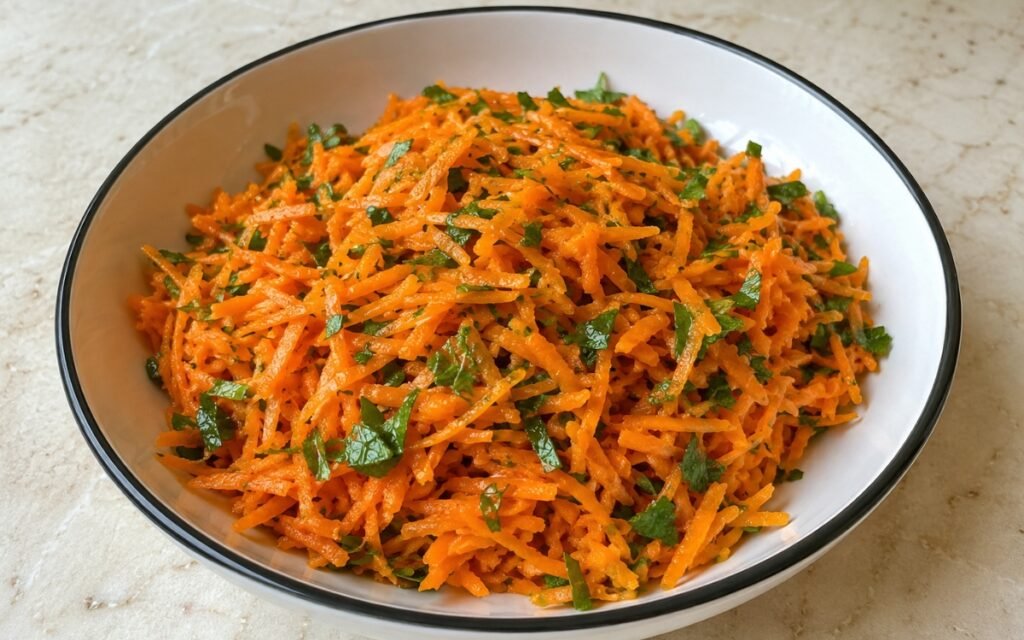
Light Carrot Lemon Salad
Crisp shredded carrots tossed with bright lemon juice, olive oil, and fresh herbs in ten minutes.
You might also like
You might also like
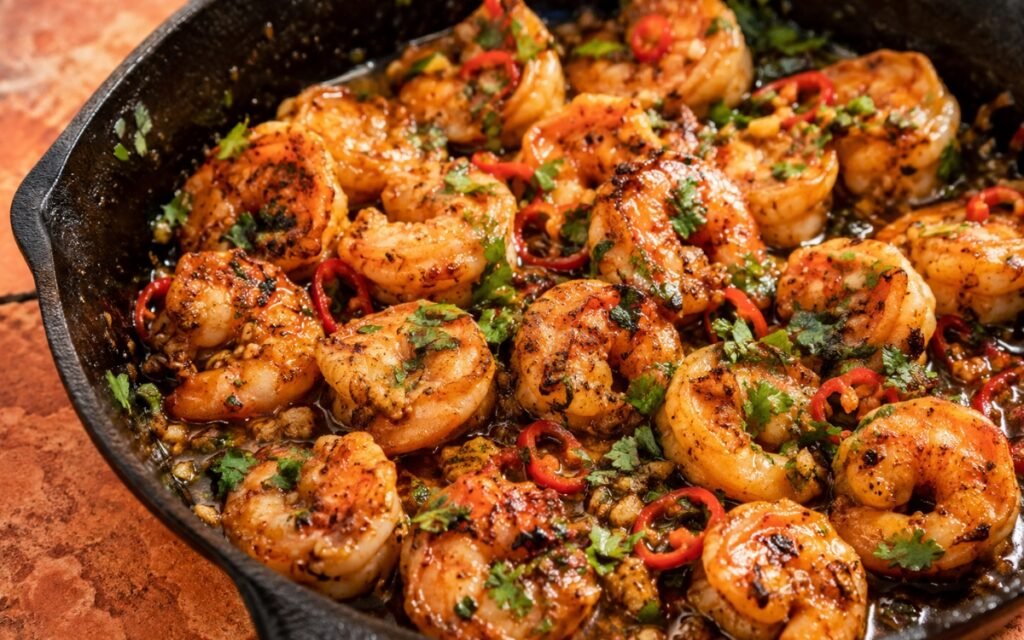
Chili Lime Shrimp
Shrimp dried and seared, garlic and chilies added after the flip, glazed in lime honey butter sauce built in the pan. Bright and spicy.
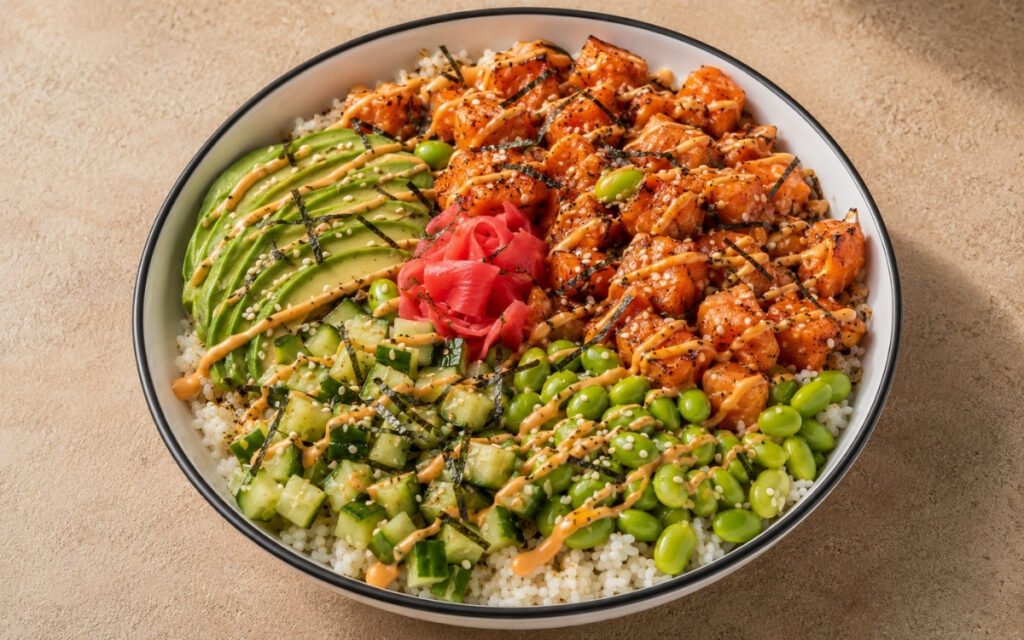
Spicy Salmon Sushi Bowl
Soy-honey marinated salmon seared 90 seconds for caramelised medium-rare — over seasoned sushi rice with spicy Kewpie mayo, avocado, edamame, nori, and pickled ginger. 45 minutes.
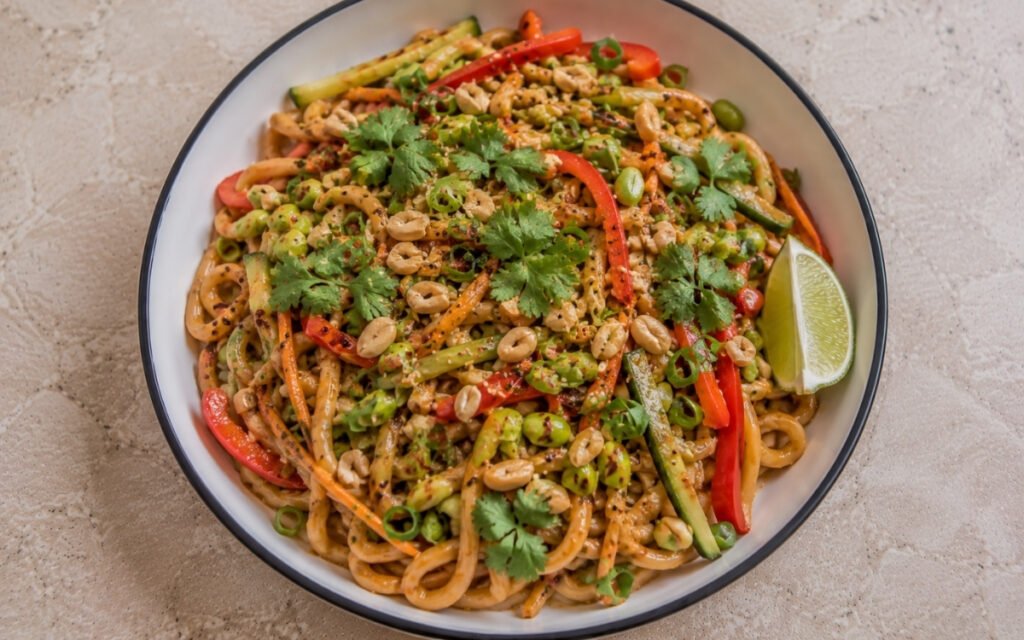
Spicy Peanut Butter Noodles
Udon in a peanut sauce spiked with bird’s eye chilies and Sichuan peppercorns — better the next day.
Japanese Cucumber Salad (Sunomono)
Ingredients
Method
- Slice the cucumbers very thinly into rounds, ideally with a mandoline. They should be almost translucent and slightly delicate-looking. Place in a bowl, sprinkle with 1 tsp salt, toss, and leave for 10 minutes. After 10 minutes, squeeze the cucumber gently but thoroughly by handfuls to remove excess water, then set aside. Do not skip salting and squeezing. It concentrates the cucumber flavor, keeps the salad crisp, and prevents the dressing from turning watery. That deliberate salting and squeezing draws real, considerable moisture out of the cucumber through osmosis, protecting the finished dressing from a real, specific dilution risk this genuinely thin, high-water-content vegetable would otherwise cause.
- Place the dried wakame in cold water for 5–8 minutes until expanded and tender. Drain well, squeeze out excess water, and cut into bite-size pieces if the fronds are long. Wakame expands a lot. Do not over-soak or it can become too soft and lose its pleasant texture. That genuinely brief soaking window is calibrated precisely to fully hydrate the wakame while protecting it from the mushy, over-softened texture a longer soak would produce.
- Bring a small pot of lightly salted water to a gentle simmer. Add the shrimp and poach for 1–2 minutes, just until pink, opaque, and curled. Drain immediately and cool under cold running water or transfer to ice water briefly. Drain very well. If the shrimp are large, cut them into bite-size pieces. If using very small salad shrimp, leave them whole. Do not boil aggressively or overcook. Shrimp for sunomono should stay tender and juicy, not firm and rubbery. That immediate cold-water shock, right after poaching, halts the shrimp’s own carryover cooking precisely at the point they’re just done, protecting them from the tougher, rubbery texture continued residual heat would otherwise cause.
- In a small bowl, whisk together the rice vinegar, sugar, ½ tsp salt, soy sauce if using, and sesame oil if using. Whisk until the sugar and salt dissolve completely. Taste: the dressing should be bright, lightly sweet, and clean, not harshly acidic. That thorough whisking, continued until both the sugar and salt have genuinely dissolved, is what produces a real, smooth dressing rather than one carrying undissolved grains that would sit unevenly once tossed through the salad.
- In a mixing bowl, combine the squeezed cucumber, wakame, cooked shrimp, and most of the pickled ginger. Pour over the dressing and toss gently until evenly coated. Let the salad sit for 10–15 minutes in the refrigerator before serving so the cucumber and wakame absorb the dressing. That brief, chilled resting period gives the dressing genuine time to actually soak into both the cucumber and wakame, rather than simply coating their surfaces without ever being absorbed.
- Transfer to a serving bowl and scatter over the white sesame seeds, black sesame seeds, and remaining pickled ginger. Serve chilled or cool. Reserving a final portion of pickled ginger specifically for this finishing stage, rather than folding it all in earlier, keeps that bright, sharp element genuinely visible and distinct right at the surface of the finished salad.