
Vietnamese Green Papaya Salad (Gỏi Đu Đủ)
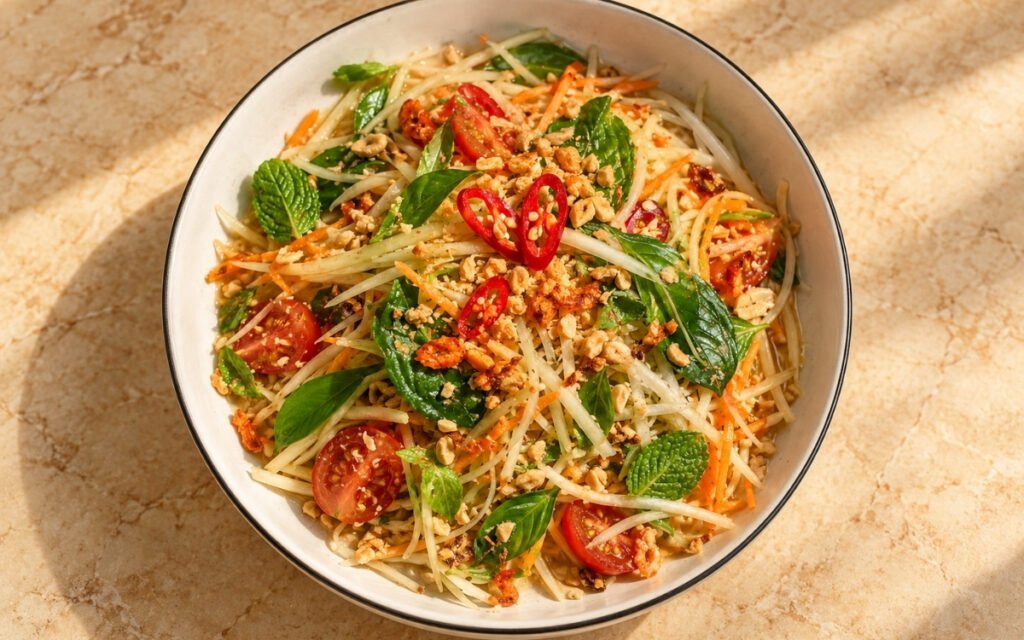
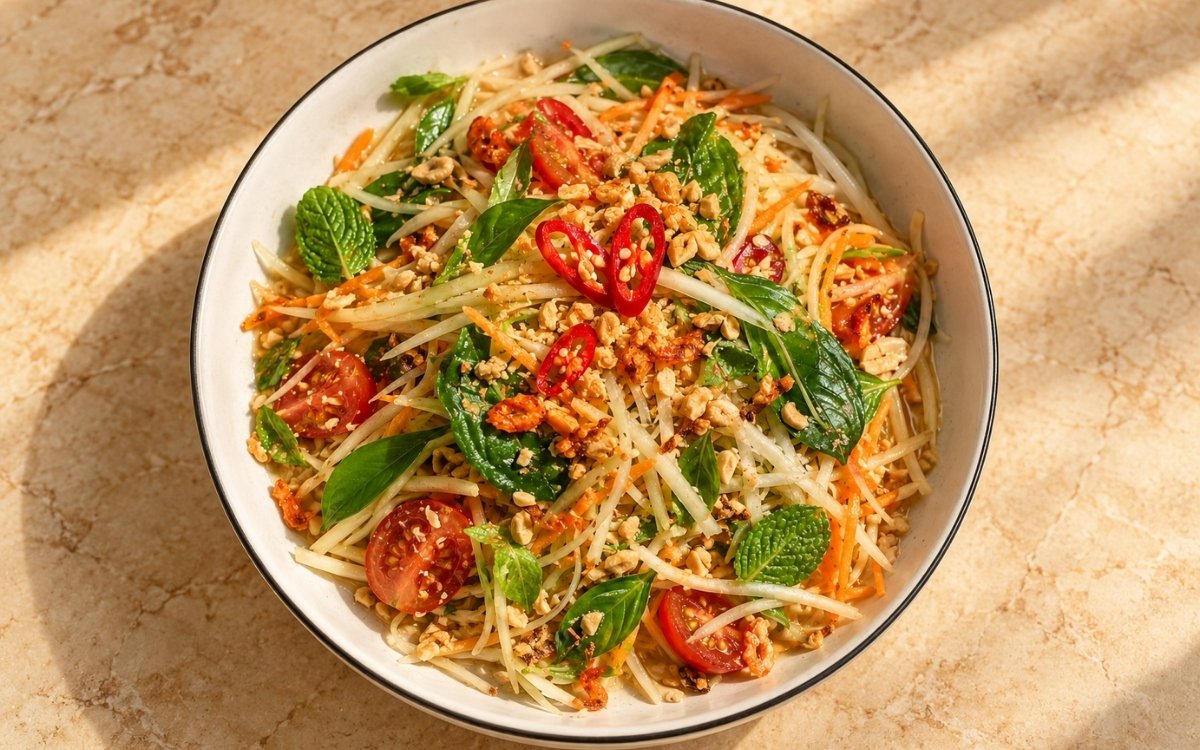
A bright, crunchy Vietnamese green papaya salad built around fine julienne of unripe papaya and carrot, dressed with a sharp fish sauce–lime dressing and finished with cherry tomatoes, roasted peanuts, herbs, dried shrimp, and red chili, the texture staying fresh and crisp with just enough dressing to lightly gloss everything rather than drown it. Salting the papaya briefly and squeezing it thoroughly before it ever meets the ice bath is the technique this whole salad depends on for real, lasting crunch — papaya left wet and waterlogged would dilute the dressing and pool at the bottom, the same salt-squeeze-then-chill principle used elsewhere in this collection whenever a watery raw vegetable’s own crisp texture depends on drawing out excess moisture before it ever meets the finished dressing. Building the dressing deliberately strong on its own is what lets it actually season the real volume of raw vegetables it’s tossed with. Adding fresh herbs only near the end is what keeps them vivid and aromatic rather than wilted and dull. The payoff is a salad with real, vivid Vietnamese character — crisp, glossy papaya and carrot against juicy tomato, crunchy peanuts, chewy dried shrimp, and fresh herbs, all brightened by a sharp, punchy dressing.
Prep Time : 30 min
Cook Time : 5 min
Servings : 4
30 min
5 min
4
Ingredients
For the Salad Base
• 700g green papaya, peeled, seeded if needed, finely julienned
• 120g carrot, peeled and finely julienned
• 180g cherry tomatoes, halved
• 40g roasted peanuts, roughly crushed
• 20–25g dried shrimp — this one on Amazon
• 2–3 tbsp fried shallots, optional but very useful
• 1–2 red chilies, thinly sliced into rings
• 20g Thai basil leaves
• 15g mint leaves
For the Dressing
• 60ml fish sauce — this one on Amazon
• 45ml fresh lime juice
• 25–30g sugar
• 2 garlic cloves, finely grated or pounded
• 1–2 red chilies, finely chopped
• 30–45ml warm water, as needed to balance
For Crisping / Seasoning the Papaya
• 1 tsp fine salt
• Cold water and ice, as needed
This post may contain affiliate links. As an Amazon Associate I earn from qualifying purchases, at no additional cost to you.
Directions
- Prep the Papaya and Carrot
Peel the green papaya. Split it and remove any seeds or soft center if present. Julienne it very finely into thin crisp strips. Julienne the carrot to a similar size. Toss the papaya with 1 tsp salt and let it sit for 10 minutes. This lightly seasons it and pulls out a little excess moisture. Rinse briefly, then squeeze gently but thoroughly. Transfer the papaya and carrot to a bowl of ice water for 5–10 minutes, then drain very well and pat dry. The papaya must stay crisp and light, not wet. If it goes into the salad waterlogged, the dressing will dilute and pool at the bottom. That deliberate salting and squeezing, followed by a genuine ice bath, is what draws out the papaya’s own real excess moisture while the cold temperature keeps it genuinely crisp before it ever meets the dressing. - Prepare the Dried Shrimp
Rinse the dried shrimp briefly. Soak in warm water for 10 minutes just to soften slightly, then drain well. If they are large, chop them roughly. If small, leave them whole. For better aroma, dry-toast them in a small pan over low heat for 1–2 minutes until fragrant. Do not leave the dried shrimp wet. They should be rehydrated just enough to be pleasantly chewy, not soggy. That brief, deliberate rehydration is calibrated precisely to soften the shrimp’s own texture without pushing them toward a genuinely wet, soggy result the salad’s overall crisp character doesn’t call for. - Make the Dressing
In a bowl, combine the fish sauce, lime juice, sugar, garlic, and chopped chili. Stir until the sugar dissolves. Add 30ml warm water first, then taste. The dressing should be salty, bright and sour, lightly sweet, and punchy from garlic and chili. Add a little more water only if it tastes too intense. The dressing should be strong on its own because it is seasoning a large volume of raw vegetables. If it tastes mild before mixing, it will taste flat after tossing. That deliberately intense early seasoning accounts for real, predictable dilution across this much raw papaya and carrot — a dressing that tastes perfectly balanced by itself would read as noticeably flat once actually tossed through the whole salad. - Prep the Remaining Elements
Halve the cherry tomatoes. Roughly crush the peanuts. Pick the basil and mint leaves. Slice the red chili into fine rings. If using fried shallots, have them ready for the final toss or garnish. Having every component fully prepped and staged before the actual tossing begins is what lets the salad be assembled quickly right before serving, protecting the papaya’s own crispness from any real delay. - Toss the Salad
In a large bowl, combine the drained papaya, carrot, tomatoes, dried shrimp, most of the peanuts, and most of the herbs. Pour over about two-thirds of the dressing first and toss well. Taste, then add more dressing as needed. Fold in the chili slices and fried shallots if using. Finish with the remaining peanuts and herbs on top. Dress the salad just enough to coat everything lightly. The salad should look glossy and lively, not wet and collapsed. The papaya must still hold its shape and crunch after tossing. Adding the dressing gradually, checking coverage as you go, protects against oversaturating vegetables that were specifically dried to actually hold a light, even coat rather than turning heavy and wet. - Final Balance
Taste and adjust right before serving: more lime if it needs brightness, more fish sauce if bland, a pinch more sugar if too sharp, more chili if you want more heat. Serve immediately or within 10–15 minutes for best texture. That genuinely narrow serving window reflects how quickly this salad’s own real crunch begins to change once dressed — the salt and acid in the dressing continue working on the vegetables the longer it sits.
*Notes :
- Salting and squeezing the papaya, followed by a genuine ice bath, deserves recognition as the technique most directly responsible for whether this salad achieves real, lasting crunch. The recipe’s own explicit warning that waterlogged papaya “will dilute and pool at the bottom” reflects a real, common failure point — that combination of drawing out moisture and then chilling is specifically what protects the finished dish’s whole texture.
- Building the dressing deliberately strong on its own deserves the same attention this technique receives throughout this collection’s other dressings meant to season a whole raw salad. The recipe’s own explicit framing — “if it tastes mild before mixing, it will taste flat after tossing” — reflects real understanding of how much dilution this large volume of papaya, carrot, and herbs actually causes.
- Adding the fresh herbs only near the end, rather than earlier in preparation, deserves genuine attention as a deliberate technique protecting their own real freshness. Basil and mint both lose real brightness and aroma the longer they sit exposed or mixed with acidic dressing, and holding them back until this later stage is what keeps them genuinely vivid right through to serving.
- The recipe’s own genuinely narrow serving window — immediately or within 10–15 minutes — deserves respect as a real, functional guideline rather than a loose suggestion. Salt and acid continue working on the papaya’s own cell structure the longer the dressed salad sits, and that narrow window is what protects the crisp, lively texture this dish depends on.
Why This Recipe Works
This recipe works because the papaya is salted, squeezed, and chilled thoroughly, protecting its own real crunch before it ever meets the dressing. The dressing itself is built deliberately strong, accounting for the real dilution it undergoes once tossed with such a large volume of raw vegetables.
The dried shrimp is rehydrated only briefly, staying pleasantly chewy rather than soggy. Herbs are added only near the end, staying genuinely fresh and vivid, and the whole salad is dressed and served within a narrow window that protects its intended crisp, glossy texture right through to the table.
Ingredient Breakdown
Salted, Squeezed, Ice-Bathed Papaya
The critical technique — draws out real excess moisture while chilling keeps the julienned strips genuinely crisp.
Briefly Rehydrated Dried Shrimp
The critical technique — softened just enough to stay pleasantly chewy rather than turning soggy.
Deliberately Strong Dressing
The critical technique — intentional over-intensity accounts for real dilution across a large volume of raw vegetables.
Last-Minute Fresh Herbs
The critical technique — added only near the end to protect their own real brightness and aroma.
Roughly Crushed Peanuts
The finishing technique — kept coarse, with visible pieces, for real textural contrast throughout the salad.
Narrow Serving Window (10–15 Minutes)
The critical technique — protects the salad’s crisp, glossy texture from the dressing’s own ongoing effect on the vegetables.
Flavor Structure Explained
This Vietnamese green papaya salad follows a layered balance model:
- Crisp, cold foundation (salted, ice-bathed papaya and carrot)
- Bright, juicy contrast (cherry tomatoes)
- Sharp, punchy dressing (fish sauce, lime, garlic, chili)
- Chewy, savoury depth (dried shrimp)
- Fresh herbal lift (Thai basil, mint)
- Crunchy, nutty finish (roasted peanuts, fried shallots)
Salted, ice-bathed papaya and carrot provide this salad’s crisp, genuinely cold foundation, their texture protected through careful moisture control. Cherry tomatoes add bright, juicy contrast throughout. A sharp, punchy fish sauce, lime, garlic, and chili dressing ties the whole salad together with real, classic Vietnamese acidity. Dried shrimp contributes chewy, savoury depth distinct from the fresh vegetables. Thai basil and mint finish the salad with fresh, vivid herbal lift, and roasted peanuts alongside fried shallots add a final, crunchy, nutty note that ties every component of this bright dish together.
Common Mistakes to Avoid
- Skipping the Papaya’s Salting and Ice Bath – This leaves it wet, diluting the dressing and pooling at the bottom of the bowl. Always salt, squeeze, and chill it thoroughly first.
- Overhydrating the Dried Shrimp – This makes them soggy rather than pleasantly chewy. Always keep the soaking time brief.
- Underseasoning the Dressing – This produces a flat-tasting salad once diluted by the raw vegetables. Always build it deliberately strong.
- Adding the Herbs Too Early – This lets them wilt and dull before serving. Always fold them in only near the end.
- Letting the Dressed Salad Sit Too Long Before Serving – This softens the papaya’s own real crunch. Always serve within 10 to 15 minutes of tossing.
Variations
Protein-Added Version
Add a small amount of shredded cooked pork or poached shrimp, per the recipe’s own optional note, for a heartier version that still stays closer to the lighter, herb-and-dried-shrimp style at its core.
Extra-Spicy Version
Increase the chili both in the dressing and scattered through the salad, per the recipe’s own guidance on starting moderate and adjusting to taste, for a sharper, more assertive heat.
Fried Shallot-Forward Version
Use a generous amount of fried shallots, per the recipe’s own note on them being “very useful,” for extra aromatic crunch throughout the finished salad.
Extra-Herbal Version
Increase both the Thai basil and mint for a more pronounced, herb-forward character running through every bite.
Storage & Make-Ahead
Use truly green, firm, unripe papaya specifically for this recipe, since it should be pale green to white inside, genuinely crisp, and not sweet, unlike a riper papaya that would work against this salad’s whole intended texture.
Cut the papaya into thin julienne rather than thicker strips, since thin strips absorb the dressing properly while thicker ones feel heavy and don’t take on that same light, even coating.
Cherry tomatoes work especially well here because they stay neat and juicy without flooding the rest of the salad, and Thai basil and mint remain the key visual and flavor accents, so add them near the end so they stay genuinely fresh.
Crush the peanuts only roughly, not too finely, since visible pieces are what give the salad real textural interest, and classical versions of this dish can be quite punchy with heat, so start moderate and increase chili to taste.
For the best results, prep the papaya, carrot, herbs, peanuts, and dressing separately well in advance, but toss everything together only right before serving, since this salad genuinely does not hold its intended texture once fully dressed.
Frequently Asked Questions
Why does the papaya need to be salted and ice-bathed before it’s used in the salad?
That combination draws out real excess moisture through salting while the ice bath keeps the julienned strips genuinely crisp. Papaya left wet and waterlogged would dilute the dressing and pool at the bottom of the finished salad.
Why does the dressing need to taste so strong on its own before it’s tossed with the salad?
This dressing has to season a genuinely large volume of raw papaya, carrot, and herbs all at once. A dressing that tastes perfectly balanced by itself would read as noticeably flat once actually mixed through the whole salad.
Why can’t the dried shrimp be soaked for longer than the recommended 10 minutes?
A longer soak would leave the shrimp genuinely soggy rather than pleasantly chewy. That brief rehydration window is calibrated specifically to soften them just enough without compromising their own distinct texture.
Why do the fresh herbs go in only near the end of assembly?
Basil and mint both lose real brightness and aroma the longer they sit, particularly once exposed to the dressing’s own acidity. Adding them last is what keeps them genuinely fresh and vivid right through to serving.
Are there other classic Thai, Vietnamese, or bright fresh salad dishes worth trying?
Thai Green Mango Salad offers another classic bright, herb-forward salad direction worth exploring. Larb Gai and Bún Chả Vietnamese Grilled Pork Noodle Bowls are also worth trying for other classic Vietnamese and Thai dishes, and Vietnamese Rare Beef Salad (Bò Tái Chanh) and Spicy Asian Cucumber Salad offer other fresh, vibrant salad directions worth exploring.
Nutrition Facts
( per serving )
Calories
~220 kcal
Protein
10 g
Fat
8 g
Carbs
28 g
Calories
~220 kcal
Protein
10 g
Fat
8 g
Carbs
28 g
Related Recipes
Related Recipes

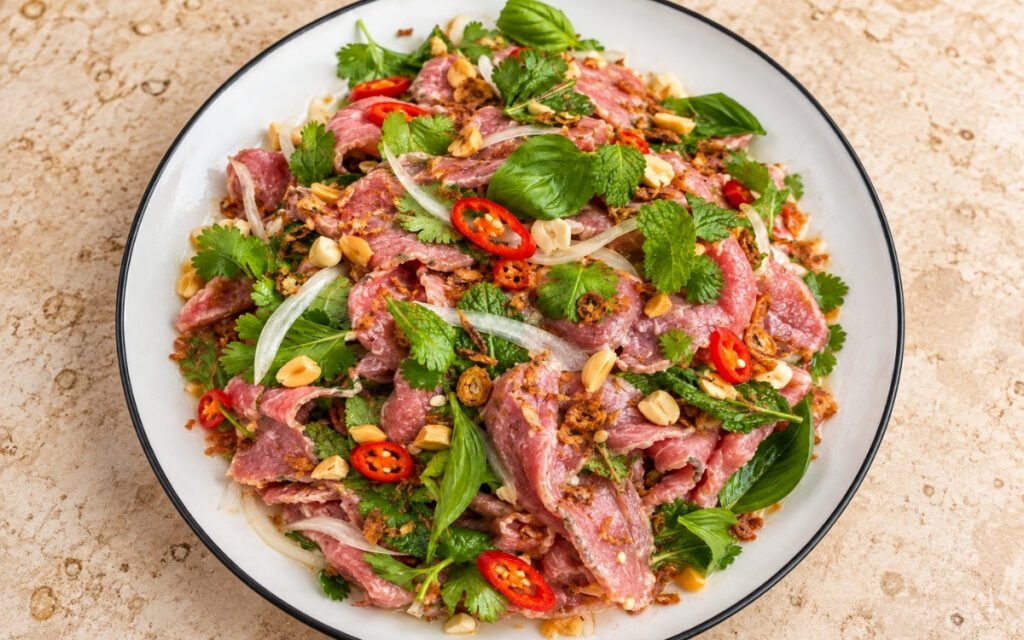
Vietnamese Rare Beef Salad — Bò Tái Chanh
Very thinly sliced tender beef briefly cured in lime juice, tossed with fish sauce dressing, fresh herbs, roasted peanuts and crispy fried shallots.
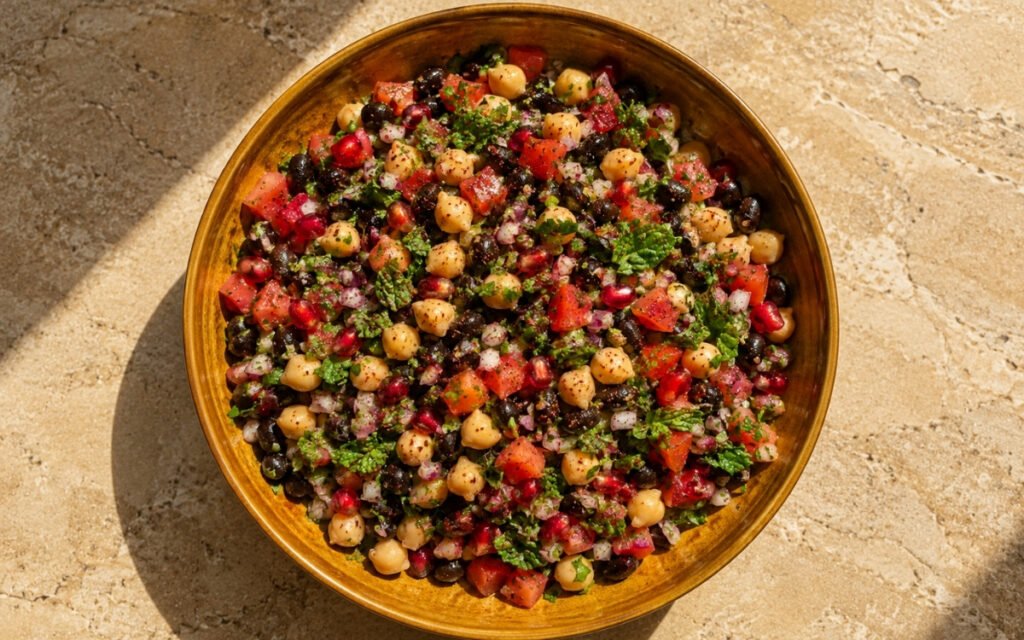
Egyptian Balela Salad
Chickpeas and black beans tossed with tomato, red onion, parsley, mint, lemon, olive oil, cumin, and sumac, finished with pomegranate seeds.
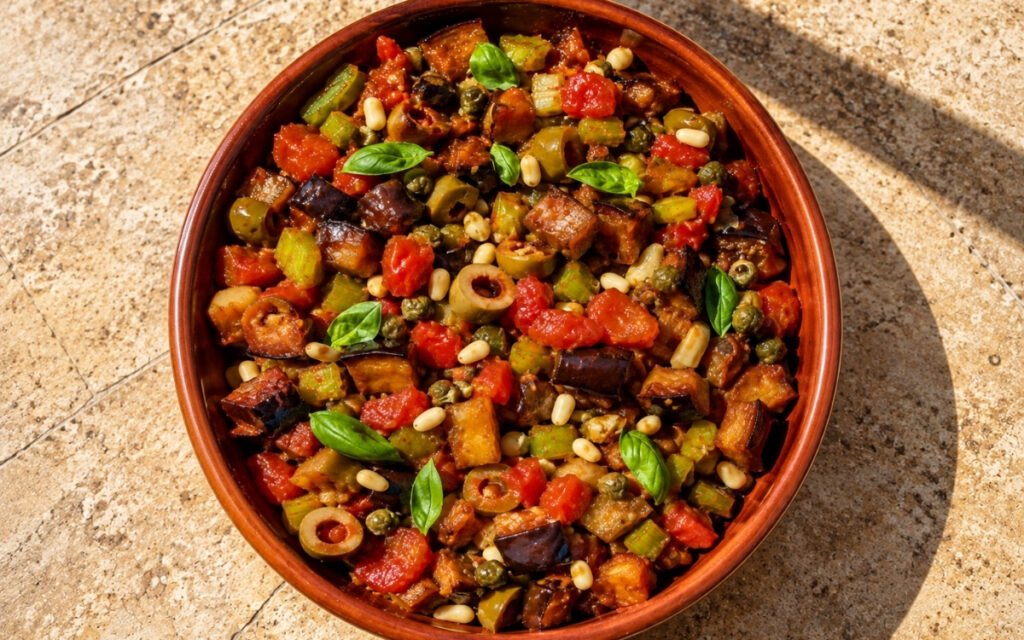
Sicilian Caponata Salad
Soft golden eggplant, slightly firm celery, onion, tomatoes, green olives, capers, pine nuts, and basil in a glossy agrodolce dressing.
You might also like
You might also like
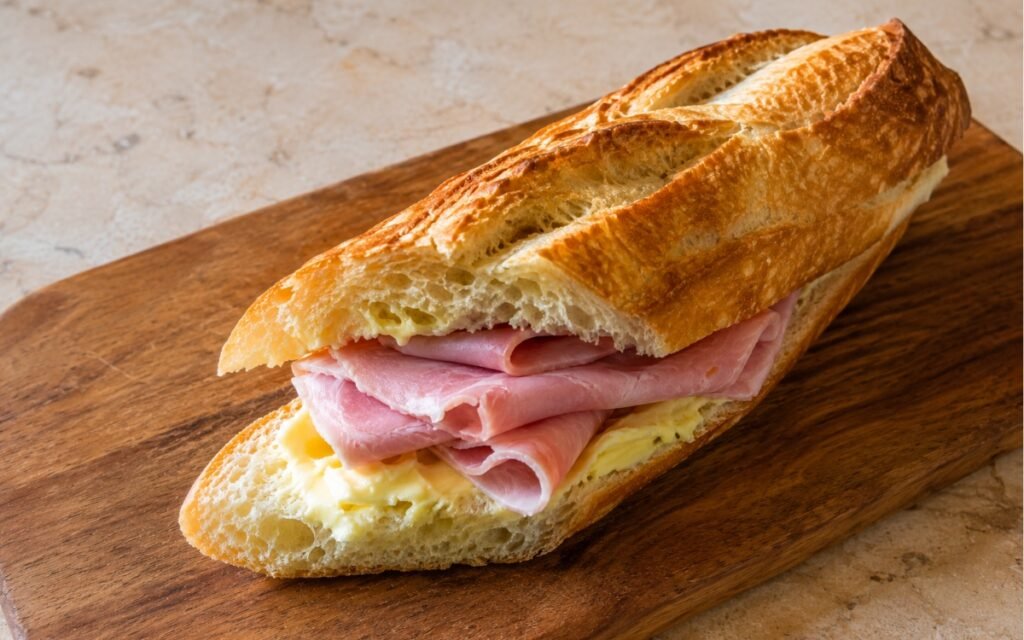
Jambon-Beurre
Fresh crusty baguette, a generous layer of softened butter, and thinly folded slices of pale pink French ham.
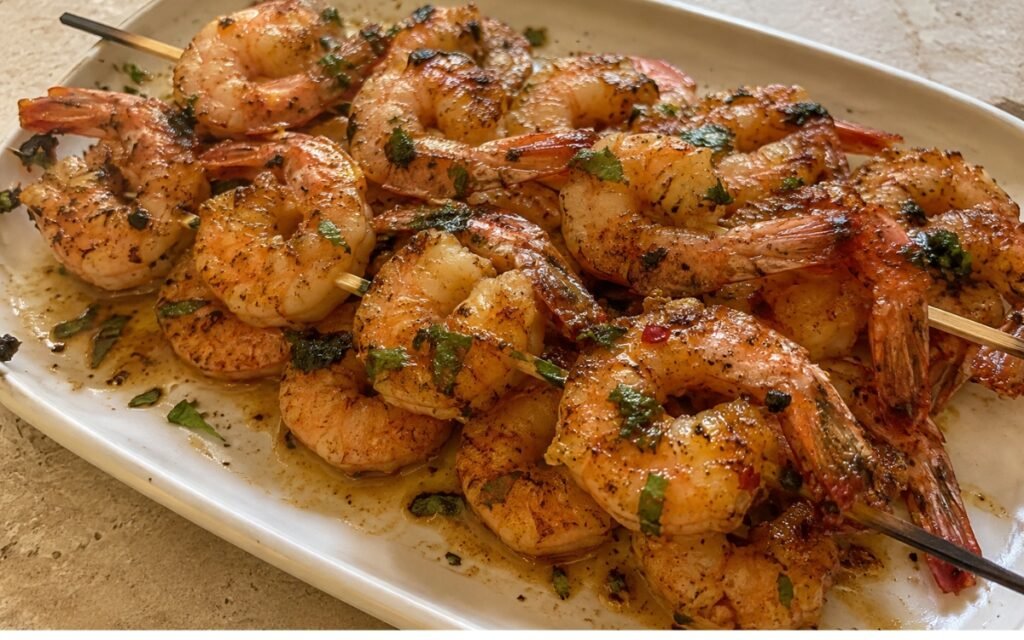
Garlic Shrimp Skewers
Shrimp marinated 30 minutes in garlic herb butter, threaded on double skewers, grilled fast with fresh butter basting until charred. Juicy and garlicky.
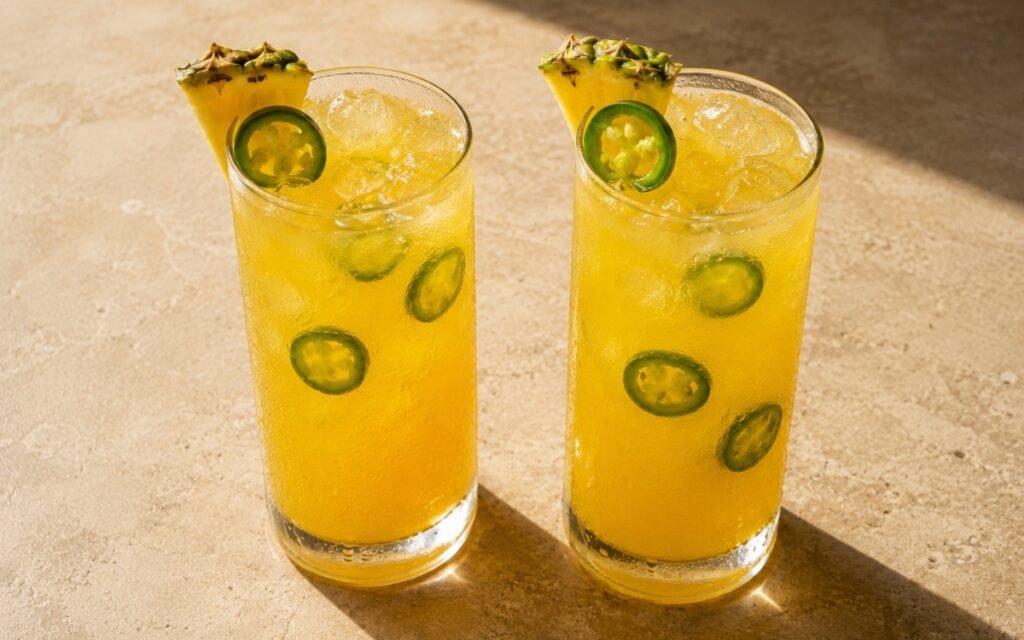
Pineapple Jalapeño Lemonade
Cold-extracted lemon zest and juice combined with fresh pineapple and a controlled cold jalapeño infusion for a bright, gently spicy lemonade.
Vietnamese Green Papaya Salad (Gỏi Đu Đủ)
Ingredients
Method
- Peel the green papaya. Split it and remove any seeds or soft center if present. Julienne it very finely into thin crisp strips. Julienne the carrot to a similar size. Toss the papaya with 1 tsp salt and let it sit for 10 minutes. This lightly seasons it and pulls out a little excess moisture. Rinse briefly, then squeeze gently but thoroughly. Transfer the papaya and carrot to a bowl of ice water for 5–10 minutes, then drain very well and pat dry. The papaya must stay crisp and light, not wet. If it goes into the salad waterlogged, the dressing will dilute and pool at the bottom. That deliberate salting and squeezing, followed by a genuine ice bath, is what draws out the papaya’s own real excess moisture while the cold temperature keeps it genuinely crisp before it ever meets the dressing.
- Rinse the dried shrimp briefly. Soak in warm water for 10 minutes just to soften slightly, then drain well. If they are large, chop them roughly. If small, leave them whole. For better aroma, dry-toast them in a small pan over low heat for 1–2 minutes until fragrant. Do not leave the dried shrimp wet. They should be rehydrated just enough to be pleasantly chewy, not soggy. That brief, deliberate rehydration is calibrated precisely to soften the shrimp’s own texture without pushing them toward a genuinely wet, soggy result the salad’s overall crisp character doesn’t call for.
- In a bowl, combine the fish sauce, lime juice, sugar, garlic, and chopped chili. Stir until the sugar dissolves. Add 30ml warm water first, then taste. The dressing should be salty, bright and sour, lightly sweet, and punchy from garlic and chili. Add a little more water only if it tastes too intense. The dressing should be strong on its own because it is seasoning a large volume of raw vegetables. If it tastes mild before mixing, it will taste flat after tossing. That deliberately intense early seasoning accounts for real, predictable dilution across this much raw papaya and carrot — a dressing that tastes perfectly balanced by itself would read as noticeably flat once actually tossed through the whole salad.
- Halve the cherry tomatoes. Roughly crush the peanuts. Pick the basil and mint leaves. Slice the red chili into fine rings. If using fried shallots, have them ready for the final toss or garnish. Having every component fully prepped and staged before the actual tossing begins is what lets the salad be assembled quickly right before serving, protecting the papaya’s own crispness from any real delay.
- In a large bowl, combine the drained papaya, carrot, tomatoes, dried shrimp, most of the peanuts, and most of the herbs. Pour over about two-thirds of the dressing first and toss well. Taste, then add more dressing as needed. Fold in the chili slices and fried shallots if using. Finish with the remaining peanuts and herbs on top. Dress the salad just enough to coat everything lightly. The salad should look glossy and lively, not wet and collapsed. The papaya must still hold its shape and crunch after tossing. Adding the dressing gradually, checking coverage as you go, protects against oversaturating vegetables that were specifically dried to actually hold a light, even coat rather than turning heavy and wet.
- Taste and adjust right before serving: more lime if it needs brightness, more fish sauce if bland, a pinch more sugar if too sharp, more chili if you want more heat. Serve immediately or within 10–15 minutes for best texture. That genuinely narrow serving window reflects how quickly this salad’s own real crunch begins to change once dressed — the salt and acid in the dressing continue working on the vegetables the longer it sits.