
Vietnamese Rare Beef Salad — Bò Tái Chanh
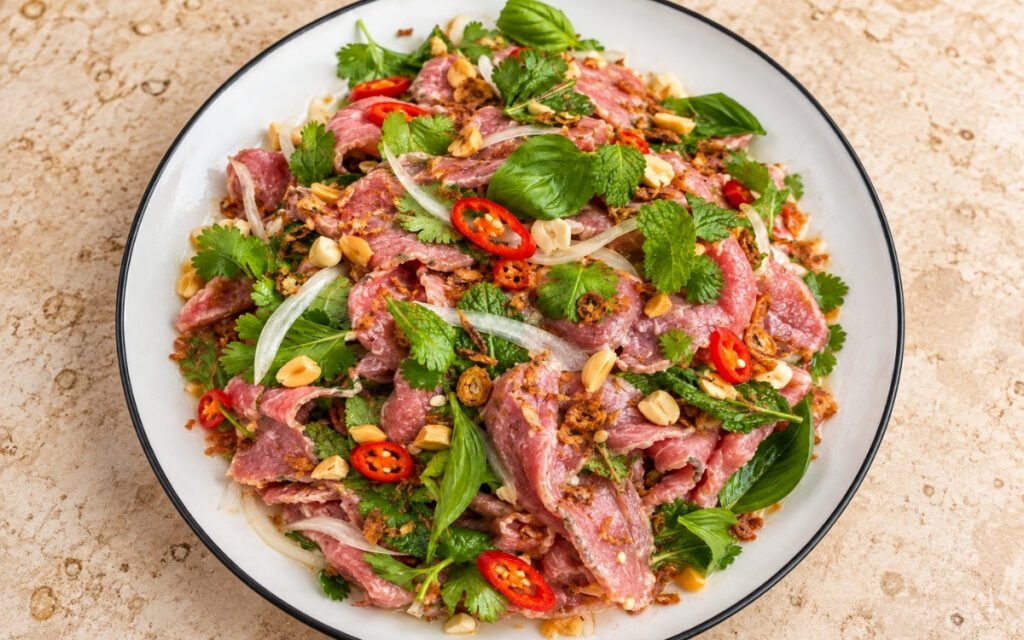
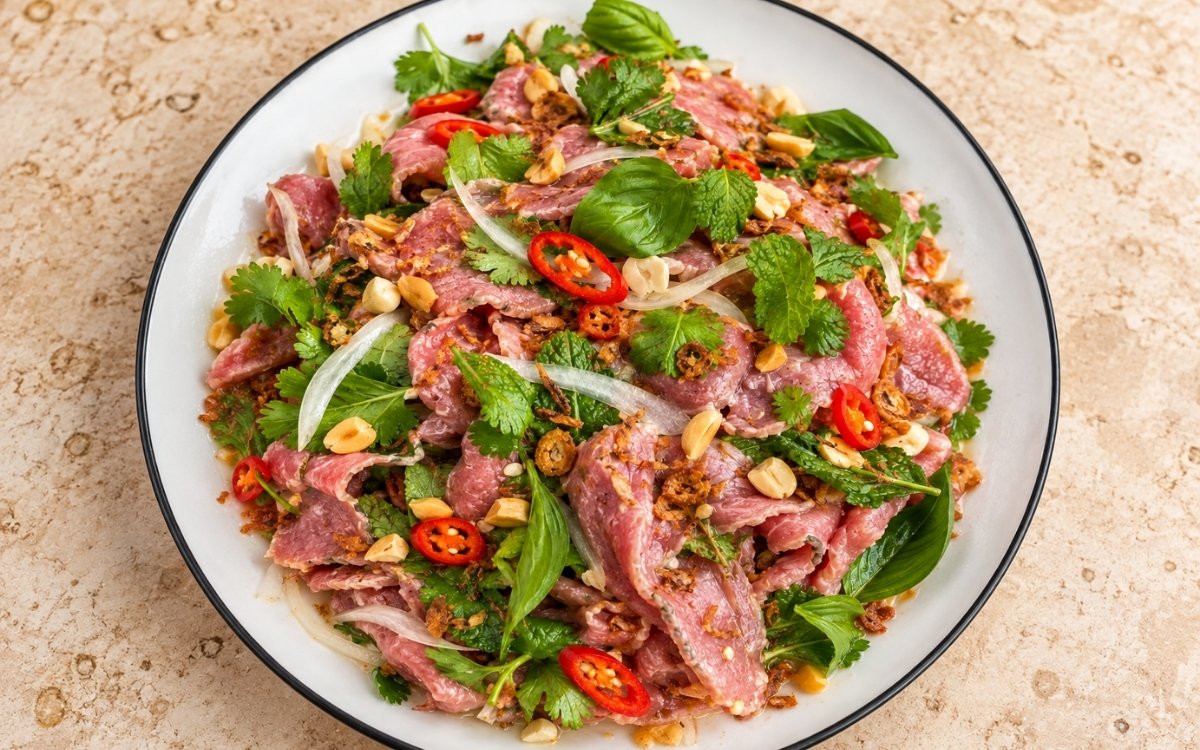
A Vietnamese rare beef salad made with very thinly sliced tender beef briefly cured in lime juice, then tossed with fish sauce dressing, thin onion, fresh herbs, red chili, roasted peanuts and crispy fried shallots, the beef staying vivid pink, glossy and tender, not grey or over-cured. Slicing the beef genuinely thin, about 1–2mm, is the technique this whole dish depends on for even lime curing — thick slices won’t cure evenly and will chew tough, the same slice-thin-for-even-cure principle used elsewhere in this collection whenever a citrus-cured protein’s own texture depends on real, consistent thinness rather than a rough approximation. Keeping the lime curing time deliberately brief, only 5 to 8 minutes, is what protects the beef from turning grey, firm, and less luxurious the way an extended soak would. Soaking the sliced onion in ice water before it ever joins the salad is what softens its harsh raw bite while keeping it genuinely crisp. The payoff is a salad with real, vivid Vietnamese contrast — tender, glossy pink beef against crisp onion, fragrant herbs, crunchy peanuts and shallots, all brightened by a sharp fish sauce dressing.
Prep Time : 35 min
Curing Time: 5–8 min
Servings : 4
35 min
5–8 min
4
Ingredients
For the Beef
• 600g tender beef, 150g per serving — beef tenderloin, sirloin, eye of round, or very lean rump works well
• 80ml fresh lime juice
• ½ tsp fine salt
• ½ tsp sugar
• ¼ tsp black pepper
For the Onion
• 160g white onion, very thinly sliced
• 500ml ice water
• 1 tbsp rice vinegar or lime juice — this one on Amazon
• Pinch of salt
For the Dressing
• 45ml fish sauce — this one on Amazon
• 45ml fresh lime juice
• 25g sugar
• 20ml warm water
• 10g garlic, finely minced
• 1–2 red Thai chilies, thinly sliced or minced
• 10ml neutral oil or shallot oil, optional
For the Herbs and Salad
• 25g fresh mint leaves
• 25g Thai basil leaves
• 20g cilantro leaves and tender stems
• 10g Vietnamese coriander / rau răm, optional but very good
• 2–3 red chilies, thinly sliced
• 50g roasted peanuts, roughly crushed
• 25–30g crispy fried shallots
Optional Serving
• Lime wedges
• Lettuce leaves or prawn crackers, optional
This post may contain affiliate links. As an Amazon Associate I earn from qualifying purchases, at no additional cost to you.
Directions
- Chill and Slice the Beef
Place the beef in the freezer for 25–35 minutes, just until firm but not frozen solid. Slice across the grain as thinly as possible. Aim for wide, delicate slices about 1–2mm thick. The beef must be sliced thinly. Thick slices will not cure evenly and will chew tough. Food safety note: lime juice changes the color and texture of beef, but it does not sterilize it like cooking. Use very fresh beef from a reliable source and serve the salad immediately. That brief freeze firms the beef just enough to make genuinely thin, even slicing considerably easier to achieve by hand — fully soft, room-temperature meat would be far harder to cut this precisely. - Soak the Onion
Place the thinly sliced onion in ice water with rice vinegar or lime juice and a pinch of salt. Soak for 10–15 minutes, then drain very well. The onion should stay crisp but lose its harsh raw bite. Wet onion will dilute the dressing, so drain it properly. That ice water soak draws out some of the onion’s own sharp, sulfurous compounds while the cold temperature helps it stay genuinely crisp, and the thorough draining that follows protects the finished dressing from being watered down. - Make the Dressing
In a bowl, mix fish sauce, lime juice, sugar, warm water, garlic and chili until the sugar dissolves. Taste and adjust. It should be salty, sour, lightly sweet and sharp. The dressing should taste slightly stronger than you want the final salad to taste. The beef, onion and herbs will soften it. That deliberately intense early seasoning accounts for real, predictable dilution once the dressing meets the beef, onion, and herbs — a dressing that tastes perfectly balanced on its own would read as flat once tossed through the whole salad. - Cure the Beef
Place the sliced beef in a shallow bowl. Add the lime juice, salt, sugar and black pepper. Toss gently and let stand for 5–8 minutes, just until the outside of the beef turns slightly lighter but the center stays pink. Drain off excess lime liquid. Do not leave the beef sitting in lime juice too long. After about 10–15 minutes it becomes grey, firm and less luxurious. That genuinely brief curing window is calibrated precisely to lightly change the beef’s own surface texture and colour while protecting its center from the same acid-driven toughening a longer soak would cause throughout. - Toss the Salad
Add the drained onion, mint, Thai basil, cilantro, optional rau răm and sliced chili to the beef. Pour over enough dressing to gloss everything without drowning it. Toss gently with your hands or tongs. Add half of the peanuts and half of the crispy shallots and toss once more. Add peanuts and fried shallots near the end so they keep texture. If mixed too early, they soften. That deliberate timing — peanuts and shallots added only in this final stage — protects their own real crunch from the salad’s own moisture, which would otherwise soften them considerably if given more contact time. - Plate
Pile the salad onto a shallow plate. Finish with the remaining crushed peanuts, crispy fried shallots, extra herb leaves and a few chili slices. Serve immediately with lime wedges. Reserving a final portion of peanuts, shallots, and herbs specifically for this plating stage keeps those elements genuinely crisp and visible right at the surface, rather than buried and softened throughout the tossed salad beneath.
*Notes :
- Slicing the beef genuinely thin, about 1–2mm, deserves real recognition as the technique most directly responsible for whether this salad’s beef cures evenly and stays tender. The recipe’s own explicit warning that thick slices “will not cure evenly and will chew tough” reflects a real, common failure — that consistent thinness is what lets the lime juice actually reach and lightly affect the meat evenly throughout each slice within the recipe’s own brief curing window.
- Keeping the lime curing time deliberately short deserves the same attention this technique receives throughout this collection’s other citrus-cured raw or rare proteins. The recipe’s own specific description of what happens past 10–15 minutes — grey, firm, less luxurious — reflects real, ongoing chemical change; the beef’s own protein structure continues denaturing the longer it sits in acid, and this recipe’s brief window is calibrated to stop well short of that fully “cooked” appearance and texture.
- Soaking the sliced onion in ice water before it joins the salad deserves genuine attention as a real, deliberate technique rather than a simple rinse. That cold soak softens the onion’s own harshest raw bite while the cold temperature itself helps preserve real crispness, giving the finished salad a milder, more pleasant onion component than raw, unsoaked slices would provide.
- Adding the peanuts and fried shallots only at the very end, right before or during plating, deserves genuine respect as the detail responsible for this salad’s whole textural contrast. Both ingredients soften considerably with any real contact time against the dressing’s moisture, and holding them back until the final stage is specifically what protects their own crunch through to serving.
Why This Recipe Works
This recipe works because the beef is briefly firmed in the freezer, making genuinely thin, even slicing achievable, and sliced across the grain to keep every piece tender. The lime curing time is kept deliberately brief, protecting the beef’s own vivid pink centre from turning grey and tough.
The onion is soaked in ice water to soften its harsh bite while staying crisp, and the dressing is built deliberately bold to survive real dilution once tossed with everything else.
Peanuts and fried shallots are added only at the final stage, protecting their own crunch, and serving immediately delivers the whole salad at its freshest, most vivid best.
Ingredient Breakdown
Frozen-Firmed, Thinly Sliced Beef
The critical technique — genuine thinness lets the lime juice cure evenly within the recipe’s brief window.
Deliberately Brief Lime Cure (5–8 Minutes)
The critical technique — protects the beef’s vivid pink centre from turning grey and tough.
Ice-Water-Soaked Onion
The critical technique — softens harsh raw bite while preserving real crispness through the cold soak.
Deliberately Bold Dressing
The critical technique — intentional over-seasoning accounts for real dilution once tossed with the whole salad.
Last-Added Peanuts and Fried Shallots
The critical technique — protects their own crunch, which would soften considerably with earlier contact time.
Cross-Grain Beef Slicing
The finishing technique — keeps every slice genuinely tender to bite through.
Flavor Structure Explained
This Vietnamese rare beef salad follows a layered balance model:
- Tender, vivid centrepiece (thinly sliced, briefly lime-cured beef)
- Crisp, mellowed vegetable body (ice-water-soaked onion)
- Fresh herbal dominance (mint, Thai basil, cilantro, rau răm)
- Sharp, punchy dressing (fish sauce, lime, garlic, chili)
- Crunchy, aromatic finish (roasted peanuts, crispy fried shallots)
Thinly sliced, briefly lime-cured beef serves as this salad’s tender, genuinely vivid centrepiece, its colour and texture protected through careful, deliberate timing. Ice-water-soaked onion contributes a crisp, mellowed vegetable body throughout. A generous quantity of fresh mint, Thai basil, cilantro, and optional rau răm dominates the salad with real, classic Vietnamese herbal character. A sharp fish sauce, lime, garlic, and chili dressing ties everything together with punchy, balanced acidity. Roasted peanuts and crispy fried shallots finish the dish with crunchy, aromatic contrast that ties every component together.
Common Mistakes to Avoid
- Slicing the Beef Too Thick – This prevents even curing and leaves the meat tough to chew. Always aim for genuinely thin, 1–2mm slices.
- Leaving the Beef in Lime Juice Too Long – This turns it grey, firm, and less luxurious. Always keep the cure to just 5 to 8 minutes.
- Skipping the Onion’s Ice Water Soak – This leaves it with a harsh, overpowering raw bite. Always soak and drain it thoroughly first.
- Adding Peanuts and Shallots Too Early – This softens their real crunch before the salad is even served. Always toss them in only near the very end.
- Letting the Salad Sit Before Serving – This dish does not hold well once dressed. Always serve it immediately after tossing.
Variations
Seared Version
Quickly sear the outside of the whole beef piece before chilling and slicing thinly, per the recipe’s own safer alternative suggestion, keeping the rare look while reducing real surface risk.
Extra-Herbal Version
Include the optional rau răm, per the recipe’s own note on it adding a more distinctly Vietnamese profile, alongside the core mint, basil, and cilantro.
Sirloin Version
Use sirloin instead of tenderloin, per the recipe’s own note on it giving more assertive beef flavour, accepting a slightly firmer texture than tenderloin would provide.
Extra-Spicy Version
Increase the sliced red chilies both in the dressing and scattered through the salad for a sharper, more assertive heat throughout.
Storage & Make-Ahead
Tenderloin gives the softest overall texture for this salad, while sirloin gives more pronounced beef flavour, and either way, avoid fatty or sinewy cuts, since neither suits this dish’s specific style of preparation.
Slicing the beef across the grain is genuinely what keeps it tender once cured, so take real care with your knife technique here, since cutting with the grain instead would leave even thin slices noticeably chewier.
Keep the curing time genuinely short rather than extended, since the salad should look pink and fresh throughout, not fully grey the way a longer soak in lime juice would eventually produce.
Use fried shallots generously, since they add real sweetness, crunch, and aroma to the finished dish, and crush the peanuts only roughly rather than into a fine powder, since you want visible, distinct pieces throughout.
This dish genuinely does not hold well once assembled, so dress and serve it immediately, and if food safety is a concern, consider the recipe’s own suggested safer option of quickly searing the beef’s exterior before chilling and slicing it thin.
Frequently Asked Questions
Why does the beef need to be sliced so genuinely thin?
Thick slices won’t cure evenly in the brief window this recipe uses, and they’ll chew noticeably tougher. Genuine thinness is what lets the lime juice reach and lightly affect the meat consistently throughout each slice.
Why can’t the beef sit in the lime juice for longer than the recommended 5 to 8 minutes?
Past that window, roughly 10 to 15 minutes, the beef’s own texture and colour change considerably, turning grey, firm, and noticeably less luxurious than the vivid pink result this dish is built around.
Why does the onion need to soak in ice water before it’s added to the salad?
That cold soak softens the onion’s own harshest raw bite while the cold temperature helps it stay genuinely crisp, producing a milder, more pleasant component than raw, unsoaked onion would provide.
Why are the peanuts and fried shallots added only at the very end?
Both ingredients soften considerably with real contact time against the dressing’s own moisture. Holding them back until the final tossing or plating stage is specifically what protects their crunch through to serving.
Are there other classic Vietnamese, Thai, or fresh salad dishes worth trying?
Spicy Thai Beef Salad (Yam Neua) offers another classic beef salad direction worth exploring. Vietnamese Green Papaya Salad and Bún Chả Vietnamese Grilled Pork Noodle Bowls are also worth trying for other classic Vietnamese dishes, and Thai Green Mango Salad and Cucumber Radish Salad offer other fresh, bright salad directions worth exploring.
Nutrition Facts
( per serving )
Calories
~380 kcal
Protein
32 g
Fat
18 g
Carbs
22 g
Calories
~380 kcal
Protein
32 g
Fat
18 g
Carbs
22 g
Related Recipes
Related Recipes

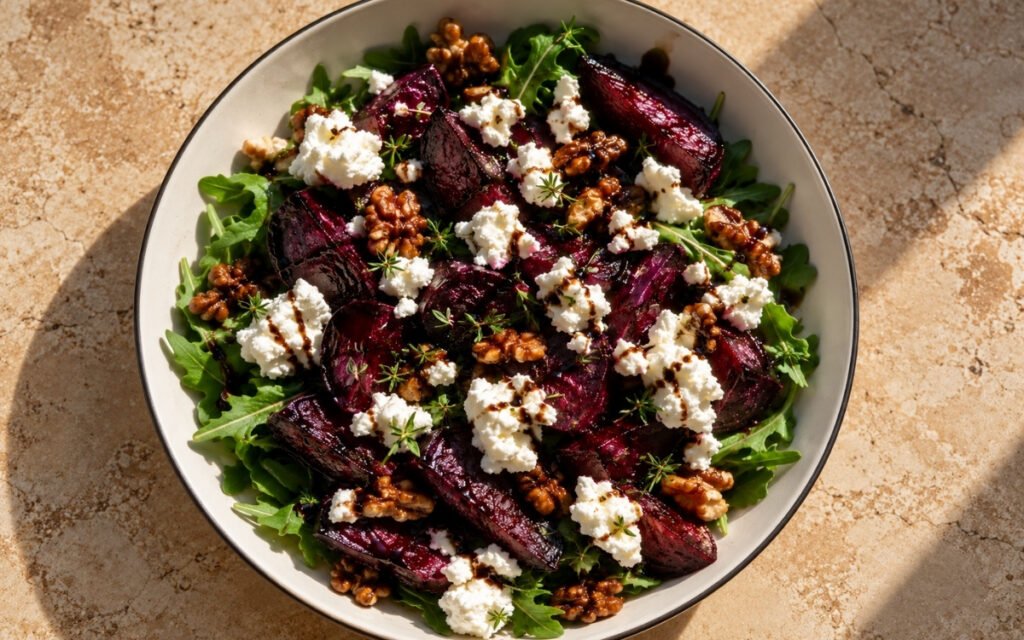
Roasted Beetroot and Goat Cheese Salad
Deep caramelized beet wedges with peppery rocket, creamy goat cheese, candied walnuts, thyme, and a dark balsamic reduction.
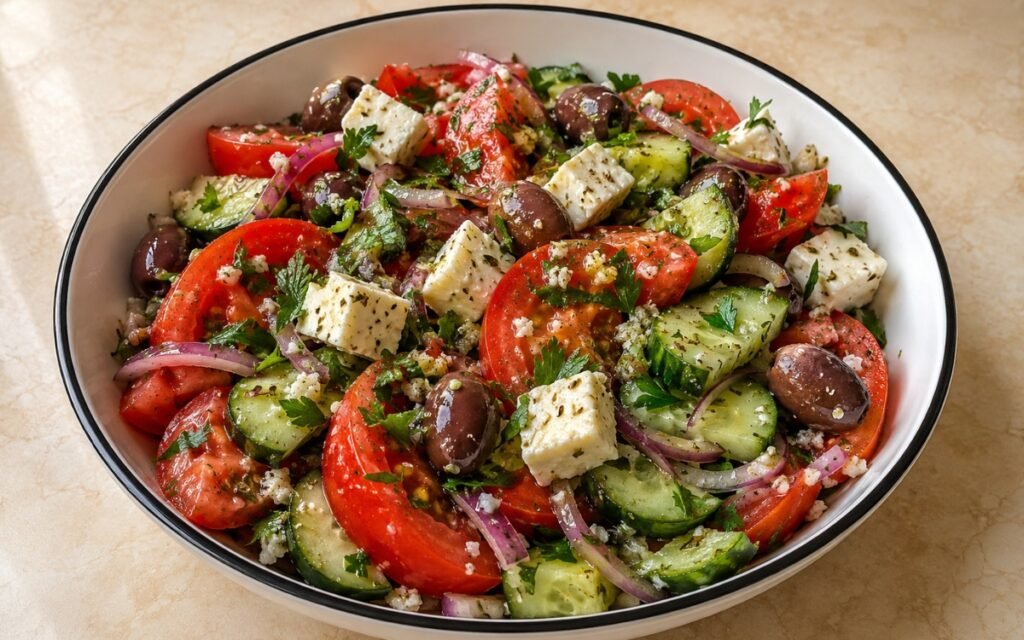
Greek Tomato Cucumber Salad
Fresh tomatoes and cucumbers with feta, olives, and lemon-oregano dressing in Mediterranean style.
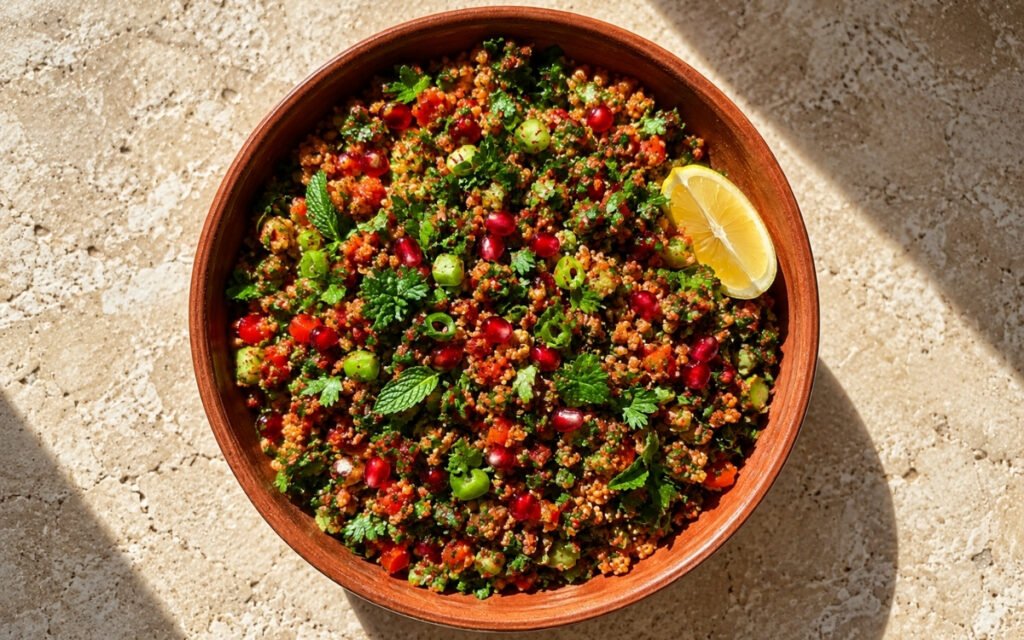
Turkish Bulgur Salad (Kısır)
Fine bulgur softened in hot water, worked with tomato paste, pepper paste, olive oil, lemon, and pomegranate molasses, finished with parsley, mint, and fresh vegetables.
You might also like
You might also like
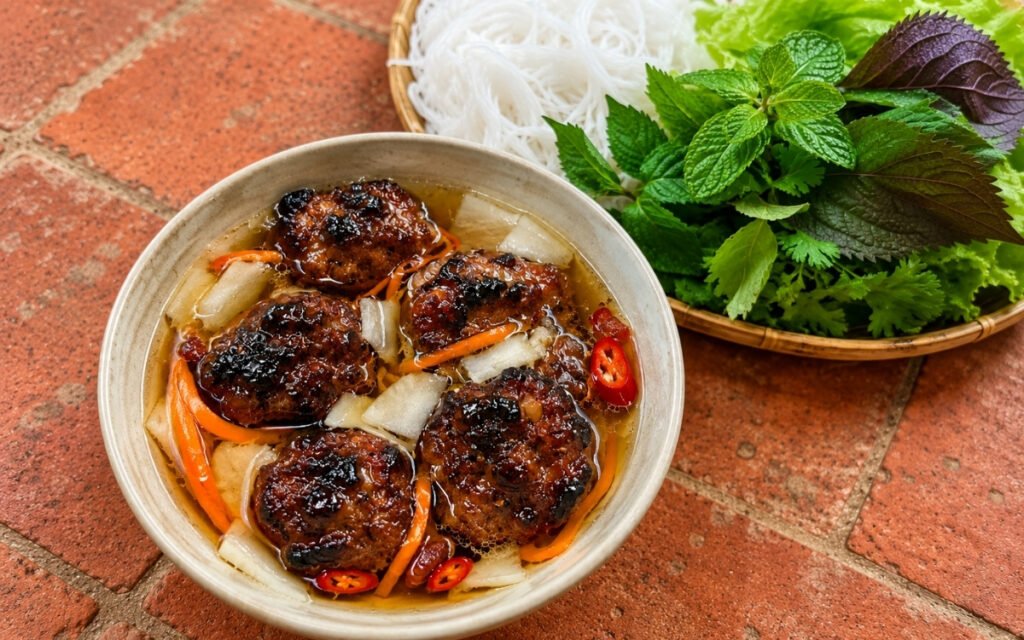
Bún Chả — Vietnamese Grilled Pork Noodle Bowl
Charred grilled pork patties in a warm sweet-sour-salty nước chấm broth with quick pickled carrot and daikon, cold rice vermicelli, and fresh herbs.
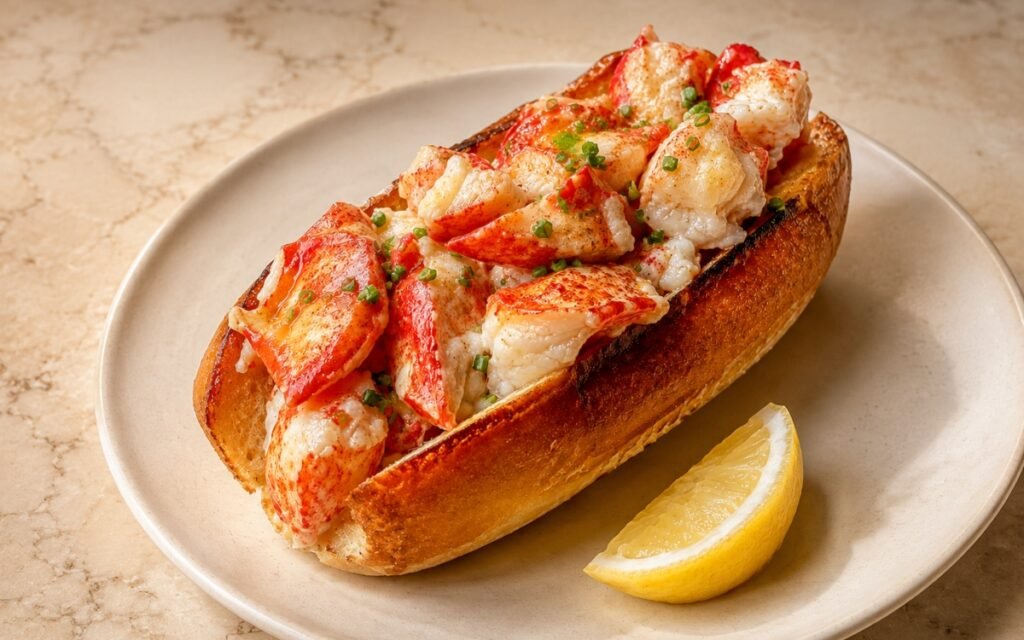
Lobster Roll (Connecticut Style)
Large chunky pieces of warm lobster meat gently coated in melted butter, piled into buttery griddled split-top brioche buns with chives and lemon.
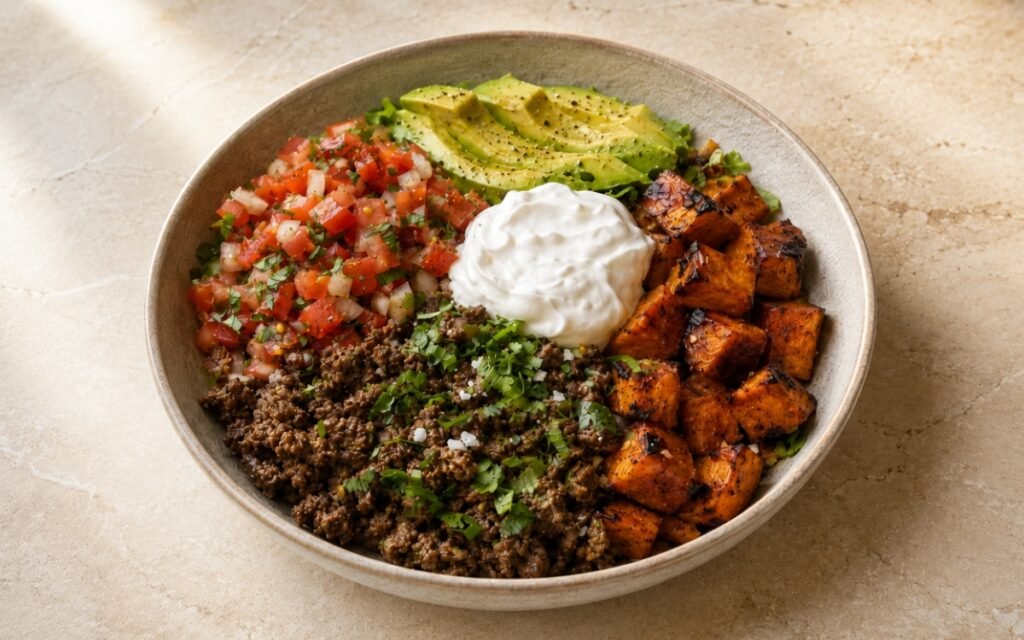
Sweet Potato Ground Beef Burrito Bowl
Crisp-edged roasted sweet potato and well-browned seasoned ground beef, topped with fresh pico de gallo, avocado, and sour cream.
Vietnamese Rare Beef Salad — Bò Tái Chanh
Ingredients
Method
- Place the beef in the freezer for 25–35 minutes, just until firm but not frozen solid. Slice across the grain as thinly as possible. Aim for wide, delicate slices about 1–2mm thick. The beef must be sliced thinly. Thick slices will not cure evenly and will chew tough. Food safety note: lime juice changes the color and texture of beef, but it does not sterilize it like cooking. Use very fresh beef from a reliable source and serve the salad immediately. That brief freeze firms the beef just enough to make genuinely thin, even slicing considerably easier to achieve by hand — fully soft, room-temperature meat would be far harder to cut this precisely.
- Place the thinly sliced onion in ice water with rice vinegar or lime juice and a pinch of salt. Soak for 10–15 minutes, then drain very well. The onion should stay crisp but lose its harsh raw bite. Wet onion will dilute the dressing, so drain it properly. That ice water soak draws out some of the onion’s own sharp, sulfurous compounds while the cold temperature helps it stay genuinely crisp, and the thorough draining that follows protects the finished dressing from being watered down.
- In a bowl, mix fish sauce, lime juice, sugar, warm water, garlic and chili until the sugar dissolves. Taste and adjust. It should be salty, sour, lightly sweet and sharp. The dressing should taste slightly stronger than you want the final salad to taste. The beef, onion and herbs will soften it. That deliberately intense early seasoning accounts for real, predictable dilution once the dressing meets the beef, onion, and herbs — a dressing that tastes perfectly balanced on its own would read as flat once tossed through the whole salad.
- Place the sliced beef in a shallow bowl. Add the lime juice, salt, sugar and black pepper. Toss gently and let stand for 5–8 minutes, just until the outside of the beef turns slightly lighter but the center stays pink. Drain off excess lime liquid. Do not leave the beef sitting in lime juice too long. After about 10–15 minutes it becomes grey, firm and less luxurious. That genuinely brief curing window is calibrated precisely to lightly change the beef’s own surface texture and colour while protecting its center from the same acid-driven toughening a longer soak would cause throughout.
- Add the drained onion, mint, Thai basil, cilantro, optional rau răm and sliced chili to the beef. Pour over enough dressing to gloss everything without drowning it. Toss gently with your hands or tongs. Add half of the peanuts and half of the crispy shallots and toss once more. Add peanuts and fried shallots near the end so they keep texture. If mixed too early, they soften. That deliberate timing — peanuts and shallots added only in this final stage — protects their own real crunch from the salad’s own moisture, which would otherwise soften them considerably if given more contact time.
- Pile the salad onto a shallow plate. Finish with the remaining crushed peanuts, crispy fried shallots, extra herb leaves and a few chili slices. Serve immediately with lime wedges. Reserving a final portion of peanuts, shallots, and herbs specifically for this plating stage keeps those elements genuinely crisp and visible right at the surface, rather than buried and softened throughout the tossed salad beneath.