
Roasted Beetroot and Goat Cheese Salad
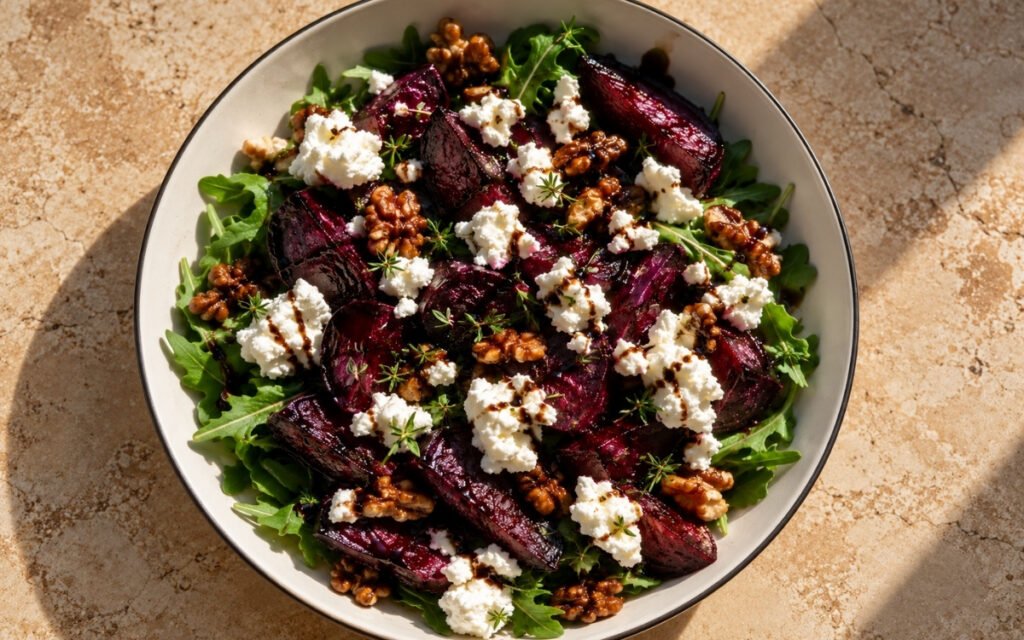
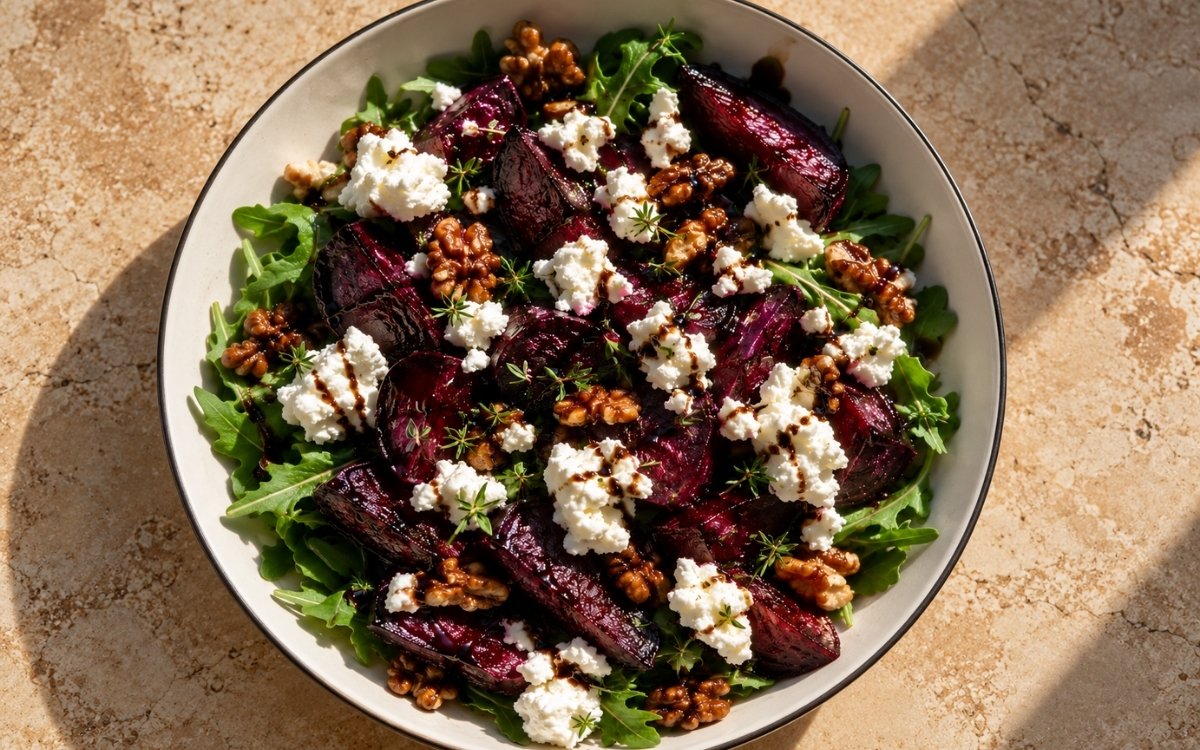
A classic roasted beetroot salad with deep caramelized beet wedges, peppery rocket, creamy goat cheese, candied walnuts, thyme, and a dark balsamic reduction, the salad tasting earthy, tangy, creamy, nutty, and lightly sweet, with the beetroot served warm or room temperature so the goat cheese softens slightly against it. Roasting the beetroot whole, wrapped tightly, rather than pre-cut, is the technique this whole salad depends on for real, silky texture — pre-cut beetroot dries out and loses its own sweetness during the long roast, the same roast-whole-then-cut principle used elsewhere in this collection whenever a dense root vegetable’s own final texture and flavour concentration depend on staying intact through the full cooking process. Peeling the beets while still slightly warm is what lets the skins slip off cleanly rather than clinging stubbornly once fully cooled. Stopping the balsamic reduction the moment it coats the back of a spoon but still drips is what protects it from turning sticky and bitter. The payoff is a salad with real, classic contrast — deeply caramelized, silky beet wedges against peppery rocket, creamy goat cheese, and crisp candied walnuts, finished with a glossy balsamic reduction.
Prep Time : 20 min
Cook Time : 50–70 min
Servings : 4
20 min
50–70 min
4
Ingredients
For the Roasted Beetroot
• 800g beetroot, medium-sized if possible
• 2 tbsp olive oil
• 1 tsp fine salt
• ½ tsp black pepper
• 4–5 fresh thyme sprigs
For the Salad Base
• 100–120g rocket / arugula
• 140–160g soft goat cheese, crumbled — this one on Amazon
• 80g walnuts
• 1 tbsp honey
• 1 tsp butter — this one on Amazon
• Pinch of salt
• 1 tbsp fresh thyme leaves
For the Dressing
• 45ml extra-virgin olive oil — this one on Amazon
• 20ml balsamic vinegar
• 10ml fresh lemon juice
• 1 tsp Dijon mustard — this one on Amazon
• 1 tsp honey — this one on Amazon
• ½ tsp fine salt
• Black pepper, to taste
For the Balsamic Reduction
• 120ml balsamic vinegar — this one on Amazon
• 1–2 tsp honey or sugar, optional
This post may contain affiliate links. As an Amazon Associate I earn from qualifying purchases, at no additional cost to you.
Directions
- Roast the Beetroot
Heat the oven to 200°C / 400°F. Scrub the beetroot well. If the skins are clean and thin, leave them on for roasting. Place the beets on foil or parchment, drizzle with olive oil, season with salt and pepper, and add the thyme sprigs. Wrap tightly in foil or cover with parchment and foil. Roast for 50–70 minutes, depending on size, until a knife slides into the center with little resistance. The beetroot must be fully tender in the center. Undercooked beetroot tastes earthy in a harsh way and feels hard instead of silky. That real, genuine tenderness reflects starches having fully broken down throughout the beet — a knife meeting real resistance means the centre hasn’t yet reached the same soft, silky point as the exterior. - Peel and Cut
Let the roasted beetroot cool for 15–20 minutes, just until safe to handle. Rub off the skins using paper towels or your fingers. Cut into thick wedges. If the beetroot releases a lot of juice, let the wedges sit briefly on a plate before adding to the salad. Peel while still slightly warm. The skins slip off much more easily than when fully cold. That deliberate timing, peeling before the beets have fully cooled, takes advantage of the skin’s own looser adhesion while still warm — waiting until fully cold would let that skin cling considerably more stubbornly. - Make the Balsamic Reduction
Add the balsamic vinegar to a small saucepan. Add honey or sugar if you want a slightly sweeter glaze. Simmer over medium-low heat for 8–12 minutes, until reduced by about half and lightly syrupy. Remove from heat. It will thicken more as it cools. Stop when the reduction coats the back of a spoon but still drips. If you reduce it too far, it becomes sticky and bitter. That specific, checkable stopping point protects the reduction from crossing into genuine bitterness — vinegar reduced past this stage concentrates its own harsher, more acidic notes rather than staying balanced and glossy. - Candy the Walnuts
Add walnuts to a dry pan and toast for 2–3 minutes until fragrant. Add butter, honey, and a pinch of salt. Stir for 1–2 minutes, until the walnuts are glossy and lightly coated. Transfer to parchment and let cool. Break apart if they stick together. Keep the heat moderate. Walnuts burn fast, and burnt walnuts will dominate the whole salad. That genuinely moderate heat protects the walnuts from the real, narrow margin between properly toasted and burnt — a scorched walnut’s own bitterness would carry disproportionately through the entire finished dish. - Make the Dressing
Whisk together olive oil, balsamic vinegar, lemon juice, Dijon mustard, honey, salt, and black pepper. Taste and adjust. It should be tangy, lightly sweet, and sharp enough to balance the goat cheese and beetroot. That deliberate sharpness is calibrated specifically against the salad’s own richer components — a milder dressing would be overwhelmed by the creamy goat cheese and the beets’ own natural sweetness rather than actually balancing them. - Assemble the Salad
Place the rocket in a wide bowl or shallow platter. Spoon over a small amount of dressing and toss lightly. Arrange the beetroot wedges over the rocket. Scatter over the crumbled goat cheese, candied walnuts, and fresh thyme leaves. Drizzle with a little more dressing, then finish with thin threads of balsamic reduction. Do not overdress the rocket. It wilts quickly. The beetroot and balsamic reduction already bring moisture. That deliberate restraint with the dressing on the rocket specifically accounts for how much additional moisture the warm beets and glossy reduction will still contribute once everything is actually plated together.
*Notes :
- Roasting the beetroot whole, wrapped tightly rather than pre-cut, deserves genuine recognition as the technique most directly responsible for this salad’s own silky texture and real sweetness. The recipe’s own explicit note that “pre-cut beetroot dries out and loses sweetness” reflects real understanding of how much surface exposure during a long roast would compromise both the beet’s own moisture and its concentrated flavour.
- Peeling the roasted beets while they’re still genuinely warm, rather than waiting for them to cool fully, deserves the same attention this technique receives throughout this collection’s other roasted-then-peeled vegetables. That specific timing takes real advantage of the skin’s own looser adhesion at that stage — waiting until the beets are fully cold would let that same skin cling considerably more stubbornly, making cleanup noticeably more difficult.
- Stopping the balsamic reduction the moment it coats the back of a spoon but still drips deserves genuine respect as the detail responsible for whether the finished glaze stays balanced or turns bitter. The recipe’s own explicit warning that reducing it too far “becomes sticky and bitter” reflects a real, narrow window this particular reduction stage depends on watching closely.
- Using the balsamic reduction only as a light finishing thread, rather than the salad’s main dressing, deserves attention as a deliberate, functional restraint central to this dish’s overall balance. The recipe’s own explicit warning that “too much makes the salad heavy and overly sweet” reflects real understanding of how concentrated that reduced glaze actually is compared to the lighter, vinaigrette-style dressing tossed with the rocket.
Why This Recipe Works
This recipe works because the beetroot is roasted whole and wrapped tightly, protecting its own moisture and concentrating its real sweetness throughout the long roast. Peeling while still warm makes the skins slip off cleanly.
The balsamic reduction is watched carefully and pulled at the right, checkable consistency, protecting it from turning bitter. The walnuts are candied over moderate heat, protecting them from burning.
The dressing is built sharp enough to balance the beets and goat cheese, and the rocket is dressed lightly, since the warm beets and glossy reduction already bring real, additional moisture to the finished plate.
Ingredient Breakdown
Whole-Roasted, Tightly Wrapped Beetroot
The critical technique — protects moisture and concentrates real sweetness throughout the long roast.
Warm-Peeled Beetroot
The critical technique — takes advantage of the skin’s looser adhesion while still warm, making it slip off cleanly.
Checkably Reduced Balsamic
The critical technique — a specific stopping point protects the glaze from turning sticky and bitter.
Moderately Candied Walnuts
The critical technique — protects against burning, which would introduce real, dominant bitterness.
Deliberately Sharp Dressing
The critical technique — calibrated to balance the salad’s own richer components, the goat cheese and sweet beets.
Lightly Dressed Rocket
The finishing technique — protects the delicate greens from wilting under too much added moisture.
Flavor Structure Explained
This roasted beetroot salad follows a layered balance model:
- Peppery, crisp foundation (lightly dressed rocket)
- Silky, sweet centrepiece (whole-roasted, warm-peeled beetroot)
- Creamy, tangy accent (crumbled goat cheese)
- Sweet, crunchy contrast (candied walnuts)
- Sharp, balanced dressing (olive oil, balsamic, Dijon, honey)
- Glossy, concentrated finish (balsamic reduction)
Lightly dressed rocket provides this salad’s peppery, genuinely crisp foundation, its bitterness balancing the dish’s overall richness. Whole-roasted, warm-peeled beetroot serves as the silky, sweet centrepiece, its texture protected through careful roasting and peeling technique. Creamy goat cheese adds a tangy, rich accent throughout. Candied walnuts contribute sweet, crunchy contrast against all that softness. A sharp, balanced dressing ties the salad together, and a final, glossy balsamic reduction finishes the plate with concentrated depth that completes this classic combination.
Common Mistakes to Avoid
- Cutting the Beetroot Before Roasting – This dries the beets out and loses real sweetness. Always roast them whole, wrapped tightly.
- Waiting Until the Beets Are Fully Cold to Peel Them – This makes the skins cling stubbornly and considerably harder to remove. Always peel while still slightly warm.
- Over-Reducing the Balsamic – This turns it sticky and bitter rather than glossy. Always stop once it coats the back of a spoon but still drips.
- Candying the Walnuts at Too High a Heat – This risks burning them, introducing real bitterness that dominates the whole salad. Always keep the heat moderate.
- Overdressing the Rocket – This wilts it quickly, especially given the additional moisture from the beets and reduction. Always dress it lightly.
Variations
Citrus-Added Version
Add segments of orange or grapefruit alongside the beetroot for a brighter, more citrus-forward variation that still keeps the same core technique.
Extra-Nutty Version
Increase the candied walnuts for a more pronounced sweet, crunchy presence throughout every bite of the finished salad.
Feta Substitute Version
Substitute crumbled feta for goat cheese if preferred, accepting a sharper, saltier finished flavour than the creamier chèvre-style cheese provides.
Make-Ahead Beet Version
Roast and peel the beets up to 2 days ahead, per the recipe’s own guidance, storing them separately and assembling the full salad only right before serving.
Storage & Make-Ahead
The best beetroot texture comes from roasting the beets whole and only peeling and cutting them afterward, since pre-cut beetroot dries out during the long roast and loses real sweetness compared to the whole-roasted version.
Beetroot is genuinely best served warm or at room temperature rather than cold, since cold beetroot tastes noticeably flatter and makes the goat cheese feel firmer against it rather than softening slightly.
Use soft, chèvre-style goat cheese specifically, since it should crumble into creamy chunks rather than grate like a harder cheese, and rocket’s own peppery bitterness is what keeps the whole salad from tasting too sweet.
Candied walnuts are the best choice for this particular version since they echo the sweetness of the roasted beetroot while still contrasting nicely against the tangy goat cheese, and the balsamic reduction should be used only as a finish, never the main dressing.
You can roast and peel the beets up to 2 days ahead of time, storing them separately, but assemble the full salad only right before serving so every component stays at its intended texture and temperature.
Frequently Asked Questions
Why does the beetroot need to be roasted whole rather than cut into pieces first?
Pre-cut beetroot exposes considerably more surface area during the long roast, drying it out and losing real sweetness in the process. Roasting whole, then peeling and cutting afterward, is what protects both moisture and flavour.
Why does the beetroot need to be peeled while it’s still warm?
The skin’s own adhesion loosens considerably while the beet is still warm. Waiting until it’s fully cold would let the skin cling much more stubbornly, making the peeling process noticeably more difficult.
Why does the balsamic reduction need to stop at such a specific consistency?
Reducing it past the point where it coats the back of a spoon but still drips pushes it into a stickier, genuinely bitter territory. That specific, checkable stopping point protects the glaze’s own balanced, glossy character.
Why can’t the rocket be dressed generously along with everything else?
Rocket wilts quickly, and the warm beetroot and glossy balsamic reduction already bring considerable additional moisture to the finished plate. A light hand with the dressing protects the greens from wilting under all that combined moisture.
Are there other classic roasted vegetable, citrus, or elegant fresh salad dishes worth trying?
Roasted Beet & Citrus Salad offers another classic beetroot direction worth exploring. Arugula Pear Salad and Sicilian Orange & Fennel Salad are also worth trying for other classic fresh salad directions, and Burrata with Grilled Peach Salad and Fennel Citrus Salad offer other elegant, seasonal salad dishes worth exploring.
Nutrition Facts
( per serving )
Calories
~420 kcal
Protein
12 g
Fat
28 g
Carbs
32 g
Calories
~420 kcal
Protein
12 g
Fat
28 g
Carbs
32 g
Related Recipes
Related Recipes

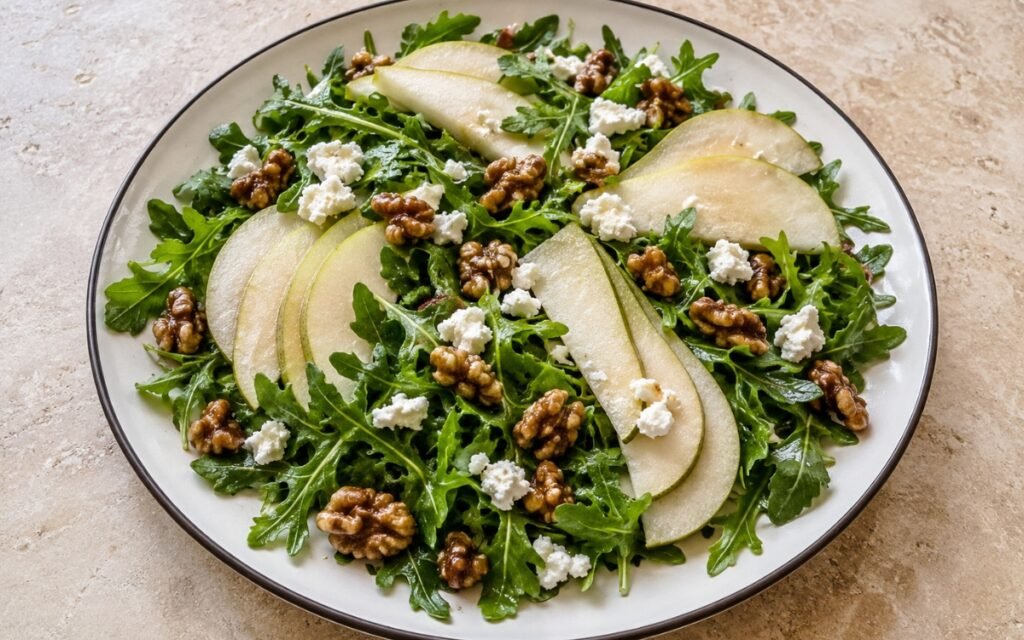
Arugula Pear Salad with Honey vinaigrette
Peppery arugula with sweet pears, creamy goat cheese, candied walnuts, and honey vinaigrette dressing.
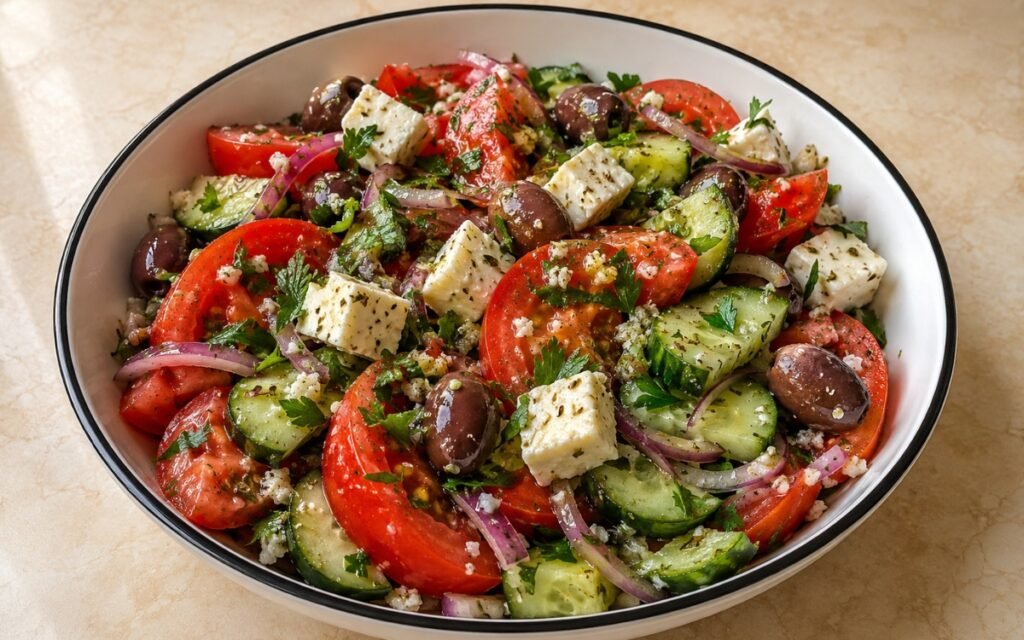
Greek Tomato Cucumber Salad
Fresh tomatoes and cucumbers with feta, olives, and lemon-oregano dressing in Mediterranean style.
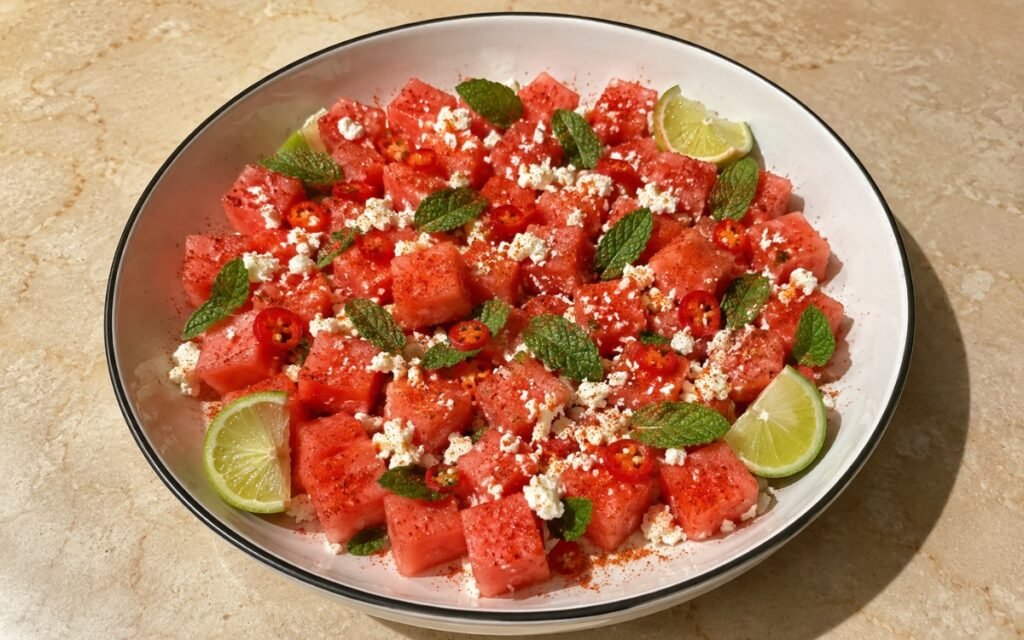
Watermelon Tajín Salad
Watermelon drained 5 minutes, tossed with Tajín, lime, and olive oil — cotija crumbled over the top with fresno chili, fresh mint, and an extra Tajín dusting. The summer salad in 25 minutes.
You might also like
You might also like
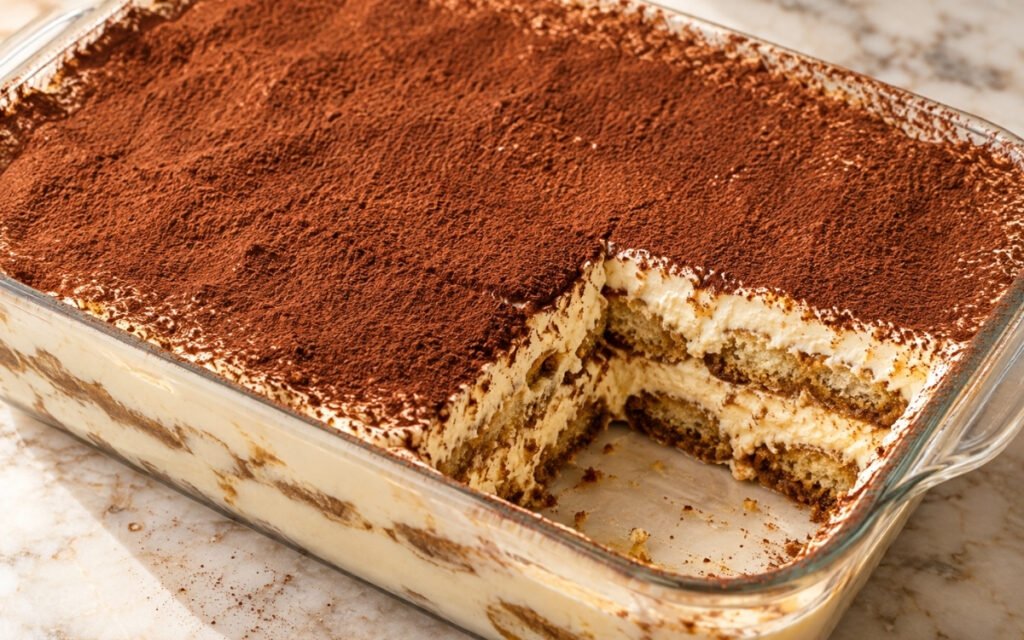
Tiramisu
Espresso-soaked savoiardi layered with a light, airy mascarpone cream, finished generously with unsweetened cocoa powder.
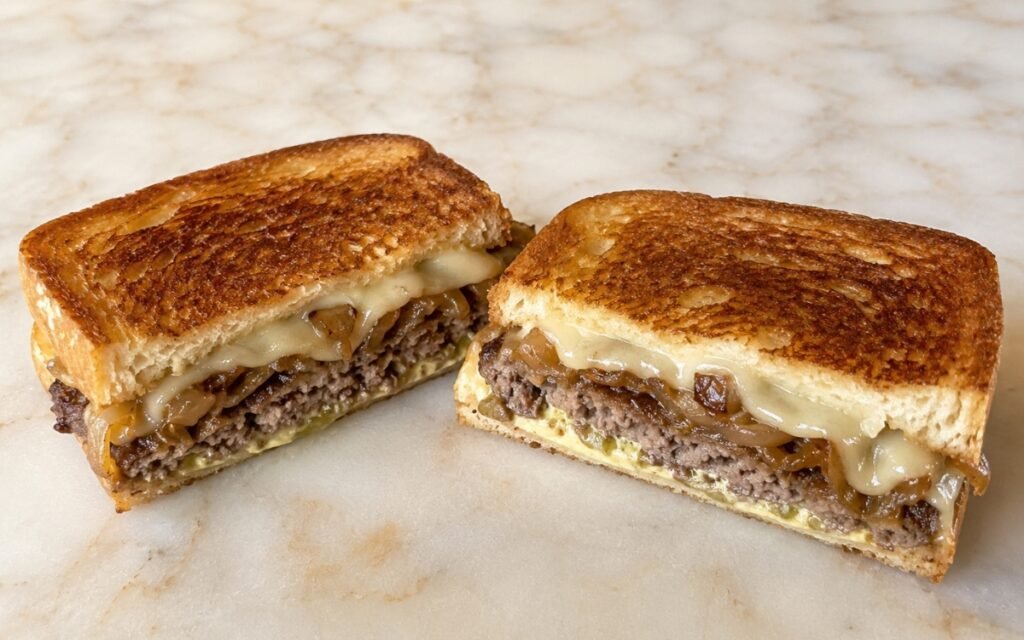
Patty Melt
A thin seared beef patty with slow-caramelized onions and melted Swiss cheese, griddled between brioche toast bread with a tangy pickle sauce.
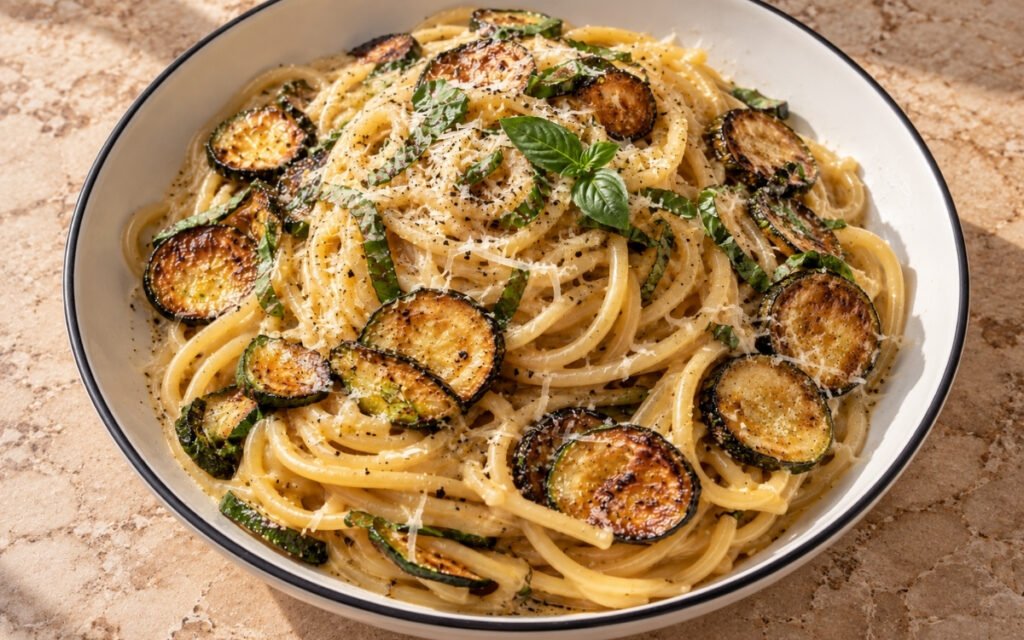
Spaghetti alla Nerano
Fried zucchini rounds tossed with spaghetti in a glossy, emulsified Pecorino Romano sauce, finished with black pepper and fresh basil.
Roasted Beetroot and Goat Cheese Salad
Ingredients
Method
- Heat the oven to 200°C / 400°F. Scrub the beetroot well. If the skins are clean and thin, leave them on for roasting. Place the beets on foil or parchment, drizzle with olive oil, season with salt and pepper, and add the thyme sprigs. Wrap tightly in foil or cover with parchment and foil. Roast for 50–70 minutes, depending on size, until a knife slides into the center with little resistance. The beetroot must be fully tender in the center. Undercooked beetroot tastes earthy in a harsh way and feels hard instead of silky. That real, genuine tenderness reflects starches having fully broken down throughout the beet — a knife meeting real resistance means the centre hasn’t yet reached the same soft, silky point as the exterior.
- Let the roasted beetroot cool for 15–20 minutes, just until safe to handle. Rub off the skins using paper towels or your fingers. Cut into thick wedges. If the beetroot releases a lot of juice, let the wedges sit briefly on a plate before adding to the salad. Peel while still slightly warm. The skins slip off much more easily than when fully cold. That deliberate timing, peeling before the beets have fully cooled, takes advantage of the skin’s own looser adhesion while still warm — waiting until fully cold would let that skin cling considerably more stubbornly.
- Add the balsamic vinegar to a small saucepan. Add honey or sugar if you want a slightly sweeter glaze. Simmer over medium-low heat for 8–12 minutes, until reduced by about half and lightly syrupy. Remove from heat. It will thicken more as it cools. Stop when the reduction coats the back of a spoon but still drips. If you reduce it too far, it becomes sticky and bitter. That specific, checkable stopping point protects the reduction from crossing into genuine bitterness — vinegar reduced past this stage concentrates its own harsher, more acidic notes rather than staying balanced and glossy.
- Add walnuts to a dry pan and toast for 2–3 minutes until fragrant. Add butter, honey, and a pinch of salt. Stir for 1–2 minutes, until the walnuts are glossy and lightly coated. Transfer to parchment and let cool. Break apart if they stick together. Keep the heat moderate. Walnuts burn fast, and burnt walnuts will dominate the whole salad. That genuinely moderate heat protects the walnuts from the real, narrow margin between properly toasted and burnt — a scorched walnut’s own bitterness would carry disproportionately through the entire finished dish.
- Whisk together olive oil, balsamic vinegar, lemon juice, Dijon mustard, honey, salt, and black pepper. Taste and adjust. It should be tangy, lightly sweet, and sharp enough to balance the goat cheese and beetroot. That deliberate sharpness is calibrated specifically against the salad’s own richer components — a milder dressing would be overwhelmed by the creamy goat cheese and the beets’ own natural sweetness rather than actually balancing them.
- Place the rocket in a wide bowl or shallow platter. Spoon over a small amount of dressing and toss lightly. Arrange the beetroot wedges over the rocket. Scatter over the crumbled goat cheese, candied walnuts, and fresh thyme leaves. Drizzle with a little more dressing, then finish with thin threads of balsamic reduction. Do not overdress the rocket. It wilts quickly. The beetroot and balsamic reduction already bring moisture. That deliberate restraint with the dressing on the rocket specifically accounts for how much additional moisture the warm beets and glossy reduction will still contribute once everything is actually plated together.