
Bún Chả — Vietnamese Grilled Pork Noodle Bowl
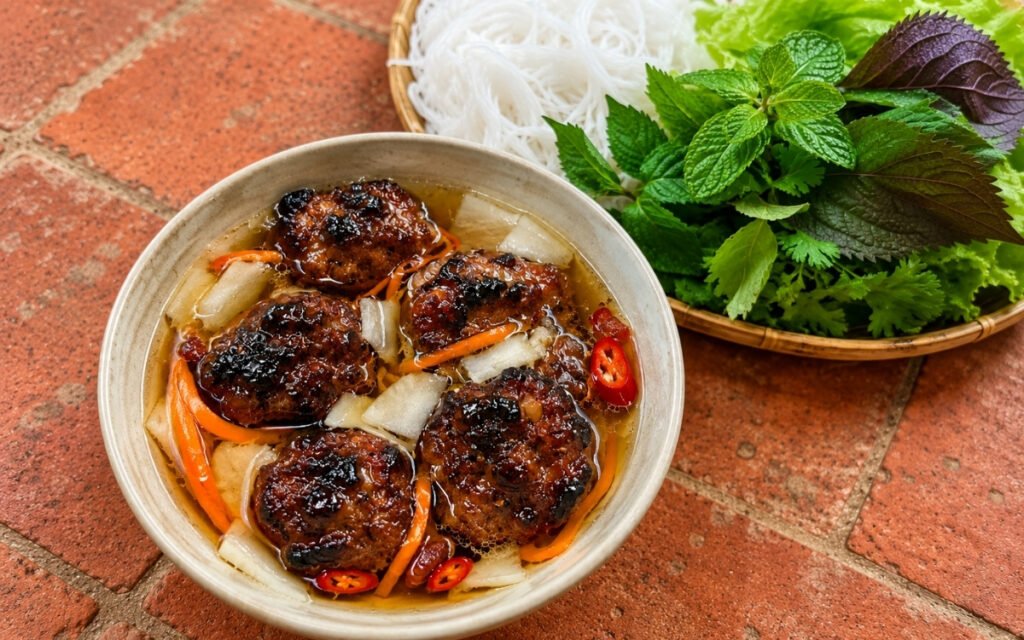
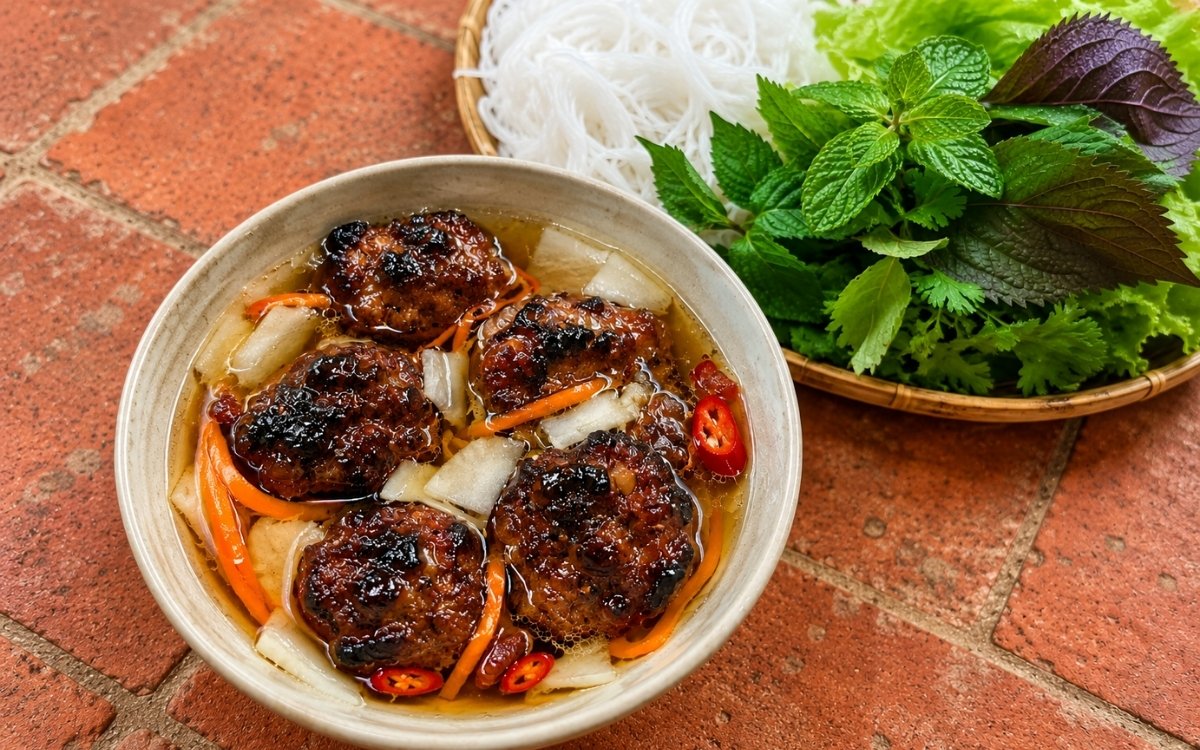
A classic Hanoi-style bún chả with charred grilled pork patties served in a warm sweet-sour-salty nước chấm broth with quick pickled carrot and daikon, alongside cold rice vermicelli and a large plate of fresh herbs and lettuce, the pork smoky, caramelized and juicy, and the dipping broth balanced enough to eat spooned over noodles. Choosing pork with genuine fat content, combining shoulder with finely chopped pork belly, is the technique this whole dish depends on for real, sticky caramelization — lean pork dries out fast over high heat and won’t develop the classic charred, sticky edges, the same fatty-cut-for-real-caramelization principle used elsewhere in this collection whenever a grilled or seared ground meat’s own browning and juiciness depend on real fat content rather than lean meat alone. Building the nước chấm broth deliberately lighter than a concentrated dipping sauce is what lets it actually work as a warm broth meant to be sipped alongside the noodles, rather than an overpowering condiment. Grilling the pork last, right before assembly, is what delivers it hot into the broth so it lightly perfumes everything else. The payoff is a bowl with real, layered Hanoi-style contrast — hot, smoky, caramelized pork in a light, balanced broth, alongside cold noodles and a generous plate of fresh herbs.
Prep Time : 35 min
Cook Time : 20–25 min
Servings : 4
35 min
20–25 min
4
Ingredients
For the Pork Patties
• 600g ground pork shoulder, about 20–25% fat
• 200g pork belly, very finely chopped by hand or pulsed briefly in a processor
• 35g shallot, finely minced
• 20g garlic, finely minced
• 30ml fish sauce
• 18g sugar
• 10ml neutral oil
• 1 tsp freshly ground black pepper
• 1 tbsp water
• 1 tsp cornstarch, optional, for slightly better binding
For the Quick Pickles
• 120g carrot, cut into thin matchsticks or thin half-moons
• 120g daikon, cut to match the carrot
• ½ tsp fine salt
• 1 tbsp sugar
• 60ml rice vinegar — this one on Amazon
• 60ml warm water
For the Nước Chấm Broth
• 90ml fish sauce — this one on Amazon
• 80g sugar
• 180ml warm water
• 60ml rice vinegar
• 40ml lime juice
• 20g garlic, finely minced
• 1–2 red chilies, thinly sliced
• 2–3 tbsp of the pickle liquid, optional, to round the flavor
For the Noodles and Herb Plate
• 300g dry rice vermicelli noodles — this one on Amazon
• 1 small head butter lettuce or romaine leaves, separated
• 20g mint
• 20g cilantro
• 20g perilla leaves, if available
• 1 cucumber, sliced or cut into batons, optional but useful
• Extra red chili slices, optional
This post may contain affiliate links. As an Amazon Associate I earn from qualifying purchases, at no additional cost to you.
Directions
- Marinate the Pork
In a bowl, combine the ground pork, finely chopped pork belly, shallot, garlic, fish sauce, sugar, oil, black pepper, water and optional cornstarch. Mix thoroughly until the mixture becomes tacky and cohesive, about 1–2 minutes. Do not whip it into a paste, but do mix enough for it to hold together. Cover and refrigerate for 1–2 hours. The pork needs enough fat to stay juicy over high heat. Lean pork dries out fast and will not give the classic sticky, caramelized edges. That real fat content, from the combination of shoulder and pork belly, is specifically what allows the patties to survive high, direct grilling heat while still rendering into those characteristic sticky, caramelized edges. - Make the Quick Pickles
Toss the carrot and daikon with the salt and sugar. Let stand 10 minutes to lightly soften. Rinse briefly or squeeze lightly if very salty, then combine with the rice vinegar and warm water. Let pickle at least 20–30 minutes. The vegetables should soften slightly but still stay crisp. They should taste lightly sweet and tangy, not aggressively sour. That initial salting and softening period draws real moisture out of the vegetables first, which is what lets them actually absorb the pickling liquid afterward rather than simply diluting it. - Make the Nước Chấm Broth
In a bowl, dissolve the sugar in the warm water. Add the fish sauce, rice vinegar and lime juice, then stir in the garlic and sliced chili. Taste and adjust. The broth should be lighter than a concentrated dipping sauce because it is meant to hold the grilled pork and be spooned over noodles. Add a little pickle liquid if needed for extra roundness. Bun chả broth should taste balanced and refreshing, not harshly salty. If it tastes too strong on its own, that is normal only to a point — once the pork goes in, it should still be pleasant to sip. That deliberate distinction from a concentrated dipping sauce reflects this broth’s own real, different function — it’s meant to be genuinely drinkable alongside the noodles, not simply a small pool of intense flavour used sparingly. - Prepare the Noodles and Herb Plate
Cook the rice vermicelli according to package directions until just tender, usually 3–5 minutes. Drain, rinse under cold water until fully cool, then drain very well. Portion into loose nests. Arrange the lettuce, mint, cilantro, perilla and optional cucumber on a platter. The noodles must be cooled and well-drained before serving. Wet noodles dilute the broth and clump badly. That thorough cold rinse and draining serves two real purposes at once — stopping the noodles’ own residual cooking and removing surface starch that would otherwise clump them together while sitting. - Shape the Pork
Divide the pork mixture into 20 small patties or flattened meatballs, about 40g each. Shape them into small rounds, slightly flattened, around 1.5cm thick. This size helps them char quickly while staying juicy inside. Do not make them too thick. Thick patties brown before the center cooks; too thin and they dry out. That specific, deliberate thickness is calibrated precisely to let real charring develop on the surface within roughly the same window the interior needs to cook through completely. - Grill the Pork
Preheat a grill, grill pan or oven broiler until very hot. Lightly oil the grate or pan. Grill the patties over medium-high to high heat for about 3–4 minutes per side, turning as needed, until deeply caramelized with charred spots and fully cooked through. Internal temperature should reach 72°C. If using a broiler, place on a rack over a tray and broil close to the heat, turning once, until charred and cooked through, about 8–12 minutes total depending on thickness. You want strong browning and dark edges, but not black bitterness. The sugar in the marinade burns quickly, so watch the last minutes carefully. Let the pork rest 3–5 minutes before adding to the broth so the juices settle. That resting period lets the patties’ own internal juices redistribute evenly before they meet the broth, protecting them from spilling out and diluting the broth’s own careful balance the moment they’re added. - Assemble and Serve
Divide the pickled carrot and daikon between 4 serving bowls. Pour in the nước chấm broth. Add the hot grilled pork patties directly into the broth so they lightly perfume it. Serve each bowl with a portion of cold rice vermicelli and a generous plate of herbs and lettuce on the side. To eat, place some noodles and herbs into a small bowl, spoon over broth and pork, then eat in alternating bites. Adding the hot pork directly into the broth right before serving is what lets its own residual heat and smoky char genuinely perfume the liquid, rather than the two components sitting entirely separate on the plate.
*Notes :
- Choosing genuinely fatty pork, combining shoulder with finely chopped pork belly, deserves recognition as the technique most directly responsible for whether these patties achieve real, classic caramelization. The recipe’s own explicit warning that lean pork “dries out fast and will not give the classic sticky, caramelized edges” reflects exactly what’s at stake — that real fat content is what allows the patties to survive high, direct heat while still developing their signature sticky char.
- Building the nước chấm broth deliberately lighter than a concentrated dipping sauce deserves genuine attention as a real, functional distinction central to bun chả’s whole identity. This broth is meant to actually be sipped alongside the meal, not used sparingly the way a more concentrated dipping sauce would be, and that lighter balance is specifically what makes it pleasant to drink once the hot pork has been added.
- Resting the grilled pork briefly before it ever meets the broth deserves the same attention this technique receives throughout this collection’s other grilled or seared proteins. That short window lets the patties’ own internal juices redistribute evenly, protecting them from spilling out and diluting the broth’s own carefully balanced flavour the moment they’re added.
- Cooling and thoroughly draining the rice vermicelli deserves genuine respect as a real, necessary step rather than a simple formality. The recipe’s own explicit warning that wet noodles “dilute the broth and clump badly” reflects two distinct real risks this step protects against at once — both the noodles’ own texture and the broth’s own careful balance depend on it.
Why This Recipe Works
This recipe works because the pork patties are built with genuine fat content, letting them survive high heat while still developing real, sticky caramelization. The nước chấm broth is built deliberately lighter than a concentrated sauce, making it genuinely pleasant to sip alongside the meal.
The noodles are cooled and drained thoroughly, protecting both their own texture and the broth’s balance. The pork patties are shaped to a specific, deliberate thickness that lets charring and interior doneness finish together, and resting them briefly before they meet the broth protects the broth from being diluted by their own juices.
Ingredient Breakdown
Fatty Pork (Shoulder Plus Pork Belly)
he critical ingredient choice — real fat content lets the patties survive high heat while developing sticky, caramelized edges.
Deliberately Lighter Nước Chấm Broth
The critical technique — built to be genuinely sippable alongside the meal, distinct from a concentrated dipping sauce.
Cold-Rinsed, Thoroughly Drained Vermicelli
The critical technique — stops residual cooking and removes surface starch, protecting texture and the broth’s balance.
Specifically Thick, Flattened Pork Patties
The critical technique — a deliberate thickness that lets charring and interior doneness finish together.
Rested Grilled Pork
The critical technique — lets internal juices redistribute before the patties meet and potentially dilute the broth.
Salted, Softened Quick Pickles
The critical technique — draws out real moisture first so the vegetables actually absorb the pickling liquid.
Flavor Structure Explained
This bún chả follows a layered balance model:
- Cold, neutral base (rinsed, drained rice vermicelli)
- Smoky, caramelized centrepiece (grilled, fatty pork patties)
- Light, sippable broth (deliberately balanced nước chấm)
- Bright, crisp accents (quick pickled carrot and daikon)
- Fresh herbal abundance (mint, cilantro, perilla, lettuce)
Rinsed, thoroughly drained rice vermicelli provides this bowl’s cold, neutral base. Grilled, genuinely fatty pork patties serve as the smoky, caramelized centrepiece, their texture built through careful fat selection and grilling technique. A deliberately light, balanced nước chấm broth ties the noodles and pork together, meant to be sipped rather than used sparingly. Quick pickled carrot and daikon add bright, crisp acidity throughout. A generous plate of mint, cilantro, perilla, and lettuce finishes the dish with real, fresh herbal abundance that defines this classic Hanoi-style meal.
Common Mistakes to Avoid
- Using Lean Pork Instead of a Fattier Mix – This dries out over high heat and won’t develop the classic sticky, caramelized edges. Always combine shoulder with pork belly.
- Building the Broth Too Concentrated – This makes it unpleasant to actually sip alongside the meal. Always keep it deliberately lighter than a typical dipping sauce.
- Skipping the Noodles’ Cold Rinse and Draining – This dilutes the broth and causes clumping. Always cool and drain the vermicelli thoroughly.
- Shaping the Patties Too Thick or Too Thin – Too thick browns before the center cooks; too thin dries out. Always aim for the specific, moderate thickness recommended.
- Skipping the Rest Before Adding Pork to the Broth – This lets excess juices dilute the broth’s careful balance. Always let the patties rest 3 to 5 minutes first.
Variations
Charcoal-Grilled Version
Use a charcoal grill instead of a pan or broiler, per the recipe’s own note on it giving the best flavour, accepting that a hot grill pan or broiler still works well if real caramelization is chased carefully.
Green Papaya Pickle Version
Substitute green papaya for the carrot and daikon, per the recipe’s own note on it being traditional in some versions, for a different but equally classic pickled component.
Extra-Herbal Version
Seek out perilla leaves specifically if available, per the recipe’s own note on their authentic aroma, alongside the essential mint and lettuce for the most classical herb plate.
Overnight Marinade Version
Marinate the pork overnight rather than the standard 1 to 2 hours, per the recipe’s own note, accepting that the garlic flavour becomes stronger and the meat’s texture slightly looser.
Storage & Make-Ahead
Pork shoulder combined with added pork belly gives the best classic result here — juicy, fragrant, and slightly sticky once grilled — so resist the temptation to use leaner pork alone even though it might seem like a cleaner option.
Mince the garlic and shallot genuinely finely so they blend into the meat evenly and don’t risk burning as larger pieces once the patties hit high, direct grilling heat.
One hour of marinating is enough, though two hours is better, and while overnight marinating is possible, expect the garlic flavour to intensify and the meat’s own texture to loosen slightly as a result.
Classic bún chả broth is genuinely not as sharp as a straight dipping sauce; it should read as sweet-sour-salty and light enough to actually drink a little of, which is the whole point of building it this way rather than more concentrated.
The pickles, broth, and herb plate can all be prepared well ahead of time, but grill the pork last so it goes into the broth genuinely hot, letting it perfume the whole bowl right at the moment of serving.
Frequently Asked Questions
Why does the pork need real fat content rather than lean meat alone?
Lean pork dries out fast over high heat and won’t develop the classic sticky, caramelized edges this dish is known for. Combining shoulder with pork belly gives the patties enough fat to survive grilling while still charring properly.
Why is the nước chấm broth built lighter than a typical dipping sauce?
This broth is specifically meant to be spooned over noodles and sipped alongside the meal, not used sparingly the way a concentrated dipping sauce would be. That lighter balance is what makes it genuinely pleasant to drink once the hot pork is added.
Why do the noodles need to be cooled and drained so thoroughly?
Wet noodles dilute the broth’s careful balance and clump together badly once portioned. A thorough cold rinse and drain protects both the noodles’ own texture and the broth’s flavour.
Why does the grilled pork need to rest before it’s added to the broth?
That brief rest lets the patties’ internal juices redistribute evenly. Adding them to the broth too soon would let excess juices spill out and dilute the broth’s own carefully balanced flavour.
Are there other classic Vietnamese grilled pork, salad, or sandwich dishes worth trying?
Vietnamese Broken Rice with Grilled Pork (Cơm Tấm) offers another classic Vietnamese grilled pork direction worth exploring. Vietnamese Green Papaya Salad and Vietnamese Rare Beef Salad (Bò Tái Chanh) are also worth trying for other classic Vietnamese dishes, and Lemongrass Chicken Rice Bowl and Pork Banh Mi Sandwich offer other satisfying Vietnamese-inspired dishes worth exploring.
Nutrition Facts
( per serving )
Calories
~780 kcal
Protein
38 g
Fat
40 g
Carbs
68 g
Calories
~780 kcal
Protein
38 g
Fat
40 g
Carbs
68 g
Related Recipes
Related Recipes

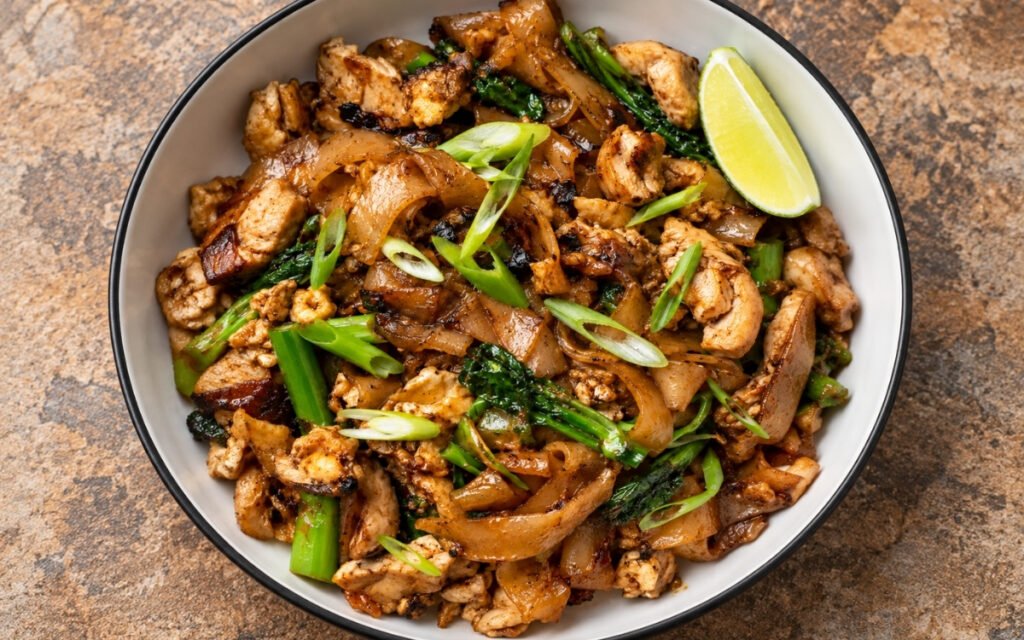
Pad See Ew — Thai Stir-Fried Wide Noodles
Wide rice noodles stir-fried with dark soy sauce, Chinese broccoli, sliced chicken, and egg over high heat for smoky wok-hei char.
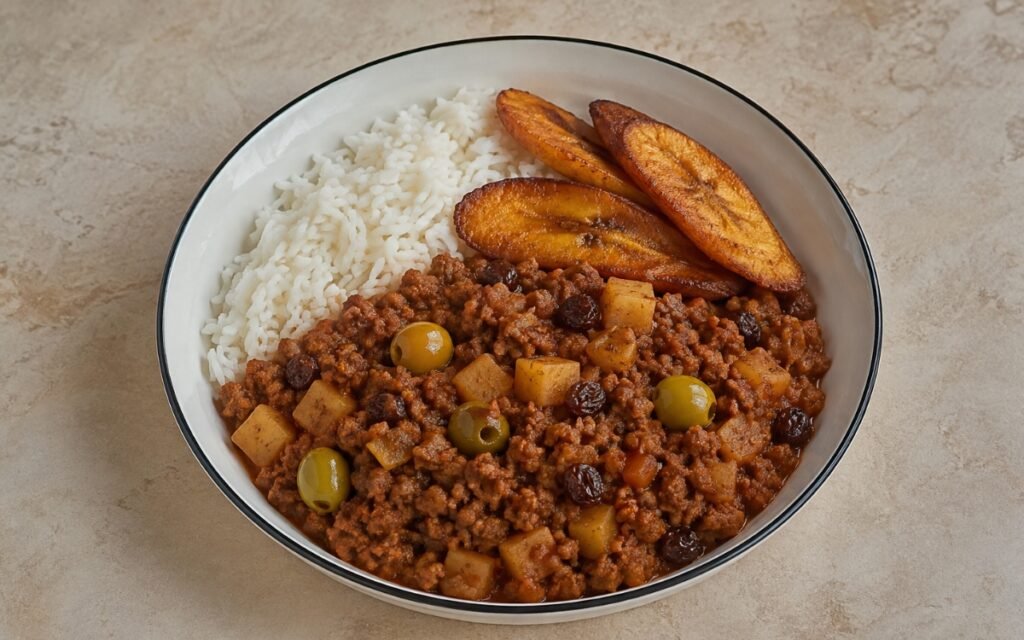
Cuban Picadillo
Seasoned ground beef simmered in a savory tomato sauce with green olives, raisins, and tender diced potatoes.
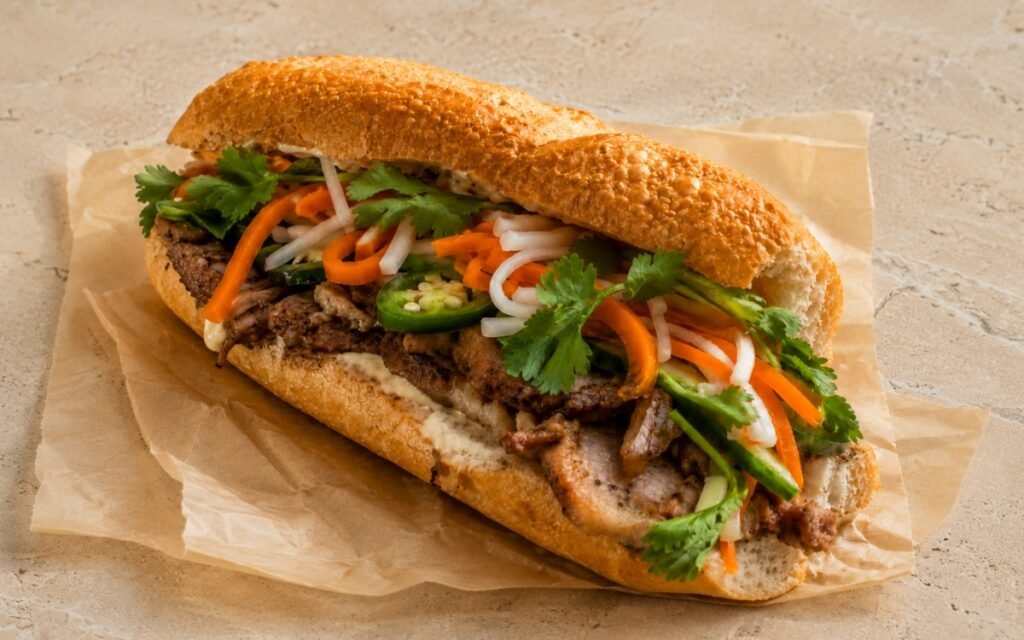
Crispy Pork Bánh Mì Sandwich
Roasted skin-on pork belly with crackling crisp skin, piled into a crusty baguette with pickled carrot and daikon, cucumber, and fresh herbs.
You might also like
You might also like
Pipián Verde Chicken
Gently poached chicken finished in a vivid green pipián sauce of roasted tomatillos, pumpkin seeds, green chiles, and herbs.
Pho Soup / Vietnamese Beef Pho
A clear, deeply aromatic beef broth built from blanched bones, charred onion and ginger, and toasted spices, served over rice noodles with rare beef and brisket.
Sopa de Albóndigas
Tender beef-and-rice meatballs simmered gently in a savory red tomato broth with carrot, potato, and zucchini.
Bún Chả — Vietnamese Grilled Pork Noodle Bowl
Ingredients
Method
- In a bowl, combine the ground pork, finely chopped pork belly, shallot, garlic, fish sauce, sugar, oil, black pepper, water and optional cornstarch. Mix thoroughly until the mixture becomes tacky and cohesive, about 1–2 minutes. Do not whip it into a paste, but do mix enough for it to hold together. Cover and refrigerate for 1–2 hours. The pork needs enough fat to stay juicy over high heat. Lean pork dries out fast and will not give the classic sticky, caramelized edges. That real fat content, from the combination of shoulder and pork belly, is specifically what allows the patties to survive high, direct grilling heat while still rendering into those characteristic sticky, caramelized edges.
- Toss the carrot and daikon with the salt and sugar. Let stand 10 minutes to lightly soften. Rinse briefly or squeeze lightly if very salty, then combine with the rice vinegar and warm water. Let pickle at least 20–30 minutes. The vegetables should soften slightly but still stay crisp. They should taste lightly sweet and tangy, not aggressively sour. That initial salting and softening period draws real moisture out of the vegetables first, which is what lets them actually absorb the pickling liquid afterward rather than simply diluting it.
- In a bowl, dissolve the sugar in the warm water. Add the fish sauce, rice vinegar and lime juice, then stir in the garlic and sliced chili. Taste and adjust. The broth should be lighter than a concentrated dipping sauce because it is meant to hold the grilled pork and be spooned over noodles. Add a little pickle liquid if needed for extra roundness. Bun chả broth should taste balanced and refreshing, not harshly salty. If it tastes too strong on its own, that is normal only to a point — once the pork goes in, it should still be pleasant to sip. That deliberate distinction from a concentrated dipping sauce reflects this broth’s own real, different function — it’s meant to be genuinely drinkable alongside the noodles, not simply a small pool of intense flavour used sparingly.
- Cook the rice vermicelli according to package directions until just tender, usually 3–5 minutes. Drain, rinse under cold water until fully cool, then drain very well. Portion into loose nests. Arrange the lettuce, mint, cilantro, perilla and optional cucumber on a platter. The noodles must be cooled and well-drained before serving. Wet noodles dilute the broth and clump badly. That thorough cold rinse and draining serves two real purposes at once — stopping the noodles’ own residual cooking and removing surface starch that would otherwise clump them together while sitting.
- Divide the pork mixture into 20 small patties or flattened meatballs, about 40g each. Shape them into small rounds, slightly flattened, around 1.5cm thick. This size helps them char quickly while staying juicy inside. Do not make them too thick. Thick patties brown before the center cooks; too thin and they dry out. That specific, deliberate thickness is calibrated precisely to let real charring develop on the surface within roughly the same window the interior needs to cook through completely.
- Preheat a grill, grill pan or oven broiler until very hot. Lightly oil the grate or pan. Grill the patties over medium-high to high heat for about 3–4 minutes per side, turning as needed, until deeply caramelized with charred spots and fully cooked through. Internal temperature should reach 72°C. If using a broiler, place on a rack over a tray and broil close to the heat, turning once, until charred and cooked through, about 8–12 minutes total depending on thickness. You want strong browning and dark edges, but not black bitterness. The sugar in the marinade burns quickly, so watch the last minutes carefully. Let the pork rest 3–5 minutes before adding to the broth so the juices settle. That resting period lets the patties’ own internal juices redistribute evenly before they meet the broth, protecting them from spilling out and diluting the broth’s own careful balance the moment they’re added.
- Divide the pickled carrot and daikon between 4 serving bowls. Pour in the nước chấm broth. Add the hot grilled pork patties directly into the broth so they lightly perfume it. Serve each bowl with a portion of cold rice vermicelli and a generous plate of herbs and lettuce on the side. To eat, place some noodles and herbs into a small bowl, spoon over broth and pork, then eat in alternating bites. Adding the hot pork directly into the broth right before serving is what lets its own residual heat and smoky char genuinely perfume the liquid, rather than the two components sitting entirely separate on the plate.