
Pipián Verde Chicken
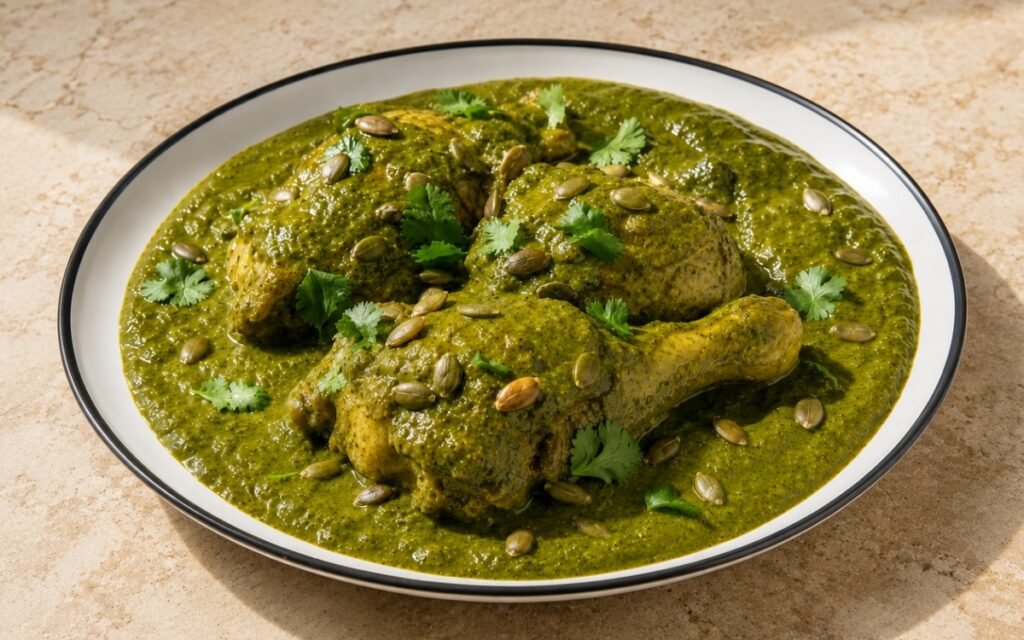
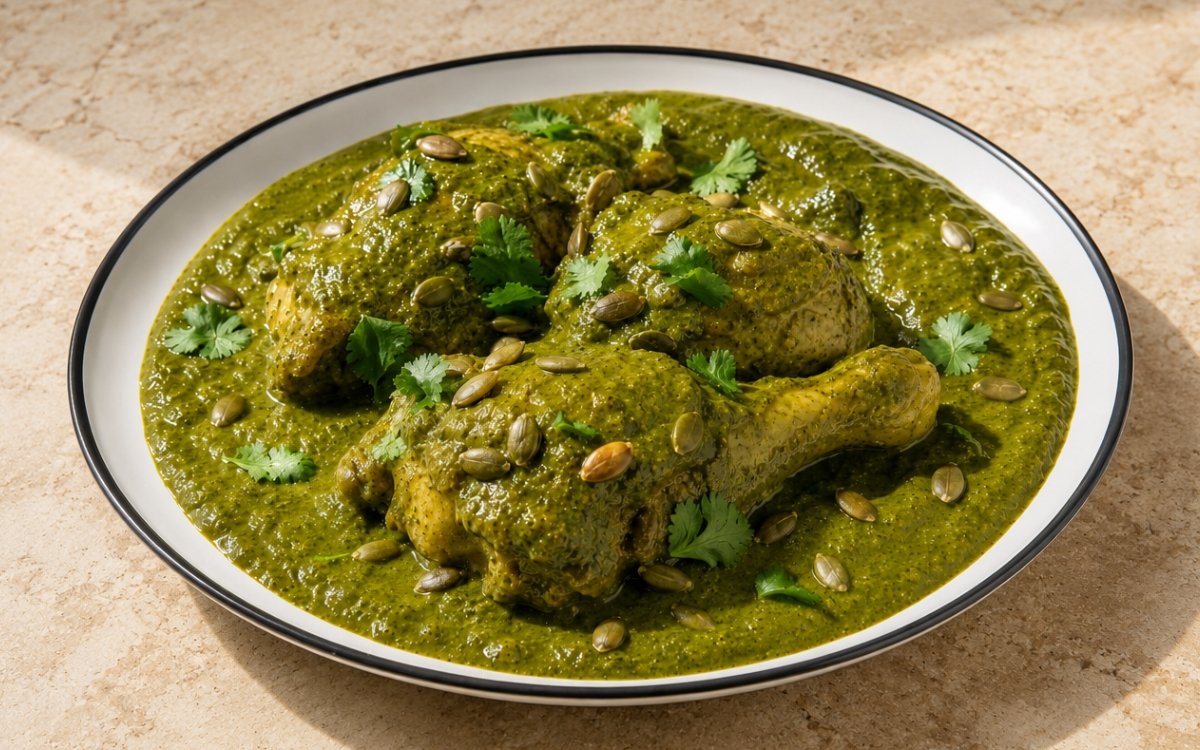
A classical Mexican chicken dish built around a vivid green pipián sauce made from tomatillos, pumpkin seeds, green chiles, herbs, and stock. The chicken is cooked until tender, then gently finished in the thick glossy sauce so it absorbs the flavor without drying out. The result is rich but fresh — nutty, herbal, lightly tangy, and deeply savory. Poaching the chicken at a genuine gentle simmer rather than a hard boil is the technique this whole dish depends on for tender, juicy meat — aggressive boiling both toughens chicken and clouds the broth that later becomes the sauce’s own liquid base, the same gentle-poach principle used elsewhere in this collection whenever a protein’s cooking liquid is meant to do double duty as a clean, flavourful base for something else. Wilting the greens only very briefly, in the same brief-contact style used throughout this collection’s green sauces, is what protects the pipián’s vivid colour from dulling toward olive. Finishing the already-cooked chicken gently in the sauce, rather than cooking it there from raw, is what lets the meat absorb flavour without overcooking or drying out. The payoff is a dish where tender chicken sits richly coated in a glossy, thick, vividly green sauce — nutty, herbal, lightly tangy, and deeply savory all at once.
Prep Time : 30 min
Cook Time : 1 hr, 5 min
Servings : 4
30 min
1 hr, 5 min
4
Ingredients
For the Chicken
• 1.6–1.8kg chicken pieces, bone-in and skin-on or skinless, such as 4 thighs + 4 drumsticks
• 14g fine sea salt
• Freshly ground black pepper, to taste
• 1 tbsp neutral oil or lard, if browning the chicken first
• 1 small white onion, about 120g, halved
• 4 garlic cloves, peeled
• 2 bay leaves
• 1 litre water or light chicken stock
For the Pipián Verde Sauce
• 700g tomatillos, husked and rinsed
• 2 poblano peppers
• 2–3 serrano chiles, stemmed
• 1 medium white onion, about 150g, thickly sliced
• 4 garlic cloves, unpeeled
• 180g hulled pumpkin seeds (pepitas)
• 20g white sesame seeds, optional but very classical in character
• 2 corn tortillas, torn into pieces
• 30g white bread, torn, optional, for a slightly fuller body
• 60g fresh cilantro, leaves and tender stems
• 20g flat-leaf parsley
• 5g epazote, optional — this one on Amazon
• 45g romaine lettuce, roughly chopped
• 2 tbsp neutral oil or lard — this one on Amazon
• 500–750ml warm chicken cooking liquid or light stock, as needed
• 1 tsp fine sea salt, plus more to taste
• Freshly ground black pepper, to taste
• ½ tsp ground cumin — this one on Amazon
• 1 small pinch ground cloves, optional
• 1 tsp Mexican oregano, optional — this one on Amazon
• 1 tsp sugar, only if needed
For Finishing
• 2 tbsp toasted pumpkin seeds
• Fresh cilantro leaves, roughly torn
• Extra hot stock or water as needed to loosen the sauce
This post may contain affiliate links. As an Amazon Associate I earn from qualifying purchases, at no additional cost to you.
Directions
- Cook the Chicken Gently
Season the chicken all over with the 14g salt and a few grinds of black pepper. You can either poach the chicken directly for the most classical soft result, or brown it lightly first for a deeper roasted flavor. If browning, heat 1 tablespoon oil or lard in a large heavy pot over medium heat and color the chicken lightly on both sides, about 3–4 minutes per side. It does not need to be fully cooked. Add the halved onion, peeled garlic cloves, bay leaves, and 1 litre water or stock. Bring just to a gentle simmer, not a hard boil. Skim any foam that rises. Cover partially and simmer very gently for 25–30 minutes, until the chicken is cooked through and tender but not falling apart. Transfer the chicken to a tray. Strain and reserve the cooking liquid. You will need this for the sauce. The chicken should be fully cooked but still juicy, and the broth should smell savory and clean. A hard boil will toughen the meat and cloud the broth. Keeping this simmer genuinely gentle serves two purposes at once — it protects the chicken’s own texture from toughening, and it keeps the broth clean and clear, which matters directly since that same broth becomes the sauce’s liquid base later on. - Roast the Green Vegetables
While the chicken cooks, place the tomatillos, poblano peppers, serranos, sliced onion, and unpeeled garlic on a baking tray or directly on a hot dry comal or cast-iron pan. Roast or broil until the tomatillos are softened and blistered, the onion has taken on color, the garlic is softened, and the poblanos are charred in patches. Turn as needed for even roasting. This usually takes 12–18 minutes. Transfer the poblanos to a bowl and cover for 5 minutes so they steam. Peel away most of the loose skin. Remove some or all of the seeds only if you want a milder sauce. Peel the roasted garlic. The tomatillos should look collapsed and juicy, not raw and firm. The poblanos should smell sweet and smoky rather than grassy. Covering the freshly roasted poblanos to steam for those few minutes loosens their charred skin far more effectively than trying to peel it immediately — the trapped steam softens the skin’s grip on the flesh underneath. - Toast the Seeds and Thickeners
Set a dry skillet over medium heat. Toast the pumpkin seeds, stirring frequently, until fragrant and lightly golden, 3–5 minutes. They may pop a little. Remove immediately so they do not darken too far. Toast the sesame seeds for 30–60 seconds until lightly golden, then remove. Toast the torn tortillas until dry and lightly browned in spots. If using the bread, toast it as well until dry and pale golden. The pepitas should taste nutty, rich, and fully aromatic. If they get too dark, the sauce can become bitter. Pulling the pumpkin seeds the moment they begin popping, rather than continuing for more colour, protects them from the bitterness that develops quickly once they cross past golden into truly browned. - Wilt the Greens
Bring about 250ml of the reserved chicken liquid to a simmer. Add the chopped romaine and cook for about 20–30 seconds until wilted. Add the cilantro, parsley, and epazote if using, and cook only 10–15 seconds more. Remove from the heat immediately. This step softens the greens and helps the final sauce stay vivid instead of tasting raw. The greens should stay bright green. Do not boil them hard or cook them for long. Chlorophyll, the pigment responsible for that bright green colour, degrades quickly under sustained heat — the staged, brief wilting used here, lettuce first and more delicate herbs only afterward for an even shorter window, is what softens everything just enough for blending while protecting as much of that colour as possible. - Blend the Pipián
In a blender, combine the roasted tomatillos, roasted poblanos, serranos, roasted onion, roasted garlic, wilted lettuce and herbs with their liquid, toasted pepitas, toasted sesame seeds, toasted tortilla pieces, bread if using, 1 teaspoon salt, black pepper to taste, cumin, cloves if using, and oregano if using. Add 300–400ml warm reserved chicken liquid and blend until very smooth. Add more liquid as needed so the blender moves freely. The sauce should be thick but pourable. For a more refined finish, you can strain the sauce, but it is not essential. A classical pipián often keeps a slight natural texture from the seeds. The blended sauce should be a vivid green and creamy-looking, thick enough to coat a spoon heavily. Using the chicken’s own reserved cooking liquid to loosen the blender, rather than plain water or a separate stock, means the sauce carries the chicken’s own savoury flavour built directly into its base from this very early stage. - Fry the Sauce
Heat the 2 tablespoons oil or lard in a wide heavy pot or deep sauté pan over medium heat. Carefully pour in the blended sauce. Stir immediately — it may sputter. Cook, stirring often, for 8–10 minutes. This frying step is very important for building flavor and removing the raw blended taste. Once the sauce thickens slightly and becomes glossy, gradually add enough of the reserved chicken liquid to reach a thick, spoonable consistency. Usually 250–350ml more is enough, but it depends on how thick your blend was. Taste and adjust seasoning with more salt and pepper if needed. If the tomatillos are especially sharp, add up to 1 teaspoon sugar. The sauce should lose its raw edge, turn glossy, and settle into a thick velvety texture that slowly folds back into itself when stirred. This frying stage is the point where the blended base’s still-raw flavour transforms into something genuinely cooked and integrated — without it, even the most carefully roasted and toasted individual components would still taste disconnected rather than like one finished sauce. - Finish the Chicken in the Sauce
Add the cooked chicken pieces back into the sauce. Spoon the sauce over them so they are well coated. Lower the heat and simmer very gently for 10–15 minutes, uncovered or partially covered, turning the chicken once or twice, until the chicken is hot all the way through and has absorbed some of the pipián flavor. If the sauce thickens too much, loosen it with a splash of hot stock or water. It should be thick enough to nap the chicken generously, but not so tight that it becomes pasty. The finished pipián should cling richly to the chicken, with a glossy thick consistency. The chicken should be tender and juicy, not stringy or overcooked. Returning the chicken only after it’s already fully cooked, rather than finishing it raw directly in the sauce, is what lets this final stage focus purely on flavour absorption and gentle reheating — the chicken’s texture was already protected during its earlier gentle poach, and this brief finish doesn’t risk undoing that. - Garnish and Serve
Transfer the chicken and sauce to a warm serving dish. Scatter toasted pumpkin seeds and torn fresh cilantro over the top. Spoon extra sauce around and over the chicken. Serve hot.
*Notes :
- Keeping the chicken’s initial poach genuinely gentle rather than a hard boil deserves attention as a decision that protects two separate things simultaneously. A vigorous boil agitates and toughens chicken meat directly, but it also clouds the cooking liquid with emulsified fat and proteins — and since that same liquid becomes a foundational component of the pipián sauce later, protecting its clarity and clean flavour at this early stage matters just as much as protecting the chicken’s own texture.
- The brief, staged wilting of the greens follows the identical colour-protection logic used throughout this collection’s other green mole and pipián-style sauces. Chlorophyll degrades relatively quickly under sustained heat, and the specific sequence here — lettuce given slightly longer, more delicate herbs added only afterward for a much shorter window — is calibrated to soften everything just enough for blending while minimising how much of that vivid green colour is lost along the way.
- Returning the already fully-cooked chicken to the finished sauce for only a brief final simmer, rather than cooking it raw directly in the pipián from the start, reflects a genuine understanding of what each stage of cooking is actually meant to accomplish. The initial gentle poach handles cooking the chicken through properly; this later, brief stage exists purely to let the meat absorb flavour from the sauce and come back up to serving temperature, without risking the overcooking a longer simmer in the sauce would introduce.
- Using the chicken’s own reserved cooking liquid throughout the sauce-building process — for wilting the greens, for loosening the blender, for adjusting the final sauce’s consistency — ties the dish together in a genuinely practical way. That liquid already carries real savoury depth from the chicken and aromatics it simmered with, meaning the sauce builds its own foundation directly from that flavour rather than starting from a separate, unrelated stock.
Why This Recipe Works
This recipe works because the chicken is poached at a genuinely gentle simmer, protecting both its own tenderness and the clarity of the cooking liquid that later becomes the sauce’s base. The greens are wilted only briefly in a specific staged sequence, protecting the sauce’s vivid green colour from degrading under sustained heat.
The blended sauce is properly fried before dilution, transforming its raw, disconnected components into one cohesive, glossy result. Returning the already-cooked chicken to the finished sauce for only a brief final simmer lets it absorb flavour without risking the overcooking a longer cook in the sauce would cause
Ingredient Breakdown
Gently Poached Chicken
The protein — cooked at a genuine simmer rather than a hard boil, protecting both its tenderness and the clarity of its own cooking liquid.
Reserved Chicken Cooking Liquid
The sauce’s flavour foundation — used throughout for wilting, blending, and adjusting consistency, building real savoury depth directly into the pipián.
Briefly, Staged-Wilted Greens
The colour-protecting technique — lettuce first, delicate herbs added only afterward for a much shorter time.
Carefully Toasted Pumpkin Seeds
The sauce’s nutty body — pulled the instant they begin popping to avoid quickly developing bitterness.
Fried, Then Diluted Sauce Base
The transformative technique — frying removes the blended base’s raw flavour before it’s loosened to its final consistency with more reserved liquid.
Flavor Structure Explained
This pipián verde chicken follows a layered balance model:
- Tender savoury foundation (gently poached chicken)
- Bright tangy sauce base (roasted tomatillo, green chiles)
- Rich nutty body (toasted pumpkin seeds, sesame)
- Fresh herbal lift (cilantro, parsley, optional epazote)
- Warm background spice (cumin, optional clove, oregano)
Gently poached chicken provides a tender, savoury foundation, its own cooking liquid feeding directly into the sauce built around it. Roasted tomatillo and green chiles contribute a bright, tangy base, while toasted pumpkin seeds and sesame build rich, nutty body that thickens the sauce naturally. Fresh cilantro, parsley, and optional epazote add genuine herbal lift throughout. Warm background spice from cumin, optional clove, and oregano rounds out the flavour, and the finished, glossy sauce clings richly to the chicken, tying every layer together.
Common Mistakes to Avoid
- Boiling the Chicken Hard Instead of Gently Simmering It – This toughens the meat and clouds the cooking liquid needed for the sauce. Always keep the poach at a genuine gentle simmer.
- Simmering the Greens Too Long – This dulls the sauce’s vivid green colour toward olive. Always wilt them only very briefly, in the specified staged sequence.
- Overtoasting the Pumpkin Seeds – They turn bitter quickly once past golden. Always pull them the instant they begin to pop.
- Skipping or Rushing the Sauce-Frying Stage – The blended base tastes raw and disjointed without it. Always fry the sauce properly before diluting it to its final consistency.
- Simmering the Cooked Chicken in the Sauce Too Long – This risks drying out or overcooking meat that was already properly cooked earlier. Always keep this final stage brief, just enough to absorb flavour and reheat.
Variations
Pork Version
Substitute bone-in pork pieces for the chicken, following an identical gentle-poach-then-finish method.
Extra-Herbal Version
Include the epazote for a more traditionally, distinctly Mexican herbal note.
Milder Version
Remove the seeds from the poblanos and reduce the serrano count for a gentler heat level.
Strained, Elegant Version
Strain the blended pipián before frying for a smoother, more refined texture instead of the classic slight seed texture.
Storage & Make-Ahead
The chicken can be poached a day ahead and refrigerated in its strained cooking liquid; reheat gently before finishing in the sauce.
The finished pipián sauce keeps well refrigerated for a few days; reheat gently with a splash of stock or water, since it thickens considerably when chilled.
Fully finished chicken in sauce reheats well over low heat with a splash of stock or water added to loosen the sauce back to its proper consistency.
Frequently Asked Questions
Why does the chicken need to be poached at a gentle simmer rather than a hard boil?
A vigorous boil both toughens the chicken meat directly and clouds the cooking liquid with emulsified fat and proteins. Since that same liquid becomes a key component of the sauce later, protecting its clarity matters just as much as protecting the chicken’s own tenderness.
Why are the greens wilted so briefly instead of being properly cooked?
Chlorophyll, the pigment behind the sauce’s vivid green colour, degrades relatively quickly under sustained heat. The brief, staged wilting used here softens the greens just enough for blending while minimising how much of that colour is lost.
Why is the already-cooked chicken only briefly simmered in the finished sauce rather than cooked there from raw?
The initial gentle poach already handled cooking the chicken through properly. This later, brief stage exists purely to let the meat absorb flavour from the sauce and reheat, without risking the overcooking a longer simmer in the sauce would cause.
Why is the chicken’s own cooking liquid used throughout the sauce-building process instead of a separate stock?
That liquid already carries real savoury depth from the chicken and aromatics it simmered with. Using it for wilting, blending, and adjusting the sauce builds genuine flavour directly into the pipián rather than starting from an unrelated base.
Are there other mole-style sauces or mole-based chicken dishes worth trying?
Mole Verde Sauce, Mole Coloradito Sauce, Mole Negro Sauce, and Mole Poblano Sauce all represent different classic Mexican mole traditions worth comparing against this pumpkin-seed-forward pipián. Chicken Mole Poblano and Chicken Enmoladas with Mole Poblano are both worth trying too if you’re looking for other complete, ready dishes built around a different mole style.
Nutrition Facts
( per serving )
Calories
~680 kcal
Protein
52 g
Fat
52 g
Carbs
22 g
Calories
~680 kcal
Protein
52 g
Fat
52 g
Carbs
22 g
Related Recipes
Related Recipes

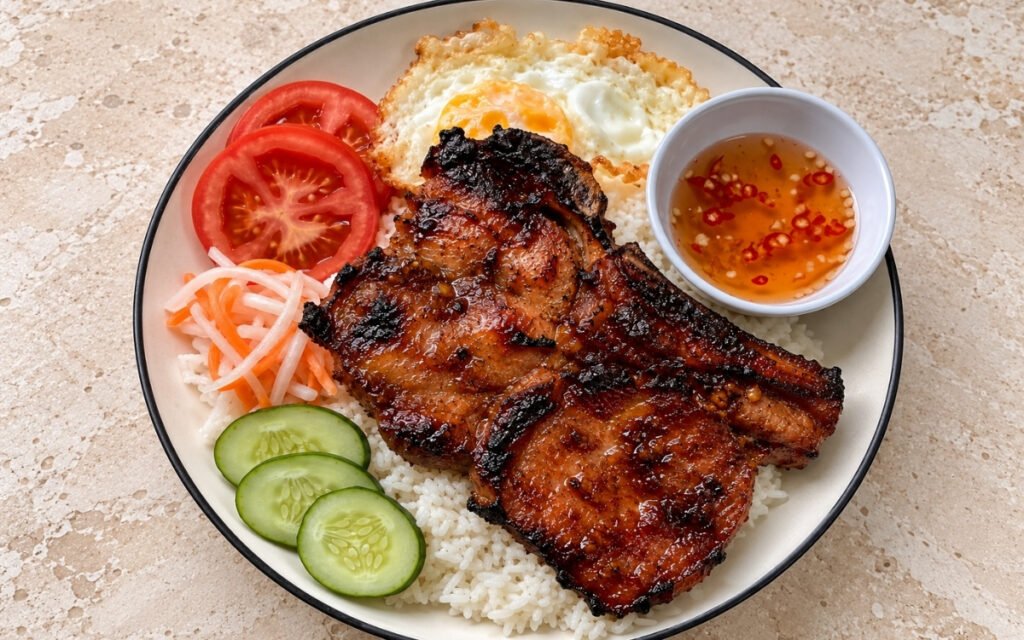
Broken Rice with Grilled Pork (Cơm Tấm)
Grilled lemongrass pork chop over broken rice with a fried egg, quick pickled carrot and daikon, cucumber, tomato, and nước chấm.
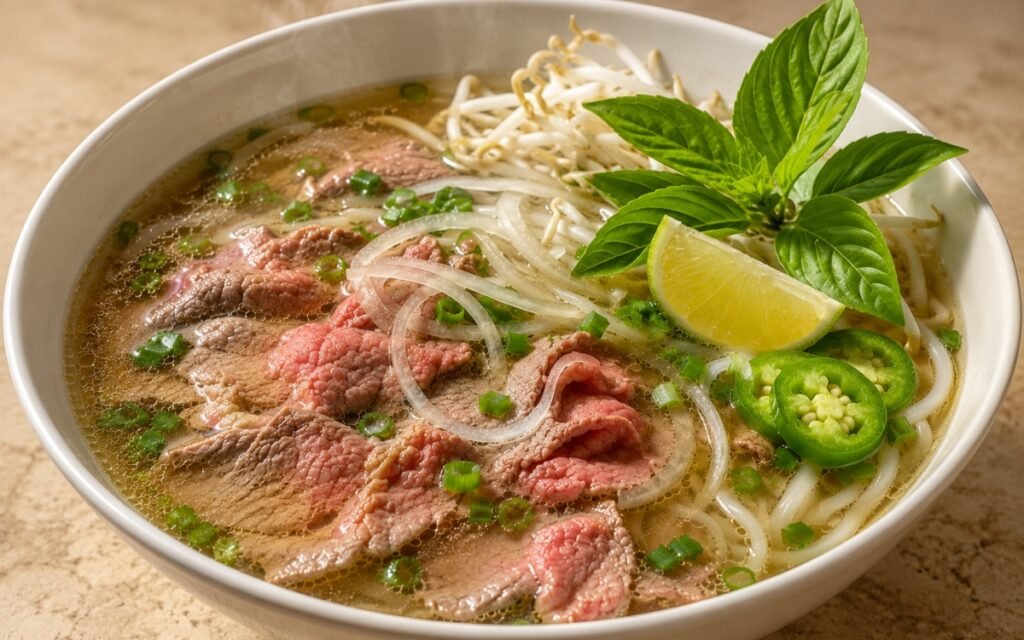
Pho Soup / Vietnamese Beef Pho
A clear, deeply aromatic beef broth built from blanched bones, charred onion and ginger, and toasted spices, served over rice noodles with rare beef and brisket.
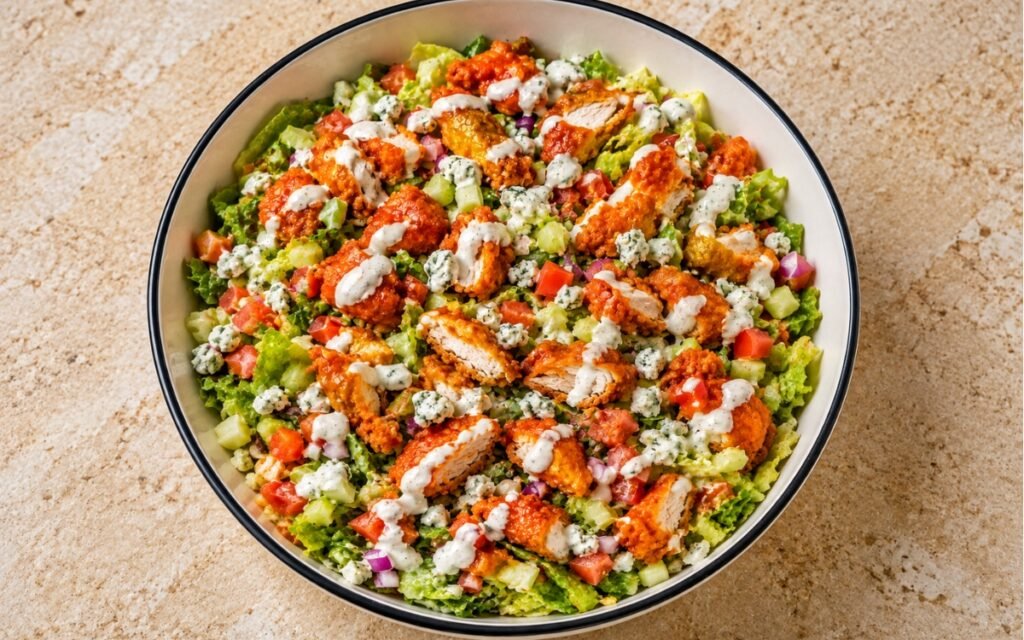
Buffalo Chicken Chopped Salad
Crispy Buffalo chicken pieces over chopped lettuce with celery, tomato, red onion, blue cheese crumbles, and creamy homemade ranch dressing.
You might also like
You might also like
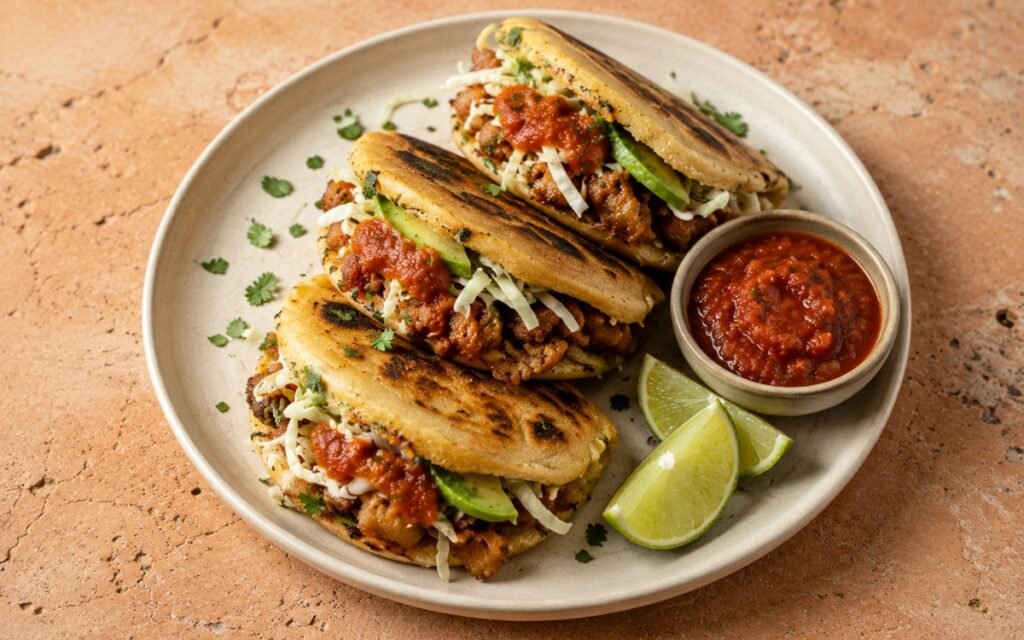
Gorditas with Chicharrón and Salsa
Thick masa gorditas cooked golden and split into a pocket while warm, filled with crispy chicharrón, salsa roja, shredded cabbage, and avocado.
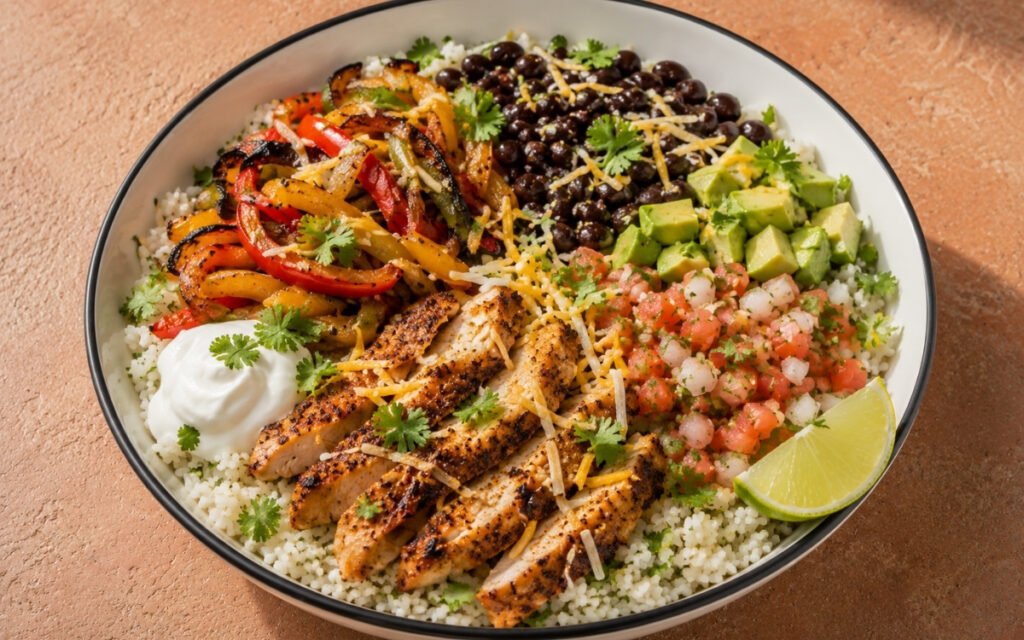
Chicken Fajita Rice Bowl
Charred chicken and peppers over cilantro-lime rice with black beans and fresh toppings.
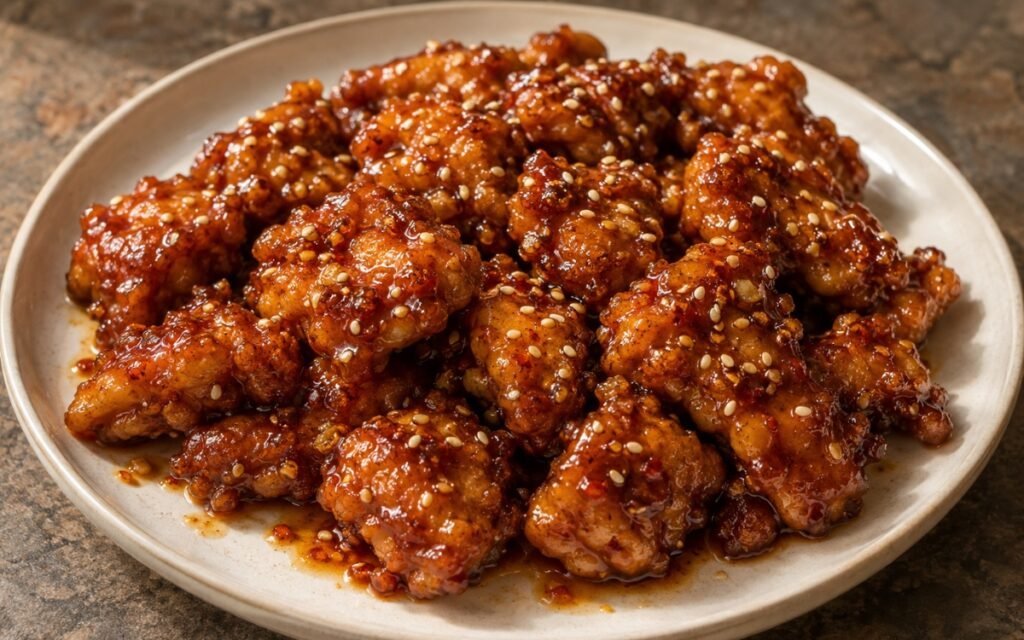
Crispy Honey Garlic Chicken
Chicken coated in cornstarch, partially seared for crust, finished in a honey soy garlic glaze that clings. Crisp and sticky.
Pipián Verde Chicken
Ingredients
Method
- Season the chicken all over with the 14g salt and a few grinds of black pepper. You can either poach the chicken directly for the most classical soft result, or brown it lightly first for a deeper roasted flavor. If browning, heat 1 tablespoon oil or lard in a large heavy pot over medium heat and color the chicken lightly on both sides, about 3–4 minutes per side. It does not need to be fully cooked. Add the halved onion, peeled garlic cloves, bay leaves, and 1 litre water or stock. Bring just to a gentle simmer, not a hard boil. Skim any foam that rises. Cover partially and simmer very gently for 25–30 minutes, until the chicken is cooked through and tender but not falling apart. Transfer the chicken to a tray. Strain and reserve the cooking liquid. You will need this for the sauce. The chicken should be fully cooked but still juicy, and the broth should smell savory and clean. A hard boil will toughen the meat and cloud the broth. Keeping this simmer genuinely gentle serves two purposes at once — it protects the chicken’s own texture from toughening, and it keeps the broth clean and clear, which matters directly since that same broth becomes the sauce’s liquid base later on.
- While the chicken cooks, place the tomatillos, poblano peppers, serranos, sliced onion, and unpeeled garlic on a baking tray or directly on a hot dry comal or cast-iron pan. Roast or broil until the tomatillos are softened and blistered, the onion has taken on color, the garlic is softened, and the poblanos are charred in patches. Turn as needed for even roasting. This usually takes 12–18 minutes. Transfer the poblanos to a bowl and cover for 5 minutes so they steam. Peel away most of the loose skin. Remove some or all of the seeds only if you want a milder sauce. Peel the roasted garlic. The tomatillos should look collapsed and juicy, not raw and firm. The poblanos should smell sweet and smoky rather than grassy. Covering the freshly roasted poblanos to steam for those few minutes loosens their charred skin far more effectively than trying to peel it immediately — the trapped steam softens the skin’s grip on the flesh underneath.
- Set a dry skillet over medium heat. Toast the pumpkin seeds, stirring frequently, until fragrant and lightly golden, 3–5 minutes. They may pop a little. Remove immediately so they do not darken too far. Toast the sesame seeds for 30–60 seconds until lightly golden, then remove. Toast the torn tortillas until dry and lightly browned in spots. If using the bread, toast it as well until dry and pale golden. The pepitas should taste nutty, rich, and fully aromatic. If they get too dark, the sauce can become bitter. Pulling the pumpkin seeds the moment they begin popping, rather than continuing for more colour, protects them from the bitterness that develops quickly once they cross past golden into truly browned.
- Bring about 250ml of the reserved chicken liquid to a simmer. Add the chopped romaine and cook for about 20–30 seconds until wilted. Add the cilantro, parsley, and epazote if using, and cook only 10–15 seconds more. Remove from the heat immediately. This step softens the greens and helps the final sauce stay vivid instead of tasting raw. The greens should stay bright green. Do not boil them hard or cook them for long. Chlorophyll, the pigment responsible for that bright green colour, degrades quickly under sustained heat — the staged, brief wilting used here, lettuce first and more delicate herbs only afterward for an even shorter window, is what softens everything just enough for blending while protecting as much of that colour as possible.
- In a blender, combine the roasted tomatillos, roasted poblanos, serranos, roasted onion, roasted garlic, wilted lettuce and herbs with their liquid, toasted pepitas, toasted sesame seeds, toasted tortilla pieces, bread if using, 1 teaspoon salt, black pepper to taste, cumin, cloves if using, and oregano if using. Add 300–400ml warm reserved chicken liquid and blend until very smooth. Add more liquid as needed so the blender moves freely. The sauce should be thick but pourable. For a more refined finish, you can strain the sauce, but it is not essential. A classical pipián often keeps a slight natural texture from the seeds. The blended sauce should be a vivid green and creamy-looking, thick enough to coat a spoon heavily. Using the chicken’s own reserved cooking liquid to loosen the blender, rather than plain water or a separate stock, means the sauce carries the chicken’s own savoury flavour built directly into its base from this very early stage.
- Heat the 2 tablespoons oil or lard in a wide heavy pot or deep sauté pan over medium heat. Carefully pour in the blended sauce. Stir immediately — it may sputter. Cook, stirring often, for 8–10 minutes. This frying step is very important for building flavor and removing the raw blended taste. Once the sauce thickens slightly and becomes glossy, gradually add enough of the reserved chicken liquid to reach a thick, spoonable consistency. Usually 250–350ml more is enough, but it depends on how thick your blend was. Taste and adjust seasoning with more salt and pepper if needed. If the tomatillos are especially sharp, add up to 1 teaspoon sugar. The sauce should lose its raw edge, turn glossy, and settle into a thick velvety texture that slowly folds back into itself when stirred. This frying stage is the point where the blended base’s still-raw flavour transforms into something genuinely cooked and integrated — without it, even the most carefully roasted and toasted individual components would still taste disconnected rather than like one finished sauce.
- Add the cooked chicken pieces back into the sauce. Spoon the sauce over them so they are well coated. Lower the heat and simmer very gently for 10–15 minutes, uncovered or partially covered, turning the chicken once or twice, until the chicken is hot all the way through and has absorbed some of the pipián flavor. If the sauce thickens too much, loosen it with a splash of hot stock or water. It should be thick enough to nap the chicken generously, but not so tight that it becomes pasty. The finished pipián should cling richly to the chicken, with a glossy thick consistency. The chicken should be tender and juicy, not stringy or overcooked. Returning the chicken only after it’s already fully cooked, rather than finishing it raw directly in the sauce, is what lets this final stage focus purely on flavour absorption and gentle reheating — the chicken’s texture was already protected during its earlier gentle poach, and this brief finish doesn’t risk undoing that.
- Transfer the chicken and sauce to a warm serving dish. Scatter toasted pumpkin seeds and torn fresh cilantro over the top. Spoon extra sauce around and over the chicken. Serve hot.