
Mole Verde Sauce
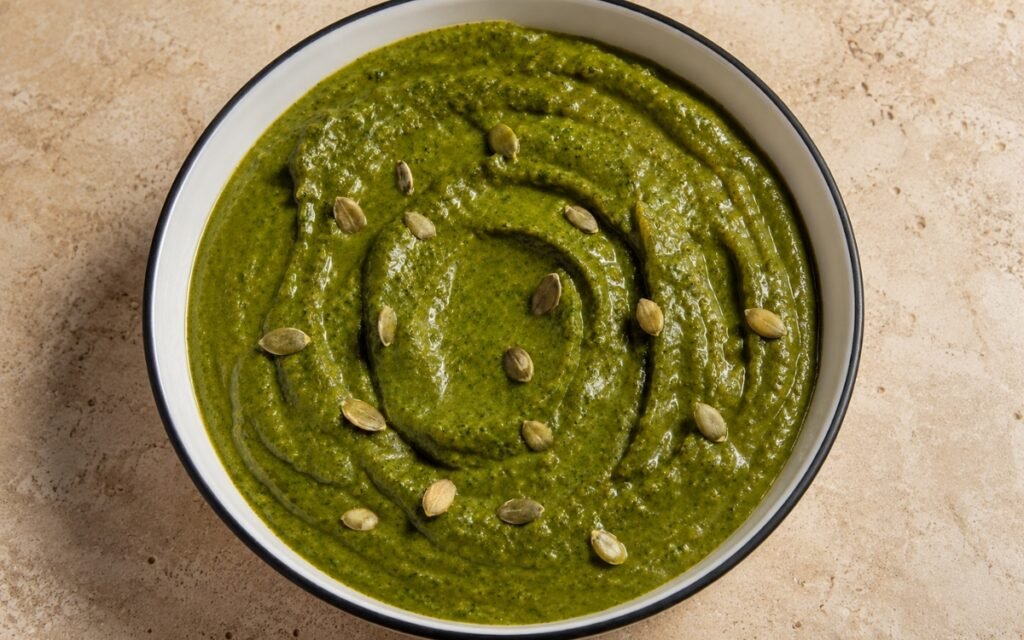
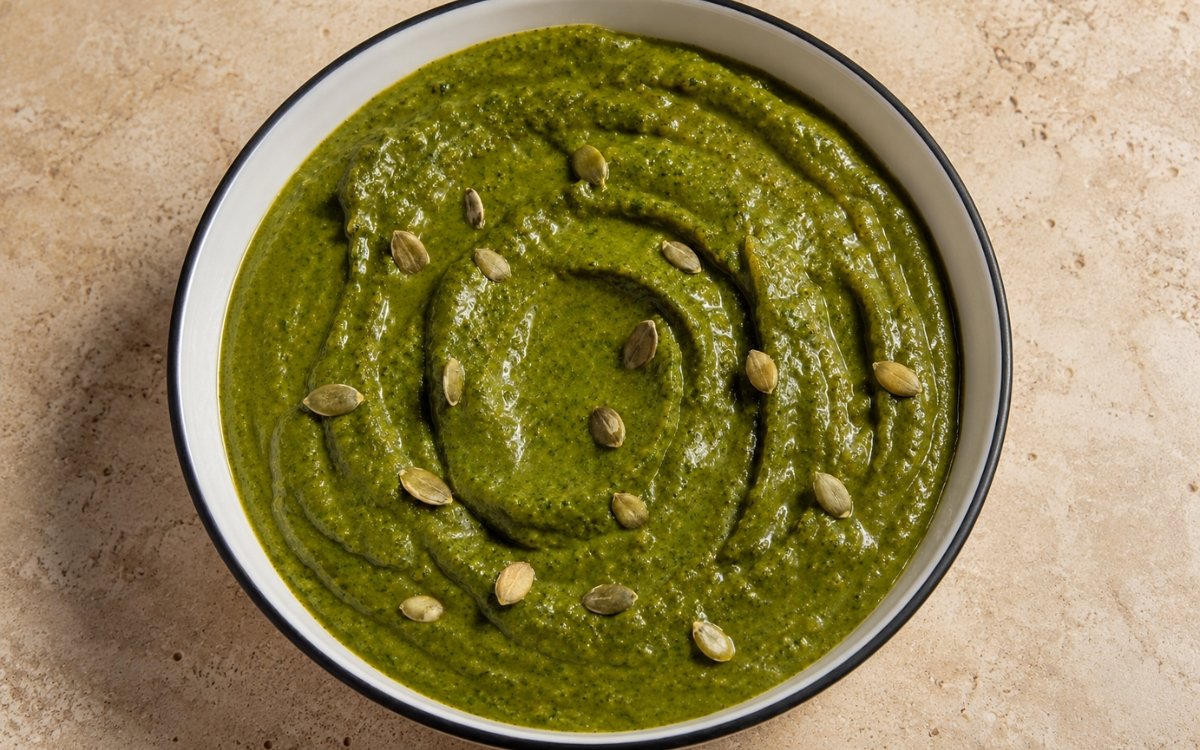
A classical Mexican mole verde built on tomatillos, green chiles, pumpkin seeds, fresh herbs, and aromatics. It is thick, vivid green, lightly textured, glossy, and deeply savory — bright from the tomatillos, herbal from cilantro and parsley, and rounded out by the rich nuttiness of toasted pepitas. Wilting the lettuce and fresh herbs only very briefly in warm stock, rather than fully cooking them, is the technique this whole sauce depends on for its defining vivid green color — extended heat quickly dulls green herbs toward olive and grey, the same brief-wilt-not-cook principle used elsewhere in this collection whenever a fresh green ingredient’s colour needs protecting through the cooking process. Keeping every subsequent simmer genuinely gentle, never aggressive, is what preserves that same brightness through the rest of the recipe. Toasting the pumpkin seeds only until fragrant and lightly golden, pulling them the moment they begin to pop, is what prevents them from darkening into bitterness. The payoff is a sauce that’s genuinely vivid green, glossy, and velvety — savory, herbal, gently nutty, and lightly bright, with no dulling toward olive or muddy brown.
Prep Time : 30 min
Cook Time : 35 min
Servings : 8
30 min
35 min
8
Ingredients
For the Green Vegetable Base
• 800g tomatillos, husked and rinsed
• 2 poblano peppers, about 220–250g total
• 3 serrano chiles, stemmed
• 1 medium white onion, cut into thick wedges
• 5 garlic cloves, unpeeled
• 80g romaine lettuce or other crisp green lettuce, roughly chopped
For the Herb Base
• 60g fresh cilantro, leaves and tender stems
• 25g flat-leaf parsley
• 8g epazote leaves, optional but classical if available
• 1 hoja santa leaf, optional but very traditional if available
For the Seed and Thickening Base
• 180g raw hulled pumpkin seeds (pepitas)
• 20g white sesame seeds
• 2 corn tortillas, torn into pieces
• 30g stale white bread, torn, optional but helpful for extra body
For Frying and Simmering
• 45ml lard or neutral oil — this one on Amazon
• 1 to 1.2 litres light chicken stock, warm, divided
• 12g fine sea salt, plus more to taste
• ½ tsp freshly ground black pepper
• ¼ tsp ground cumin — this one on Amazon
• 1 small pinch ground cloves, optional
• 1 tsp Mexican oregano, optional — this one on Amazon
• 1–2 tsp sugar only if needed, if the tomatillos are very sharp
For Finishing
• 1–2 tbsp extra chicken stock or hot water, only if needed to adjust texture
• Toasted pumpkin seeds, for garnish
This post may contain affiliate links. As an Amazon Associate I earn from qualifying purchases, at no additional cost to you.
Directions
- Roast the Tomatillos, Chiles, Onion, and Garlic
Set the oven broiler to high or heat a dry comal or cast-iron pan over medium-high heat. Broil or dry-roast the tomatillos, poblano peppers, serranos, onion wedges, and unpeeled garlic until blistered and well colored. The tomatillos should soften and collapse slightly, the poblanos should blacken in patches, the onion should take dark roasted spots, and the garlic should soften in its skins. This usually takes 10–15 minutes under the broiler or a little longer on the stovetop. Turn everything as needed for even roasting. Transfer the poblanos to a bowl and cover for 5 minutes to steam, then peel away most of the loose charred skin. Remove the seeds only if you want a slightly milder sauce. Peel the garlic cloves. The vegetables should smell sweet and roasted, not raw. The tomatillos must be fully softened, and the poblanos should be tender enough to blend smoothly. Steaming the poblanos covered for those few minutes after roasting loosens their charred skin considerably more effectively than trying to peel it away immediately off the heat — the trapped steam softens the skin’s grip on the flesh beneath it. - Toast the Pumpkin Seeds, Sesame, Tortillas, and Bread
While the vegetables roast, place a large dry skillet over medium heat. Add the pumpkin seeds and toast, stirring often, until fragrant, lightly golden in spots, and just beginning to pop, 3–5 minutes. Remove immediately so they do not darken too much or turn bitter. Toast the sesame seeds for 30–60 seconds until lightly golden and aromatic. Remove. Toast the torn tortillas in the same pan until dry, lightly blistered, and crisp in spots. If using the bread, toast it as well until dry and lightly golden. The pepitas should taste nutty and rich, not raw. The tortillas and bread should feel dry and firm so they blend in as a proper thickener rather than turning gummy. Pulling the pumpkin seeds the instant they begin popping, rather than continuing past that point for more colour, protects them from tipping into the bitterness that overtoasted seeds develop quickly once they cross from golden into truly browned. - Wilt the Lettuce and Herbs
Bring about 500ml of the chicken stock to a very gentle simmer in a saucepan. Add the chopped lettuce and cook for 30–45 seconds, just until wilted. Add the cilantro, parsley, epazote, and hoja santa if using, and wilt them for only 10–15 seconds more. Immediately remove from the heat. This step softens the greens, takes away the raw grassy edge, and helps preserve a vivid green color without overcooking the herbs. The greens should be wilted and bright green, not olive or dull. Do not simmer them for long. This is genuinely the single most colour-critical step in the entire recipe — chlorophyll, the pigment responsible for green colour in herbs and lettuce, degrades quickly under sustained heat, and the brief, staged wilting specified here — lettuce first, more delicate herbs added only afterward for an even shorter time — is calibrated specifically to soften everything just enough while minimising that colour loss. - Blend the Mole Base
In a blender, combine the roasted tomatillos, poblanos, serranos, onion, peeled roasted garlic, wilted lettuce and herbs with their cooking liquid, toasted pumpkin seeds, sesame seeds, toasted tortilla pieces, toasted bread if using, salt, black pepper, cumin, cloves if using, and oregano if using. Add another 250–350ml warm stock and blend until very smooth. The sauce should be thick but fully moving in the blender. Add a little more stock if needed, but do not over-thin it yet. For a more rustic traditional finish, stop once the sauce is very smooth but still has a faint natural texture from the seeds. For an extra polished finish, you can pass it through a medium sieve, but it is not necessary. The blended mole should be vividly green, creamy-looking, and thick enough to mound slightly on a spoon. It should not look watery or separated. Including the herbs’ own wilting liquid directly in the blend, rather than discarding it, carries some of the water-soluble flavour and colour that leached out during that brief wilt back into the finished sauce rather than losing it. - Fry the Mole
Heat the lard or oil in a heavy saucepan or Dutch oven over medium heat. Carefully pour in the blended mole base. Stir immediately. It may sputter at first. Reduce the heat slightly and cook, stirring frequently, for 8–10 minutes. This frying stage is essential. It deepens the flavor, removes any raw blended taste, and develops the glossy body that makes the sauce feel complete. The mole will darken slightly from bright green to a deeper vivid green, become glossier, and thicken. The raw tomatillo aroma should mellow into a more rounded, savory smell. Even at this stage, where genuine transformation and cooking is meant to happen, the heat is kept moderate rather than aggressive — a harder fry would risk pushing the sauce’s colour past that intended deeper vivid green and toward the duller olive tone this recipe is specifically built to avoid. - Simmer and Adjust the Texture
Slowly whisk in enough of the remaining warm chicken stock to bring the sauce to a thick, spoonable consistency. For a finishing sauce, it should be thick enough to hold soft swirls. For coating chicken or pork, it can be loosened a little more. Bring the sauce to a very gentle simmer and cook for 10–12 minutes, stirring often so the bottom does not catch. Taste and adjust the seasoning. Add more salt if needed. If the tomatillos are especially tart, add 1 teaspoon sugar, taste again, and only add the second teaspoon if it truly needs it. If the mole becomes too thick, loosen it with 1–2 tablespoons hot stock or water at a time. If it seems too loose, simmer a few extra minutes until it coats the back of a spoon heavily. The finished mole should be thick, glossy, and velvety, with a slight natural seed texture. It should cling to a spoon and spread into smooth swirls without leaking liquid at the edges. The instruction to keep this simmer genuinely gentle, rather than a firmer boil, is a continuation of the same colour-protection principle running through the whole recipe — an aggressive simmer at this late stage could still dull the sauce’s hard-won brightness even after every earlier step protected it successfully. - Finish and Serve
Taste one final time for salt and balance. The finished flavor should be savory, herbal, gently nutty, lightly spicy, and bright but not sharp. Serve warm with a few toasted pumpkin seeds scattered over the top. The sauce should look lush and glossy, with a vivid green color and no visible oil separation. Scattering the toasted pumpkin seed garnish only at the very end, rather than incorporating it earlier, preserves both their crunch and their own visual presence against the smooth sauce.
*Notes :
- The brief, staged wilting of the lettuce and herbs deserves recognition as the single technique most responsible for this sauce’s defining vivid green colour. Chlorophyll, the pigment behind that colour, degrades relatively quickly once exposed to sustained heat — the specific sequence used here, lettuce wilted first for slightly longer, more delicate herbs added only afterward for a much briefer window, is calibrated to soften everything just enough for blending while minimising how much of that colour is lost to prolonged cooking.
- Keeping every subsequent stage of heat genuinely gentle — the frying of the blended base, the final simmer — is worth understanding as a continuation of that same colour-protection principle rather than separate concerns. Even once the sauce has moved past the initial herb-wilting stage, aggressive heat at any later point can still dull the vivid green toward a duller olive tone, which is exactly why this recipe repeatedly calls for moderate rather than hard heat throughout its later stages.
- Pulling the toasted pumpkin seeds the instant they begin popping, rather than continuing for additional colour, protects them from a genuine and fairly narrow window of doneness. Pepitas move from properly toasted and nutty to noticeably bitter within a relatively short span once they cross past golden — the specific instruction to remove them immediately reflects how little margin there actually is at that stage.
- The recipe’s own troubleshooting guidance — that a flat-tasting sauce usually needs more salt or additional frying time rather than sugar, and that a sharp-tasting sauce benefits from a longer simmer and only a small pinch of sugar rather than a heavy hand — reflects genuine, specific fixes for this particular sauce’s most common issues, worth trusting over generic adjustments.
Why This Recipe Works
This recipe works because the lettuce and fresh herbs are wilted only very briefly, in a specific staged sequence, protecting the chlorophyll responsible for the sauce’s vivid green colour from the degradation sustained heat would cause.
Every later stage of cooking — frying the blended base, the final simmer — is kept deliberately gentle rather than aggressive, continuing that same colour protection right through to serving.
Pumpkin seeds are toasted only to the point of fragrant and lightly golden, pulled immediately to avoid the bitterness overtoasting quickly introduces. Together, these careful, moderate-heat techniques produce a sauce that stays genuinely, vividly green rather than dulling toward olive or brown.
Ingredient Breakdown
Tomatillos and Green Chiles (Roasted)
The sauce’s bright, tangy foundation — roasted for real depth while the recipe’s later stages protect the colour this roasting begins to develop.
Briefly, Staged-Wilted Lettuce and Herbs
The critical colour-protecting technique — lettuce first, delicate herbs only afterward for a much shorter time, minimising chlorophyll degradation.
Carefully Toasted Pumpkin Seeds (Pepitas)
The nutty, thickening component — pulled the instant they begin popping to avoid the bitterness that quickly follows overtoasting.
Herb Wilting Liquid (Included in the Blend)
The flavour-preservation detail — carries water-soluble colour and flavour that leached into the liquid back into the finished sauce.
Consistently Gentle Heat Throughout Frying and Simmering
The overarching technique — protects the sauce’s vivid green colour at every later stage, not just during the initial herb wilt.
Flavor Structure Explained
This mole verde follows a layered balance model:
- Bright tangy foundation (roasted tomatillo, green chiles)
- Fresh herbal lift (cilantro, parsley, optional epazote and hoja santa)
- Rich nutty body (toasted pumpkin seeds, sesame)
- Warm background spice (cumin, optional clove, oregano)
- Gentle savoury finish (salt, light frying)
Roasted tomatillo and green chiles provide the sauce’s bright, tangy foundation, its acidity rounded rather than raw thanks to the roasting stage. Fresh cilantro, parsley, and the optional epazote and hoja santa contribute genuine herbal lift throughout. Toasted pumpkin seeds and sesame build a rich, nutty body that thickens the sauce naturally. Warm background spice from cumin, optional clove, and oregano rounds out the flavour without overpowering the herbs. A final gentle savoury finish from proper seasoning and the frying stage ties every element together into a cohesive, velvety sauce.
Common Mistakes to Avoid
- Simmering the Herbs and Lettuce Too Long – This dulls the vivid green colour toward olive or grey. Always wilt them only very briefly, in the specified staged sequence.
- Using Aggressive Heat During Frying or the Final Simmer – This can still dull the sauce’s colour even after the herbs were protected properly. Always keep every stage of heat genuinely gentle.
- Overtoasting the Pumpkin Seeds – They turn bitter quickly once past golden. Always pull them the instant they begin to pop.
- Adding Sugar Instead of More Salt or Frying Time When the Sauce Tastes Flat – This often doesn’t address the real underlying issue. Always try more salt or additional frying time first.
- Discarding the Herbs’ Wilting Liquid – This throws away flavour and colour that leached into the liquid. Always include it directly in the blend.
Variations
Extra-Herbal Version
Include both the epazote and hoja santa if available for the most traditional, fully layered herbal profile.
Milder Version
Remove the seeds from the poblanos and reduce the serranos to 2 for a gentler heat level.
Extra-Rich Version
Increase the pumpkin seeds slightly for a thicker, more substantially nutty final sauce.
Pipián-Adjacent Version
Increase the pumpkin seed proportion further and reduce the herbs slightly for a result closer to a classic pipián verde.
Storage & Make-Ahead
The sauce keeps well refrigerated for up to 4 days.
Reheat gently over low heat, adding a splash of stock or water if it tightens in the fridge.
This sauce is not recommended for long-term freezing, as its vivid colour and fresh herbal character are best enjoyed within the first several days.
Frequently Asked Questions
Why do the lettuce and herbs need to be wilted so briefly rather than fully cooked?
Chlorophyll, the pigment responsible for green colour, degrades relatively quickly under sustained heat. The brief, staged wilting used here — lettuce first, more delicate herbs added only afterward for an even shorter time — softens everything just enough for blending while minimising how much of that vivid colour is lost.
Why does the heat need to stay gentle even during the later frying and simmering stages?
Colour protection doesn’t stop once the herbs are wilted — aggressive heat at any later point can still dull the sauce’s green toward a duller olive tone. Keeping every stage of heat moderate is a continuation of the same principle protecting the sauce’s colour all the way through to serving.
Why do the pumpkin seeds need to be pulled the moment they start popping?
Pepitas move from properly toasted and nutty to noticeably bitter within a fairly narrow window once they cross past golden. Removing them immediately at that point is what protects them from tipping into that bitterness.
Why is the herbs’ wilting liquid included in the blend rather than discarded?
That liquid carries water-soluble flavour and colour that leached out of the greens during the brief wilt. Including it directly in the blend recaptures that flavour and colour rather than losing it down the drain.
Are there other classic mole sauces or pumpkin-seed-based dishes worth trying?
Mole Poblano Sauce, Mole Negro Sauce, and Mole Coloradito Sauce all represent different classic Mexican mole traditions, each with its own distinct chile base and colour profile worth comparing against this bright, herbal green version. Pipián Verde Chicken is also worth exploring, built on a closely related pumpkin-seed-forward green sauce.
Nutrition Facts
( per serving )
Calories
~260 kcal
Protein
9 g
Fat
19 g
Carbs
16 g
Calories
~260 kcal
Protein
9 g
Fat
19 g
Carbs
16 g
Related Recipes
Related Recipes

Mole Poblano Sauce
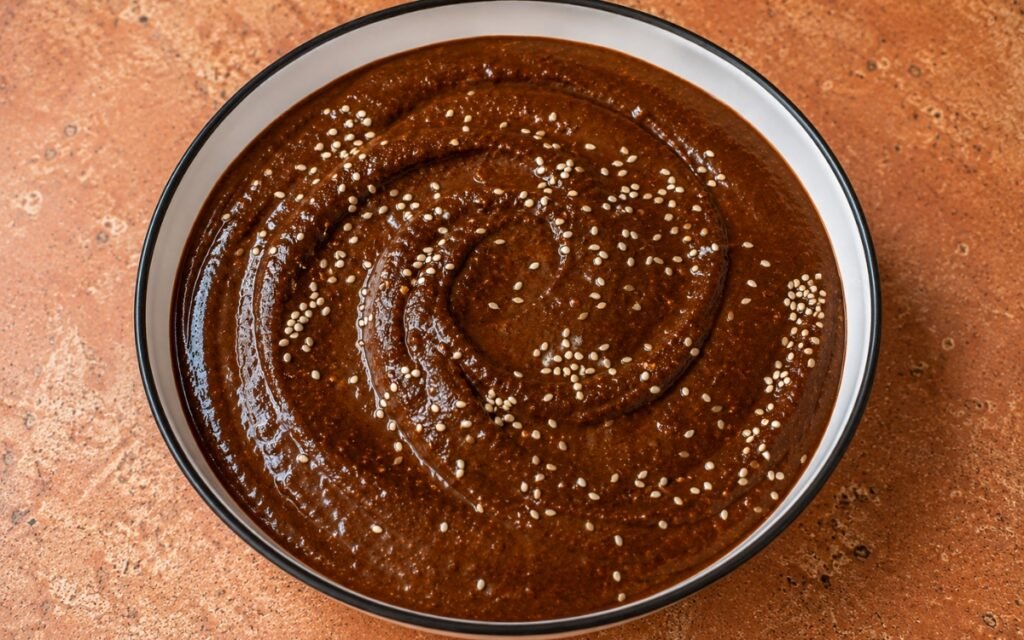
A deep red-brown mole poblano sauce built from dried chiles, roasted aromatics, nuts, seeds, spices, and Mexican chocolate, layered and fried for richness.
Nopales con Huevo
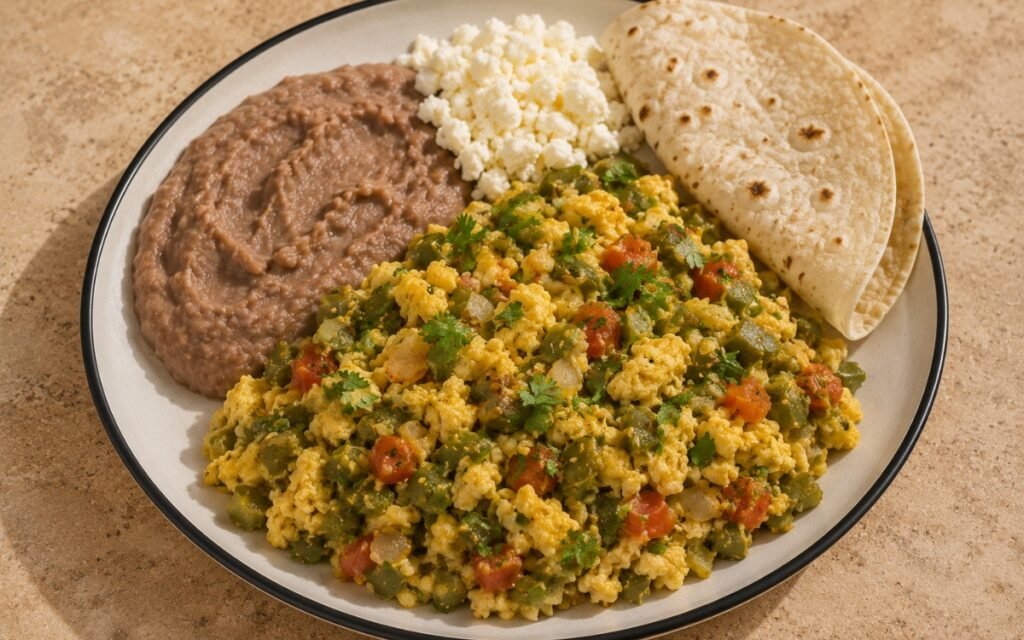
Scrambled eggs cooked with tender diced nopales, onion, tomato, and green chile, finished with fresh cilantro.
Challah Bread
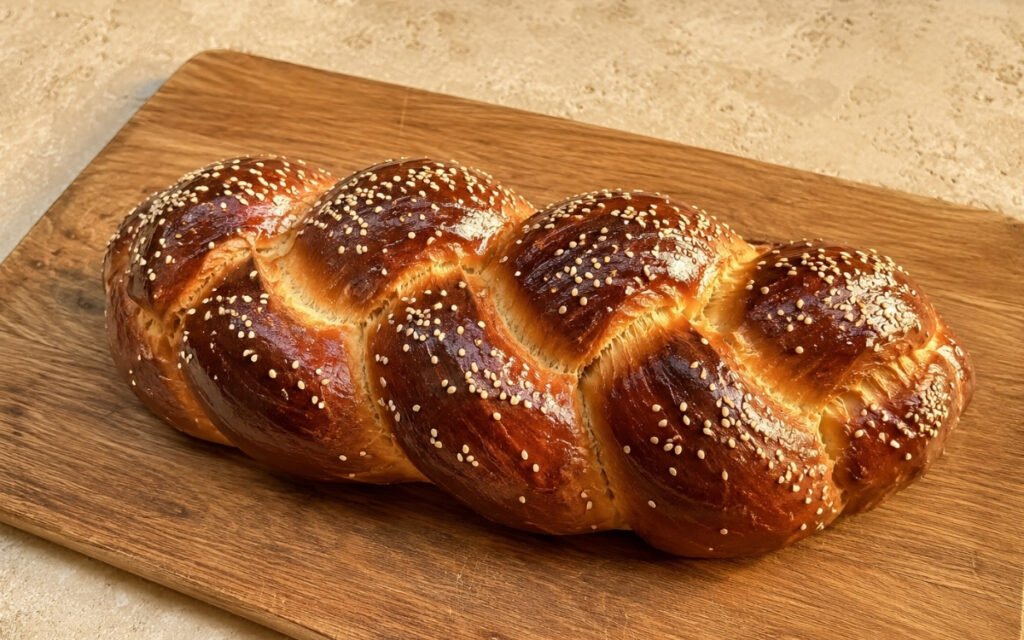
Oil-and-egg enriched dough kneaded 10–12 minutes for braid structure — three strands braided at even tension, thoroughly egg-washed into every crevice, and baked to a deep amber. Soft, golden, slightly chewy.
You might also like
You might also like
Paloma Fizz Mocktail
Bright grapefruit fizz with rosemary depth, dry, bitter-leaning, and refreshingly precise with true cocktail character.
Mexican Black Bean Quesadilla
Seasoned black beans, slowly caramelised onion, and melted mozzarella-cotija crisped golden in flour tortillas, served with salsa verde and avocado.
Homemade Churros with Chocolate Sauce
Piped churro dough cooked for real structure, fried until deeply golden and ridged, tossed in cinnamon sugar, and served with rich chocolate sauce.


Mole Verde Sauce
Ingredients
Method
- Set the oven broiler to high or heat a dry comal or cast-iron pan over medium-high heat. Broil or dry-roast the tomatillos, poblano peppers, serranos, onion wedges, and unpeeled garlic until blistered and well colored. The tomatillos should soften and collapse slightly, the poblanos should blacken in patches, the onion should take dark roasted spots, and the garlic should soften in its skins. This usually takes 10–15 minutes under the broiler or a little longer on the stovetop. Turn everything as needed for even roasting. Transfer the poblanos to a bowl and cover for 5 minutes to steam, then peel away most of the loose charred skin. Remove the seeds only if you want a slightly milder sauce. Peel the garlic cloves. The vegetables should smell sweet and roasted, not raw. The tomatillos must be fully softened, and the poblanos should be tender enough to blend smoothly. Steaming the poblanos covered for those few minutes after roasting loosens their charred skin considerably more effectively than trying to peel it away immediately off the heat — the trapped steam softens the skin’s grip on the flesh beneath it.
- While the vegetables roast, place a large dry skillet over medium heat. Add the pumpkin seeds and toast, stirring often, until fragrant, lightly golden in spots, and just beginning to pop, 3–5 minutes. Remove immediately so they do not darken too much or turn bitter. Toast the sesame seeds for 30–60 seconds until lightly golden and aromatic. Remove. Toast the torn tortillas in the same pan until dry, lightly blistered, and crisp in spots. If using the bread, toast it as well until dry and lightly golden. The pepitas should taste nutty and rich, not raw. The tortillas and bread should feel dry and firm so they blend in as a proper thickener rather than turning gummy. Pulling the pumpkin seeds the instant they begin popping, rather than continuing past that point for more colour, protects them from tipping into the bitterness that overtoasted seeds develop quickly once they cross from golden into truly browned.
- Bring about 500ml of the chicken stock to a very gentle simmer in a saucepan. Add the chopped lettuce and cook for 30–45 seconds, just until wilted. Add the cilantro, parsley, epazote, and hoja santa if using, and wilt them for only 10–15 seconds more. Immediately remove from the heat. This step softens the greens, takes away the raw grassy edge, and helps preserve a vivid green color without overcooking the herbs. The greens should be wilted and bright green, not olive or dull. Do not simmer them for long. This is genuinely the single most colour-critical step in the entire recipe — chlorophyll, the pigment responsible for green colour in herbs and lettuce, degrades quickly under sustained heat, and the brief, staged wilting specified here — lettuce first, more delicate herbs added only afterward for an even shorter time — is calibrated specifically to soften everything just enough while minimising that colour loss.
- In a blender, combine the roasted tomatillos, poblanos, serranos, onion, peeled roasted garlic, wilted lettuce and herbs with their cooking liquid, toasted pumpkin seeds, sesame seeds, toasted tortilla pieces, toasted bread if using, salt, black pepper, cumin, cloves if using, and oregano if using. Add another 250–350ml warm stock and blend until very smooth. The sauce should be thick but fully moving in the blender. Add a little more stock if needed, but do not over-thin it yet. For a more rustic traditional finish, stop once the sauce is very smooth but still has a faint natural texture from the seeds. For an extra polished finish, you can pass it through a medium sieve, but it is not necessary. The blended mole should be vividly green, creamy-looking, and thick enough to mound slightly on a spoon. It should not look watery or separated. Including the herbs’ own wilting liquid directly in the blend, rather than discarding it, carries some of the water-soluble flavour and colour that leached out during that brief wilt back into the finished sauce rather than losing it.
- Heat the lard or oil in a heavy saucepan or Dutch oven over medium heat. Carefully pour in the blended mole base. Stir immediately. It may sputter at first. Reduce the heat slightly and cook, stirring frequently, for 8–10 minutes. This frying stage is essential. It deepens the flavor, removes any raw blended taste, and develops the glossy body that makes the sauce feel complete. The mole will darken slightly from bright green to a deeper vivid green, become glossier, and thicken. The raw tomatillo aroma should mellow into a more rounded, savory smell. Even at this stage, where genuine transformation and cooking is meant to happen, the heat is kept moderate rather than aggressive — a harder fry would risk pushing the sauce’s colour past that intended deeper vivid green and toward the duller olive tone this recipe is specifically built to avoid.
- Slowly whisk in enough of the remaining warm chicken stock to bring the sauce to a thick, spoonable consistency. For a finishing sauce, it should be thick enough to hold soft swirls. For coating chicken or pork, it can be loosened a little more. Bring the sauce to a very gentle simmer and cook for 10–12 minutes, stirring often so the bottom does not catch. Taste and adjust the seasoning. Add more salt if needed. If the tomatillos are especially tart, add 1 teaspoon sugar, taste again, and only add the second teaspoon if it truly needs it. If the mole becomes too thick, loosen it with 1–2 tablespoons hot stock or water at a time. If it seems too loose, simmer a few extra minutes until it coats the back of a spoon heavily. The finished mole should be thick, glossy, and velvety, with a slight natural seed texture. It should cling to a spoon and spread into smooth swirls without leaking liquid at the edges. The instruction to keep this simmer genuinely gentle, rather than a firmer boil, is a continuation of the same colour-protection principle running through the whole recipe — an aggressive simmer at this late stage could still dull the sauce’s hard-won brightness even after every earlier step protected it successfully.
- Taste one final time for salt and balance. The finished flavor should be savory, herbal, gently nutty, lightly spicy, and bright but not sharp. Serve warm with a few toasted pumpkin seeds scattered over the top. The sauce should look lush and glossy, with a vivid green color and no visible oil separation. Scattering the toasted pumpkin seed garnish only at the very end, rather than incorporating it earlier, preserves both their crunch and their own visual presence against the smooth sauce.