
Mole Coloradito Sauce
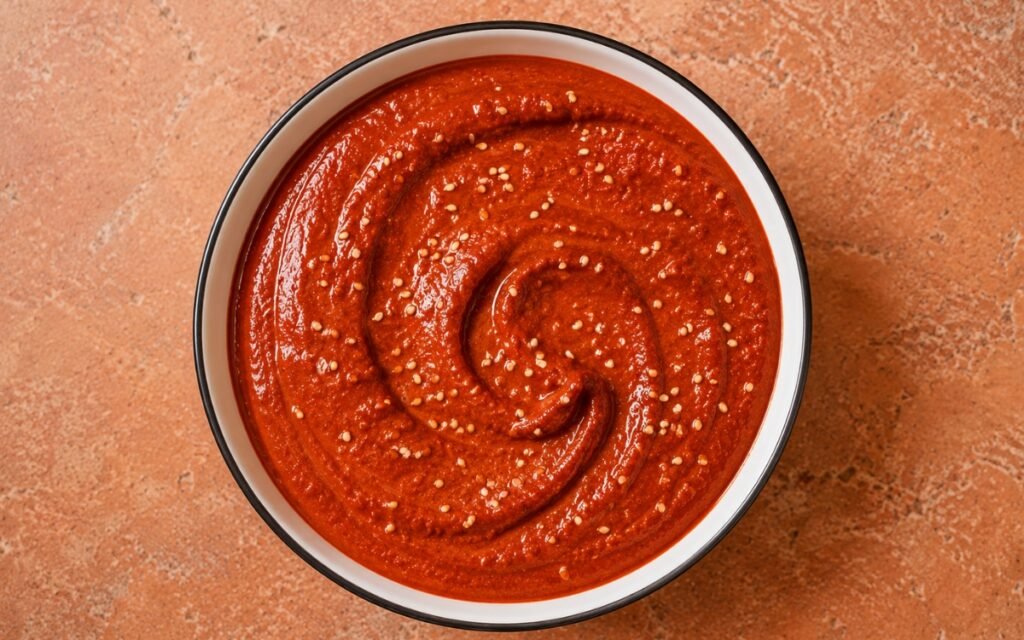
A classical Oaxacan-style mole coloradito with a vivid red-brick color, built from dried red chiles, roasted tomatoes and tomatillos, toasted nuts and seeds, bread and tortilla for body, and warm spices for depth. It is smoother, brighter, and fruitier than mole negro, with a glossy, thick texture that coats beautifully without feeling heavy. Toasting the dried red chiles just enough to develop fragrance without ever letting them blacken is the technique this whole sauce depends on for its defining brick-red color — mole coloradito’s whole identity rests on staying bright and red-toned rather than drifting dark and muddy, the same controlled-toast-preserve-color principle used elsewhere in this collection whenever a dried chile’s own vivid pigment needs protecting through the cooking process. Keeping the roasted aromatics char-marked but still visibly red-orange, rather than pushed toward deep blackening, is what preserves that same brightness at the vegetable stage. Using only a small, optional amount of Mexican chocolate, rather than the larger quantity a darker mole calls for, is what keeps this sauce from reading as chocolate-forward. The payoff is a sauce that’s genuinely vivid, red-brick, glossy, and balanced — savory and warm-spiced with real brightness from the tomato and tomatillo still coming through underneath the deeper mole notes.
Prep Time : 40 min
Cook Time : 1 hr, 20 min
Servings : 8
40 min
1 hr, 20 min
8
Ingredients
For the Chile Base
• 6 dried guajillo chiles, stemmed and seeded — this one on Amazon
• 4 dried ancho chiles, stemmed and seeded — this one on Amazon
• 3 dried pasilla chiles, stemmed and seeded — this one on Amazon
• 2 dried mulato chiles, stemmed and seeded — this one on Amazon
• Hot water, as needed for soaking
For the Roasted Aromatics
• 500g Roma tomatoes, halved
• 250g tomatillos, husked and rinsed
• 1 medium white onion, cut into thick wedges
• 5 garlic cloves, unpeeled
For the Thickening and Flavor Base
• 40g white sesame seeds, plus extra for garnish
• 35g blanched almonds
• 35g peanuts
• 25g pumpkin seeds
• 2 corn tortillas
• 1 small stale bolillo or 2 slices sturdy white bread, torn
• 40g raisins
• 1 small ripe plantain, peeled and sliced, about 120g
• 1 avocado leaf, optional
• 1 small extra corn tortilla, optional, if the sauce needs a little more body at the end
For the Spice Base
• 1 small cinnamon stick
• 4 whole cloves — this one on Amazon
• 6 black peppercorns
• 4 allspice berries — this one on Amazon
• 1 tsp cumin seeds — this one on Amazon
• 1 tsp coriander seeds — this one on Amazon
• 1 tsp dried Mexican oregano — this one on Amazon
• ½ tsp dried thyme
For Frying and Simmering
• 90ml lard or neutral oil, divided — this one on Amazon
• 1.2 to 1.5 litres warm chicken stock or light pork stock
• 20 to 25g piloncillo or dark brown sugar, to taste
• 12 to 15g fine sea salt, plus more to taste
• 15 to 20g Mexican chocolate, optional and only if you want a rounder, slightly deeper finish — this one on Amazon
This post may contain affiliate links. As an Amazon Associate I earn from qualifying purchases, at no additional cost to you.
Directions
- Toast and Soak the Chiles
Heat a dry skillet or comal over medium-low heat. Toast the guajillo, ancho, pasilla, and mulato chiles in batches for a few seconds per side, pressing them flat with a spatula until aromatic and slightly pliable. Do not let them blacken or scorch. Mole coloradito should stay brick-red and bright, so the chiles need deep toasting but not a burnt flavor. Transfer the toasted chiles to a bowl and cover with hot water. Weigh them down if needed and soak for 20 minutes until fully softened. The chiles should smell fruity, sweet, and lightly smoky. After soaking, they should be fully flexible with no leathery centers. This distinction matters more for mole coloradito specifically than for a darker mole style — any scorching here doesn’t just risk bitterness, it also directly dulls and darkens the vivid red colour this particular sauce depends on for its whole identity. - Roast the Aromatics
While the chiles soak, roast the tomatoes, tomatillos, onion, and unpeeled garlic on a dry skillet, comal, or under a broiler at 220°C until blistered and charred in spots, about 12–18 minutes depending on method. Turn as needed so the onion edges darken, the tomatoes collapse slightly, and the tomatillos lose their raw sharpness. Peel the garlic once cool enough to handle. The vegetables should have good roasted color and softened flesh, but still retain a bright red-orange character rather than going fully black. Stopping the roast at charred-but-still-vivid, rather than pushing toward the deeper blackening a mole negro would call for, is a deliberate calibration specific to this recipe — the goal here is real roasted depth without sacrificing the brightness that separates coloradito from the darker mole styles. - Fry the Base Ingredients
Heat about 60ml of the lard or oil in a heavy skillet over medium heat. Fry the plantain slices until well caramelized and golden brown on both sides, about 2–3 minutes per side. Remove. Fry the raisins for 20–30 seconds until puffed. Remove. Fry the almonds, peanuts, and pumpkin seeds separately or in careful sequence until fragrant and lightly golden. Remove each promptly so they do not over-brown. Fry the sesame seeds briefly until golden and nutty, 30–45 seconds. Remove immediately. Fry the torn bread until golden brown and crisp. Fry the tortillas until deep golden and crisp with a few darker spots but not burnt. If using the avocado leaf, toast it briefly in the dry pan for a few seconds until fragrant. Everything should smell richer and more developed, with no raw floury or seedlike aroma left. The bread and tortilla should be crisp enough to break cleanly. Frying each component individually and pulling it the moment it’s ready, rather than combining everything in one pass, is what lets ingredients as different as delicate sesame seeds and dense plantain slices each reach their own specific point of doneness without one overcooking while another still needs time. - Toast the Spices
In a mostly dry pan over low heat, toast the cinnamon, cloves, peppercorns, allspice, cumin, coriander, oregano, and thyme for 30–60 seconds until fragrant. Remove immediately so the smaller spices do not burn. The spice aroma should bloom quickly and smell warm and sweet. If it smells harsh or smoky, it has gone too far. Transferring the spices out of the hot pan the moment they’re toasted, rather than leaving them where they are, protects them from the pan’s own retained heat continuing to cook them even after the burner is turned off. - Blend the First Paste
Drain the soaked chiles. In a blender, combine the soaked chiles, roasted tomatoes, roasted tomatillos, onion, peeled roasted garlic, fried plantain, raisins, almonds, peanuts, pumpkin seeds, sesame seeds, fried bread, fried tortillas, toasted spices, and avocado leaf if using. Add 500–700ml warm stock and blend until as smooth as possible. Work in batches if needed. The mixture should move in the blender but remain thick. Pass the puree through a fine sieve into a bowl, pressing firmly with a ladle or spatula. This step gives the finished mole its smoother, more classical texture. The strained paste should be thick, velvety, and strongly red-brown, with no obvious seed grit or large chile skin fragments. Straining after blending catches whatever fibrous material — chile skins, seed hulls, sesame husks — the blender’s blades alone couldn’t fully break down, which is what produces the genuinely velvety texture this classical mole style is known for. - Fry the Mole Paste
Heat the remaining 30ml lard or oil in a heavy pot or Dutch oven over medium heat. Carefully add the strained mole paste. Stir immediately because it may sputter. Fry the paste for 10–15 minutes, stirring often and scraping the bottom and corners so it does not catch. This step develops color, sweetness, and depth, and cooks out any rawness from the blended ingredients. The paste should darken slightly into a deeper brick-red, look glossy, and leave slow thick tracks when stirred. The aroma should become rounder and more integrated. This is the stage where every individually toasted, roasted, and fried component genuinely becomes one unified sauce — without this active frying, the blended paste, however carefully prepared, would still taste distinctly raw and disconnected. - Simmer into a Sauce
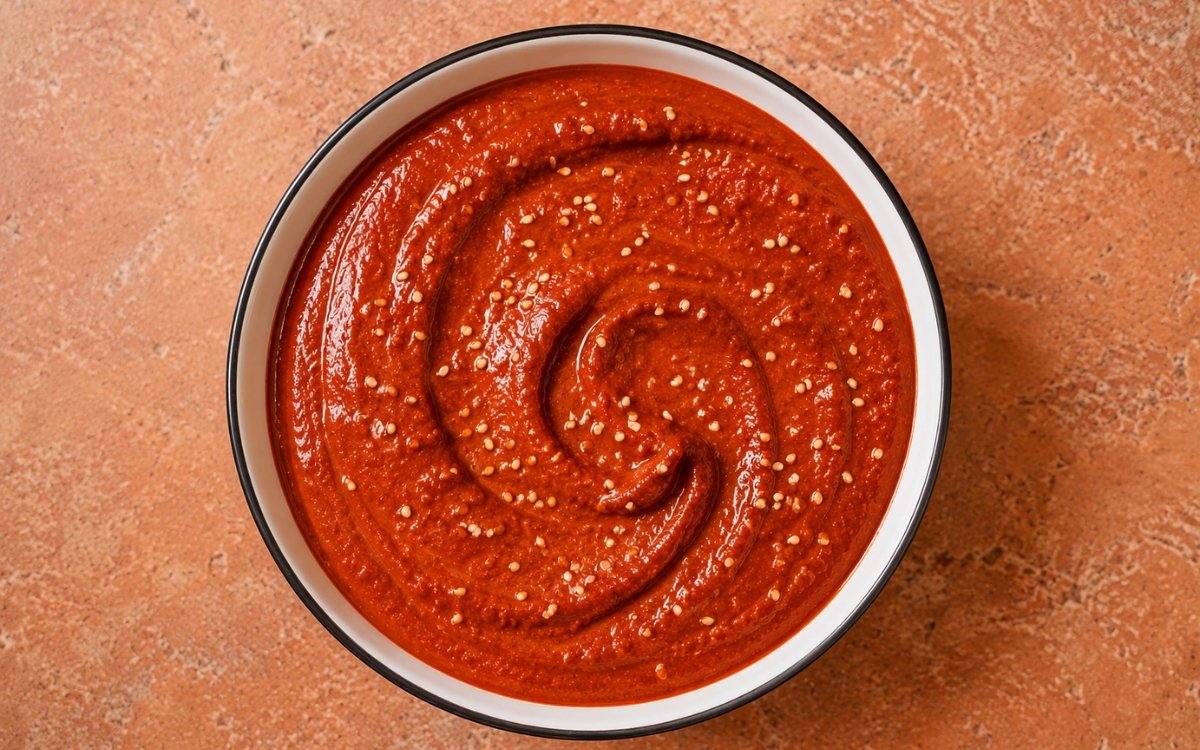
Start whisking in warm stock a little at a time until the mole loosens into a thick sauce. Add about 600–800ml at first, then add more only as needed during simmering. Add 12g salt and 20g piloncillo or dark brown sugar to start. If using Mexican chocolate, add only 15–20g here. Mole coloradito should not read as chocolate-forward. Lower the heat and simmer very gently for 25–30 minutes, stirring frequently. Add more stock as needed to reach a thick but spoonable consistency. The sauce should coat the back of a spoon heavily and settle into smooth swirls, not sit as a stiff paste. Taste and adjust with more salt or a little more piloncillo if needed. If the sauce feels too thick or dense, loosen with additional warm stock 50–100ml at a time. The finished sauce should be glossy, smooth, and a vivid red-brick color. The flavor should be savory, chile-rich, lightly sweet, warm-spiced, and balanced, with brightness from the tomatoes and tomatillos still present underneath the deeper mole notes. Keeping the optional chocolate to this smaller, restrained amount, rather than the larger quantity a darker mole style calls for, is specifically what protects this sauce’s identity — chocolate used more generously would pull the flavour and colour toward something closer to mole negro or poblano rather than coloradito’s own distinct, brighter character. - Final Texture Adjustment and Service
If the mole is going to be used over chicken, pork, enchiladas, or roasted vegetables, keep it slightly looser than you think, because it thickens as it sits. If it is for spooning as a plating sauce, keep it a little thicker. Simmer for a final 3–5 minutes after the last stock adjustment so the texture resets and the surface regains its sheen. Serve hot, finished with a light scatter of toasted sesame seeds. When spooned onto a plate, the mole should hold its shape softly, spread with a gentle nudge, and look glossy rather than broken or oily. That brief final simmer after any last adjustment allows the sauce’s texture and surface sheen to properly settle back into place, rather than serving it immediately after a stock addition while it’s still actively integrating.
*Notes :
- Mole coloradito’s specific brightness — genuinely red-brick and vivid, rather than drifting dark and muddy — deserves to be understood as the defining characteristic this entire recipe is built to protect, distinct from both mole poblano and mole negro. Every stage that involves heat, from toasting the chiles through roasting the aromatics to frying the base ingredients, is calibrated with real colour preservation in mind, not just flavour development — pushing any of those stages toward genuine darkening or blackening works directly against the sauce’s whole identity.
- Guajillo’s role as the backbone of this mole’s colour is worth understanding specifically, since it’s the chile most directly responsible for that characteristic brick-red tone. Ancho, pasilla, and mulato round out the flavour profile with their own distinct contributions, but reducing the guajillo proportion too far would genuinely compromise the sauce’s signature colour, regardless of how the other chiles are balanced.
- The restrained, optional use of Mexican chocolate in this recipe — genuinely smaller than the amount used in mole poblano or mole negro — reflects a deliberate choice to keep this sauce reading as chile-and-tomato-forward rather than chocolate-forward. This recipe’s own guidance is explicit on this point: mole coloradito should not read as chocolate-forward, and using a larger quantity would pull both flavour and colour toward a different, darker mole style entirely.
- The recipe’s own troubleshooting notes are worth taking seriously as genuine, tested guidance rather than generic advice. A flat-tasting sauce typically needs more salt or additional frying time rather than simply more sugar, and a sauce that tastes too sharp benefits from a longer simmer along with an extra piece of bread or tortilla blended and whisked in — both reflect real, specific fixes for this particular sauce’s common failure points.
Why This Recipe Works
This recipe works because every heat-applying stage — toasting the chiles, roasting the aromatics, frying the base ingredients — is deliberately calibrated to protect the sauce’s genuine brightness rather than push toward the darker colour a different mole style would call for.
Guajillo’s proportion is kept substantial specifically to anchor the sauce’s brick-red backbone, and the optional Mexican chocolate is used only in a restrained amount that supports depth without shifting the sauce’s identity toward being chocolate-forward.
Straining the blended base produces the classical velvety texture, and frying that strained paste in fat before dilution transforms every carefully prepared component into one integrated, glossy sauce.
Ingredient Breakdown
Guajillo Chile (as the Colour Backbone)
The critical colour source — anchors the sauce’s signature brick-red tone, with ancho, pasilla, and mulato rounding out flavour without diluting that colour.
Controlled, Non-Scorching Toasting Throughout
The critical technique — every heat stage calibrated to develop flavour without darkening the sauce past its intended vivid red.
Individually Fried Nuts, Seeds, and Fruit
The layering technique — each pulled at its own ideal point given real differences in size, density, and fat content.
Strained, Then Fried Mole Paste
The transformative sequence — straining produces genuine velvety texture, frying concentrates every component into one cohesive sauce.
Restrained, Optional Mexican Chocolate
The finishing calibration — used in a genuinely smaller amount than darker mole styles, protecting this sauce’s specific, brighter identity.
Flavor Structure Explained
This mole coloradito follows a layered balance model:
- Bright red-chile foundation (guajillo, ancho, pasilla, mulato)
- Sweet roasted vegetable depth (tomato, tomatillo, onion, garlic)
- Rich nutty-fruity body (plantain, raisins, almonds, peanuts, seeds)
- Warm complex spice (cinnamon, clove, allspice, cumin, coriander, oregano, thyme)
- Mild sweet finish (piloncillo, optional restrained chocolate)
Four dried red chile varieties, toasted with real attention to colour, provide this sauce’s bright, foundational depth. Roasted tomato, tomatillo, onion, and garlic contribute sweet, char-touched flavour that stays visibly bright rather than heavily blackened. Fried plantain, raisins, almonds, peanuts, and seeds build a rich, substantial body. Warm whole spices layer in genuine complexity throughout the sauce. A mild finish of piloncillo, with only an optional, restrained touch of Mexican chocolate, rounds out the sauce’s sweetness without ever pulling it toward a chocolate-forward flavour.
Common Mistakes to Avoid
- Scorching the Chiles or Vegetables Past Controlled Colour – This darkens and mutes the sauce’s characteristic brick-red tone. Always toast and roast with real attention to preserving brightness.
- Reducing the Guajillo Chile Too Much – This compromises the sauce’s signature colour backbone. Always keep it as the largest proportion among the chiles used.
- Using Too Much Mexican Chocolate – This pulls the sauce toward a darker, chocolate-forward flavour and colour, away from coloradito’s own identity. Always keep it optional and genuinely restrained.
- Skipping the Straining Step – This leaves gritty texture from chile skins and seed hulls in the finished sauce. Always pass the blended base through a fine sieve.
- Adding More Sugar Instead of More Salt or Frying Time When the Sauce Tastes Flat – This often doesn’t address the real issue. Always try more salt or additional frying time first.
Variations
No-Chocolate Version
Omit the Mexican chocolate entirely for an even brighter, purely chile-and-tomato-forward result.
Extra-Bright Version
Increase the guajillo proportion slightly relative to the other chiles for an even more vivid red-brick colour.
Turkey or Pork Version
Serve the finished sauce over roasted turkey or pork instead of chicken for a different traditional pairing.
Thicker Plating Sauce Version
Reduce the final stock addition slightly for a thicker consistency better suited to spooning as a plating sauce rather than a pourable topping.
Storage & Make-Ahead
Refrigerate for up to 4 days or freeze in portions.
Reheat slowly over low heat, stirring often, since the sauce thickens considerably as it sits.
If the sauce tastes too sharp after storage, simmer 5–10 minutes longer and add a small extra piece of bread or half an extra fried tortilla blended with a little stock and whisked in.
Frequently Asked Questions
Why is it so important that the chiles and vegetables never blacken during this recipe?
Mole coloradito’s whole identity depends on staying genuinely bright and red-toned rather than dark and muddy. Any scorching or excessive charring at these stages doesn’t just risk bitterness — it directly dulls and darkens the vivid brick-red colour this specific sauce is built around.
Why does guajillo make up the largest portion of the chile blend?
Guajillo is specifically responsible for the sauce’s signature brick-red colour backbone. Ancho, pasilla, and mulato round out the flavour, but reducing the guajillo proportion too far would genuinely compromise the sauce’s characteristic colour.
Why is the Mexican chocolate optional and used in such a small amount?
This sauce is meant to stay chile-and-tomato-forward rather than chocolate-forward. A larger quantity of chocolate would pull both the flavour and colour toward a darker mole style, away from coloradito’s own distinct, brighter identity.
Why does the recipe suggest more salt or frying time rather than more sugar if the sauce tastes flat?
This reflects the sauce’s actual common failure points — a flat taste is usually a seasoning or development issue rather than a sweetness one. Adding more sugar in that situation typically doesn’t fix the underlying problem.
Are there other classic mole sauces worth trying?
Mole Poblano Sauce offers a related but more chocolate-forward classic mole, generally darker and richer. Mole Negro Sauce is the most intensely dark, smoky Oaxacan mole style, worth comparing directly against this brighter coloradito. Mole Verde Sauce takes an entirely different direction, built on fresh green herbs and chiles rather than dried red ones.
Nutrition Facts
( per serving )
Calories
~300 kcal
Protein
7 g
Fat
20 g
Carbs
26 g
Calories
~300 kcal
Protein
7 g
Fat
20 g
Carbs
26 g
Related Recipes
Related Recipes

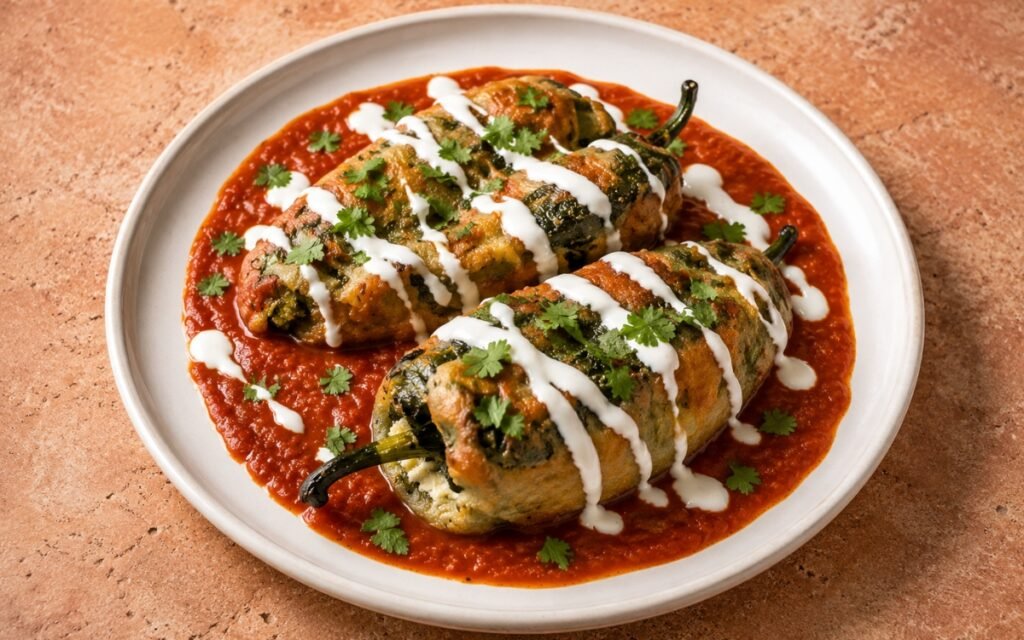
Chiles Rellenos with Tomato Sauce
Roasted poblano peppers stuffed with melting cheese, coated in whipped egg batter, and pan-fried golden. Served over a glossy tomato-chipotle sauce.
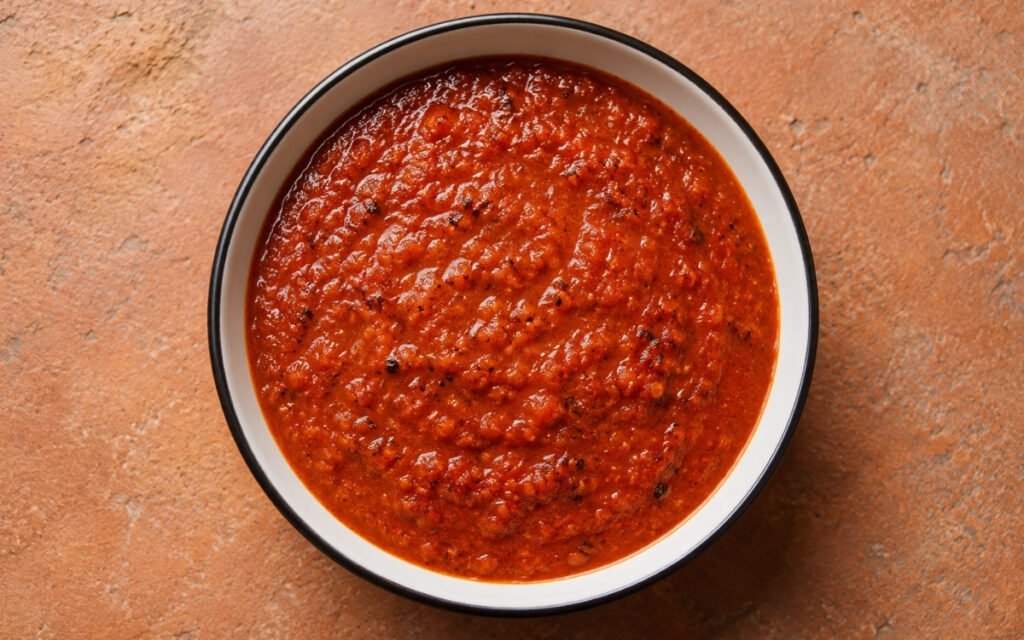
Salsa Roja
Broiled Roma tomatoes and caramelised onion blended with raw jalapeño and fresh cilantro — the classic Mexican red salsa, rich and bright, ready in 20 minutes.
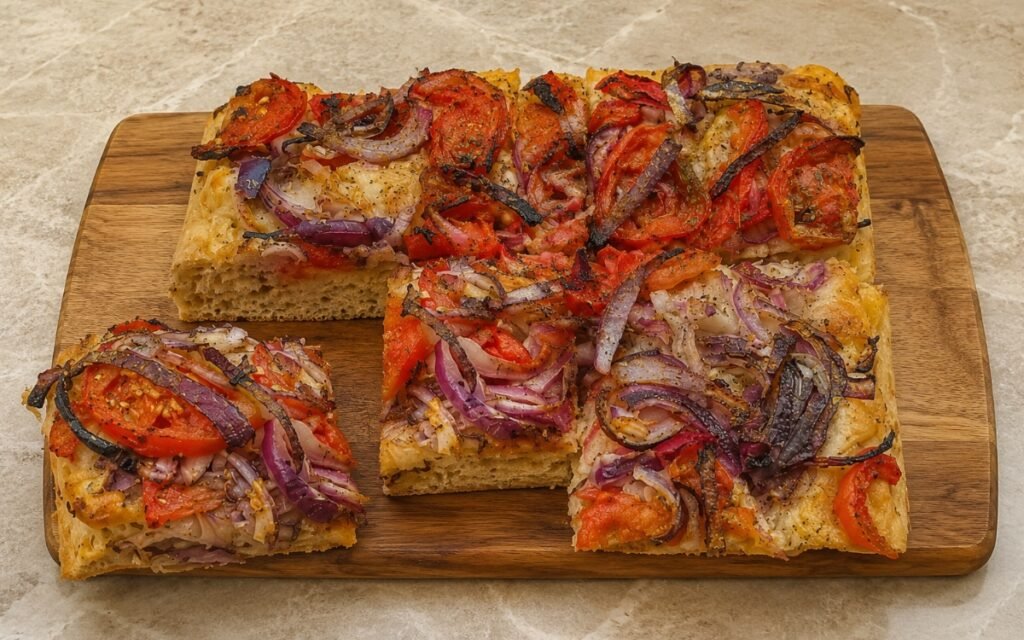
Greek Ladenia with Tomato and Red Onion
Long-fermented, focaccia-like dough baked crisp underneath and airy inside, topped generously with ripe tomato, red onion, and oregano.
You might also like
You might also like
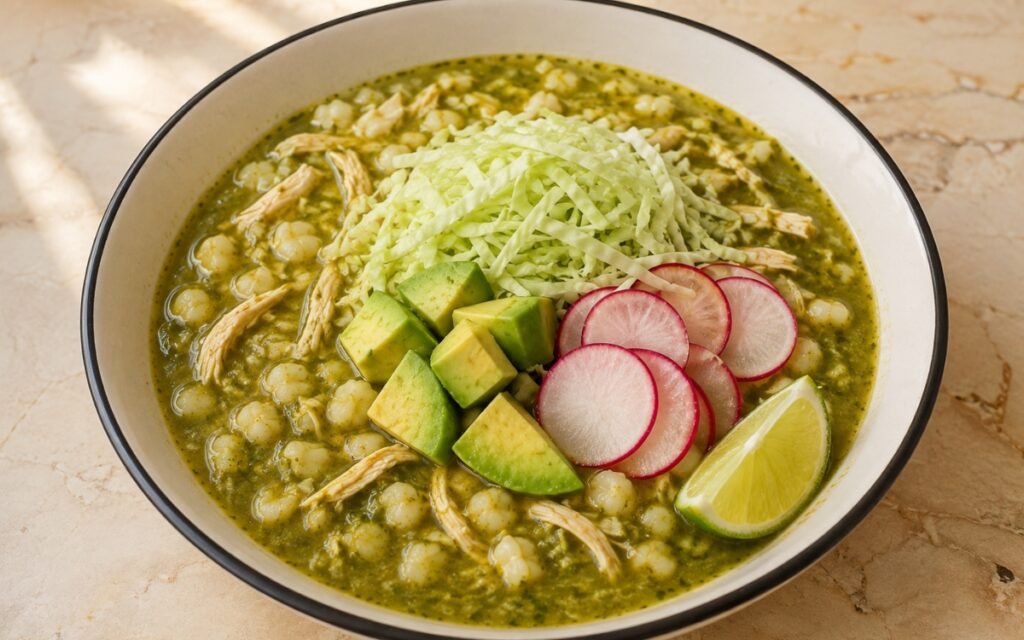
Pozole Verde
A vivid green Mexican pozole with savory chicken broth, roasted tomatillo-pumpkin seed base, hominy, and shredded chicken.
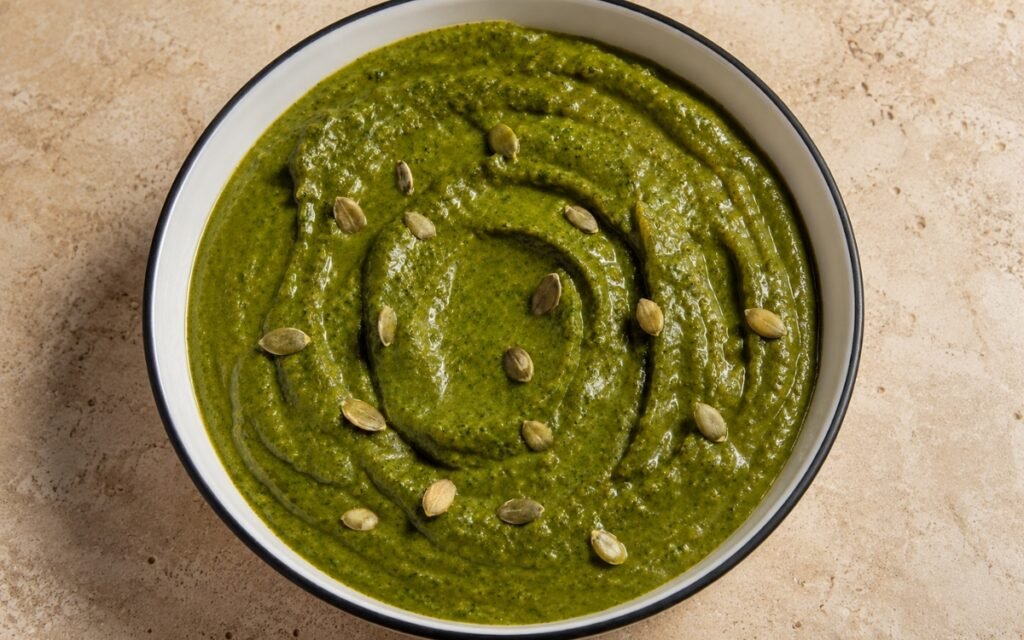
Mole Verde Sauce
A vivid green mole verde built on roasted tomatillos, green chiles, toasted pepitas, and fresh herbs, kept bright and glossy through gentle heat.
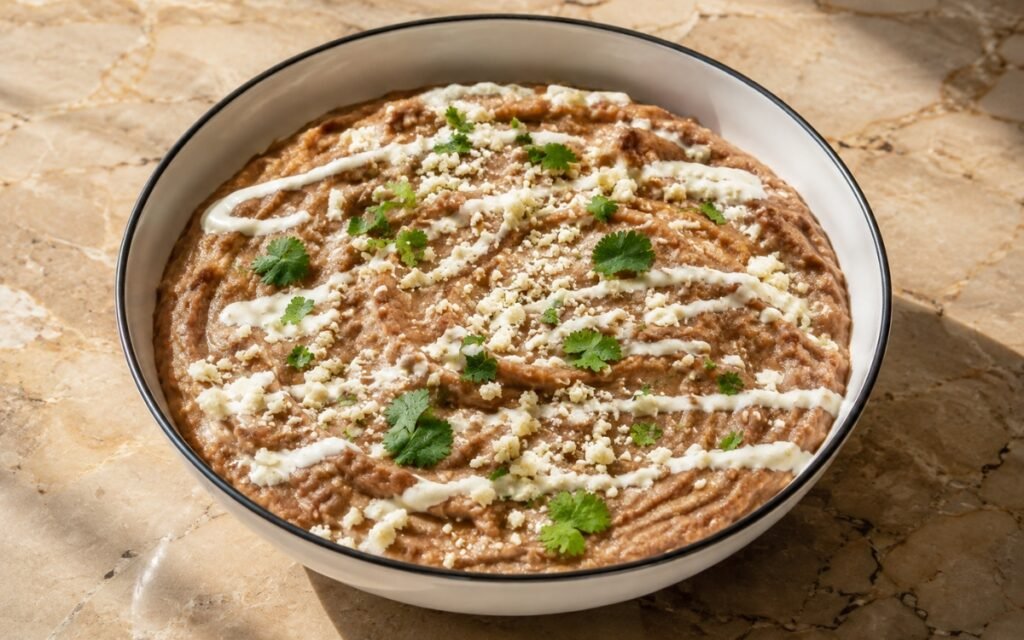
Refried Beans
Creamy pinto beans simmered slowly, mashed and fried in lard with onion and garlic until glossy and spreadable.
Mole Coloradito Sauce
Ingredients
Method
- Heat a dry skillet or comal over medium-low heat. Toast the guajillo, ancho, pasilla, and mulato chiles in batches for a few seconds per side, pressing them flat with a spatula until aromatic and slightly pliable. Do not let them blacken or scorch. Mole coloradito should stay brick-red and bright, so the chiles need deep toasting but not a burnt flavor. Transfer the toasted chiles to a bowl and cover with hot water. Weigh them down if needed and soak for 20 minutes until fully softened. The chiles should smell fruity, sweet, and lightly smoky. After soaking, they should be fully flexible with no leathery centers. This distinction matters more for mole coloradito specifically than for a darker mole style — any scorching here doesn’t just risk bitterness, it also directly dulls and darkens the vivid red colour this particular sauce depends on for its whole identity.
- While the chiles soak, roast the tomatoes, tomatillos, onion, and unpeeled garlic on a dry skillet, comal, or under a broiler at 220°C until blistered and charred in spots, about 12–18 minutes depending on method. Turn as needed so the onion edges darken, the tomatoes collapse slightly, and the tomatillos lose their raw sharpness. Peel the garlic once cool enough to handle. The vegetables should have good roasted color and softened flesh, but still retain a bright red-orange character rather than going fully black. Stopping the roast at charred-but-still-vivid, rather than pushing toward the deeper blackening a mole negro would call for, is a deliberate calibration specific to this recipe — the goal here is real roasted depth without sacrificing the brightness that separates coloradito from the darker mole styles.
- Heat about 60ml of the lard or oil in a heavy skillet over medium heat. Fry the plantain slices until well caramelized and golden brown on both sides, about 2–3 minutes per side. Remove. Fry the raisins for 20–30 seconds until puffed. Remove. Fry the almonds, peanuts, and pumpkin seeds separately or in careful sequence until fragrant and lightly golden. Remove each promptly so they do not over-brown. Fry the sesame seeds briefly until golden and nutty, 30–45 seconds. Remove immediately. Fry the torn bread until golden brown and crisp. Fry the tortillas until deep golden and crisp with a few darker spots but not burnt. If using the avocado leaf, toast it briefly in the dry pan for a few seconds until fragrant. Everything should smell richer and more developed, with no raw floury or seedlike aroma left. The bread and tortilla should be crisp enough to break cleanly. Frying each component individually and pulling it the moment it’s ready, rather than combining everything in one pass, is what lets ingredients as different as delicate sesame seeds and dense plantain slices each reach their own specific point of doneness without one overcooking while another still needs time.
- In a mostly dry pan over low heat, toast the cinnamon, cloves, peppercorns, allspice, cumin, coriander, oregano, and thyme for 30–60 seconds until fragrant. Remove immediately so the smaller spices do not burn. The spice aroma should bloom quickly and smell warm and sweet. If it smells harsh or smoky, it has gone too far. Transferring the spices out of the hot pan the moment they’re toasted, rather than leaving them where they are, protects them from the pan’s own retained heat continuing to cook them even after the burner is turned off.
- Drain the soaked chiles. In a blender, combine the soaked chiles, roasted tomatoes, roasted tomatillos, onion, peeled roasted garlic, fried plantain, raisins, almonds, peanuts, pumpkin seeds, sesame seeds, fried bread, fried tortillas, toasted spices, and avocado leaf if using. Add 500–700ml warm stock and blend until as smooth as possible. Work in batches if needed. The mixture should move in the blender but remain thick. Pass the puree through a fine sieve into a bowl, pressing firmly with a ladle or spatula. This step gives the finished mole its smoother, more classical texture. The strained paste should be thick, velvety, and strongly red-brown, with no obvious seed grit or large chile skin fragments. Straining after blending catches whatever fibrous material — chile skins, seed hulls, sesame husks — the blender’s blades alone couldn’t fully break down, which is what produces the genuinely velvety texture this classical mole style is known for.
- Heat the remaining 30ml lard or oil in a heavy pot or Dutch oven over medium heat. Carefully add the strained mole paste. Stir immediately because it may sputter. Fry the paste for 10–15 minutes, stirring often and scraping the bottom and corners so it does not catch. This step develops color, sweetness, and depth, and cooks out any rawness from the blended ingredients. The paste should darken slightly into a deeper brick-red, look glossy, and leave slow thick tracks when stirred. The aroma should become rounder and more integrated. This is the stage where every individually toasted, roasted, and fried component genuinely becomes one unified sauce — without this active frying, the blended paste, however carefully prepared, would still taste distinctly raw and disconnected.
- Start whisking in warm stock a little at a time until the mole loosens into a thick sauce. Add about 600–800ml at first, then add more only as needed during simmering. Add 12g salt and 20g piloncillo or dark brown sugar to start. If using Mexican chocolate, add only 15–20g here. Mole coloradito should not read as chocolate-forward. Lower the heat and simmer very gently for 25–30 minutes, stirring frequently. Add more stock as needed to reach a thick but spoonable consistency. The sauce should coat the back of a spoon heavily and settle into smooth swirls, not sit as a stiff paste. Taste and adjust with more salt or a little more piloncillo if needed. If the sauce feels too thick or dense, loosen with additional warm stock 50–100ml at a time. The finished sauce should be glossy, smooth, and a vivid red-brick color. The flavor should be savory, chile-rich, lightly sweet, warm-spiced, and balanced, with brightness from the tomatoes and tomatillos still present underneath the deeper mole notes. Keeping the optional chocolate to this smaller, restrained amount, rather than the larger quantity a darker mole style calls for, is specifically what protects this sauce’s identity — chocolate used more generously would pull the flavour and colour toward something closer to mole negro or poblano rather than coloradito’s own distinct, brighter character.
- If the mole is going to be used over chicken, pork, enchiladas, or roasted vegetables, keep it slightly looser than you think, because it thickens as it sits. If it is for spooning as a plating sauce, keep it a little thicker. Simmer for a final 3–5 minutes after the last stock adjustment so the texture resets and the surface regains its sheen. Serve hot, finished with a light scatter of toasted sesame seeds. When spooned onto a plate, the mole should hold its shape softly, spread with a gentle nudge, and look glossy rather than broken or oily. That brief final simmer after any last adjustment allows the sauce’s texture and surface sheen to properly settle back into place, rather than serving it immediately after a stock addition while it’s still actively integrating.