
Mole Negro Sauce
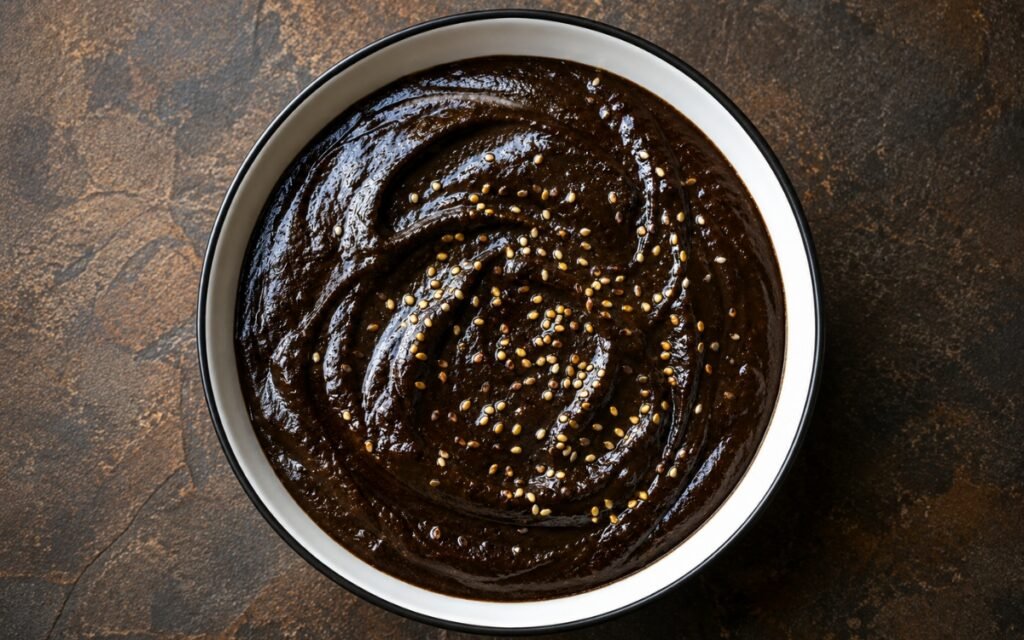
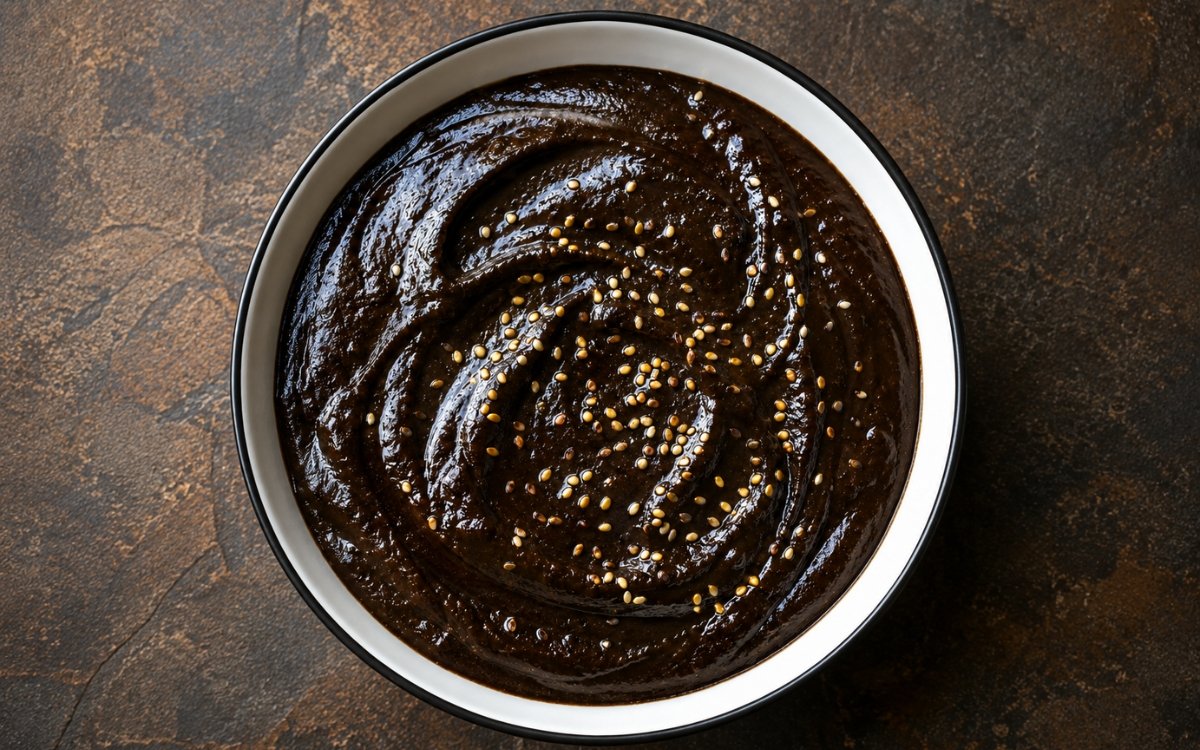
A classical Oaxacan-style mole negro made by layering deeply toasted dried chiles, charred aromatics, nuts, seeds, fruit, bread, tortilla, spices, and a small amount of Mexican chocolate into a very dark, glossy, almost black sauce. The finished mole should taste intensely savory, smoky, lightly sweet, gently bitter in a balanced way, and velvety smooth rather than heavy or muddy. Toasting the dried chiles just short of scorching, rather than pushing for maximum darkness, is the technique this whole sauce depends on — mole negro’s identity is genuinely dark, but that darkness has to come from controlled, deep toasting rather than actual burning, the same watch-closely-never-scorch principle used elsewhere in this collection whenever a dried chile’s colour needs to go deep without crossing into bitterness. Letting the tortillas and aromatics go noticeably darker than they would for a lighter mole, while still stopping well short of charcoal, is what pushes this specific sauce toward its classical near-black colour. Frying the strained paste in fat before it’s diluted with stock is what transforms every individually prepared component into one integrated, glossy sauce. The payoff is a mole that’s genuinely dark, smoky, and complex — velvety, balanced, and pleasantly bitter without ever tasting burnt.
Prep Time : 45 min
Cook Time : 1 hr, 30 min
Servings : 8
45 min
1 hr, 30 min
8
Ingredients
For the Chile Base
• 4 dried chilhuacle negro chiles, stemmed and seeded If unavailable check Variations
• 4 dried mulato chiles, stemmed and seeded — this one on Amazon
• 3 dried pasilla chiles, stemmed and seeded — this one on Amazon
• 2 dried ancho chiles, stemmed and seeded — this one on Amazon
• 2 dried guajillo chiles, stemmed and seeded — this one on Amazon
• Hot water, as needed for soaking
For the Roasted Aromatics
• 500g Roma tomatoes, halved
• 250g tomatillos, husked and rinsed
• 1 large white onion, cut into thick wedges
• 6 garlic cloves, unpeeled
For the Deep Flavor Components
• 1 small ripe plantain, peeled and sliced into thick coins
• 60g raisins
• 50g blanched almonds
• 40g peanuts
• 30g pumpkin seeds
• 50g white sesame seeds, plus extra for garnish
• 2 corn tortillas
• 2 slices stale white bread or 1 small bolillo, torn
• 1 avocado leaf, optional but very traditional if available
For the Spice Base
• 1 small cinnamon stick
• 4 cloves — this one on Amazon
• 6 black peppercorns
• 4 allspice berries — this one on Amazon
• 1 tsp cumin seeds — this one on Amazon
• 1 tsp coriander seeds — this one on Amazon
• ½ tsp anise seeds — this one on Amazon
• 1 tsp dried Mexican oregano — this one on Amazon
• 3 thyme sprigs, or ½ tsp dried thyme
For Frying and Simmering
• 90ml lard or neutral oil, divided, plus more if needed — this one on Amazon
• 1.2 to 1.5 litres chicken stock, warm
• 45 to 60g Mexican chocolate, chopped — this one on Amazon
• 15 to 25g piloncillo or dark brown sugar, to taste
• 12 to 15g fine sea salt, plus more to taste
This post may contain affiliate links. As an Amazon Associate I earn from qualifying purchases, at no additional cost to you.
Directions
- Toast and Soak the Chiles
Heat a dry skillet or comal over medium-low heat. Toast the chilhuacle negro, mulato, pasilla, ancho, and guajillo chiles in batches for just a few seconds per side until fragrant and pliable. Press them lightly with a spatula as they toast. Do not let them fully blacken or scorch hard. Mole negro is dark, but burnt chiles will make the sauce aggressively bitter instead of pleasantly deep. Transfer the toasted chiles to a bowl and cover with hot water. Soak for 20 minutes until fully softened. The chiles should smell rich, fruity, and smoky. After soaking, they should be flexible and soft all the way through, with no leathery centers. This distinction between genuine darkness and actual scorching is worth holding onto through the whole recipe — mole negro’s whole identity depends on real depth of colour and flavour, but that depth has to be built through controlled toasting rather than pushed past the point where the chiles’ own compounds turn acrid. - Char the Aromatics
While the chiles soak, roast the tomatoes, tomatillos, onion, and unpeeled garlic on a dry skillet, comal, or under a broiler until deeply blistered and charred in spots. The onion should develop strong dark edges, the tomatoes and tomatillos should collapse and release juices, and the garlic should soften inside the skins. Peel the garlic once cool enough to handle. The aromatics should have real dark color and smoky depth, but still taste sweet underneath. They should not be acrid or ashy. Roasting the garlic unpeeled protects the clove from direct scorching while still letting real heat build flavour through the skin — that same skin acts as a buffer, letting the garlic inside soften and sweeten rather than burning the way an exposed, peeled clove would under identical heat. - Fry the Plantain, Nuts, Seeds, Bread, and Tortilla
Heat about 60ml of the lard or oil in a heavy pan over medium heat. Fry the plantain slices until deeply golden brown on both sides. Remove. Fry the raisins until puffed, about 20–30 seconds. Remove. Fry the almonds, peanuts, and pumpkin seeds separately, just until fragrant and lightly golden. Remove each as soon as ready. Fry the sesame seeds briefly until golden and nutty. Remove immediately. Fry the torn bread until golden brown and crisp. Fry the tortillas until dark golden and crisp. For mole negro, let portions of the tortillas go darker than you would for most recipes — not black-charred all over, but well toasted and very dark in spots. This helps push the sauce toward its classical near-black color. If using avocado leaf, toast it lightly in the dry pan for a few seconds until aromatic. Every component should smell more intense and nutty after frying. Nothing should taste raw. The tortillas in particular should have a deep toast and slight bitterness, but not a burnt ash flavor. Frying each ingredient individually and removing it the moment it’s ready, rather than combining everything in one batch, is what lets components as different as delicate sesame seeds and dense plantain coins each reach their own specific ideal point without one overcooking while waiting for another. - Toast the Spices
In a mostly dry pan over low heat, toast the cinnamon, cloves, peppercorns, allspice, cumin, coriander, anise, oregano, and thyme for 30–60 seconds until highly fragrant. Transfer immediately so they do not overcook in the residual heat. The spices should release a warm sweet aroma quickly. If they start smoking harshly, they have gone too far. Moving the spices out of the pan the instant they’re toasted, rather than leaving them to cool where they are, matters because a hot pan retains enough residual heat to keep actively cooking them even with the burner off — that continued cooking can push already-perfectly-toasted spices past their point without any further deliberate heat applied. - Blend the First Mole Paste
Drain the soaked chiles. In a blender, combine the softened chiles, roasted tomatoes, tomatillos, onion, and garlic, fried plantain, raisins, almonds, peanuts, pumpkin seeds, sesame seeds, fried bread, fried tortillas, toasted avocado leaf if using, and toasted spices. Add 500–700ml warm stock to help the blender move. Blend until as smooth as possible. Work in batches if needed. Pass the puree through a fine sieve into a bowl, pressing firmly to extract a smooth paste. This step is important for the classical silky finish. The paste should already be very dark brown, thick, and smooth. You should not feel large seed fragments or chile skin pieces when rubbed between your fingers. Straining after blending catches whatever fibrous material — chile skins, seed hulls, sesame husks — the blender’s blades couldn’t fully break down, which is precisely what produces the genuinely silky, restaurant-level texture this sauce is meant to have. - Fry the Mole Paste
Heat the remaining 30ml lard or oil in a heavy pot or Dutch oven over medium heat. Carefully add the strained mole paste. It may sputter, so pour slowly and stir immediately. Fry the paste for 12–15 minutes, stirring often and scraping the bottom and corners. This stage is essential. The paste will darken further, thicken, and take on a glossy heavy look. The raw edge will disappear and the aroma will become rounder and deeper. The color should shift toward a very dark mahogany-brown, almost black in the thicker ridges. The paste should leave slow heavy tracks when stirred and smell integrated rather than sharp. This frying stage is the point where every individually toasted, roasted, or fried component actually becomes one unified sauce — without it, the blended paste, however carefully every element was prepared, would still taste distinctly raw and disconnected. - Simmer into a Sauce
Whisk in enough warm stock, a little at a time, to create a thick sauce. Start with about 700ml additional stock, then add more as needed during simmering. The final consistency should be thick enough to coat the back of a spoon heavily, but still fluid enough to spoon over meat. Add the chopped Mexican chocolate, 15g piloncillo or dark brown sugar to start, and 12g salt. Simmer over very low heat for 25–30 minutes, stirring frequently to prevent sticking. If it becomes too thick, add more warm stock in small amounts. Taste and adjust: more salt if it tastes flat, a little more piloncillo if the bitterness is too assertive, a splash more stock if the texture feels pasty or too dense. The finished mole negro should be glossy, smooth, and nearly black. The flavor should be powerful but balanced — smoky, savory, warm-spiced, lightly sweet, and pleasantly bitter without tasting burnt. Stirring frequently throughout this final simmer, especially along the base and corners, protects a sauce this thick and dense from scorching in exactly the spots that see the least natural movement — a real risk given how much depth and darkness has already been carefully built into every layer up to this point. - Finish and Serve
Serve the sauce hot over turkey, chicken, pork, or enchiladas, or use it as a base for plated Oaxacan-style dishes. Just before serving, scatter a light pinch of toasted sesame seeds over the top. If holding before service, keep it warm over the lowest heat and stir occasionally. Mole thickens as it sits, so loosen with a little hot stock or water as needed.
*Notes :
- The line between mole negro’s genuine, characteristic darkness and actual scorching is worth understanding as the single most important distinction running through this entire recipe. Nearly every component — the chiles, the tortillas, the aromatics — is pushed noticeably darker here than it would be for a lighter mole, and that’s entirely intentional and necessary for the sauce’s classical near-black colour. But there’s a real, meaningful difference between deep, controlled toasting and letting any of these components actually burn, and that difference is what separates a properly balanced, intensely flavoured mole negro from one that simply tastes bitter and scorched.
- Frying each nut, seed, and fruit component individually, removing each the moment it reaches its own ideal point, deserves the same careful attention it receives throughout this collection’s other layered sauces. Plantain, raisins, almonds, peanuts, pumpkin seeds, and sesame seeds all differ meaningfully in size, density, and fat content, meaning they simply don’t reach their peak flavour and colour at the same rate — treating them as a single batch would force some to overcook while waiting for others to catch up.
- The instruction to let the tortillas go darker than usual for this specific mole, while still stopping short of anything resembling charcoal, reflects a genuine technique adjustment specific to mole negro’s particular colour target. A tortilla toasted to the point that would be appropriate for a lighter mole simply wouldn’t contribute enough of the deep, near-black tone this sauce depends on — the darker toast called for here is a deliberate, calibrated part of achieving that specific classical appearance.
- Straining the blended base, and later frying that strained paste in fat before it’s diluted with stock, both deserve recognition as the two techniques most responsible for transforming a collection of carefully prepared individual ingredients into an actual, cohesive mole. Straining removes what the blender alone couldn’t fully break down; frying concentrates and rounds every separately built flavour into something genuinely integrated, rather than a sauce that merely contains many good ingredients without truly combining them.
Why This Recipe Works
This recipe works because every component is pushed toward genuine, controlled darkness — the chiles, the tortillas, the charred aromatics — without any of them crossing into actual scorching, which is the real technical challenge specific to mole negro’s classical near-black colour.
Nuts, seeds, and fruit are fried individually so each reaches its own ideal point rather than being forced into a shared, mistimed batch.
Straining the blended base produces a genuinely silky texture, and frying that strained paste in fat before dilution is what transforms every carefully built component into one unified, glossy sauce. Attentive stirring through the final simmer protects that hard-won depth from scorching at the very last stage.
Ingredient Breakdown
Five Dried Chile Varieties (Including Chilhuacle Negro)
The sauce’s foundational depth — chilhuacle negro specifically contributes the classical, distinctly Oaxacan character this mole is known for.
Deeply, Carefully Toasted Chiles and Tortillas
The critical colour-and-flavour technique — pushed genuinely dark for mole negro’s specific near-black identity, without ever crossing into scorched bitterness.
Individually Fried Deep-Flavour Components
The layering technique — plantain, raisins, nuts, and seeds each pulled at their own specific ideal point given how differently they behave under heat.
Strained, Then Fried Mole Paste
The transformative sequence — straining removes what blending alone couldn’t fully smooth, frying concentrates every component into one integrated sauce.
Restrained Mexican Chocolate
The finishing touch — used in moderation specifically to support bitterness and roundness rather than dominating as a sweet, chocolate-forward flavour.
Flavor Structure Explained
This mole negro follows a layered balance model:
- Deep smoky chile foundation (five dried chile varieties, deeply toasted)
- Charred aromatic sweetness (roasted tomato, tomatillo, onion, garlic)
- Rich nutty-fruity body (plantain, raisins, almonds, peanuts, seeds)
- Warm complex spice (cinnamon, clove, allspice, cumin, coriander, anise, oregano, thyme)
- Gentle bitter-sweet finish (Mexican chocolate, piloncillo)
Five dried chile varieties, toasted deep, provide the sauce’s smoky, foundational depth, with chilhuacle negro contributing its distinctly Oaxacan character. Charred tomato, tomatillo, onion, and garlic add sweetness beneath that smokiness. Fried plantain, raisins, almonds, peanuts, and seeds build a rich, substantial body that thickens and rounds the sauce. A wide range of warm whole spices layer in genuine complexity throughout. A restrained amount of Mexican chocolate and piloncillo finish the sauce with gentle bitterness and mild sweetness, both calibrated to support the sauce’s overall balance rather than dominate it.
Common Mistakes to Avoid
- Scorching the Chiles or Tortillas Past Controlled Darkness – This introduces harsh, acrid bitterness rather than the sauce’s intended deep, smoky character. Always toast to genuine darkness while stopping well short of actual burning.
- Frying the Nuts and Seeds Together Instead of Separately – They reach their own ideal points at different rates given their different sizes and fat content. Always fry each component individually, removing it as soon as it’s ready.
- Skipping the Straining Step – This leaves gritty fragments of chile skin and seed hulls in the finished sauce. Always pass the blended base through a fine sieve.
- Skipping or Rushing the Paste-Frying Stage – The blended base tastes raw and disjointed without this step. Always fry the strained paste properly in fat before diluting with stock.
- Letting the Chocolate Dominate the Sauce – Mexican chocolate here is meant to support bitterness and depth, not create a sweet chocolate sauce. Always use it in the specified, restrained amount.
Variations
Substitute Chile Version
If chilhuacle negro is unavailable, substitute additional mulato and pasilla, accepting a result that’s less distinctly, classically Oaxacan.
Turkey Mole Negro Version
Serve the finished sauce over roasted turkey for a traditional, festive presentation.
Extra-Smoky Version
Push the tortillas and a small portion of the chiles slightly darker still, watching very closely to stay short of true burning.
Milder Version
Reduce the total chile quantity slightly, leaning more heavily on ancho and pasilla for a gentler, less intensely dark result.
Storage & Make-Ahead
The sauce improves after resting. Like many moles, it often tastes even better after cooling and reheating the next day.
Refrigerate for up to 4 days or freeze in portions.
Reheat gently and loosen with stock or hot water, since the sauce thickens considerably as it sits.
Frequently Asked Questions
Why is it so important not to let the chiles or tortillas actually blacken, even though mole negro is meant to be very dark?
There’s a real, meaningful difference between controlled, deep toasting and actual scorching. Mole negro’s classical near-black colour depends on that controlled darkness — genuine burning instead introduces harsh, acrid bitterness that separates a properly made mole negro from one that simply tastes scorched.
Why do the nuts, seeds, and other deep-flavour components need to be fried separately rather than all together?
Plantain, raisins, almonds, peanuts, and seeds all differ meaningfully in size, density, and fat content, meaning they reach their own ideal colour and flavour at different rates. Frying them together would force some to overcook while waiting for others to catch up.
Why does this recipe call for the tortillas to be toasted darker than they would be for other moles?
Mole negro’s specific near-black colour target requires that extra depth from the tortillas specifically. A lighter toast, appropriate for other mole styles, simply wouldn’t contribute enough darkness for this particular sauce’s classical appearance.
Why is the Mexican chocolate used only in a relatively small, restrained amount?
This isn’t meant to be a sweet chocolate sauce. The chocolate’s role here is to support the mole’s bitterness and overall roundness, not to dominate as the main flavour — using it moderately keeps that balance intact.
Are there other classic mole sauces worth trying?
Mole Poblano Sauce offers a related but distinctly different classic mole, generally lighter in colour and built around a somewhat different chile profile. Mole Coloradito Sauce and Mole Verde Sauce are both worth exploring too, each representing its own distinct regional mole tradition with a different colour, chile base, and flavour direction.
Nutrition Facts
( per serving )
Calories
~340 kcal
Protein
8 g
Fat
23 g
Carbs
28 g
Calories
~340 kcal
Protein
8 g
Fat
23 g
Carbs
28 g
Related Recipes
Related Recipes

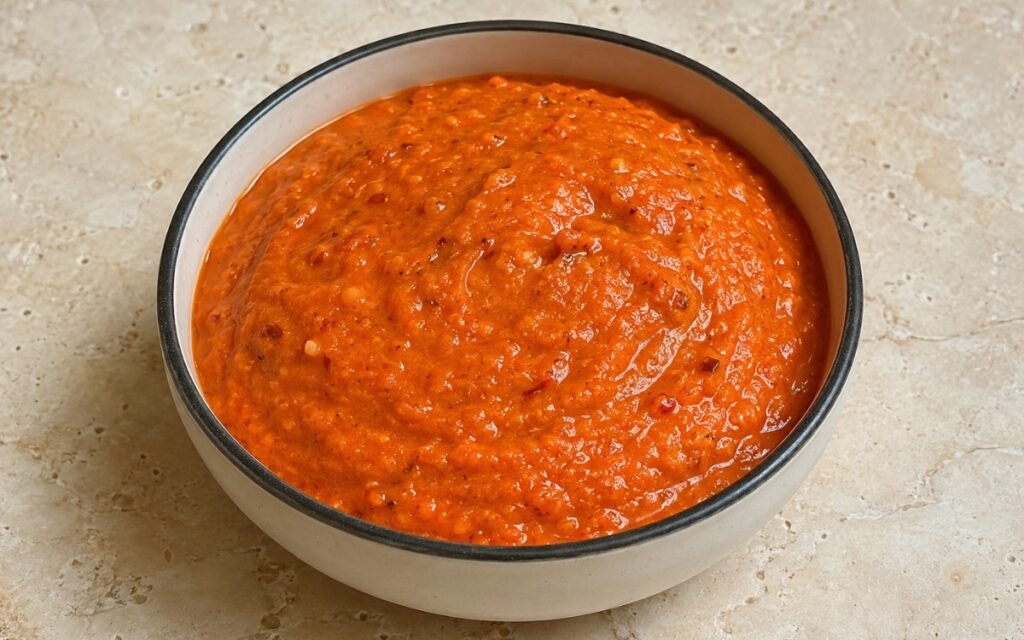
Roasted Red Pepper Sauce
Silky roasted red pepper sauce with garlic and almonds. No-cook versatile condiment in 10 minutes.
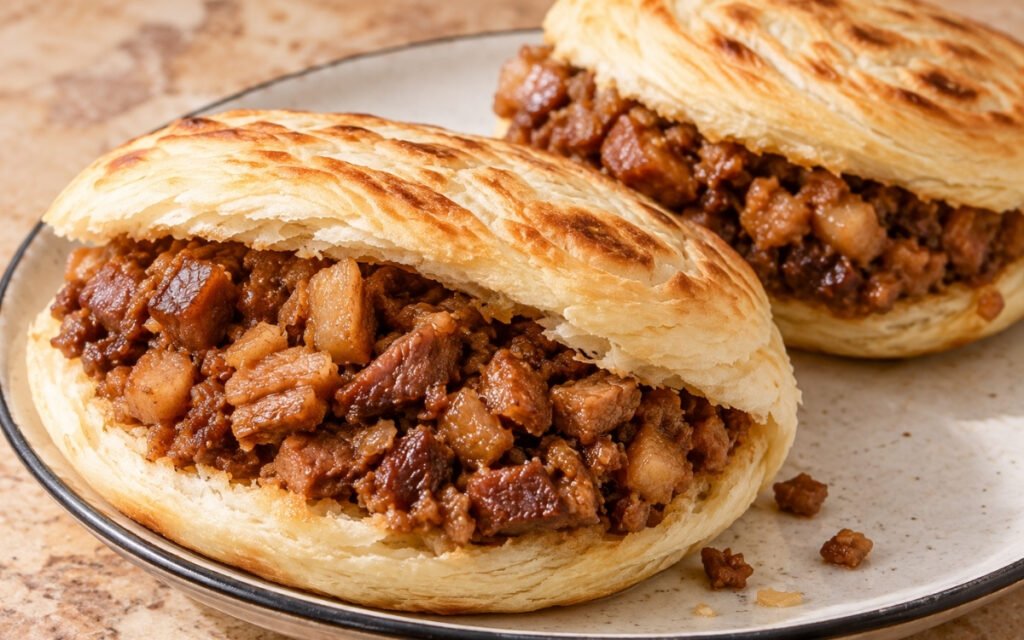
Roujiamo Sandwich
Crisp-outside, soft-inside flatbread packed with finely chopped, richly spiced braised pork belly and reduced braising juices.
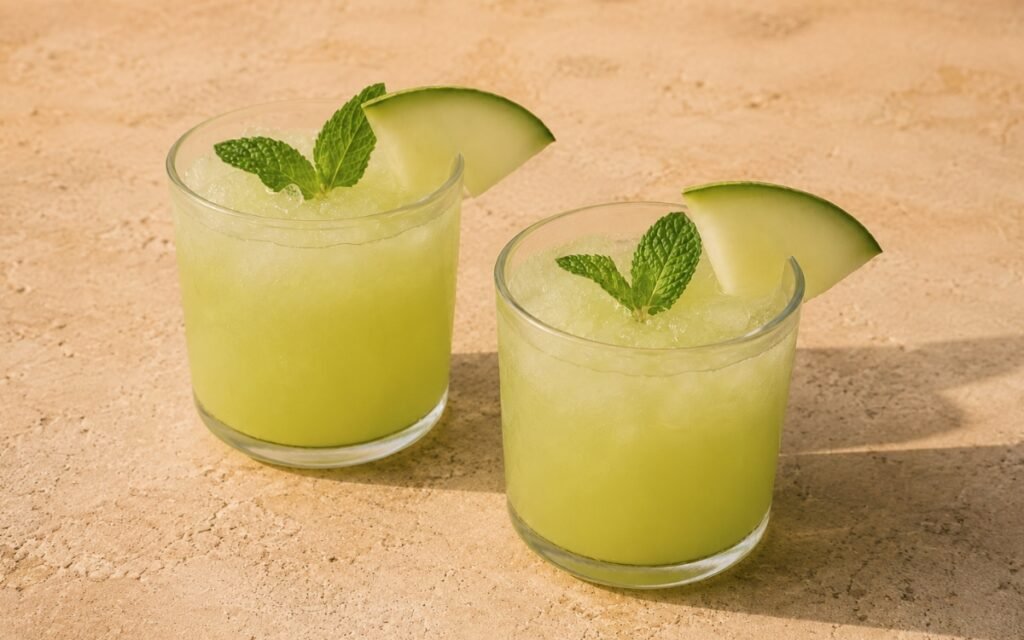
Melon Mint Agua Fresca Mocktail
Ripe honeydew blended with lime and honey, mint cold-infused — still, pale green, and cooling.
You might also like
You might also like
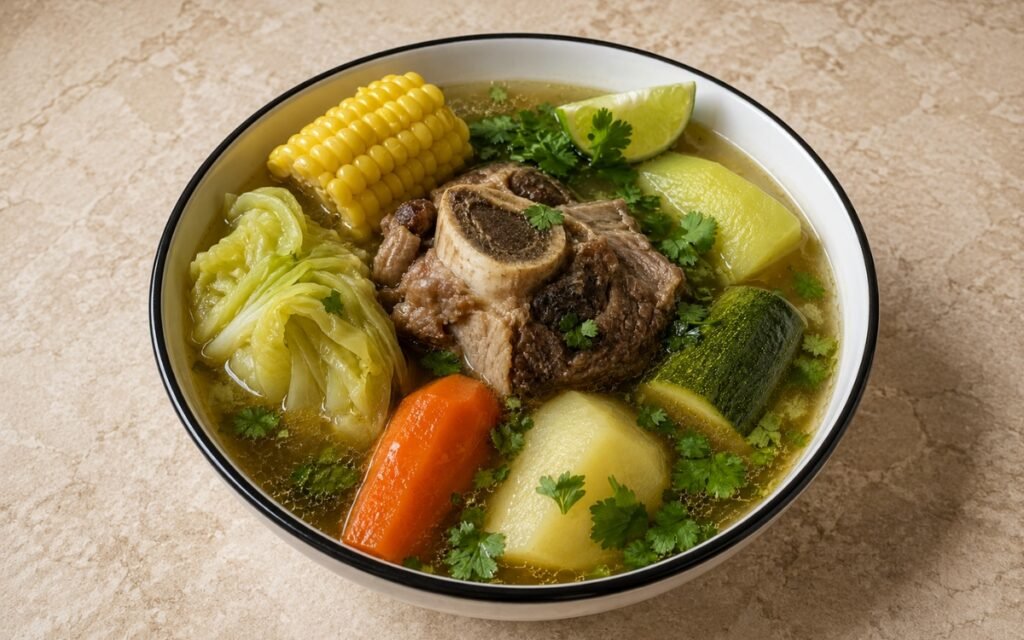
Caldo de Res
A clear, golden Mexican beef soup with gently simmered beef shank and large, staged vegetables — corn, potato, carrot, chayote, zucchini, and cabbage.
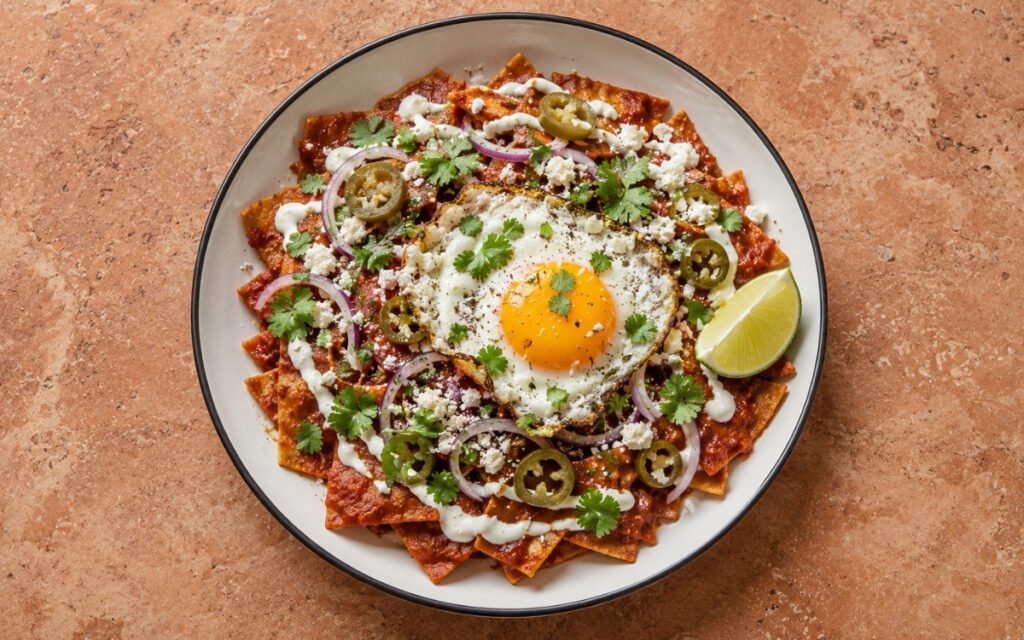
Chilaquiles Rojos with Fried Eggs & Crema
Guajillo-ancho salsa roja from toasted dried chilies and charred vegetables — thick corn chips folded until softened but structured, topped with lard-fried eggs, crema, cotija, and pickled jalapeños. Serve immediately.
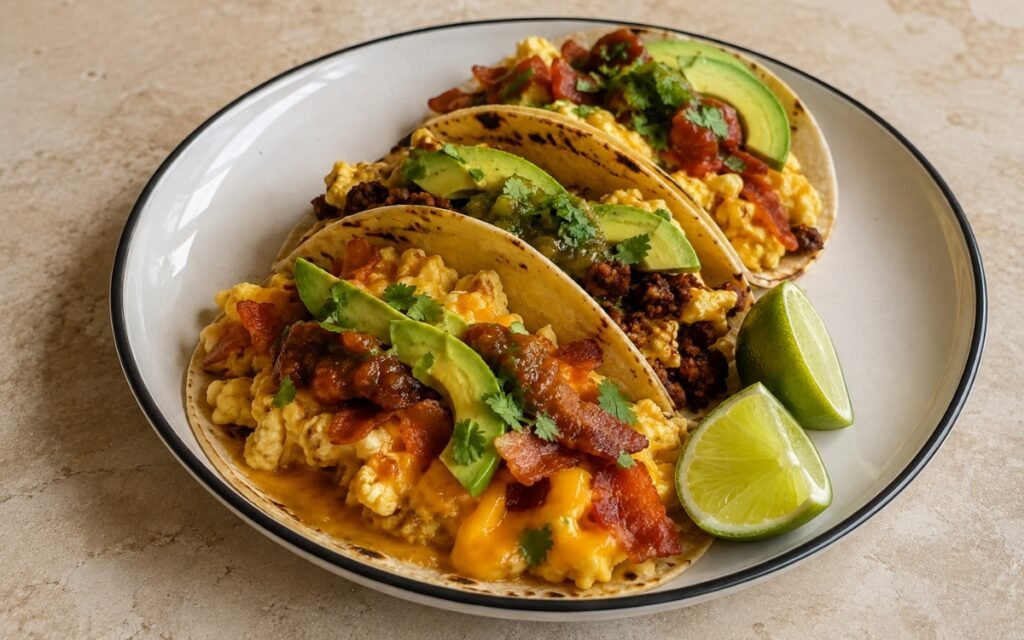
Breakfast Tacos
Warm corn tortillas with soft scrambled eggs, melted cheese, crispy bacon or crumbly chorizo, avocado, salsa, and lime.
Mole Negro Sauce
Ingredients
Method
- Heat a dry skillet or comal over medium-low heat. Toast the chilhuacle negro, mulato, pasilla, ancho, and guajillo chiles in batches for just a few seconds per side until fragrant and pliable. Press them lightly with a spatula as they toast. Do not let them fully blacken or scorch hard. Mole negro is dark, but burnt chiles will make the sauce aggressively bitter instead of pleasantly deep. Transfer the toasted chiles to a bowl and cover with hot water. Soak for 20 minutes until fully softened. The chiles should smell rich, fruity, and smoky. After soaking, they should be flexible and soft all the way through, with no leathery centers. This distinction between genuine darkness and actual scorching is worth holding onto through the whole recipe — mole negro’s whole identity depends on real depth of colour and flavour, but that depth has to be built through controlled toasting rather than pushed past the point where the chiles’ own compounds turn acrid.
- While the chiles soak, roast the tomatoes, tomatillos, onion, and unpeeled garlic on a dry skillet, comal, or under a broiler until deeply blistered and charred in spots. The onion should develop strong dark edges, the tomatoes and tomatillos should collapse and release juices, and the garlic should soften inside the skins. Peel the garlic once cool enough to handle. The aromatics should have real dark color and smoky depth, but still taste sweet underneath. They should not be acrid or ashy. Roasting the garlic unpeeled protects the clove from direct scorching while still letting real heat build flavour through the skin — that same skin acts as a buffer, letting the garlic inside soften and sweeten rather than burning the way an exposed, peeled clove would under identical heat.
- Heat about 60ml of the lard or oil in a heavy pan over medium heat. Fry the plantain slices until deeply golden brown on both sides. Remove. Fry the raisins until puffed, about 20–30 seconds. Remove. Fry the almonds, peanuts, and pumpkin seeds separately, just until fragrant and lightly golden. Remove each as soon as ready. Fry the sesame seeds briefly until golden and nutty. Remove immediately. Fry the torn bread until golden brown and crisp. Fry the tortillas until dark golden and crisp. For mole negro, let portions of the tortillas go darker than you would for most recipes — not black-charred all over, but well toasted and very dark in spots. This helps push the sauce toward its classical near-black color. If using avocado leaf, toast it lightly in the dry pan for a few seconds until aromatic. Every component should smell more intense and nutty after frying. Nothing should taste raw. The tortillas in particular should have a deep toast and slight bitterness, but not a burnt ash flavor. Frying each ingredient individually and removing it the moment it’s ready, rather than combining everything in one batch, is what lets components as different as delicate sesame seeds and dense plantain coins each reach their own specific ideal point without one overcooking while waiting for another.
- In a mostly dry pan over low heat, toast the cinnamon, cloves, peppercorns, allspice, cumin, coriander, anise, oregano, and thyme for 30–60 seconds until highly fragrant. Transfer immediately so they do not overcook in the residual heat. The spices should release a warm sweet aroma quickly. If they start smoking harshly, they have gone too far. Moving the spices out of the pan the instant they’re toasted, rather than leaving them to cool where they are, matters because a hot pan retains enough residual heat to keep actively cooking them even with the burner off — that continued cooking can push already-perfectly-toasted spices past their point without any further deliberate heat applied.
- Drain the soaked chiles. In a blender, combine the softened chiles, roasted tomatoes, tomatillos, onion, and garlic, fried plantain, raisins, almonds, peanuts, pumpkin seeds, sesame seeds, fried bread, fried tortillas, toasted avocado leaf if using, and toasted spices. Add 500–700ml warm stock to help the blender move. Blend until as smooth as possible. Work in batches if needed. Pass the puree through a fine sieve into a bowl, pressing firmly to extract a smooth paste. This step is important for the classical silky finish. The paste should already be very dark brown, thick, and smooth. You should not feel large seed fragments or chile skin pieces when rubbed between your fingers. Straining after blending catches whatever fibrous material — chile skins, seed hulls, sesame husks — the blender’s blades couldn’t fully break down, which is precisely what produces the genuinely silky, restaurant-level texture this sauce is meant to have.
- Heat the remaining 30ml lard or oil in a heavy pot or Dutch oven over medium heat. Carefully add the strained mole paste. It may sputter, so pour slowly and stir immediately. Fry the paste for 12–15 minutes, stirring often and scraping the bottom and corners. This stage is essential. The paste will darken further, thicken, and take on a glossy heavy look. The raw edge will disappear and the aroma will become rounder and deeper. The color should shift toward a very dark mahogany-brown, almost black in the thicker ridges. The paste should leave slow heavy tracks when stirred and smell integrated rather than sharp. This frying stage is the point where every individually toasted, roasted, or fried component actually becomes one unified sauce — without it, the blended paste, however carefully every element was prepared, would still taste distinctly raw and disconnected.
- Whisk in enough warm stock, a little at a time, to create a thick sauce. Start with about 700ml additional stock, then add more as needed during simmering. The final consistency should be thick enough to coat the back of a spoon heavily, but still fluid enough to spoon over meat. Add the chopped Mexican chocolate, 15g piloncillo or dark brown sugar to start, and 12g salt. Simmer over very low heat for 25–30 minutes, stirring frequently to prevent sticking. If it becomes too thick, add more warm stock in small amounts. Taste and adjust: more salt if it tastes flat, a little more piloncillo if the bitterness is too assertive, a splash more stock if the texture feels pasty or too dense. The finished mole negro should be glossy, smooth, and nearly black. The flavor should be powerful but balanced — smoky, savory, warm-spiced, lightly sweet, and pleasantly bitter without tasting burnt. Stirring frequently throughout this final simmer, especially along the base and corners, protects a sauce this thick and dense from scorching in exactly the spots that see the least natural movement — a real risk given how much depth and darkness has already been carefully built into every layer up to this point.
- Serve the sauce hot over turkey, chicken, pork, or enchiladas, or use it as a base for plated Oaxacan-style dishes. Just before serving, scatter a light pinch of toasted sesame seeds over the top. If holding before service, keep it warm over the lowest heat and stir occasionally. Mole thickens as it sits, so loosen with a little hot stock or water as needed.