
Pork Chile Verde
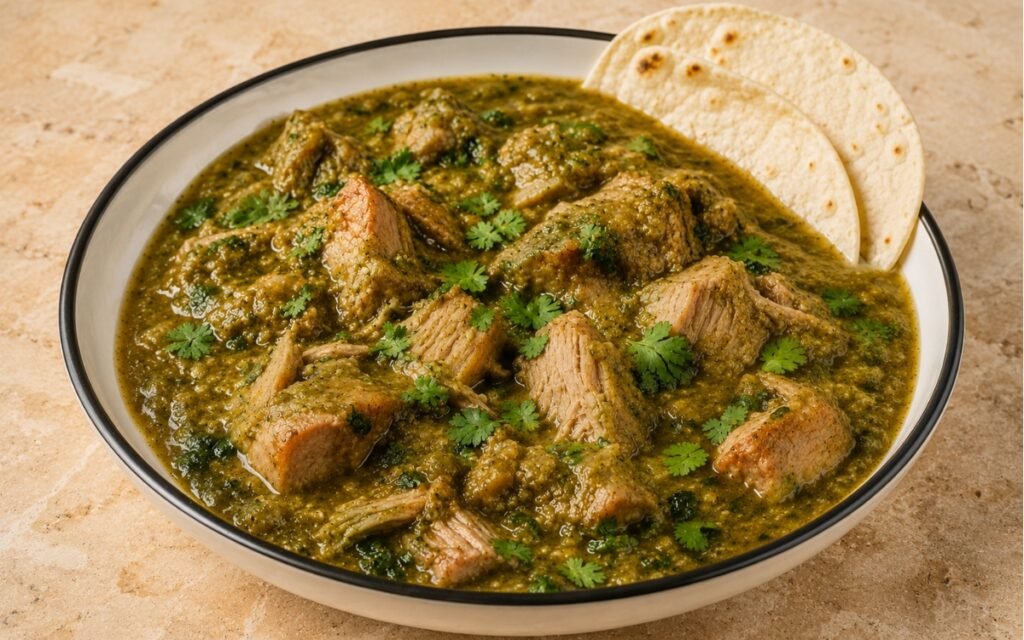
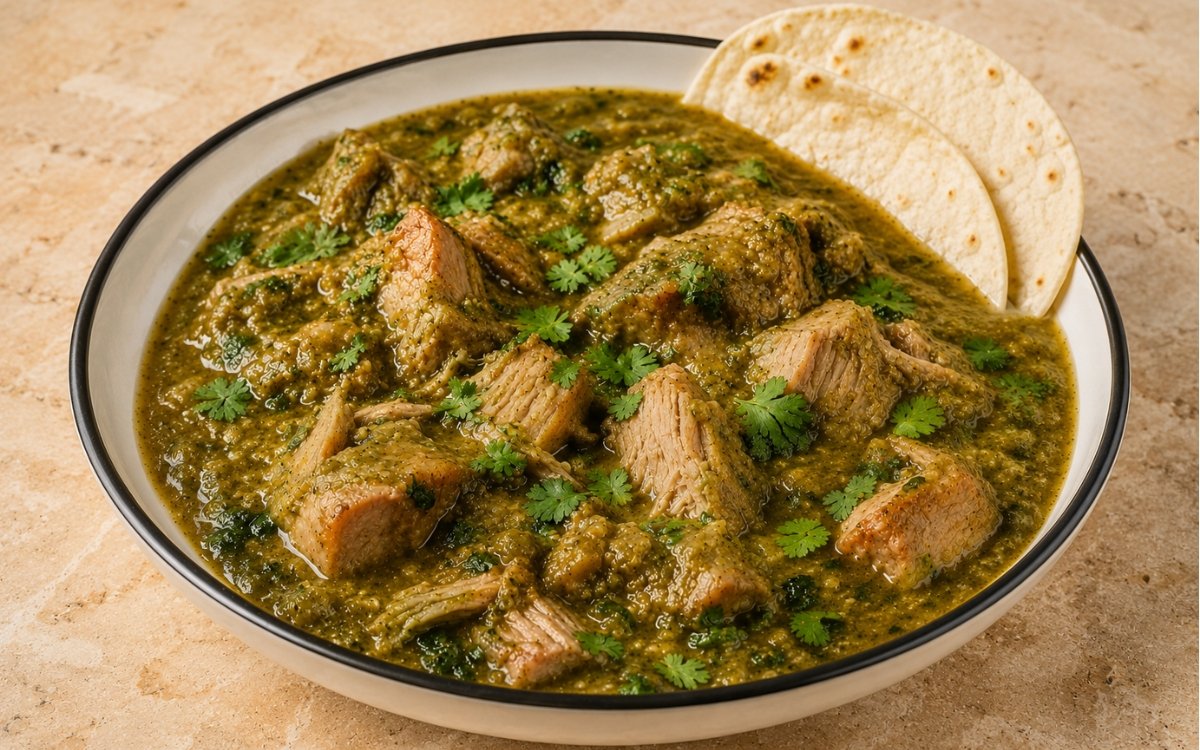
Pork Chile Verde is a classic Mexican stew of browned pork shoulder simmered until tender in a roasted tomatillo-green chile sauce. The sauce should be thick, glossy, and bright with roasted tomatillo depth, poblano body, and enough serrano or jalapeño heat to taste lively without overpowering the pork. Browning the pork properly in spaced batches, rather than crowding the pot, is the technique this whole dish depends on — crowded meat releases moisture and steams pale grey instead of developing the deep golden edges responsible for real flavour, the same batch-searing principle used elsewhere in this collection whenever a braise’s final depth depends on genuine browning at the very first stage. Roasting the tomatillos, poblanos, and chiles before blending them is what removes the raw, sharp tomatillo edge and replaces it with cooked, roasty depth. Simmering the sauce uncovered near the end, once the pork is tender, is what tightens it into something thick and glossy enough to visibly cling to the meat rather than sitting thin and watery. The payoff is a stew that sits properly between a braise and a saucy stew — tender pork chunks coated in a rich, vividly green sauce that clings rather than runs.
Prep Time : 25 min
Cook Time : 1 hr, 45 min
Servings : 4
25 min
1 hr, 45 min
4
Ingredients
For the Pork
• 1.2kg boneless pork shoulder, trimmed and cut into 4–5cm chunks
• 12g fine sea salt
• 1 tsp freshly ground black pepper
• 2 tbsp neutral oil or lard — this one on Amazon
• 1 medium white onion, diced
• 4 garlic cloves, sliced
• 1 tsp ground cumin — this one on Amazon
• 1 tsp dried Mexican oregano — this one on Amazon
For the Chile Verde Sauce
• 700g tomatillos, husked and rinsed
• 2 poblano peppers
• 2 jalapeños or serranos
• 1 medium white onion, cut into wedges
• 4 garlic cloves, unpeeled
• 20g fresh cilantro, tender stems included
• 500–700ml chicken stock, as needed
• 1 bay leaf
• 1–2 tsp fine sea salt, to taste
For Finishing and Serving
• 1–2 tbsp chopped fresh cilantro
• 1 tsp lime juice, optional, only if needed for brightness
• Warm corn or flour tortillas, 8–12 total
This post may contain affiliate links. As an Amazon Associate I earn from qualifying purchases, at no additional cost to you.
Directions
- Season and Brown the Pork
Pat the pork dry well. Season with the 12g salt and black pepper. Heat a heavy pot or Dutch oven over medium-high heat. Add the oil or lard. Brown the pork in 2–3 batches so the pot does not crowd, 3–4 minutes per side, until well browned with deep golden edges. Transfer each batch out as it finishes. The pork does not need to be cooked through here, but it must take on real browning. If it steams pale-grey, the final stew will taste flatter. A crowded pot releases enough moisture from the pork to trap it around the meat itself, and that surrounding moisture prevents real searing from ever happening — working in properly spaced batches is what gives every piece genuine, direct contact with the hot pot surface. - Roast the Vegetables for the Sauce
While the pork browns, place the tomatillos, poblanos, jalapeños or serranos, onion wedges, and unpeeled garlic on a tray or dry skillet/comal. Roast under a broiler or on a hot dry pan, turning as needed, until the tomatillos soften and blister, the poblanos and chiles are charred in spots, and the onion is browned at the edges, about 10–15 minutes total. Peel the garlic. For the poblanos, you can remove the loose burnt skin if heavily charred, but do not obsess over stripping every bit. Blend the roasted vegetables with the cilantro and 500ml chicken stock until mostly smooth. A slightly rustic texture is fine. The sauce should taste cooked and roasty, not raw-green or aggressively sharp. Roasting these vegetables before they ever reach the blender is what develops genuine roasted depth and removes the sharp, raw edge tomatillos would otherwise carry straight through into the finished sauce — that transformation simply doesn’t happen from blending raw ingredients alone. - Build the Base
Lower the pot to medium. Add the diced onion to the pork drippings and cook 4–5 minutes until softened. Add the sliced garlic, cumin, and oregano. Cook 30–45 seconds until fragrant. Return the browned pork and any juices to the pot. Pour in the blended green sauce. Add the bay leaf. Add extra stock as needed to mostly cover the pork without making it soupy — usually another 100–200ml. Bring to a gentle simmer. Softening the onion directly in the pork’s own rendered drippings, rather than in fresh oil, means that aromatic base picks up real flavour from the pork’s own fond left behind after browning. - Braise Until Tender
Cover partially and simmer gently on low heat for 1 hour 15 minutes to 1 hour 30 minutes, stirring occasionally, until the pork is fully tender. The pork should be easy to cut with a spoon or fork but still hold its shape in chunks. If the sauce reduces too much before the pork is tender, add a splash of stock or water. The finished sauce should cling to the pork and coat the spoon. It should be thick and glossy, not watery. Keeping the lid partially on rather than fully covering the pot lets some steam escape throughout this long braise, which is part of what allows the sauce to gradually concentrate alongside the pork becoming tender, rather than staying thin the whole way through. - Final Reduction and Balance
Once the pork is tender, remove the lid and simmer 10–15 minutes if needed to tighten the sauce. Taste and adjust salt. Stir in the chopped cilantro. Add the lime juice only if the stew needs a final lift — often the tomatillos already provide enough brightness. Discard the bay leaf. Removing the lid entirely for this final stretch lets steam escape freely and unobstructed, which is specifically what allows the sauce to reduce and thicken to its intended glossy, clinging consistency in this last, focused window. - Serve
Serve hot with warm tortillas on the side. Spoon plenty of sauce over the pork. The final dish should be rich and green, with tender pork chunks and a sauce that visibly clings rather than runs.
*Notes :
- Browning the pork thoroughly in properly spaced batches deserves genuine credit as the foundation this entire stew’s flavour is built on. Meat that steams instead of searing, because the pot was too crowded, never develops the deep, complex flavour compounds that come specifically from real browning — no amount of careful braising or sauce-building afterward fully makes up for skipping that step or rushing through it with an overcrowded pot.
- Roasting the tomatillos, poblanos, and chiles before they’re blended is worth understanding as the technique responsible for the sauce’s actual character, distinguishing it from a raw, blended salsa verde. That direct heat both softens the vegetables and develops real roasted depth, while also mellowing the tomatillos’ naturally sharp, aggressive acidity into something rounder and more savoury — skipping this roasting stage would leave the sauce tasting notably sharper and less developed.
- The two-stage approach to the sauce’s final consistency — building it thin enough to braise the pork properly, then reducing it uncovered only once the meat is already tender — reflects real understanding of what each stage of cooking needs. A sauce reduced too aggressively too early risks scorching or drying out before the pork has had enough time to become properly tender; saving that final concentration for after the meat is done lets both processes happen at their own correct pace.
- Building the pot’s aromatic base — softened onion, garlic, cumin, oregano — directly in the pork’s own rendered drippings rather than fresh oil is a small but genuine flavour decision worth appreciating. That residual fat and fond carry real pork flavour into the aromatics before the browned meat itself is even returned to the pot, layering flavour more deeply than starting from a clean pan would.
Why This Recipe Works
This recipe works because the pork is browned properly in spaced batches, developing real, deep flavour that a crowded, steaming pot never would. The tomatillos and chiles are roasted before blending, developing genuine roasted depth and mellowing their naturally sharp acidity.
Building the aromatic base directly in the pork’s own drippings layers flavour early, and the sauce is deliberately kept thin enough for a proper braise before being reduced uncovered only once the pork is already tender, letting both the meat’s tenderness and the sauce’s final glossy consistency develop at their own correct pace.
Ingredient Breakdown
Bone-Free Pork Shoulder
The correct cut — its fat content keeps the meat tender and succulent through the long braise, unlike leaner cuts that would dry out.
Properly Browned Pork (In Spaced Batches)
The flavour foundation — real searing, rather than steaming, is what builds this stew’s essential depth from the very first stage.
Roasted Tomatillos, Poblanos, and Chiles
The sauce’s core — roasting develops genuine depth and removes the raw, sharp edge tomatillos would otherwise carry through.
Aromatics Built in Pork Drippings
The technique — layers real pork flavour into the onion and garlic base before the meat is even returned to the pot.
Uncovered Final Reduction
The finishing technique — reduces the sauce to its intended thick, glossy, clinging consistency only once the pork is already properly tender.
Flavor Structure Explained
This pork chile verde follows a layered balance model:
- Deep savoury foundation (properly browned pork shoulder)
- Bright roasted green depth (roasted tomatillo, poblano, chile sauce)
- Warm background spice (cumin, oregano)
- Fresh finishing lift (cilantro, optional lime)
Properly browned pork shoulder provides this stew’s deep, savoury foundation, its real searing carrying flavour that steamed meat never would. The roasted tomatillo, poblano, and chile sauce contributes bright, complex green depth, its raw sharpness mellowed by the roasting process. Cumin and oregano add warm background spice throughout the long braise. Fresh cilantro, stirred in at the end, and an optional touch of lime finish the dish with clean, bright lift against the sauce’s rich, roasted depth.
Common Mistakes to Avoid
- Crowding the Pot While Browning the Pork – This causes the meat to steam pale grey instead of developing real flavour-building browning. Always work in properly spaced batches.
- Skipping the Roasting Step for the Sauce Vegetables – This leaves the sauce tasting raw and sharp rather than developed and roasty. Always roast the tomatillos and chiles before blending.
- Reducing the Sauce Too Aggressively Before the Pork Is Tender – This risks scorching or drying out before the meat has had time to properly braise. Always keep the sauce thinner during the main braise, reducing only at the end.
- Using a Lean Cut Instead of Pork Shoulder – This dries out rather than staying tender through the long braise. Always use pork shoulder for this dish.
- Adding Lime Juice Automatically – The tomatillos often already provide enough brightness on their own. Always taste first and add lime only if genuinely needed.
Variations
Spicier Version
Use 3 small serranos instead of jalapeños for a more assertive, hotter finished stew.
Extra-Tart Balancing Version
If the tomatillos are especially tart, simmer an extra 5–10 minutes rather than adding sugar to balance the acidity.
Chicken Version
Substitute bone-in chicken thighs for the pork, following an identical browning and braising method with an adjusted cooking time.
Extra-Roasted Version
Push the poblanos and tomatillos slightly further under the broiler for a more pronounced smoky, roasted character in the finished sauce.
Storage & Make-Ahead
This dish reheats very well and is often even better the next day once the pork and sauce settle together.
Refrigerate in an airtight container for up to 4 days, or freeze in portions for longer storage.
Reheat gently over low heat, adding a splash of stock or water if the sauce has thickened too much in the refrigerator.
Frequently Asked Questions
Why does the pork need to be browned in properly spaced batches?
A crowded pot traps the moisture the pork releases around the meat itself, causing it to steam pale grey rather than sear. Working in batches gives every piece genuine, direct contact with the hot pot, which is what develops real, flavour-building browning.
Why does the sauce need to be roasted before it’s blended?
Roasting the tomatillos, poblanos, and chiles develops genuine roasted depth while also mellowing the tomatillos’ naturally sharp, raw acidity. Skipping this step would leave the finished sauce tasting notably sharper and less developed.
Why is the sauce kept thinner during the braise and only reduced at the end?
Reducing it too aggressively before the pork is tender risks scorching or drying out too soon. Keeping it thinner during the main braise, then reducing uncovered only once the pork is done, lets both the meat’s tenderness and the sauce’s final consistency develop properly.
Why is pork shoulder specifically recommended over a leaner cut?
Pork shoulder’s fat content keeps the meat tender and succulent through the long braise. A leaner cut like loin would dry out and lose the stew-like texture this dish depends on.
Are there other green sauce or tomatillo-based Mexican dishes worth trying?
Mole Verde Sauce and Pipián Verde Chicken both build on a related roasted green chile and tomatillo foundation. Salsa Verde Mexican, Carnitas Tacos with Pickled Onion, and Pork Tamales with Salsa Verde are also worth exploring for other classic pork or green-sauce Mexican dishes.
Nutrition Facts
( per serving )
Calories
~620 kcal
Protein
48 g
Fat
40 g
Carbs
16 g
Calories
~620 kcal
Protein
48 g
Fat
40 g
Carbs
16 g
Related Recipes
Related Recipes

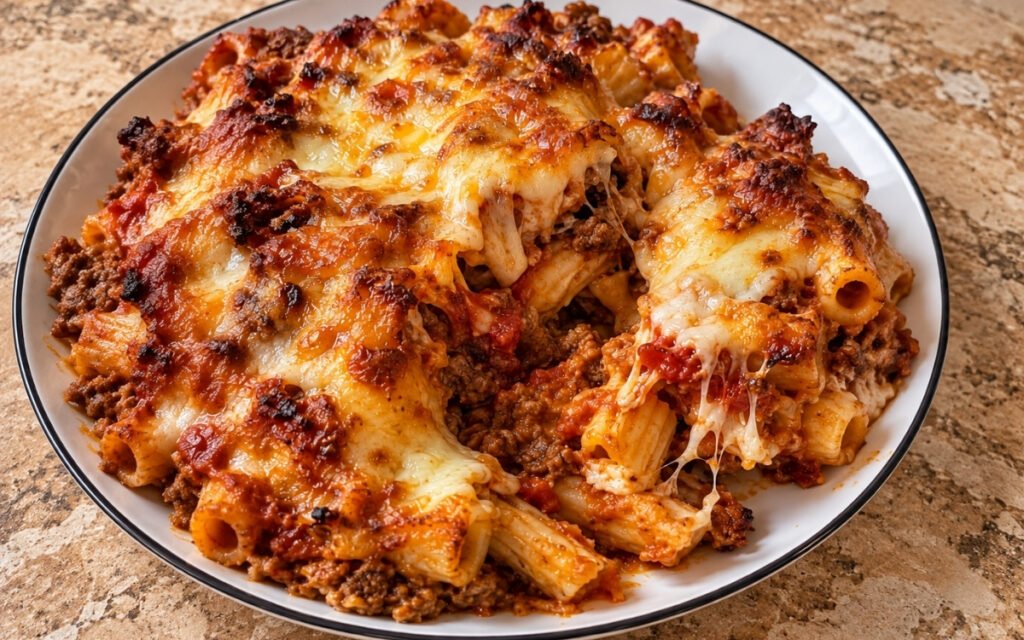
Pasta al Forno
Rigatoni or penne in a rich beef and pork tomato sauce with melted mozzarella and a browned cheesy top, baked until bubbling.
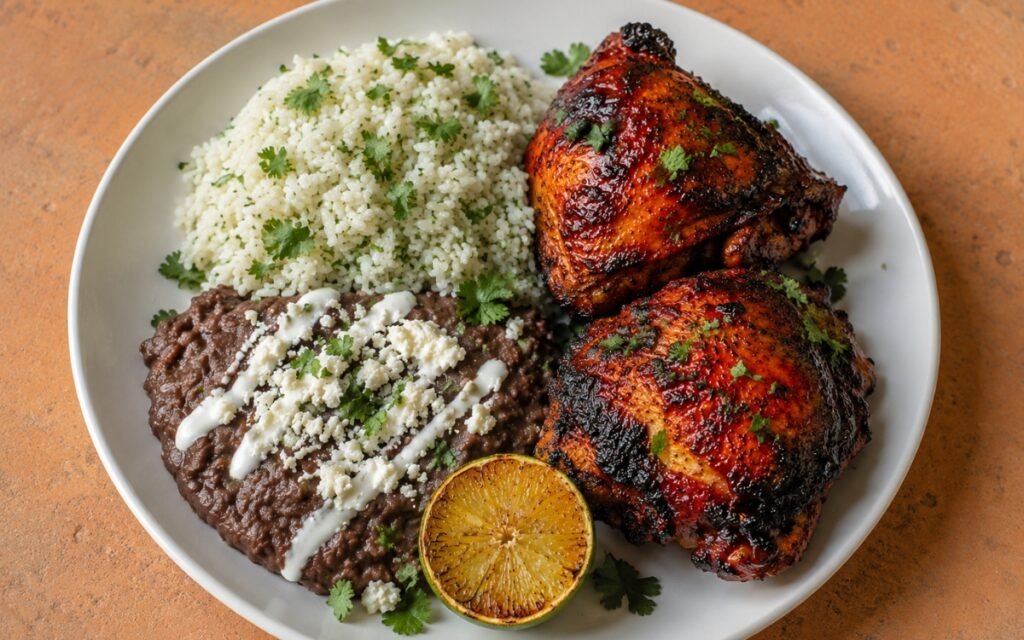
Pollo Asado with Rice and Beans
Bone-in chicken thighs marinated in achiote and citrus, grilled two-zone until deeply red and charred. Served with cilantro-lime rice and creamy black beans.
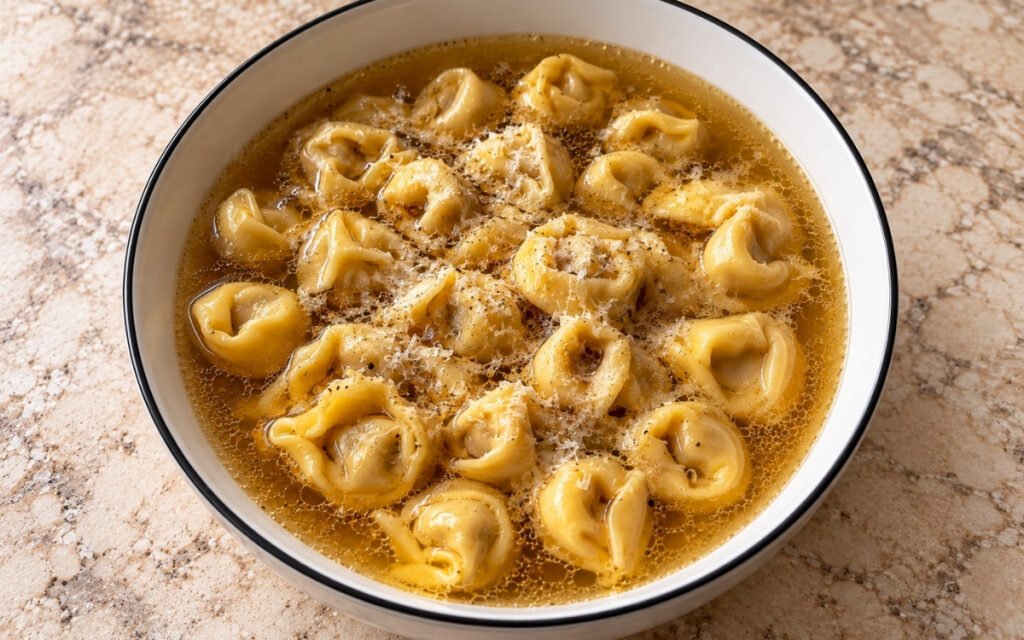
Tortellini in Brodo
Small meat tortellini in a clear, golden, deeply savory beef and chicken broth, finished simply with Parmigiano-Reggiano.
You might also like
You might also like
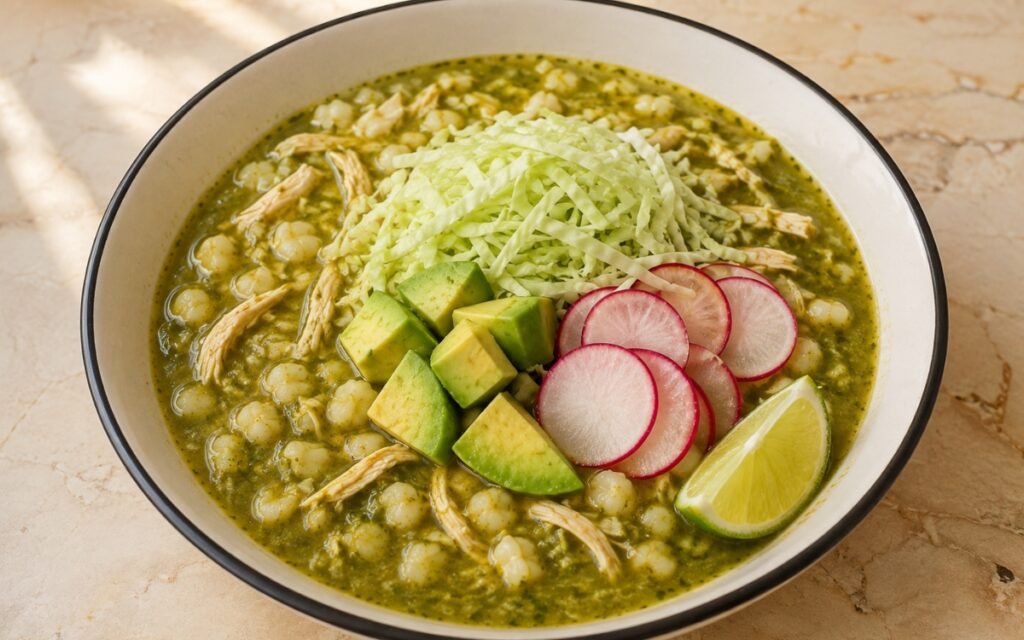
Pozole Verde
A vivid green Mexican pozole with savory chicken broth, roasted tomatillo-pumpkin seed base, hominy, and shredded chicken.
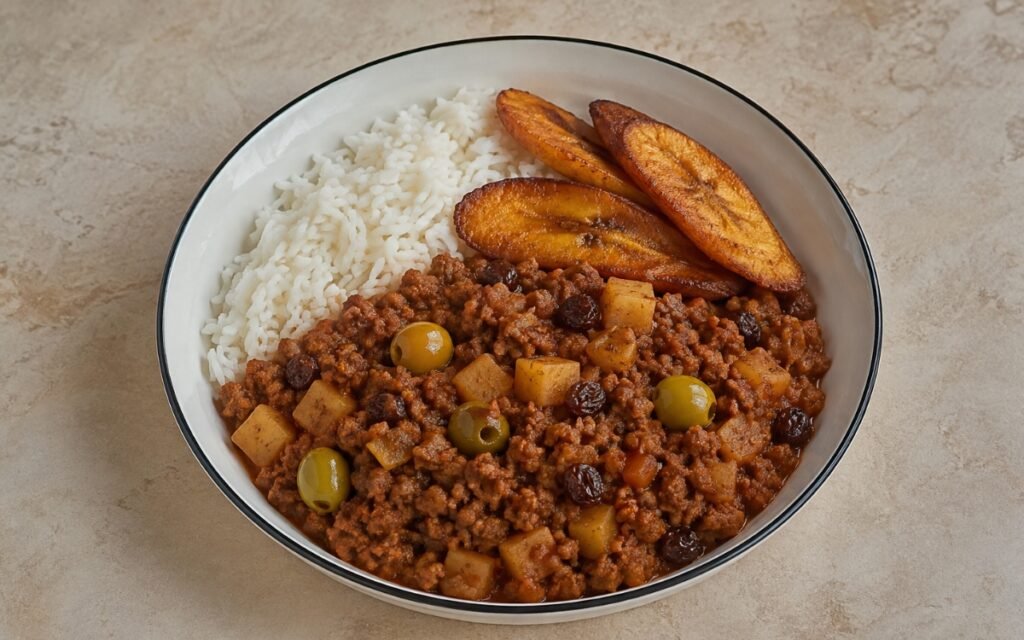
Cuban Picadillo
Seasoned ground beef simmered in a savory tomato sauce with green olives, raisins, and tender diced potatoes.
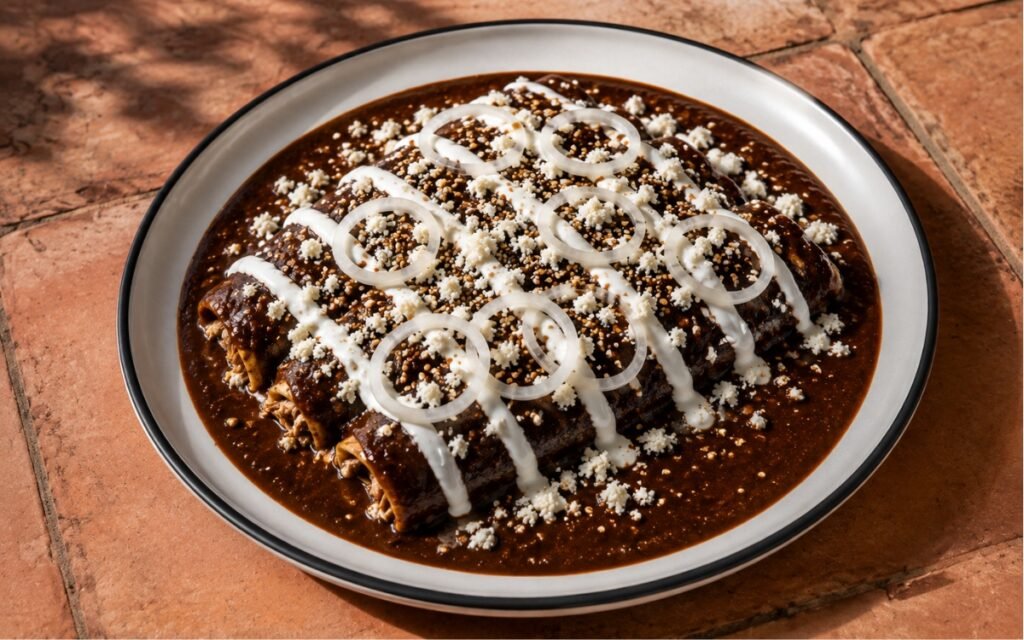
Chicken Enmoladas with Mole Poblano
Soft corn tortillas filled with tender shredded chicken, folded, and blanketed in glossy mole poblano, finished with crema and queso fresco.
Pork Chile Verde
Ingredients
Method
- Pat the pork dry well. Season with the 12g salt and black pepper. Heat a heavy pot or Dutch oven over medium-high heat. Add the oil or lard. Brown the pork in 2–3 batches so the pot does not crowd, 3–4 minutes per side, until well browned with deep golden edges. Transfer each batch out as it finishes. The pork does not need to be cooked through here, but it must take on real browning. If it steams pale-grey, the final stew will taste flatter. A crowded pot releases enough moisture from the pork to trap it around the meat itself, and that surrounding moisture prevents real searing from ever happening — working in properly spaced batches is what gives every piece genuine, direct contact with the hot pot surface.
- While the pork browns, place the tomatillos, poblanos, jalapeños or serranos, onion wedges, and unpeeled garlic on a tray or dry skillet/comal. Roast under a broiler or on a hot dry pan, turning as needed, until the tomatillos soften and blister, the poblanos and chiles are charred in spots, and the onion is browned at the edges, about 10–15 minutes total. Peel the garlic. For the poblanos, you can remove the loose burnt skin if heavily charred, but do not obsess over stripping every bit. Blend the roasted vegetables with the cilantro and 500ml chicken stock until mostly smooth. A slightly rustic texture is fine. The sauce should taste cooked and roasty, not raw-green or aggressively sharp. Roasting these vegetables before they ever reach the blender is what develops genuine roasted depth and removes the sharp, raw edge tomatillos would otherwise carry straight through into the finished sauce — that transformation simply doesn’t happen from blending raw ingredients alone.
- Lower the pot to medium. Add the diced onion to the pork drippings and cook 4–5 minutes until softened. Add the sliced garlic, cumin, and oregano. Cook 30–45 seconds until fragrant. Return the browned pork and any juices to the pot. Pour in the blended green sauce. Add the bay leaf. Add extra stock as needed to mostly cover the pork without making it soupy — usually another 100–200ml. Bring to a gentle simmer. Softening the onion directly in the pork’s own rendered drippings, rather than in fresh oil, means that aromatic base picks up real flavour from the pork’s own fond left behind after browning.
- Cover partially and simmer gently on low heat for 1 hour 15 minutes to 1 hour 30 minutes, stirring occasionally, until the pork is fully tender. The pork should be easy to cut with a spoon or fork but still hold its shape in chunks. If the sauce reduces too much before the pork is tender, add a splash of stock or water. The finished sauce should cling to the pork and coat the spoon. It should be thick and glossy, not watery. Keeping the lid partially on rather than fully covering the pot lets some steam escape throughout this long braise, which is part of what allows the sauce to gradually concentrate alongside the pork becoming tender, rather than staying thin the whole way through.
- Once the pork is tender, remove the lid and simmer 10–15 minutes if needed to tighten the sauce. Taste and adjust salt. Stir in the chopped cilantro. Add the lime juice only if the stew needs a final lift — often the tomatillos already provide enough brightness. Discard the bay leaf. Removing the lid entirely for this final stretch lets steam escape freely and unobstructed, which is specifically what allows the sauce to reduce and thicken to its intended glossy, clinging consistency in this last, focused window.
- Serve hot with warm tortillas on the side. Spoon plenty of sauce over the pork. The final dish should be rich and green, with tender pork chunks and a sauce that visibly clings rather than runs.