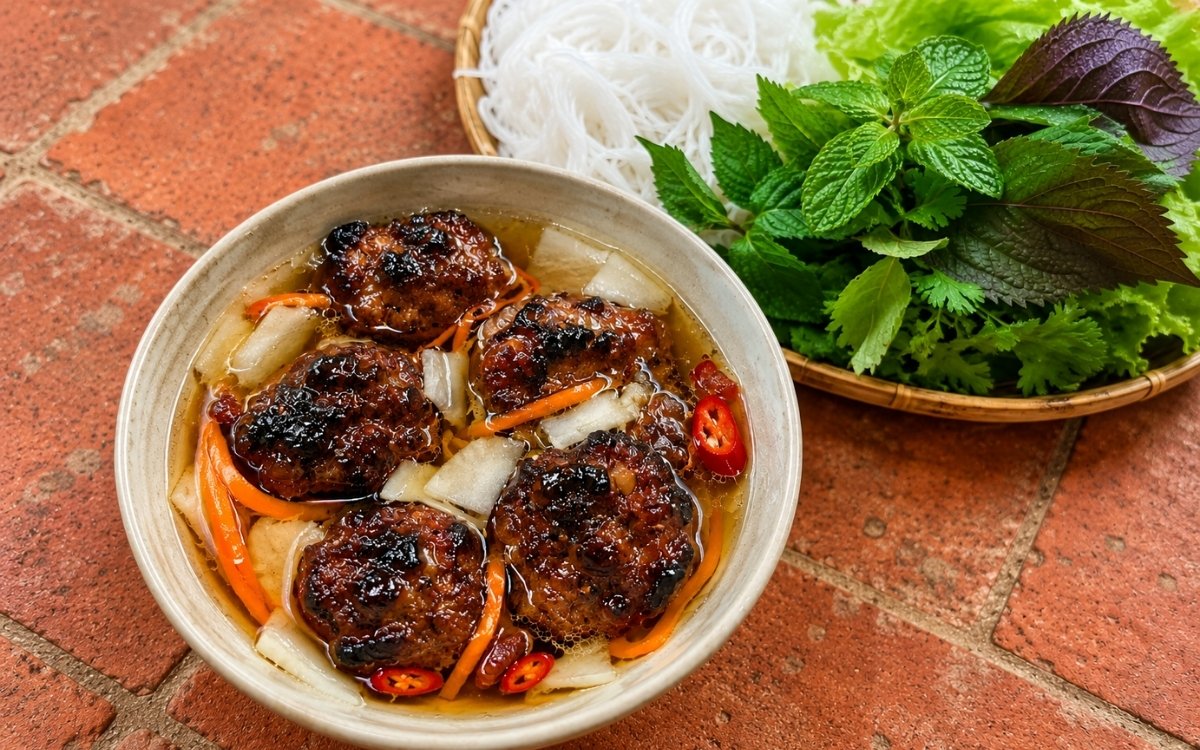
Ingredients
Method
Marinate the Pork
- In a bowl, combine the ground pork, finely chopped pork belly, shallot, garlic, fish sauce, sugar, oil, black pepper, water and optional cornstarch. Mix thoroughly until the mixture becomes tacky and cohesive, about 1–2 minutes. Do not whip it into a paste, but do mix enough for it to hold together. Cover and refrigerate for 1–2 hours. The pork needs enough fat to stay juicy over high heat. Lean pork dries out fast and will not give the classic sticky, caramelized edges. That real fat content, from the combination of shoulder and pork belly, is specifically what allows the patties to survive high, direct grilling heat while still rendering into those characteristic sticky, caramelized edges.
Make the Quick Pickles
- Toss the carrot and daikon with the salt and sugar. Let stand 10 minutes to lightly soften. Rinse briefly or squeeze lightly if very salty, then combine with the rice vinegar and warm water. Let pickle at least 20–30 minutes. The vegetables should soften slightly but still stay crisp. They should taste lightly sweet and tangy, not aggressively sour. That initial salting and softening period draws real moisture out of the vegetables first, which is what lets them actually absorb the pickling liquid afterward rather than simply diluting it.
Make the Nước Chấm Broth
- In a bowl, dissolve the sugar in the warm water. Add the fish sauce, rice vinegar and lime juice, then stir in the garlic and sliced chili. Taste and adjust. The broth should be lighter than a concentrated dipping sauce because it is meant to hold the grilled pork and be spooned over noodles. Add a little pickle liquid if needed for extra roundness. Bun chả broth should taste balanced and refreshing, not harshly salty. If it tastes too strong on its own, that is normal only to a point — once the pork goes in, it should still be pleasant to sip. That deliberate distinction from a concentrated dipping sauce reflects this broth's own real, different function — it's meant to be genuinely drinkable alongside the noodles, not simply a small pool of intense flavour used sparingly.
Prepare the Noodles and Herb Plate
- Cook the rice vermicelli according to package directions until just tender, usually 3–5 minutes. Drain, rinse under cold water until fully cool, then drain very well. Portion into loose nests. Arrange the lettuce, mint, cilantro, perilla and optional cucumber on a platter. The noodles must be cooled and well-drained before serving. Wet noodles dilute the broth and clump badly. That thorough cold rinse and draining serves two real purposes at once — stopping the noodles' own residual cooking and removing surface starch that would otherwise clump them together while sitting.
Shape the Pork
- Divide the pork mixture into 20 small patties or flattened meatballs, about 40g each. Shape them into small rounds, slightly flattened, around 1.5cm thick. This size helps them char quickly while staying juicy inside. Do not make them too thick. Thick patties brown before the center cooks; too thin and they dry out. That specific, deliberate thickness is calibrated precisely to let real charring develop on the surface within roughly the same window the interior needs to cook through completely.
Grill the Pork
- Preheat a grill, grill pan or oven broiler until very hot. Lightly oil the grate or pan. Grill the patties over medium-high to high heat for about 3–4 minutes per side, turning as needed, until deeply caramelized with charred spots and fully cooked through. Internal temperature should reach 72°C. If using a broiler, place on a rack over a tray and broil close to the heat, turning once, until charred and cooked through, about 8–12 minutes total depending on thickness. You want strong browning and dark edges, but not black bitterness. The sugar in the marinade burns quickly, so watch the last minutes carefully. Let the pork rest 3–5 minutes before adding to the broth so the juices settle. That resting period lets the patties' own internal juices redistribute evenly before they meet the broth, protecting them from spilling out and diluting the broth's own careful balance the moment they're added.
Assemble and Serve
- Divide the pickled carrot and daikon between 4 serving bowls. Pour in the nước chấm broth. Add the hot grilled pork patties directly into the broth so they lightly perfume it. Serve each bowl with a portion of cold rice vermicelli and a generous plate of herbs and lettuce on the side. To eat, place some noodles and herbs into a small bowl, spoon over broth and pork, then eat in alternating bites. Adding the hot pork directly into the broth right before serving is what lets its own residual heat and smoky char genuinely perfume the liquid, rather than the two components sitting entirely separate on the plate.
Notes
Choosing genuinely fatty pork, combining shoulder with finely chopped pork belly, deserves recognition as the technique most directly responsible for whether these patties achieve real, classic caramelization. The recipe's own explicit warning that lean pork "dries out fast and will not give the classic sticky, caramelized edges" reflects exactly what's at stake — that real fat content is what allows the patties to survive high, direct heat while still developing their signature sticky char.
Building the nước chấm broth deliberately lighter than a concentrated dipping sauce deserves genuine attention as a real, functional distinction central to bun chả's whole identity. This broth is meant to actually be sipped alongside the meal, not used sparingly the way a more concentrated dipping sauce would be, and that lighter balance is specifically what makes it pleasant to drink once the hot pork has been added.
Resting the grilled pork briefly before it ever meets the broth deserves the same attention this technique receives throughout this collection's other grilled or seared proteins. That short window lets the patties' own internal juices redistribute evenly, protecting them from spilling out and diluting the broth's own carefully balanced flavour the moment they're added.
Cooling and thoroughly draining the rice vermicelli deserves genuine respect as a real, necessary step rather than a simple formality. The recipe's own explicit warning that wet noodles "dilute the broth and clump badly" reflects two distinct real risks this step protects against at once — both the noodles' own texture and the broth's own careful balance depend on it.