
Chiles en Nogada
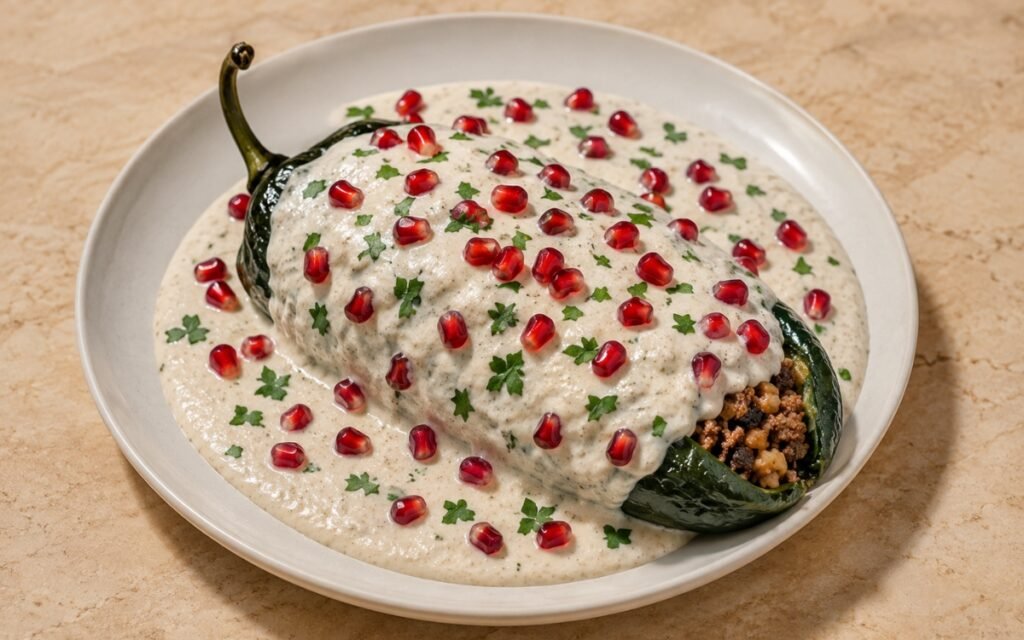
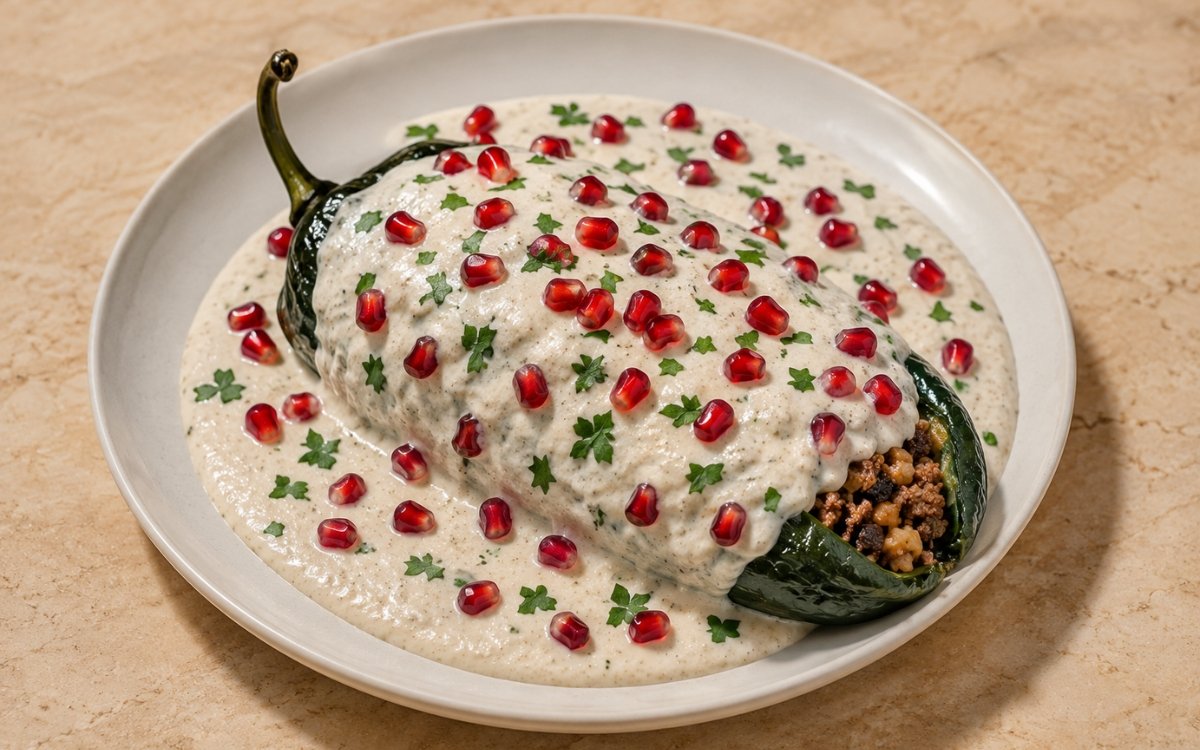
Whole roasted poblano peppers filled with a savoury-sweet picadillo of ground pork and beef, dried fruit, aromatics, and warm spices, then covered generously with vivid white walnut cream sauce and finished with bright red pomegranate seeds and fresh parsley. Rubbing the soaked walnuts free of their thin brown skins is the technique that determines whether the nogada sauce reads as genuinely white or muddy beige — a small, tedious step with an outsized visual payoff, the same skin-removal principle used elsewhere in this collection whenever a sauce’s colour is central to the dish’s identity. Browning the ground pork and beef properly rather than letting it steam is what keeps the picadillo tasting savoury and deep under all that sweetness from the fruit, since a flat-tasting filling gets fully overwhelmed once the rich walnut sauce is spooned on top. Cooking the picadillo down until moist but not wet protects the peppers themselves, since a watery filling leaks out and thins the nogada on contact. The payoff is one of Mexican cuisine’s most visually striking dishes — deep green pepper, vivid white sauce, and bright red pomegranate, served with the pepper warm and the sauce deliberately cool.
Prep Time : 40 min
Cook Time : 45 min
Servings : 4
40 min
45 min
4
Ingredients
For the Poblano Peppers
• 4 large poblano peppers
• 10ml neutral oil, only if needed for roasting
• 3g kosher salt
For the Picadillo Filling
• 300g ground pork
• 300g ground beef
• 20ml neutral oil
• 120g white onion, finely diced
• 3 garlic cloves, minced
• 150g Roma tomatoes, finely diced or crushed
• 120g apple, peeled and diced small
• 100g pear, peeled and diced small
• 40g raisins
• 40g dried apricots, chopped small
• 30g almonds, chopped
• 15g tomato paste
• 4g ground cinnamon — this one on Amazon
• 2g ground cumin — this one on Amazon
• 1g ground cloves or allspice
• 6g kosher salt, plus more to taste
• 2g freshly ground black pepper
• 1g dried oregano — this one on Amazon
• 60ml water or light stock, only if needed
• 15ml apple cider vinegar or white vinegar
For the Nogada Sauce
• 180g walnut halves
• 180ml whole milk, plus more if needed
• 120g Mexican crema or sour cream
• 80g cream cheese or soft goat cheese
• 15g sugar
• 1g ground cinnamon
• 1 pinch fine salt
For Garnishing and Serving
• 120g pomegranate seeds
• 15g fresh parsley leaves, roughly torn or left whole
• Extra crema or milk, only if needed to loosen the sauce
This post may contain affiliate links. As an Amazon Associate I earn from qualifying purchases, at no additional cost to you.
Directions
- Roast and Peel the Poblanos
Roast the poblano peppers directly over a gas flame, under a broiler, or in a very hot dry skillet, turning often, until the skins are blistered and blackened on most sides. Transfer to a bowl and cover, or place in a sealed container, and let steam for 10–15 minutes. Once cool enough to handle, peel away most of the loose charred skin. Leave the peppers whole and intact. Cut a lengthwise slit in each pepper and carefully remove the seeds, keeping the stem attached if possible. Do not rinse the peppers under water unless absolutely necessary. Water washes away flavour and makes the peppers slippery and watery. Covering the hot peppers to steam traps their own residual heat against the blistered skin, which is what loosens it enough to peel cleanly — skipping this rest and trying to peel straight off the flame tears the flesh far more easily. - Soak the Walnuts
Place the walnuts in a bowl and cover with hot water for 20–30 minutes. Drain well. If you want an especially bright white nogada, rub off as much of the thin brown skin as possible. This step matters. Dark walnut skins muddy the sauce colour and make it slightly bitter. Soaking softens the skins enough that they rub off far more easily than trying to peel dry walnuts — the extra 20–30 minutes here is a direct investment in exactly how bright and clean the finished sauce’s colour will be. - Cook the Picadillo Base
Heat the neutral oil in a large skillet over medium heat. Add the onion and cook for 4–5 minutes until softened. Add the garlic and cook for 30 seconds. Add the ground pork and ground beef. Cook, breaking it up well, until browned and no longer pink, about 8–10 minutes. If there is a lot of grease, spoon off the excess. The meat should brown, not steam. Proper browning gives the filling depth and keeps it from tasting flat under the rich white sauce. Genuine browning at this stage matters more here than in many other ground-meat preparations, precisely because the nogada sauce that eventually covers the filling is rich and mild — a picadillo that only steamed rather than browned has little savoury depth of its own to stand up against that richness. - Build the Picadillo
Add the tomatoes, apple, pear, raisins, dried apricots, almonds, tomato paste, cinnamon, cumin, cloves or allspice, salt, black pepper, and oregano. Stir well and cook for 8–10 minutes until the fruit softens and the mixture becomes cohesive. Add a small splash of water or stock only if the filling looks dry. Stir in the vinegar at the end and cook for 1 more minute. The finished picadillo should be moist and glossy but not wet. If it is loose or watery, keep cooking until the excess moisture evaporates. Wet filling will leak out of the peppers and thin the nogada. The small amount of vinegar added right at the end brightens the whole mixture with a touch of acidity that keeps the sweetness from the fruit in check, preventing the picadillo from tipping too far toward tasting like a dessert filling. - Make the Nogada Sauce
Blend the soaked walnuts, milk, crema, cream cheese or goat cheese, sugar, cinnamon, and salt until very smooth. The sauce should be creamy, pale white, and thick enough to spoon generously over the peppers while still flowing softly down the sides. Add a little extra milk or crema only if needed. Do not make it too thin. Nogada should drape over the chile, not run across the whole plate like milk. A high-powered, thorough blend here is what breaks the walnuts down into a genuinely smooth, creamy sauce rather than one with a grainy, nutty texture — the cream cheese or goat cheese folded in alongside the crema is what gives the finished sauce enough body to hold its shape once spooned over the pepper. - Fill the Poblanos
Taste the picadillo and adjust salt if needed. Carefully stuff each poblano with about one-quarter of the filling, pressing it in gently but not overpacking. Overstuffed peppers split too easily and lose their shape on the plate. A pepper that closes naturally around its filling, without needing to be forced, is the visual cue that the amount is correct — overstuffing puts pressure on the slit from the inside that only increases once the filling is warmed through. - Warm the Peppers
Place the filled poblanos in a baking dish or large skillet. Cover loosely and warm over low heat or in a 180°C / 350°F oven for 10–12 minutes, just until heated through. Do not bake them uncovered for too long. The peppers should stay tender and green, not collapse or dry out. This is a gentle reheating stage rather than a true cook, since both the pepper and the filling are already fully prepared — the covered, low-heat approach exists specifically to warm everything through without drying out or over-softening the pepper’s structure. - Sauce and Garnish
Place one warm stuffed poblano on each plate. Spoon the nogada generously over the top so most of the pepper is covered, while still leaving some green visible around the edges. Scatter pomegranate seeds over the white sauce, then finish with fresh parsley leaves. Leaving a border of green pepper visible around the edges of the white sauce, rather than covering the whole thing, is a deliberate plating choice that keeps all three of the dish’s signature colours in view at once. - Serve
Serve immediately while the pepper and filling are warm and the nogada is cool or room temperature. The contrast is part of the dish. This temperature contrast between the warm, savoury-sweet pepper and the cool, creamy sauce is a defining characteristic of chiles en nogada rather than an accident of timing — heating the sauce itself would flatten one of the dish’s more distinctive sensory details.
*Notes :
- The nogada sauce’s colour is worth treating as seriously as its flavour, since chiles en nogada’s entire visual identity depends on the sauce staying genuinely white rather than drifting toward beige. Walnuts carry a thin, papery brown skin that’s easy to leave in place when short on time, but that skin is specifically what muddies the sauce’s colour and introduces a faint bitterness. Soaking the walnuts first softens those skins enough to rub off far more easily than attempting the same task on dry nuts, making the extra time a direct trade for a visibly whiter final sauce.
- The picadillo’s balance between savoury and sweet is one of the more easily misjudged elements of this dish, and it’s worth tasting for as you build the filling rather than trusting the ingredient list alone. The combination of dried fruit, cinnamon, and warm spice can tip a filling toward tasting more like a dessert than a savoury dish if the meat isn’t properly browned or if the vinegar at the end is skipped — both of those steps exist specifically to anchor the picadillo in savoury territory, with the fruit’s sweetness meant to register in the background rather than dominate.
- Grease left in the finished picadillo does more damage than it might seem to at first glance. Beyond making the filling itself heavy, excess fat interacts poorly with the rich, dairy-based nogada sauce poured over the top — the combination reads as greasy and overly heavy on the plate rather than balanced, which is why draining excess fat during the meat-browning stage is worth doing carefully rather than skipping.
- The temperature contrast between the warm stuffed pepper and the cool nogada sauce is a genuinely intentional part of how this dish is meant to be experienced, not an oversight in the recipe’s timing. Warming the sauce along with the pepper, which might seem like the more natural choice, would flatten that contrast and lose part of what makes chiles en nogada distinctive among stuffed pepper preparations.
Why This Recipe Works
This recipe works because it treats colour and temperature as deliberate design elements alongside flavour: the walnuts are skinned for a genuinely white sauce.
The picadillo is browned properly and finished with a touch of vinegar to stay savoury under the rich topping, and the pepper is served warm against a cool sauce for contrast that’s central to the dish rather than incidental.
Careful attention to moisture in the picadillo, restraint in stuffing the peppers, and a final layer of pomegranate added only at serving all protect the dish’s specific, striking presentation.
Ingredient Breakdown
Roasted, Steamed Poblano Peppers
The specified preparation — blistered directly over flame, then steamed covered to loosen the skin cleanly for peeling while staying whole and intact.
Browned Ground Pork and Beef
The savoury foundation — cooked with real colour development so the filling has depth beneath the rich walnut sauce.
Dried Fruit and Warm Spice Picadillo
The signature sweet-savoury filling — apple, pear, raisins, and apricots balanced against browned meat, cinnamon, and a final touch of vinegar.
Skinned, Soaked Walnuts
The sauce’s colour foundation — soaked and rubbed free of their brown skin specifically to keep the nogada genuinely white rather than muddied.
Late-Added Pomegranate Seeds
The final garnish — added only at serving so their juice doesn’t bleed into and weaken the sauce’s clean colour contrast.
Flavor Structure Explained
This chiles en nogada follows a layered balance model:
- Smoky charred foundation (roasted poblano)
- Savoury-sweet centre (picadillo with meat and dried fruit)
- Warm aromatic spice (cinnamon, cumin, cloves)
- Rich creamy topping (walnut nogada sauce)
- Bright fresh finish (pomegranate, parsley)
The roasted poblano defines the dish with a smoky, slightly bitter charred flavour that anchors everything above it. The picadillo layers in complex savoury-sweet character, with browned meat providing depth and dried fruit contributing background sweetness rather than dominating. Warm spices — cinnamon, cumin, and cloves — tie the filling together with aromatic complexity. The rich, creamy walnut nogada sauce adds a smooth, nutty richness that coats the whole pepper. Bright pomegranate seeds and fresh parsley finish the dish with clean, sharp bursts of acidity and colour that cut through the sauce’s richness.
Common Mistakes to Avoid
- Leaving the Walnut Skins On – This muddies the nogada’s colour toward beige and introduces a faint bitterness. Always soak the walnuts and rub off as much skin as possible for a genuinely white sauce.
- Letting the Ground Meat Steam Instead of Brown – This leaves the picadillo tasting flat under the rich nogada sauce. Always cook until properly browned before adding the fruit and spices.
- Skipping the Vinegar at the End of the Picadillo – Without it, the sweetness from the dried fruit and spices can tip the filling too far toward dessert-like. Always finish with the specified splash of vinegar.
- Overstuffing the Peppers – This causes them to split and lose their shape on the plate. Always fill to about one-quarter of the picadillo per pepper, pressing gently without overpacking.
- Adding Pomegranate Seeds Too Early – Their juice bleeds into the white sauce and weakens the clean red-white-green colour contrast. Always add them as the very last garnish, right before serving.
Variations
Vegetarian Picadillo
Substitute the ground pork and beef with a mixture of finely chopped mushrooms and walnuts, following the same fruit-and-spice build, for a meat-free version of the same filling.
Baked Version
Skip the stovetop warming step and bake the filled, unsauced peppers at 180°C for 15–18 minutes until heated through, then sauce and garnish as directed.
Extra-Rich Nogada
Increase the cream cheese or goat cheese to 100g for an even thicker, richer sauce with more body.
Smaller Portions
Use 8 medium poblanos instead of 4 large ones, halving the filling per pepper, for a lighter, more appetizer-style presentation.
Storage & Make-Ahead
The picadillo filling can be made 1–2 days ahead and refrigerated in an airtight container; reheat gently before stuffing the peppers. Roasted, peeled poblanos can be refrigerated for up to 2 days before filling.
The nogada sauce can be made up to 1 day ahead and refrigerated in a sealed container; whisk or briefly re-blend before serving if it has thickened.
Pomegranate seeds should be removed fresh close to serving for the best colour and juiciness.
The fully assembled, sauced dish is not suitable for storage — assemble and garnish only what will be served and eaten immediately.
Frequently Asked Questions
Why does the recipe emphasise rubbing the skin off the walnuts?
The thin brown skin on walnuts muddies the nogada sauce’s colour toward beige rather than a clean white, and it also contributes a faint bitterness. Soaking the walnuts first softens the skins enough to remove most of them easily, which is a direct investment in how visually striking the finished sauce looks.
Why does the ground meat need to be properly browned rather than just cooked through?
The rich, creamy nogada sauce poured over the finished dish is mild and dairy-forward. A picadillo that’s only steamed rather than browned has comparatively little savoury depth of its own, and it gets overwhelmed once that rich sauce is added — proper browning is what keeps the filling assertive enough to stand up to it.
Why is the dish served with a warm pepper but a cool sauce, rather than everything hot?
That temperature contrast is a deliberate, defining feature of chiles en nogada rather than a timing oversight. Warming the sauce along with the pepper would flatten one of the dish’s most distinctive sensory qualities, which is part of why the recipe specifically calls for serving the nogada cool or at room temperature.
Why add the pomegranate seeds only at the very end?
Pomegranate seeds release juice readily once handled or left sitting on a warm surface, and that juice bleeding into the white sauce would both dull its colour and weaken the sharp red-white-green contrast that defines the dish’s presentation. Adding them as the final step, right before serving, keeps that contrast clean.
Are there other stuffed poblano pepper recipes worth trying?
Chiles Rellenos is another classic built on the same whole roasted poblano base, though it takes a very different direction — the peppers are stuffed with melting cheese rather than picadillo, coated in a whipped egg batter, fried until golden and puffed, and served over a tomato-chipotle sauce instead of the walnut nogada here. It’s a good comparison if you enjoy working with whole roasted poblanos but want a savoury, fried version rather than this sweet-savoury, sauced one.
Nutrition Facts
( per serving )
Calories
~680 kcal
Protein
34 g
Fat
46 g
Carbs
36 g
Calories
~680 kcal
Protein
34 g
Fat
46 g
Carbs
36 g
Related Recipes
Related Recipes

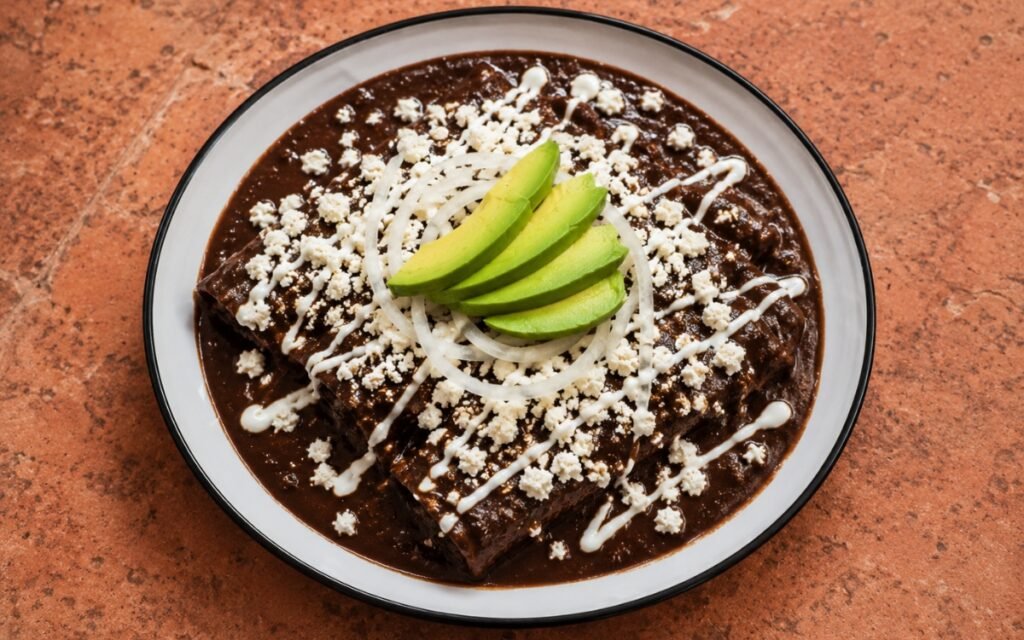
Enfrijoladas
Soft corn tortillas lightly fried, dipped in glossy black bean sauce, folded around queso fresco, and finished with more cheese, crema, onion, and avocado.
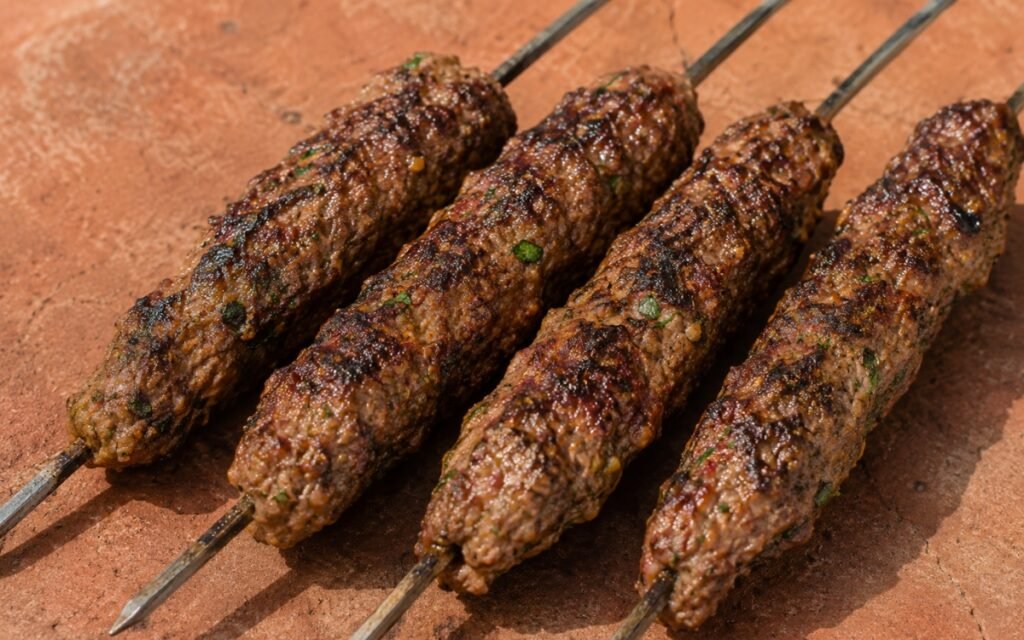
Simple Beef Kofta Skewers
Ground beef mixed thoroughly, shaped firmly around skewers, chilled, grilled with controlled rotation until charred. Structured and juicy.
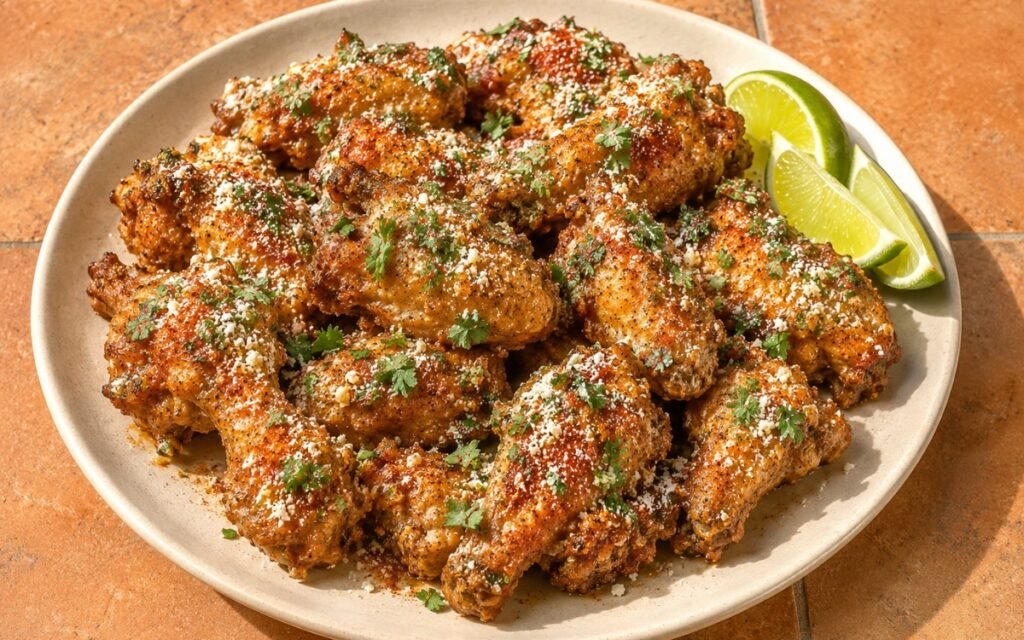
Elote-Style Chicken Wings
Oven-baked wings with crackling skin, tossed hot in a creamy mayo-crema elote sauce, then topped with crumbled cotija and chili powder.
You might also like
You might also like
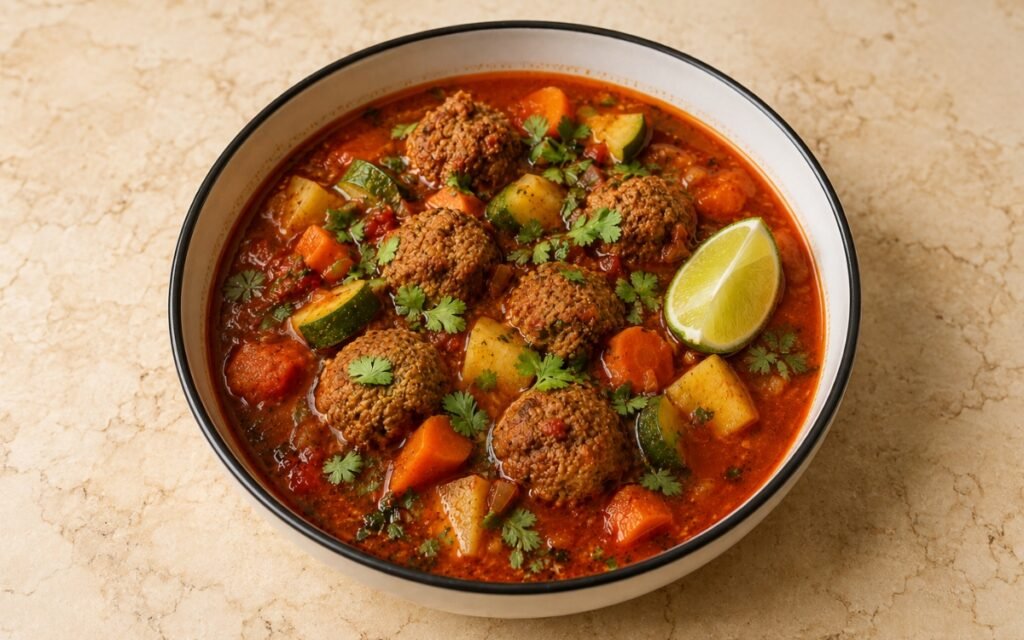
Sopa de Albóndigas
Tender beef-and-rice meatballs simmered gently in a savory red tomato broth with carrot, potato, and zucchini.
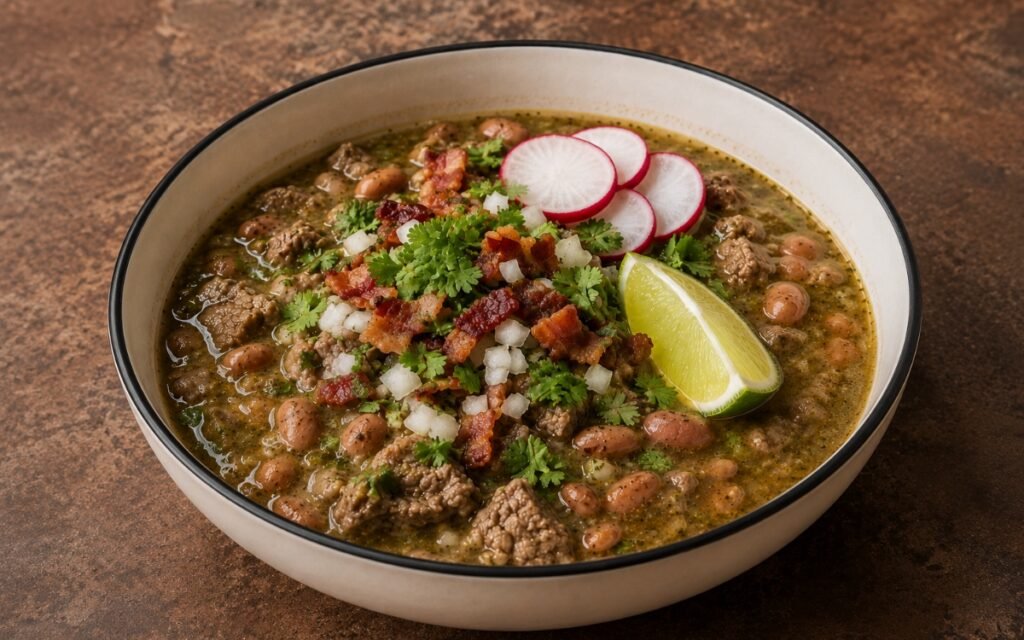
Carne en su Jugo
Finely chopped, batch-browned beef simmered briefly in a savory tomatillo broth with pinto beans, topped with crispy bacon and fresh garnishes.
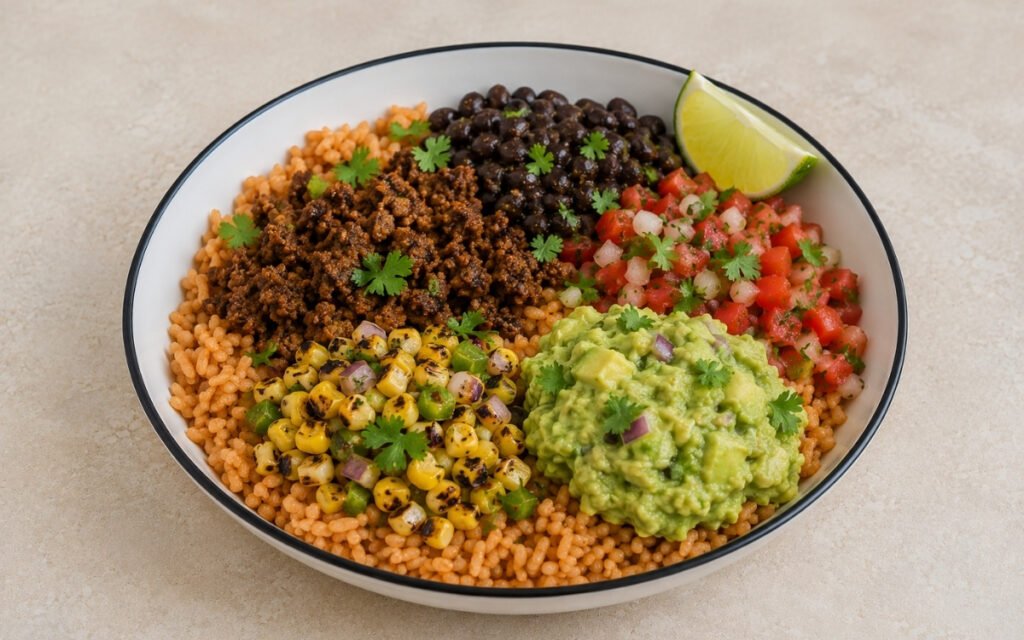
Beef Burrito Rice Bowl
Ground beef pressed flat in smoking cast iron, seared until deeply caramelised, then broken down and seasoned — over Mexican rice with spiced beans, pico, corn salad, guacamole, and cheese blend.
Chiles en Nogada
Ingredients
Method
- Roast the poblano peppers directly over a gas flame, under a broiler, or in a very hot dry skillet, turning often, until the skins are blistered and blackened on most sides. Transfer to a bowl and cover, or place in a sealed container, and let steam for 10–15 minutes. Once cool enough to handle, peel away most of the loose charred skin. Leave the peppers whole and intact. Cut a lengthwise slit in each pepper and carefully remove the seeds, keeping the stem attached if possible. Do not rinse the peppers under water unless absolutely necessary. Water washes away flavour and makes the peppers slippery and watery. Covering the hot peppers to steam traps their own residual heat against the blistered skin, which is what loosens it enough to peel cleanly — skipping this rest and trying to peel straight off the flame tears the flesh far more easily.
- Place the walnuts in a bowl and cover with hot water for 20–30 minutes. Drain well. If you want an especially bright white nogada, rub off as much of the thin brown skin as possible. This step matters. Dark walnut skins muddy the sauce colour and make it slightly bitter. Soaking softens the skins enough that they rub off far more easily than trying to peel dry walnuts — the extra 20–30 minutes here is a direct investment in exactly how bright and clean the finished sauce’s colour will be.
- Heat the neutral oil in a large skillet over medium heat. Add the onion and cook for 4–5 minutes until softened. Add the garlic and cook for 30 seconds. Add the ground pork and ground beef. Cook, breaking it up well, until browned and no longer pink, about 8–10 minutes. If there is a lot of grease, spoon off the excess. The meat should brown, not steam. Proper browning gives the filling depth and keeps it from tasting flat under the rich white sauce. Genuine browning at this stage matters more here than in many other ground-meat preparations, precisely because the nogada sauce that eventually covers the filling is rich and mild — a picadillo that only steamed rather than browned has little savoury depth of its own to stand up against that richness.
- Add the tomatoes, apple, pear, raisins, dried apricots, almonds, tomato paste, cinnamon, cumin, cloves or allspice, salt, black pepper, and oregano. Stir well and cook for 8–10 minutes until the fruit softens and the mixture becomes cohesive. Add a small splash of water or stock only if the filling looks dry. Stir in the vinegar at the end and cook for 1 more minute. The finished picadillo should be moist and glossy but not wet. If it is loose or watery, keep cooking until the excess moisture evaporates. Wet filling will leak out of the peppers and thin the nogada. The small amount of vinegar added right at the end brightens the whole mixture with a touch of acidity that keeps the sweetness from the fruit in check, preventing the picadillo from tipping too far toward tasting like a dessert filling.
- Blend the soaked walnuts, milk, crema, cream cheese or goat cheese, sugar, cinnamon, and salt until very smooth. The sauce should be creamy, pale white, and thick enough to spoon generously over the peppers while still flowing softly down the sides. Add a little extra milk or crema only if needed. Do not make it too thin. Nogada should drape over the chile, not run across the whole plate like milk. A high-powered, thorough blend here is what breaks the walnuts down into a genuinely smooth, creamy sauce rather than one with a grainy, nutty texture — the cream cheese or goat cheese folded in alongside the crema is what gives the finished sauce enough body to hold its shape once spooned over the pepper.
- Taste the picadillo and adjust salt if needed. Carefully stuff each poblano with about one-quarter of the filling, pressing it in gently but not overpacking. Overstuffed peppers split too easily and lose their shape on the plate. A pepper that closes naturally around its filling, without needing to be forced, is the visual cue that the amount is correct — overstuffing puts pressure on the slit from the inside that only increases once the filling is warmed through.
- Place the filled poblanos in a baking dish or large skillet. Cover loosely and warm over low heat or in a 180°C / 350°F oven for 10–12 minutes, just until heated through. Do not bake them uncovered for too long. The peppers should stay tender and green, not collapse or dry out. This is a gentle reheating stage rather than a true cook, since both the pepper and the filling are already fully prepared — the covered, low-heat approach exists specifically to warm everything through without drying out or over-softening the pepper’s structure.
- Place one warm stuffed poblano on each plate. Spoon the nogada generously over the top so most of the pepper is covered, while still leaving some green visible around the edges. Scatter pomegranate seeds over the white sauce, then finish with fresh parsley leaves. Leaving a border of green pepper visible around the edges of the white sauce, rather than covering the whole thing, is a deliberate plating choice that keeps all three of the dish’s signature colours in view at once.
- Serve immediately while the pepper and filling are warm and the nogada is cool or room temperature. The contrast is part of the dish. This temperature contrast between the warm, savoury-sweet pepper and the cool, creamy sauce is a defining characteristic of chiles en nogada rather than an accident of timing — heating the sauce itself would flatten one of the dish’s more distinctive sensory details.