
Indonesian Beef Rendang
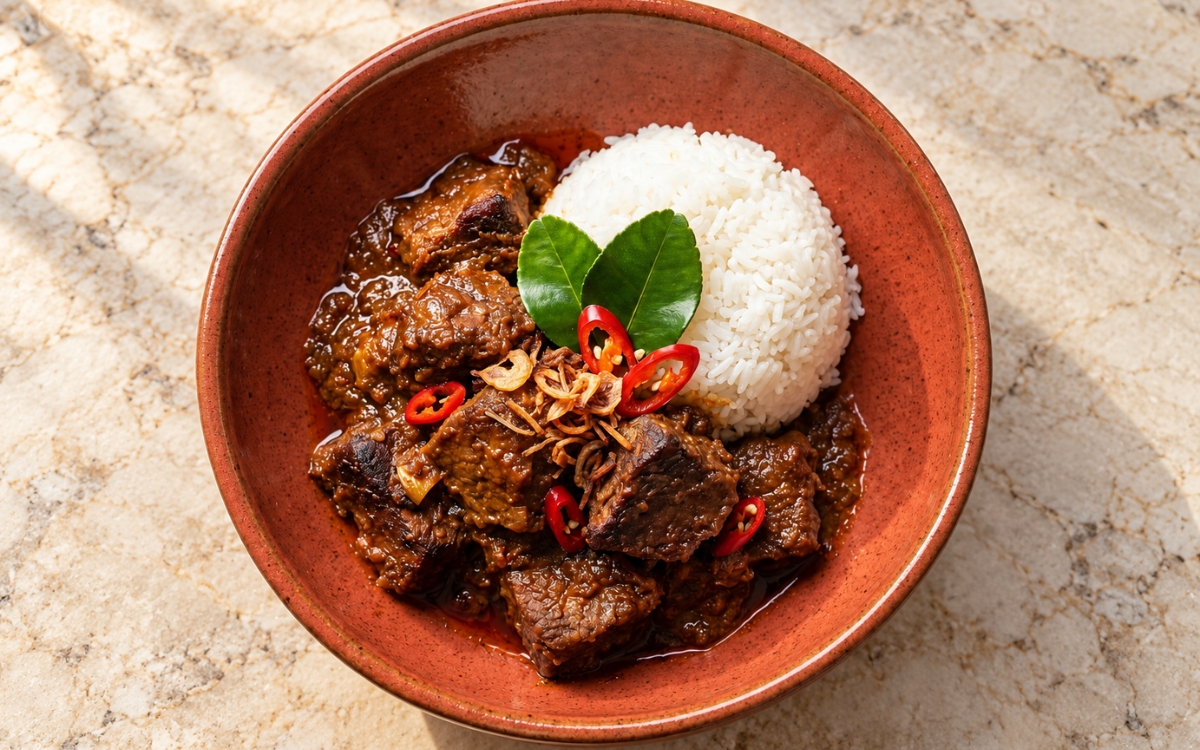
A classic Indonesian beef rendang of large chuck chunks braised slowly in coconut milk with a fried paste of shallots, chillies, galangal, ginger, turmeric and lemongrass until the sauce reduces to a dark, oily coating, served with jasmine rice and crispy garlic chips, the key being a reduction taken all the way. Cooking the braise down until the coconut milk splits and its oil fries the beef, rather than stopping while the sauce is still loose, is the technique this whole curry depends on for its deep brown colour and concentrated flavour — pulled too early, the pot is closer to a soupy kalio than a true rendang, the same reduce-until-it-clings principle used elsewhere in this collection whenever a sauce has to coat rather than pool. Frying the spice paste properly before any liquid goes in is what cooks out the raw shallot and garlic edge and builds the base flavour of the pot. Toasting and grinding the optional coconut into kerisik is what thickens the final sauce and gives it a nutty, classical depth. The payoff is a rendang with real, concentrated richness — tender beef that still holds its shape, lacquered in a thick, dark, spiced coconut coating beside fluffy rice, lime leaves and crisp garlic.

Prep Time : 30 min
Total Time : 3 hr 30 min
Servings : 4
30 min
3 hr 30 min
4
Ingredients
For the Beef
• 700g beef chuck or boneless beef shin, cut into large 4–5cm chunks
• 1 tsp kosher salt
• ½ tsp black pepper
For the Spice Paste
• 8 shallots, peeled and roughly chopped
• 5 garlic cloves, peeled
• 4 red chillies, deseeded if preferred, roughly chopped
• 2 bird’s eye chillies, optional, for more heat
• 25g fresh ginger, sliced
• 30g fresh galangal, sliced
• 20g fresh turmeric, peeled and sliced, or 1½ tsp ground turmeric
• 2 lemongrass stalks, tender inner part only, sliced
• 2 tbsp neutral oil, only if needed for blending
For the Braising Base
• 1 tbsp neutral oil, for frying the paste, only if needed
• 1½ tsp ground coriander
• 1 tsp ground cumin
• 1 small cinnamon stick
• 2 cloves
• 1 star anise, optional
• 400ml full-fat coconut milk
• 250ml water
• 3 kaffir lime leaves
• 1 turmeric leaf, tied in a knot, optional but classical if available
• 1 tsp salt, plus more to taste
• 1 tsp palm sugar or brown sugar
• A little hot water, 30–60ml at a time, only if the pot dries before the beef is tender
Optional Kerisik (Toasted Coconut) (For a more classical, deeper rendang flavour and a thicker finish)
• 40g unsweetened finely grated coconut
For the Jasmine Rice
• 300g jasmine rice
• 390–420ml water
• A pinch of salt, optional
For the Garnish
• 2 kaffir lime leaves, very thinly sliced
• 1 red chilli, thinly sliced
• 4–5 garlic cloves, very thinly sliced, or a small handful of ready-made crispy garlic chips
• 3 tbsp neutral oil, for frying the garlic
Directions
- Season the Beef
Cut the 700g beef chuck or shin into large 4–5cm chunks if it is not already cut, leaving the internal marbling and connective tissue in place, since that is what softens during the long braise. Pat every piece genuinely dry with kitchen paper, then season all over with the 1 tsp kosher salt and ½ tsp black pepper and set aside while you make the paste. Keep the chunks large: smaller pieces dry out and shred long before the sauce has reduced. That drying step matters because damp beef waters down the fried paste, while dry surfaces grip it evenly and later colour properly in the rendered coconut oil. - Make the Spice Paste
Put the 8 shallots, 5 garlic cloves, 4 red chillies, the 2 bird’s eye chillies if using, 25g ginger, 30g galangal, 20g fresh turmeric and the sliced inner lemongrass into a blender or food processor; if using ground turmeric instead, add the 1½ tsp now. Blend to a mostly smooth paste, stopping to scrape down the sides, and add up to 2 tbsp neutral oil only if the blades need help to move. Alternatively, pound everything in a mortar, starting with the hardest ingredients — lemongrass, galangal and ginger — and finishing with the shallots. The paste should look fine and even, with no visible fibrous pieces of lemongrass or galangal. That fine texture matters because a coarse, chunky paste fries unevenly and never coats the beef smoothly. - Fry the Paste
Heat a heavy pot or Dutch oven over medium heat and add the 1 tbsp neutral oil only if the paste was blended without oil. Add the spice paste and fry for 8–12 minutes, stirring often, until it darkens, smells genuinely fragrant and the raw shallot-garlic smell has gone. If it starts sticking too aggressively, lower the heat slightly and stir more often. Add the 1½ tsp ground coriander, 1 tsp ground cumin, cinnamon stick, 2 cloves and the star anise, if using, and stir for 30–60 seconds until fragrant. The paste is ready when it looks glossy and slightly reduced and is beginning to release oil at the edges. That thorough frying is what builds the base flavour of the rendang, since raw aromatics only stew, never fry, once the coconut milk goes in. - Add the Beef and Coconut Milk
Add the seasoned beef and turn every piece well in the paste until coated. Pour in the 400ml coconut milk and 250ml water, then add the 3 kaffir lime leaves, the knotted turmeric leaf if using, the 1 tsp salt and 1 tsp palm sugar. Stir, scraping the paste from the base, and bring just to a gentle simmer over medium heat, about 6–7 minutes. Small bubbles should break steadily at the edges, never a rolling boil. The liquid should just about cover the beef and look loose and orange-brown at this stage. That gentle start is what keeps the coconut milk from splitting too early and lets the beef braise evenly instead of seizing on the outside. - Slow Braise the Beef
Reduce the heat to low or low-medium and cook uncovered or partially uncovered for 2–2½ hours, stirring every 15–20 minutes at first and more often as the liquid reduces. After about 1 hour the beef should still be firm and the sauce loose; after about 2 hours it should be getting tender, with the sauce clearly thicker and deeper in colour. Stir often enough to prevent scorching, especially in the final hour, and if the pot dries before the beef is tender, add a little hot water, 30–60ml at a time. The beef is genuinely ready for the final reduction when a fork enters with little resistance but the pieces still hold their shape. That patient, low-heat braise is what melts the collagen in the chuck or shin while the sauce slowly concentrates around it. - Toast the Optional Kerisik
If using the coconut, toast the 40g grated coconut during the first hour of the braise in a dry frying pan over medium heat for 5–8 minutes, stirring constantly, until deep golden brown and nutty. Do not let it burn: it should smell nutty and look dark golden, neither pale nor bitter. Tip it onto a plate, cool slightly, then grind it in a mortar or spice grinder into a coarse, slightly oily powder. Stir the kerisik into the pot after 1½–2 hours of braising, once the beef is already tendering and the sauce has reduced somewhat. That toasted coconut is what thickens the final sauce and gives the rendang its deeper, more classical nutty flavour. - Prepare the Garnish
While the beef braises, make the garlic chips if using fresh garlic. Heat the 3 tbsp neutral oil in a small pan over medium-low heat, add the 4–5 thinly sliced garlic cloves and fry for 2–4 minutes, stirring, until only lightly golden. Lift them out immediately with a slotted spoon onto kitchen paper, since they keep darkening as they cool. Very thinly slice the 2 kaffir lime leaves, cutting away the central rib, and thinly slice the red chilli. Keep everything at room temperature until serving. That careful, low-heat frying matters because garlic turns from golden to bitter within seconds once it overcooks. - Cook the Jasmine Rice
Toward the end of the braise, rinse the 300g jasmine rice in cold water until the water runs mostly clear, then drain well. As the final reduction begins, combine it in a saucepan with 390–420ml water and the pinch of salt, if using, bring to a boil, then cover tightly, reduce to the lowest heat and cook for 12–15 minutes. Turn off the heat and leave it covered for 10 minutes, then fluff with a fork; a rice cooker works equally well. The grains should be cooked through, separate and fluffy rather than wet or mushy. That timing is what has the rice ready just as the rendang finishes, without pulling attention from the pot during its final reduction. - Reduce to Rendang
Continue cooking for 30–45 minutes more over low-medium heat, stirring frequently and scraping the bottom well, until the sauce becomes very thick, dark brown and clings tightly to the beef. Do not walk away during this stage, since it can catch quickly, and turn the chunks gently so they stay intact. The oil should visibly separate around the edges and the beef should look deeply lacquered rather than soupy. Remove the cinnamon stick, cloves, star anise and whole leaves if you prefer, then taste and adjust the salt. The finished beef should be genuinely tender but not shredding, with small pools of red-brown coconut oil around it. That final reduction is the defining stage, because the beef fries in its own separated coconut oil and turns from a curry into true rendang. - Serve
Divide the rice among 4 bowls, about 75g uncooked rice per serving once cooked. Spoon the rendang beside or partly over the rice, giving each bowl about 175g beef by raw weight and an even share of the thick sauce and oil. Scatter the thinly sliced kaffir lime leaves, red chilli and crispy garlic chips over the beef. The rendang should look dark, glossy and dry-coated against the white rice, with no thin liquid pooling in the bowl. Serve warm. That fresh garnish is what lifts the dense, deeply spiced beef with sharp citrus aroma, clean heat and a genuinely crisp, savoury crunch.
*Notes :
- The final reduction deserves genuine recognition as the technique most directly responsible for whether this pot becomes rendang at all. The recipe’s own warning — “Stop too early and it is still closer to kalio, not full rendang” — reflects how the coconut milk must cook down until its oil separates and fries the beef, turning the sauce dark, thick and clinging rather than brothy.
- Frying the spice paste deserves the same attention this technique receives throughout this collection’s other curry dishes, because it sets the flavour of everything that follows. The recipe’s own instruction that “The paste must be properly fried before adding liquid” matters because 8–12 minutes of steady frying drives off the raw shallot and garlic smell and starts the browning that later deepens into the dark rendang colour.
- Keeping the heat low throughout the braise deserves genuine respect as the detail most directly responsible for tender beef and an unscorched pot. The recipe’s own reminder that “rendang is a slow reduction, not a fast stew” reflects how gentle heat lets the collagen in chuck or shin soften over hours, while a hard boil splits the coconut milk early and catches the thickening sauce on the base.
- The fork test and the pooling oil deserve attention as genuine, checkable readiness cues rather than a loose approximation of time. Beef cuts and pot widths vary, so a fork entering with little resistance tells you when to start the final reduction, and small pools of red-brown oil around lacquered, intact chunks tell you the rendang is finished.
Why This Recipe Works
This recipe works because each stage concentrates flavour before the next one begins. Blending the aromatics into a fine paste and frying it until glossy and oily cooks out its raw edge, and the dry spices bloom in that hot paste before the coconut milk dilutes them. A gentle, mostly uncovered braise then genuinely softens the chuck while the liquid evaporates slowly, and the optional kerisik thickens it with toasted, nutty depth. The last stretch of reduction lets the separated coconut oil fry the beef, leaving tender, intact chunks lacquered in a thick, dark, intensely savoury coating.
Ingredient Breakdown
Full Final Reduction
The critical technique — cooking until the oil separates turns a loose coconut curry into dark, clinging, deeply savoury rendang.
Properly Fried Spice Paste
The core flavour-building stage — 8–12 minutes of frying removes the raw shallot smell and builds the rendang’s dark base.
Low, Patient Braise
The critical technique — gentle heat softens the beef over two hours without splitting the coconut milk or scorching the pot.
Beef Chuck or Shin (Large Chunks)
The critical ingredient choice — collagen-rich cuts turn tender through hours of cooking while large pieces still hold their shape.
Galangal Alongside Ginger
The defining flavour ingredient — ginger brings warmth, while galangal adds the sharper, citrusy note that makes the profile distinctly Indonesian.
Kerisik (Toasted Coconut)
The finishing technique — toasted, ground coconut stirred in late thickens the sauce and adds a nutty, classical depth.
Lime Leaf and Garlic Chip Garnish
The finishing touch — fresh lime leaf and chilli lift the dense beef, while golden garlic chips add crunch.
Flavor Structure Explained
This Indonesian beef rendang follows a layered balance model:
- Soft, neutral foundation (jasmine rice)
- Rich, savoury centrepiece (slow-braised beef chuck, salt, black pepper)
- Deep aromatic core (fried shallots, garlic, galangal, ginger, turmeric, lemongrass)
- Warm spice background (coriander, cumin, cinnamon, cloves, star anise)
- Creamy, caramelised body (reduced coconut milk, palm sugar, kerisik)
- Fresh, crisp finish (sliced kaffir lime leaves, red chilli, garlic chips)
Jasmine rice gives the rendang a soft, neutral foundation for its intense coating. Slow-braised beef seasoned with salt and pepper forms the rich, savoury centrepiece, while the fried shallot, galangal, ginger, turmeric and lemongrass paste supplies the deep aromatic core. Coriander, cumin, cinnamon, cloves and star anise add a warm spice background, and reduced coconut milk, palm sugar and kerisik build a creamy, caramelised body. Lime leaves, fresh chilli and garlic chips add the crisp finish that ties this Indonesian beef rendang together.
Common Mistakes to Avoid
- Stopping the Reduction Too Early – This leaves a loose, pale, brothy curry that is closer to kalio than rendang. Always cook until the sauce clings and red-brown oil pools around the beef.
- Adding the Liquid to Raw Paste – This leaves a harsh shallot and garlic taste that never cooks out in the coconut milk. Always fry the paste for 8–12 minutes until glossy and fragrant.
- Boiling the Coconut Milk Hard – This splits the sauce too early and tightens the outside of the beef before it softens. Always keep the braise at a gentle simmer over low heat.
- Walking Away During the Final Stretch – This lets the thick, sugary sauce catch and scorch on the base within minutes. Always stir frequently and scrape the bottom well through the last 30–45 minutes.
- Cutting the Beef Too Small – This dries out and shreds smaller pieces long before the sauce has reduced. Always cut the chuck or shin into large 4–5cm chunks.
Variations
Beef Shin Version
Use 700g boneless beef shin instead of chuck, per the recipe’s own note that chuck or shin are best here, for a more gelatinous, deeply beefy rendang whose chunks hold their shape well.
Milder Version
Leave out the bird’s eye chillies and deseed the 4 red chillies before blending for a gentler rendang that keeps its genuine aromatic depth from the galangal, lemongrass and turmeric.
Ground Turmeric Version
Replace the 20g fresh turmeric with 1½ tsp ground turmeric, as the ingredient list allows, for an easier-to-source paste with the same golden base and only slightly less brightness.
Kalio Version
Stop cooking at the end of the slow braise, before the final 30–45 minute reduction, for kalio, the softer and saucier stage of the same dish, served with more coconut gravy over the rice.
Storage & Make-Ahead
Rendang often tastes even better the next day, per the recipe’s own note, so it is a genuinely excellent dish to cook a day ahead, cooling it within 2 hours and refrigerating it covered overnight.
The spice paste can be blended up to 2 days ahead and refrigerated in a sealed jar, and the kerisik can be toasted and ground up to a week ahead and kept airtight in the fridge.
Store leftover rendang in an airtight container in the fridge for up to 4 days, or freeze it in portions for up to 3 months and thaw it overnight in the fridge before reheating.
Reheat the rendang gently in a covered pan over low heat until steaming throughout, adding a splash of water only if it has tightened too much, and stir carefully so the chunks stay whole.
Store cooked rice separately for up to 3 days, cooling it quickly and refrigerating it within an hour, and keep the garlic chips in an airtight jar at room temperature for up to 3 days so they stay crisp.
Frequently Asked Questions
Why does the paste need to be fried for so long before the coconut milk goes in?
Frying for 8–12 minutes drives off the raw shallot and garlic smell and starts the browning that builds the base flavour. Once liquid is added, the paste can only simmer, so any harshness left at that point stays in the finished rendang.
Why is the rendang braised uncovered rather than with the lid on?
Rendang depends on evaporation, because the coconut milk and water have to cook away slowly until the oil separates. A lid traps the steam and keeps the sauce loose and pale, so the pot stays uncovered or only partly covered.
Why should the oil separate around the beef at the end?
Separated oil shows the coconut milk has reduced past the sauce stage, so its fat is now frying the beef and paste. That frying darkens the colour, concentrates the spices and gives rendang its lacquered, clinging finish.
Why are galangal and ginger both used in the spice paste?
Ginger brings rounded warmth, while galangal adds a sharper, citrusy edge that gives the dish its distinctive Indonesian character. Using ginger alone makes a pleasant curry, but it loses the bright, resinous note that defines a genuine rendang.
Are there other classic Southeast Asian curry, rice, or braised beef dishes worth trying?
Massaman Beef Curry offers another classic slow-braised beef curry direction worth exploring. Indonesian Nasi Goreng and Malaysian Laksa Noodle Soup are also worth trying for other Indonesian and Malaysian directions, and Coconut Rice and Braised Beef Chuck Steak offer other rice and braised beef dishes worth exploring.
Nutrition Facts
( Per Serving )
Calories
~1050 kcal
Protein
41 g
Fat
61 g
Carbs
80 g
Calories
~1050 kcal
Protein
41 g
Fat
61 g
Carbs
80 g
Related Recipes
Related Recipes
-

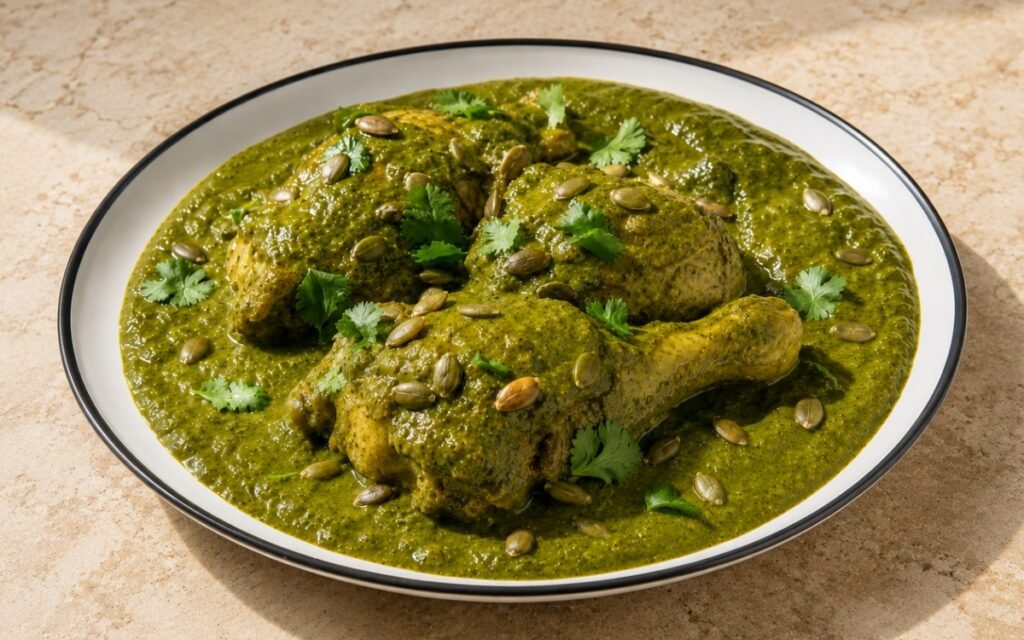
Pipián Verde Chicken
Gently poached chicken finished in a vivid green pipián sauce of roasted tomatillos, pumpkin seeds, green chiles, and herbs.
-
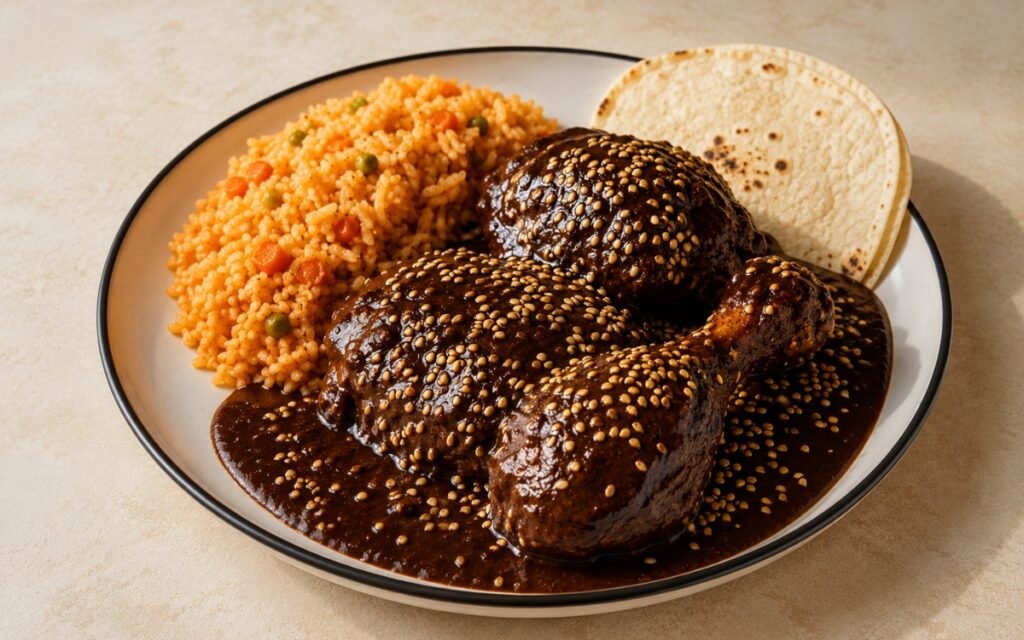
Chicken Mole Poblano
Gently poached chicken finished in deep, glossy mole poblano sauce, topped with toasted sesame seeds, served with Mexican rice and warm tortillas.
-
Filipino Chicken Inasal Rice Bowl
Calamansi and lemongrass marinated chicken thighs, grilled and basted with annatto oil, served over fluffy jasmine rice with scallions and citrus.

You might also like
You might also like
-
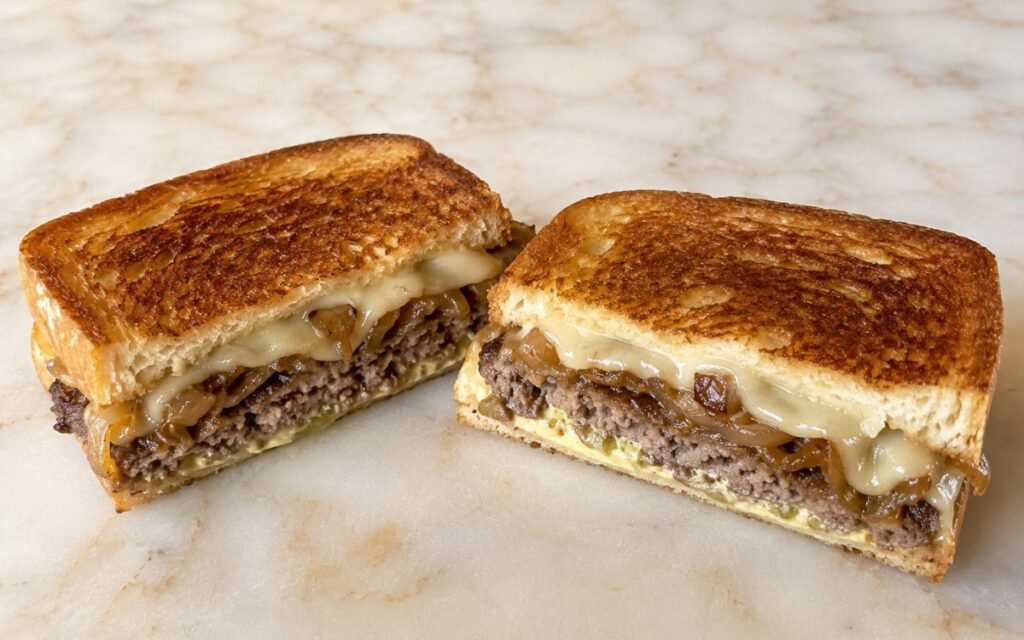
Patty Melt
A thin seared beef patty with slow-caramelized onions and melted Swiss cheese, griddled between brioche toast bread with a tangy pickle sauce.
-
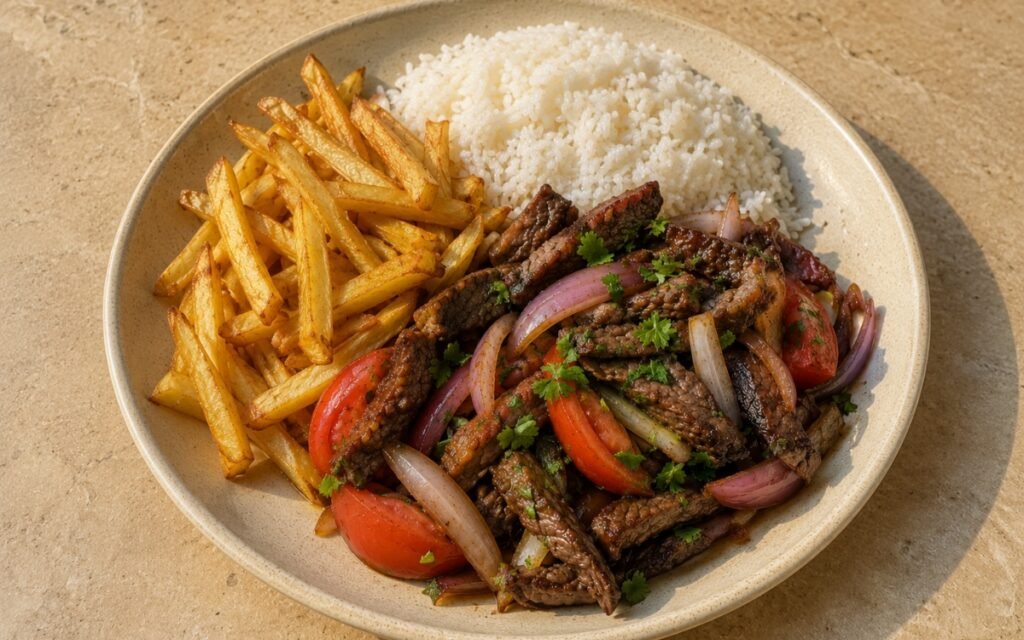
Peruvian Lomo Saltado
Deeply seared beef strips tossed fast with feathered shallots, tomato wedges, and a glossy soy-vinegar sauce, served with double-fried fries and rice.
-
Bún Chả — Vietnamese Grilled Pork Noodle Bowl
Charred grilled pork patties in a warm sweet-sour-salty nước chấm broth with quick pickled carrot and daikon, cold rice vermicelli, and fresh herbs.
Indonesian Beef Rendang
Ingredients
Method
- Cut the 700g beef chuck or shin into large 4–5cm chunks if it is not already cut, leaving the internal marbling and connective tissue in place, since that is what softens during the long braise. Pat every piece genuinely dry with kitchen paper, then season all over with the 1 tsp kosher salt and ½ tsp black pepper and set aside while you make the paste. Keep the chunks large: smaller pieces dry out and shred long before the sauce has reduced. That drying step matters because damp beef waters down the fried paste, while dry surfaces grip it evenly and later colour properly in the rendered coconut oil.
- Put the 8 shallots, 5 garlic cloves, 4 red chillies, the 2 bird’s eye chillies if using, 25g ginger, 30g galangal, 20g fresh turmeric and the sliced inner lemongrass into a blender or food processor; if using ground turmeric instead, add the 1½ tsp now. Blend to a mostly smooth paste, stopping to scrape down the sides, and add up to 2 tbsp neutral oil only if the blades need help to move. Alternatively, pound everything in a mortar, starting with the hardest ingredients — lemongrass, galangal and ginger — and finishing with the shallots. The paste should look fine and even, with no visible fibrous pieces of lemongrass or galangal. That fine texture matters because a coarse, chunky paste fries unevenly and never coats the beef smoothly.
- Heat a heavy pot or Dutch oven over medium heat and add the 1 tbsp neutral oil only if the paste was blended without oil. Add the spice paste and fry for 8–12 minutes, stirring often, until it darkens, smells genuinely fragrant and the raw shallot-garlic smell has gone. If it starts sticking too aggressively, lower the heat slightly and stir more often. Add the 1½ tsp ground coriander, 1 tsp ground cumin, cinnamon stick, 2 cloves and the star anise, if using, and stir for 30–60 seconds until fragrant. The paste is ready when it looks glossy and slightly reduced and is beginning to release oil at the edges. That thorough frying is what builds the base flavour of the rendang, since raw aromatics only stew, never fry, once the coconut milk goes in.
- Add the seasoned beef and turn every piece well in the paste until coated. Pour in the 400ml coconut milk and 250ml water, then add the 3 kaffir lime leaves, the knotted turmeric leaf if using, the 1 tsp salt and 1 tsp palm sugar. Stir, scraping the paste from the base, and bring just to a gentle simmer over medium heat, about 6–7 minutes. Small bubbles should break steadily at the edges, never a rolling boil. The liquid should just about cover the beef and look loose and orange-brown at this stage. That gentle start is what keeps the coconut milk from splitting too early and lets the beef braise evenly instead of seizing on the outside.
- Reduce the heat to low or low-medium and cook uncovered or partially uncovered for 2–2½ hours, stirring every 15–20 minutes at first and more often as the liquid reduces. After about 1 hour the beef should still be firm and the sauce loose; after about 2 hours it should be getting tender, with the sauce clearly thicker and deeper in colour. Stir often enough to prevent scorching, especially in the final hour, and if the pot dries before the beef is tender, add a little hot water, 30–60ml at a time. The beef is genuinely ready for the final reduction when a fork enters with little resistance but the pieces still hold their shape. That patient, low-heat braise is what melts the collagen in the chuck or shin while the sauce slowly concentrates around it.
- If using the coconut, toast the 40g grated coconut during the first hour of the braise in a dry frying pan over medium heat for 5–8 minutes, stirring constantly, until deep golden brown and nutty. Do not let it burn: it should smell nutty and look dark golden, neither pale nor bitter. Tip it onto a plate, cool slightly, then grind it in a mortar or spice grinder into a coarse, slightly oily powder. Stir the kerisik into the pot after 1½–2 hours of braising, once the beef is already tendering and the sauce has reduced somewhat. That toasted coconut is what thickens the final sauce and gives the rendang its deeper, more classical nutty flavour.
- While the beef braises, make the garlic chips if using fresh garlic. Heat the 3 tbsp neutral oil in a small pan over medium-low heat, add the 4–5 thinly sliced garlic cloves and fry for 2–4 minutes, stirring, until only lightly golden. Lift them out immediately with a slotted spoon onto kitchen paper, since they keep darkening as they cool. Very thinly slice the 2 kaffir lime leaves, cutting away the central rib, and thinly slice the red chilli. Keep everything at room temperature until serving. That careful, low-heat frying matters because garlic turns from golden to bitter within seconds once it overcooks.
- Toward the end of the braise, rinse the 300g jasmine rice in cold water until the water runs mostly clear, then drain well. As the final reduction begins, combine it in a saucepan with 390–420ml water and the pinch of salt, if using, bring to a boil, then cover tightly, reduce to the lowest heat and cook for 12–15 minutes. Turn off the heat and leave it covered for 10 minutes, then fluff with a fork; a rice cooker works equally well. The grains should be cooked through, separate and fluffy rather than wet or mushy. That timing is what has the rice ready just as the rendang finishes, without pulling attention from the pot during its final reduction.
- Continue cooking for 30–45 minutes more over low-medium heat, stirring frequently and scraping the bottom well, until the sauce becomes very thick, dark brown and clings tightly to the beef. Do not walk away during this stage, since it can catch quickly, and turn the chunks gently so they stay intact. The oil should visibly separate around the edges and the beef should look deeply lacquered rather than soupy. Remove the cinnamon stick, cloves, star anise and whole leaves if you prefer, then taste and adjust the salt. The finished beef should be genuinely tender but not shredding, with small pools of red-brown coconut oil around it. That final reduction is the defining stage, because the beef fries in its own separated coconut oil and turns from a curry into true rendang.
- Divide the rice among 4 bowls, about 75g uncooked rice per serving once cooked. Spoon the rendang beside or partly over the rice, giving each bowl about 175g beef by raw weight and an even share of the thick sauce and oil. Scatter the thinly sliced kaffir lime leaves, red chilli and crispy garlic chips over the beef. The rendang should look dark, glossy and dry-coated against the white rice, with no thin liquid pooling in the bowl. Serve warm. That fresh garnish is what lifts the dense, deeply spiced beef with sharp citrus aroma, clean heat and a genuinely crisp, savoury crunch.