
Filipino Chicken Inasal Rice Bowl
A smoky, citrus-bright Filipino Chicken Inasal Rice Bowl — boneless chicken thighs marinated in calamansi, cane vinegar, garlic, ginger and lemongrass, then grilled and basted with annatto butter oil until glossy and lightly charred, served over fluffy jasmine rice, the key being char at the edges without bitterness. Basting with the annatto oil only after the chicken has set and coloured, rather than brushing it on from the first minute, is the technique this whole dish depends on for its orange-red lacquer — the sugar in the oil and marinade scorches fast over direct heat, so early basting blackens the surface before the thighs cook through, the same colour-first-glaze-later principle used elsewhere in this collection whenever a sweetened coating meets a hot grill. A 4-hour calamansi and lemongrass marinade is what lets the citrus, garlic and ginger season the thighs deeply without the acid turning them mealy. Infusing the annatto seeds over low heat is what gives the oil its deep colour and earthy perfume without a burnt edge. The payoff is a rice bowl with real, smoky-sour Filipino character — juicy, glossy charred chicken, soft white rice, fresh herbs and bright calamansi to squeeze over everything.

Prep Time : 25 min
Total Time : 4 hr 55 min
Servings : 4
25 min
4 hr 55 min
4
Ingredients
For the Chicken and Marinade
• 700g boneless skinless chicken thighs
• 80ml calamansi juice, or 40ml lime juice + 40ml orange juice
• 30ml cane vinegar or white vinegar
• 6 garlic cloves, finely grated or minced
• 20g fresh ginger, finely grated
• 1 stalk lemongrass, tender inner core only, very finely minced
• 2 tbsp brown sugar
• 2 tbsp fish sauce
• 1 tsp fine salt
• ½ tsp ground black pepper
• Neutral oil, for greasing the grill or pan
For the Annatto Basting Oil
• 3 tbsp neutral oil
• 1 tbsp annatto seeds, or 1 tsp annatto powder
• 1 tbsp butter
• 1 tbsp calamansi juice, or the same lime-orange blend
• 1 tsp brown sugar
• Pinch of fine salt
For the Rice
• 300g jasmine rice or long-grain white rice
• 450–500ml water, according to rice type
• ½ tsp fine salt, optional
For the Garnish
• 2 tbsp thinly sliced scallions
• Small handful cilantro leaves
• 4 calamansi, halved
• 1 lime, cut into wedges
Directions
- Marinate the Chicken
Trim any large pieces of excess fat from the 700g chicken thighs, and if some thighs are much thicker than others, lightly flatten the thick parts with the base of a pan so they cook evenly. In a large bowl, whisk together the 80ml calamansi juice, 30ml vinegar, grated garlic, 20g ginger, minced lemongrass, 2 tbsp brown sugar, 2 tbsp fish sauce, 1 tsp fine salt and ½ tsp black pepper until the sugar dissolves. Add the chicken and turn it well until every surface is genuinely coated. Cover and refrigerate for at least 4 hours, or preferably overnight, but not much longer. The lemongrass should be minced so finely it looks almost like a paste, with no long fibres. That long, cold soak in a sour, aromatic marinade is what seasons the thighs all the way through rather than only on the surface. - Cook the Rice
During the final 15–20 minutes of marinating, take the chicken out of the fridge, still covered in its marinade, so it loses its chill before grilling. At the same time, rinse the 300g rice in several changes of cold water until the water runs mostly clear, then drain well. Put it in a medium saucepan with the 450–500ml water and the ½ tsp salt, if using, and bring to a boil over medium-high heat. Stir once, cover tightly, reduce the heat to low and cook for 12–15 minutes, until the water is absorbed. Take off the heat and rest, covered, for 10 minutes, then fluff with a fork. The grains should be genuinely dry and fluffy, never wet or sticky. That covered rest is what lets the trapped steam finish the rice evenly while the chicken grills. - Make the Annatto Basting Oil
Start preheating a grill, grill pan or heavy skillet over medium to medium-high heat, about 200–230°C at the grate. Put the 3 tbsp neutral oil and 1 tbsp annatto seeds in a small pan over low heat and warm gently for 2–3 minutes, swirling, until the oil turns a deep orange-red. It should never smoke or sizzle hard, and the seeds should not darken. Strain out the seeds, then stir in the 1 tbsp butter until melted, followed by the 1 tbsp calamansi juice, 1 tsp brown sugar and pinch of salt. If using annatto powder, stir it into the warm oil off the heat instead and skip the straining. The mixture should look glossy and lightly seasoned, never watery. That gentle, low-heat infusion is what draws out the colour without the bitterness of burnt annatto. - Prepare the Chicken for Grilling
Lift each thigh out of the marinade and hold it over the bowl for a few seconds so the excess drips back. Pat very lightly with paper towel only where pools of liquid or clumps of garlic and lemongrass sit, leaving a thin, glossy coating on the chicken. Discard the used marinade, since it has been in contact with raw chicken and must never go into the basting oil. Lightly oil the hot grill grates or pan with neutral oil. The thighs should look evenly coated and damp, not dripping wet. That brief drain is what stops a sugary layer of marinade from burning on the grill before the chicken underneath has time to cook. - Grill and Baste the Chicken
Lay the thighs on the grill, smooth side down, and cook for 5–7 minutes without moving them, until they release easily and show browned, lightly charred grill marks. Flip and cook the second side for 4–6 minutes, brushing the cooked side with the annatto oil several times now that the surface has set and coloured. Turn once more and baste the second side for the last 1–2 minutes. If flare-ups happen, move the thighs to a cooler part of the grill. The chicken is ready when it looks genuinely lacquered and glossy, the edges show caramelisation and char, the juices run clear, and the thickest part reads 74°C / 165°F. That late, repeated basting is what builds a glossy lacquer instead of a scorched, bitter crust. - Rest and Slice
Transfer the grilled thighs to a clean plate or board and rest them for 5–8 minutes, loosely covered if your kitchen is cool. Leave them whole for a classic presentation, or slice each thigh into 2–3 large pieces across the grain. Pour any juices collected on the plate into a small bowl to spoon over the bowls. The cut surfaces should look moist and opaque, with no pink at the centre. That short rest is what lets the juices settle back into the meat rather than running straight out into the rice. - Assemble the Bowls
Divide the fluffed rice among 4 bowls. Arrange the grilled chicken over the rice and spoon over any resting juices, then add a very light final brush of the remaining basting oil if you like more gloss. Scatter the 2 tbsp sliced scallions and the cilantro leaves over the chicken, and tuck the 4 halved calamansi and the lime wedges on the side of each bowl. Keep the bowl clean and simple, with the chicken as the focus over the white rice. Serve straight away while the chicken is hot. That bright citrus on the side is what lets everyone sharpen each bite at the table, the way inasal is traditionally eaten.
*Notes :
- Late basting deserves genuine recognition as the technique most directly responsible for whether the chicken ends up lacquered or bitter. The recipe’s own instruction to “Baste mostly after the chicken has started to set and color; basting too early can encourage scorching because of the sugar” reflects how brown sugar in both the marinade and the oil caramelises fast over direct heat — brushed on early, it burns before the thighs reach 74°C.
- The low-heat annatto infusion deserves the same attention this technique receives throughout this collection’s other grilled and glazed dishes, because the colour of the whole bowl depends on it. The recipe’s own warning to “Keep the heat low; burnt annatto tastes bitter” matters because the seeds release their orange-red pigment readily into warm oil, while hot oil darkens them within seconds and turns the basting mixture harsh and muddy.
- Calamansi deserves genuine respect as the detail most directly responsible for the bowl tasting like inasal rather than ordinary grilled chicken. The recipe’s own note that “a lime-orange blend gives a closer profile than lime alone” works because calamansi combines sharp, lime-like acidity with a faint orange sweetness and floral perfume, so lime by itself tastes genuinely thinner and harsher against the lemongrass and garlic.
- The drained, thinly coated surface deserves attention as a genuine, checkable readiness cue rather than a loose approximation. The recipe’s own caution that “Too much wet marinade on the surface can burn before the chicken cooks” means lifting each thigh, letting it drip until only a thin, glossy film remains, and patting lightly wherever loose garlic, ginger or lemongrass would otherwise char black on the grill.
Why This Recipe Works
This recipe works because each stage protects either the flavour, the colour or the char. A long calamansi, vinegar and lemongrass marinade seasons the thighs deeply, while the cut-off at overnight stops the acid from softening their texture. Draining the chicken to a thin coating lets it brown and char on the grill instead of burning under a wet, sugary layer. The annatto oil, gently infused and enriched with butter, is brushed on only after each side has set, so it builds a glossy, orange-red lacquer rather than scorching. A short rest then keeps the genuinely juicy thighs moist over fluffy rice.
Ingredient Breakdown
Late Basting (After the Chicken Sets)
The critical technique — brushing once each side has coloured keeps the sugary oil glossy, not scorched.
Low-Heat Annatto Infusion
The critical technique — 2–3 gentle minutes draw out deep orange-red colour and earthy perfume without burning the seeds.
Calamansi-Vinegar Marinade (4 Hours to Overnight)
The core flavour-building stage — sour citrus, garlic and ginger genuinely season the thighs without turning them mealy.
Finely Minced Lemongrass Core
The defining flavour ingredient — the tender centre, minced almost to a paste, perfumes the chicken without leaving tough fibres.
Boneless Chicken Thighs
The critical ingredient choice — thighs stay juicy over high heat and pick up char far better than lean breast meat.
Drained, Thinly Coated Surface
The critical safeguard — letting excess marinade drip off stops sugar and garlic burning before the chicken cooks through.
Rest Before Slicing (5–8 Minutes)
The finishing technique — a short rest lets the juices settle so they stay in the meat, not the rice.
Flavor Structure Explained
This Filipino chicken inasal rice bowl follows a layered balance model:
- Soft, neutral foundation (fluffy jasmine rice)
- Sour, aromatic backbone (calamansi, cane vinegar, garlic, ginger, lemongrass)
- Smoky, savoury centrepiece (charred chicken thighs, fish sauce, black pepper)
- Rich, glossy lacquer (annatto oil, butter, brown sugar)
- Bright, fresh finish (calamansi halves, lime wedges, scallions, cilantro)
Fluffy jasmine rice forms the soft, neutral foundation that soaks up the resting juices. Calamansi, cane vinegar, garlic, ginger and lemongrass give the chicken its sour, aromatic backbone, the defining taste of inasal. Charred thighs seasoned with fish sauce and black pepper bring the smoky, savoury centre of the bowl. The annatto, butter and brown sugar basting oil adds a rich, genuinely glossy lacquer, while fresh calamansi, lime, scallions and cilantro deliver the bright finish that ties this Filipino chicken inasal rice bowl together.
Common Mistakes to Avoid
- Basting From the First Minute – This lets the sugary oil scorch black before the chicken has coloured or cooked through. Always wait until each side has set and browned before brushing.
- Overheating the Annatto Seeds – This turns the oil dark, dull and bitter instead of bright orange-red. Always infuse over low heat for 2–3 minutes and strain promptly.
- Grilling Dripping-Wet Chicken – This leaves a sugary layer of marinade that burns before the thighs cook through. Always let the excess drip off and keep only a thin coating.
- Basting With the Used Marinade – This brushes raw-chicken juices onto meat that is almost done cooking. Always use fresh calamansi juice in the basting oil and discard the used marinade.
- Marinating Far Beyond Overnight – This lets the calamansi and vinegar break down the surface into a soft, mealy texture. Always grill the chicken after 4 hours or the next day, no later.
Variations
Reserved Marinade Version
Spoon 2 tbsp of the marinade into a separate jar before the chicken goes in and use it instead of the calamansi juice in the basting oil, per the recipe’s own note, for deeper garlic-lemongrass flavour.
Lime-Orange Citrus Version
Replace the calamansi juice with an equal blend of lime and orange juice in both the marinade and the basting oil, per the recipe’s own note, for the closest profile when calamansi is unavailable.
Indoor Grill Pan Version
Cook the chicken in a heavy grill pan, then finish slightly lower and slower after the initial browning, per the recipe’s own note, so the sugar in the basting mixture does not burn.
Deeper Colour Version
Increase the annatto seeds slightly in the basting oil, per the recipe’s own note, for a stronger orange-red lacquer, keeping the oil quantity the same so the chicken never tastes greasy.
Storage & Make-Ahead
Look for fresh calamansi or frozen calamansi juice in Filipino and Asian grocers, and if neither is available, use the lime-orange blend rather than lime alone, as the recipe’s own note advises.
The chicken can be marinated the night before and the annatto oil infused and strained up to 3 days ahead and refrigerated in a sealed jar, then warmed gently with the butter, juice, sugar and salt just before grilling.
Refrigerate leftover chicken and rice in separate airtight containers for up to 3 days, cooling the rice quickly and chilling it within an hour of cooking, since cooked rice should never sit warm for long.
Reheat the chicken in a covered skillet over medium-low heat with 1–2 tbsp water until it is genuinely hot through, or briefly on a hot grill pan to revive the char, and microwave the rice under a cover with a splash of water.
Add the scallions, cilantro and fresh citrus only after reheating, and serve extra calamansi on the side for squeezing just before eating, as the recipe’s own note suggests for a more pronounced inasal style.
Frequently Asked Questions
Why is the chicken basted only after it has started to colour?
The basting oil and the marinade both contain brown sugar, which caramelises and then burns quickly over direct heat. Waiting until each side has set and browned means the oil only has a few minutes to turn glossy, not long enough to scorch.
Why do the annatto seeds need such low heat?
Annatto releases its orange-red colour readily into warm oil, so gentle heat is all it needs. Hot oil scorches the seeds within seconds, turning the oil dull brown and giving the whole basting mixture a harsh, bitter taste.
Why can’t the leftover marinade go into the basting oil?
Once raw chicken has sat in it, the marinade carries raw-chicken juices, and brushing it onto nearly cooked meat means it may never get hot enough to be safe. Fresh calamansi juice gives the same brightness without that risk.
Why does the chicken rest before it goes on the rice?
Straight off the grill, the juices inside the thighs are under pressure and run out as soon as the meat is cut. A 5–8 minute rest lets them settle, so they stay in the chicken instead of soaking the rice.
Are there other classic Filipino, grilled chicken, or rice bowl dishes worth trying?
Chicken Adobo Rice Bowl offers another classic Filipino rice bowl direction worth exploring. Filipino Pork Adobo Bowl and Huli Huli Chicken Rice Bowl are also worth trying for other Filipino and Hawaiian-style bowl directions, and Grilled Chicken Skewers and Garlic Turmeric Yellow Rice offer another grilled chicken favourite and a golden rice base worth exploring.
Nutrition Facts
( Per Serving — 1 bowl )
Calories
~620 kcal
Protein
41 g
Fat
18 g
Carbs
70 g
Calories
~620 kcal
Protein
41 g
Fat
18 g
Carbs
70 g
Related Recipes
Related Recipes
-

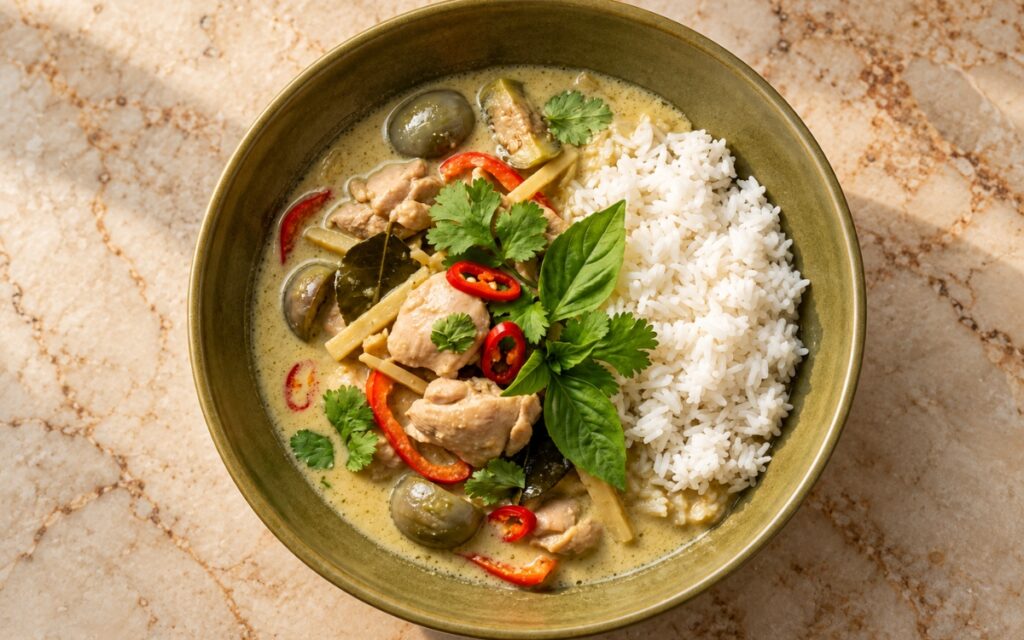
Thai Green Curry Chicken
Chicken thighs simmered in a creamy green coconut curry with Thai eggplant, red pepper, lime leaves and Thai basil, served with jasmine rice.
-
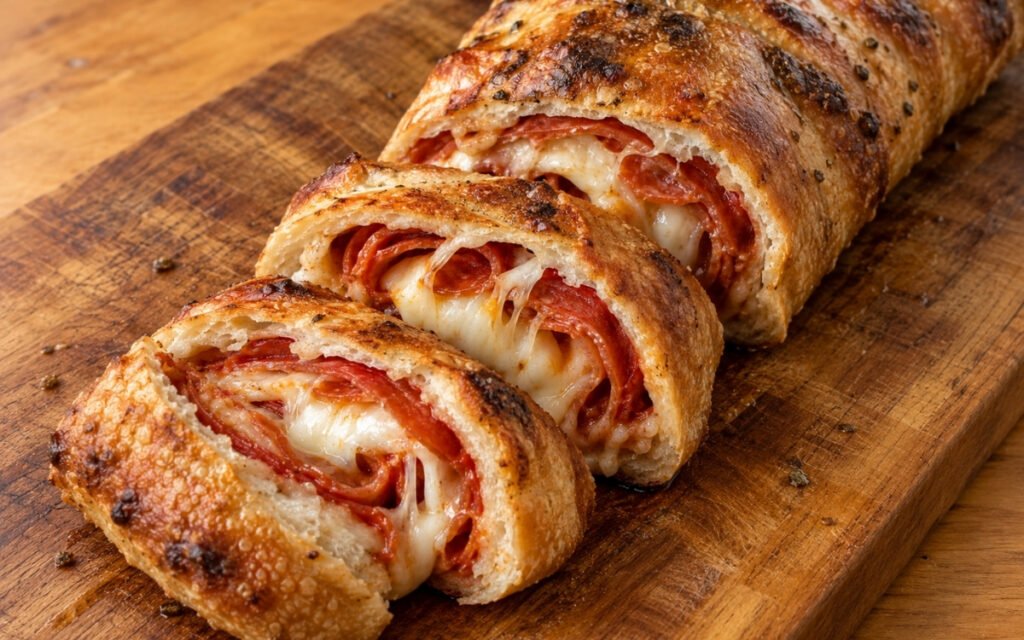
Stromboli with Pepperoni and Cheese
Pizza dough rolled tightly around pepperoni, low-moisture mozzarella, thick tomato sauce, and Parmesan, baked until deeply golden and crisp.
-
Puerto Rican Arroz con Gandules
Golden-orange Puerto Rican rice cooked in one pot with pigeon peas, sofrito, green olives, red bell pepper, and browned pork shoulder cubes.

You might also like
You might also like
-
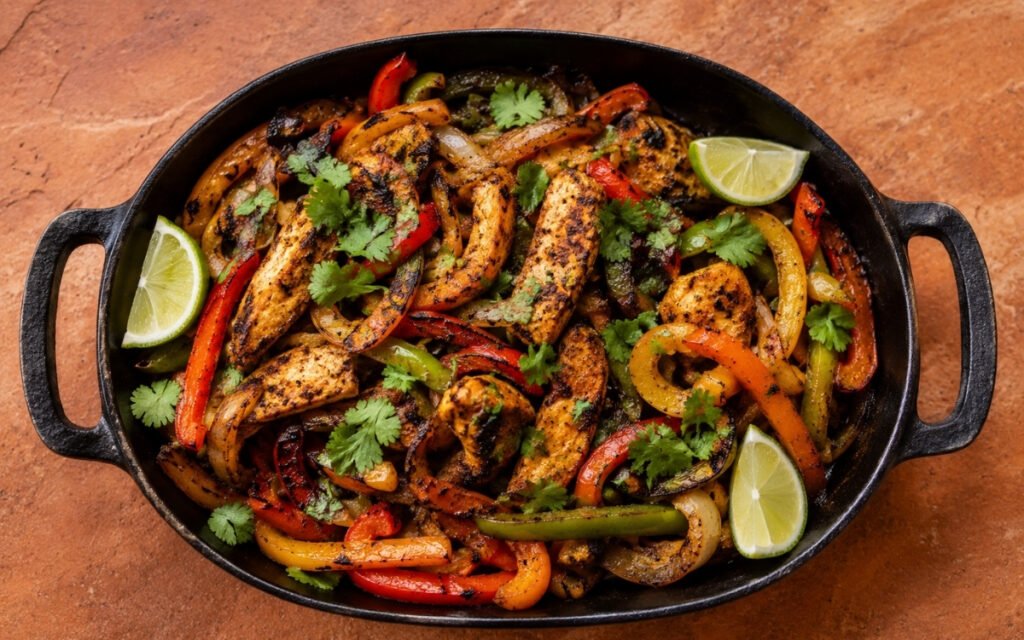
Chicken Fajita
Smoked paprika and cumin-marinated chicken thighs seared in cast iron with charred tri-colour peppers and caramelised onions — the complete Tex-Mex fajita in 35 minutes.
-
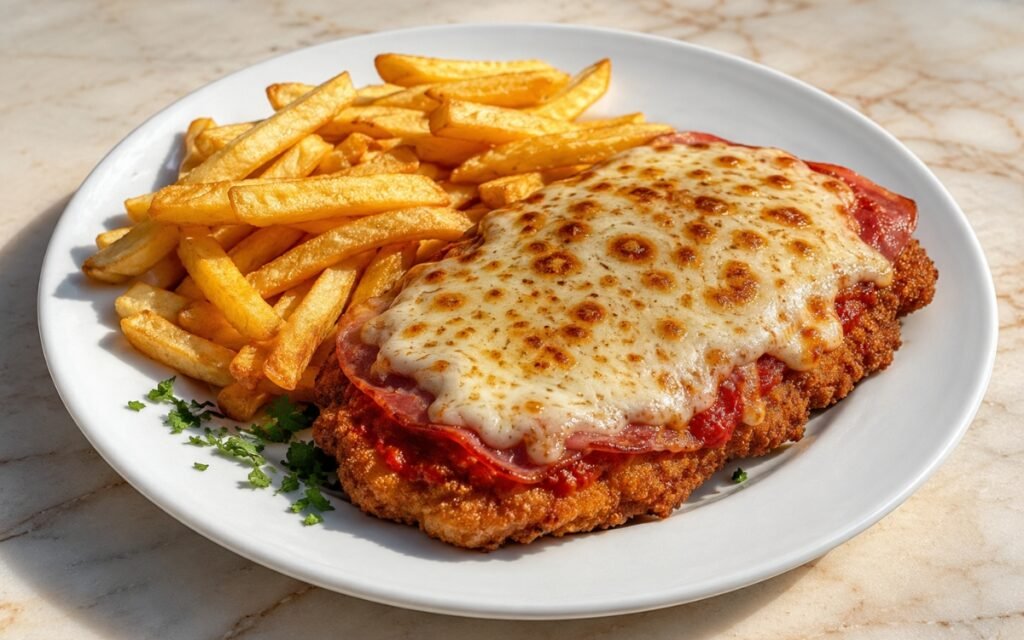
Argentine Milanesa Napolitana
Breaded, fried chicken cutlets topped with tomato sauce, smoked ham, and melted mozzarella, served with crispy double-fried fries.
-
Chipotle Grilled Chicken Legs
Chicken leg quarters deeply scored and marinated in thick chipotle adobo paste — grilled two-zone style, rested, finished with cilantro and lime. Smoky and deeply charred.

Filipino Chicken Inasal Rice Bowl
Ingredients
Method
- Trim any large pieces of excess fat from the 700g chicken thighs, and if some thighs are much thicker than others, lightly flatten the thick parts with the base of a pan so they cook evenly. In a large bowl, whisk together the 80ml calamansi juice, 30ml vinegar, grated garlic, 20g ginger, minced lemongrass, 2 tbsp brown sugar, 2 tbsp fish sauce, 1 tsp fine salt and ½ tsp black pepper until the sugar dissolves. Add the chicken and turn it well until every surface is genuinely coated. Cover and refrigerate for at least 4 hours, or preferably overnight, but not much longer. The lemongrass should be minced so finely it looks almost like a paste, with no long fibres. That long, cold soak in a sour, aromatic marinade is what seasons the thighs all the way through rather than only on the surface.
- During the final 15–20 minutes of marinating, take the chicken out of the fridge, still covered in its marinade, so it loses its chill before grilling. At the same time, rinse the 300g rice in several changes of cold water until the water runs mostly clear, then drain well. Put it in a medium saucepan with the 450–500ml water and the ½ tsp salt, if using, and bring to a boil over medium-high heat. Stir once, cover tightly, reduce the heat to low and cook for 12–15 minutes, until the water is absorbed. Take off the heat and rest, covered, for 10 minutes, then fluff with a fork. The grains should be genuinely dry and fluffy, never wet or sticky. That covered rest is what lets the trapped steam finish the rice evenly while the chicken grills.
- Start preheating a grill, grill pan or heavy skillet over medium to medium-high heat, about 200–230°C at the grate. Put the 3 tbsp neutral oil and 1 tbsp annatto seeds in a small pan over low heat and warm gently for 2–3 minutes, swirling, until the oil turns a deep orange-red. It should never smoke or sizzle hard, and the seeds should not darken. Strain out the seeds, then stir in the 1 tbsp butter until melted, followed by the 1 tbsp calamansi juice, 1 tsp brown sugar and pinch of salt. If using annatto powder, stir it into the warm oil off the heat instead and skip the straining. The mixture should look glossy and lightly seasoned, never watery. That gentle, low-heat infusion is what draws out the colour without the bitterness of burnt annatto.
- Lift each thigh out of the marinade and hold it over the bowl for a few seconds so the excess drips back. Pat very lightly with paper towel only where pools of liquid or clumps of garlic and lemongrass sit, leaving a thin, glossy coating on the chicken. Discard the used marinade, since it has been in contact with raw chicken and must never go into the basting oil. Lightly oil the hot grill grates or pan with neutral oil. The thighs should look evenly coated and damp, not dripping wet. That brief drain is what stops a sugary layer of marinade from burning on the grill before the chicken underneath has time to cook.
- Lay the thighs on the grill, smooth side down, and cook for 5–7 minutes without moving them, until they release easily and show browned, lightly charred grill marks. Flip and cook the second side for 4–6 minutes, brushing the cooked side with the annatto oil several times now that the surface has set and coloured. Turn once more and baste the second side for the last 1–2 minutes. If flare-ups happen, move the thighs to a cooler part of the grill. The chicken is ready when it looks genuinely lacquered and glossy, the edges show caramelisation and char, the juices run clear, and the thickest part reads 74°C / 165°F. That late, repeated basting is what builds a glossy lacquer instead of a scorched, bitter crust.
- Transfer the grilled thighs to a clean plate or board and rest them for 5–8 minutes, loosely covered if your kitchen is cool. Leave them whole for a classic presentation, or slice each thigh into 2–3 large pieces across the grain. Pour any juices collected on the plate into a small bowl to spoon over the bowls. The cut surfaces should look moist and opaque, with no pink at the centre. That short rest is what lets the juices settle back into the meat rather than running straight out into the rice.
- Divide the fluffed rice among 4 bowls. Arrange the grilled chicken over the rice and spoon over any resting juices, then add a very light final brush of the remaining basting oil if you like more gloss. Scatter the 2 tbsp sliced scallions and the cilantro leaves over the chicken, and tuck the 4 halved calamansi and the lime wedges on the side of each bowl. Keep the bowl clean and simple, with the chicken as the focus over the white rice. Serve straight away while the chicken is hot. That bright citrus on the side is what lets everyone sharpen each bite at the table, the way inasal is traditionally eaten.