
Whipped Feta Yogurt Sauce with Lemon
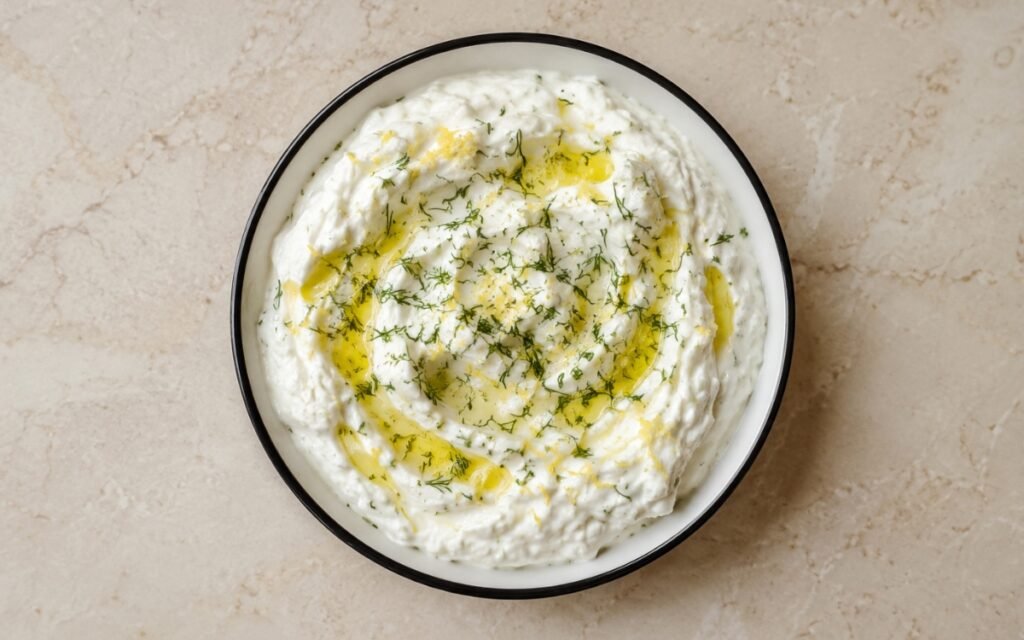
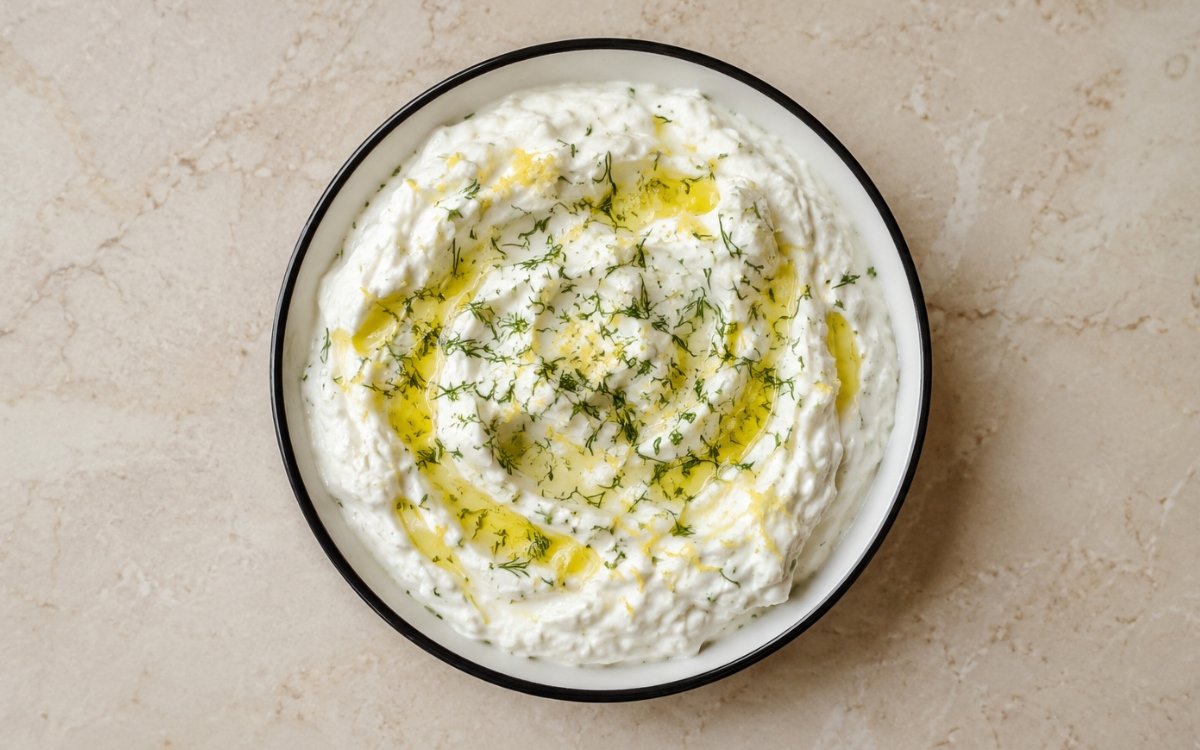
Creamy, tangy, and irresistibly smooth, this whipped feta sauce combines the best of Mediterranean flavors in one versatile condiment. The food processor transforms crumbly feta and thick yogurt into a cloud-like spread that’s perfect for dipping, drizzling, or spreading on everything from vegetables to flatbreads.
Prep Time : 10 min
Cook Time : 0 min
Servings : 4
10 min
0 min
4
Ingredients
Feta Base
• 115g feta cheese, crumbled — this one on Amazon
• 85g Greek yogurt, full-fat
• 30ml fresh lemon juice
• 5g lemon zest
• 3g garlic, roughly chopped (about 1 clove)
Finishing
• 30ml extra-virgin olive oil — this one on Amazon
• 5g fresh dill, chopped
• Salt to taste (use sparingly, feta is salty)
• Freshly ground black pepper to taste
This post may contain affiliate links. As an Amazon Associate I earn from qualifying purchases, at no additional cost to you.
Directions
- Combine the Base Ingredients
Add crumbled feta, Greek yogurt, fresh lemon juice, lemon zest, and roughly chopped garlic to a food processor fitted with the standard blade. Pulse 8–10 times in short bursts to begin breaking down the feta and combining the ingredients. Scrape down the sides and bottom of the bowl with a spatula to ensure even mixing. The mixture will look coarse and slightly chunky at this stage. - Process Until Smooth
Run the processor continuously for 1–2 minutes, stopping every 30 seconds to scrape down the bowl. The feta will gradually transform into a smoother paste as it blends with the yogurt, and the color will lighten slightly. - Emulsify with Olive Oil
With the processor running, slowly drizzle in the extra-virgin olive oil through the feed tube in a thin, steady stream. This gradual addition helps emulsify the sauce, creating a silkier and more cohesive texture. - Whip to a Light Texture
After all the oil is incorporated, continue processing for about 1 more minute until the sauce is completely smooth, pale, and airy. The final texture should resemble softly whipped cream cheese with no visible feta chunks. - Fold in Herbs and Season
Transfer the whipped feta to a serving bowl. Gently fold in freshly chopped dill to distribute it evenly without deflating the texture. Season with freshly ground black pepper and taste before adding salt, as feta is naturally salty. Finish with a light drizzle of olive oil if desired before serving.
*Notes :
- The type of feta cheese used significantly affects both the flavor and the final texture of this sauce. Traditional Greek feta made from sheep’s milk or a sheep-and-goat milk blend produces a richer, more complex, and tangier sauce than Danish or other cow’s milk feta varieties. If possible, choose block feta packed in brine rather than pre-crumbled feta in a dry container — brine-packed feta retains more moisture, has a more pronounced flavor, and whips more smoothly.
- Full-fat Greek yogurt is essential for the correct texture and richness. Low-fat or non-fat yogurt contains more water and will produce a thinner, less stable sauce that lacks the creamy body needed to hold the whipped texture. The yogurt works alongside the feta to lighten and aerate the sauce during processing, and its tanginess complements and balances the feta’s saltiness.
- The slow drizzle of olive oil while the processor runs is a technique worth understanding. When oil is added too quickly to any blending process, it can pool on the surface rather than incorporating evenly, producing a sauce with a greasy or separated appearance. Adding it in a thin stream allows partial emulsification, where the oil molecules break into smaller droplets and distribute throughout the sauce, contributing richness and silkiness without separation.
- Dill is the classic herb pairing for feta-based sauces in Mediterranean and Middle Eastern cooking, and it works particularly well here because its delicate anise-like freshness brightens the rich, salty feta without competing with it. However, dill should always be added by folding after processing rather than blending it in — blending fresh dill causes it to oxidize quickly and turn the sauce a dull grayish-green color.
Why This Recipe Works
This recipe works because it transforms the strong, crumbly, aggressively salty character of feta cheese into something smooth, balanced, and accessible through two key techniques: emulsification with olive oil and dilution and tempering with Greek yogurt.
Greek yogurt softens the intense saltiness of the feta and adds its own complementary tanginess, creating a more complex and nuanced flavor than feta alone. The lemon juice and zest brighten the whole sauce and prevent it from tasting heavy or one-dimensional. Processing the feta until smooth removes the texture barrier that makes crumbled feta challenging to use as a sauce, creating a vehicle that clings to food rather than sitting beside it.
Ingredient Breakdown
Feta Cheese
Provides the primary flavor — salty, tangy, and distinctly Mediterranean — and the structural body of the sauce. Sheep’s milk feta produces the most authentic and complex result.
Greek Yogurt
Lightens the density of the feta, adds creamy body, and contributes complementary tang that balances the saltiness.
Lemon Juice
Provides bright acidity that lifts the richness of the feta and yogurt and keeps the sauce from tasting flat.
Lemon Zest
Adds aromatic citrus complexity beyond simple acidity, contributing floral and slightly bitter citrus oil notes.
Garlic
Contributes subtle savory depth that grounds the sauce and balances its tangy, acidic character.
Extra-Virgin Olive Oil
Drizzled in during processing to partially emulsify and create a silkier, more cohesive texture with added Mediterranean richness.
Fresh Dill
Added after processing to maintain its vibrant color and fresh anise-like aroma, providing the classic herbal note of Mediterranean feta preparations.
Flavor Structure Explained
This sauce follows a layered balance model:
- Salty-tangy core (feta)
- Creamy tang (yogurt)
- Bright citrus lift (lemon juice, zest)
- Richness and smoothness (olive oil)
- Savory backbone (garlic)
- Fresh herbal lift (dill)
Feta establishes the structural core, delivering concentrated saltiness and sharp tang that define the profile. Yogurt softens and expands that tang into a creamier, more balanced layer. Lemon juice and zest sharpen perception and add aromatic brightness before the first taste. Olive oil rounds the texture and adds depth, preventing the sauce from feeling harsh. Garlic anchors the flavor with subtle savory weight. Dill finishes the profile with a fresh, slightly sweet herbal lift that keeps the sauce light despite its richness.
Common Mistakes to Avoid
- Not Processing Long Enough – Stopping the food processor too early produces a lumpy, uneven sauce rather than a smooth, whipped one. Process for the full 2–3 minutes to achieve proper texture.
- Adding Olive Oil Too Quickly – Pouring the olive oil in all at once rather than drizzling it gradually can cause it to pool on the surface rather than emulsify into the sauce.
- Over-salting Before Tasting – Feta is inherently very salty. Always taste the finished sauce before adding any salt, and add it incrementally only if truly needed.
- Blending the Dill – Processing fresh dill into the sauce causes rapid oxidation and turns the sauce an unappetizing grayish color. Always fold it in by hand after processing.
Variations
Roasted Red Pepper Whipped Feta Sauce
Add 50g drained, jarred roasted red peppers to the food processor along with the feta for a vibrant orange-pink sauce with sweet smoky depth.
Honey and Chili Whipped Feta Sauce
Swirl 10ml of honey and a pinch of red pepper flakes on top of the finished sauce before serving for a sweet-heat contrast.
Herb-Heavy Version
Add 10g fresh mint alongside the dill for a more complex, cooling herbal profile.
Olive Tapenade Topping
Top the whipped feta with a spoonful of black olive tapenade for a more intensely Mediterranean presentation.
Storage & Make-Ahead
Store in an airtight container in the refrigerator for up to 5 days. The texture will firm up noticeably when cold, as the fats in the cheese and yogurt solidify. Remove the sauce from the refrigerator 10–15 minutes before serving and allow it to come closer to room temperature, which restores its soft, spreadable consistency. For a thinner, more pourable consistency perfect for drizzling over grain bowls or roasted vegetables, whisk in a tablespoon of cold water or additional lemon juice before serving.
Frequently Asked Questions
Can I make this without a food processor?
A high-powered blender can work, though you may need to add a small splash of water to help the mixture blend smoothly. A standard blender or hand mixer will not achieve the same level of smoothness as a food processor.
What if my sauce seems too thick?
Add cold water or additional lemon juice one tablespoon at a time while the processor runs until you reach your preferred consistency.
Can I use goat cheese instead of feta?
Yes. Goat cheese will produce a slightly milder, earthier sauce with less saltiness. You will likely need to add more salt to compensate.
What are the best ways to serve this sauce?
It is excellent as a dip for pita chips, raw vegetables, and crudités; as a spread for sandwiches, flatbreads, and wraps; drizzled over roasted vegetables, grain bowls, grilled meats (grilled salmon fillets, grilled shrimp skewers, grilled chicken skewers, beef kofta skewers) and as a base sauce for composed salads.
Nutrition Facts
( per serving )
Calories
~118 kcal
Protein
5 g
Fat
10 g
Carbs
~3 g
Calories
~118 kcal
Protein
5 g
Fat
10 g
Carbs
~3 g
Related Recipes
Related Recipes

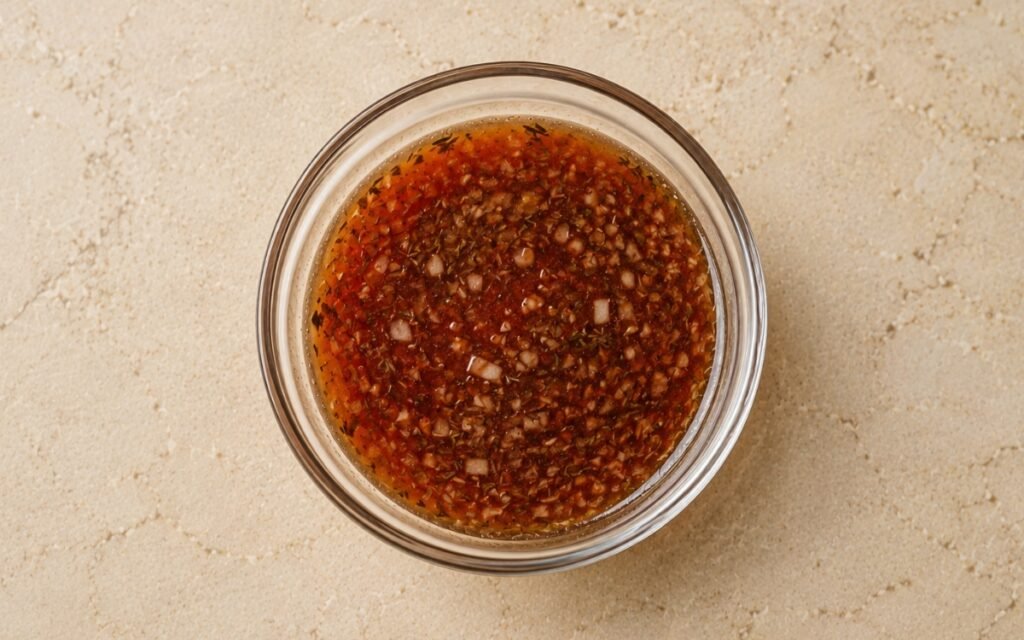
Classic Red Wine Vinaigrette
Tannic red wine vinegar, Dijon and macerated shallot whisked with olive oil into a glossy French-style dressing.
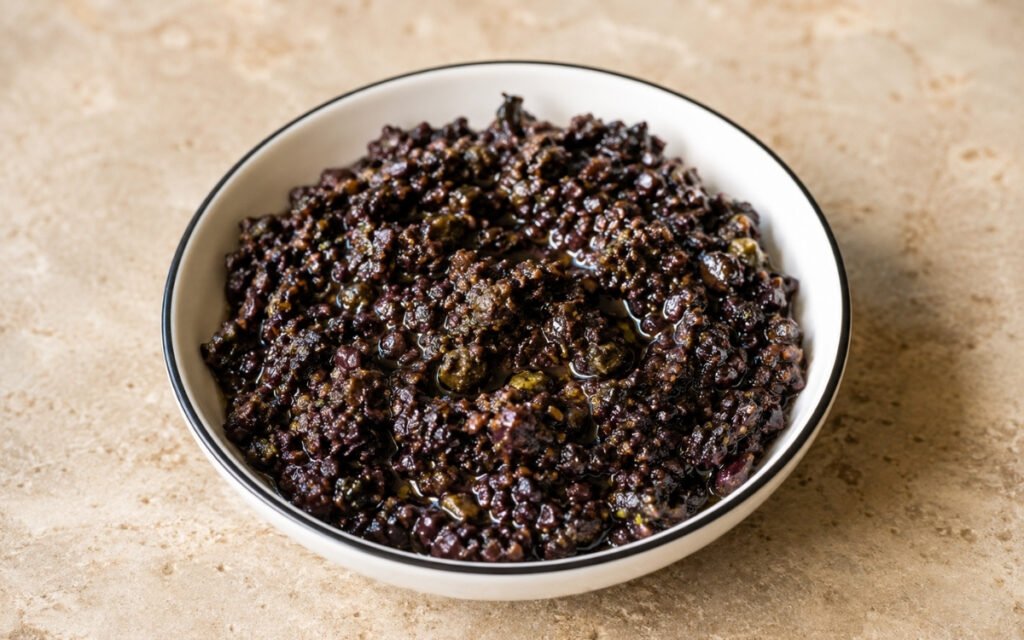
Black Olive Tapenade
Garlic and anchovies pulsed first, well-drained black olives and capers pulsed to a coarse texture — lemon zest, thyme, and olive oil through. No salt before tasting. Rested 20 minutes. The Provençal spread done correctly.
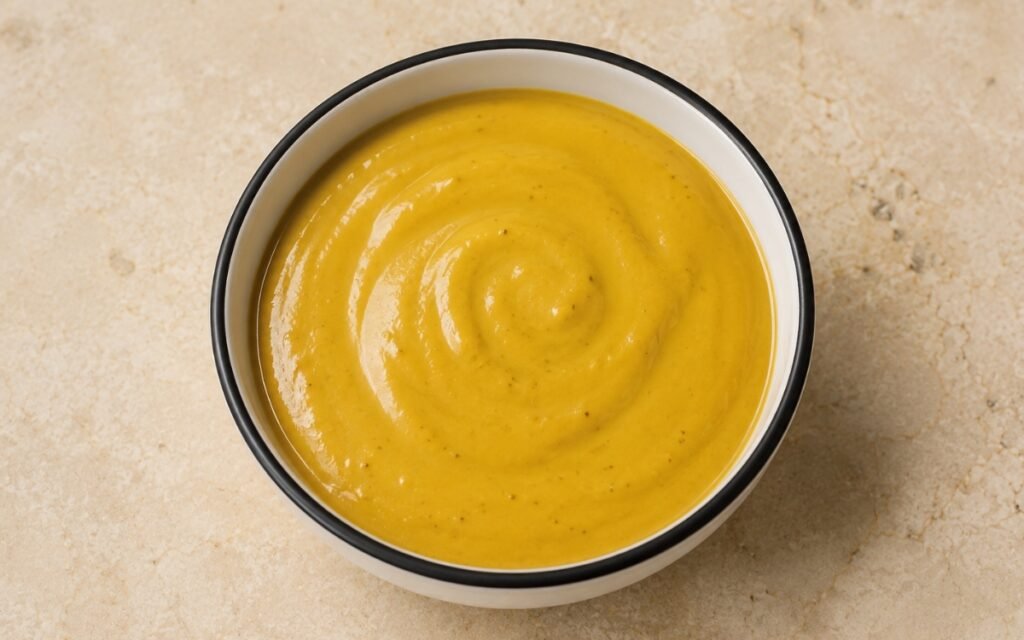
Quick Honey Mustard Sauce
Sweet-tangy honey mustard perfection in 5 minutes — better than any bottled version.
You might also like
You might also like
Whipped Feta Yogurt Sauce with Lemon
Ingredients
Method
- Add crumbled feta, Greek yogurt, fresh lemon juice, lemon zest, and roughly chopped garlic to a food processor fitted with the standard blade. Pulse 8–10 times in short bursts to begin breaking down the feta and combining the ingredients. Scrape down the sides and bottom of the bowl with a spatula to ensure even mixing. The mixture will look coarse and slightly chunky at this stage.
- Run the processor continuously for 1–2 minutes, stopping every 30 seconds to scrape down the bowl. The feta will gradually transform into a smoother paste as it blends with the yogurt, and the color will lighten slightly.
- With the processor running, slowly drizzle in the extra-virgin olive oil through the feed tube in a thin, steady stream. This gradual addition helps emulsify the sauce, creating a silkier and more cohesive texture.
- After all the oil is incorporated, continue processing for about 1 more minute until the sauce is completely smooth, pale, and airy. The final texture should resemble softly whipped cream cheese with no visible feta chunks.
- Transfer the whipped feta to a serving bowl. Gently fold in freshly chopped dill to distribute it evenly without deflating the texture. Season with freshly ground black pepper and taste before adding salt, as feta is naturally salty. Finish with a light drizzle of olive oil if desired before serving.