
Herbed Brown Rice
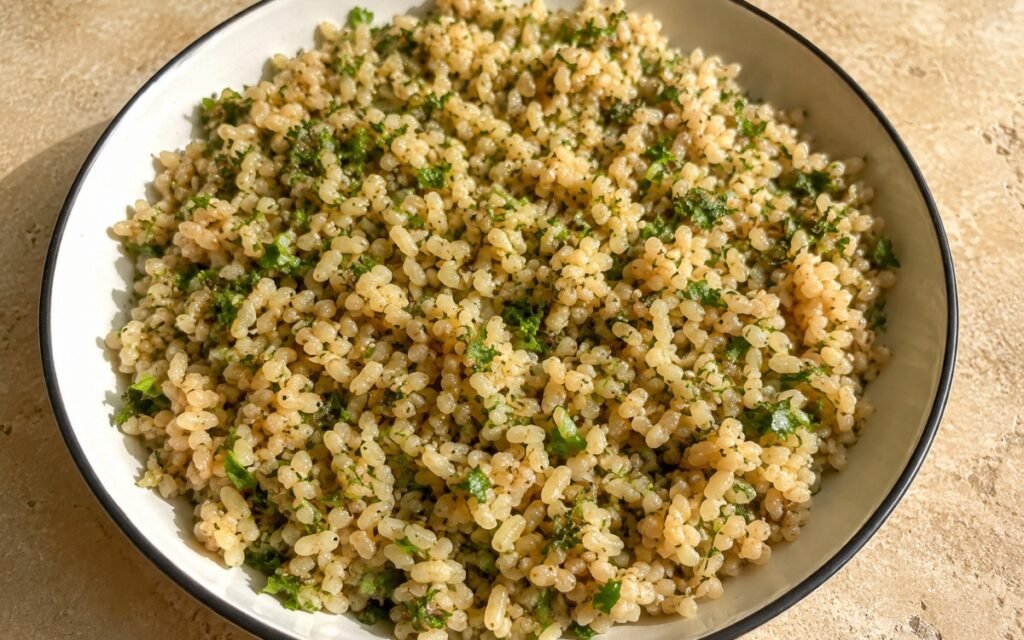
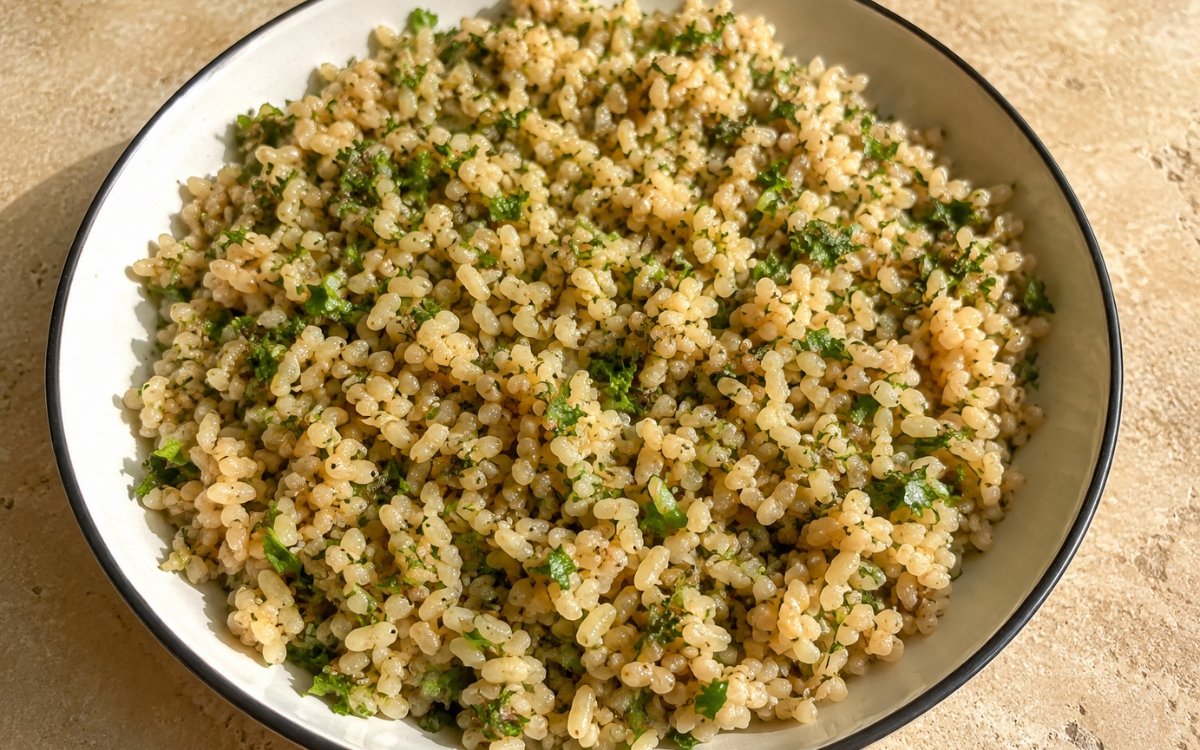
Herbed Brown Rice brings nutty brown rice infused with aromatic herbs into a wholesome, flavorful side dish with wonderful texture and depth. Fresh parsley, thyme, and oregano transform ordinary brown rice into something special. This nutritious option brings both taste and health benefits to your table. Brown rice’s intact bran layer means it needs a fundamentally longer, gentler cooking approach than any white rice preparation in this collection — nearly triple the simmering time of a basmati or long-grain white rice, since that bran layer slows water absorption considerably compared to milled white grains. The herbs are split deliberately across two stages: thyme and oregano, both sturdier herbs that hold up well to sustained simmering, go in with the liquid at the very start and infuse throughout the full 40–45 minute cook, while delicate parsley is reserved and folded in only at the very end, preserving its bright, fresh character rather than letting it wilt and dull over the same extended cooking time. The brief garlic sauté and rice toasting before liquid is added follows the same principle used throughout this collection’s rice preparations, though brown rice’s tougher outer layer means the toasting stage contributes more to preventing sticking than to developing significant surface browning the way white rice does. The result is a genuinely wholesome, nutty, herb-forward rice with real textural chew.
Prep Time : 5 min
Cook Time : 45 min
Servings : 4
5 min
45 min
4
Ingredients
For the Herbed Brown Rice
• 280g short-grain brown rice
• 700ml vegetable stock — this one on Amazon
• 30ml olive oil — this one on Amazon
• 15g fresh parsley, finely chopped
• 8g fresh thyme leaves
• 5g fresh oregano, chopped
• 8g salt
• 2g black pepper
• 2 garlic cloves, minced
• 1 bay leaf
This post may contain affiliate links. As an Amazon Associate I earn from qualifying purchases, at no additional cost to you.
Directions
- Rinse Rice
Rinse the 280g brown rice under cold water for about 1 minute, agitating gently with your hand as the water runs through, then drain well in a fine-mesh strainer. Brown rice doesn’t carry the same heavy surface starch that white rice does, and it doesn’t need the aggressive multi-minute rinse that basmati specifically requires elsewhere in this collection — this shorter rinse is really about removing any dust, husk fragments, or loose bran particles left over from milling, which helps keep the finished rice’s flavor clean rather than dulled by residual grit. Take the time to shake the strainer well afterward so you’re not carrying excess water into the pan, which would throw off the liquid ratio for the simmer ahead. - Sauté Aromatics
Warm the 30ml olive oil in a medium saucepan (2.5–3L) over medium heat, letting it come up to temperature gradually rather than rushing this stage. Add the minced garlic and cook for about 30 seconds until fragrant, watching closely to ensure it doesn’t brown — bitterness from scorched garlic would carry through the entire pot given how long this rice needs to cook. Once the garlic is fragrant, add the rinsed, drained rice and toast for 2 minutes, stirring frequently so every grain gets coated in the oil and none of them stick to the bottom of the pan. Because brown rice’s bran layer is tougher and less porous than milled white rice, this toasting stage won’t produce the same visible golden color you’d see with white rice, but it still plays an important role in preventing sticking and giving the oil a chance to coat the grains evenly before any liquid goes in. - Add Liquid and Herbs
Add the 700ml vegetable stock, 8g salt, 2g black pepper, 1 bay leaf, 8g fresh thyme leaves, and 5g fresh oregano to the pan. Stir once to distribute everything evenly and to scrape up anything that may have started sticking during the toasting stage, then bring the mixture to a full rolling boil over high heat. Introducing the sturdier herbs — thyme and oregano — at this early stage is intentional: both hold their character well under sustained heat, and infusing them throughout the entire cooking process lets their flavor work its way genuinely into the grains themselves rather than sitting only on the surface. Once the pot reaches a full boil, reduce the heat to low and cover tightly with a well-fitting lid. - Simmer Brown Rice
Simmer for 40–45 minutes without lifting the lid at any point during this window. Brown rice’s intact bran layer significantly slows the rate at which the grains absorb liquid compared to milled white rice, which is exactly why this simmering time runs nearly three times longer than the white rice preparations elsewhere in this collection — rushing this stage or checking too frequently disrupts the steady, gradual absorption process the grain specifically needs. At around the 40-minute mark, you can do a single, fast peek to check one grain for doneness — it should be tender with a slight, pleasant chew rather than a hard, chalky center. If the rice isn’t quite there yet, replace the lid immediately and continue cooking for another 5 minutes before re-checking, rather than leaving the pot uncovered while you decide. - Finish and Serve
Remove the pot from heat and let it rest, still covered, for 5 minutes. This brief rest allows any remaining trapped steam to finish softening the grains gently before you disturb them. Remove and discard the bay leaf, then fluff the rice gently with a fork to separate the grains without crushing them. Stir in the 15g fresh parsley at this stage, once the rice is off the heat entirely, so its bright, fresh character stays intact rather than wilting into the hot grains the way it would if added earlier. Taste and adjust the seasoning if needed — brown rice often needs a final salt check, since its denser structure and longer cooking time can leave the seasoning tasting slightly more muted than it would in a quicker-cooking white rice.
*Notes :
- Splitting the herbs across two distinct stages is the defining technique in this recipe. Thyme and oregano are sturdy enough to hold their character through nearly 45 minutes of simmering, and introducing them at the very start lets their flavor genuinely infuse into the rice itself rather than sitting only as a surface garnish. Parsley, by contrast, is far more delicate and would wilt into a dull, muddy flavor if subjected to that same extended heat, which is why it’s reserved entirely for the very end.
- Brown rice’s significantly longer cooking time compared to white rice is a genuine structural difference rather than an arbitrary variation between recipes. The bran layer that gives brown rice its characteristic nutty flavor and additional nutrition also acts as a barrier that slows water absorption considerably, and there’s no way to meaningfully shortcut that process without sacrificing texture.
- The final taste-and-adjust step for salt matters more here than in most other rice preparations in this collection, since brown rice’s denser structure and much longer cooking time can leave seasoning tasting somewhat more muted by the time everything is finished, even when the same proportional amount of salt has been used throughout.
Why This Recipe Works
This recipe works because the two-stage herb approach lets sturdy thyme and oregano infuse deeply throughout the long simmer while delicate parsley stays bright and fresh by being added only at the very end.
The extended, undisturbed simmering time respects brown rice’s genuinely different absorption rate compared to milled white rice.
The brief garlic sauté and rice toasting prevent sticking even though they don’t develop the same visible browning white rice would show.
And the final seasoning check accounts for how brown rice’s longer cook time can mute perceived saltiness.
Ingredient Breakdown
Short-Grain Brown Rice
The foundation — a nuttier, more textured grain requiring significantly longer, gentler cooking than white rice.
Thyme and Oregano, Added at the Start
The infused herbal layer — sturdy herbs that hold their character through extended simmering.
Fresh Parsley, Added at the End
The bright finishing layer — preserved from wilting by staying out of the pot until cooking is complete.
Garlic, Sautéed Briefly
The aromatic base — cooked gently to avoid bitterness over such a long overall cooking process.
Flavor Structure Explained
This Herbed Brown Rice follows a wholesome herbaceous balance model:
- Nutty grain core (brown rice)
- Chewy hearty structure (longer cooking process)
- Earthy herbal depth (thyme and oregano)
- Savory simmering base (seasoned cooking liquid)
- Fresh finishing lift (parsley)
Brown rice defines the foundation with its naturally nutty flavor, firmer texture, and slightly chewy structure. Its longer cooking process allows the grain’s earthy character to develop fully, giving the dish more depth than a neutral white rice preparation. Thyme and oregano provide the main aromatic register, infusing the rice during simmering so the herbs become integrated rather than simply scattered on top. This creates a deeper, more savory herbal backbone that complements the grain’s wholesome quality. Fresh parsley finishes with clean brightness, cutting through the heartier texture and keeping the dish from feeling dense. The result is a brown rice preparation built around nuttiness, herbs, and balance, where earthy depth and fresh lift work together without overwhelming the grain itself.
Common Mistakes to Avoid
- Rushing or Shortening the Simmering Time – Brown rice genuinely needs nearly triple the time white rice does. Always allow the full 40–45 minutes.
- Adding All the Herbs at the Start – Wilts and dulls the delicate parsley over such a long cook. Always reserve parsley for the very end.
- Lifting the Lid Repeatedly to Check Doneness – Disrupts the steady, gradual absorption brown rice specifically needs. Always limit yourself to a single fast check near the 40-minute mark.
- Letting the Garlic Brown – Introduces bitterness that would carry through the entire long cooking process. Always keep this step brief and gentle.
- Skipping the Final Seasoning Check – Brown rice’s longer cook time can leave salt tasting more muted. Always taste and adjust before serving.
Variations
With Lemon
For a brighter, citrus-forward rice direction, see the Greek Lemon Rice.
With Cilantro Lime
For a related herb-and-citrus rice preparation, see the Cilantro Lime Jasmine Rice.
With Toasted Almonds
Fold in toasted sliced almonds along with the parsley for added crunch.
With Mushrooms
Sauté sliced mushrooms alongside the garlic before adding the rice for a heartier, earthier direction.
Storage & Make-Ahead
Cooked rice can be refrigerated for up to 4 days, longer than white rice because of its denser structure. Reheat it gently with a splash of stock or water to restore moisture.
Fresh herbs are best chopped just before use rather than prepared far in advance, so their aromatic oils stay bright and fresh.
Frequently Asked Questions
Why does this rice take so much longer to cook than white rice recipes in this collection?
Brown rice retains its bran layer, which white rice has had milled away. That bran layer significantly slows the rate at which water can penetrate and be absorbed by the grain, which is why brown rice genuinely needs nearly three times the simmering time of a comparable white rice preparation to reach proper tenderness.
Why are the herbs split into two separate additions instead of all going in together?
Thyme and oregano are sturdy enough to hold their flavor through nearly 45 minutes of simmering, and adding them early lets that flavor genuinely infuse into the rice itself. Parsley is far more delicate and would wilt into a dull, muted flavor under that same extended heat, which is why it’s reserved specifically for folding in once the rice is fully cooked and off the heat.
Why is a final seasoning check specifically recommended for this rice?
Brown rice’s denser structure and considerably longer cooking time can leave the seasoning tasting somewhat more muted by the time the dish is finished, even when using the same proportional salt as a quicker-cooking white rice recipe would call for. Tasting and adjusting at the very end ensures the seasoning actually comes through as intended.
What should I serve alongside this rice?
This rice pairs naturally with the Garlic Herb Pork Tenderloin or Honey Mustard Pork Chops, and for other herb-forward or citrus rice directions, try the Greek Lemon Rice or Cilantro Lime Jasmine Rice.
Nutrition Facts
( per serving )
Calories
~260 kcal
Protein
5 g
Fat
8 g
Carbs
43 g
Calories
~260 kcal
Protein
5 g
Fat
8 g
Carbs
43 g
Related Recipes
Related Recipes

Cilantro Lime Jasmine Rice
Fragrant jasmine rice brightened with fresh lime juice and cilantro for a zesty, aromatic side.
Spanish Tortilla / Tortilla Española
Thin potato slices gently cooked in olive oil, folded into beaten eggs, and cooked slowly for a golden exterior and soft, custardy centre.
Creamy Parmesan Grits
Milk heated carefully in a heavy pan, stone-ground grits whisked in, simmered until tender, finished with butter, Parmesan, and cream. Velvety and indulgent.
You might also like
You might also like
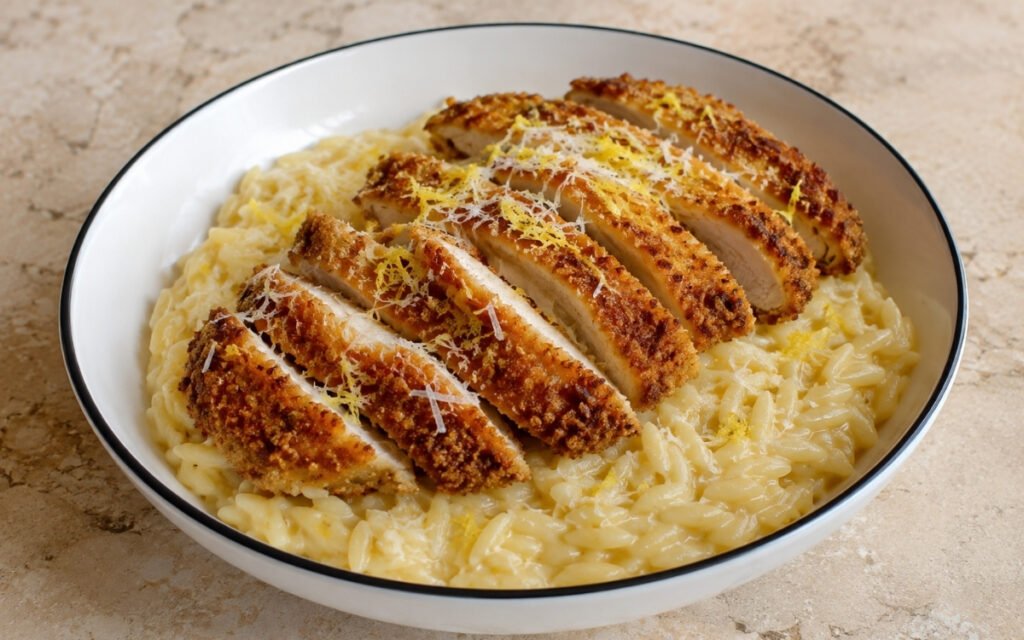
Lemon Chicken Cutlet Orzo
Crispy Parmesan-breaded cutlets sliced over creamy caramelised onion, double lemon, and ricotta orzo — 55 minutes.
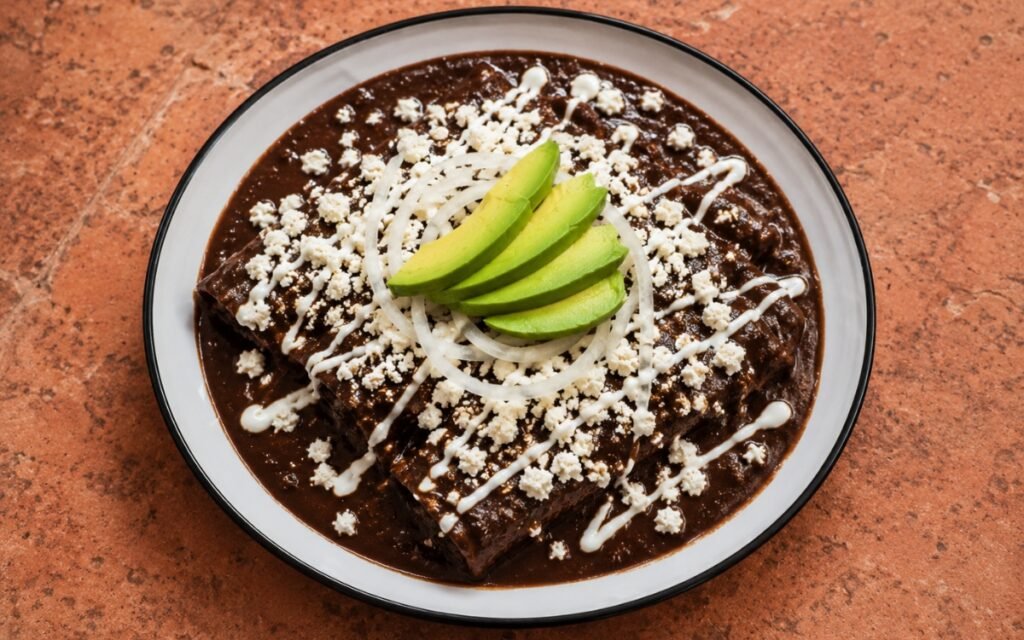
Enfrijoladas
Soft corn tortillas lightly fried, dipped in glossy black bean sauce, folded around queso fresco, and finished with more cheese, crema, onion, and avocado.
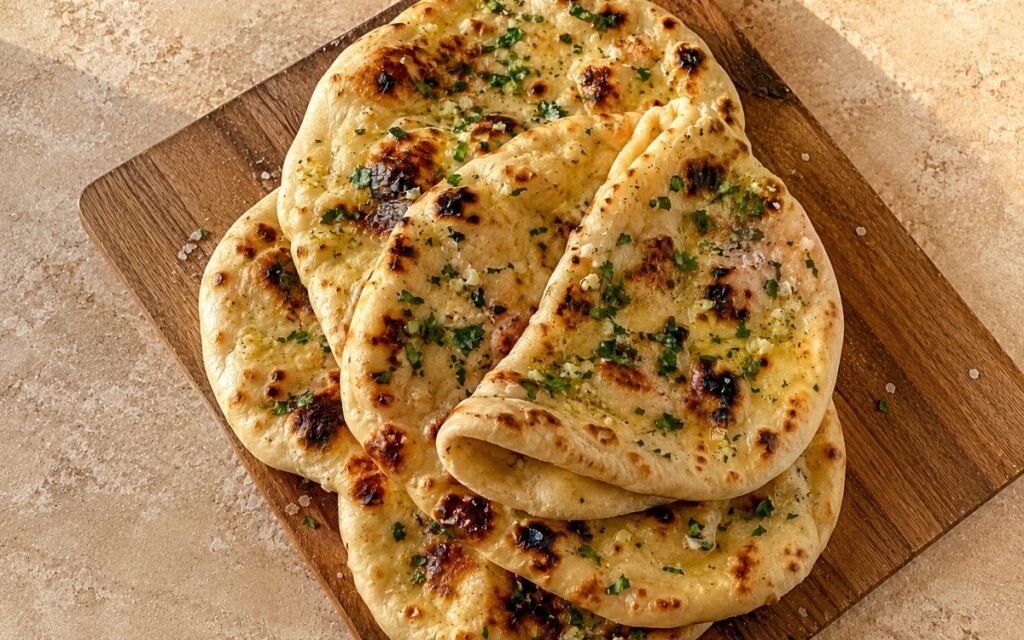
Homemade Garlic Butter Naan
Soft homemade naan cooked in a hot skillet until puffed, blistered, and lightly charred, then brushed with glossy garlic butter.
Herbed Brown Rice
Ingredients
Method
- Rinse the 280g brown rice under cold water for about 1 minute, agitating gently with your hand as the water runs through, then drain well in a fine-mesh strainer. Brown rice doesn’t carry the same heavy surface starch that white rice does, and it doesn’t need the aggressive multi-minute rinse that basmati specifically requires elsewhere in this collection — this shorter rinse is really about removing any dust, husk fragments, or loose bran particles left over from milling, which helps keep the finished rice’s flavor clean rather than dulled by residual grit. Take the time to shake the strainer well afterward so you’re not carrying excess water into the pan, which would throw off the liquid ratio for the simmer ahead.
- Warm the 30ml olive oil in a medium saucepan (2.5–3L) over medium heat, letting it come up to temperature gradually rather than rushing this stage. Add the minced garlic and cook for about 30 seconds until fragrant, watching closely to ensure it doesn’t brown — bitterness from scorched garlic would carry through the entire pot given how long this rice needs to cook. Once the garlic is fragrant, add the rinsed, drained rice and toast for 2 minutes, stirring frequently so every grain gets coated in the oil and none of them stick to the bottom of the pan. Because brown rice’s bran layer is tougher and less porous than milled white rice, this toasting stage won’t produce the same visible golden color you’d see with white rice, but it still plays an important role in preventing sticking and giving the oil a chance to coat the grains evenly before any liquid goes in.
- Add the 700ml vegetable stock, 8g salt, 2g black pepper, 1 bay leaf, 8g fresh thyme leaves, and 5g fresh oregano to the pan. Stir once to distribute everything evenly and to scrape up anything that may have started sticking during the toasting stage, then bring the mixture to a full rolling boil over high heat. Introducing the sturdier herbs — thyme and oregano — at this early stage is intentional: both hold their character well under sustained heat, and infusing them throughout the entire cooking process lets their flavor work its way genuinely into the grains themselves rather than sitting only on the surface. Once the pot reaches a full boil, reduce the heat to low and cover tightly with a well-fitting lid.
- Simmer for 40–45 minutes without lifting the lid at any point during this window. Brown rice’s intact bran layer significantly slows the rate at which the grains absorb liquid compared to milled white rice, which is exactly why this simmering time runs nearly three times longer than the white rice preparations elsewhere in this collection — rushing this stage or checking too frequently disrupts the steady, gradual absorption process the grain specifically needs. At around the 40-minute mark, you can do a single, fast peek to check one grain for doneness — it should be tender with a slight, pleasant chew rather than a hard, chalky center. If the rice isn’t quite there yet, replace the lid immediately and continue cooking for another 5 minutes before re-checking, rather than leaving the pot uncovered while you decide.
- Remove the pot from heat and let it rest, still covered, for 5 minutes. This brief rest allows any remaining trapped steam to finish softening the grains gently before you disturb them. Remove and discard the bay leaf, then fluff the rice gently with a fork to separate the grains without crushing them. Stir in the 15g fresh parsley at this stage, once the rice is off the heat entirely, so its bright, fresh character stays intact rather than wilting into the hot grains the way it would if added earlier. Taste and adjust the seasoning if needed — brown rice often needs a final salt check, since its denser structure and longer cooking time can leave the seasoning tasting slightly more muted than it would in a quicker-cooking white rice.