
Simple Fried Rice (No Protein)
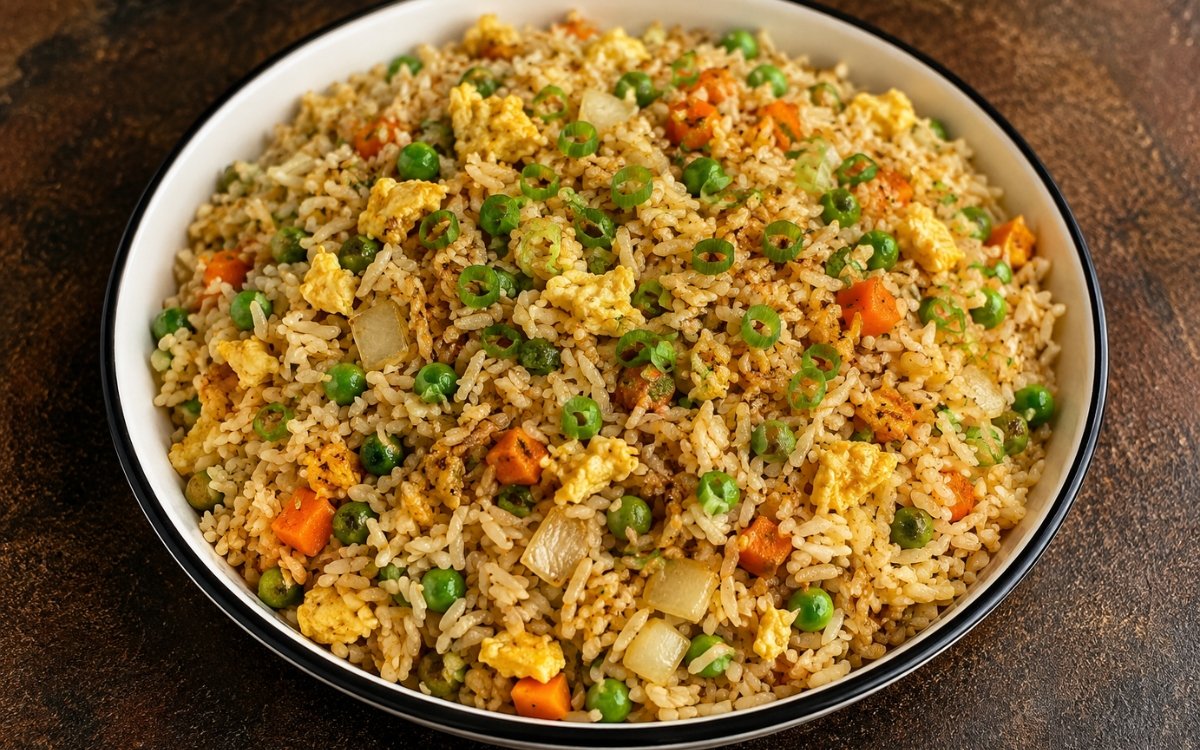
Simple Fried Rice showcases perfectly seasoned grains with vegetables in a savory soy-based sauce, proving that fried rice doesn’t need meat to be utterly satisfying. Quick-cooking vegetables add color and texture while garlic and ginger provide aromatic depth. Ready in 15 minutes, it’s the ultimate side dish or light meal. Having the sauce fully whisked together and sitting right next to the stove before cooking even begins is a genuine necessity for this dish rather than a suggestion — fried rice moves through several distinct stages in rapid succession, and pausing mid-cook to measure or mix anything drops the pan’s temperature and undermines the high-heat searing this technique depends on throughout. Scrambling the eggs separately and removing them immediately, well before they’re fully set, protects them from the rubbery overcooking that would happen if they stayed in the same hot wok through the rest of the cooking process. Using fully cooled rice, exactly as required for the crispy rice preparation elsewhere in this collection, is what allows the grains to separate cleanly when broken up rather than clumping into a mushy mass. The sauce goes in only at the very end, poured directly onto the hot metal at the wok’s edges rather than over the rice itself, letting it briefly caramelize before being tossed through everything. The result is a genuinely fast, vegetable-forward fried rice with real depth despite its short cooking time.
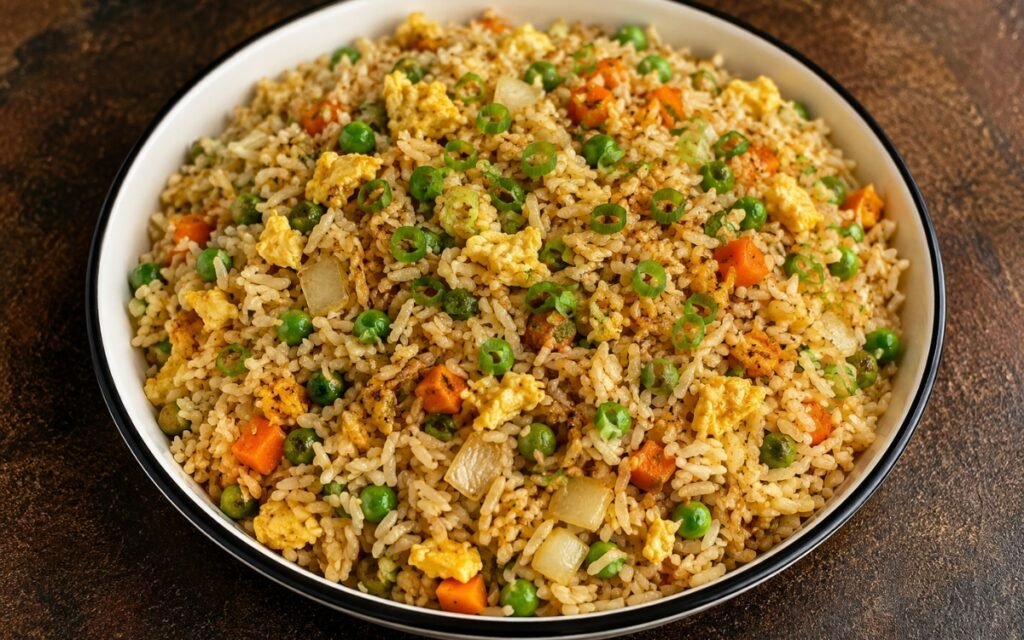
Prep Time : 10 min
Cook Time : 12 min
Servings : 4
10 min
12 min
4
Ingredients
For the Rice
• 450g cooked long-grain rice, cooled
• 100g frozen peas and carrots, thawed
• 60g white onion, diced
• 2 cloves garlic, minced
• 10g fresh ginger, minced
For the Sauce
• 40ml soy sauce — this one on Amazon
• 15ml oyster sauce — this one on Amazon
• 10ml sesame oil — this one on Amazon
• 5ml rice vinegar
• 3g granulated sugar
• 2g white pepper
For Cooking
• 45ml vegetable oil
• 2 large eggs, beaten
• 30g green onions, sliced
This post may contain affiliate links. As an Amazon Associate I earn from qualifying purchases, at no additional cost to you.
Directions
- Prepare the Sauce
Whisk together the 40ml soy sauce, 15ml oyster sauce, 10ml sesame oil, 5ml rice vinegar, 3g sugar, and 2g white pepper until sugar dissolves. Keep the sauce next to the stove — fried rice moves fast, and pausing mid-cook drops pan heat. - Scramble the Eggs
Heat a wok or large skillet over high heat until very hot. Add 15ml vegetable oil, swirl, pour in the eggs, and scramble quickly for about 45 seconds until just set (soft curds). Remove to a plate immediately; eggs overcook fast in a hot wok and become rubbery. - Stir-Fry Aromatics and Vegetables
Add the remaining 30ml oil to the hot wok. Stir-fry the 60g onion for 2 minutes until softened, then add garlic and ginger for 30 seconds until fragrant (keep it moving so it doesn’t burn). Add the 100g peas and carrots and stir-fry 2 minutes to heat through and drive off surface moisture. - Fry the Rice
Add the 450g cooled rice, breaking up clumps with a spatula so grains separate before sauce goes in. Stir-fry 3–4 minutes, tossing constantly, until rice is hot and some grains are slightly crisp. Pour the sauce around the edges of the wok (onto hot metal) and toss quickly to coat; add the scrambled eggs and 30g green onions and toss 1 minute. Serve immediately.
*Notes :
- Having the sauce fully prepared and positioned beside the stove before cooking begins is genuinely essential rather than just tidy kitchen practice. Fried rice moves through distinct stages — eggs, aromatics, vegetables, rice, sauce — in rapid succession over sustained high heat, and any pause to measure or mix ingredients mid-process drops the wok’s temperature significantly, undermining the crispness and char this dish depends on.
- Removing the eggs from the wok immediately after they’re just set, rather than letting them finish cooking alongside everything else, protects their texture specifically. A hot wok continues cooking residual heat into the eggs even off direct flame, and eggs left in that environment through the rest of the cooking process turn rubbery and tough by the time the dish is finished.
- Pouring the sauce onto the hot metal at the wok’s edges, rather than directly over the rice itself, allows it to briefly caramelize and develop a touch of char before being tossed through — a technique that adds a subtle layer of depth a simple pour-and-stir over the rice wouldn’t achieve.
Why This Recipe Works
This recipe works because having the sauce fully prepared in advance protects the wok’s essential high heat throughout the fast-moving cooking process. Scrambling and immediately removing the eggs prevents them from overcooking in the wok’s residual heat.
Using fully cooled rice allows the grains to separate cleanly rather than clumping. And pouring the sauce onto the hot wok edges, rather than directly over the rice, lets it briefly caramelize before being tossed through everything.
Ingredient Breakdown
Cooled, Cooked Long-Grain Rice
The foundation — firm, distinct grains that separate cleanly rather than clumping.
Pre-Whisked Sauce, Ready Beside the Stove
The timing technique — protecting the wok’s essential high heat throughout a fast-moving process.
Eggs, Scrambled Separately and Removed Immediately
The texture-protection step — preventing rubbery overcooking in the wok’s residual heat.
Sauce Poured Onto Hot Wok Edges
The caramelization technique — adding depth beyond a simple pour-and-stir.
Flavor Structure Explained
This Simple Fried Rice follows a quick wok-fired balance model:
- Savory rice core (cooked rice)
- Umami sauce base (soy sauce and oyster sauce)
- Aromatic depth (garlic and ginger)
- Vegetable texture (peas and carrots)
- Fresh finishing lift (green onions)
The rice defines the foundation, acting as a neutral base that absorbs sauce while staying distinct and lightly textured. Soy sauce and oyster sauce provide the main flavor register, bringing salt, umami, and subtle sweetness that deepen quickly when briefly caramelized against the hot wok. Garlic and ginger add aromatic warmth, giving the dish more depth without slowing down the cooking process. Peas and carrots contribute color, sweetness, and small bursts of texture, while scrambled eggs add softness and substance. Green onions finish with a fresh, sharp note that cuts through the savory richness. The result is a fried rice preparation built around speed, aroma, and balance, where wok heat, umami sauce, vegetables, and fresh garnish create a complete but straightforward structure.
Common Mistakes to Avoid
- Not Having the Sauce Ready in Advance – Forces a pause mid-cook that drops the wok’s essential heat. Always whisk it together before starting to cook.
- Leaving the Eggs in the Wok Too Long – Turns them rubbery from residual heat. Always remove immediately once just set.
- Using Warm, Freshly Cooked Rice – Clumps together rather than separating cleanly. Always use fully cooled rice.
- Pouring the Sauce Directly Over the Rice – Misses the brief caramelization that pouring onto hot wok edges provides. Always pour along the edges first.
- Cooking Over Insufficient Heat – Prevents proper wok character and crisping. Always maintain high heat throughout.
Variations
With Shrimp
For a protein-added version of this same technique, see the Shrimp Fried Rice Bowl.
With Extra Vegetables
Add diced bell pepper or corn alongside the peas and carrots for more color and texture.
With Chili Oil
Drizzle with chili oil at the finish for a spicier direction.
Vegan Version
Omit the eggs and oyster sauce, substituting a vegetarian stir-fry sauce, for a fully plant-based version.
Storage & Make-Ahead
Cooked fried rice can be refrigerated for up to 3 days. Reheat it in a hot pan or wok to help restore some texture, as microwaving will soften the rice.
Rice for frying is best cooked and cooled 1 day in advance, then refrigerated. This further firms the grains and gives them a better texture during frying.
Frequently Asked Questions
Why is it so important to have the sauce fully prepared before starting to cook?
Fried rice moves through several distinct stages in quick succession over sustained high heat, and stopping partway through to measure or mix the sauce would drop the wok’s temperature significantly. Having everything measured and whisked together in advance keeps the cooking process moving continuously, which is essential for achieving the characteristic wok-fried texture and flavor.
Why remove the eggs from the wok immediately instead of leaving them in with everything else?
A hot wok retains significant residual heat even after the direct flame is reduced or ingredients are added, and eggs left in that environment continue cooking well past the soft, just-set stage. Removing them immediately and setting them aside protects their tender texture until they’re folded back in at the very end.
Why pour the sauce around the wok’s edges instead of directly onto the rice?
Pouring onto the hot bare metal at the edges allows the sauce to briefly caramelize and develop a touch of char before it’s tossed through the rice. Pouring it directly over the rice itself skips that caramelization step and produces a slightly flatter, less developed flavor.
What should I serve alongside this fried rice?
This pairs naturally with the Teriyaki Glazed Salmon or Chinese Five-Spice Chicken Thighs, and for a protein-added version of this same technique, try the Shrimp Fried Rice Bowl.
Nutrition Facts
( per serving )
Calories
~320 kcal
Protein
9 g
Fat
13 g
Carbs
41 g
Calories
~320 kcal
Protein
9 g
Fat
13 g
Carbs
41 g
Related Recipes
Related Recipes

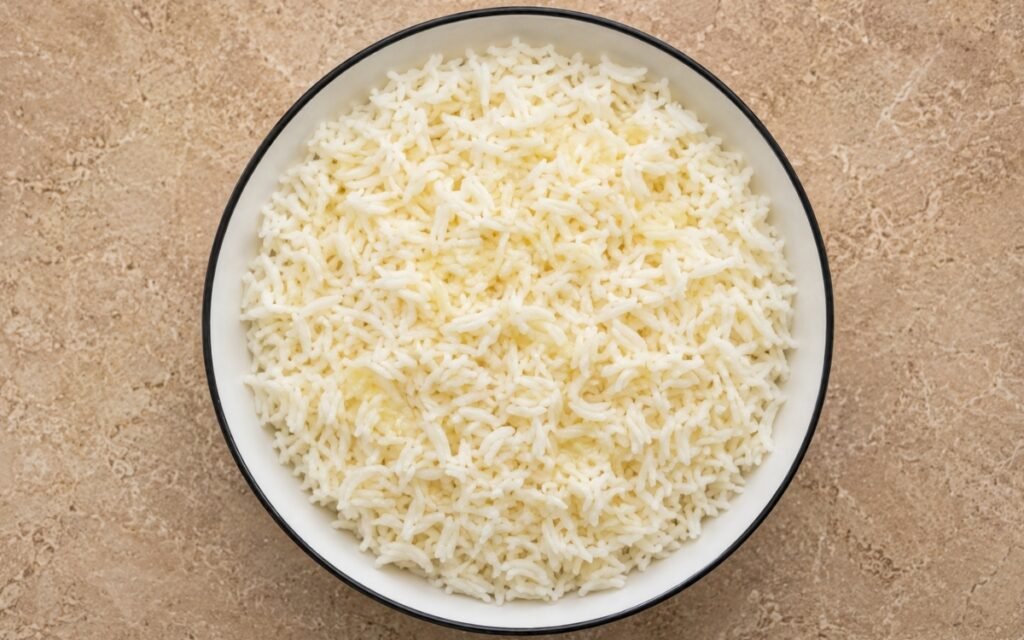
Fluffy Butter Rice
Rice rinsed clear, toasted in foaming butter until lightly golden, simmered covered undisturbed until fluffy, rested and fluffed. Rich and buttery.
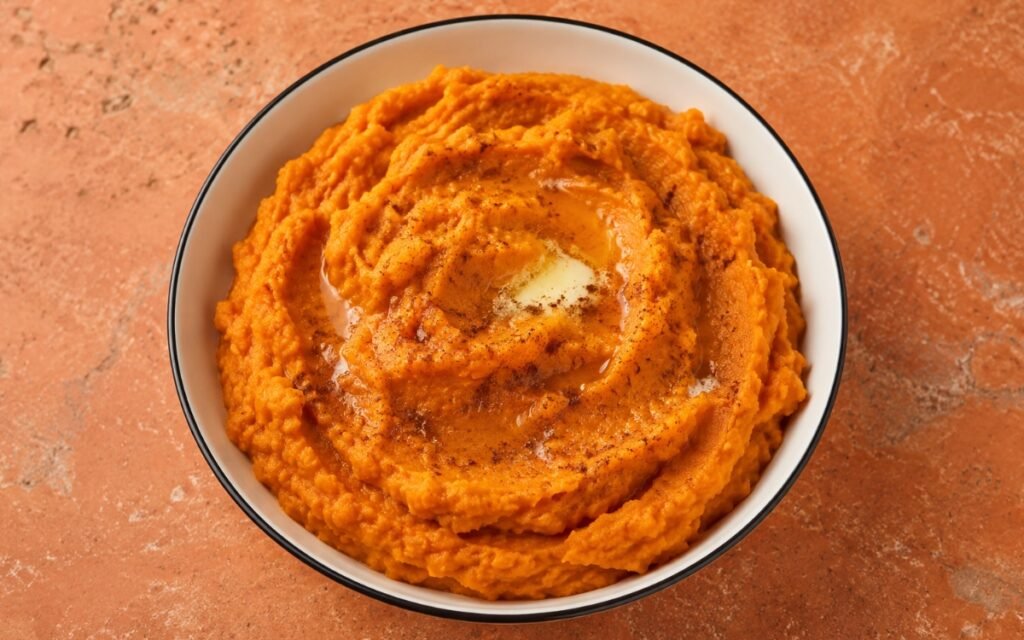
Mashed Sweet Potatoes
Creamy mashed sweet potatoes with butter, milk, and cinnamon—ready in 30 minutes for any meal.
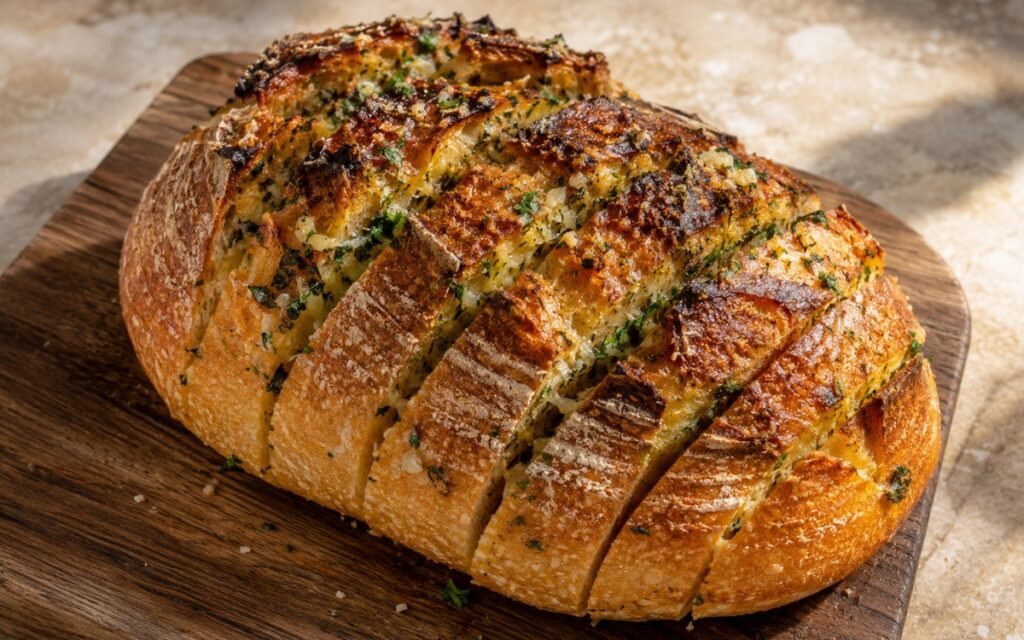
Sourdough Garlic Bread
Sourdough spread with genuinely soft garlic herb butter, baked foil-wrapped then unwrapped until golden and crisp. Rich and aromatic.
You might also like
You might also like
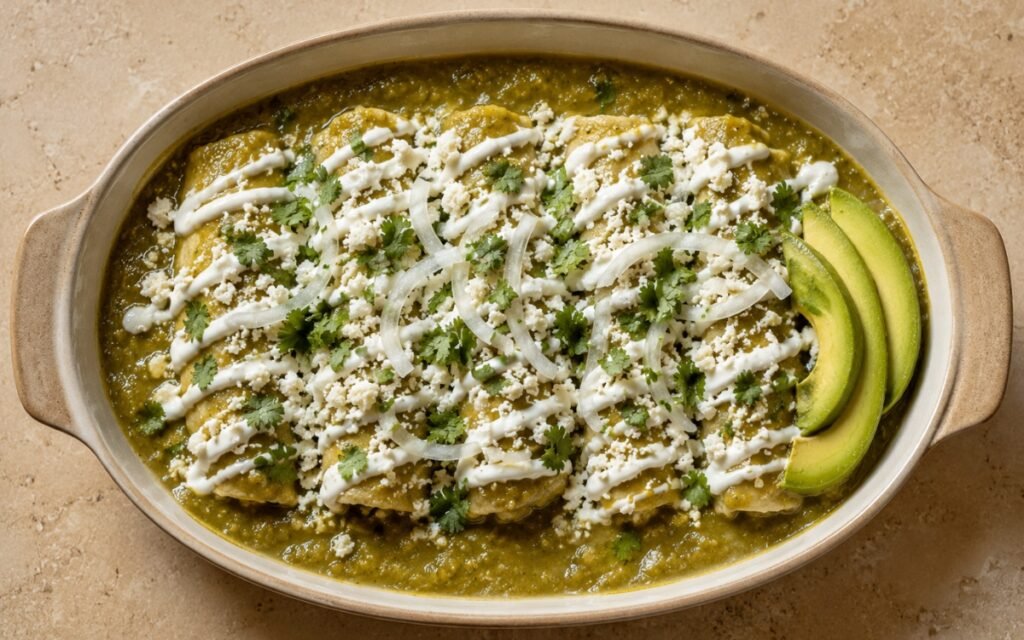
Enchiladas Verdes
Corn tortillas rolled with tender shredded chicken, coated in a vivid roasted tomatillo salsa verde, and topped with queso fresco and crema.
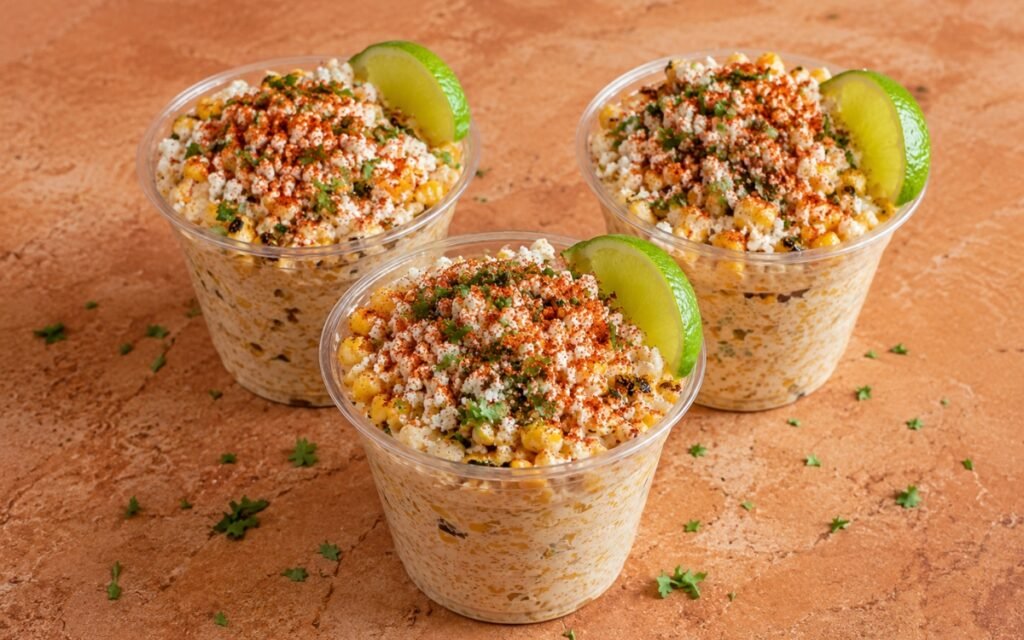
Elote en Vaso (Mexican Street Corn Cup)
Charred grilled corn kernels mixed hot into a glossy mayonnaise-crema base, piled into cups with heavy cotija and a dusting of chilli powder.
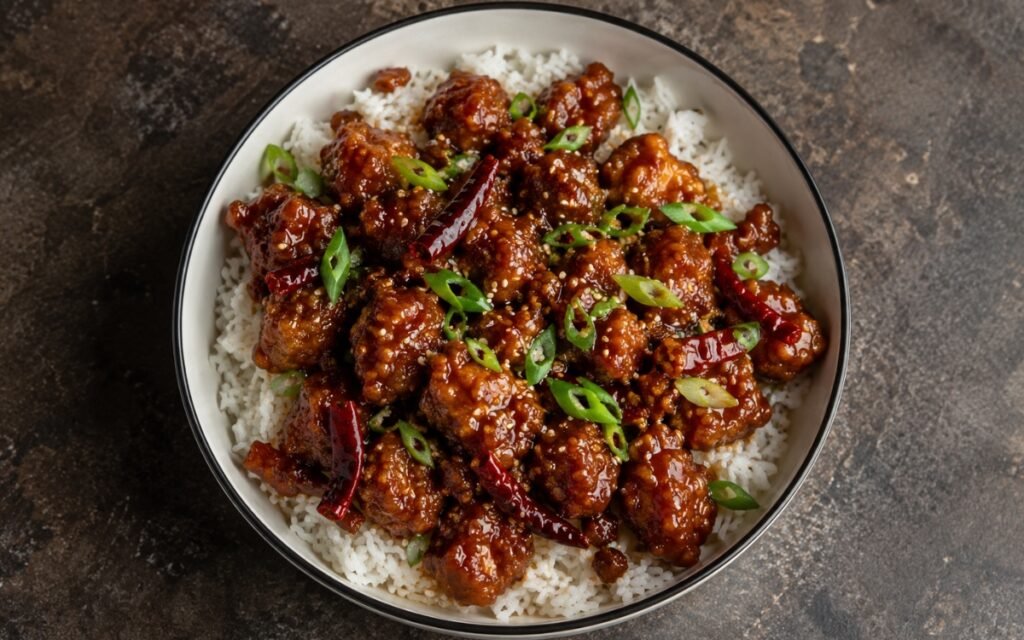
General Tso’s Chicken Rice Bowl
Chicken thighs marinated in Shaoxing wine and soy, dredged in 1:1 cornstarch and flour, fried golden, and tossed in a glossy brown sugar-soy-hoisin-dried chili sauce. Over jasmine rice with scallions and sesame seeds.
Simple Fried Rice (No Protein)
Ingredients
Method
- Whisk together the 40ml soy sauce, 15ml oyster sauce, 10ml sesame oil, 5ml rice vinegar, 3g sugar, and 2g white pepper until sugar dissolves. Keep the sauce next to the stove — fried rice moves fast, and pausing mid-cook drops pan heat.
- Heat a wok or large skillet over high heat until very hot. Add 15ml vegetable oil, swirl, pour in the eggs, and scramble quickly for about 45 seconds until just set (soft curds). Remove to a plate immediately; eggs overcook fast in a hot wok and become rubbery.
- Add the remaining 30ml oil to the hot wok. Stir-fry the 60g onion for 2 minutes until softened, then add garlic and ginger for 30 seconds until fragrant (keep it moving so it doesn’t burn). Add the 100g peas and carrots and stir-fry 2 minutes to heat through and drive off surface moisture.
- Add the 450g cooled rice, breaking up clumps with a spatula so grains separate before sauce goes in. Stir-fry 3–4 minutes, tossing constantly, until rice is hot and some grains are slightly crisp. Pour the sauce around the edges of the wok (onto hot metal) and toss quickly to coat; add the scrambled eggs and 30g green onions and toss 1 minute. Serve immediately.