
Char Siu Fried Rice
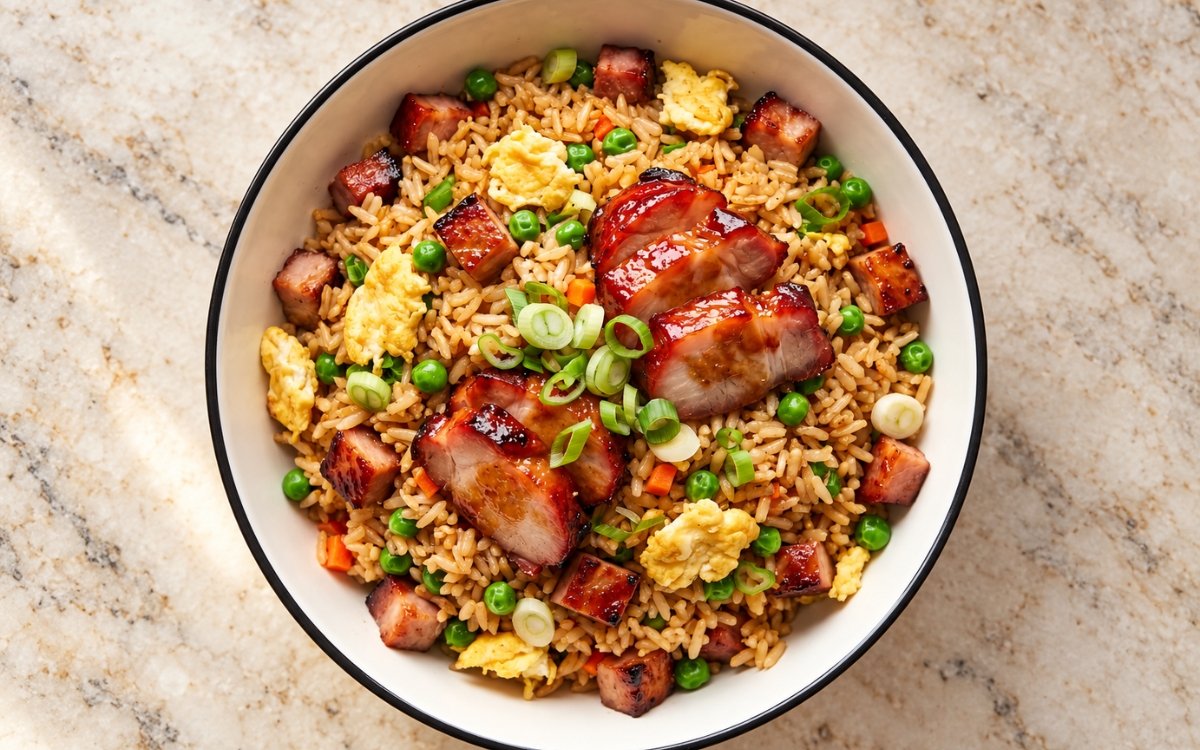
A classic Chinese fried rice built from day-old jasmine rice, small cubes of oven-roasted char siu, soft egg curds, green peas, finely diced carrots, and scallions, then topped with a few larger glossy slices of lacquered pork so every bowl shows exactly what it is made of. Frying cold, dry, loosened rice over high heat in a hot wok, rather than stirring freshly cooked rice into a warm pan, is the technique this whole fried rice depends on for separate, lightly smoky grains — warm rice carries surface moisture that steams and clumps instead of toasting, the same dry-grain-for-clean-frying principle used elsewhere in this collection whenever rice must fry rather than steam. Roasting the marinated pork shoulder at 220°C and glazing it near the end is what gives the char siu its sticky, lightly charred surface and juicy centre. Cooking the egg separately into small curds and folding it back in at the end is what keeps it tender and yellow instead of rubbery. The payoff is a fried rice with real, golden-brown separation — smoky distinct grains, sweet-savoury diced pork, bright peas and carrots, and glossy char siu pieces resting on top of every bowl.

Prep Time : 25 min
Total Time : 9 hr 10 min
Servings : 4
25 min
9 hr 10 min
4
Ingredients
For the Char Siu Pork
• 700g boneless pork shoulder or pork neck, cut into 2 long thick strips
• 2 tbsp light soy sauce
• 1 tbsp dark soy sauce
• 1½ tbsp oyster sauce
• 2 tbsp hoisin sauce
• 2 tbsp honey
• 1 tbsp brown sugar
• 1 tbsp Shaoxing wine
• 1 tbsp red fermented bean curd, mashed, plus 1 tsp of its liquid (if unavailable, use 1 extra tsp hoisin plus a very small pinch of red food colouring or annatto for the classic colour)
• 1 tsp Chinese five-spice powder
• 3 cloves garlic, finely grated
• 1 tsp fresh ginger, finely grated
• 1 tsp sesame oil
• ¼ tsp white pepper
For the Char Siu Glaze
• 1½ tbsp honey
• 1 tbsp reserved marinade, spooned out before the raw pork goes in
• 1 tsp hot water
For the Rice
• 330g jasmine rice, uncooked
• 400–430ml water
• ¼ tsp salt
For the Fried Rice
• 450–500g cooked char siu from the pork above, about 300–350g diced small for the rice and about 150g sliced or chunked larger for the top garnish
• 3 large eggs, lightly beaten
• 120g green peas
• 80g carrots, finely diced
• 5 scallions, white parts and green tops separated
• 2 cloves garlic, finely minced
• 2½ tbsp neutral oil, divided
• ½ tsp sesame oil, optional finish
For the Fried Rice Seasoning Sauce
• 1½ tbsp light soy sauce
• 1 tsp dark soy sauce
• 1 tbsp Shaoxing wine
• 1 tsp oyster sauce
• ½ tsp sugar
• ¼ tsp white pepper
Directions
- Marinate the Pork
In a bowl, mix the light soy, dark soy, oyster sauce, hoisin, honey, brown sugar, Shaoxing wine, mashed red fermented bean curd with its liquid, five-spice, garlic, ginger, sesame oil, and white pepper into a thick, clingy paste. Spoon 1 tbsp of the marinade into a small dish and refrigerate it for the glaze before any raw pork touches the bowl. Coat the 700g of pork thoroughly, cover, and refrigerate for at least 8 hours and up to 24, turning the strips once or twice for even colour. That long, cold rest is what lets the salt and sugars penetrate the shoulder instead of sitting on the surface. - Cook and Chill the Rice
Rinse the 330g of jasmine rice until the water runs mostly clear, then cook it with the measured water and ¼ tsp salt until tender. Spread the hot rice on a tray or large plate in a thin layer so the steam escapes, then chill it uncovered until completely cold, ideally several hours or overnight. Before frying, break the rice apart with your fingers until the grains are loose and separated. That chilling and drying is what firms the starch so the grains fry individually instead of mashing together in the wok. - Roast the Char Siu
Preheat the oven to 220°C. Line a tray with foil, set a rack over it if you have one, and lay the pork on the rack. Roast for 15 minutes, turn the strips, and roast another 10–15 minutes while you mix the glaze from the honey, reserved marinade, and hot water. In the last 5–8 minutes, brush the pork with the glaze once or twice, then finish briefly under the grill or at high top heat until the surface is lacquered and charred in spots. A thermometer should read about 68–72°C in the thickest part. Rest the pork for 10 minutes before cutting. That rest lets the juices settle back into the meat, so the cubes stay juicy rather than dry. - Prep the Mise en Place
Finely dice the carrots and measure out the peas. Slice the scallions, keeping the pale parts separate from the green tops, and beat the eggs lightly. Dice 300–350g of the cooled char siu into small cubes and slice or chunk the remaining 150g into larger glossy pieces, setting them aside for the top of each bowl. Combine the light soy, dark soy, Shaoxing wine, oyster sauce, sugar, and white pepper in a small bowl. Fried rice cooks in minutes, so everything must sit within reach of the wok. That preparation is what lets the pan stay hot and the rice stay dry once cooking begins. - Cook the Egg
Heat a wok or large frying pan over medium-high heat and add about ½ tbsp of the neutral oil. Pour in the beaten eggs and cook, pushing and breaking them with the spatula, just until softly set in small tender curds rather than a large omelette-like sheet. Slide the egg onto a plate straight away while it is still slightly undercooked and bright yellow. That early removal is what keeps the egg soft, because it finishes cooking gently from residual heat when it returns to the hot rice. - Fry the Rice
Heat the wok over high heat, add 2 tbsp neutral oil, and stir-fry the minced garlic and the white scallion parts briefly until fragrant. Add the carrots and fry for 30–45 seconds, then the peas for another short stir. Add the cold rice, breaking up clumps, and toss continuously until the grains are hot, dry, and separated, pausing now and then to let them toast against the pan. Pour the seasoning sauce around the edge of the wok, not onto the rice, toss until evenly golden-brown, then add the diced char siu and egg and heat through. Finish with most of the green scallion tops and the sesame oil. If your pan is small, cook in 2 batches. That edge-of-the-wok sauce sizzles and caramelises instantly, which is what gives the rice its smoky flavour without making it wet. - Assemble the Bowls
Divide the fried rice among 4 bowls, mounding it loosely rather than pressing it down. Arrange the reserved larger char siu pieces on top so they are clearly visible, and finish with the remaining sliced scallions. The finished bowl should show separated golden-brown grains, diced pork throughout, visible egg curds, peas, and carrots, and shiny pork resting on the surface. Serve immediately while the rice is hot and the pork still glossy. That placement on top is what keeps the lacquered surface visible instead of being buried and dulled inside the rice.
*Notes :
- Using completely cold, dry day-old rice deserves genuine recognition as the technique most directly responsible for whether this dish fries or steams. Fresh rice holds surface moisture and soft, gelatinised starch, so it clumps and turns heavy in the wok, while chilled rice firms up and toasts into separate grains.
- Roasting the pork at a high 220°C with a late honey glaze deserves the same attention this technique receives throughout this collection’s other glazed roast dishes. The sugars caramelise only in the final minutes, so brushing too early scorches the surface before the centre is done, while brushing late builds a sticky, lacquered shell.
- Choosing pork shoulder or neck rather than lean loin deserves genuine respect as the detail most directly responsible for juicy, glossy char siu. The marbled fat melts during roasting and genuinely bastes the meat from within, whereas a lean cut dries out long before the glaze has coloured and turns tough in the diced rice.
- Adding the seasoning sauce around the edge of the wok deserves attention as a genuine, checkable cue for keeping the rice dry rather than a loose habit. Sauce poured onto the centre soaks the grains and makes them soggy, while sauce hitting the hot metal sizzles and coats the rice in a light, smoky film.
Why This Recipe Works
This recipe works because a thick, clingy marinade and a cold overnight rest season fatty pork shoulder all the way through, and a hot 220°C roast with a late honey glaze turns it into sticky, juicy char siu. Cold, dry rice then fries into separate toasted grains instead of steaming into clumps. Softly set egg curds, quick-cooked peas and carrots, and a sauce added around the edge of the wok keep every component distinct. Larger glossy pork pieces on top finish each bowl with a golden, smoky, genuinely savoury look that matches the flavour underneath.
Ingredient Breakdown
Day-Old Chilled Jasmine Rice
The critical ingredient choice — cold, dry grains toast and separate in the wok instead of steaming into a heavy, mushy mass.
Pork Shoulder or Neck (Not Loin)
The critical ingredient choice — marbled fat melts during roasting, keeping the char siu juicy and glossy rather than dry.
Late Honey Glaze
The critical finishing technique — brushing in the last minutes caramelises into a sticky, lightly charred lacquer without burning the surface.
Red Fermented Bean Curd
The defining flavour ingredient — adds savoury depth and the classic reddish colour that distinguishes authentic char siu from plain soy-roasted pork.
Sauce Poured Around the Wok Edge
The critical technique — seasoning sizzles against hot metal and coats the grains lightly, keeping the rice dry and smoky.
Separately Cooked Egg Curds
The structural choice — removing soft curds early keeps them tender and yellow, rather than rubbery and lost among the rice.
Flavor Structure Explained
This char siu fried rice follows a layered balance model:
- Toasted, neutral foundation (day-old jasmine rice, neutral oil)
- Sweet, savoury, lacquered core (diced and sliced char siu, honey, hoisin)
- Soft, rich contrast (egg curds, sesame oil)
- Fresh, sweet vegetable lift (green peas, finely diced carrots)
- Sharp aromatic finish (garlic, scallions, white pepper, Shaoxing wine)
Cold jasmine rice fried in hot oil gives the bowl its genuinely toasted, neutral foundation. Char siu brings the sweet, savoury, lightly charred core, with honey and hoisin carrying through every cube. Soft egg curds and a few drops of sesame oil add rich contrast, while peas and carrots bring gentle sweetness and colour. Garlic, scallions, white pepper, and Shaoxing wine give the sharp aromatic finish that ties the whole dish together.
Common Mistakes to Avoid
- Using Freshly Cooked Rice – This leaves the grains wet and soft, so they clump and turn mushy in the wok. Always chill the rice completely, ideally overnight, and loosen it by hand before frying.
- Choosing Lean Pork Loin – This roasts up dry and stringy, without the fat needed for glossy, juicy char siu. Always use pork shoulder or neck, and pull it at 68–72°C.
- Pouring Sauce Onto the Centre of the Rice – This soaks the grains and leaves the rice dark, wet, and unevenly seasoned. Always add the sauce gradually around the edge of the hot wok.
- Overcrowding the Wok – This drops the temperature, so the rice steams instead of toasting and loses its smoky flavour. Always cook in 2 batches if your pan is not very large.
- Burying All the Large Char Siu Pieces – This hides the glossy surface that defines the finished bowl and dulls its look. Always keep the reserved larger pieces on top, clearly visible.
Variations
Store-Bought Char Siu Version
Use good-quality store-bought char siu for the diced and topping pork, saving the marinating and roasting time, though freshly roasted pork stays stickier and more flavourful.
Pork-Forward Version
Increase the raw pork to 800–900g, giving each bowl a heavier topping of larger glossy char siu pieces while keeping the rice seasoning exactly the same.
Bean Curd-Free Version
Replace the red fermented bean curd with 1 extra tsp hoisin and a very small pinch of red food colouring or annatto, keeping the classic char siu colour with a slightly milder savoury depth.
Two-Batch Version
Fry the rice in 2 batches in a smaller pan, then combine them at the end, keeping the grains toasting rather than steaming and the texture dry and separate.
Storage & Make-Ahead
Marinate the pork up to 24 hours ahead in the refrigerator, turning it occasionally, and chill the cooked jasmine rice uncovered the day before, since both steps improve the final bowl rather than merely saving time.
Roast the char siu up to 3 days ahead, cool it quickly, and refrigerate it in an airtight container, slicing and dicing it only when you are ready to fry.
Cool leftover fried rice quickly, refrigerate it in an airtight container within 1 hour of cooking, and eat it within 1 day, because cooked rice should not sit at room temperature.
Reheat leftover fried rice in a hot wok or frying pan with a small splash of water, tossing until steaming hot all the way through, rather than using a covered microwave that softens the grains.
Wrap uncut char siu tightly and freeze it for up to 2 months, thawing it overnight in the refrigerator before dicing and frying so the pieces stay juicy and hold their shape.
Frequently Asked Questions
Why does fried rice need cold, day-old rice instead of freshly cooked rice?
Fresh rice holds moisture and soft starch that clump and steam in the wok, while chilled, dried rice firms up and fries into separate, lightly toasted grains with a genuinely better texture.
Why is pork shoulder or neck used for char siu instead of lean loin?
Shoulder and neck carry marbled fat that melts during roasting and keeps the meat juicy and glossy, whereas lean loin dries out before the honey glaze has caramelised into a sticky surface.
Why is the seasoning sauce poured around the edge of the wok instead of onto the rice?
Sauce hitting the hot metal sizzles and caramelises into a smoky film that coats the grains lightly, while sauce poured onto the centre soaks them and makes the rice wet and dark.
Why is the egg cooked separately and removed before the rice goes in?
Cooking it first into small, softly set curds and taking it out early keeps it tender and yellow, because it finishes gently from the rice’s residual heat instead of turning rubbery.
Are there other classic Chinese pork, fried rice, or bao dishes worth trying?
Char Siu — Chinese BBQ Pork over Rice offers another classic roast pork direction worth exploring. Korean Kimchi Fried Rice and Indonesian Nasi Goreng are also worth trying for other bold Asian fried rice directions, and Shrimp Fried Rice Bowl and Baked Char Siu Bao offer other seafood rice and soft bun dishes worth exploring.
Nutrition Facts
( Per Serving )
Calories
~880 kcal
Protein
42 g
Fat
38 g
Carbs
92 g
Calories
~880 kcal
Protein
42 g
Fat
38 g
Carbs
92 g
Related Recipes
Related Recipes
-

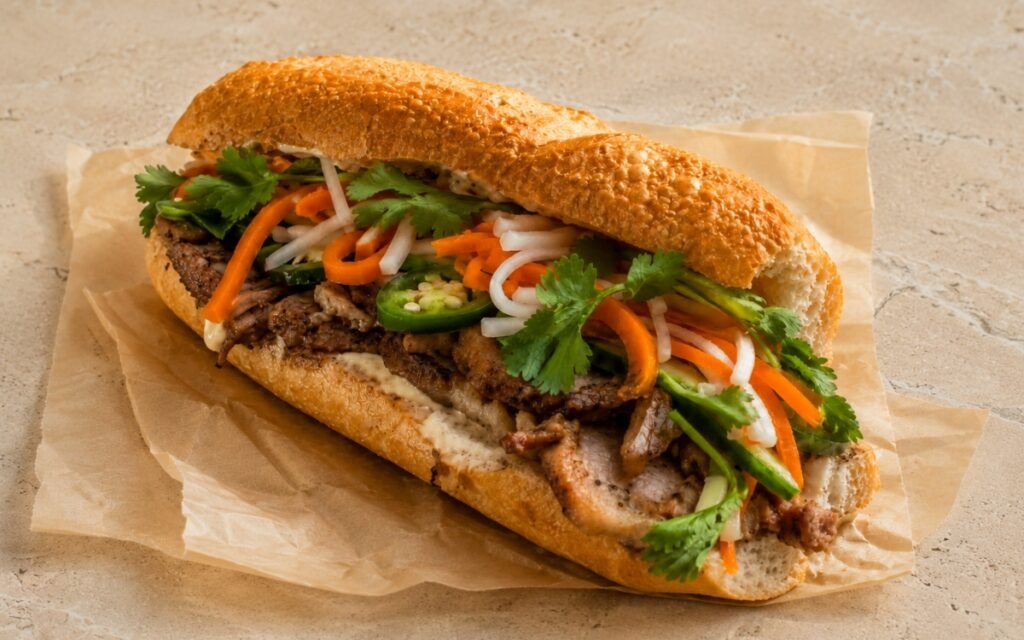
Crispy Pork Bánh Mì Sandwich
Roasted skin-on pork belly with crackling crisp skin, piled into a crusty baguette with pickled carrot and daikon, cucumber, and fresh herbs.
-
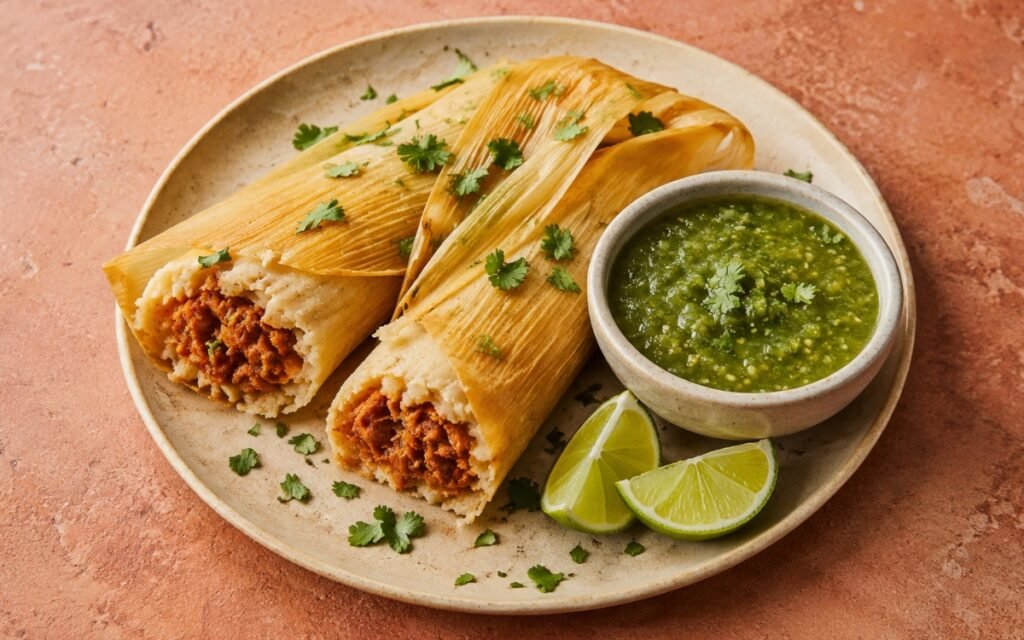
Pork Tamales with Salsa Verde
Red chile pork wrapped in tender masa and steamed in corn husks, served with a bright, tangy salsa verde.
-
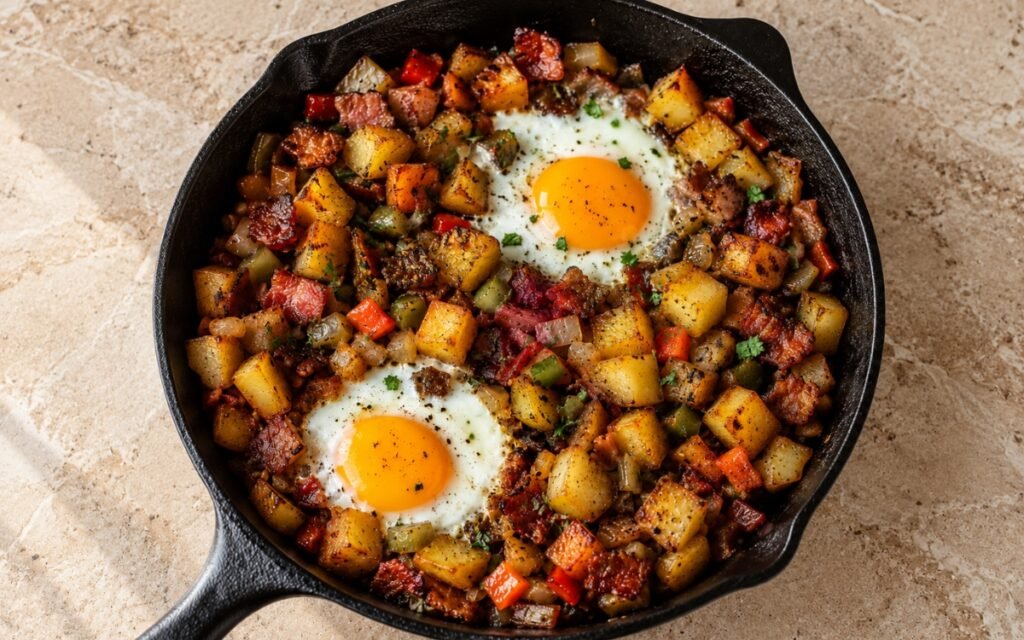
Breakfast Hash with Eggs and Potatoes
Crispy diced potatoes, browned breakfast sausage, crisp bacon, peppers, onions, and eggs cooked directly into the hash with runny yolks.
You might also like
You might also like
-
Vietnamese Chicken Curry / Cà Ri Gà
Chicken thighs, potatoes and carrots simmered in a golden lemongrass coconut curry broth, served with jasmine rice, cilantro and cracked black pepper.
-
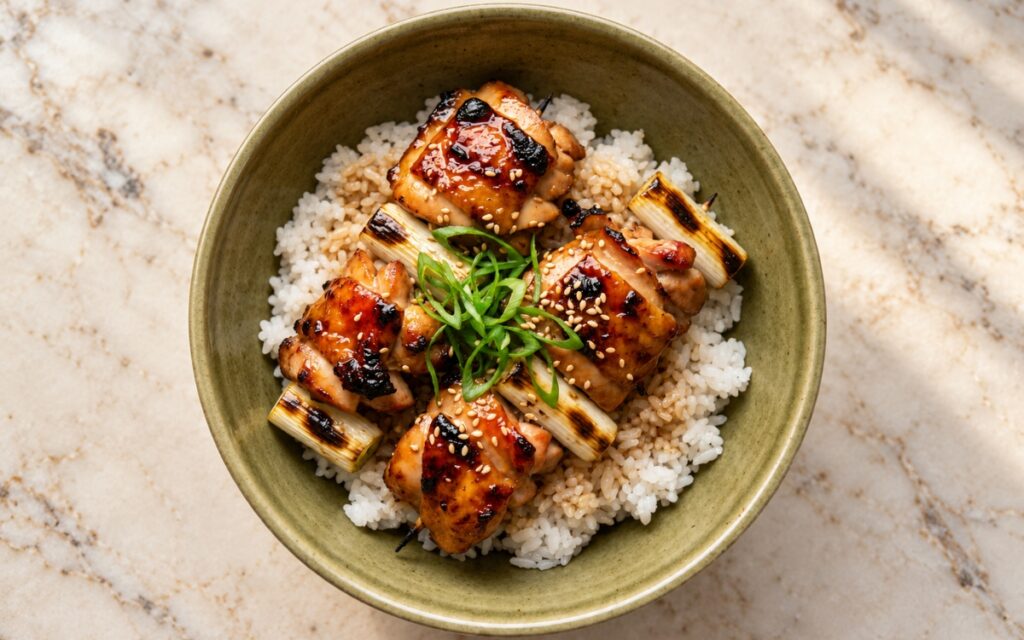
Japanese Chicken Yakitori Rice Bowl
Grilled skin-on chicken thigh and charred scallion sections glazed in glossy yakitori tare over short-grain rice with sesame and sliced green onions.
-
Filipino Pork Adobo Bowl
Pork belly braised in soy sauce, cane vinegar, garlic and bay leaves until glossy, served over jasmine rice with scallions and garlic chips.


Char Siu Fried Rice
Ingredients
Method
- In a bowl, mix the light soy, dark soy, oyster sauce, hoisin, honey, brown sugar, Shaoxing wine, mashed red fermented bean curd with its liquid, five-spice, garlic, ginger, sesame oil, and white pepper into a thick, clingy paste. Spoon 1 tbsp of the marinade into a small dish and refrigerate it for the glaze before any raw pork touches the bowl. Coat the 700g of pork thoroughly, cover, and refrigerate for at least 8 hours and up to 24, turning the strips once or twice for even colour. That long, cold rest is what lets the salt and sugars penetrate the shoulder instead of sitting on the surface.
- Rinse the 330g of jasmine rice until the water runs mostly clear, then cook it with the measured water and ¼ tsp salt until tender. Spread the hot rice on a tray or large plate in a thin layer so the steam escapes, then chill it uncovered until completely cold, ideally several hours or overnight. Before frying, break the rice apart with your fingers until the grains are loose and separated. That chilling and drying is what firms the starch so the grains fry individually instead of mashing together in the wok.
- Preheat the oven to 220°C. Line a tray with foil, set a rack over it if you have one, and lay the pork on the rack. Roast for 15 minutes, turn the strips, and roast another 10–15 minutes while you mix the glaze from the honey, reserved marinade, and hot water. In the last 5–8 minutes, brush the pork with the glaze once or twice, then finish briefly under the grill or at high top heat until the surface is lacquered and charred in spots. A thermometer should read about 68–72°C in the thickest part. Rest the pork for 10 minutes before cutting. That rest lets the juices settle back into the meat, so the cubes stay juicy rather than dry.
- Finely dice the carrots and measure out the peas. Slice the scallions, keeping the pale parts separate from the green tops, and beat the eggs lightly. Dice 300–350g of the cooled char siu into small cubes and slice or chunk the remaining 150g into larger glossy pieces, setting them aside for the top of each bowl. Combine the light soy, dark soy, Shaoxing wine, oyster sauce, sugar, and white pepper in a small bowl. Fried rice cooks in minutes, so everything must sit within reach of the wok. That preparation is what lets the pan stay hot and the rice stay dry once cooking begins.
- Heat a wok or large frying pan over medium-high heat and add about ½ tbsp of the neutral oil. Pour in the beaten eggs and cook, pushing and breaking them with the spatula, just until softly set in small tender curds rather than a large omelette-like sheet. Slide the egg onto a plate straight away while it is still slightly undercooked and bright yellow. That early removal is what keeps the egg soft, because it finishes cooking gently from residual heat when it returns to the hot rice.
- Heat the wok over high heat, add 2 tbsp neutral oil, and stir-fry the minced garlic and the white scallion parts briefly until fragrant. Add the carrots and fry for 30–45 seconds, then the peas for another short stir. Add the cold rice, breaking up clumps, and toss continuously until the grains are hot, dry, and separated, pausing now and then to let them toast against the pan. Pour the seasoning sauce around the edge of the wok, not onto the rice, toss until evenly golden-brown, then add the diced char siu and egg and heat through. Finish with most of the green scallion tops and the sesame oil. If your pan is small, cook in 2 batches. That edge-of-the-wok sauce sizzles and caramelises instantly, which is what gives the rice its smoky flavour without making it wet.
- Divide the fried rice among 4 bowls, mounding it loosely rather than pressing it down. Arrange the reserved larger char siu pieces on top so they are clearly visible, and finish with the remaining sliced scallions. The finished bowl should show separated golden-brown grains, diced pork throughout, visible egg curds, peas, and carrots, and shiny pork resting on the surface. Serve immediately while the rice is hot and the pork still glossy. That placement on top is what keeps the lacquered surface visible instead of being buried and dulled inside the rice.