
Vietnamese Chicken Curry / Cà Ri Gà
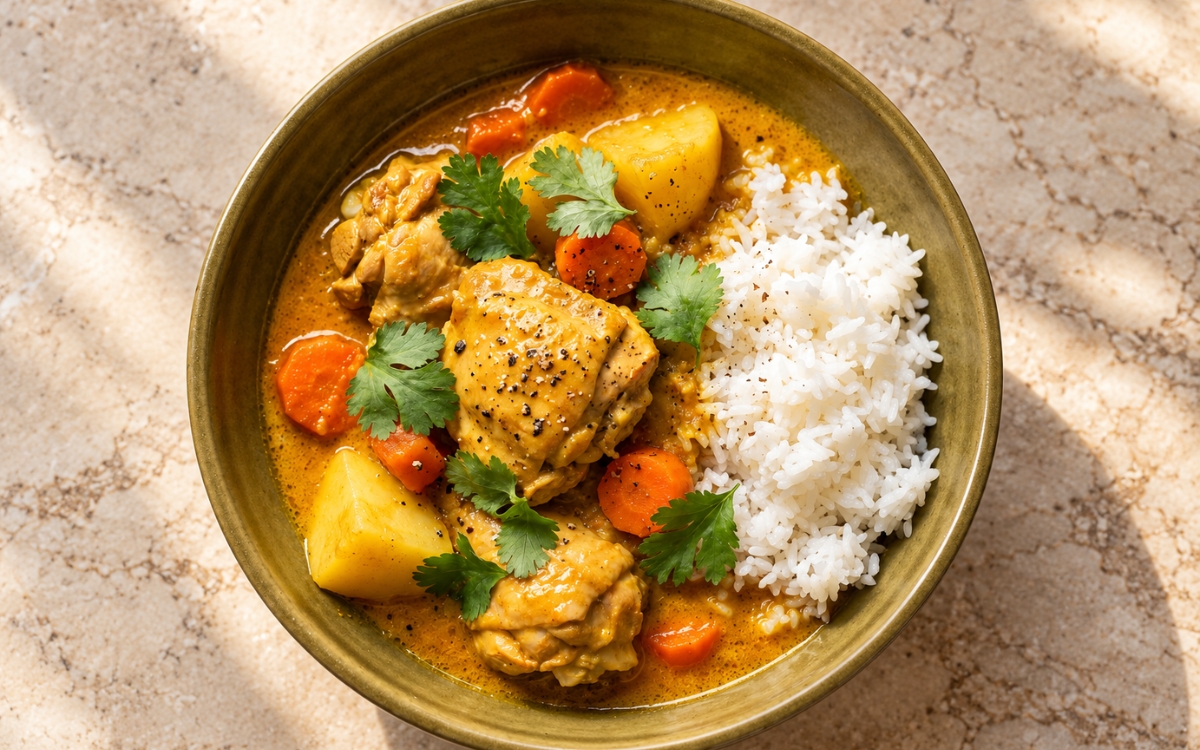
A classic Vietnamese-style chicken curry — large pieces of boneless chicken thigh, chunky potatoes and thick carrot rounds simmered in a fragrant golden coconut broth with lemongrass, curry powder, garlic and fish sauce, served with jasmine rice, cilantro and cracked black pepper, the key being a curry that stays loose, glossy and pourable. Lightly frying the potato chunks until golden outside but still firm at the centre, rather than dropping them raw into the pot, is the technique this whole curry depends on for vegetables that hold their shape — raw potatoes shed starch as they simmer and turn a clear golden broth into a thick, cloudy potato stew, the same seal-before-simmering principle used elsewhere in this collection whenever starchy vegetables share a pot with a long-cooked sauce. Coating the chicken in a concentrated curry-powder marinade and browning it over controlled medium-high heat is what gives the meat toasted spice flavour without bitterness. Keeping the coconut milk at a gentle simmer, never a hard boil, is what keeps the broth smooth, creamy and genuinely broth-like. The payoff is a curry with real, warming depth — tender golden chicken, soft potatoes with clean edges, sweet carrots and a lemongrass-scented coconut broth beside fluffy jasmine rice.

Prep Time : 20 min
Total Time : 1 hr 30 min
Servings : 4
20 min
1 hr 30 min
4
Ingredients
For the Chicken and Marinade
• 700g boneless skinless chicken thighs, cut into large bite-size pieces, 4–5cm
• 1½ tbsp Vietnamese or mild Madras-style curry powder
• 1 tbsp fish sauce
• 1 tsp sugar
• ½ tsp ground turmeric
• ½ tsp freshly ground black pepper
• 2 garlic cloves, finely minced
For the Coconut Curry Base
• 2 tbsp neutral oil
• 1 large yellow onion, thinly sliced
• 2 shallots, finely chopped
• 3 garlic cloves, finely minced
• 3 stalks lemongrass, bruised and cut into 5–6cm sections
• 1 tbsp Vietnamese or mild Madras-style curry powder
• 400ml full-fat coconut milk, divided
• 400ml low-sodium chicken stock
• 1 tbsp fish sauce, plus more to taste
• 1 tsp sugar, preferably palm sugar, plus a pinch more if needed
• 50–100ml hot water or extra chicken stock, only if needed
• Salt, to taste
For the Vegetables
• 500g waxy or all-purpose potatoes, peeled and cut into large 3–4cm chunks
• 250g carrots, peeled and cut into thick rounds, about 1.5–2cm
• 1 tbsp neutral oil, for lightly frying the potatoes
For the Jasmine Rice
• 200g jasmine rice
• 270ml water
• ¼ tsp salt, optional
For the Garnish
• 15g fresh cilantro leaves
• Freshly cracked black pepper
• Lime wedges, optional, for serving
Directions
- Marinate the Chicken
Pat the 700g chicken thighs dry with paper towel and cut them into large, even pieces of about 4–5cm. In a mixing bowl, combine the 1½ tbsp curry powder, 1 tbsp fish sauce, 1 tsp sugar, ½ tsp turmeric, ½ tsp black pepper and the 2 minced garlic cloves. Add the chicken and mix thoroughly with your hands or a spoon until every piece is evenly coated. The marinade should cling as a genuinely thick, concentrated golden spice coating rather than pool as a watery liquid. Cover and refrigerate for 20–30 minutes. That dry, concentrated coating is what lets the curry powder season the chicken directly and toast properly when it hits the hot pot. - Prepare the Vegetables
While the chicken marinates, peel the 500g potatoes and cut them into large chunks of about 3–4cm, then cut the 250g carrots into thick rounds of 1.5–2cm. Thinly slice the onion, finely chop the 2 shallots and finely mince the 3 remaining garlic cloves. Trim the 3 lemongrass stalks, peel away the tough outer leaves and bruise the lower portions firmly with the back of a knife, then cut them into 5–6cm sections that will be easy to lift out later. Keep each ingredient in its own pile. That generous potato size is genuinely what lets the chunks survive the simmer without breaking down and releasing so much starch that the curry turns into a heavy potato stew. - Lightly Fry the Potatoes
While the chicken finishes marinating, heat 1 tbsp neutral oil in a large heavy skillet over medium-high heat until it shimmers. Add the potato chunks in a single layer and cook for 4–6 minutes, turning occasionally, until lightly golden on several surfaces. The centres should still be firm and clearly raw when pierced with a knife; do not aim for crisp, fully fried potatoes. Transfer to a plate and set aside. If the oil starts to smoke, lower the heat slightly rather than letting the edges scorch. That light golden exterior is what develops a gentle roasted flavour and helps each chunk hold its structure through the long simmer ahead. - Brown the Chicken
Heat 2 tbsp neutral oil in a heavy-bottomed pot or Dutch oven over medium-high heat. Add the marinated chicken in a relatively even layer, working in two batches if the pot is crowded, and leave it undisturbed for 2–3 minutes per side, until the outside is lightly golden and smells of toasted curry. The chicken does not need to cook through at this stage. Transfer it to a plate, keeping any juices, and leave the browned spice residue in the pot. If the coating darkens quickly or smells sharp, lower the heat at once. That controlled medium-high heat, rather than maximum heat, is what browns the chicken without scorching the finely ground spices into bitterness. - Build the Curry Base
Reduce the heat to medium. Add the sliced onion and chopped shallots to the same pot and cook for 3–4 minutes, stirring occasionally, until softened and lightly golden. Add the 3 minced garlic cloves and the bruised lemongrass sections and cook for 1 minute, stirring continuously. Sprinkle in the 1 tbsp curry powder and cook for 30–45 seconds, until genuinely fragrant. If the pot looks dry or the spices start to catch, add a small splash of the measured chicken stock and scrape the bottom. Have the chicken and potatoes within reach before any liquid goes in. That short toasting of the aromatics is what cooks out any raw garlic or uncooked curry powder smell before the broth is built. - Build the Golden Coconut Broth
Pour in about 200ml of the coconut milk, stirring and scraping to release the browned seasoning from the bottom of the pot. Cook gently for 2 minutes, letting the curry powder disperse into the coconut fat. Add the remaining 200ml coconut milk, the rest of the 400ml chicken stock, 1 tbsp fish sauce and 1 tsp sugar, and stir until fully combined. Return the browned chicken and any accumulated juices to the pot and bring to a gentle simmer over medium heat. The broth should turn a warm golden-yellow with a delicate sheen of spiced coconut fat. That first small addition of coconut milk is what blooms the curry powder in fat, so the colour and flavour spread evenly through the whole broth. - Simmer the Curry
Add the lightly fried potatoes and the carrot rounds and stir gently to distribute them among the chicken pieces. Bring back to a gentle simmer, partially cover and cook for 18–25 minutes, stirring carefully once or twice, until the chicken is tender and reaches 74°C / 165°F, the potatoes pierce easily with a knife and the carrots are tender but still hold their shape. The broth should be lightly thickened yet clearly pourable. If it reduces too quickly, add 50–100ml hot water or extra stock. Keep the bubbles small and lazy, never a rolling boil. That gentle, careful simmer is genuinely what keeps the coconut broth smooth and stops softening potatoes breaking apart and clouding the curry. - Cook the Jasmine Rice
As soon as the curry goes on to simmer, place the 200g jasmine rice in a fine sieve and rinse under cold water several times, until the water runs mostly clear, then drain thoroughly. Transfer to a small saucepan with the 270ml water and the ¼ tsp salt, if using, and bring to a boil over medium-high heat. Stir once, reduce the heat to the lowest setting, cover tightly and cook undisturbed for 12 minutes. Turn off the heat and leave it covered for another 10 minutes, then fluff gently with a fork. If your rice brand calls for a different water ratio, follow it. That covered rest is what redistributes the moisture and leaves distinct, tender grains with no excess water. - Finish and Adjust the Curry
Remove the lid and taste the broth. Add more fish sauce for savoury depth and saltiness, a small pinch of sugar if the spices feel harsh, and salt only if it still needs it. If the broth is too thick, loosen it with a little hot stock or water; if it is too thin, simmer uncovered for a few more minutes. Lift out and discard the lemongrass sections. The curry should taste warmly spiced, gently sweet from the coconut milk, savoury from the fish sauce and aromatic with lemongrass, never aggressively hot. That final tasting is what preserves the curry’s loose, broth-like character rather than reducing it into a heavy gravy. - Assemble the Curry Bowls
Divide the fluffed jasmine rice evenly among 4 bowls, each holding the cooked equivalent of about 50g uncooked rice, and keep it grouped neatly to one side. Spoon the curry beside the rice, giving each bowl about 175g raw-weight chicken, 125g potatoes, a generous share of carrots and plenty of golden coconut broth surrounding the chicken and vegetables. Scatter over the 15g cilantro leaves and finish with a light dusting of freshly cracked black pepper. Add lime wedges on the side, if using. Serve immediately, while the broth is hot and glossy. That side-by-side arrangement is what lets the rice soak up the broth gradually instead of turning soggy at once.
*Notes :
- Lightly frying the potatoes deserves genuine recognition as the technique most directly responsible for whether the curry stays a clear golden broth or turns into a potato stew. The recipe’s own explanation that “Lightly frying the potatoes develops flavor and helps them maintain their structure during simmering” reflects how a brief sear firms the surface starch — raw chunks soften from the outside in and shed starch straight into the coconut milk.
- Keeping the curry at a gentle simmer deserves the same attention this technique receives throughout this collection’s other coconut curries, because it decides the texture of the broth as much as the chicken. The recipe’s own warning, “Do not boil the coconut milk aggressively,” reflects how a hard boil agitates the coconut fat until it separates unevenly, leaving a grainy, split surface instead of a smooth, creamy sheen.
- Controlled heat during browning deserves genuine respect as the detail most directly responsible for a curry that tastes warmly spiced rather than harsh. The recipe’s own reminder that “Curry powder contains finely ground spices that can become bitter when scorched” explains why the chicken browns over medium-high heat rather than maximum heat, and why the second tablespoon of curry powder toasts for only 30–45 seconds over medium heat.
- The final broth consistency deserves attention as a genuine, checkable readiness cue rather than a loose approximation. The recipe’s own instruction to “Preserve its broth-like consistency rather than reducing it into a heavy gravy” means checking that the sauce lightly coats the chicken and still pours freely from a spoon, then loosening it with hot stock rather than simmering it down further.
Why This Recipe Works
This recipe works because each component is prepared so it can simmer in the same pot without losing its character. The concentrated marinade puts curry powder directly on the chicken, and controlled browning toasts it without bitterness. Lightly frying the large potato chunks firms their surfaces, so they soften through the simmer while keeping clean edges and releasing little starch. Blooming the curry powder in a first splash of coconut milk spreads its colour and flavour evenly before the stock goes in. A gentle, partly covered simmer and a final fish sauce adjustment then leave a genuinely loose, glossy, warmly spiced broth.
Ingredient Breakdown
Light Potato Fry (4–6 Minutes)
The critical technique — a golden exterior with a firm centre helps the chunks survive simmering without clouding the broth.
Concentrated Curry Marinade
The flavour foundation — a thick spice coating, not a watery liquid, seasons the chicken directly and toasts as it browns.
Controlled Browning (Medium-High, Not Maximum)
The critical safeguard — moderate heat colours the chicken and toasts the curry powder without scorching it bitter.
Bruised Lemongrass Sections
The defining flavour ingredient — large, bruised pieces release their citrusy aroma into the broth and lift out easily before serving.
Coconut Milk in Two Additions
The core flavour-building stage — the first 200ml blooms the curry powder in coconut fat before the remaining liquid goes in.
Gentle Partial-Cover Simmer
The critical technique — small, lazy bubbles keep the coconut broth smooth and the potatoes and carrots whole.
Fish Sauce Adjusted at the End
The finishing technique — tasting once the vegetables are tender sets the curry’s final savoury, gently sweet balance.
Flavor Structure Explained
This Vietnamese chicken curry follows a layered balance model:
- Soft, neutral foundation (jasmine rice)
- Hearty, tender body (chicken thighs, golden potatoes, carrots)
- Warm golden spice core (curry powder, turmeric, black pepper)
- Creamy, fragrant broth (coconut milk, chicken stock, lemongrass, garlic)
- Savoury-sweet balance (fish sauce, palm sugar)
- Fresh finishing lift (cilantro, cracked black pepper, lime)
Jasmine rice forms the soft, neutral foundation that soaks up the loose golden broth. Chicken thighs, golden potatoes and carrots bring the hearty, tender body, while curry powder, turmeric and black pepper build the warm spice core. Coconut milk, stock, lemongrass and garlic create the genuinely creamy, fragrant broth, and fish sauce with palm sugar settles it into a savoury, gently sweet balance. Cilantro, cracked pepper and lime add the fresh finishing lift that ties this Vietnamese chicken curry together.
Common Mistakes to Avoid
- Cutting the Potatoes Too Small – This lets them break down and release starch, thickening the curry into a cloudy potato stew. Always cut them into large 3–4cm chunks.
- Scorching the Curry Powder – This turns the finely ground spices bitter and harsh in the finished broth. Always brown the chicken over medium-high heat, never maximum heat.
- Boiling the Coconut Milk Hard – This makes the coconut fat separate unevenly, leaving the broth grainy and split. Always keep the curry at a gentle simmer.
- Stirring Roughly After the Potatoes Soften – This breaks the chunks apart and clouds the broth with loose starch. Always stir gently, only once or twice during the simmer.
- Reducing the Curry Into a Thick Gravy – This loses the loose, broth-like character that defines cà ri gà. Always loosen an overly thick curry with a little hot stock.
Variations
Bone-In Chicken Version
Use 1kg bone-in chicken thighs and drumsticks, per the recipe’s own note on the traditional variation, and extend the simmer by 10–15 minutes until the meat reaches 74°C at the bone.
Sweet Potato Version
Replace half the potatoes with sweet potato chunks of the same 3–4cm size, per the recipe’s own note, for a sweeter, more traditional curry that still keeps its golden broth.
Baguette Version
Serve the curry with a warm, crusty baguette instead of jasmine rice, per the recipe’s own note, so the loose coconut broth can be torn and dipped in the classic Vietnamese way.
Rice Noodle Version
Serve the curry over cooked rice vermicelli in place of jasmine rice, since the recipe notes it can also be eaten with noodles, for a lighter bowl that soaks up more broth.
Storage & Make-Ahead
Choose waxy or all-purpose potatoes such as Yukon Gold rather than very floury ones, since they become fully tender in the simmer without collapsing into the broth and keep the clean, chunky edges this curry needs.
The potatoes, carrots, onion, shallots, garlic and lemongrass can be prepared up to a day ahead and refrigerated in covered containers, keeping the cut potatoes submerged in cold water and patting them completely dry before frying.
Cool leftover curry promptly and store it in an airtight container in the fridge for up to 3 days, where it often develops deeper flavour overnight, keeping any leftover rice separately and refrigerating it within an hour of cooking.
Reheat the curry gently in a covered pan over medium-low heat until thoroughly hot and steaming throughout, adding a splash of stock or water if the potatoes have absorbed some broth, and stirring carefully so they stay whole.
Cook the jasmine rice fresh when serving reheated curry where possible, and add the cilantro, cracked black pepper and lime only at the table, since herbs stirred in before storing darken and lose their aroma.
Frequently Asked Questions
Why are the potatoes lightly fried before they go into the curry?
A brief fry firms and lightly browns the outside of each chunk, adding a gentle roasted flavour. That firmer surface holds the potato together through 18–25 minutes of simmering, so less starch escapes and the broth stays clear and pourable.
Why should the curry powder be toasted for only 30–45 seconds?
That short time in hot oil is enough to release the spices’ fat-soluble aromas and cook out their raw, dusty edge. Because curry powder is so finely ground, it scorches quickly and turns bitter if it sits in the pot any longer.
Why is the lemongrass bruised and left in large sections?
Bruising crushes the fibres and releases the citrusy oils into the coconut broth during the simmer. Large sections are easy to lift out before serving, whereas the tough outer layers would stay woody and unpleasant if chopped finely and eaten.
Why should Vietnamese chicken curry stay looser than an Indian-style curry?
Cà ri gà is traditionally a broth-like coconut curry meant to be spooned over rice or soaked up with bread or noodles. Reducing it into a thick gravy concentrates the spices and genuinely loses the light, soupy character that defines the dish.
Are there other classic curry, noodle soup, or bread dishes worth trying?
Thai Green Curry Chicken offers another classic coconut curry direction worth exploring. Massaman Beef Curry and Vietnamese Chicken Pho are also worth trying for other warming curry and broth directions, and Classic French Baguette and Khao Soi Chicken Curry Noodles offer other bread and curry noodle dishes worth exploring.
Nutrition Facts
( Per Serving )
Calories
~850 kcal
Protein
44 g
Fat
40 g
Carbs
78 g
Calories
~850 kcal
Protein
44 g
Fat
40 g
Carbs
78 g
Related Recipes
Related Recipes
-

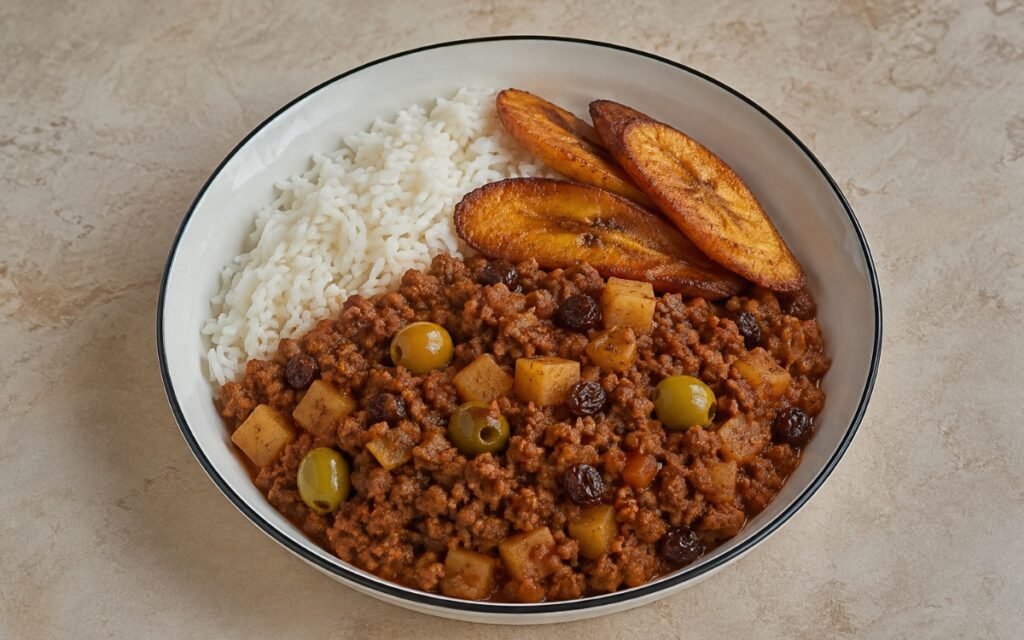
Cuban Picadillo
Seasoned ground beef simmered in a savory tomato sauce with green olives, raisins, and tender diced potatoes.
-
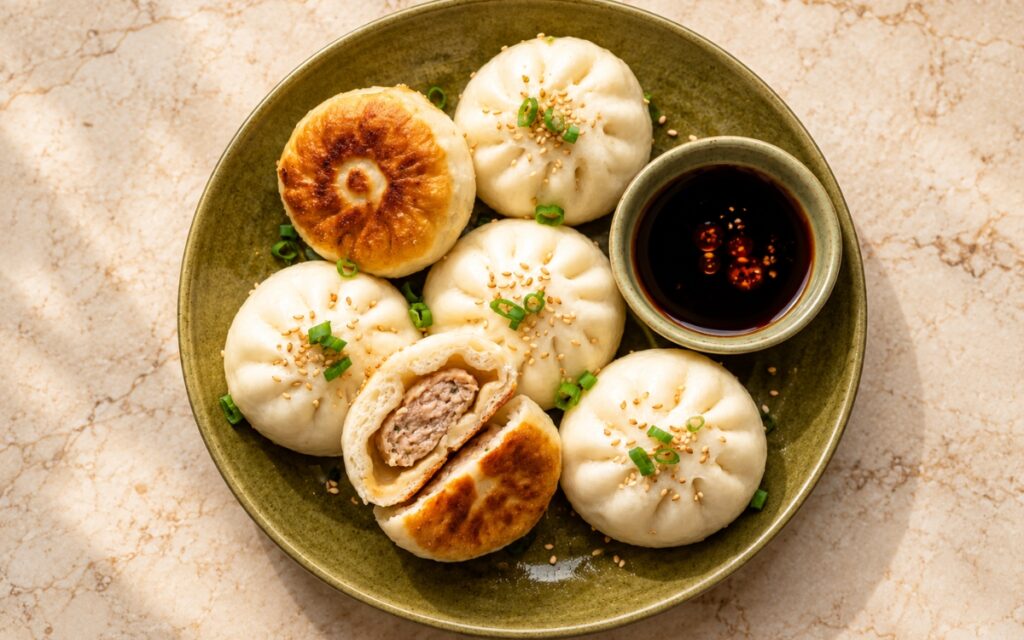
Pan-Fried Pork Buns / Sheng Jian Bao
Soft, pleated yeasted pork buns with juicy aspic-rich filling and deeply golden crisp bases, finished with sesame seeds and scallions beside a black vinegar dip.
-
Cannoli
Crisp blistered fried pastry shells filled with sweetened ricotta cream, finished with chopped pistachios, chocolate chips, and powdered sugar.

You might also like
You might also like
-
Flautas de Pollo
Spiced shredded chicken thighs rolled tightly in corn tortillas and fried until golden and crisp, served with chunky guacamole and bright salsa roja.
-
Puerto Rican Arroz con Gandules
Golden-orange Puerto Rican rice cooked in one pot with pigeon peas, sofrito, green olives, red bell pepper, and browned pork shoulder cubes.
-
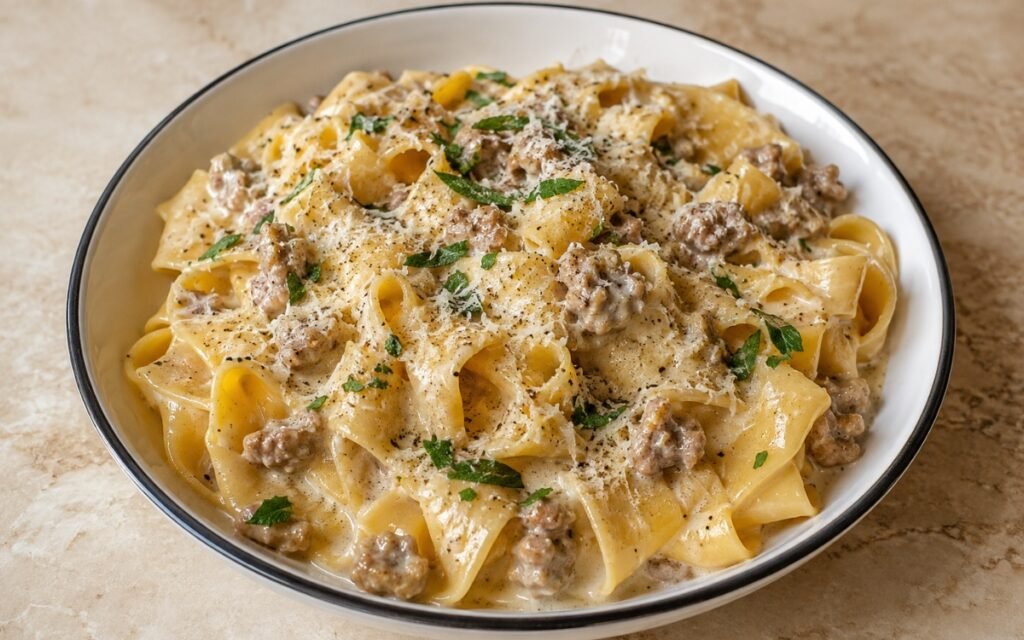
Pappardelle White Sausage Ragù
Wide pappardelle ribbons coated in a pale, glossy sausage ragù emulsified from browned sausage fat, pasta water, and Parmigiano-Reggiano.


Vietnamese Chicken Curry / Cà Ri Gà
Ingredients
Method
- Pat the 700g chicken thighs dry with paper towel and cut them into large, even pieces of about 4–5cm. In a mixing bowl, combine the 1½ tbsp curry powder, 1 tbsp fish sauce, 1 tsp sugar, ½ tsp turmeric, ½ tsp black pepper and the 2 minced garlic cloves. Add the chicken and mix thoroughly with your hands or a spoon until every piece is evenly coated. The marinade should cling as a genuinely thick, concentrated golden spice coating rather than pool as a watery liquid. Cover and refrigerate for 20–30 minutes. That dry, concentrated coating is what lets the curry powder season the chicken directly and toast properly when it hits the hot pot.
- While the chicken marinates, peel the 500g potatoes and cut them into large chunks of about 3–4cm, then cut the 250g carrots into thick rounds of 1.5–2cm. Thinly slice the onion, finely chop the 2 shallots and finely mince the 3 remaining garlic cloves. Trim the 3 lemongrass stalks, peel away the tough outer leaves and bruise the lower portions firmly with the back of a knife, then cut them into 5–6cm sections that will be easy to lift out later. Keep each ingredient in its own pile. That generous potato size is genuinely what lets the chunks survive the simmer without breaking down and releasing so much starch that the curry turns into a heavy potato stew.
- While the chicken finishes marinating, heat 1 tbsp neutral oil in a large heavy skillet over medium-high heat until it shimmers. Add the potato chunks in a single layer and cook for 4–6 minutes, turning occasionally, until lightly golden on several surfaces. The centres should still be firm and clearly raw when pierced with a knife; do not aim for crisp, fully fried potatoes. Transfer to a plate and set aside. If the oil starts to smoke, lower the heat slightly rather than letting the edges scorch. That light golden exterior is what develops a gentle roasted flavour and helps each chunk hold its structure through the long simmer ahead.
- Heat 2 tbsp neutral oil in a heavy-bottomed pot or Dutch oven over medium-high heat. Add the marinated chicken in a relatively even layer, working in two batches if the pot is crowded, and leave it undisturbed for 2–3 minutes per side, until the outside is lightly golden and smells of toasted curry. The chicken does not need to cook through at this stage. Transfer it to a plate, keeping any juices, and leave the browned spice residue in the pot. If the coating darkens quickly or smells sharp, lower the heat at once. That controlled medium-high heat, rather than maximum heat, is what browns the chicken without scorching the finely ground spices into bitterness.
- Reduce the heat to medium. Add the sliced onion and chopped shallots to the same pot and cook for 3–4 minutes, stirring occasionally, until softened and lightly golden. Add the 3 minced garlic cloves and the bruised lemongrass sections and cook for 1 minute, stirring continuously. Sprinkle in the 1 tbsp curry powder and cook for 30–45 seconds, until genuinely fragrant. If the pot looks dry or the spices start to catch, add a small splash of the measured chicken stock and scrape the bottom. Have the chicken and potatoes within reach before any liquid goes in. That short toasting of the aromatics is what cooks out any raw garlic or uncooked curry powder smell before the broth is built.
- Pour in about 200ml of the coconut milk, stirring and scraping to release the browned seasoning from the bottom of the pot. Cook gently for 2 minutes, letting the curry powder disperse into the coconut fat. Add the remaining 200ml coconut milk, the rest of the 400ml chicken stock, 1 tbsp fish sauce and 1 tsp sugar, and stir until fully combined. Return the browned chicken and any accumulated juices to the pot and bring to a gentle simmer over medium heat. The broth should turn a warm golden-yellow with a delicate sheen of spiced coconut fat. That first small addition of coconut milk is what blooms the curry powder in fat, so the colour and flavour spread evenly through the whole broth.
- Add the lightly fried potatoes and the carrot rounds and stir gently to distribute them among the chicken pieces. Bring back to a gentle simmer, partially cover and cook for 18–25 minutes, stirring carefully once or twice, until the chicken is tender and reaches 74°C / 165°F, the potatoes pierce easily with a knife and the carrots are tender but still hold their shape. The broth should be lightly thickened yet clearly pourable. If it reduces too quickly, add 50–100ml hot water or extra stock. Keep the bubbles small and lazy, never a rolling boil. That gentle, careful simmer is genuinely what keeps the coconut broth smooth and stops softening potatoes breaking apart and clouding the curry.
- As soon as the curry goes on to simmer, place the 200g jasmine rice in a fine sieve and rinse under cold water several times, until the water runs mostly clear, then drain thoroughly. Transfer to a small saucepan with the 270ml water and the ¼ tsp salt, if using, and bring to a boil over medium-high heat. Stir once, reduce the heat to the lowest setting, cover tightly and cook undisturbed for 12 minutes. Turn off the heat and leave it covered for another 10 minutes, then fluff gently with a fork. If your rice brand calls for a different water ratio, follow it. That covered rest is what redistributes the moisture and leaves distinct, tender grains with no excess water.
- Remove the lid and taste the broth. Add more fish sauce for savoury depth and saltiness, a small pinch of sugar if the spices feel harsh, and salt only if it still needs it. If the broth is too thick, loosen it with a little hot stock or water; if it is too thin, simmer uncovered for a few more minutes. Lift out and discard the lemongrass sections. The curry should taste warmly spiced, gently sweet from the coconut milk, savoury from the fish sauce and aromatic with lemongrass, never aggressively hot. That final tasting is what preserves the curry’s loose, broth-like character rather than reducing it into a heavy gravy.
- Divide the fluffed jasmine rice evenly among 4 bowls, each holding the cooked equivalent of about 50g uncooked rice, and keep it grouped neatly to one side. Spoon the curry beside the rice, giving each bowl about 175g raw-weight chicken, 125g potatoes, a generous share of carrots and plenty of golden coconut broth surrounding the chicken and vegetables. Scatter over the 15g cilantro leaves and finish with a light dusting of freshly cracked black pepper. Add lime wedges on the side, if using. Serve immediately, while the broth is hot and glossy. That side-by-side arrangement is what lets the rice soak up the broth gradually instead of turning soggy at once.