Traditional Spanish Espinacas con Garbanzos
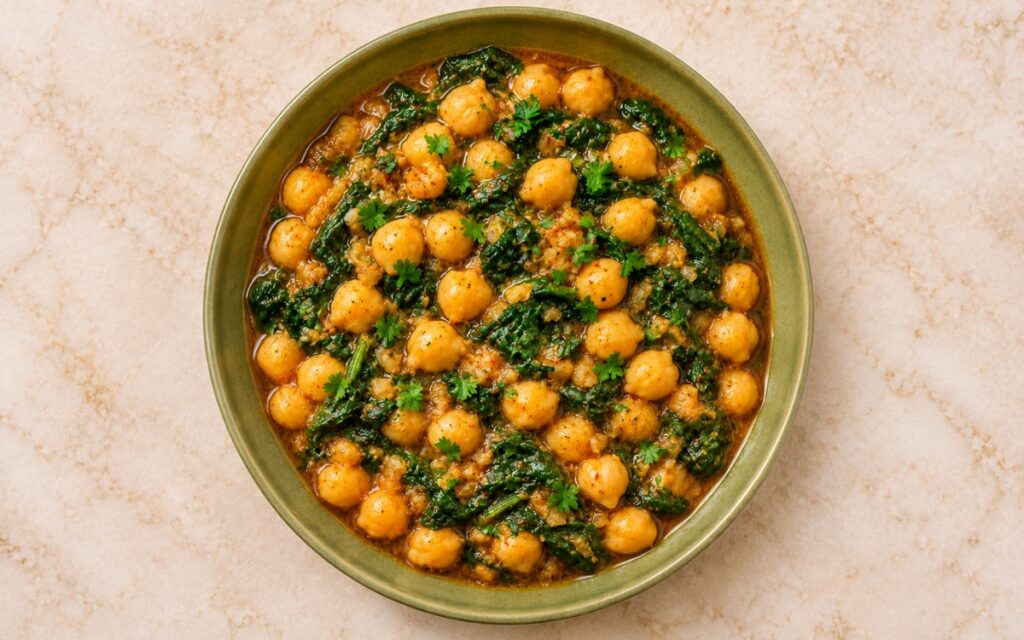
Traditional Spanish espinacas con garbanzos is an Andalusian dish, especially associated with Seville, of 650g of tender whole chickpeas and 500g of dark green spinach coated in a rustic, velvety sauce of garlic, smoked Spanish paprika, cumin, sherry vinegar, and olive oil, naturally thickened with a majado of fried bread and garlic instead of cream or flour, then finished with extra virgin olive oil and parsley. Frying the garlic and bread in olive oil and pounding them with the spices and a little chickpea liquid into a majado, rather than frying the paprika directly in hot oil, is the technique this whole dish depends on for a sauce that thickens, clings, and does not scorch — paprika burns in seconds over direct heat and turns bitter, the same protect-the-spice principle used elsewhere in this collection whenever a delicate ground spice goes into a sauce. Blanching the spinach and pressing it dry is what keeps the sauce from thinning. Simmering gently with minimal stirring is what keeps the chickpeas whole. The payoff is a dish with real, earthy depth — creamy chickpeas and soft green leaves in a thick, golden garlic-paprika coating.
- Prep Time : 15 min
- Total Time : 40 min
- Servings : 4
Ingredients
For the Chickpeas and Spinach
- 650g cooked chickpeas, drained (about 260g dried chickpeas before soaking and cooking)
- 500g fresh spinach leaves, washed and trimmed
- 6g fine sea salt, divided
For the Traditional Garlic and Bread Majado
- 50g day-old rustic white bread, crusts included, torn into pieces
- 25g garlic (about 5–6 cloves), peeled
- 50ml Spanish extra virgin olive oil
- 5g sweet Spanish smoked paprika (pimentón dulce de la Vera)
- 3g ground cumin (about 1½ tsp)
- 20ml sherry vinegar (vinagre de Jerez)
- 180ml chickpea cooking liquid or water, divided
- 1g freshly ground black pepper
For Finishing
- 10ml extra virgin olive oil
- 8g fresh flat-leaf parsley, roughly chopped
Directions
- Prepare the Chickpeas and Spinach
If you are using canned chickpeas, drain and rinse the 650g thoroughly, and if they are home-cooked, make sure they are fully tender but still round. Bring a large pot of lightly salted water to the boil, add the 500g spinach, and blanch for 1–2 minutes until just wilted and dark green. Drain it in a colander and press gently to remove excess water without crushing the leaves, leaving the small leaves whole and roughly chopping only the largest. Excess water is what would dilute the sauce, so drain the spinach thoroughly. - Fry the Garlic and Bread
Heat the 50ml olive oil in a large skillet over medium heat, add the 25g whole peeled garlic cloves, and cook for 2–3 minutes, turning now and then, until lightly golden and fragrant, and lift them out. Add the 50g torn bread to the same garlic-scented oil and fry for 3–4 minutes, turning until it is golden-brown and crisp on all sides, then remove it and leave the flavoured oil in the skillet. Neither should show dark burnt patches. Their flavour concentrates in the sauce, so golden rather than dark browning is what avoids bitterness. - Make the Majado
Put the fried garlic and bread in a mortar or small food processor with the 3g cumin, 5g smoked paprika, 1g black pepper, 20ml sherry vinegar, and about 80ml of the chickpea cooking liquid or water. Pound or pulse to a thick, relatively smooth, reddish-golden paste, leaving a few very small bread and garlic fragments for a rustic texture, and add another 15–30ml of the liquid if it is too stiff to mix. It should coat the chickpeas without becoming a thin purée. Mixing the paprika into the paste is what protects it from scorching. - Combine the Spinach and Chickpeas
Return the skillet with the flavoured oil to medium-low heat, add the drained spinach, and sauté for about 2 minutes, stirring gently to cook off any remaining moisture. Stir in the majado until the leaves are coated, add the 650g chickpeas and the remaining cooking liquid, about 70–100ml, and season with 4g of the 6g salt. Fold gently so the chickpeas stay whole, reduce the heat to low, and simmer uncovered for 7–10 minutes, stirring only occasionally, until the sauce turns glossy and clings, adding a splash of hot water if it becomes too thick. Gentle folding is what keeps the chickpeas intact. - Finish and Serve
Taste and add some or all of the remaining 2g salt if needed, then take the pan off the heat and rest it for 2 minutes so the sauce settles and thickens slightly. Spoon the mixture into 4 shallow bowls, arranging the chickpeas prominently with the dark green spinach showing between them, and drizzle the 10ml olive oil evenly over the servings. Scatter the 8g chopped parsley lightly across the top and serve warm, so the sauce coats the chickpeas instead of pooling around them. A short rest is what lets the bread-thickened sauce reach its final spoonable body.
*Notes :
- Making the majado deserves genuine recognition as the technique most directly responsible for the characteristic Sevillian sauce. Fried bread and garlic pounded with cumin, paprika, vinegar, and a little chickpea liquid form a flavourful paste that thickens the dish as it simmers, which is why it needs neither cream nor flour and why skipping it leaves a thin, flat-tasting broth.
- Blanching the spinach and pressing it dry deserves the same attention this technique receives throughout this collection’s other leafy-green dishes. Spinach holds a surprising amount of water, and any left in the leaves seeps into the sauce and dilutes it, whereas a well-drained, briefly cooked leaf stays dark emerald and folds into the glossy coating.
- Stirring paprika into the majado instead of frying it in the oil deserves genuine respect as the detail most directly responsible for a warm, smoky, never bitter sauce. Ground paprika scorches within seconds in hot oil and turns acrid, whereas a paste of bread, garlic, and liquid distributes it safely and mellows it.
- Keeping the heat low and the stirring light deserves attention as a genuine, checkable handling cue rather than a casual detail. The sauce should coat tender, intact chickpeas and recognisable spinach leaves, whereas vigorous stirring breaks the chickpeas, shreds the leaves, and over-reducing leaves a dry, pasty dish instead of a moist, spoonable one.
Why This Recipe Works
This recipe works because the sauce is built from the dish’s own ingredients. Garlic and bread fried until golden and pounded with paprika, cumin, sherry vinegar, and chickpea liquid make a majado that thickens the pot without cream or flour. Spinach blanched and pressed dry cannot dilute it, and a low, gentle simmer lets the paste cling while the chickpeas stay whole. A little vinegar keeps the olive oil from tasting heavy. The result is a rustic, velvety, deeply savoury dish of creamy chickpeas and tender leaves.
Ingredient Breakdown
Cooked Chickpeas (650g)
The hearty foundation — tender, creamy, whole chickpeas absorb the sauce and give the dish its substance and body.
Fresh Spinach (500g)
The green counterpoint — briefly blanched and pressed dry, it stays dark and leafy and adds a mineral freshness.
Fried Bread and Garlic Majado
The critical technique — a pounded paste of golden bread and garlic thickens the sauce naturally without cream or flour.
Smoked Paprika and Cumin
The warm spice base — pimentón de la Vera and ground cumin give smoky, earthy depth to the golden sauce.
Sherry Vinegar (20ml)
The balancing acid — it lifts the oil and spices so that the sauce tastes bright rather than heavy.
Extra Virgin Olive Oil and Parsley
The finishing touch — a final drizzle and a scatter of parsley add fruity gloss and fresh green flavour.
Flavor Structure Explained
This Spanish espinacas con garbanzos follows a layered balance model:
- Creamy, earthy foundation (whole cooked chickpeas)
- Fresh, mineral green layer (blanched spinach)
- Warm, smoky depth (smoked paprika, cumin, and fried garlic)
- Savoury, thickened body (fried bread majado)
- Bright, fruity finish (sherry vinegar, olive oil, and parsley)
The chickpeas provide a creamy, earthy foundation, and the blanched spinach adds a fresh, mineral green layer on top. Smoked paprika, cumin, and fried garlic bring a warm, smoky depth, while the bread majado gives a savoury, thickened body that makes the sauce cling. Sherry vinegar, olive oil, and parsley finish with a bright, fruity lift that ties this Sevillian dish together.
Common Mistakes to Avoid
- Leaving the Spinach Wet – This floods the pan and dilutes the sauce so it cannot cling. Always press the blanched spinach in a colander until most of the water is gone.
- Burning the Garlic or Bread – This puts a bitter note into the entire sauce. Always fry both only until golden, not dark brown.
- Frying the Paprika Directly – This scorches the spice and turns it acrid. Always mix it into the majado paste so it is protected by the other ingredients.
- Stirring Too Vigorously – This breaks the chickpeas and shreds the spinach leaves. Always fold gently and stir only occasionally over low heat.
- Over-Reducing the Sauce – This leaves a dense, dry, pasty dish. Always add a splash of hot water if the sauce becomes too thick and keep it moist and spoonable.
Variations
Dried Chickpea Version
Soak about 260g of dried chickpeas for 10–12 hours and simmer them in fresh water until fully tender, usually 75–120 minutes, which gives the best traditional texture although it adds considerable time.
Unsmoked Paprika Version
Use sweet unsmoked Spanish paprika instead of pimentón de la Vera, which keeps the dish authentic but removes the smoky warmth, so the flavour is gentler and rounder.
Extra Vinegar Version
Add a few more drops of sherry vinegar at the end if the dish tastes flat, taking care that the sauce does not become sharply sour.
Tapas Bowl Version
Serve smaller spoonfuls in individual dishes with crusty bread as part of a tapas spread, instead of four shallow bowls, using the same warm, rustic preparation.
Storage & Make-Ahead
Refrigerate the dish in an airtight container at 4°C or below for up to 3 days, because the flavours of the garlic, cumin, and paprika deepen as it sits.
Reheat gently over medium-low heat with a small splash of water to restore the sauce consistency, since the bread-thickened sauce tightens as it cools.
If you are cooking dried chickpeas, soak and simmer them ahead of time and store them in their cooking liquid, which can then be used for the majado.
Blanch and drain the spinach ahead of time if you like, but press it dry again before it goes into the skillet so that it does not water down the sauce.
Serve the dish warm rather than piping hot, finishing with a fresh drizzle of olive oil and parsley after reheating, since both lose their brightness when cooked again.
Frequently Asked Questions
Why is the spinach blanched and pressed dry?
Spinach holds a lot of water, and any left on the leaves would seep into the pan and thin the sauce, so drained, briefly blanched leaves stay dark green and let the sauce coat the chickpeas.
Why is a majado used instead of cream or flour?
The pounded fried bread and garlic thicken the sauce naturally and add flavour at the same time, giving a velvety, rustic consistency that cream or flour would make heavier or blander.
Why is the paprika mixed into the majado rather than fried in oil?
Ground paprika scorches in seconds over direct heat and turns bitter, but blended into a paste with bread, garlic, vinegar, and liquid, it is protected and stays warm and smoky.
Why are the chickpeas folded gently and the pan kept on low?
Stirring hard breaks the tender chickpeas and shreds the leaves, whereas gentle folding and a low simmer let the bread-thickened sauce cling to whole chickpeas and leafy spinach.
Are there other classic chickpea, spinach, or legume stew dishes worth trying?
Chana Masala and Indian Butter Chickpea Bowl both offer other classic chickpea dishes worth exploring, and Palak Chicken Curry is also worth trying for another way of cooking spinach in a spiced sauce. Traditional Turkish Kuru Fasulye is a hearty white bean stew in the same legume direction, while Sourdough Bread is a bread worth baking for soaking up the garlic and paprika sauce.
Nutrition Facts
( Per Serving )
- Calories
- ~460 kcal
- Protein
- 19 g
- Fat
- 20 g
- Carbs
- 56 g
-

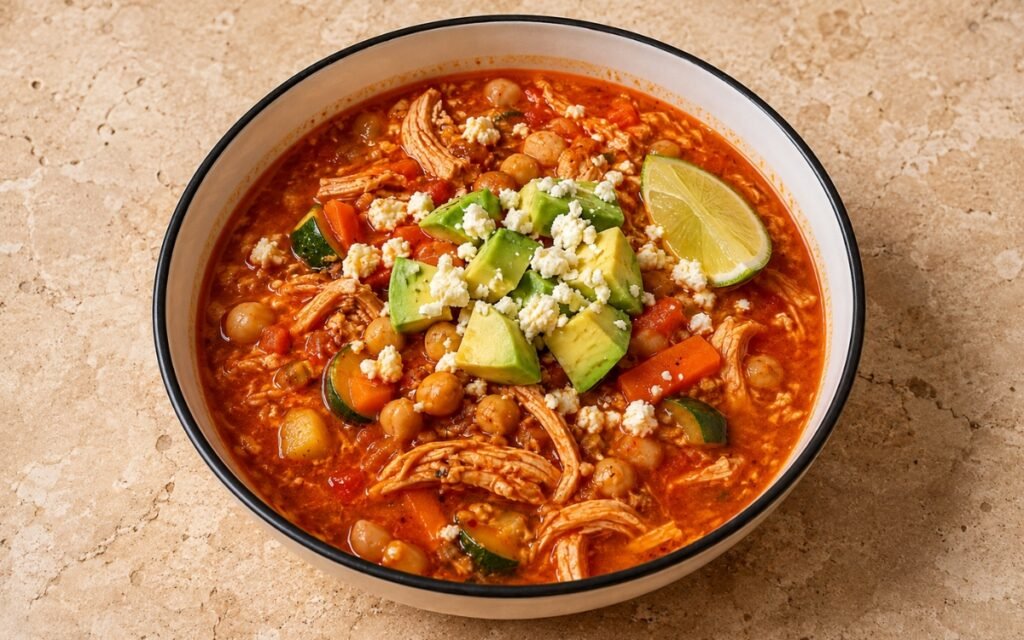
Caldo Tlalpeño
A clear chipotle-tomato chicken broth with shredded chicken, chickpeas, carrots, and zucchini, finished with avocado and queso fresco.
-
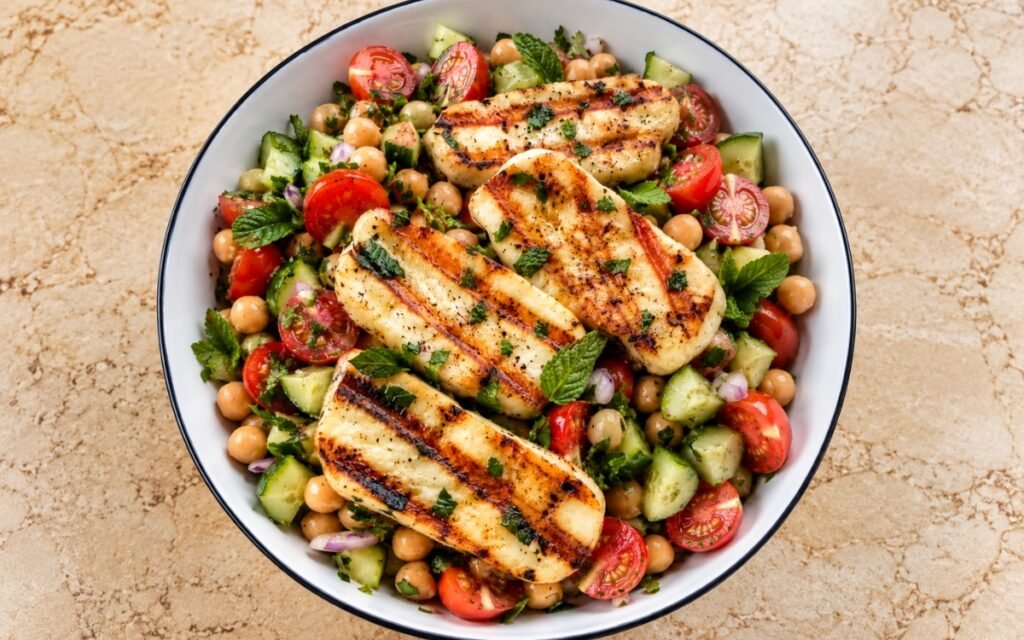
Grilled Halloumi Chickpea Salad
Chickpeas, cherry tomatoes, cucumber, red onion, parsley, and mint dressed with lemony olive oil, topped with warm grilled halloumi.
-
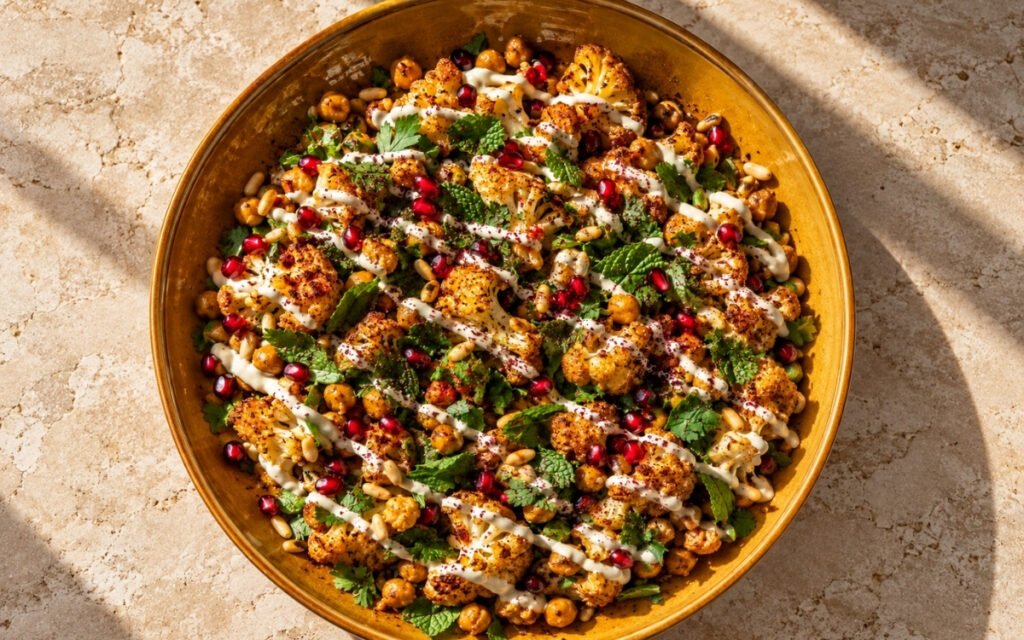
Roasted Cauliflower and Chickpea Salad with Tahini
Golden roasted cauliflower and crisp chickpeas with lemon-tahini sauce, fresh herbs, pomegranate, and toasted pine nuts.
-
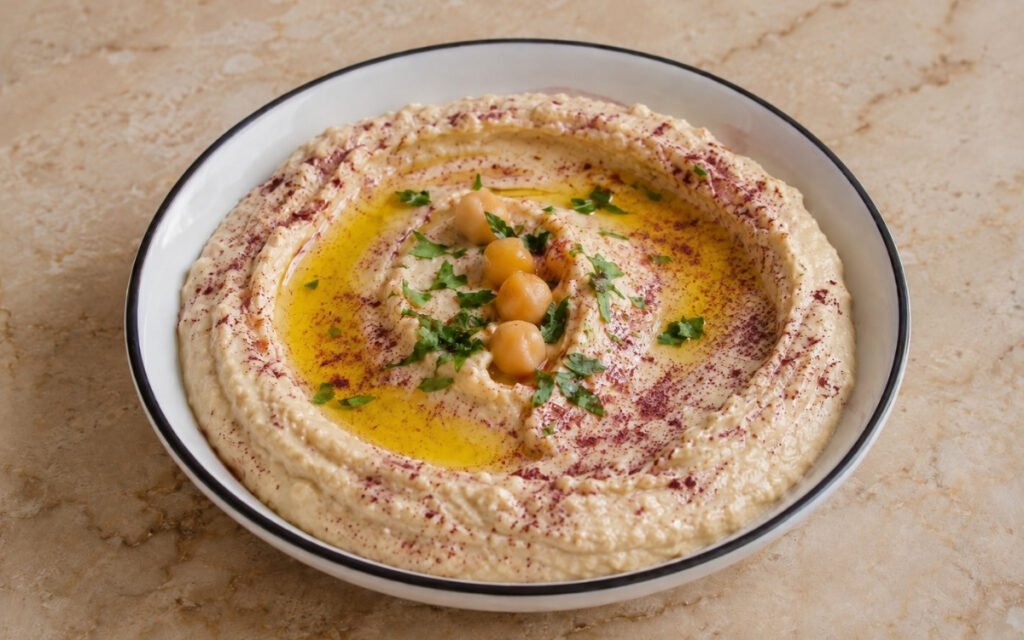
Classic Hummus
Dried chickpeas cooked with baking soda, processed warm with tahini, lemon, and garlic, emulsified with ice-cold water — the ultra-smooth base hummus that every flavoured variation is built on.
-
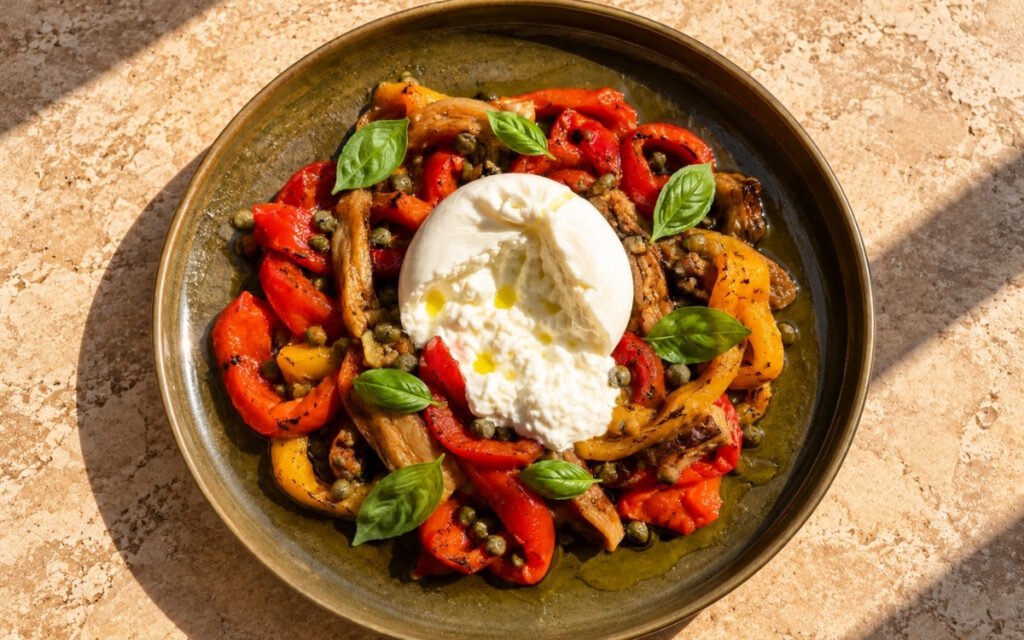
Spanish Escalivada with Burrata & Capers
Fully roasted peppers, eggplant, and onion, peeled and torn into soft smoky strips, dressed with olive oil, finished with torn burrata, capers, and basil.
-
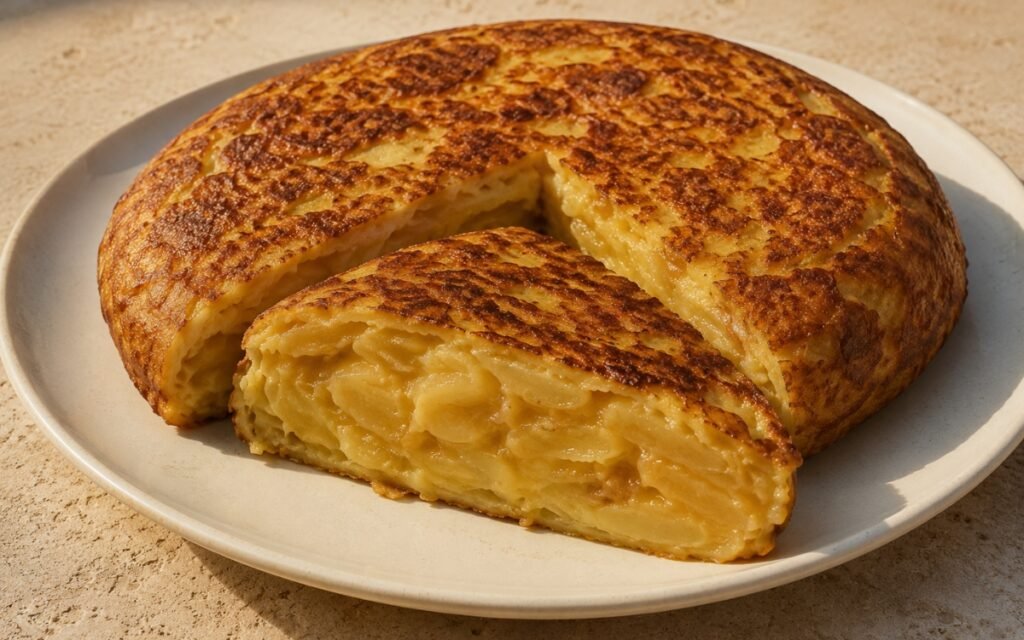
Spanish Tortilla / Tortilla Española
Thin potato slices gently cooked in olive oil, folded into beaten eggs, and cooked slowly for a golden exterior and soft, custardy centre.