
Caldo Tlalpeño
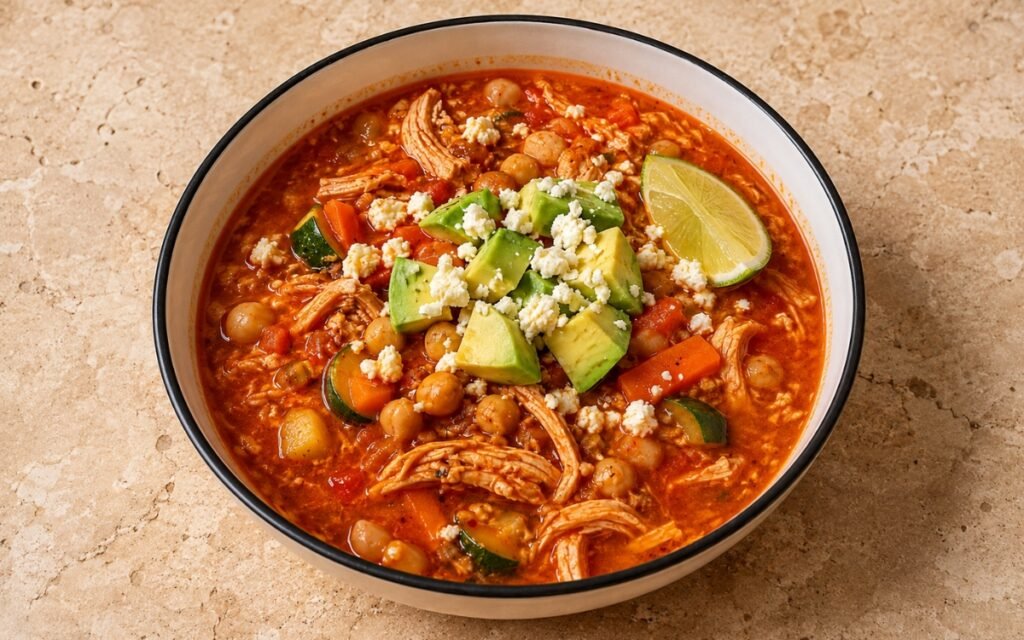
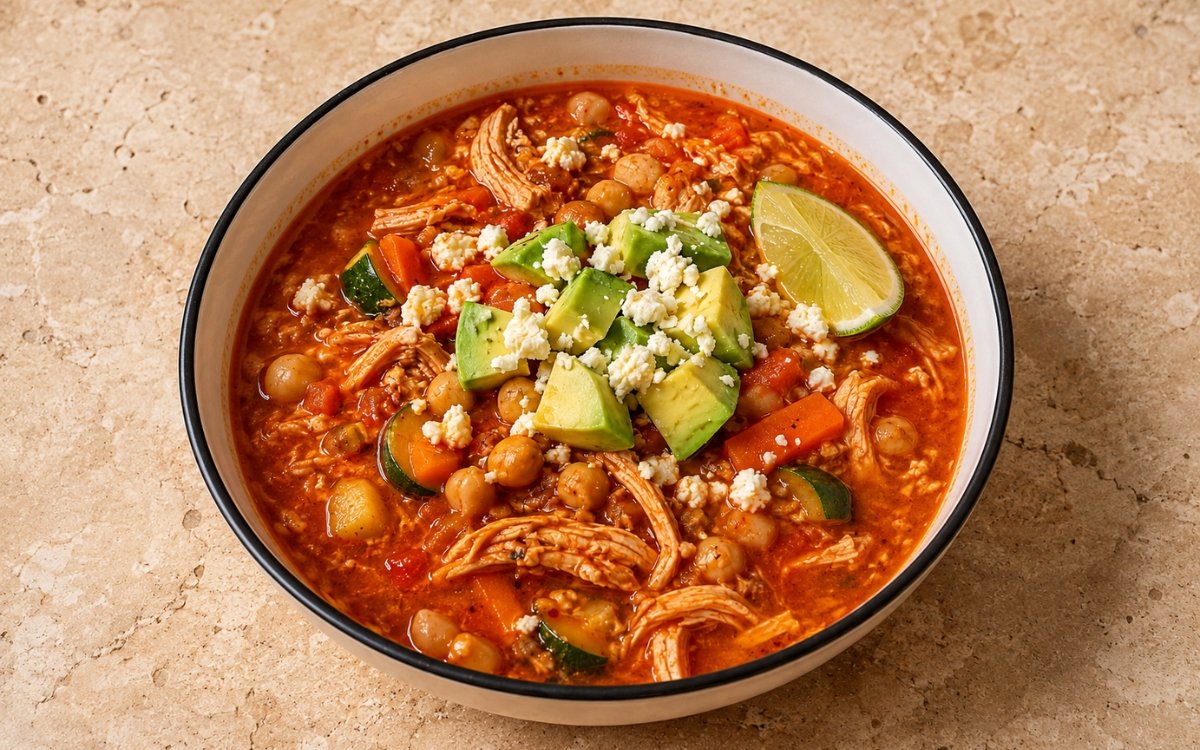
Caldo Tlalpeño is a classic Mexican chicken soup with a clear but flavorful chipotle-tomato broth, shredded chicken, chickpeas, carrots, and zucchini, finished with avocado, queso fresco, and lime. The key is building a clean chicken broth first, then deepening it with a properly cooked tomato-chipotle base so the soup stays brothy rather than turning into a thick stew. The result should taste bright, lightly smoky, gently spicy, and deeply comforting — rich enough to feel complete, but still fresh and clean. Cooking the blended chipotle-tomato base thoroughly before it ever meets the broth is the technique this whole soup depends on — a base that still smells raw and sharp when added produces a finished soup that tastes flat and harsh no matter how carefully everything afterward is handled, the same cook-the-base-fully-first principle used elsewhere in this collection whenever a blended sauce needs real time over heat to lose its raw edge before joining a larger liquid. Keeping the shredded chicken in generous, visible strands rather than fine shreds is what gives this soup its characteristic texture. Adding the avocado and queso fresco only at serving, never simmered into the pot, is what preserves their fresh, distinct contrast against the hot broth. The payoff is a bowl with real, deliberate contrast — hot, lightly smoky broth against tender chicken, soft chickpeas, cool fresh avocado, salty queso fresco, and bright lime.
Prep Time : 25 min
Cook Time : 1 hr, 5 min
Servings : 4
25 min
1 hr, 5 min
4
Ingredients
For the Chicken and Broth
• 800g bone-in chicken thighs, or a mix of thighs and breast
• 2 litres water
• 1 medium white onion, halved
• 5 garlic cloves
• 2 bay leaves
• 10 black peppercorns— this one on Amazon
• 2 tsp fine sea salt, plus more to taste
For the Chipotle-Tomato Base
• 15ml neutral oil
• 500g ripe tomatoes, roughly chopped, or canned whole peeled tomatoes
• 60g white onion, roughly chopped
• 2 garlic cloves
• 2–3 chipotle chiles in adobo— this one on Amazon
• 1 tbsp adobo sauce from the can
• 1 tsp dried Mexican oregano — this one on Amazon
• 1 small sprig epazote, optional but very classic
For the Soup
• 200g carrots, peeled and cut into medium chunks
• 250g zucchini, cut into medium chunks or thick half-moons
• 240g cooked chickpeas, drained and rinsed
• 1 tbsp fresh lime juice, or to taste
For Finishing and Serving
• 1–2 avocados, diced
• 80–100g queso fresco, crumbled— this one on Amazon
• 1–2 limes, cut into wedges
• Fresh cilantro leaves, optional
• Fine sea salt, to taste
This post may contain affiliate links. As an Amazon Associate I earn from qualifying purchases, at no additional cost to you.
Directions
- Make the Chicken Broth
Place the chicken in a medium-large pot and add the water, halved onion, garlic cloves, bay leaves, peppercorns, and 2 tsp salt. Bring to a gentle boil over medium heat, then immediately lower to a very gentle simmer. Skim off any foam that rises during the first 10–15 minutes. Simmer for 30–35 minutes, or until the chicken is fully cooked and tender. Remove the chicken and set it aside until cool enough to handle. Strain the broth and discard the solids. You should have a clean, lightly golden broth. The broth should taste clearly of chicken and aromatics, but still clean and light. It should not be cloudy or greasy. Skimming diligently in that early window, when the most concentrated release of foam and impurities happens, is what sets this broth’s clean, light character for the rest of the cook. - Shred the Chicken
Once the chicken is cool enough to handle, remove and discard the skin and bones. Shred the meat into medium bite-sized strands. Set the shredded chicken aside. Do not shred the chicken too finely. Caldo Tlalpeño should have visible, generous strands of chicken that stay distinct in the soup. Keeping the strands genuinely substantial, rather than shredding down to fine threads, protects the chicken’s own texture and presence in the finished bowl — overly fine shreds tend to disperse and lose their distinct identity once stirred into the broth and simmered further. - Build the Chipotle-Tomato Base
In a blender, combine the tomatoes, the chopped onion, the 2 garlic cloves, the chipotle chiles, the adobo sauce, and the dried oregano. Blend until smooth. Heat the oil in a pot over medium heat. Pour in the blended mixture carefully and cook for 8–10 minutes, stirring occasionally, until it darkens slightly, thickens a little, and loses its raw tomato smell. If using epazote, add it now. This stage matters. The tomato-chipotle mixture should be properly cooked before the broth is added. If it still smells raw and sharp, the finished soup will taste flat and harsh. This active cooking stage is what transforms the blended mixture from raw, sharp-tasting purée into a genuinely developed flavour base — that transformation simply doesn’t happen once the base is diluted into the much larger volume of broth that follows, which is exactly why it needs to happen fully here, first. - Turn It Into Soup
Pour the strained chicken broth into the cooked tomato-chipotle base and stir well. Bring to a gentle simmer. Add the carrots first and cook for 10 minutes. Then add the chickpeas and zucchini. Simmer for another 8–10 minutes, until the carrots are tender, the zucchini is cooked but not collapsing, and the chickpeas are fully warmed through. Add the shredded chicken back to the pot and simmer for 3–4 minutes more, just until heated through. Taste and adjust with more salt as needed. Add 1 tbsp fresh lime juice, or to taste. The broth should be golden-red, lightly smoky, and brothy — not thick like a sauce. The vegetables should stay intact and distinct rather than melting into the soup. Returning the chicken to the pot only near the very end, after the vegetables are already close to done, is what keeps it from overcooking during this final simmering stage — it was already fully cooked during the initial broth-making, so it only needs to be reheated through here, not cooked further. - Finish and Serve
Ladle the soup into bowls. Top each serving with diced avocado and crumbled queso fresco. Serve with lime wedges on the side and, if you like, a little fresh cilantro. Serve immediately while the broth is hot and the avocado stays fresh and cool against the soup. The final bowl should have contrast — hot smoky broth, tender chicken, soft chickpeas, fresh avocado, salty queso fresco, and bright lime. Adding the avocado and queso fresco only at the very moment of serving, rather than into the simmering pot, is what preserves their genuinely fresh, cool, distinct character against the hot broth — either ingredient would soften and lose that contrast if it spent any real time simmering.
*Notes :
- Cooking the blended chipotle-tomato base thoroughly before it ever meets the broth deserves to be understood as the single step most responsible for whether this soup tastes properly developed or flat and harsh. A blended purée straight from the blender, however good its individual ingredients, still tastes distinctly raw — that sharp, uncooked edge doesn’t simply disappear once the mixture is diluted into a much larger volume of broth. It needs real, active cooking time in the pot first, specifically to lose that raw quality before the broth ever joins it.
- Keeping the shredded chicken in generous, visible strands rather than fine shreds is worth treating as a genuine textural decision defining this soup’s character. Caldo Tlalpeño is meant to read as a chicken-forward soup with real, identifiable pieces of meat throughout — chicken shredded too finely tends to disperse into the broth and lose that distinct presence, shifting the soup’s whole texture toward something closer to a thinner, less substantial result.
- The staged vegetable additions here follow the same logic used throughout this collection’s other brothy soups — carrots, needing more time, go in well before the quicker-cooking zucchini and chickpeas. That staging is what lets every component finish properly tender at roughly the same point rather than some overcooking while others remain underdone.
- Reserving the avocado and queso fresco entirely for the serving stage, never letting either simmer in the pot, protects a genuine and important contrast this soup depends on. Both ingredients bring something specifically fresh and cool against the hot, smoky broth — simmering either would soften that contrast considerably, working against the very quality that makes the finished bowl feel complete rather than simply hot and one-dimensional.
Why This Recipe Works
This recipe works because the chipotle-tomato base is cooked thoroughly before ever meeting the broth, losing its raw edge and developing real depth that dilution alone wouldn’t achieve. The chicken broth is built with careful early skimming for genuine clarity, and the chicken itself is shredded into generous strands that stay distinct throughout the soup.
Vegetables are staged according to their own cooking times, and the already-cooked chicken is returned to the pot only briefly near the end to avoid overcooking. Reserving avocado and queso fresco for serving, rather than the simmering pot, preserves the fresh, cool contrast that makes this soup’s final bowl feel genuinely complete.
Ingredient Breakdown
Bone-In Chicken Thighs
he protein foundation — provides a richer, more rounded broth than boneless chicken alone would produce.
Thoroughly Cooked Chipotle-Tomato Base
The critical flavour foundation — actively cooked before joining the broth, losing its raw edge and developing real depth.
Generously Shredded Chicken
The textural choice — kept in visible, substantial strands rather than fine shreds, preserving distinct presence in the finished soup.
Staged Carrot, Chickpea, and Zucchini Additions
The technique — timed according to each vegetable’s own cooking needs, letting everything finish tender together.
Fresh Avocado and Queso Fresco (Added at Serving)
The finishing contrast — kept entirely off the heat, preserving their cool, fresh character against the hot broth.
Flavor Structure Explained
This caldo Tlalpeño follows a layered balance model:
- Clean savoury foundation (gently simmered chicken broth)
- Smoky, deeply cooked depth (chipotle-tomato base)
- Distinct hearty body (chicken, carrots, chickpeas, zucchini)
- Fresh cool contrast (avocado, queso fresco)
- Bright citrus finish (fresh lime)
Clean, gently simmered chicken broth provides this soup’s light, genuinely savoury foundation. The thoroughly cooked chipotle-tomato base layers in smoky, developed depth without ever turning the broth heavy or thick. Generous shredded chicken, tender carrots, soft chickpeas, and intact zucchini give the soup real, distinct body. Fresh avocado and crumbled queso fresco, added only at serving, provide cool, creamy, salty contrast against the hot broth. A final squeeze of fresh lime brightens every bowl right before eating.
Common Mistakes to Avoid
- Adding the Blended Base to the Broth Without Cooking It First – This leaves the finished soup tasting flat and raw. Always cook the tomato-chipotle base thoroughly before combining it with the broth.
- Shredding the Chicken Too Finely – This causes it to disperse and lose its distinct presence in the soup. Always keep the strands generous and visible.
- Adding All the Vegetables at Once – This risks some overcooking while others remain underdone. Always stage the carrots before the quicker-cooking chickpeas and zucchini.
- Simmering the Avocado or Queso Fresco in the Pot – This softens their fresh, cool contrast against the hot broth. Always add both only at the moment of serving.
- Returning the Chicken to the Pot Too Early – This risks overcooking meat that was already fully cooked during the initial broth stage. Always add it back only near the very end, just to reheat.
Variations
Extra-Smoky Version
Use 3 chipotle chiles instead of 2 for a more assertive, smokier finished broth.
With Rice
Add a small amount of cooked rice to each bowl for a heartier, more traditional variation some versions include.
Extra-Herbal Version
Include the optional epazote for its classic, distinctly Mexican herbal note.
Boneless Chicken Version
Substitute boneless chicken thighs or breast if bone-in isn’t available, accepting a somewhat lighter, less rounded broth.
Storage & Make-Ahead
This soup reheats very well. If making ahead, keep the toppings separate and add them fresh when serving.
The broth and chicken can be made a day or two ahead and refrigerated separately, combined and finished with vegetables closer to serving time.
The chipotle-tomato base can be made ahead and refrigerated in a sealed container for a few days before being combined with the broth.
Frequently Asked Questions
Why does the chipotle-tomato base need to be cooked before it’s added to the broth?
A blended purée straight from the blender still tastes distinctly raw, and that sharp edge doesn’t simply disappear once diluted into a larger volume of broth. Active cooking time in the pot first is what allows the base to lose that raw quality and develop real depth.
Why does the chicken need to be shredded into generous strands rather than finely?
Caldo Tlalpeño is meant to read as a chicken-forward soup with real, identifiable pieces of meat throughout. Chicken shredded too finely tends to disperse into the broth, losing that distinct presence and shifting the soup toward a thinner, less substantial result.
Why are the avocado and queso fresco added only at serving instead of into the simmering pot?
Both ingredients bring specifically fresh, cool contrast against the hot, smoky broth. Simmering either would soften that contrast considerably, working against the quality that makes the finished bowl feel genuinely complete rather than simply hot and one-dimensional.
Why is the chicken returned to the pot only near the very end?
The chicken was already fully cooked during the initial broth-making stage, so this final addition is meant only to reheat it, not cook it further. Adding it back too early risks overcooking meat that’s already properly done.
Are there other classic Mexican soups or accompaniments worth trying?
Sopa de Tortilla and Pozole Rojo both offer other classic, brothy Mexican soup directions worth exploring. Sopa de Albóndigas and Caldo de Res are also worth trying for different hearty Mexican soup styles, and Classic Guacamole makes a great addition alongside this meal.
Nutrition Facts
( per serving )
Calories
~480 kcal
Protein
36 g
Fat
24 g
Carbs
32 g
Calories
~480 kcal
Protein
36 g
Fat
24 g
Carbs
32 g
Related Recipes
Related Recipes

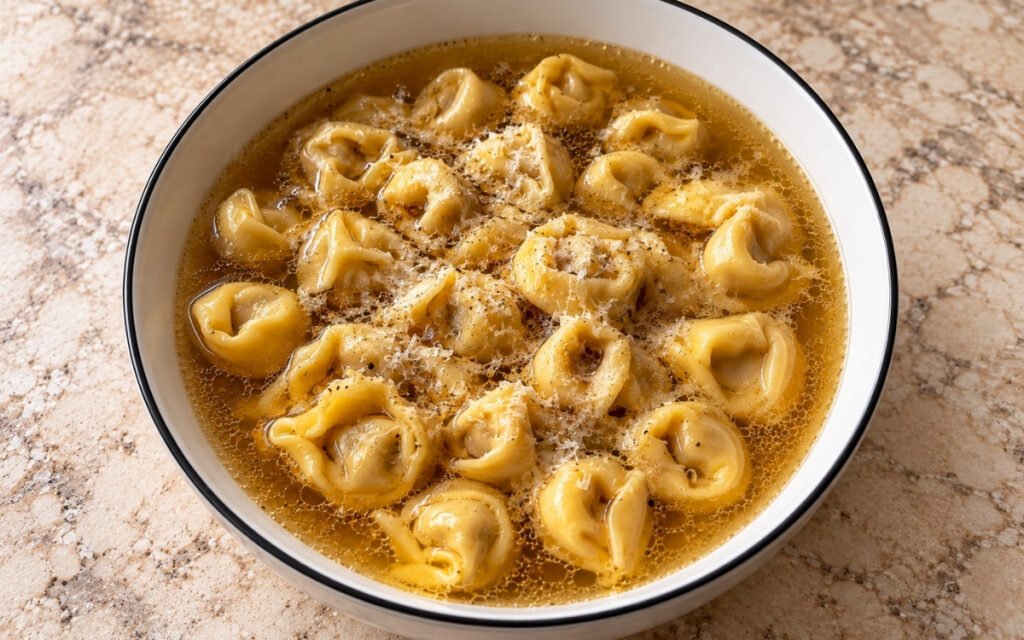
Tortellini in Brodo
Small meat tortellini in a clear, golden, deeply savory beef and chicken broth, finished simply with Parmigiano-Reggiano.
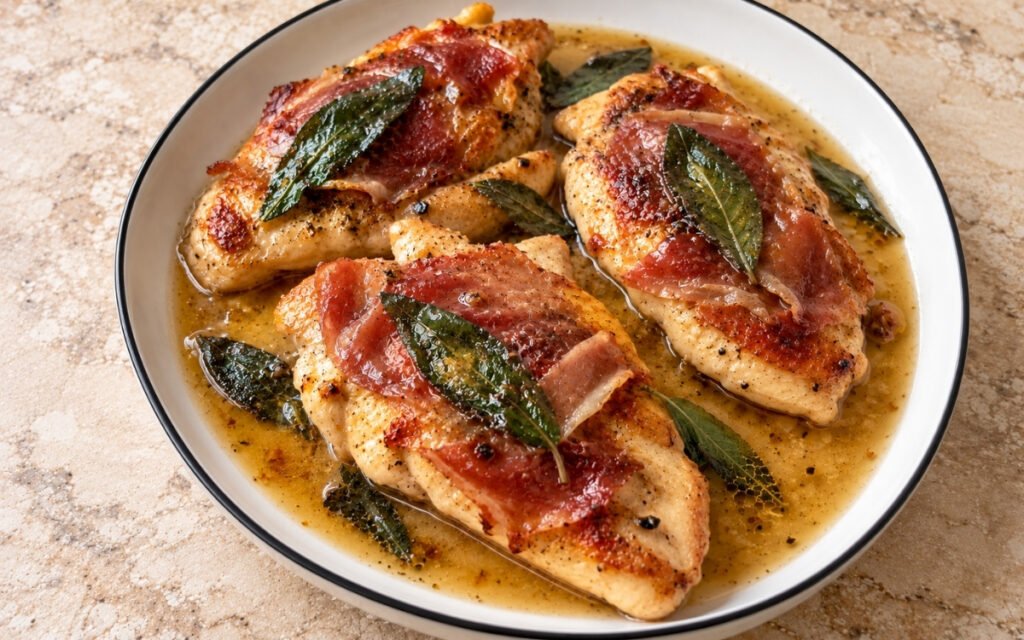
Chicken Saltimbocca
Thin seared chicken cutlets topped with prosciutto and sage, finished in a glossy buttery white wine pan sauce.
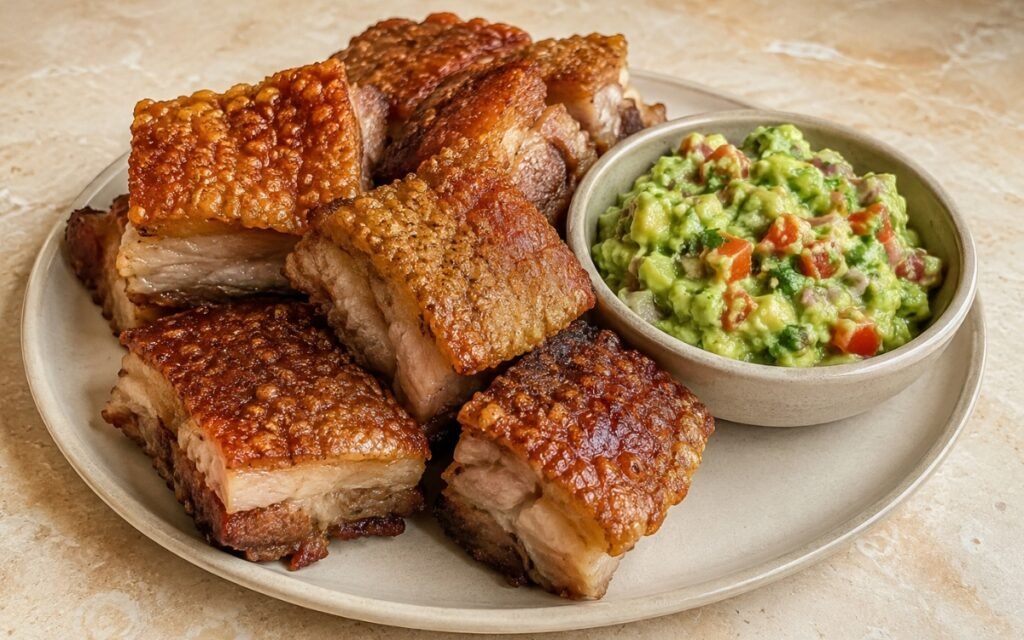
Crispy Pork Belly Chicharrón
Skin-on pork belly simmered, dried, and double-fried until the skin is blistered and crisp over rendered fat and tender meat, served with chunky guacamole.
You might also like
You might also like
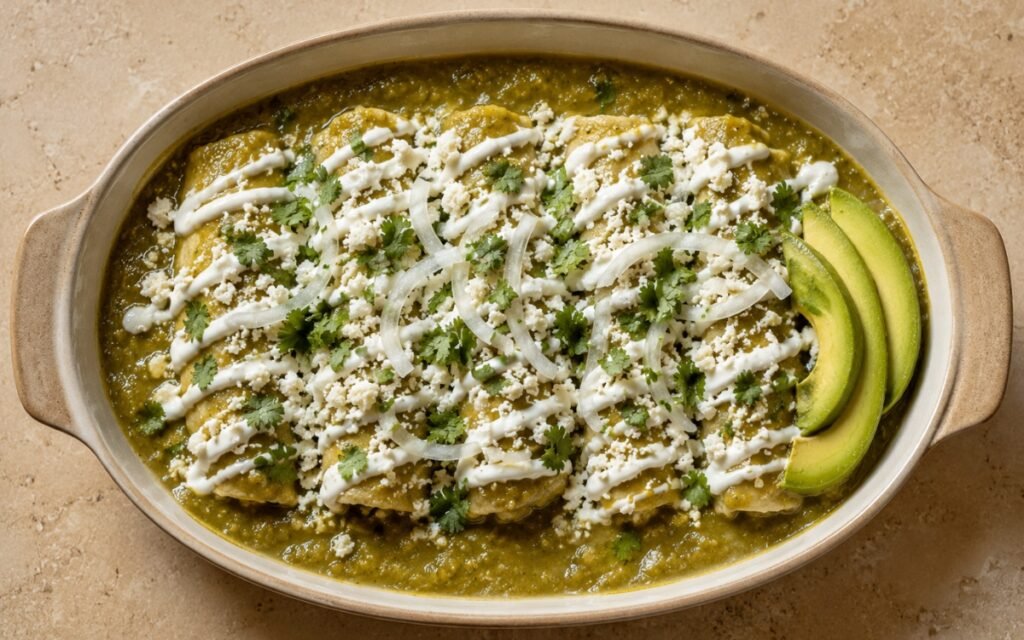
Enchiladas Verdes
Corn tortillas rolled with tender shredded chicken, coated in a vivid roasted tomatillo salsa verde, and topped with queso fresco and crema.
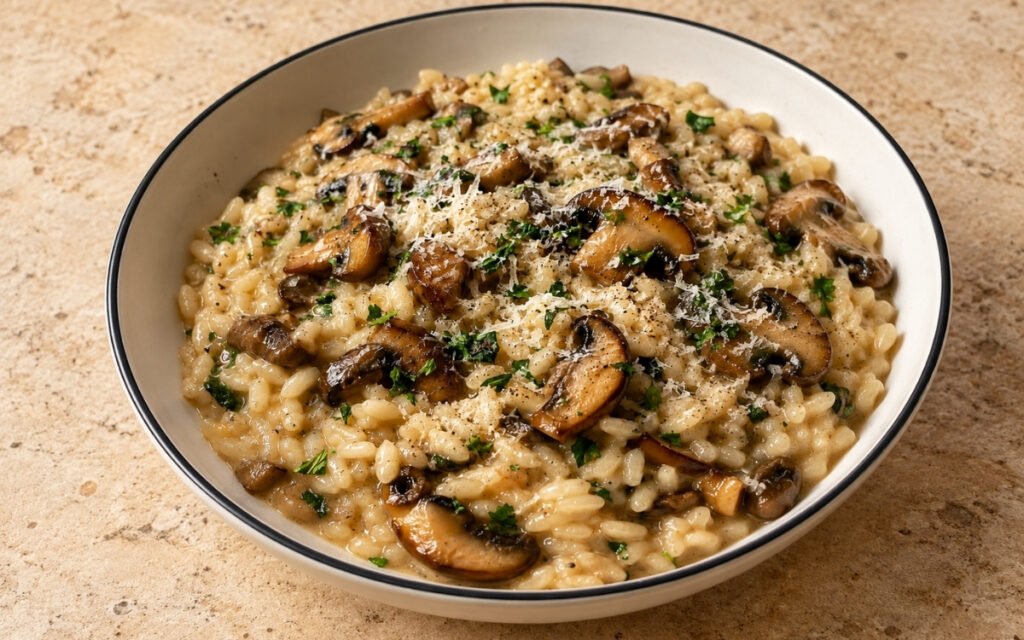
Mushroom Risotto
Creamy Arborio or Carnaroli rice with browned meaty mushrooms, white wine, shallot, and Parmesan, finished loose and silky.
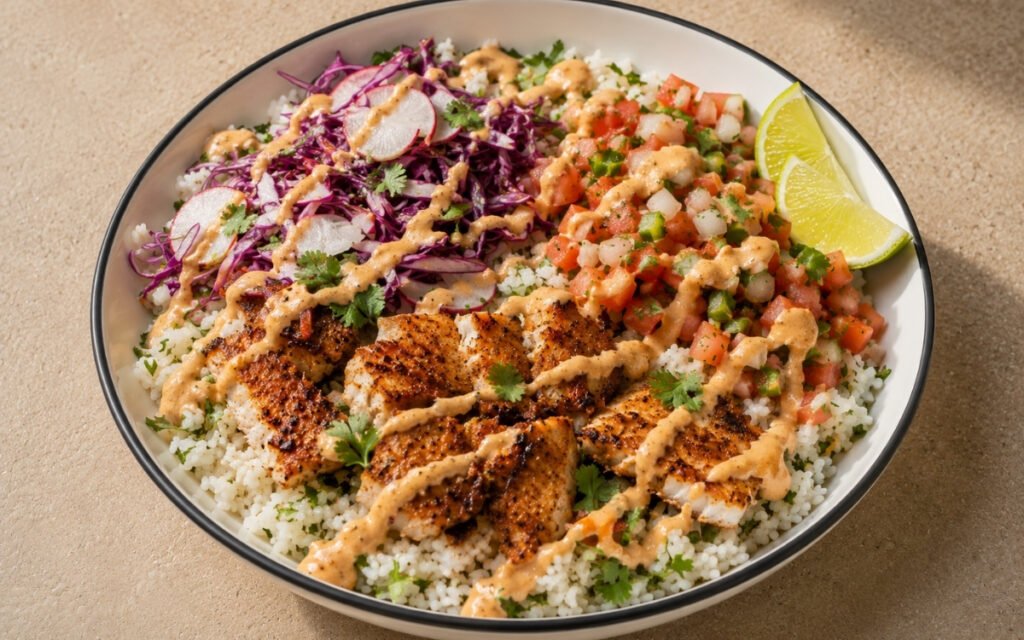
Fish Taco-Style Bowl
White fish seared golden with cumin and smoked paprika — over cilantro-lime rice with chipotle crema, purple cabbage slaw, pico de gallo, and guacamole. 40 minutes.
Caldo Tlalpeño
Ingredients
Method
- Place the chicken in a medium-large pot and add the water, halved onion, garlic cloves, bay leaves, peppercorns, and 2 tsp salt. Bring to a gentle boil over medium heat, then immediately lower to a very gentle simmer. Skim off any foam that rises during the first 10–15 minutes. Simmer for 30–35 minutes, or until the chicken is fully cooked and tender. Remove the chicken and set it aside until cool enough to handle. Strain the broth and discard the solids. You should have a clean, lightly golden broth. The broth should taste clearly of chicken and aromatics, but still clean and light. It should not be cloudy or greasy. Skimming diligently in that early window, when the most concentrated release of foam and impurities happens, is what sets this broth’s clean, light character for the rest of the cook.
- Once the chicken is cool enough to handle, remove and discard the skin and bones. Shred the meat into medium bite-sized strands. Set the shredded chicken aside. Do not shred the chicken too finely. Caldo Tlalpeño should have visible, generous strands of chicken that stay distinct in the soup. Keeping the strands genuinely substantial, rather than shredding down to fine threads, protects the chicken’s own texture and presence in the finished bowl — overly fine shreds tend to disperse and lose their distinct identity once stirred into the broth and simmered further.
- In a blender, combine the tomatoes, the chopped onion, the 2 garlic cloves, the chipotle chiles, the adobo sauce, and the dried oregano. Blend until smooth. Heat the oil in a pot over medium heat. Pour in the blended mixture carefully and cook for 8–10 minutes, stirring occasionally, until it darkens slightly, thickens a little, and loses its raw tomato smell. If using epazote, add it now. This stage matters. The tomato-chipotle mixture should be properly cooked before the broth is added. If it still smells raw and sharp, the finished soup will taste flat and harsh. This active cooking stage is what transforms the blended mixture from raw, sharp-tasting purée into a genuinely developed flavour base — that transformation simply doesn’t happen once the base is diluted into the much larger volume of broth that follows, which is exactly why it needs to happen fully here, first.
- Pour the strained chicken broth into the cooked tomato-chipotle base and stir well. Bring to a gentle simmer. Add the carrots first and cook for 10 minutes. Then add the chickpeas and zucchini. Simmer for another 8–10 minutes, until the carrots are tender, the zucchini is cooked but not collapsing, and the chickpeas are fully warmed through. Add the shredded chicken back to the pot and simmer for 3–4 minutes more, just until heated through. Taste and adjust with more salt as needed. Add 1 tbsp fresh lime juice, or to taste. The broth should be golden-red, lightly smoky, and brothy — not thick like a sauce. The vegetables should stay intact and distinct rather than melting into the soup. Returning the chicken to the pot only near the very end, after the vegetables are already close to done, is what keeps it from overcooking during this final simmering stage — it was already fully cooked during the initial broth-making, so it only needs to be reheated through here, not cooked further.
- Ladle the soup into bowls. Top each serving with diced avocado and crumbled queso fresco. Serve with lime wedges on the side and, if you like, a little fresh cilantro. Serve immediately while the broth is hot and the avocado stays fresh and cool against the soup. The final bowl should have contrast — hot smoky broth, tender chicken, soft chickpeas, fresh avocado, salty queso fresco, and bright lime. Adding the avocado and queso fresco only at the very moment of serving, rather than into the simmering pot, is what preserves their genuinely fresh, cool, distinct character against the hot broth — either ingredient would soften and lose that contrast if it spent any real time simmering.