
Indian Butter Chickpea Bowl
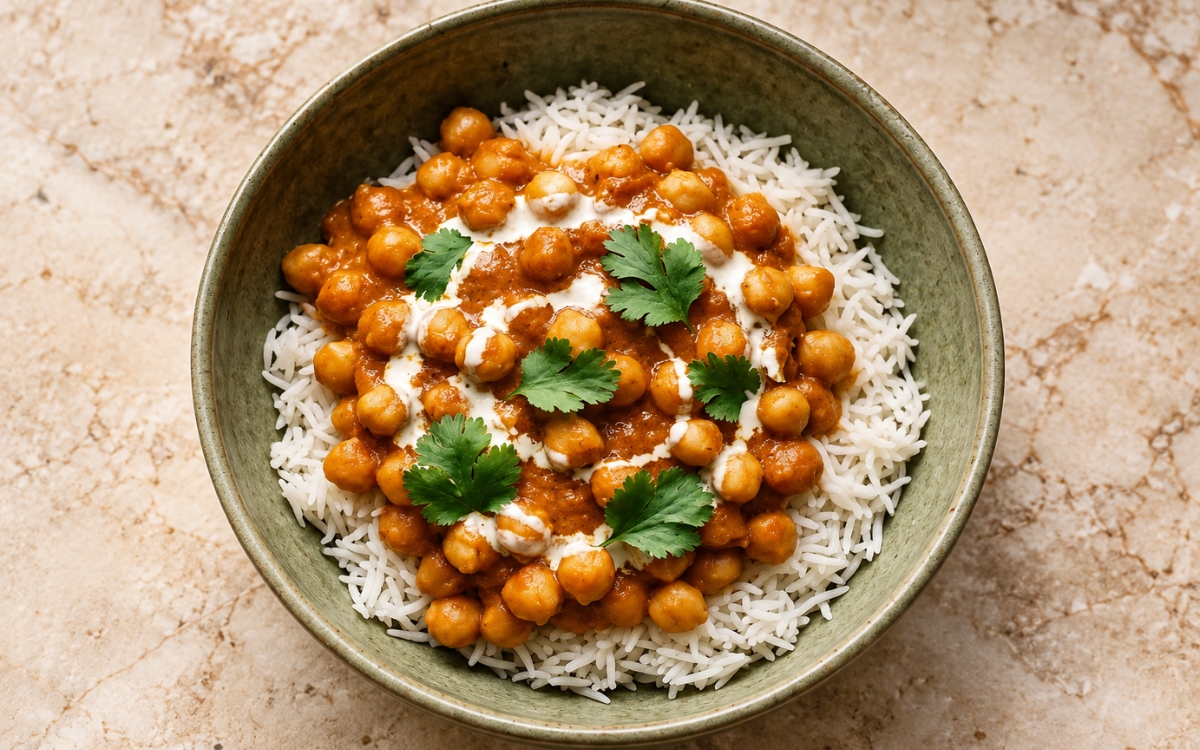
A rich, comforting Indian Butter Chickpea Bowl — tender chickpeas simmered in a smooth, buttery tomato masala of onion, garlic, ginger, cashews, warm spices and kasuri methi, finished with cream and spooned over fluffy basmati rice, the key being a sauce thick enough to sit on the rice rather than soak straight through it. Cooking the tomato masala down until it thickens, darkens and turns glossy, rather than blending it while it still smells of raw tomato, is the technique this whole curry depends on for its depth — an undercooked base blends into a sauce that tastes flat and sharply acidic however much cream follows, the same cook-out-the-tomato principle used elsewhere in this collection whenever a tomato base is puréed into a smooth sauce. Blending the cooked base with the cashews until completely smooth is what gives the sauce its velvety, restaurant-style body without a heavy hand with the cream. Crushing about a quarter of the chickpeas during the simmer is what thickens the sauce from within and binds it to every chickpea. The payoff is a bowl with real, cosy richness — long, fluffy grains, tender chickpeas, a buttery, tomato-forward sauce scented with fenugreek and a cool ribbon of cream.

Prep Time : 15 min
Total Time : 50 min
Servings : 4
15 min
50 min
4
Ingredients
For the Basmati Rice
• 300g basmati rice
• 540–600ml water
• ½ tsp fine salt
• 1 tsp neutral oil or butter, optional
For the Butter Chickpea Masala
• 2 tbsp neutral oil
• 2 tbsp unsalted butter
• 1 medium yellow onion, sliced
• 4 garlic cloves, sliced
• 20g fresh ginger, sliced
• 1 green chilli, sliced, optional
• 450g tomato passata or crushed canned tomatoes
• 2 tbsp tomato paste
• 15g raw cashews
• 1½ tsp ground coriander
• 1 tsp ground cumin
• 1 tsp Kashmiri chilli powder or mild paprika
• ¼–½ tsp hot chilli powder, optional
• ¼ tsp turmeric
• 1 tsp garam masala
• 1 tsp kasuri methi, crushed
• 1–1¼ tsp fine salt, to taste
• 1 tsp sugar or honey
• 120–180ml water, as needed
• 2 × 400g cans chickpeas, drained and rinsed (about 480g drained)
For the Finish
• 60–80ml heavy cream
• 1 tbsp butter
• 2–3 tbsp chopped cilantro
For the Garnish
• Extra heavy cream, for drizzling
• Extra cilantro leaves
Directions
- Rinse and Cook the Rice
Rinse the 300g basmati rice in a bowl in several changes of cold water, swirling it with your fingers, until the water runs mostly clear, then drain well in a sieve. Tip the rice into a medium saucepan with 540–600ml water, the ½ tsp fine salt and the 1 tsp neutral oil or butter, if using — 540ml for firmer, drier grains, or up to 600ml if your rice tends to cook harder. Bring to a boil over medium-high heat, stir once, then reduce the heat to low, cover tightly and cook for 12 minutes. Turn off the heat and leave the rice to rest, still covered, for 10 minutes while the sauce finishes, without lifting the lid at any point. That sealed cooking and resting time is what lets the trapped steam finish the grains evenly, keeping them long, separate and fluffy rather than wet underneath and firm on top. - Soften the Onion and Aromatics
While the rice comes to the boil, heat the 2 tbsp neutral oil and 2 tbsp unsalted butter in a sauté pan or wide saucepan over medium heat until the butter foams. Add the sliced onion and cook for 6–8 minutes, stirring often, until it is genuinely soft, translucent and lightly golden at the edges. Add the sliced garlic, ginger and green chilli, if using, and cook for 1 minute, just until fragrant. The garlic should stay pale; if the pan starts to catch, lower the heat and add a small splash of the measured water. That gentle softening is what builds a sweet, mellow onion base, since browned or scorched garlic would carry its bitterness straight through the blended sauce. - Cook Down the Tomato Masala
Add the 450g tomato passata, 2 tbsp tomato paste, 15g raw cashews, 1½ tsp ground coriander, 1 tsp ground cumin, 1 tsp Kashmiri chilli powder, the hot chilli powder if using, ¼ tsp turmeric, 1 tsp garam masala, 1 tsp of the fine salt and the 1 tsp sugar or honey. Stir well and cook for 8–10 minutes over medium to medium-low heat, stirring regularly and scraping the base of the pan, until the mixture thickens, darkens slightly and looks glossy, with small pools of butter at the edges. The sharp, raw tomato smell should be genuinely gone. If the masala spits hard or sticks, lower the heat rather than adding water. That full reduction is what drives off the raw acidity and concentrates the tomato, because a masala blended too early leaves the finished bowl tasting flat and sour. - Blend Until Smooth
Let the masala cool for a minute, then transfer it carefully to a blender, filling the jar no more than halfway. Remove the centre cap of the lid and cover the opening with a folded kitchen towel so steam can escape. Blend for 1–2 minutes, until completely smooth, adding 60–120ml of the water only as needed to keep the blades turning. No flecks of onion, ginger fibre or cashew should remain, and the sauce should look velvety and thick, like a loose purée rather than a soup. Scrape every bit back into the pan with a spatula. That thorough blending is what turns the softened cashews and aromatics into the silky, butter-style texture the whole bowl is built on. - Simmer the Chickpeas
Return the pan with the blended sauce to medium-low heat and add the drained chickpeas and 60ml of the water. Simmer for 8–10 minutes, stirring occasionally, until the chickpeas are heated through and the sauce genuinely clings to them. Partway through, press about a quarter of the chickpeas against the side of the pan with the back of a spoon until they burst and crumble into the sauce. Keep the heat gentle so the sauce bubbles lazily rather than splattering and reducing too fast. That partial crushing is what releases starch into the sauce, thickening it from within and giving the bowl a cohesive, buttery texture where sauce and chickpeas hold together. - Finish with Methi, Cream and Butter
Rub the 1 tsp kasuri methi between your palms directly over the pan so it falls in as a fine, fragrant powder. Stir in the 60–80ml heavy cream and the 1 tbsp butter, and simmer for 1–2 minutes more, just until the sauce looks glossy and unified. Taste and add the remaining ¼ tsp fine salt only if needed. The finished sauce should be spoonable and thick enough to sit on rice without running thin. If it is too thick, loosen it with a little of any remaining water, 1 tbsp at a time; if it is too loose, simmer it uncovered for a few minutes more. Turn off the heat and stir in the 2–3 tbsp chopped cilantro. That short, gentle finish is what keeps the cream silky and the fenugreek fragrant, since a hard boil dulls both. - Assemble the Bowls
Fluff the rested rice gently with a fork, lifting from the bottom of the pan so the long grains stay whole. Divide the rice among 4 warm bowls, then spoon the butter chickpeas over or slightly beside it, giving each bowl an even share of chickpeas and sauce. Finish each bowl with a small drizzle of the extra heavy cream and a few extra cilantro leaves. The bowls should look glossy and deep orange-red, with white ribbons of cream, bright green herbs and fluffy white rice at the edge. Serve straight away while the sauce is hot. That last-minute cream drizzle is what keeps a cool, fresh contrast on top of the rich, warm sauce instead of letting it melt in.
*Notes :
- Cooking the tomato masala until it reduces and turns glossy deserves genuine recognition as the technique most directly responsible for whether this bowl tastes deep or merely tomatoey. The recipe’s own warning that “If the tomato base still tastes raw, the finished bowl will taste flat and acidic” holds because passata needs 8–10 minutes of steady heat to evaporate its water and concentrate its sugars — cream added later cannot repair a raw base.
- The partial crushing of the chickpeas deserves the same attention this technique receives throughout this collection’s other legume curries, because it decides whether the sauce coats the chickpeas or pools beneath them. Pressing about a quarter of them releases their starchy interiors into the sauce, while the recipe’s own note that “Chickpeas should simmer in the sauce long enough to absorb flavor, but not so long that the sauce reduces excessively” sets the 8–10 minute window.
- The kasuri methi deserves genuine respect as the detail most directly responsible for the dish tasting like a butter masala rather than a plain tomato curry. The recipe’s own note that “Kasuri methi is important for the classic butter curry profile” reflects how its savoury, faintly bitter fenugreek aroma cuts through the butter and cream, which is why it is rubbed to a powder and added only in the final minutes.
- The final sauce consistency deserves attention as a genuine, checkable readiness cue rather than a loose approximation. The recipe’s own line that “The final consistency should be spoonable and thick enough to sit over rice without running thin” matters because a loose sauce soaks straight into the basmati and turns it soggy, so loosen it 1 tbsp of water at a time or simmer it uncovered until it holds.
Why This Recipe Works
This recipe works because every stage builds body and depth into the sauce before the chickpeas ever go in. The onion softens slowly in oil and butter, then the tomato, cashews and spices cook down until glossy, so the raw acidity is gone before anything is blended. Blending the cashews into the base gives a velvety body that needs only a modest pour of cream, while crushing a quarter of the chickpeas thickens the sauce from within. Kasuri methi and a final knob of butter go in at the end, and steamed, rested basmati catches everything, so each bowl tastes genuinely rich, buttery and balanced.
Ingredient Breakdown
Fully Reduced Tomato Masala
The critical technique — 8–10 minutes of steady cooking drives off raw acidity and concentrates the passata into a glossy base.
Partly Crushed Chickpeas
The critical technique — pressing about a quarter releases starch that thickens the sauce and binds it to the whole chickpeas.
Covered Rice Rest (10 Minutes)
The critical timing technique — trapped steam finishes the basmati evenly, keeping the grains long, separate and genuinely fluffy.
Raw Cashews (Blended In)
The structural choice — just 15g softened in the masala blends into a creamy body without making the sauce heavy.
Thorough Blending
The core flavour-building stage — puréeing the cooked base until completely smooth gives the sauce its velvety, butter-style texture.
Kasuri Methi (Rubbed to Powder)
The defining flavour ingredient — dried fenugreek leaves give the savoury, faintly bitter aroma of a classic butter curry.
Cream and Butter Finish
The finishing touch — a gentle 1–2 minute simmer turns the sauce glossy and rounded without dulling its tomato brightness.
Flavor Structure Explained
This Indian butter chickpea bowl follows a layered balance model:
- Soft, starchy foundation (fluffy basmati rice, tender chickpeas)
- Sweet aromatic base (slowly softened onion, garlic, ginger)
- Bright, tangy body (passata, tomato paste, a touch of sugar)
- Warm spice layer (coriander, cumin, garam masala, Kashmiri chilli, kasuri methi)
- Rich, creamy finish (butter, cashews, heavy cream, fresh cilantro)
Fluffy basmati and tender chickpeas form the soft, starchy foundation, giving the sauce something genuinely substantial to coat. Slowly softened onion, garlic and ginger build the sweet aromatic base underneath everything. Passata and tomato paste, rounded with a little sugar, supply the bright, tangy body that keeps the bowl tomato-forward. Coriander, cumin, garam masala and Kashmiri chilli add warmth, with kasuri methi lending its savoury fenugreek edge, while butter, cashews, cream and cilantro bring the rich, creamy finish that ties this butter chickpea bowl together.
Common Mistakes to Avoid
- Blending the Masala Too Early – This locks raw tomato acidity into the sauce, leaving it flat and sour however much cream follows. Always cook the base for 8–10 minutes, until glossy and slightly darker.
- Under-Blending the Sauce – This leaves gritty specks of cashew and onion fibre that ruin the smooth, butter-style texture. Always blend for 1–2 minutes, until genuinely smooth, adding water only as needed.
- Adding Too Much Water – This thins the sauce until it runs off the chickpeas and soaks into the rice. Always add the water gradually, stopping as soon as the sauce is spoonable and clings.
- Lifting the Lid on the Rice – This releases the steam that finishes the grains, leaving them firm on top and wet underneath. Always keep the pan covered through the 12-minute cook and 10-minute rest.
- Boiling After Adding the Cream – This dulls the kasuri methi and can leave the sauce looking greasy or split. Always keep the final simmer gentle and brief, just 1–2 minutes.
Variations
Richer Butter Version
Stir in an extra 1 tbsp butter at the end, per the recipe’s own note, for a silkier, more indulgent sauce that clings even more generously to the chickpeas and rice.
Lighter Version
Keep the cream closer to 60ml, per the recipe’s own suggestion, and skip the serving drizzle for a brighter, more tomato-forward bowl that still keeps its smooth, cashew-thickened body.
Jasmine Rice Version
Swap the basmati for jasmine rice, which the recipe’s own note allows when needed, reducing the water slightly and accepting softer, stickier grains in place of the long, separate basmati.
Extra-Hot Version
Add the green chilli and the full ½ tsp hot chilli powder alongside the Kashmiri chilli, building a sharper, lingering heat while the cream and cashews keep the sauce rounded and balanced.
Storage & Make-Ahead
Passata gives the smoothest, quickest base, and if you use whole canned tomatoes instead, crush them well and cook the masala base a few minutes longer before blending, as the recipe’s own note advises, so no raw tomato edge remains.
The chickpeas in their blended sauce, before the cream and butter go in, can be refrigerated in an airtight container for up to 3 days or frozen for up to 3 months, then reheated gently and finished just before serving.
The finished butter chickpeas can be held over very low heat briefly before serving, but add the final cream drizzle only at the end, per the recipe’s own note, so it stays a cool, distinct ribbon.
Refrigerate leftover chickpeas and rice in separate airtight containers for up to 3 days, cooling the rice quickly and chilling it within an hour of cooking, since cooked rice should never sit warm for long.
Reheat the chickpeas gently in a covered pan with 1–2 tbsp water, stirring until hot through, and microwave the rice with a splash of water under a cover until steaming, then add fresh cream and cilantro.
Frequently Asked Questions
Why are cashews blended into the sauce instead of using more cream?
Raw cashews soften in the simmering masala and blend into a fine, creamy emulsion that gives the sauce genuine body and a restaurant-style richness. That lets the recipe use a modest 60–80ml cream, so the sauce stays smooth without turning heavy.
Why does the tomato masala need to cook for 8–10 minutes before blending?
Passata starts out watery and sharply acidic, and steady cooking evaporates that water while concentrating its natural sweetness. Once the base looks glossy and darker with no raw smell, it blends into a deep, rounded sauce rather than a flat, sour one.
Why are some of the chickpeas crushed during the simmer?
Crushed chickpeas release their soft, starchy interiors into the sauce, thickening it naturally without flour or extra reduction. Crushing about a quarter is enough to bind sauce and chickpeas together, while the rest stay whole for texture.
Why should the rice rest covered for 10 minutes after cooking?
During the rest, the steam trapped under the lid keeps cooking the grains gently and moves moisture from the bottom of the pan up through the rice. Lifting the lid lets that steam escape, leaving the basmati unevenly cooked.
Are there other classic Indian curry, rice bowl, or side dishes worth trying?
Chana Masala offers another classic chickpea curry direction worth exploring alongside this one. Butter Chicken and Mango Chutney Chicken Rice Bowl are also worth trying for other rich, saucy chicken directions, and Garlic Turmeric Yellow Rice and Cucumber Raita offer other fragrant rice and cooling sides worth serving with bowls like this one.
Nutrition Facts
( Per Serving — 1 bowl )
Calories
~760 kcal
Protein
18 g
Fat
30 g
Carbs
104 g
Calories
~760 kcal
Protein
18 g
Fat
30 g
Carbs
104 g
Related Recipes
Related Recipes
-

Puerto Rican Arroz con Gandules
Golden-orange Puerto Rican rice cooked in one pot with pigeon peas, sofrito, green olives, red bell pepper, and browned pork shoulder cubes.
-
Japanese Katsudon
Crisp tonkatsu pork cutlet simmered briefly with soft onion in light soy-dashi broth, finished with softly set egg over short-grain rice.
-
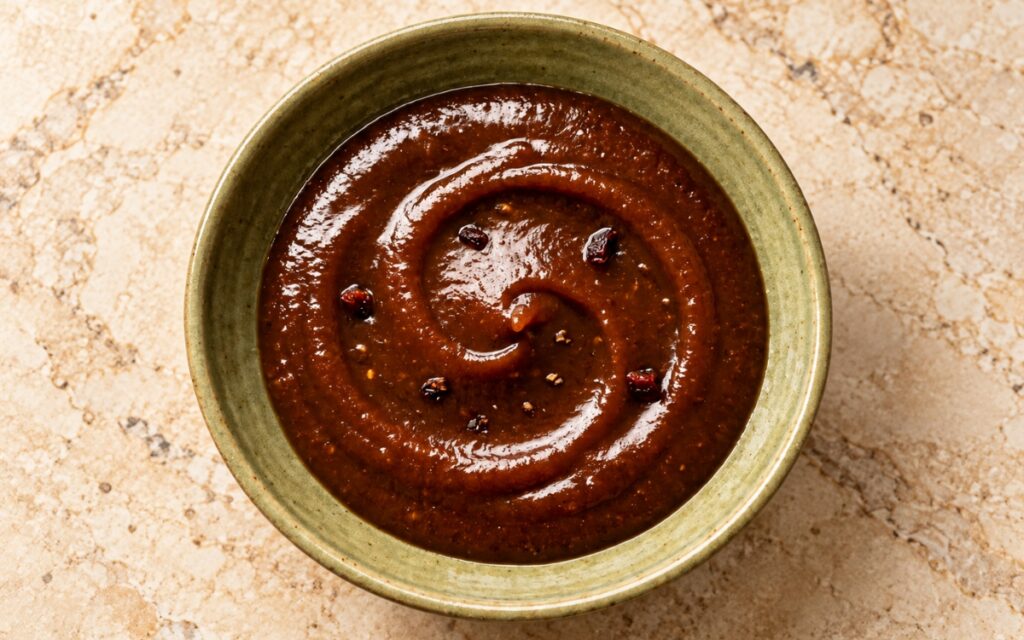
Tamarind Date Chutney
A glossy, sweet-tangy Indian chutney of tamarind and dates with jaggery, roasted cumin, dry ginger, Kashmiri chilli and black salt.


You might also like
You might also like
-
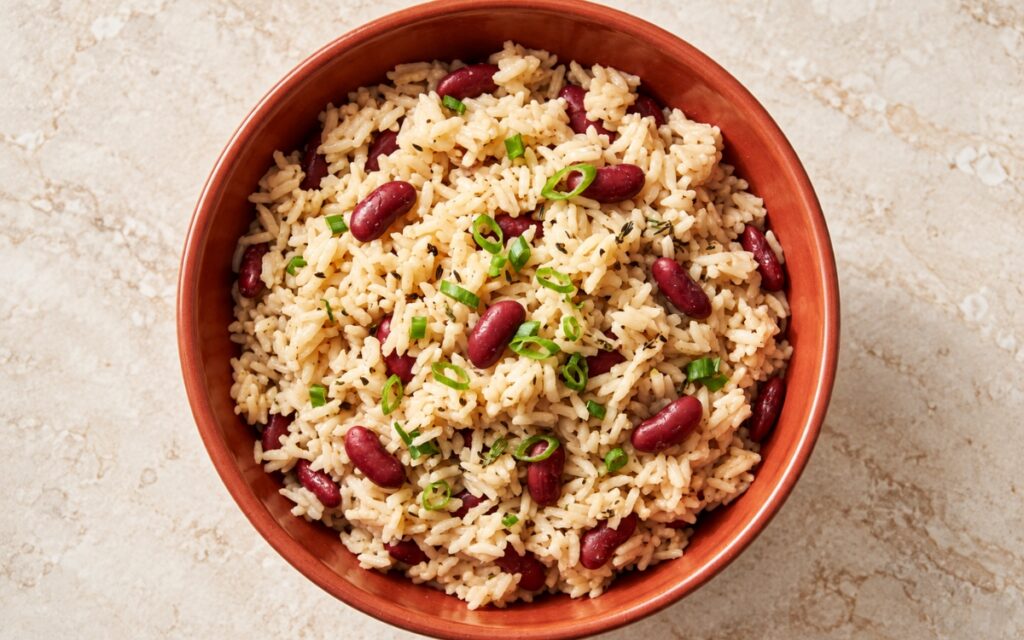
Caribbean Coconut Rice and Beans
Classic Caribbean-style coconut rice and beans made with fluffy long-grain rice, red kidney beans, coconut milk, scallions, thyme, and gentle allspice.
-
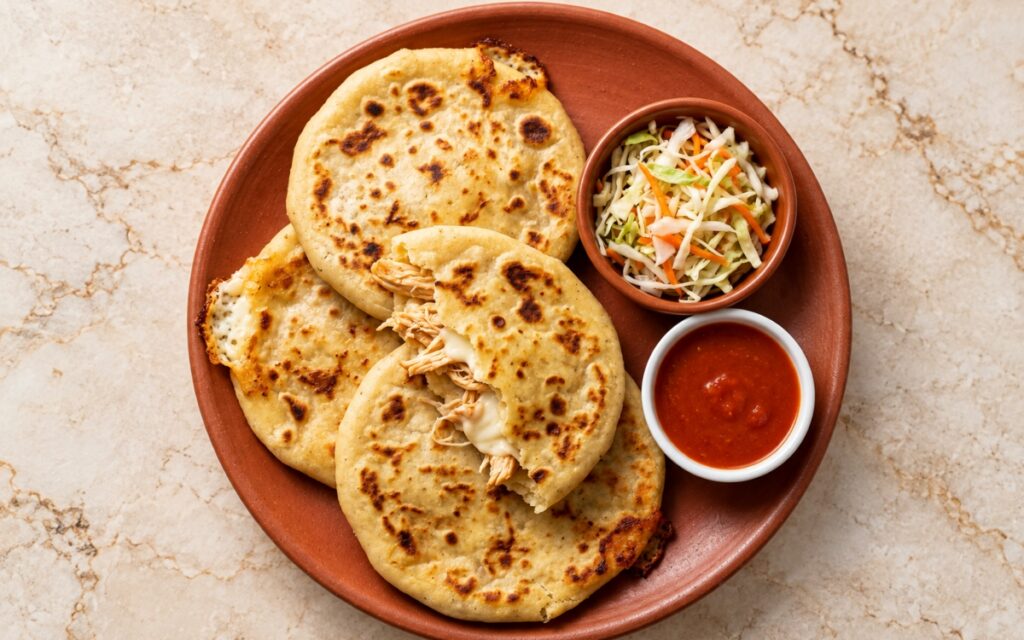
Salvadoran Chicken Pupusas
Thick corn masa pupusas filled with seasoned shredded chicken and melted white cheese, griddled until golden and served with curtido and salsa roja.
-
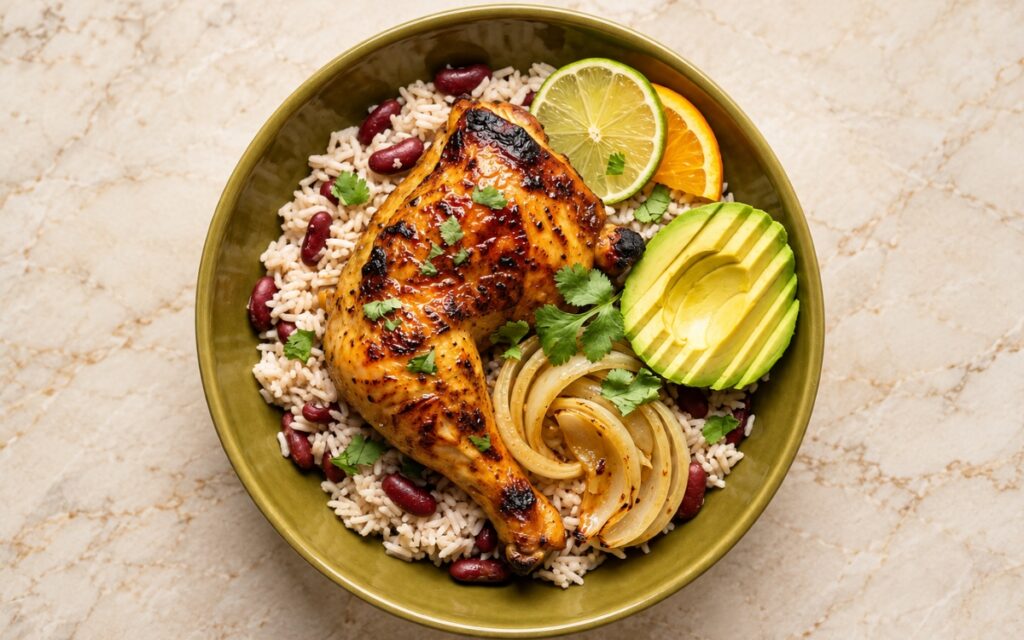
Cuban Mojo Chicken Rice Bowl
A composed Caribbean-style bowl of roasted mojo chicken leg quarter over coconut rice and red beans with mojo onions, avocado, citrus, and cilantro.
Indian Butter Chickpea Bowl
Ingredients
Method
- Rinse the 300g basmati rice in a bowl in several changes of cold water, swirling it with your fingers, until the water runs mostly clear, then drain well in a sieve. Tip the rice into a medium saucepan with 540–600ml water, the ½ tsp fine salt and the 1 tsp neutral oil or butter, if using — 540ml for firmer, drier grains, or up to 600ml if your rice tends to cook harder. Bring to a boil over medium-high heat, stir once, then reduce the heat to low, cover tightly and cook for 12 minutes. Turn off the heat and leave the rice to rest, still covered, for 10 minutes while the sauce finishes, without lifting the lid at any point. That sealed cooking and resting time is what lets the trapped steam finish the grains evenly, keeping them long, separate and fluffy rather than wet underneath and firm on top.
- While the rice comes to the boil, heat the 2 tbsp neutral oil and 2 tbsp unsalted butter in a sauté pan or wide saucepan over medium heat until the butter foams. Add the sliced onion and cook for 6–8 minutes, stirring often, until it is genuinely soft, translucent and lightly golden at the edges. Add the sliced garlic, ginger and green chilli, if using, and cook for 1 minute, just until fragrant. The garlic should stay pale; if the pan starts to catch, lower the heat and add a small splash of the measured water. That gentle softening is what builds a sweet, mellow onion base, since browned or scorched garlic would carry its bitterness straight through the blended sauce.
- Add the 450g tomato passata, 2 tbsp tomato paste, 15g raw cashews, 1½ tsp ground coriander, 1 tsp ground cumin, 1 tsp Kashmiri chilli powder, the hot chilli powder if using, ¼ tsp turmeric, 1 tsp garam masala, 1 tsp of the fine salt and the 1 tsp sugar or honey. Stir well and cook for 8–10 minutes over medium to medium-low heat, stirring regularly and scraping the base of the pan, until the mixture thickens, darkens slightly and looks glossy, with small pools of butter at the edges. The sharp, raw tomato smell should be genuinely gone. If the masala spits hard or sticks, lower the heat rather than adding water. That full reduction is what drives off the raw acidity and concentrates the tomato, because a masala blended too early leaves the finished bowl tasting flat and sour.
- Let the masala cool for a minute, then transfer it carefully to a blender, filling the jar no more than halfway. Remove the centre cap of the lid and cover the opening with a folded kitchen towel so steam can escape. Blend for 1–2 minutes, until completely smooth, adding 60–120ml of the water only as needed to keep the blades turning. No flecks of onion, ginger fibre or cashew should remain, and the sauce should look velvety and thick, like a loose purée rather than a soup. Scrape every bit back into the pan with a spatula. That thorough blending is what turns the softened cashews and aromatics into the silky, butter-style texture the whole bowl is built on.
- Return the pan with the blended sauce to medium-low heat and add the drained chickpeas and 60ml of the water. Simmer for 8–10 minutes, stirring occasionally, until the chickpeas are heated through and the sauce genuinely clings to them. Partway through, press about a quarter of the chickpeas against the side of the pan with the back of a spoon until they burst and crumble into the sauce. Keep the heat gentle so the sauce bubbles lazily rather than splattering and reducing too fast. That partial crushing is what releases starch into the sauce, thickening it from within and giving the bowl a cohesive, buttery texture where sauce and chickpeas hold together.
- Rub the 1 tsp kasuri methi between your palms directly over the pan so it falls in as a fine, fragrant powder. Stir in the 60–80ml heavy cream and the 1 tbsp butter, and simmer for 1–2 minutes more, just until the sauce looks glossy and unified. Taste and add the remaining ¼ tsp fine salt only if needed. The finished sauce should be spoonable and thick enough to sit on rice without running thin. If it is too thick, loosen it with a little of any remaining water, 1 tbsp at a time; if it is too loose, simmer it uncovered for a few minutes more. Turn off the heat and stir in the 2–3 tbsp chopped cilantro. That short, gentle finish is what keeps the cream silky and the fenugreek fragrant, since a hard boil dulls both.
- Fluff the rested rice gently with a fork, lifting from the bottom of the pan so the long grains stay whole. Divide the rice among 4 warm bowls, then spoon the butter chickpeas over or slightly beside it, giving each bowl an even share of chickpeas and sauce. Finish each bowl with a small drizzle of the extra heavy cream and a few extra cilantro leaves. The bowls should look glossy and deep orange-red, with white ribbons of cream, bright green herbs and fluffy white rice at the edge. Serve straight away while the sauce is hot. That last-minute cream drizzle is what keeps a cool, fresh contrast on top of the rich, warm sauce instead of letting it melt in.