
Caribbean Coconut Rice and Beans
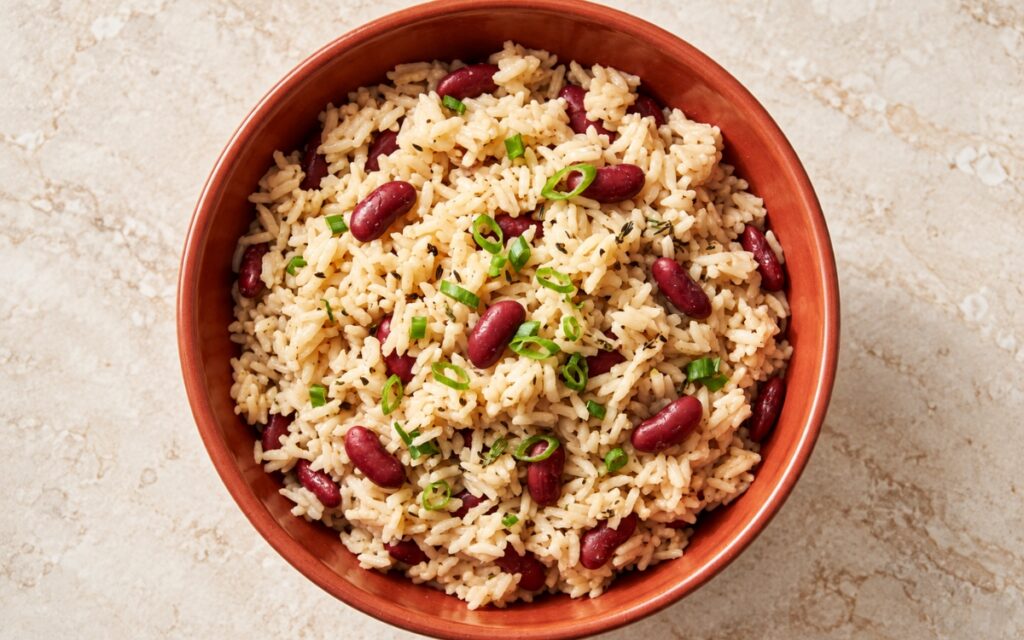
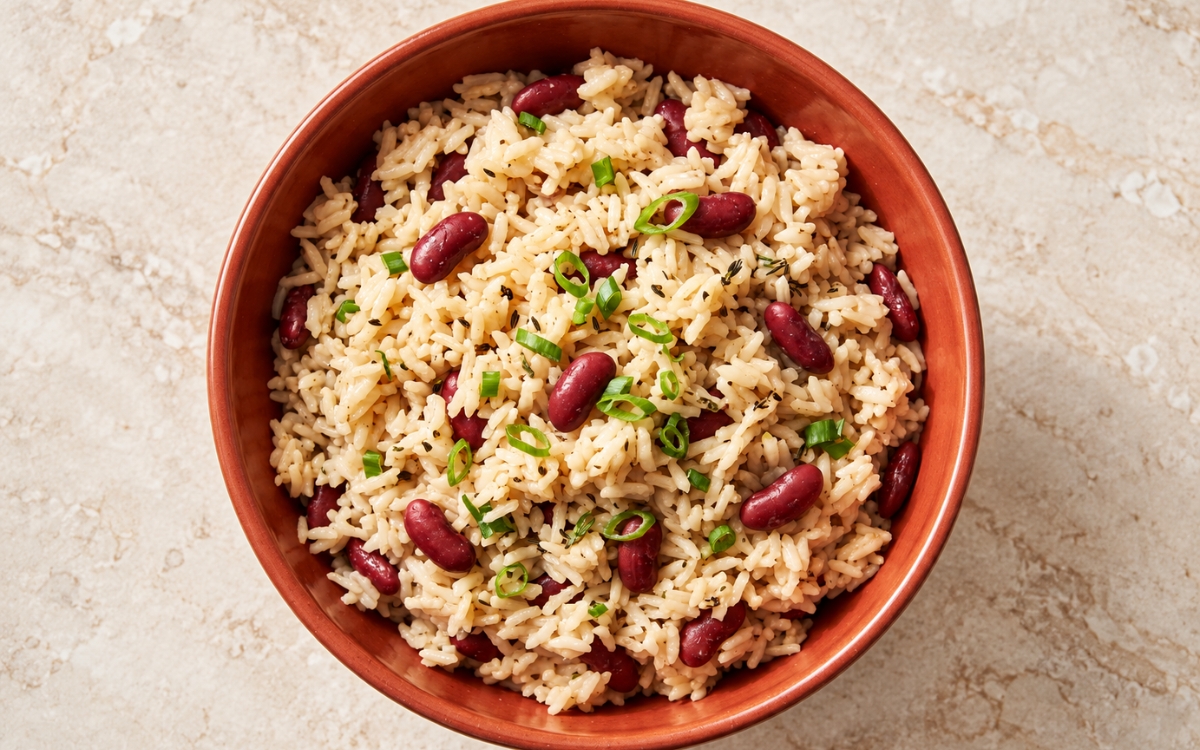
A classic Caribbean-style pot of fluffy long-grain white rice cooked with red kidney beans, full-fat coconut milk, scallions, thyme, onion, garlic, and a gentle note of allspice, finished with a whole Scotch bonnet for fragrance rather than fire, the key being a pale, clean-tasting rice that smells creamy and aromatic without ever turning heavy. Simmering the rice tightly covered over low heat without stirring or lifting the lid, rather than stirring it like a risotto, is the technique this whole coconut rice and beans depends on for separate, tender grains — repeated stirring releases starch and breaks the beans into a gummy paste, the same hands-off-while-it-steams principle used elsewhere in this collection whenever rice cooks in a rich liquid. Softening the onion and scallion whites gently without colour is what keeps the rice ivory and the flavour clean. A brief toast in that aromatic fat is what coats each rinsed, well-drained grain so it stays distinct and carries the coconut and thyme evenly. The payoff is a pot of rice with real, soft coconut character — ivory, lightly glossy, and fragrant with thyme and allspice, with fully separate tender grains and plump whole kidney beans throughout.
Prep Time : 15 min
Total Time : 50 min
Servings : 4
15 min
50 min
4
Ingredients
For the Rice Base
• 280g long-grain white rice, about 1½ cups
• 1 tbsp neutral oil or unsalted butter
• 1 small onion, very finely diced
• 3 scallions, white and light green parts separated from the dark green tops, thinly sliced
• 3 garlic cloves, finely minced
• 2 sprigs fresh thyme, or 1 tsp dried thyme
• ¼ tsp ground allspice, or a small pinch of crushed allspice berries
• 1 bay leaf, optional
For the Beans & Liquids
• 1 can (400ml) full-fat coconut milk
• 180–240ml water or light stock, starting with 180ml and adding more only as needed
• 1 can (400g) red kidney beans, drained and rinsed well, about 240g drained beans
For the Seasoning
• 1¼ tsp kosher salt, plus more if needed
• ¼ tsp freshly ground black pepper
• 1 whole Scotch bonnet or other small hot pepper, left whole and pierced once with a knife, optional but classical
For the Finish
• Reserved sliced dark green scallion tops, from the 3 scallions above
Directions
- Rinse and Drain the Rice
Rinse the 280g rice in a fine sieve under cold running water, swishing it with your fingers, until the water runs mostly clear. Shake the sieve well, then leave the rice to drip for 5–10 minutes so the excess water falls away. Do not skip this draining, because water clinging to the grains quietly adds to the liquid you have measured and can push the pot toward soupy. That rinsing and draining is what removes surface starch and keeps the cooked grains separate rather than sticky. - Build the Aromatic Base
Heat the 1 tbsp oil or butter in a medium heavy pot with a tight-fitting lid over medium heat. Add the finely diced onion and the white and light green scallion parts and cook for 2–3 minutes, stirring, until softened, glossy, and still pale. Stir in the garlic, thyme, allspice, and bay leaf, if using, and cook for 20–30 seconds until fragrant. Lower the heat if anything starts to colour, because browned onion turns the rice darker and coloured garlic turns bitter. That gentle softening is what gives the pot its clean, pale, sweetly aromatic base. - Toast the Rice
Add the drained rice to the pot and stir for 1–2 minutes, until every grain looks lightly coated in the fat and aromatics and smells faintly nutty. Keep the heat at medium and keep the grains moving, because the rice should stay white and only just warm through rather than take on any brown colour. That brief toasting is what helps the grains stay distinct and carry the coconut and herb flavour evenly from edge to centre. - Add the Coconut Milk, Beans, and Seasoning
Shake the can of coconut milk well and pour it into the pot, then add 180ml water, the rinsed kidney beans, 1¼ tsp salt, the pepper, and the whole Scotch bonnet, if using. Stir once well to loosen the bottom, then bring the pot up to a gentle simmer. If the mixture looks unusually thick before it simmers, add another 30–60ml water, because the rice should be comfortably submerged but never soupy. That single thorough stir is the last one the pot will get. - Simmer Covered
As soon as the liquid reaches a gentle simmer, reduce the heat to low, cover tightly, and cook for 15–18 minutes without lifting the lid for most of that time. Resist stirring, because stirring releases starch and can break the beans. The rice is ready when the surface looks dry, small steam holes appear across the top, and the grains are tender. Too much heat can scorch the bottom before the centre cooks through. That steady, low heat is what lets the rice steam gently instead of catching on the base. - Rest, Fluff, and Serve
Turn off the heat and leave the pot covered for 10 minutes so the rice finishes steaming. Remove the bay leaf, thyme stems, and Scotch bonnet, then fluff gently with a fork and fold in the reserved dark green scallion tops. Taste and add a pinch more salt if needed, because coconut milk can mute seasoning. If the rice is still firm, sprinkle in 2–3 tbsp hot water, cover, and steam 5 more minutes on very low heat. That covered rest is what firms the texture so the rice fluffs cleanly.
*Notes :
- The tightly covered, undisturbed simmer deserves genuine recognition as the technique most directly responsible for whether this rice finishes with separate grains or a gummy, broken mass. The recipe’s own instruction “Do not stir repeatedly once the liquid is simmering” reflects how stirring releases starch and breaks the beans, while lifting the lid lets out the steam that cooks the top of the pot.
- Softening the aromatics gently deserves the same attention this technique receives throughout this collection’s other rice and one-pot dishes built on a soft, unbrowned base. Onion and scallion whites cooked for 2–3 minutes until just soft, then garlic for only 20–30 seconds, keep the pot pale and sweet, whereas browned onion or coloured garlic darkens the rice and leaves a bitter edge.
- The whole Scotch bonnet deserves genuine respect as the detail most directly responsible for fragrance without fire. Left intact it perfumes the steam with a fruity, floral aroma, but a pepper that bursts or is chopped into the pot makes the rice noticeably spicy, which is why it comes out before the rice is fluffed.
- The 10-minute covered rest deserves attention as a genuine, checkable finishing step rather than a loose approximation. The recipe’s own note that “The covered rest is essential” reflects how residual steam finishes the centre of each grain and firms the texture, so the rice fluffs cleanly instead of smearing under the fork or staying wet and soft at the middle.
Why This Recipe Works
This recipe works because rinsing and draining the rice removes surface starch and keeps the liquid ratio exact. A gentle, unbrowned aromatic base and a brief toast then season each grain evenly while the pot stays pale. Full-fat coconut milk supplies the creamy sheen, and a tightly covered low simmer cooks the rice and beans without stirring them apart or scorching the base. Finally, a 10-minute covered rest finishes the centre of every grain, leaving fluffy, lightly glossy rice with plump, whole kidney beans and a soft thyme, scallion, and allspice fragrance.
Ingredient Breakdown
Rinsed and Well-Drained Rice (5–10 Minutes)
The critical technique — removing surface starch and excess water protects the liquid ratio and keeps grains separate.
Tightly Covered Low Simmer (15–18 Minutes)
The critical timing technique — gentle trapped steam cooks the rice evenly without scorching or breaking the beans.
Full-Fat Coconut Milk
The critical ingredient choice — its fat gives the classic creamy sheen and richer flavour lighter coconut milk cannot match.
Thyme, Scallion, and Allspice
The flavour foundation — fresh herbal, mild onion, and warm spice notes define the classic Caribbean seasoning profile.
Whole Scotch Bonnet
The defining aroma ingredient — left intact it adds fruity background fragrance without heat, and removing it keeps the rice mild.
Red Kidney Beans (Rinsed)
The structural partner — rinsed canned beans stay whole, tender, and clean-tasting, spreading earthy bites through the pale rice.
Flavor Structure Explained
This Caribbean coconut rice and beans follows a layered balance model:
- Creamy, rich foundation (full-fat coconut milk, a little oil or butter)
- Fresh herbal aroma (thyme, scallion, bay leaf)
- Warm spice note (allspice, black pepper, Scotch bonnet fragrance)
- Savoury, sweet background (onion, garlic, kosher salt)
- Earthy, tender body (red kidney beans, long-grain rice)
Full-fat coconut milk and a little fat supply the creamy foundation that the rice absorbs as it steams. Thyme, scallion, and bay leaf lift it with fresh herbal aroma, while allspice, black pepper, and the whole Scotch bonnet add a warm, fragrant spice note rather than heat. Onion, garlic, and salt build the savoury background, and kidney beans bring an earthy, tender body against the soft grains that ties the pot together.
Common Mistakes to Avoid
- Skipping the Draining Time – This leaves water clinging to the grains, throwing off the liquid ratio and making the rice wet. Always let the rice drip in the sieve for 5–10 minutes.
- Stirring the Pot While It Simmers – This releases starch and breaks the kidney beans, turning the rice gummy. Always stir once before the simmer, then leave the covered pot alone.
- Browning the Aromatics – This darkens the rice and gives the garlic a bitter edge. Always soften the onion and garlic gently over medium heat until pale.
- Letting the Scotch Bonnet Burst – This releases far more heat than intended and can make the whole pot too spicy. Always keep the pepper whole and remove it before fluffing.
- Skipping the Covered Rest – This leaves the grain centres slightly firm and the texture wet, so the rice smears under the fork. Always rest the covered pot for 10 minutes.
Variations
Bean Liquid Version
Replace part of the water with a little bean cooking liquid, per the recipe’s own note, for a deeper savoury flavour, keeping the finished rice pale rather than muddy.
Dried Beans Version
Cook dried red kidney beans separately until fully tender, per the recipe’s own note, then add them instead of canned, because dried beans will not cook in the rice pot.
Butter Version
Use 1 tbsp unsalted butter instead of neutral oil to sauté the onion and scallions, adding a softer, richer dairy note to the aromatic base while keeping the rice pale.
Mild Version
Leave out the Scotch bonnet entirely and rely on the thyme, scallion, and allspice for fragrance, giving a gentler pot of coconut rice with no background trace of pepper.
Storage & Make-Ahead
Rinse and drain the rice, slice the scallions, and mince the onion and garlic up to a day ahead, keeping each covered in the refrigerator so the pot comes together quickly when you are ready to cook.
Serve the rice soon after fluffing, keeping the pot covered so it stays warm, because the grains firm up and lose their lightly glossy texture as the rice cools.
Cool leftovers within 2 hours and refrigerate them in an airtight container for up to 3 days, spreading the rice in a shallow layer so it chills quickly and evenly.
Reheat portions in a covered saucepan or the microwave with a splash of water until steaming hot throughout, stirring gently once so the heat reaches the middle of the rice.
Freeze cooled portions in airtight containers for up to 2 months and thaw overnight in the refrigerator, then reheat with a little water, since the coconut rice firms up slightly in the freezer.
Frequently Asked Questions
Why must the rice be drained thoroughly after rinsing?
Water clinging to the grains adds to the measured coconut milk and water, so the rice cooks in more liquid than intended and turns soft and sticky instead of fluffy and separate.
Why does the pot stay covered and unstirred while it simmers?
Steam does the real cooking, and stirring or lifting the lid releases it, along with starch that breaks the kidney beans and turns the rice gummy.
Why is the Scotch bonnet left whole and removed before fluffing?
An intact pepper gives fruity, floral aroma with only a faint background warmth, while a burst or chopped one releases far more heat than a gentle pot of rice should carry.
Why does the rice rest covered for 10 minutes after the heat goes off?
Residual steam finishes the centre of each grain and firms the texture, so the rice fluffs cleanly with a fork instead of smearing or staying wet.
Are there other classic Caribbean rice, coconut, or rice bowl dishes worth trying?
Puerto Rican Arroz con Gandules offers another classic Caribbean one-pot rice direction worth exploring. Coconut Rice and Caribbean Jerk Chicken Rice Bowl are also worth trying for other coconut and jerk-spiced rice directions, and Dominican Pollo Guisado offers another Dominican dish worth exploring.
Nutrition Facts
( Per Serving )
Calories
~530 kcal
Protein
11 g
Fat
23 g
Carbs
70 g
Calories
~530 kcal
Protein
11 g
Fat
23 g
Carbs
70 g
Related Recipes
Related Recipes
-

Tacos de Canasta
Soft steamed corn tacos stained orange-red with chile oil, filled with potato, beans, and chicharrón, topped with salsa verde.
-
Pad Krapao — Thai Basil Stir-Fry
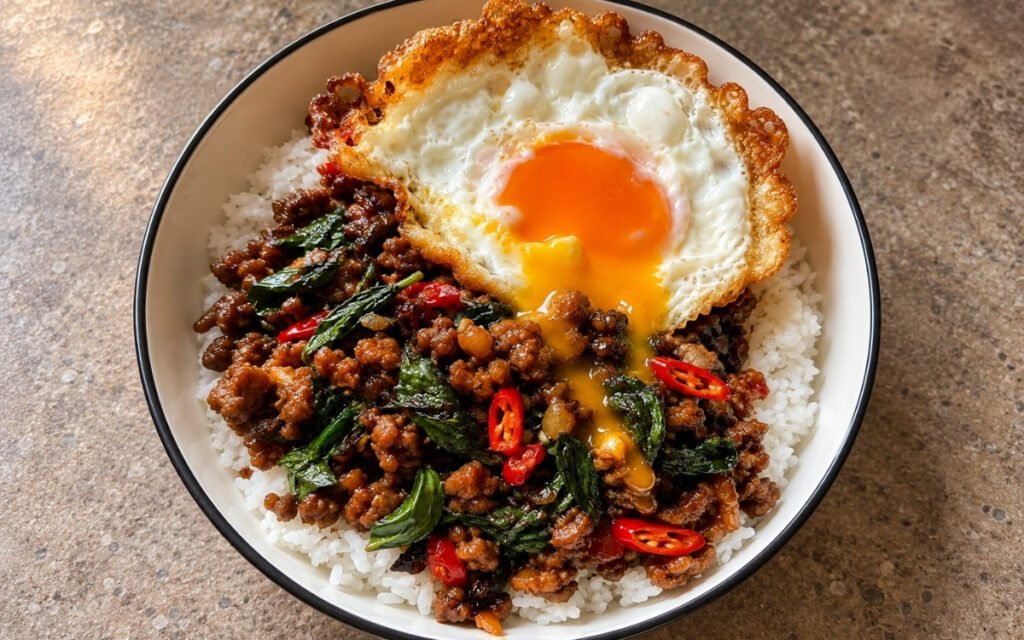
Hard-caramelized minced pork with garlic, chilies, glossy sauce, and Thai holy basil, served over jasmine rice with a crispy fried egg.
-
Pasta alla Norma
Glossy pasta tossed with deeply golden fried eggplant in a simple tomato basil sauce, finished with grated ricotta salata.


You might also like
You might also like
-
Vietnamese Caramelized Pork Bowl
A Vietnamese-inspired rice bowl of glossy pork belly in fish sauce caramel over jasmine rice, with cucumber, cilantro and scallion.
-
Beef Chow Fun
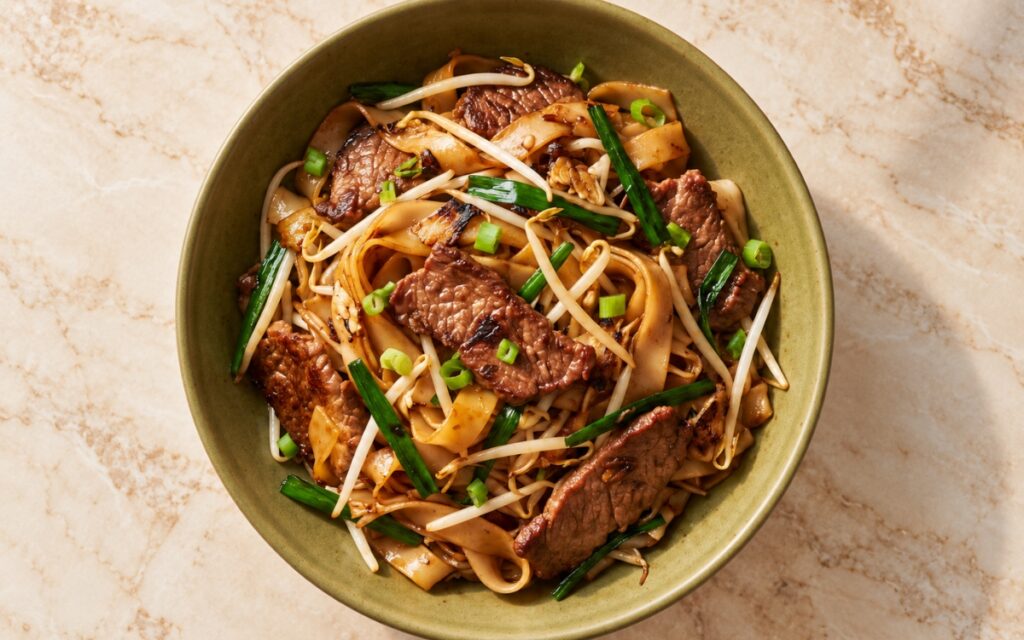
Glossy wide rice noodles stir-fried with tender seared beef, crisp bean sprouts, Chinese chives, and scallions in a dark soy wok sauce.
-
Beef Stroganoff
Tender seared beef, properly browned mushrooms, and a rich, glossy sour cream sauce over buttery egg noodles.


Caribbean Coconut Rice and Beans
Ingredients
Method
- Rinse the 280g rice in a fine sieve under cold running water, swishing it with your fingers, until the water runs mostly clear. Shake the sieve well, then leave the rice to drip for 5–10 minutes so the excess water falls away. Do not skip this draining, because water clinging to the grains quietly adds to the liquid you have measured and can push the pot toward soupy. That rinsing and draining is what removes surface starch and keeps the cooked grains separate rather than sticky.
- Heat the 1 tbsp oil or butter in a medium heavy pot with a tight-fitting lid over medium heat. Add the finely diced onion and the white and light green scallion parts and cook for 2–3 minutes, stirring, until softened, glossy, and still pale. Stir in the garlic, thyme, allspice, and bay leaf, if using, and cook for 20–30 seconds until fragrant. Lower the heat if anything starts to colour, because browned onion turns the rice darker and coloured garlic turns bitter. That gentle softening is what gives the pot its clean, pale, sweetly aromatic base.
- Add the drained rice to the pot and stir for 1–2 minutes, until every grain looks lightly coated in the fat and aromatics and smells faintly nutty. Keep the heat at medium and keep the grains moving, because the rice should stay white and only just warm through rather than take on any brown colour. That brief toasting is what helps the grains stay distinct and carry the coconut and herb flavour evenly from edge to centre.
- Shake the can of coconut milk well and pour it into the pot, then add 180ml water, the rinsed kidney beans, 1¼ tsp salt, the pepper, and the whole Scotch bonnet, if using. Stir once well to loosen the bottom, then bring the pot up to a gentle simmer. If the mixture looks unusually thick before it simmers, add another 30–60ml water, because the rice should be comfortably submerged but never soupy. That single thorough stir is the last one the pot will get.
- As soon as the liquid reaches a gentle simmer, reduce the heat to low, cover tightly, and cook for 15–18 minutes without lifting the lid for most of that time. Resist stirring, because stirring releases starch and can break the beans. The rice is ready when the surface looks dry, small steam holes appear across the top, and the grains are tender. Too much heat can scorch the bottom before the centre cooks through. That steady, low heat is what lets the rice steam gently instead of catching on the base.
- Turn off the heat and leave the pot covered for 10 minutes so the rice finishes steaming. Remove the bay leaf, thyme stems, and Scotch bonnet, then fluff gently with a fork and fold in the reserved dark green scallion tops. Taste and add a pinch more salt if needed, because coconut milk can mute seasoning. If the rice is still firm, sprinkle in 2–3 tbsp hot water, cover, and steam 5 more minutes on very low heat. That covered rest is what firms the texture so the rice fluffs cleanly.